2026 Best Water Evaporation Machine Buying Guide

Time:2026-09-12 Author:Ethan
0%

Choosing a Water Evaporation Machine in 2026 requires more than comparing price tags and evaporation capacity. Industrial buyers must examine energy consumption, wastewater chemistry, operating temperature, maintenance access, and condensate quality. A compact unit may fit a crowded treatment room, yet its heating system could struggle with high salinity or sticky residues. Performance depends on real conditions.

Peter Gleick, a leading water scientist and co-founder of the Pacific Institute, said, “The world’s water crisis is not a crisis of scarcity, but a crisis of management.” His statement reflects a practical truth for evaporation equipment buyers. The right machine should manage water responsibly, not simply remove it faster. This guide considers thermal evaporation, vacuum operation, mechanical vapor recompression, corrosion resistance, automation, and sludge handling. It also explains how to compare energy use under actual production loads.

Small details matter. Ask where scale collects. Check how often filters require cleaning. Request test results using your wastewater, not only clear laboratory water. A polished brochure is not enough. A machine can appear efficient on paper and perform poorly during seasonal changes. That possibility deserves attention.

This 2026 buying guide is designed for engineers, plant managers, and procurement teams seeking dependable decisions. It balances technical specifications with installation experience and long-term operating costs. No selection is perfect. However, careful testing, transparent documentation, and realistic capacity calculations can reduce expensive surprises. Look beyond the first quotation. The cheapest machine may become the costliest choice after energy, downtime, and service are included.
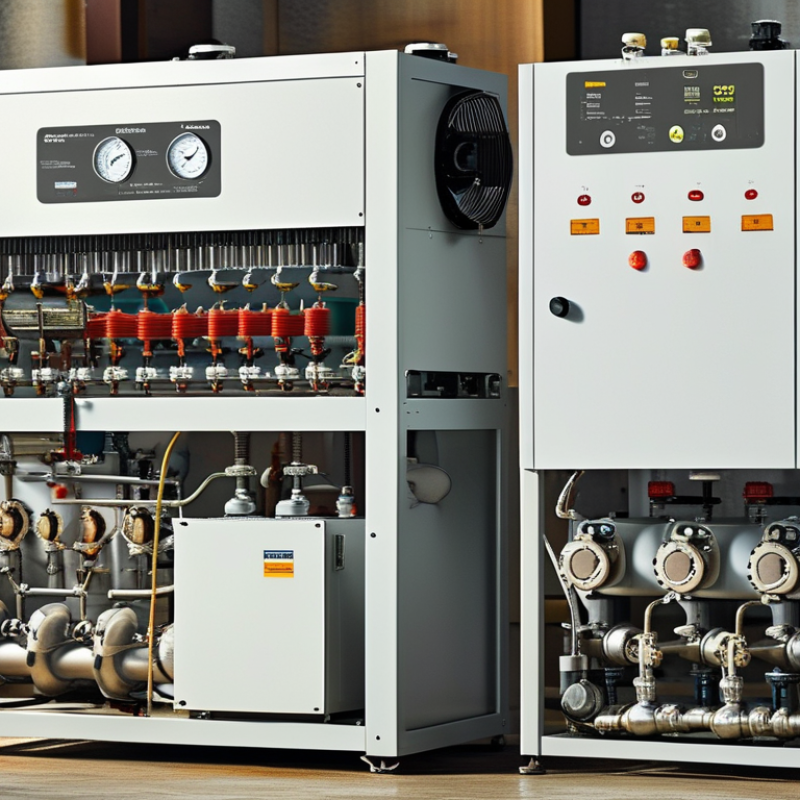
2026 Best Water Evaporation Machine Buying Guide

What Is a Water Evaporation Machine and How Does It Work?

2026 Best Water Evaporation Machine Buying Guide

What Is a Water Evaporation Machine and How Does It Work?

A water evaporation machine removes water from wastewater, brine, or liquid mixtures. It leaves behind a smaller volume of concentrated solids. In practical terms, it works like a controlled industrial kettle, but with tighter temperature and pressure management.

The machine feeds liquid into a heated chamber or heat exchanger. Warm air, steam, or another heating medium transfers energy to the liquid. Water changes into vapor and moves toward a condenser. The condenser cools that vapor into collected distillate. A pump then removes the concentrated residue. Some systems use vacuum pressure, which lowers water’s boiling point and reduces heat damage. Useful details matter here. A visible sight glass, stable flow meter, and accessible drain can simplify daily checks.

Performance depends on feed composition, temperature, vacuum level, and heating efficiency. Oils, salts, and suspended particles can cause scaling or blockages. Regular cleaning is not optional. Operators should inspect seals, filters, sensors, and condensate quality according to documented procedures. A qualified technician should verify electrical and pressure controls before operation.

Buying decisions can become imperfect when sellers emphasize capacity alone. A larger rating may fail with thick or foaming feedwater. Measure actual flow, solids content, available power, and cleaning time. Energy use also deserves attention. A machine that evaporates quickly may still cost more during long production cycles. Pilot testing is often wiser than trusting a brochure. Even then, results may shift with seasonal water changes. That uncertainty should be recorded, not ignored.

Which Types of Water Evaporation Machines Are Available?

Which Types of Water Evaporation Machines Are Available?

Water evaporation machines differ by heat source, pressure, and liquid condition. Falling-film evaporators spread water into a thin film over heated tubes. They suit clear, heat-sensitive liquids and offer compact operation. Forced-circulation units pump liquid rapidly, making them better for concentrated water, crystals, or scaling risk. Vacuum evaporators lower boiling temperatures. This helps protect sensitive materials and reduce thermal damage.

Mechanical vapor recompression systems reuse vapor as heating energy. They can reduce external steam demand, but electricity costs and compressor maintenance matter. Solar evaporation systems use ponds or enclosed solar chambers. They need large areas and depend on weather.

The 2024 UNESCO World Water Development Report states that agriculture still represents about 70% of global freshwater withdrawals. This pressure makes energy efficiency and water recovery increasingly important. The FAO AQUASTAT database also shows major differences in water stress between regions, so one design cannot fit every site.

Tips: Ask for a mass-balance test using your actual water. Check feed temperature, dissolved solids, foaming, and scaling tendency. Review steam, electricity, cleaning water, and maintenance costs together. A machine with high rated capacity may perform poorly with sticky concentrates. That is easy to overlook. Independent performance data is valuable, but operating conditions should match your plant. No evaporator is perfect. Pilot testing may expose problems that brochures miss.

How to Compare Capacity, Efficiency, and Evaporation Performance

2026 Best Water Evaporation Machine Buying Guide

Capacity should mean verified water removal, not a large nameplate. Ask for kilograms evaporated per hour, feed moisture, inlet temperature, and ambient humidity. A machine rated at 100 kg/h may perform far below that figure with cold, dilute feed. Request test data under conditions close to your process. Small details matter.

Efficiency deserves a harder look. The U.S. Department of Energy’s Industrial Decarbonization Roadmap reports that process heating represents about 51% of industrial energy use. Compare specific energy consumption, measured in kWh per kilogram of water removed. ASHRAE Handbook—Fundamentals, 2021, lists water’s latent heat near 2,400 kJ/kg at room temperature. That energy cannot disappear. Poor insulation, wet exhaust air, and oversized fans increase losses.

Evaporation performance includes more than speed. Check outlet moisture, temperature uniformity, residence time, and recovery stability. Field testing should record feed weight, final weight, power input, and operating hours. Use calibrated meters where possible. I would not trust one showroom number. Continuous operation may expose problems that a short demonstration hides. Also inspect cleaning access and condensate handling. These practical points are less exciting, but they often decide real operating cost. My own comparison would leave a margin for seasonal humidity, because laboratory performance is rarely perfectly repeatable.

2026 Best Water Evaporation Machine Buying Guide - How to Compare Capacity, Efficiency, and Evaporation Performance

The chart compares representative industrial operating points for batch vacuum, falling-film thermal, and mechanical vapor recompression evaporation systems. Capacity is shown as water removal per hour, efficiency as liters of water removed per kilowatt-hour of input energy, and evaporation performance as typical operating temperature. Actual results vary with feed concentration, solids content, viscosity, fouling, and heat recovery design.

What Features Matter When Choosing a Water Evaporation Machine?

When choosing a water evaporation machine, start with the wastewater itself, not the advertised capacity. Laboratory testing should measure flow, dissolved solids, foaming, viscosity, and heat sensitivity. A machine rated for 1,000 liters daily may perform differently with oily or high-salt feedwater. Real operating data matters more.

Energy use deserves close attention. The International Energy Agency’s Energy Efficiency 2023 report estimates that industry consumes about 37% of global final energy. Therefore, check specific energy consumption, measured in kilowatt-hours per ton of evaporated water. Vacuum operation, multiple-effect design, and vapor recompression can reduce heat demand. Ask for test conditions. “Low energy” means little without feed temperature and solids data. Maintenance access matters too. Inspectors should reach heat-transfer surfaces without dismantling half the system.

Materials and controls affect reliability. Stainless steel selection should match chloride levels, acidity, and cleaning chemicals. Automatic foam detection, level control, conductivity monitoring, and alarm records reduce operator guesswork. UN-Water’s 2024 World Water Development Report highlights growing pressure on water resources, making recovery and concentrate management increasingly important. Still, evaporation does not make waste disappear. The remaining concentrate needs a lawful, documented disposal route. I would not trust a perfect brochure claim. Pilot trials can reveal scaling, odor, or unstable performance that short demonstrations miss. Small details often decide the real cost.

2026 Best Water Evaporation Machine Buying Guide - What Features Matter When Choosing a Water Evaporation Machine?

Buying Dimension What to Check Practical Specification or Benchmark Why It Matters Best-Fit Applications Buyer Verification Method
Evaporation Capacity Water removal rate under the actual feed conditions, not only the maximum catalog value. Size the unit for the required daily volume plus approximately 15–25% spare capacity.
Confirm the rate in litres per hour or cubic metres per day.
Insufficient capacity can create production bottlenecks, while excessive capacity may increase purchase and operating costs. Industrial wastewaterProcess waterConcentrate reduction Request a performance test using representative feed water, including its solids, salt, oil and chemical content.
Evaporation Technology Whether the machine uses atmospheric evaporation, vacuum evaporation, mechanical vapour recompression or another configuration. Vacuum operation is generally preferable for heat-sensitive liquids because it lowers the boiling temperature.
Mechanical vapour recompression can reduce external steam demand but requires electrical power and suitable process control.
The technology affects energy consumption, product quality, operating temperature, maintenance and total cost of ownership. Heat-sensitive liquidsHigh-volume operationLow-temperature treatment Compare operating conditions, utility consumption and expected annual running hours rather than comparing equipment names alone.
Energy Efficiency Specific energy consumption and the type of heating or vapour-recovery system. Ask for energy use per cubic metre of water evaporated, stated at a defined feed temperature and concentration.
Heat recovery, preheating and vapour recompression can improve efficiency.
Energy is often the largest recurring expense in evaporation, especially for continuous operation. 24-hour operationHigh water volumeRising utility costs Check whether the energy figure includes pumps, controls, cooling, compressed air and auxiliary equipment.
Feed Compatibility Compatibility with suspended solids, dissolved salts, oils, organic matter, corrosive chemicals and foaming liquids. Do not select a machine from water flow rate alone.
Confirm allowable feed conductivity, total dissolved solids, suspended solids, viscosity, pH and temperature.
Feed chemistry determines scaling, corrosion, foaming, blockages and the expected cleaning frequency. Chemical wastewaterMetal finishingFood processing Provide a recent laboratory analysis and, where possible, arrange a pilot test or material-compatibility review.
Materials of Construction Wetted-part materials, weld quality, gaskets, seals and corrosion resistance. Common choices include stainless steel grades selected for the specific chemistry; highly corrosive streams may require higher-alloy materials or non-metallic components. Correct materials extend service life and reduce leaks, contamination and unplanned shutdowns. Saline waterAcidic streamsChloride-containing wastewater Review a wetted-material schedule, chemical-resistance data and the proposed gasket and seal specifications.
Concentrate Performance Final concentration, crystallization capability, concentrate discharge method and residue handling. Confirm the target concentration as a percentage of total dissolved solids or another measurable parameter.
If salts crystallize, verify whether the design supports slurry handling, solids removal and anti-blockage procedures.
The concentrate characteristics determine disposal volume, cleaning requirements and downstream treatment costs. Zero-liquid-discharge systemsSalt recoveryWaste minimization Ask for a mass balance showing feed, distillate, concentrate and any separated solids.
Distillate Quality Quality of the evaporated water and the risk of carryover caused by foaming or entrained droplets. The required quality depends on whether the distillate will be discharged, reused for washing, or sent to another process.
Look for demisters, separation stages and conductivity or quality monitoring where needed.
Poor separation can transfer volatile compounds or droplets into the distillate and limit reuse options. Water reuseRinse-water recoveryDischarge compliance Define acceptance limits for conductivity, chemical oxygen demand, volatile compounds and other relevant contaminants.
Automation and Controls Level, temperature, pressure, flow, conductivity, foam detection, alarms and data logging. A suitable system should provide automatic start-up, shutdown, safety interlocks, fault alarms and trend records.
Remote monitoring is useful for unmanned or multi-shift operation.
Automation improves consistency, protects the equipment and reduces operator workload. Continuous productionRemote facilitiesMulti-shift sites Request an input/output list, control philosophy, alarm list and sample operator interface before purchase.
Scaling and Fouling Control Design measures for mineral deposits, organic fouling, foam and blockage. Useful features may include pretreatment, recirculation, controlled temperature, automatic rinsing, chemical cleaning connections and accessible heat-transfer surfaces. Fouling reduces heat transfer, increases energy consumption and causes downtime. Hard waterHigh-salt wastewaterOrganic process streams Ask for a cleaning procedure, expected cleaning interval and documented results from feed water with similar fouling potential.
Maintenance Accessibility Access to heat exchangers, pumps, filters, demisters, valves, sensors and concentrate outlets. Choose a layout that allows routine inspection and cleaning without removing major process equipment.
Check the availability of standard replacement parts and service documentation.
Easy maintenance lowers downtime and makes routine cleaning more likely to be completed correctly. Limited maintenance teamsRemote plantsContinuous operation Review maintenance clearances, consumable lists, recommended spare parts and estimated service hours.
Safety and Compliance Pressure and temperature protection, electrical safety, chemical handling, ventilation and applicable local requirements. The machine should include appropriately rated safety devices, emergency stops, over-temperature protection and documented operating procedures. Evaporation systems combine heat, pressure, chemicals, moving equipment and concentrated residues. Chemical plantsManufacturing sitesRegulated facilities Confirm the required electrical, pressure-equipment, environmental and workplace-safety certifications for the installation location.
Installation Requirements Available floor area, ceiling height, foundation, power, steam, cooling water, compressed air, drainage and ventilation. Obtain a complete utility schedule and equipment footprint before final selection.
Include space for tanks, pumps, concentrate handling and maintenance access.
A machine that fits the process but not the building can create expensive redesign and installation delays. New installationsPlant upgradesContainerized systems Request general-arrangement drawings, connection points, utility loads, shipping dimensions and lifting requirements.
Total Cost of Ownership Purchase price plus energy, water, chemicals, cleaning, labor, spare parts, disposal and downtime. Compare estimated cost per cubic metre of water removed over the expected service life.
Use the same feed conditions, operating hours and utility prices for every option.
The lowest initial price may not provide the lowest long-term cost. Capital budgetingLong-term contractsHigh utilization Build a five-year or ten-year operating model with sensitivity checks for energy prices, throughput and maintenance intervals.
Selection reminder: Final sizing should be based on a verified mass balance, representative feed-water analysis, required distillate quality, concentrate target, operating schedule and available utilities. Performance figures should be compared only when the test conditions are equivalent.

How to Select the Best Water Evaporation Machine for Your Needs

2026 Best Water Evaporation Machine Buying Guide

How to Select the Best Water Evaporation Machine for Your Needs

Selecting a water evaporation machine starts with your actual water volume, not the advertised maximum. Record daily inflow, peak discharge, and seasonal changes for at least one week. A unit rated for 1,000 liters daily may perform poorly under continuous peak loading. Room temperature, humidity, and airflow also affect evaporation speed. Measure the installation area carefully. Leave space for maintenance and ventilation.

Energy use deserves close attention. Compare power consumption per liter evaporated, not only the motor rating. Ask for test conditions, because laboratory figures can differ from site performance. A variable-speed fan may reduce energy use during lighter workloads. Stainless steel contact surfaces usually support easier cleaning and longer service life. Check whether filters, pumps, seals, and sensors are accessible without special tools. Small details matter.

I once assumed a larger chamber would solve every capacity problem. It did not. Oversizing increased purchase and operating costs while leaving the machine underused. Select controls that show temperature, water level, alarms, and operating hours clearly. Request maintenance schedules, performance records, and a practical demonstration using water similar to yours. Confirm noise levels before installation. A quiet machine can still disturb a small workspace. Also review condensate handling and discharge arrangements with qualified local professionals. Performance may change after several months, so keep operating records and adjust settings when real data challenges your original choice.

FAQS

What capacity should I compare between water evaporation machines?

Compare verified water removal, not the largest nameplate. Measure kilograms or liters evaporated per hour. Ask about feed moisture, inlet temperature, and room humidity. A 100 kg/h rating may fall with cold, dilute water. Request test data from similar operating conditions.

How should I evaluate energy efficiency?

Compare kilowatt-hours used per kilogram of water removed. Motor size alone reveals little. Check insulation, exhaust moisture, fan size, and heating losses. A smaller workload may benefit from variable-speed controls. Real sites can perform differently.

What does evaporation performance include besides speed?

Check final moisture, temperature uniformity, residence time, and recovery stability. Fast evaporation is not always better. Uneven heating may create wet spots or repeated processing. Record results across several operating hours, not one short demonstration.

Which operating data should I record during testing?

Record feed weight, final weight, power input, and operating hours. Use calibrated meters when possible. Measure water temperature and surrounding humidity too. Keep a simple log. It exposes patterns.

How can I choose the right machine size?

Record daily inflow, peak discharge, and seasonal changes for at least one week. Do not size the unit from average volume alone. Continuous peak loading can reduce performance. Oversizing may increase purchase and operating costs. I once assumed bigger meant safer. It did not.

What installation details deserve attention?

Measure the floor area before ordering. Leave room for cleaning, maintenance, ventilation, and safe access. Plan condensate collection and discharge carefully. Check airflow around the machine. A tight corner can quietly reduce performance.

Which cleaning and maintenance features matter most?

Look for accessible filters, pumps, seals, sensors, and contact surfaces. Surfaces that clean easily can reduce downtime. Ask for maintenance intervals and replacement procedures. Special tools may slow routine service. Small details become expensive.

Should I trust laboratory or showroom performance figures?

Treat them as reference points, not guarantees. Ask for conditions close to your process. Test water with similar temperature and concentration. Continue testing over several hours or days. Seasonal humidity may reduce evaporation. Leave some margin.

Conclusion

A Water Evaporation Machine is designed to remove water from liquid streams by converting moisture into vapor through controlled heating, airflow, vacuum, or a combination of these methods. The evaporated water is then separated, while the remaining liquid becomes more concentrated. Available systems may include thermal evaporators, vacuum evaporators, air-assisted units, and compact modular models. Each type offers different advantages in operating temperature, processing speed, energy consumption, and suitability for various liquid characteristics.

When comparing machines, consider processing capacity, evaporation rate, energy efficiency, temperature control, and the quality of the final concentrate. Important features may include automated operation, corrosion-resistant construction, easy cleaning, safety controls, adjustable settings, compact design, and reliable maintenance access. The best Water Evaporation Machine depends on your liquid volume, moisture content, available space, operating budget, and desired performance. Carefully matching machine specifications with your daily workload will help improve efficiency, reduce operating costs, and support consistent long-term operation.


Ethan

Ethan

Ethan is a seasoned marketing professional with a deep expertise in our company's innovative product line. With a passion for sharing knowledge and insights, he takes the lead in regularly updating our corporate blog, where he explores industry trends, product features, and effective marketing......