The market for Effect Evaporator solutions is evolving rapidly. In 2026, buyers around the globe seek efficient and reliable options. These systems play a crucial role in various industries, including food processing and pharmaceuticals.
Understanding the nuances of Effect Evaporator technology is essential for buyers. Different models offer unique benefits and drawbacks. This complexity can be challenging for those unfamiliar with these systems. Thus, buyers must seek expertise and reliable sources.
This guide explores top Effect Evaporator solutions tailored for global buyers. We aim to shed light on effective options available in the market. As buyers navigate this landscape, recognizing imperfections and areas for improvement is vital. The right choice can significantly impact efficiency and product quality.
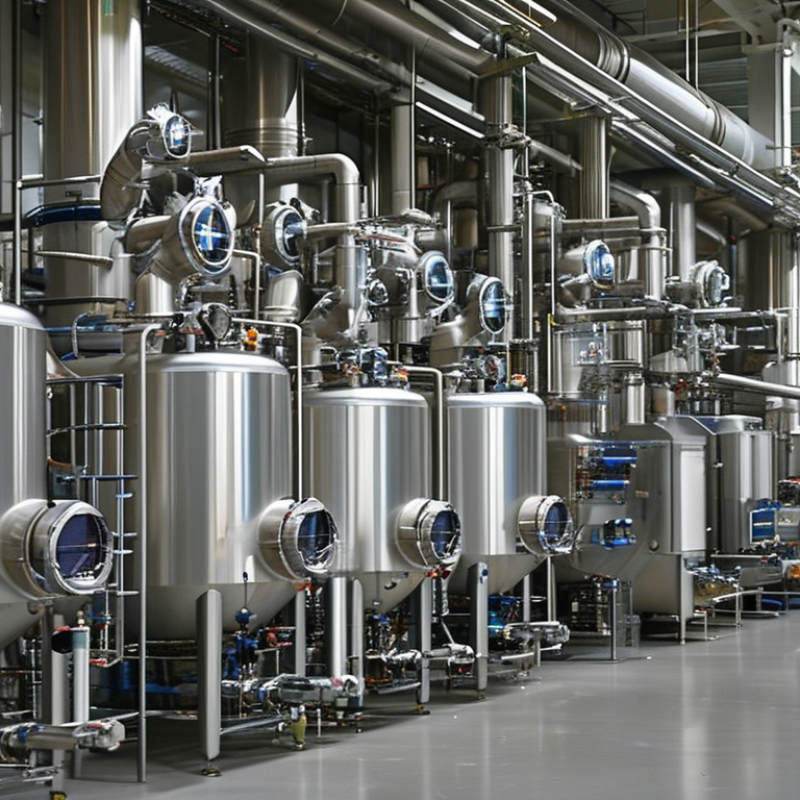
The evaporator market is set to undergo significant transformation by 2026. Recent industry reports indicate that the global evaporator market is anticipated to exceed $6.5 billion by 2026, driven by rapid technological advancements. Existing technologies, such as falling film and forced circulation evaporators, are steadily evolving. They are becoming more energy-efficient and environmentally friendly. Adoption of these technologies aligns with global sustainability goals.
Emerging trends highlight the integration of IoT and AI in evaporators. These innovations provide real-time monitoring and predictive maintenance, enhancing operational efficiency. Industry experts believe that this shift could reduce energy consumption by up to 30%. However, implementing these advanced solutions requires substantial investment. Many companies face challenges with integrating new technologies into existing infrastructures.
Though the potential for growth is promising, industries must tread carefully. Transitioning to newer systems poses risks, including downtime during implementation. Additionally, the variability in energy prices may affect the cost-effectiveness of these advanced evaporator solutions. As the market evolves, assessing the balance between innovation and practicality becomes crucial.
Evaporator performance and efficiency depend on several key factors. Understanding these factors can enhance the effectiveness of any system. Heat transfer efficiency plays a vital role. Increasing the surface area can improve the heat exchange process. Additionally, maintaining optimal temperature differentials is crucial. A slight miscalculation can lead to subpar performance.
Pressure levels also significantly impact evaporation rates. Higher pressure typically increases the boiling point of liquids. This means that controlling pressure is essential for achieving desired outcomes. Flow dynamics within the evaporator system cannot be overlooked. Uneven flow distribution can create hotspots and lead to inefficiency. Continuous monitoring and adjustment are needed to maintain balance.
Materials used in construction matter too. They should withstand corrosive environments and temperature fluctuations. Choosing the right materials affects durability and overall performance. Regular maintenance is a must, yet it is often neglected. Without proper care, even the best systems can fail. These considerations are fundamental for anyone aiming to maximize evaporator functionality.
In the rapidly evolving landscape of evaporator solutions, numerous manufacturers and suppliers are stepping up to meet global demands. These industry leaders provide a variety of technologies tailored to different sectors. Their offerings include falling film evaporators, plate evaporators, and multi-effect evaporators. Each type has its unique advantages, but understanding the best fit requires expertise.
Finding a reliable supplier can be challenging. Companies often grapple with inconsistencies in quality and pricing. Some suppliers may promise high efficiency but fail to deliver. This reality highlights the importance of thorough research and due diligence. Buyers should seek manufacturers with proven track records.
Buyers benefit from a collaborative approach. Engaging directly with manufacturers fosters strong relationships and ensures transparency. It is essential to communicate specific needs and expectations. This dialogue can lead to better customized solutions. Ultimately, addressing your evaporator needs requires patience and a willingness to explore various options. It's a process that demands continuous reflection and adjustment.
The evaporator industry is witnessing significant shifts driven by sustainability practices and innovative design. Recent studies indicate that 70% of manufacturers are focusing on energy-efficient technologies. This change is crucial for reducing operational costs and minimizing environmental impact. The integration of waste heat recovery systems is a prime example. These systems can enhance overall efficiency by up to 30%, and they represent a move towards circular economy principles.
Emerging trends highlight a preference for modular designs in evaporators. Modular units offer flexibility in scaling production and adapting to varying operational needs. This approach not only reduces installation time but also lowers the capital investment required. However, the modular approach does have pitfalls. It requires careful planning and calibration to avoid inefficiencies that could arise from improper integration. Not all facilities are prepared for such transitions.
Moreover, a growing emphasis on eco-friendly refrigerants is reshaping evaporator design. These alternatives promise to reduce greenhouse gas emissions significantly. Research from industry bodies suggests that using natural refrigerants could lead to a 50% reduction in global warming potential compared to traditional options. However, the transition is not without challenges. Regulatory barriers and limited infrastructure can hinder the adoption of these sustainable practices. The industry must confront these issues for a truly greener future.
The evaporator systems used across various industries show significant diversity. Each type serves a unique purpose, influenced by specific operational needs. For instance, in the food industry, evaporators prioritize maintaining flavor and nutritional value. Thus, the systems operate at lower temperatures, ensuring product integrity.
In contrast, chemical manufacturing often requires high efficiency and rapid evaporation rates. This demand leads to the adoption of advanced technologies like falling film and forced circulation evaporators. These systems maximize heat transfer, reducing energy consumption. However, it's essential to note that such systems can be complex and require skilled operation and maintenance.
Water treatment facilities face different challenges. Their evaporators aim for maximum water recovery while minimizing sludge formation. This goal can complicate design choices, as the system must balance efficiency with operational reliability. Ongoing developments in evaporator technology highlight the need for constant evaluation. Industry players must assess their processes regularly to adapt to evolving requirements.
| Industry | Evaporator Type | Efficiency (%) | Energy Consumption (kWh/m³) | Operating Temperature (°C) | Water Recovery Rate (%) |
|---|---|---|---|---|---|
| Food and Beverage | Falling Film Evaporator | 85 | 15 | 60-80 | 90 |
| Pharmaceutical | Forced Circulation Evaporator | 90 | 20 | 50-70 | 95 |
| Chemical | Plate Evaporator | 88 | 25 | 70-90 | 92 |
| Wastewater Treatment | Multi-Effect Evaporator | 90 | 18 | 60-100 | 85 |
: The global evaporator market is expected to exceed $6.5 billion by 2026.
Rapid technological advancements and a focus on sustainability drive market growth.
Falling film and forced circulation evaporators are becoming more energy-efficient and eco-friendly.
IoT and AI enable real-time monitoring and predictive maintenance, improving operational efficiency.
Companies struggle with substantial investments and adapting new technologies to old systems.
There can be downtime during implementation, which can disrupt operations.
Each industry has specific needs, affecting the evaporator design and operation.
Maintaining flavor and nutritional value is crucial, requiring lower operational temperatures.
Balancing maximum water recovery and minimal sludge formation complicates their design choices.
It helps industry players adapt to evolving requirements and improve operational reliability.
The article "2026 Top Effect Evaporator Solutions for Global Buyers" provides a comprehensive overview of the latest evaporator technologies tailored for global markets. It discusses key factors that influence the performance and efficiency of Effect Evaporators, highlighting the importance of innovative design and operational adaptability across various industries. The piece also identifies leading manufacturers and suppliers, detailing their contributions to the evolving landscape of evaporator solutions.
Additionally, the article explores emerging trends in evaporator design, focusing on sustainability practices that cater to the growing demand for eco-friendly technologies. A comparative analysis of different evaporator systems reveals how distinct industrial needs shape the development and implementation of these solutions. Overall, the insights presented aim to guide global buyers in selecting the most effective evaporator systems for their specific applications.

Zongheng