Best Dewatering Equipment for Efficient Water Management?

Time:2026-07-29 Author:Madeline
0%

Effective water management is crucial in many industries. Dewatering Equipment plays a vital role in this process. By removing excess water from soil, sediments, or sludge, these systems enhance efficiency.

Understanding the diverse types of dewatering methods is essential. Some technologies are better for specific applications. For instance, centrifuges are useful for slurries, while belt presses are effective for pulp. Choosing the right equipment can make a significant difference in outcomes.

Many professionals face challenges when selecting dewatering solutions. There is no one-size-fits-all approach. What works for one project may not suit another. Evaluating equipment based on efficiency and reliability is essential. By exploring various options, industries can discover the best suited for their needs. Ultimately, the right dewatering equipment not only improves processes but also reduces environmental impact.
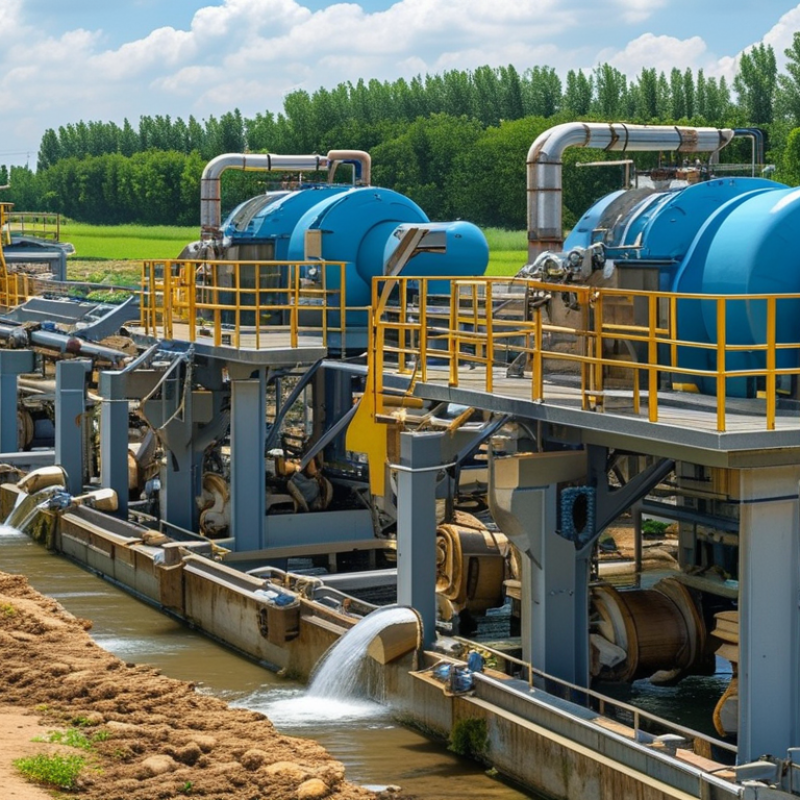
Best Dewatering Equipment for Efficient Water Management?

Overview of Dewatering Equipment Types and Technologies

Dewatering equipment plays a crucial role in managing excess water in various industries. There are several types of technology designed to tackle different challenges. Mechanical dewatering processes, such as centrifuges and belt presses, are common in municipal wastewater treatment. They effectively separate liquids from solids, allowing for efficient processing.

Another essential category is filter presses. These devices apply pressure to cake solids, yielding a drier product. This method works well for industrial applications. However, the initial investment can be high, and maintenance requires trained personnel. Thus, organizations must consider their long-term operational costs.

In addition to mechanical options, there are innovative technologies like vacuum dewatering. This method uses vacuum pressure to extract water from materials in a controlled manner. While it’s efficient, it may not be suitable for all materials. Furthermore, understanding the specific needs of your operation is vital for selecting the right equipment. Each type presents unique advantages and challenges. The best choice depends on the context and goals of the water management process.

Key Considerations for Selecting Dewatering Equipment

Selecting the right dewatering equipment is crucial for effective water management in various industries. A key consideration is the material being processed. Different materials, such as sludge or groundwater, require specific dewatering technologies. According to a 2022 report from the Global Water Management Association, improper selection can lead to inefficiencies, resulting in up to 30% higher operational costs.

Another important factor is equipment capacity. Projects often fail due to underestimating the volume of water needing removal. It's recommended to assess historical data and project specifics to determine capacity needs accurately. The Water Treatment Research Center emphasizes that oversizing can waste energy, while undersizing leads to system failures.

Energy efficiency and environmental impact also play significant roles. The International Institute for Water Management advocates for solutions that minimize energy consumption and carbon footprints. The ideal equipment balances performance with sustainability. Despite advancements, many companies still struggle to implement efficient solutions. Regular review and adjustment of existing systems may reveal opportunities for improvement.

Top Dewatering Equipment Manufacturers and Their Features

When considering dewatering equipment, several manufacturers stand out for their innovative features. These companies focus on creating efficient solutions that meet diverse needs. They offer tools for sediment removal, groundwater control, and slurry handling. Many products are designed for both industrial and municipal applications, targeting specific challenges.

The technology in this field varies significantly. Some manufacturers emphasize lightweight designs that enhance portability and ease of operation. Others focus on advanced filtration systems that ensure water quality. The energy efficiency of these devices is also crucial. Many companies have developed equipment that minimizes energy usage, leading to lower operational costs. However, it is essential to assess the long-term reliability of these machines.

The market is not without challenges. Users may encounter issues related to maintenance and availability of parts. Some equipment may require specialized training to operate efficiently. Thus, investing in training programs could enhance overall effectiveness. Not all equipment will suit every application. Conducting thorough research before making a purchase is critical for achieving optimal results in water management.

Best Dewatering Equipment for Efficient Water Management

Equipment Type Application Capacity (m³/h) Energy Consumption (kW) Key Features
Centrifuge Sludge Dewatering 10-50 5-15 High efficiency, low maintenance
Belt Filter Press Sludge Dewatering 20-100 3-10 Continuous operation, low energy consumption
Screw Press Sludge Dewatering 5-30 2-8 Compact design, easy operation
Electro-osmotic Dewatering Soil Dewatering 15-70 4-12 Eco-friendly, effective in urban settings
Vacuum Filter Mineral Processing 30-150 6-20 High filtration rates, durable construction

Maintenance and Operational Best Practices for Dewatering Systems

Dewatering systems are essential for effective water management, especially in industries like construction and mining. Regular maintenance ensures these systems run efficiently. According to a report by the Environmental Protection Agency, improper maintenance can lead to a 25% reduction in efficiency. Keeping equipment clean, inspecting pumps, and replacing worn parts is vital.

Operational best practices greatly influence the longevity of dewatering equipment. A survey found that 60% of operators neglect routine checks on water levels. This oversight can result in unexpected shutdowns. Consistent monitoring, alongside training operators on system functions, can mitigate these risks. Regular documentation ensures that any operational anomalies are swiftly addressed.

Understanding the composition of the water being handled is equally important. Sludge with high solids content can cause blockages. Operators should adjust pump speeds according to the specific characteristics of the material. Investing time in tailored operational practices leads to improvements. Reflecting on these details can significantly enhance system reliability and reduce downtime.

Best Dewatering Equipment for Efficient Water Management

This chart illustrates the efficiency levels of different types of dewatering equipment based on operational performance metrics such as water removal rate and energy consumption.

Applications of Dewatering Equipment in Various Industries

Dewatering equipment plays a crucial role in various industries like mining, construction, and agriculture. Effective water management boosts productivity and reduces risks. In mining, dewatering systems remove excess water from pits. This ensures safety and improves material recovery rates. Construction sites benefit from dewatering by maintaining a dry work environment, preventing delays. Agriculture uses these systems to manage excess rainwater, ensuring crops receive optimal moisture.

Tip: Regular maintenance of dewatering equipment is vital. This prevents failures and ensures efficiency. Check for blockages and wear regularly.

Additionally, wastewater treatment facilities utilize dewatering technology. It helps to reduce the volume of sludge. This makes disposal easier and more cost-effective. Food processing plants also rely on efficient dewatering to manage water waste. By doing so, they comply with environmental regulations while optimizing water use.

Tip: Evaluate the needs of your industry. Choose the right equipment based on specific dewatering goals. Investing time in this choice pays off in the long run.

FAQS

: Why is maintenance important for dewatering systems?

: Regular maintenance prevents up to a 25% reduction in efficiency and ensures the systems run smoothly.

What issues might users face with dewatering equipment?

Users may encounter maintenance challenges, parts availability issues, or require specialized training for efficient operation.

How does the composition of water affect dewatering operations?

High solids content in sludge can cause blockages. Adjusting pump speeds to match material characteristics is necessary.

What are some operational best practices for dewatering systems?

Consistent monitoring and routine checks on water levels can reduce unexpected shutdowns and ensure operational effectiveness.

How does dewatering equipment improve safety in mining?

By removing excess water from pits, dewatering systems enhance safety and improve material recovery rates.

What role does dewatering play in construction?

Dewatering maintains a dry work environment on construction sites, preventing delays and ensuring project efficiency.

How can agricultural operations benefit from dewatering systems?

By managing excess rainwater, dewatering ensures crops receive optimal moisture and improves overall productivity.

Why should users evaluate their industry's needs before purchasing equipment?

Choosing suitable equipment based on specific goals ensures better performance and long-term satisfaction.

What are common mistakes operators make with dewatering systems?

Many neglect routine checks on water levels, which can lead to inefficiencies and operational issues.

How can training improve the use of dewatering equipment?

Training operators on system functions enhances efficiency and reduces the risk of operational anomalies.

Conclusion

Dewatering equipment plays a crucial role in effective water management across various industries, facilitating the removal of excess water from solids or soil. This article provides an overview of different types and technologies of dewatering equipment, helping users understand which options are available for their specific needs. When selecting the appropriate dewatering equipment, key considerations include efficiency, capacity, and suitability for the intended application.

Furthermore, the article highlights maintenance and operational best practices that ensure the longevity and efficiency of dewatering systems. Different industries utilize dewatering equipment for specific applications, from construction to wastewater treatment, underlining its versatility and importance. By following the guidelines and insights provided, users can optimize their water management processes and enhance operational performance.


Madeline

Madeline

Madeline is a dedicated marketing professional with a wealth of expertise in our company's core offerings. With a keen understanding of the industry, she brings a unique perspective to her role, consistently delivering high-quality content that highlights the superior aspects of our products. As......