7 Tips for Choosing the Best Evaporator Dryer?

Time:2026-09-07 Author:Amelia
0%

Choosing the right Evaporator Dryer is a process decision, not a simple equipment purchase. It affects energy use, product quality, maintenance, and production continuity. A machine may look efficient in a brochure. That assumption can fail.

The U.S. Department of Energy’s Industrial Decarbonization Roadmap reports that process heating represents about 51% of energy use in American manufacturing. Drying and evaporation can contribute significantly to that demand. Grand View Research also identifies food, chemicals, pharmaceuticals, and other process industries as major users of industrial drying systems. These findings make efficiency important, but efficiency alone is not enough. Engineers must examine feed characteristics, moisture levels, solids content, temperature sensitivity, and required throughput.

Small details matter. A sticky concentrate may foul heat-transfer surfaces within hours. A heat-sensitive extract may lose color or active compounds when exposed to excessive temperature. The European Commission’s Best Available Techniques reference documents emphasize energy management, emission control, and process optimization across industrial operations. Those principles support a practical evaluation of evaporator dryers, including heat-source selection, vacuum capability, residence time, cleanability, automation, and after-sales service. The best model is not always the most powerful one. Sometimes, a smaller unit with better control delivers more reliable results and lower operating costs. This guide presents seven focused tips for comparing designs, verifying supplier claims, and matching equipment with real production conditions. Some recommendations may seem obvious. They are still easy to overlook.
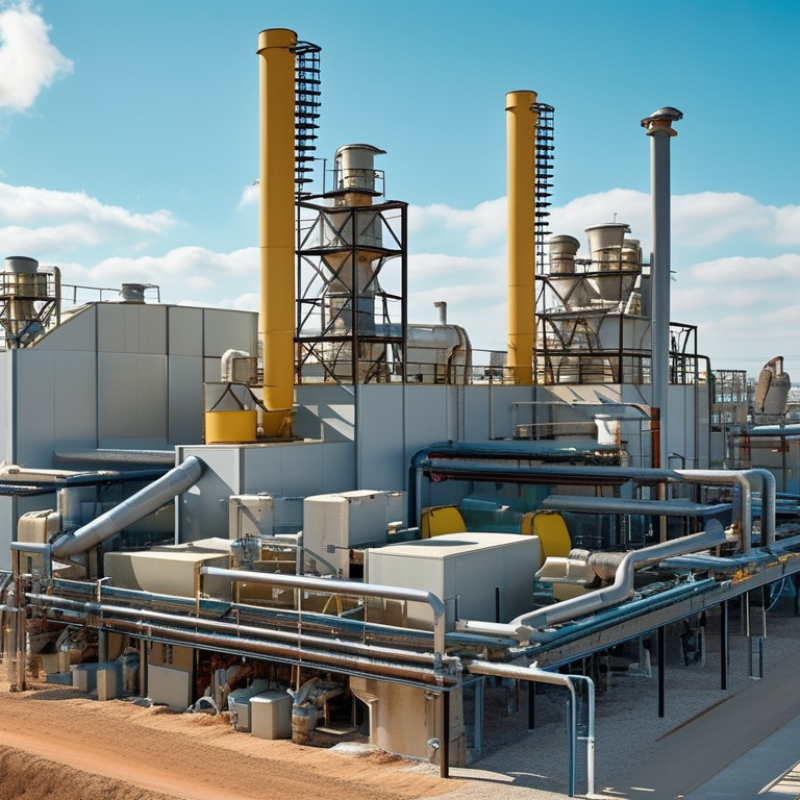
7 Tips for Choosing the Best Evaporator Dryer?

Understanding Evaporator Dryer Types and Their Core Functions

Choosing an evaporator dryer starts with understanding how each type handles heat, solids, and moisture. A falling-film evaporator suits low-viscosity liquids and short residence times. It can protect heat-sensitive materials. A forced-circulation unit handles thicker feeds and higher solid content. It needs stronger pumping and may consume more energy.

An agitated thin-film dryer works well when the product becomes sticky or difficult to move. Spray drying creates powder quickly, but it requires careful control of atomization and outlet temperature.

Match the equipment to the feed, not the advertised capacity. Check viscosity at operating temperature. Review heat sensitivity before selecting steam conditions. Confirm whether the process needs concentration, crystallization, or final drying.

A vapor separator is essential when droplets could contaminate the heating system. I have seen capacity estimates fail because feed solids changed during production. Laboratory data helped expose that weakness.

Inspect cleanability, access points, and materials of construction. Ask for energy figures based on your actual feed conditions. Request trial data using similar solids and moisture levels.

Check controls for pressure, temperature, foam, and product residence time. A compact machine is not always the economical choice. Maintenance space matters. So does operator skill.

Also question the drying endpoint, because “dry” may mean different moisture levels for storage, transport, or later processing.

Matching Dryer Capacity to Material Properties and Production Needs

7 Tips for Choosing the Best Evaporator Dryer?

Capacity should begin with the material, not the machine brochure. Calculate water removal from feed rate, inlet solids, and target outlet moisture. For example, 1,000 kilograms per hour at 20% solids becomes 600 kilograms of evaporation when concentrated to 50% solids. That figure matters more than the advertised wet-feed capacity. Check viscosity, particle size, heat sensitivity, foaming, and scaling risk. Small differences can change heat-transfer performance sharply.

Allow practical headroom. A 10–20% capacity margin can absorb seasonal moisture changes, cleaning losses, and future demand, although the exact margin needs pilot testing. Review the highest expected load, not only the average shift. Also compare evaporation rate at real operating temperatures. The U.S. Department of Energy’s Industrial Decarbonization Roadmap reports that process heating represents about 51% of manufacturing-site energy use. Efficient heat recovery and insulation therefore affect operating cost, not just sustainability claims.

Test the material under production-like conditions. Measure residence time, final moisture, fouling frequency, and cleaning hours. The European Commission’s 2019 BAT reference document for food, drink, and milk production emphasizes reducing water and energy use through process control and heat recovery. Do not ignore startup behavior. A dryer may meet its rated capacity after stabilization but struggle during continuous feed changes. That is a common gap. Ask suppliers for mass-balance data, thermal-duty calculations, and performance results using your actual material. A neat spreadsheet is not enough.

Comparing Energy Efficiency, Drying Performance, and Operating Costs

Choosing an evaporator dryer is not only about the purchase price. It is about energy efficiency during every operating hour. Check specific energy consumption per kilogram of water removed. Request test data using feed material similar to yours. Laboratory results can be misleading. Compare steam demand, electricity use, insulation quality, and heat recovery options. Small losses compound.

Drying performance needs practical verification. Ask for moisture uniformity, residence time, and capacity at peak load. Observe how the dryer handles sticky feed, foam, and changing solids content. These conditions often reveal issues that sales documents overlook. Review temperature control, vapor separation, fouling resistance, and cleaning access. A stable outlet moisture level can reduce rework and protect product quality. During plant trials, I have seen oversized equipment consume more power than expected. That lesson is easy to ignore.

Operating costs should include steam, electricity, water, labor, maintenance parts, downtime, and cleaning requirements. Calculate the cost per dry kilogram, rather than the cost per batch. Check service records from similar applications, then compare them with your production logs. Ask whether the payback model assumes constant energy prices or perfect operation. It should include seasonal loads, unplanned stops, and slower operators. A dryer can look efficient on paper but perform poorly when feed conditions change. Careful questioning usually exposes that gap.

Checking Construction Materials, Safety Features, and Maintenance Access

Choosing an evaporator dryer starts with the materials surrounding the process. Stainless steel is common, but the grade must suit the liquid, temperature, and cleaning chemicals. Corrosive mixtures can attack weak welds or poorly finished surfaces. Inspect seams, gaskets, hinges, and viewing ports closely. Small surface defects may become expensive contamination points.

Safety features deserve practical testing, not just brochure reading. Look for pressure relief devices, temperature sensors, emergency stops, and interlocked access doors. Controls should respond clearly when a door opens or a sensor fails. Ask how alarms are recorded and reset. A quiet alarm is a serious weakness. During site visits, I check whether operators can reach controls without standing near hot surfaces. That detail is easy to miss.

Maintenance access often decides whether equipment stays reliable. Removable panels, wide inspection ports, and drainable low points reduce cleaning time. Confirm that technicians can replace seals without dismantling the entire chamber. Leave enough space around pumps, filters, and electrical cabinets. I once overlooked a narrow service gap, and a simple gasket change became an exhausting job. That mistake still influences my inspections. Request clear maintenance drawings, spare-part details, and recommended inspection intervals. Do not assume every internal corner is visible; some hidden areas need mirrors, cameras, or better access.

7 Tips for Choosing the Best Evaporator Dryer

Practical screening priorities for comparing evaporator dryers, with emphasis on construction materials, safety features, cleanability, and maintenance access.

The percentages represent a practical evaluation allocation totaling 100%. Verify material compatibility, pressure and temperature ratings, guarding, isolation procedures, inspection access, and cleaning requirements against the actual process and applicable safety standards.

Evaluating Automation, Supplier Support, and Long-Term Reliability

7 Tips for Choosing the Best Evaporator Dryer?

Evaluating Automation, Supplier Support, and Long-Term Reliability

An evaporator dryer should be judged beyond its brochure capacity. Review how automation controls temperature, vacuum, feed rate, and discharge moisture. Ask for alarm histories and trend screens from comparable installations. A clear PLC interface helps operators identify unstable conditions before product quality suffers. Still, automation is not a substitute for trained staff.

Supplier support often determines whether a minor fault stays minor. Request documented response times, remote diagnostic procedures, and local service coverage. Check whether technicians understand heat transfer, fouling, vacuum control, and cleaning cycles. Spare-part availability matters, especially for seals, sensors, valves, and drive components. I would also ask for commissioning records, operator training, and a practical maintenance schedule.

Long-term reliability needs evidence, not confident promises. Visit a running installation if possible, and inspect the dryer after several production seasons. Look for corrosion, difficult access points, residue buildup, and repeated manual adjustments. A factory acceptance test can reveal weaknesses, but it cannot imitate every real production condition. That limitation deserves honest discussion. I once underestimated the value of easy inspection access; small cleaning delays became costly over time. Compare warranty terms, energy data, upgrade options, and references from facilities with similar materials. The cheapest dryer may become the most expensive when support is slow.

FAQS

: Which evaporator dryer suits low-viscosity liquids?

: A falling-film evaporator suits thin liquids and short residence times. It can protect heat-sensitive materials. Short exposure matters.

What equipment handles thick feeds with high solids?

A forced-circulation unit handles thicker feeds and higher solid content. It needs stronger pumping and may use more energy.

When is an agitated thin-film dryer useful?

It helps when the product becomes sticky or difficult to move. Agitation keeps material moving across the heated surface.

What does spray drying provide?

Spray drying creates powder quickly. Atomization and outlet temperature need careful control. Powder formation is fast.

How should equipment selection begin?

Match the dryer to the actual feed, not its advertised capacity. Check viscosity at operating temperature and changing solids content.

Which process details should be confirmed before purchase?

Confirm whether the process needs concentration, crystallization, or final drying. Define the required moisture level for storage or transport.

Why are vapor separators important?

A vapor separator helps prevent liquid droplets from entering the heating system. This can reduce contamination and operating problems.

How can energy efficiency be compared fairly?

Compare energy used per kilogram of water removed. Include steam, electricity, insulation, heat recovery, and changing production conditions.

What should performance trials measure?

Test moisture uniformity, residence time, peak capacity, foam, sticky feed, and changing solids. Laboratory results may not predict plant behavior.

What operating costs are easy to overlook?

Include labor, water, maintenance parts, cleaning, downtime, and slower operation. A compact machine is not always cheaper.

Conclusion

Choosing the best Evaporator Dryer requires a clear understanding of your material, production goals, and operating environment. Start by comparing dryer types and their core functions to determine which design suits the moisture level, viscosity, heat sensitivity, and final quality requirements of your product. Capacity should match both current output and future growth, while energy efficiency, drying consistency, and operating costs should be evaluated together rather than separately.

Also consider construction materials that can withstand corrosion, heat, and regular cleaning. Essential safety features, convenient maintenance access, and reliable control systems can improve workplace safety and reduce downtime. Automation may simplify operation and provide better process monitoring, but supplier support, spare-parts availability, installation guidance, and technical service are equally important. A well-selected Evaporator Dryer should deliver stable performance, manageable maintenance, and dependable long-term value instead of focusing only on its initial purchase price.

Amelia

Amelia

Amelia is a seasoned marketing professional with a wealth of expertise in our company’s core offerings. With an unwavering passion for driving growth and innovation, she plays a pivotal role in shaping our marketing strategies and enhancing brand visibility. A key aspect of her responsibilities......