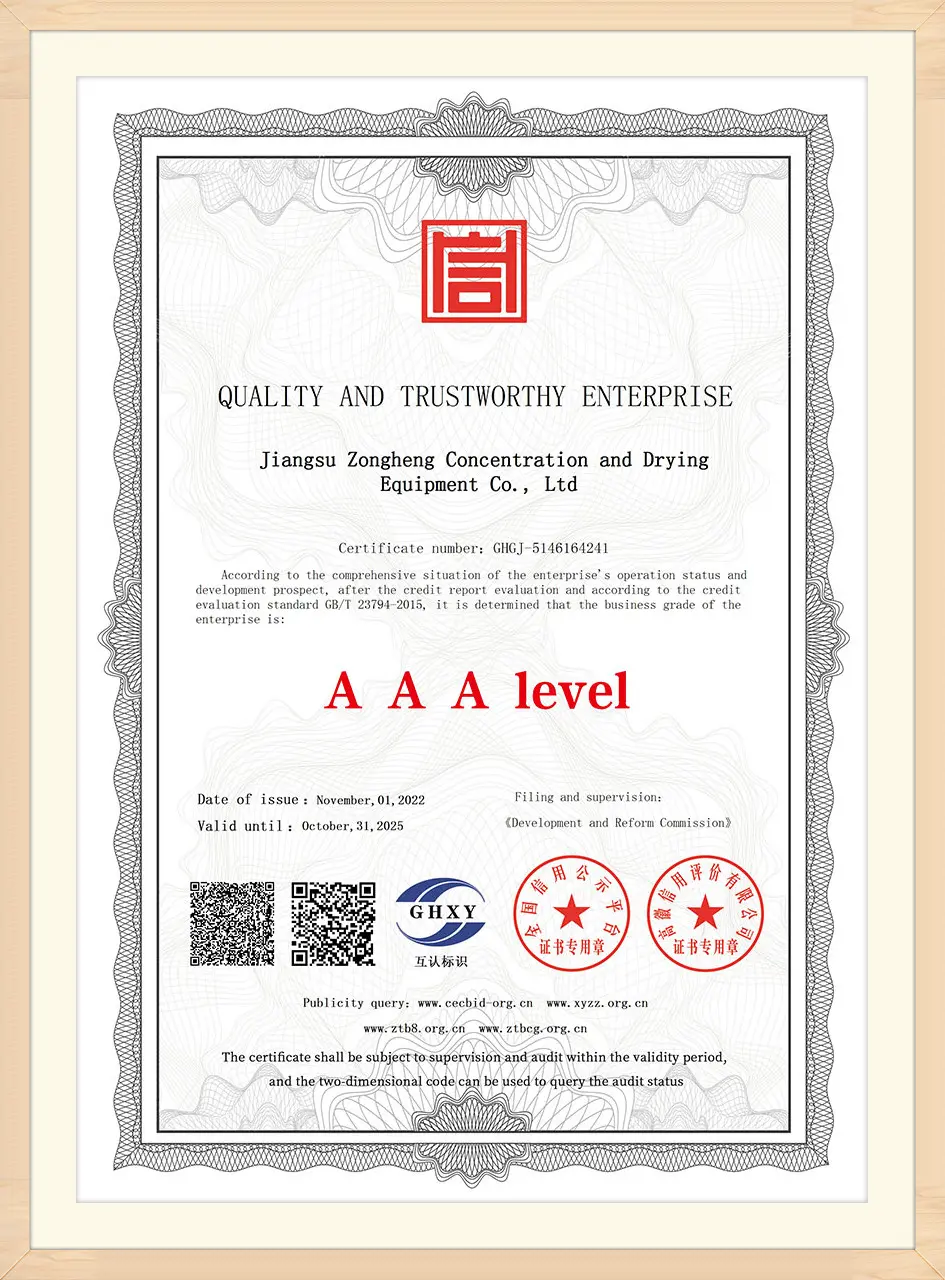
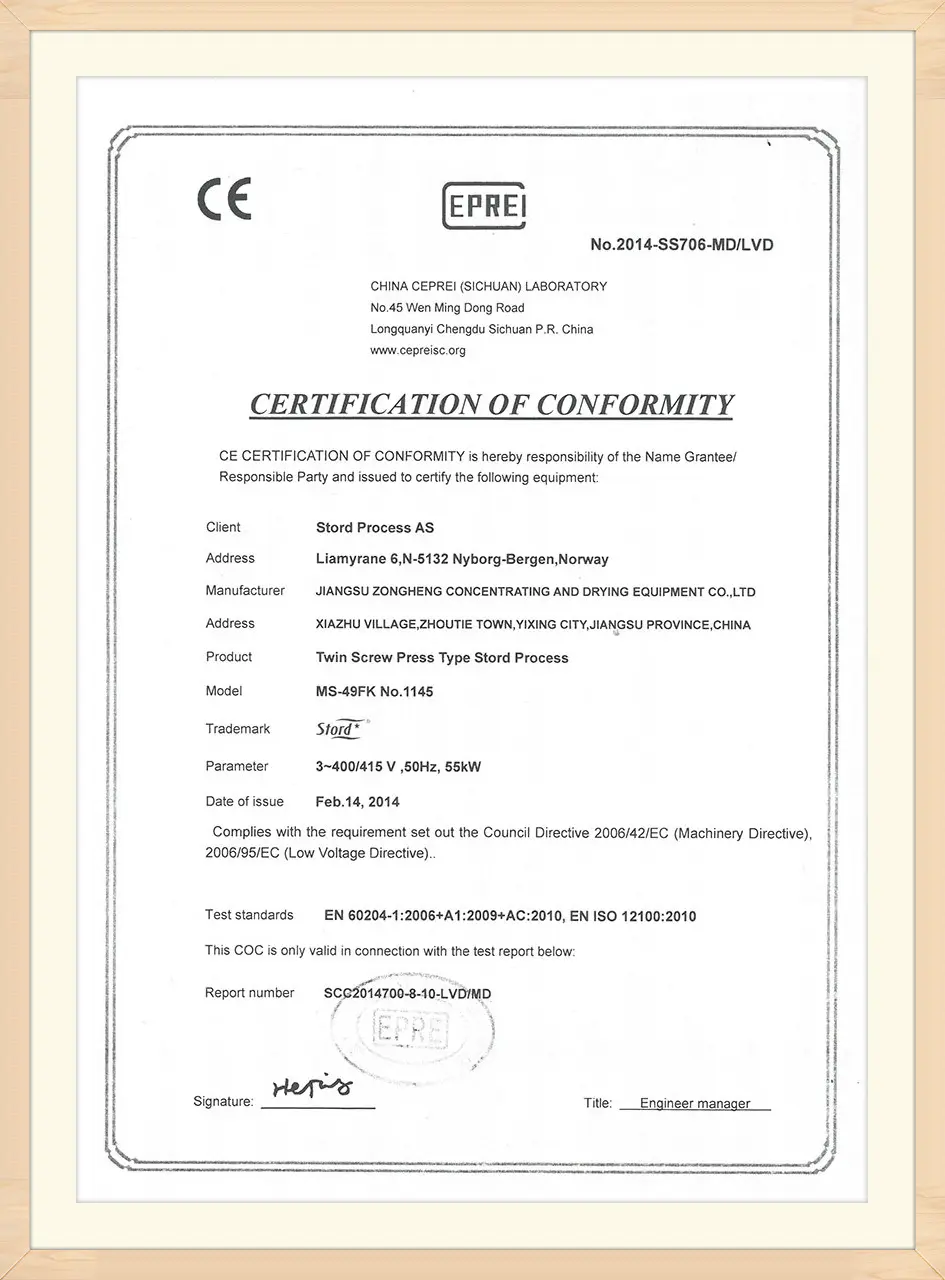
Discover our CE-certified, heavy-duty industrial thermal separation and drying equipment manufactured to international quality standards.
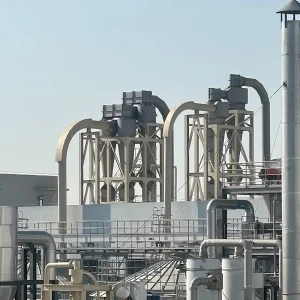
Employs high-speed hot air to suspend and fluidize materials, utilizing impulse airflow generated from varied tube diameters for uniform drying.
Read More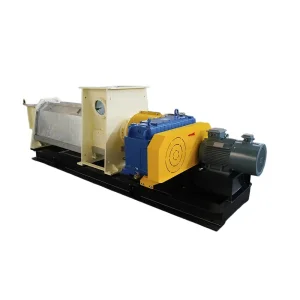
Specifically designed for continuous mechanical extraction and compression of moisture from complex solid-liquid slurry mixtures.
Read More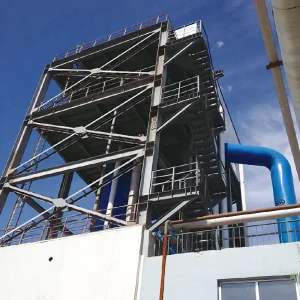
Advanced Mechanical Vapor Recompression technologies recycle waste steam, drastically reducing carbon footprint and energy expenditure.
Read More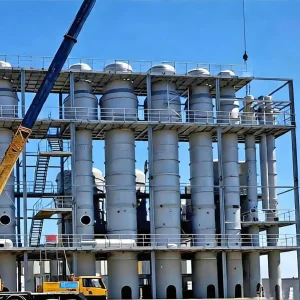
High-performance industrial evaporation systems custom engineered for absolute compliance with European pressure equipment directives.
Read More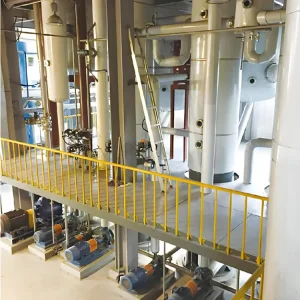
Ensures minimal residence time and rapid heat exchange for sensitive biochemical, food, starch, and pharmaceutical mediums.
Read More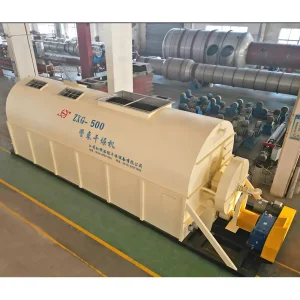
Indirect steam-heated tube bundle designed specifically to manage heavy organic meals under low-oxygen atmospheric settings.
Read More
Meets the rigorous technical specifications of European safety norms. Ideal for global chemical and corn starch processing plants.
Read More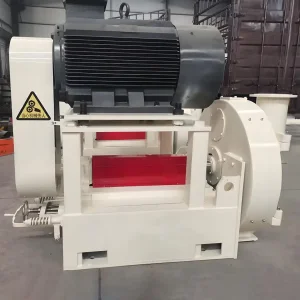
Offers premium structural integrity for the wet-milling sector, achieving high-yield germ separation with minimal starch loss.
Read MoreLiquid chlorine is a foundational chemical element consumed globally in millions of tons annually. It plays a critical role in manufacturing polyvinyl chloride (PVC), synthesizing polyurethane intermediates, bleaching paper pulp, and purifying municipal drinking water supplies. Because chlorine is transported and stored as a pressurized liquid to maximize logistics volume, converting it back into gaseous form requires specialized, highly reliable Chlorine Evaporators.
In modern chlor-alkali complexes and industrial chemical plants, the vaporization process is subject to extreme regulatory supervision. Operating under high temperatures and pressures, any material failure can lead to catastrophic chlorine gas leaks. Consequently, global buyers prioritize thermal efficiency coupled with double-containment safety mechanisms, placing international certifications like CE Marking (2014/68/EU Pressure Equipment Directive) and the ASME U-Stamp at the top of procurement checklists.
Today, the market is undergoing a transition from traditional steam-jacketed batch vaporizers to continuous, high-efficiency shell-and-tube or plate-type heat exchangers. The core technical challenge remains the thermal dynamics of phase change: preventing localized freezing or boiling instabilities while handling a highly corrosive agent. Dry chlorine is relatively non-corrosive to carbon steel at temperatures below 120°C, but even minute traces of moisture form hydrochloric and hypochlorous acids, rapidly degrading common metals. This demands state-of-the-art material selection and precise structural welding.
The expansion ratio of liquid-to-gas chlorine is approximately 1:460. Without robust overpressure mitigation, thermal interlocks, and CE-compliant safety relief loops, catastrophic failure is a constant risk.
For international procurement managers, sourcing heavy chemical equipment from China has evolved from a pure cost-cutting strategy into a strategic asset. Factories like Jiangsu Zongheng Concentrating and Drying Equipment Co., Ltd. leverage advanced industrial clusters, giving them an edge in raw material sourcing, automated machining, and qualified labor pools.
Our facility integrates precision robotic gas tungsten arc welding (GTAW) and plasma cutting, which are essential for processing specialized corrosion-resistant alloys such as Hastelloy C276, Monel 400, and Grade 2 Titanium. Complete non-destructive testing (NDT), including 100% radiographic and ultrasonic examination, is conducted on-site. This level of quality control ensures that our pressure vessels exceed standard compliance metrics before shipping.
Furthermore, Yixing's industrial ecosystem permits rapid sourcing of high-performance components (valves, expansion joints, pressure transmitters) at highly competitive lead times. By eliminating intermediate markups and optimizing modular fabrication, we deliver custom-designed chlorine evaporators and vaporizers that match the physical performance of Western manufacturers at a much lower capital expenditure.
With CE certification and ASME "U" stamp credentials, our equipment integrates seamlessly into existing plant control loops (DCS/PLC) in Europe, North America, and Southeast Asia, offering true plug-and-play installation with long-term mechanical reliability.
Detailed mechanical analyses of our most popular evaporation and drying technologies utilized in multi-phase industrial environments.
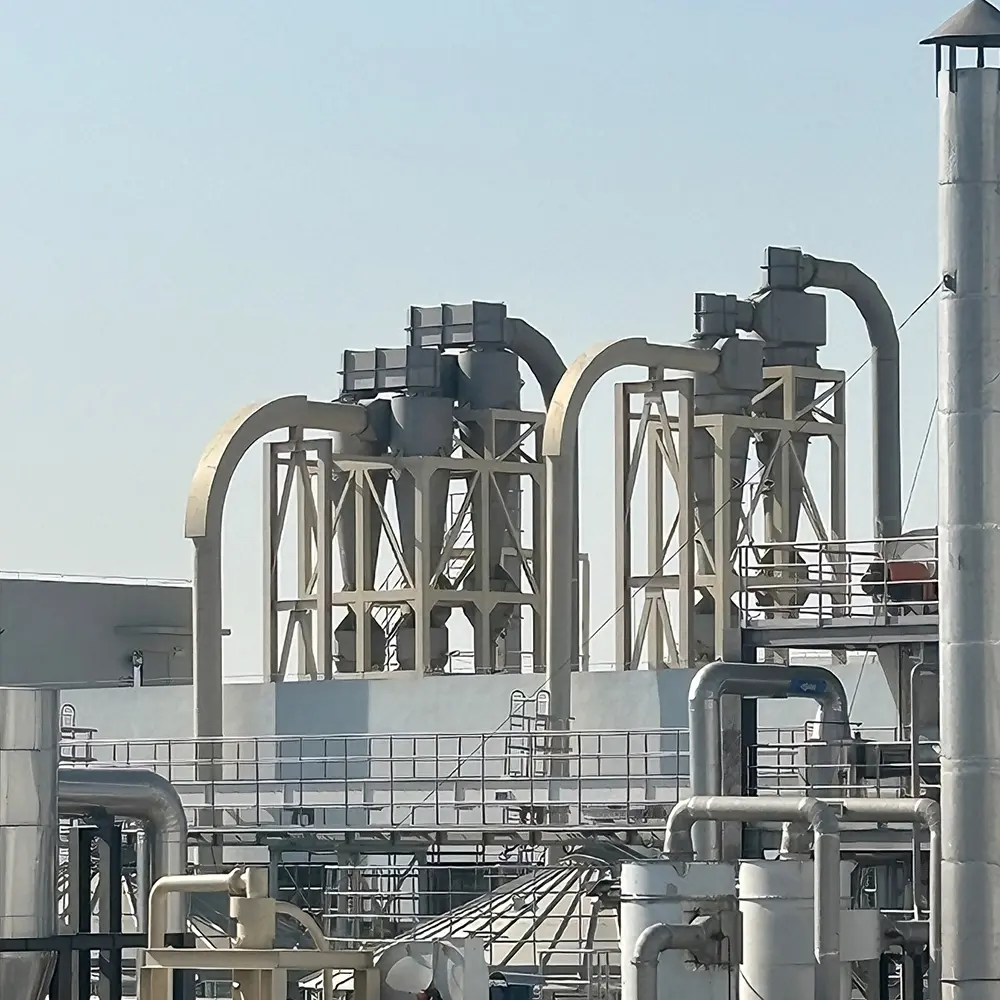
The MQG Airflow Dryer utilizes high-velocity thermal streams to suspend, fluidize, and dry materials in mid-air. Engineered with varied-diameter drying columns, the system generates controlled impulse turbulence. As moist particles are pneumatically conveyed through alternating expansions and contractions, they tumble rapidly, exposing maximum surface area for near-instantaneous heat transfer.
This design is highly suitable for processing heat-sensitive, granular, or cake-like materials in chemical, agricultural, and mineral processing sectors. It achieves uniform moisture reduction in seconds, maintaining product chemical integrity while preventing thermal degradation.
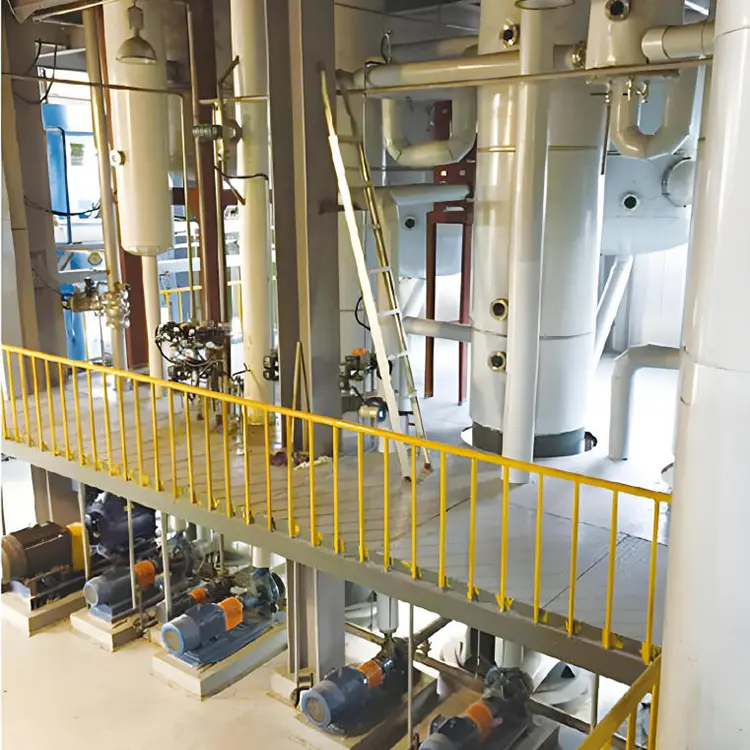
Designed for the concentration of highly heat-sensitive fluids, our falling film evaporator provides optimal mass and heat transfer. The feed liquid enters at the top of the vertical tube bundle and is distributed evenly across the inner tube walls by specialized liquid distribution plates, forming a continuous, thin gravity-driven film.
As the film descends, steam or hot media in the shell jacket vaporizes the solvent. The vapor and concentrated liquid flow downward in a parallel path, minimizing residence time to prevent thermal fouling or degradation. This design provides high heat transfer coefficients and low operational pressure drops, which are critical for processing biological materials, wastewater, and volatile chemicals.
Municipal Water Disinfection: Municipal water works require extremely stable, low-maintenance chlorine evaporators to maintain constant dosing rates in chlorination systems. Safety systems must operate reliably for long periods, featuring automated emergency shut-offs and remote SCADA monitoring integrations.
Pulp & Paper Mills: In bleaching processes, chlorine must be vaporized cleanly and continuously. Because paper mills run complex chemical recovery loops, these evaporators are frequently paired with waste heat utilization platforms to lower overall boiler demands.
Chemical & Petrochemical Synthesis: Large-scale chlorinated hydrocarbon manufacturing requires high-capacity evaporators capable of handling aggressive chemical environments. Hastelloy C or nickel linings are typically specified for dry-running systems to prevent stress corrosion cracking.
Industrial Trends (Decarbonization & Automation): Modern industry is moving toward fully automated, self-cleaning evaporation setups. Integration with Mechanical Vapor Recompression (MVR) systems allows operators to recycle latent heat, drastically reducing steam consumption.
Procurement Redundancy: Global plants are moving away from single-point failure configurations, specifying dual-shell or multi-train evaporator setups. This layout allows for maintenance shutdowns and cleaning cycles without interrupting production.
Compliance & Certifications: Sourcing managers look for suppliers with certified pressure welding credentials. Aligning with EN 13445 standard specifications, AD 2000-Merkblatt guidelines, and the CE Pressure Equipment Directive is a prerequisite for entry into the European Economic Area.
A modern high-tech enterprise specializing in heavy industrial concentration, drying, and pressure vessel manufacturing.
Jiangsu Zongheng Concentrating and Drying Equipment Co., Ltd. (formerly known as Yixing Yangxi Light Industry Machinery Factory) was founded in 1992. Nestled in Zhoutie Town, Yixing City on the scenic shores of Taihu Lake, the enterprise covers over 54,000 square meters, with a dedicated heavy-duty production workshop area exceeding 22,000 square meters.
As a key member of the China Starch and Alcohol Association, we are recognized as a modern high-tech enterprise. Our core capabilities cover concentration plants, industrial dryers, starch processing systems, alcohol DDGS lines, and Category III medium & low-pressure vessel fabrication.
Our engineered solutions are widely deployed across food fermentation, bio-alcohol, fine chemicals, pharmaceuticals, environmental wastewater treatment, and petrochemical operations around the globe.
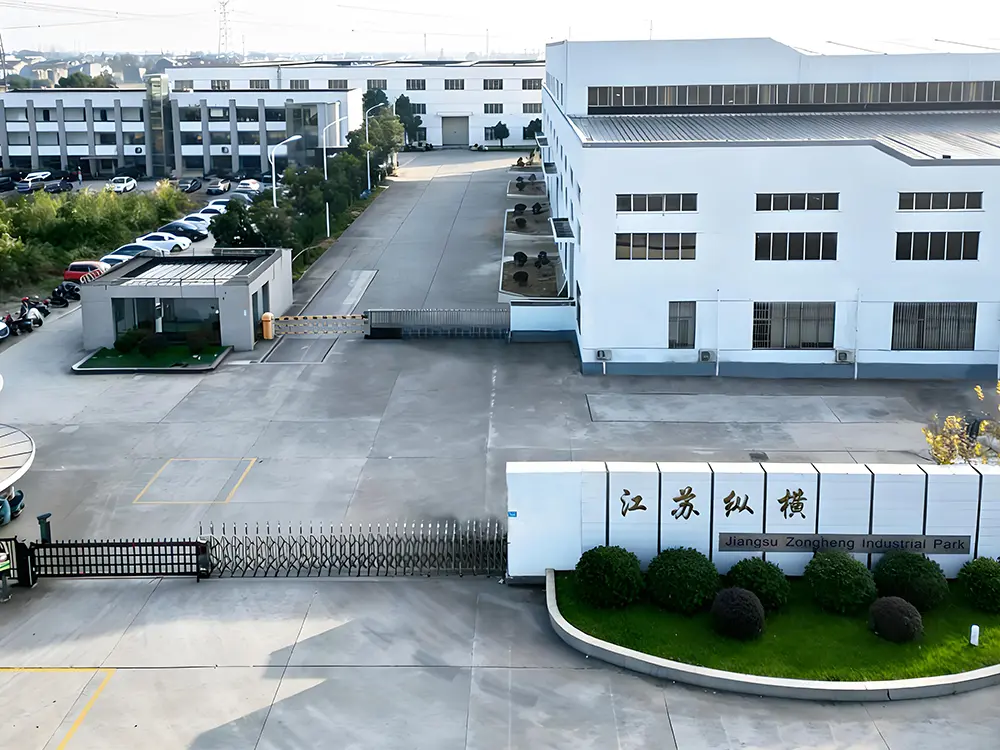
Tracing our evolutionary journey of engineering innovations, structural certifications, and global footprint expansion since 1992.
Established as Yixing Yangxi Light Industrial Machinery Factory, covering approximately 15 mu of land with 45 pioneering workers.
Acquired international ISO9001 Quality Management Certification, establishing formal quality assurance workflows.
Officially recognized as a High-Tech Enterprise of Jiangsu Province, establishing our dedicated R&D center.
Obtained the Special Equipment Manufacturing License of the People's Republic of China (License No.: TS2232C42) for heavy pressure vessel fabrication.
Authorized to apply the ASME "U" stamp on our pressure vessel lines, launching our direct global export initiatives.
Acquired international quality system certification (Certificate No.: 45021) to expand chemical processing exports to the EU.
Currently employing over 120 professionals, including 20+ specialized design engineers, in a modern 54,000 m² chemical fabrication facility.
Providing reliable performance across critical sectors worldwide.
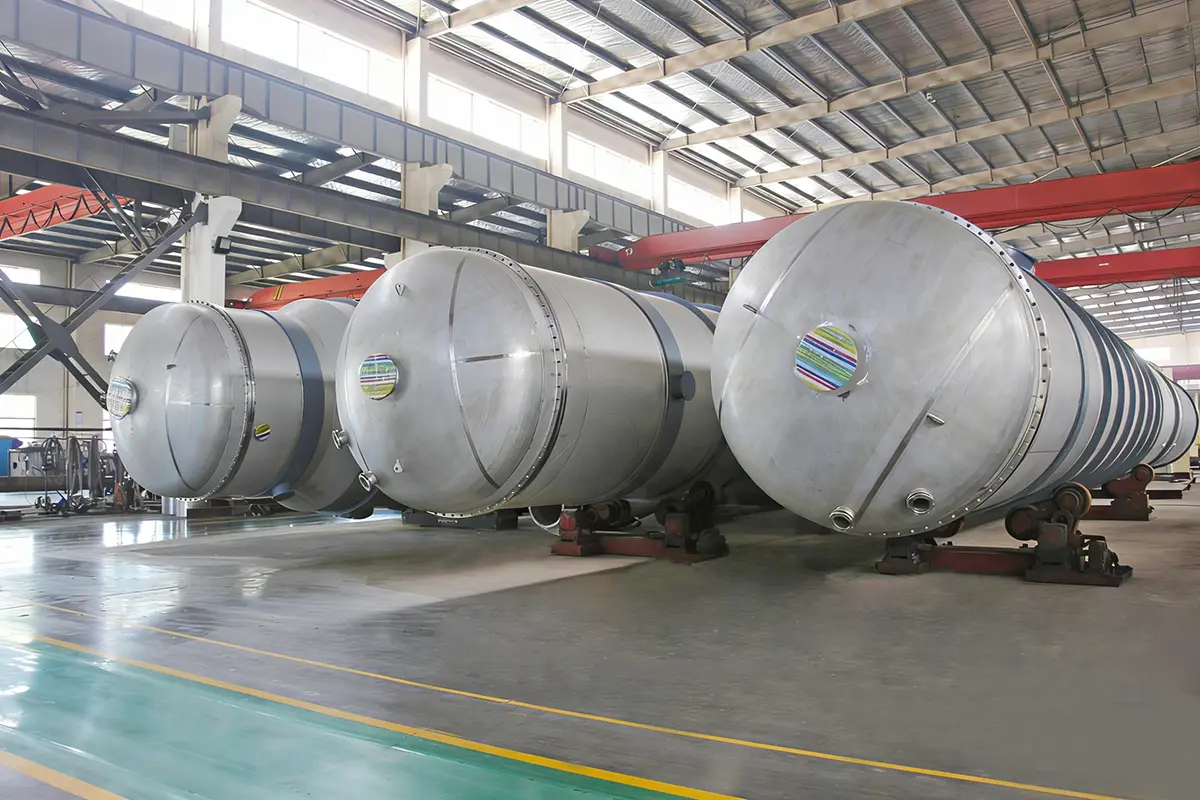
Designed for crystallization, wastewater concentration, chemical recovery, and liquid separation loops.
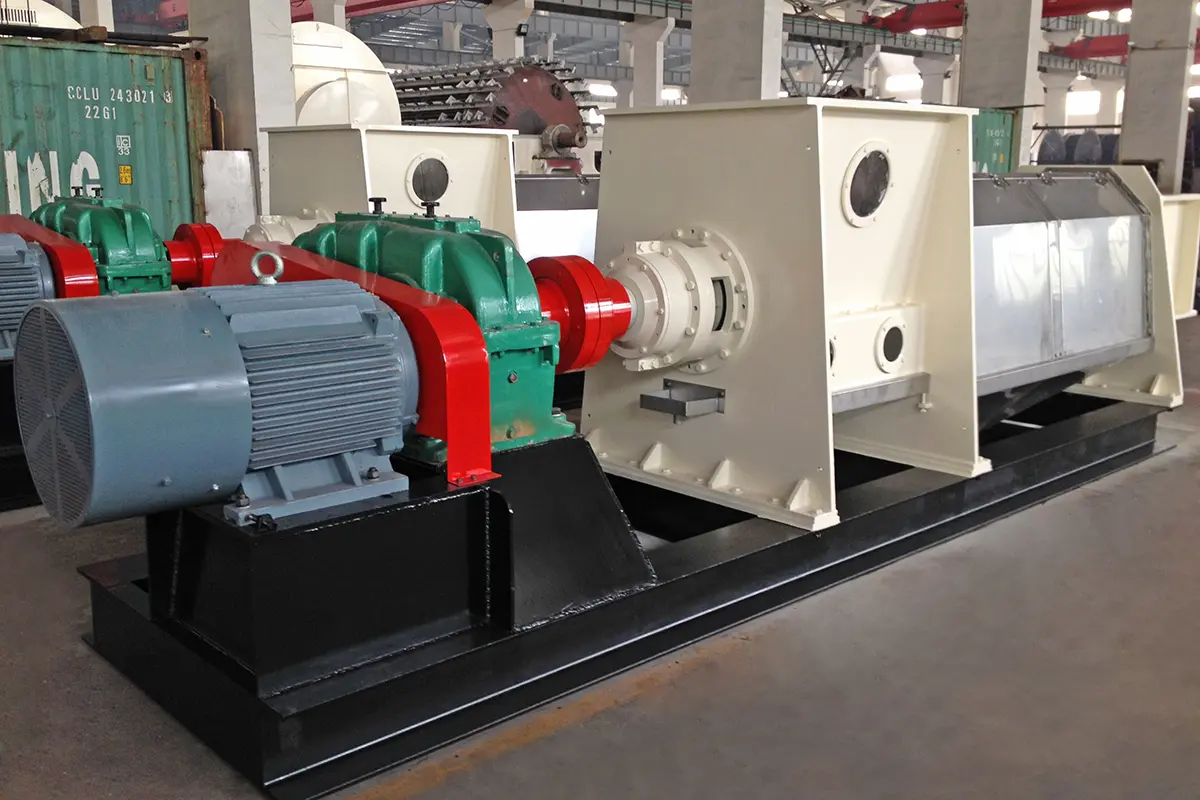
Employed in fibrous sludges, starch cake processing, industrial organic waste processing, and paper mills.
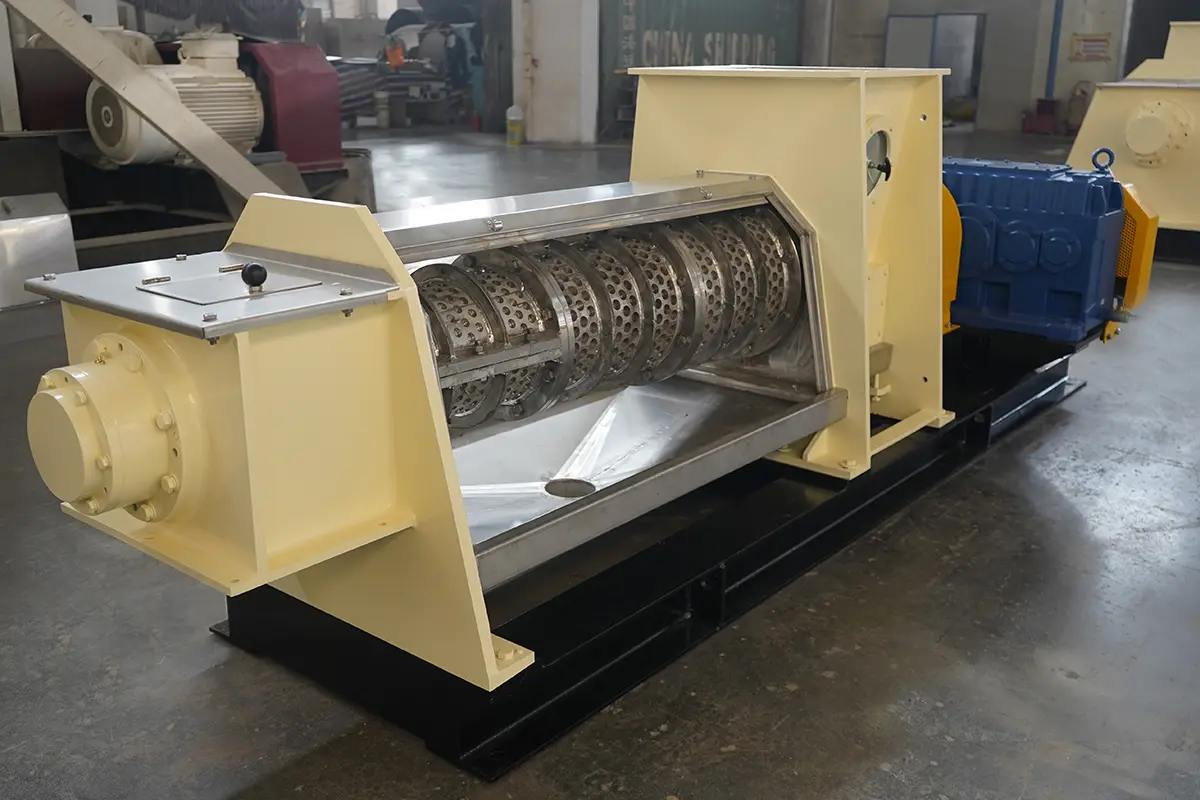
High-speed rotary systems for centrifuging, washing, and continuous processing of granular materials.
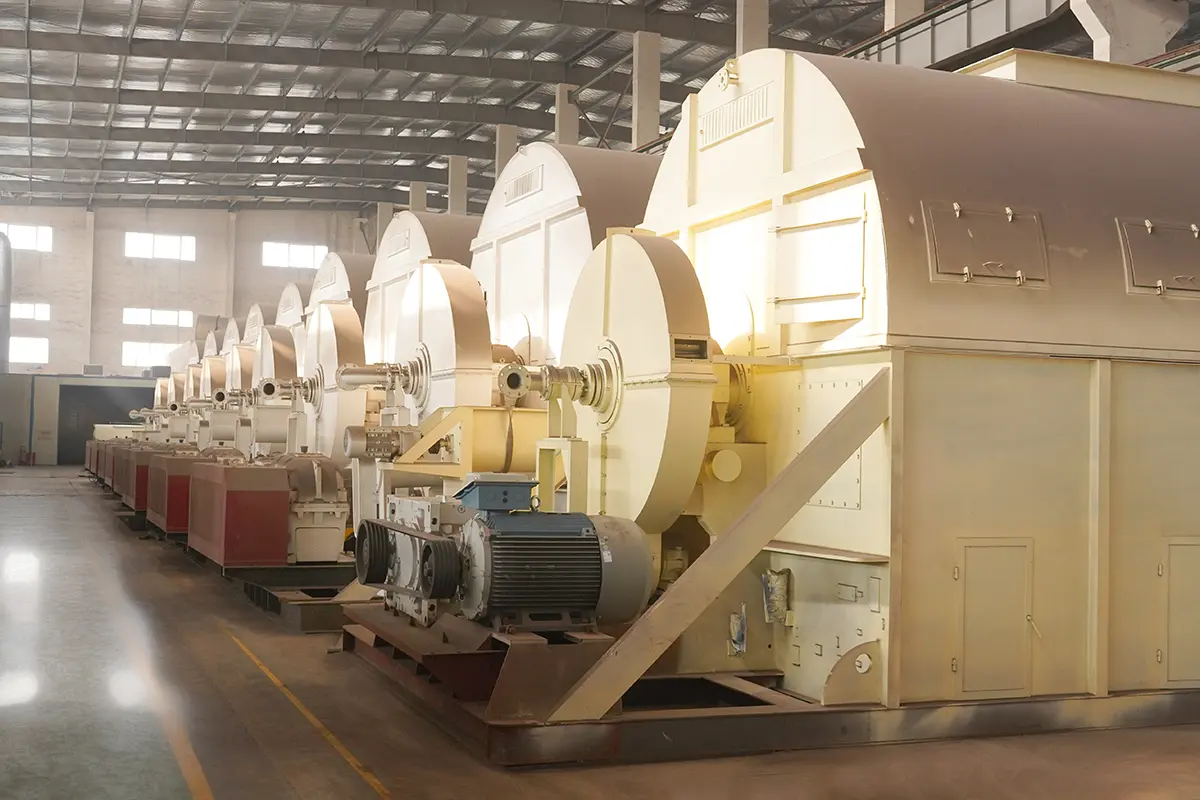
Indirect steam-heated drying of bulk starch, grain feed residues, gluten, and chemical crystallization meals.
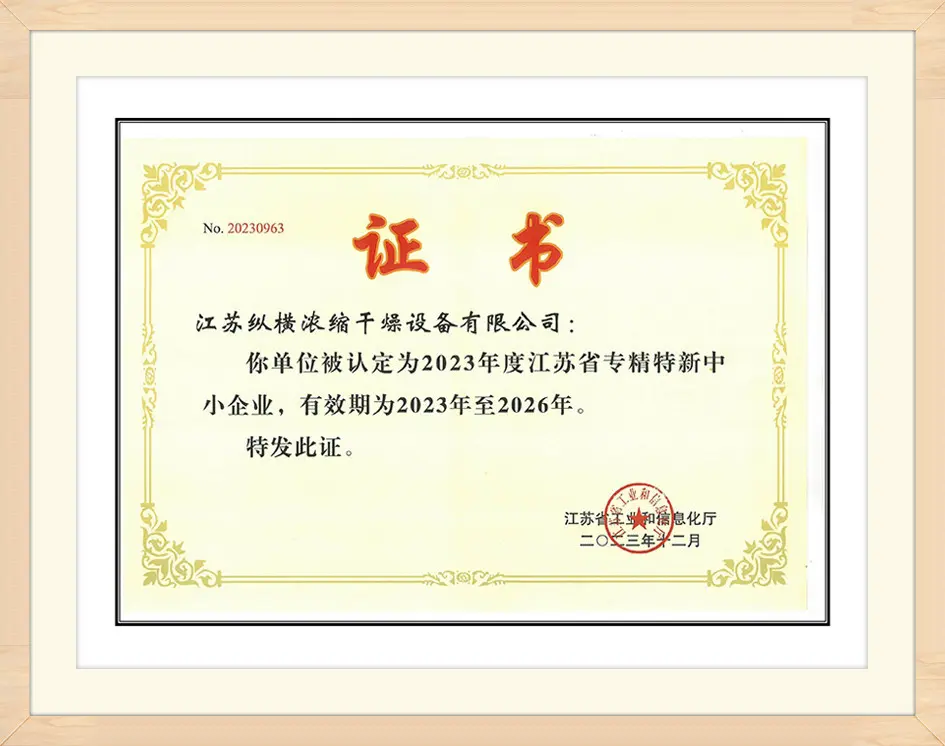
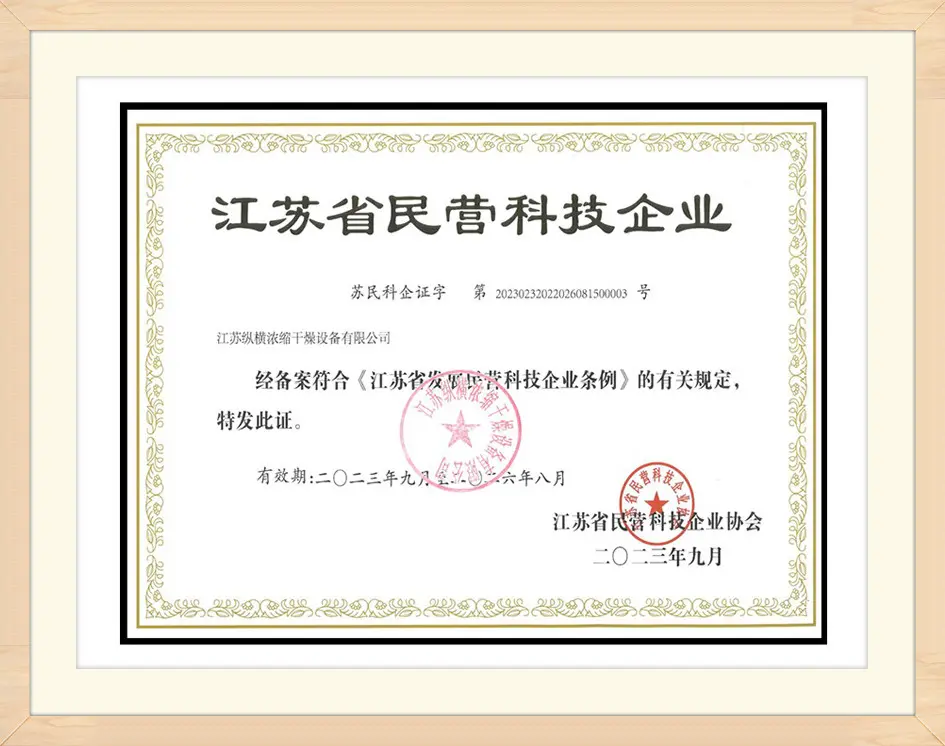
Meeting global compliance standards for heavy pressure vessels and industrial thermal equipment.

Expert technical insights regarding safety, design, materials, and international standards for chlorine evaporators.
While carbon steel is highly resistant to dry gaseous chlorine under 120°C, any presence of water makes the environment highly corrosive. For wet chlorine environments, Grade 2 Titanium, Hastelloy C276, or Monel 400 are required. When selecting materials, maintaining dry process pathways and using secondary Teflon (PTFE) linings in high-risk zones is critical.
Chlorine evaporators are classified as pressure vessels under the EU Pressure Equipment Directive (PED) 2014/68/EU. Sourcing a CE-certified evaporator ensures the unit complies with European safety guidelines, covering design calculations, weld qualifications, non-destructive testing (NDT), and hydrostatic pressure tests, verified by an authorized notified body.
Standard safety systems require an emergency shutdown valve (ESD) on the liquid chlorine feed line, a low-temperature interlock to prevent liquid overflow, redundant safety relief valves (SRVs) piped to a neutralizing scrubber system, and continuous ambient chlorine gas detectors to monitor for potential leakage.
MVR is generally applied in chemical wastewater recovery, distillation, or concentration processes, rather than directly compressing hazardous chlorine gas. In chlor-alkali complexes, MVR plants concentrate feed brine and manage process waste streams, recycling steam to lower the boiler load needed for chlorine vaporization loops.
Contact our technical sales team for custom process designs, site assessments, and system integration quotes.
Request a QuoteGet in touch to receive detailed manuals, component catalogs, and structural specifications from our engineering team.
View DetailsEngineered options for waste heat recovery, mechanical drying, and high-yield concentration loops.
High-efficiency systems designed to minimize steam consumption in industrial concentration processes.
Read More
Optimizes heat transfer rates under a low-oxygen atmosphere, preventing oxidation of organic compounds.
Read More
Recovers heat from flue gases, steam exhausts, or hot condensate lines, reducing overall plant operating costs.
Read More
Maintains high velocities through the heat exchanger tubes, preventing fouling during crystallization loops.
Read More
Provides complete design engineering and commissioning services for heat integration systems.
Read More
Custom multi-effect falling film and forced circulation evaporation systems designed for industrial concentration loops.
Read More
Features multi-source waste heat connection blocks, utilizing vapor streams, process steam, and hot oil systems.
Read More
Engineered for safe processing of organic grains, starches, and hazardous chemical sludges under indirect heating configurations.
Read More Zongheng