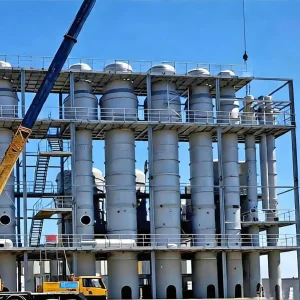
In modern process industries, the imperative to optimize thermal energy use while maintaining product integrity is paramount. Double effect evaporators represent a cornerstone technology in thermal separation, providing an ideal compromise between capital expenditure (CAPEX) and operational cost (OPEX). By cascading heat utilization through consecutive effects operating at descending pressure levels, these systems recycle secondary vapors to drive subsequent boiling cycles, cutting steam consumption by approximately 50% compared to single-effect units.
Jiangsu Zongheng Concentrating and Drying Equipment Co., Ltd. (formerly Yixing Yangxi Light Industry Machinery Factory), established in 1992, has dedicated over three decades to engineering, manufacturing, and certifying advanced evaporator assemblies. Our plants are designed to meet strict international frameworks, achieving CE Certification and ASME 'U' Stamp authorization to assure global compliance and process dependability.
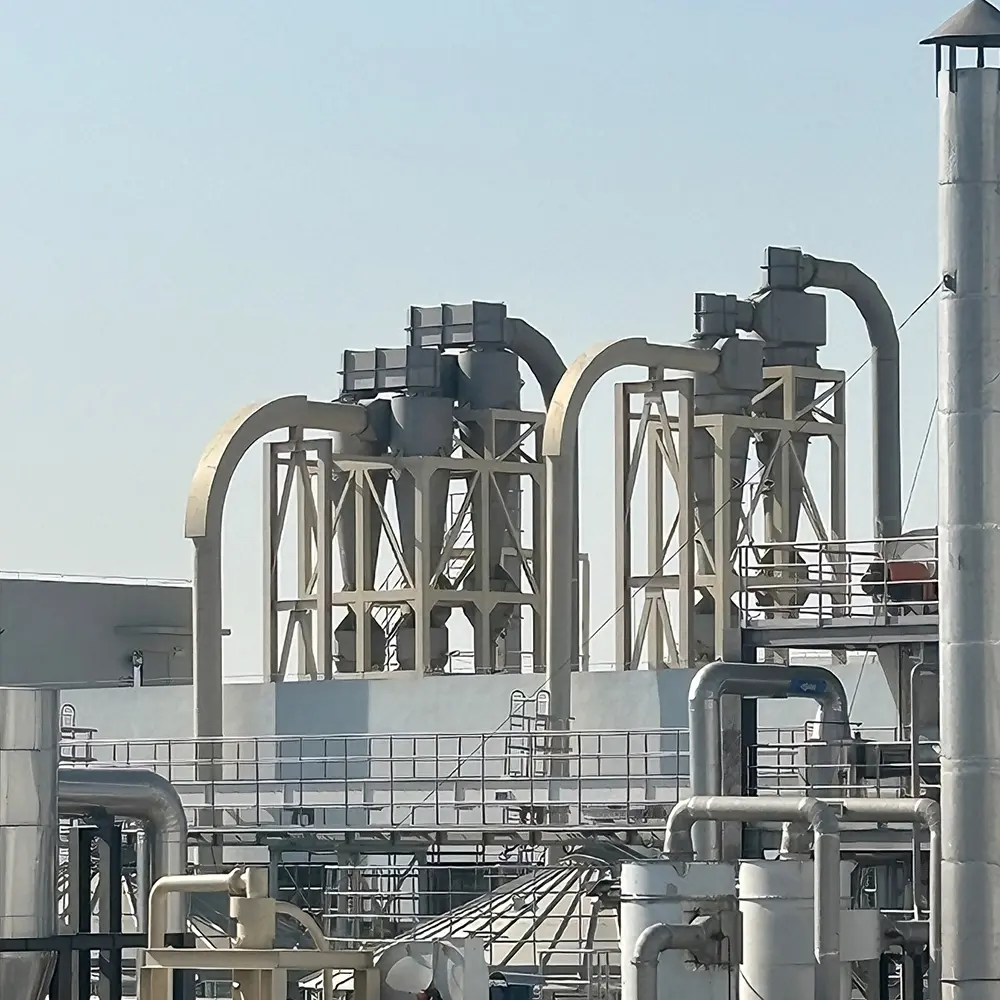
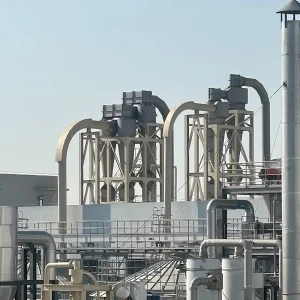
The MQG Airflow Dryer utilizes high-speed hot air to suspend and fluidize materials. Employing impulse airflow paths generated by varied tube diameters, the system continuously tumbles particles while conveying them. This delivers rapid, uniform, and thermal-efficient drying within the production line.
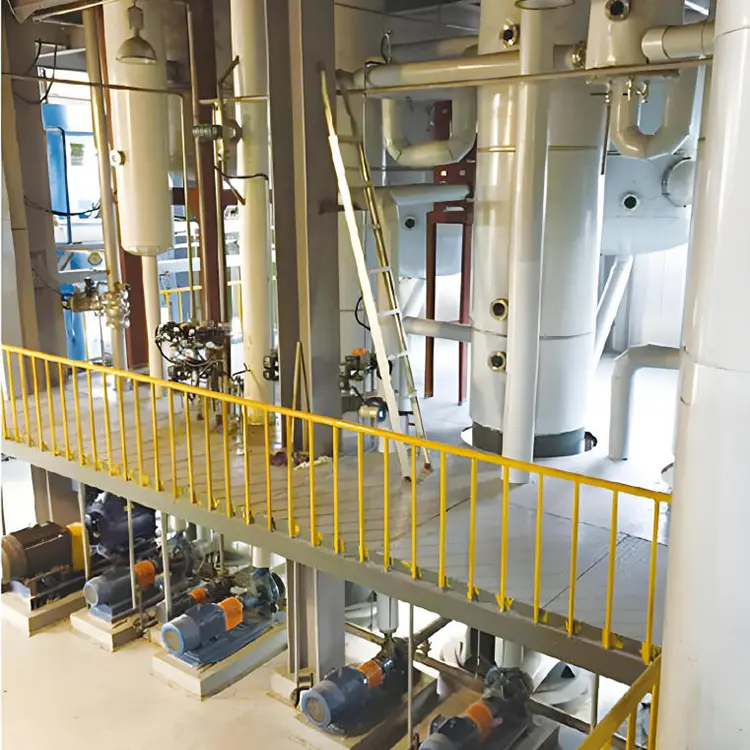
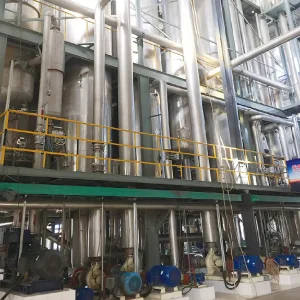
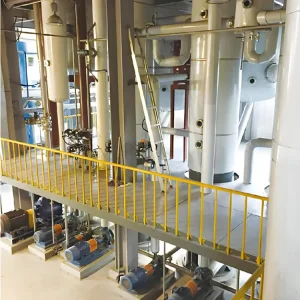
Engineered for heat-sensitive liquids, our falling film evaporators establish a uniform, thin film that flows downward along heated vertical tubes. Co-current vapor and liquid movement minimizes residence time and allows lower operating temperatures, preserving product quality while preventing tube fouling.
The trajectory of thermal separation technology is defined by energy reduction, carbon mitigation, and intelligent process controls. As industrial plants transition toward sustainable operations, double-effect and multi-effect evaporators are being upgraded with advanced thermal integration components. We observe three dominant trends shaping the industry:
Procurement teams sourcing evaporation machinery require strict adherence to international engineering standards, verified manufacturing workflows, and robust support systems. A double-effect evaporator is an essential asset with a typical lifecycle of 20 to 30 years, making mechanical reliability and compliance critical purchase factors.
Jiangsu Zongheng addresses these global requirements by providing comprehensive design packages, raw material traceability, CE compliance certification, and ASME stamps. We specialize in custom-built systems that handle corrosive materials, high-viscosity feeds, and heat-sensitive concentrations while maintaining optimal energy efficiencies.
| Requirement | Standard Specs Offered |
|---|---|
| Material Grades | SS304, SS316L, 2205 Duplex, Titanium |
| Vessel Standard | ASME Section VIII Div 1 ("U" Stamp), GB150 |
| CE Directive | PED 2014/68/EU (Pressure Equipment Directive) |
| Automation level | Siemens PCS7, Allen-Bradley SCADA Option |
| Efficiency Ratio | Steam consumption reduced by 45-52% |
Industrial concentration demands vary significantly across target sectors. Selecting the appropriate thermal arrangement and physical design is key to preventing processing bottlenecks. Our double-effect systems are deployed in several primary applications:
In wet maize milling and starch refining, double-effect and multi-effect falling film evaporators concentrate starch rinse water and steep liquids. These systems process large volumetric flows with minimal thermal impact, preserving protein structures and starch quality. Downstream integration with YDX Starch Washing Cyclones ensures refined end products.
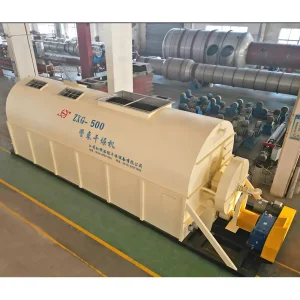
During bio-ethanol and alcohol distillation, large volumes of spent wash (stillage) must be concentrated before drying. Our double-effect configurations, combined with forced circulation loops, handle high solids content without tube clogging. The concentrated syrup is then blended with wet cake for processing in our ZXG Tube Bundle Dryers.
Chemical, pharmaceutical, and petrochemical processes generate highly saline or toxic waste streams. Utilizing a double-effect evaporator with a forced circulation finisher allows plants to concentrate waste effluents close to saturation points. This simplifies final salt recovery, minimizes liquid discharge, and enables reuse of clean condensed water.
Founded in 1992 as the Yixing Yangxi Light Industry Machinery Factory, Jiangsu Zongheng Concentrating and Drying Equipment Co., Ltd. has developed into a high-tech manufacturing enterprise. Located in Zhoutie Town on the shores of Taihu Lake, our facility spans 54,000 square meters, including 22,000 square meters of modern manufacturing workshops.
We are a member of the China Starch and Alcohol Association, specializing in concentration plants, drying systems, starch machinery, alcohol DDGS processes, and Category III medium & low-pressure vessels. Our systems serve the food fermentation, chemical, pharmaceutical, and environmental protection sectors worldwide.
Operating pressure vessels globally requires adherence to strict safety and regulatory frameworks. At Jiangsu Zongheng, we provide comprehensive compliance documentation to support our installations:
Our localized support helps engineering, procurement, and construction (EPC) contractors integrate our evaporation systems into regional utilities, minimizing commission delays and ensuring quick start-up cycles.
Our research and development program focuses on enhancing energy conservation and process reliability. The upcoming generation of Zongheng double-effect systems will feature several technical advancements:
1. Dynamic Evaporation Systems: Integrating smart variable frequency drives with process modeling software allows systems to automatically adapt to upstream feed fluctuations, preserving steam savings even at partial loads.
2. Advanced Thin-Film Distributors: Utilizing computational fluid dynamics (CFD) modeling to design liquid distribution trays that ensure wetting of all inner tube surfaces, preventing dry boiling and scaling.
3. Enhanced Waste Heat Recovery: Upgrading condenser sections to harvest low-grade heat, preheating feed streams and reducing boiler load requirements.
We warmly welcome friends from various industries, both domestic and international, to visit us for cooperation and mutual development!
 Zongheng