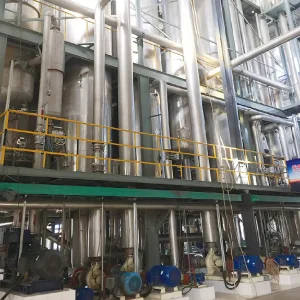
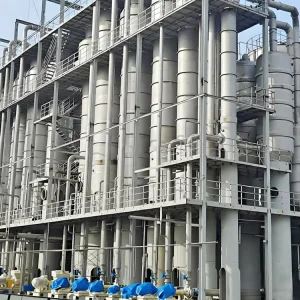
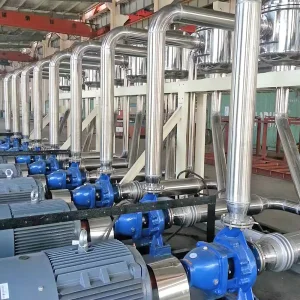
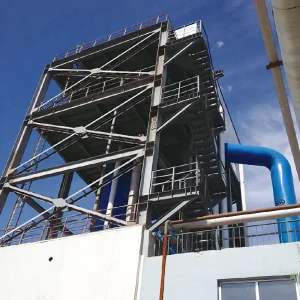
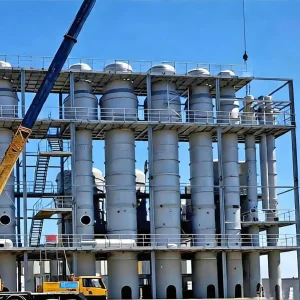
In the modern process industries, thermal concentration stands as one of the most energy-intensive operational steps. Global energy transitions and tightening environmental requirements have driven processing plants to seek optimized thermodynamics. The CE Certification Quadruple Effect Evaporator has emerged as a cornerstone solution for concentration processes across chemical engineering, starch refining, bio-ethanol fermentation (DDGS), and pharmaceutical manufacturing.
A multi-effect evaporator operates on a simple yet highly refined thermodynamic principle: reusing the latent heat of vaporization. By cascading multiple evaporators (effects) in series, steam generated from the initial effect acts as the heating medium for the subsequent effect. By operating the subsequent effects under progressively higher vacuum levels, the boiling point of the liquid decreases. This allows the system to reuse a single input of live steam up to four times, radically lowering operational expenses (OPEX).
Mathematically, while a single-effect evaporator consumes approximately 1.0 to 1.2 tons of fresh steam to evaporate 1 ton of water, a quadruple-effect configuration drops steam consumption down to a mere 0.25 to 0.28 tons of steam per ton of evaporated water. This represents a 75% reduction in thermal energy demand, making it the most balanced investment regarding capital expense (CAPEX) versus energy conservation.
The global mechanical and thermal separation landscape is undergoing rapid digitization and shift toward zero liquid discharge (ZLD) practices. Key trends reshaping this sector include:
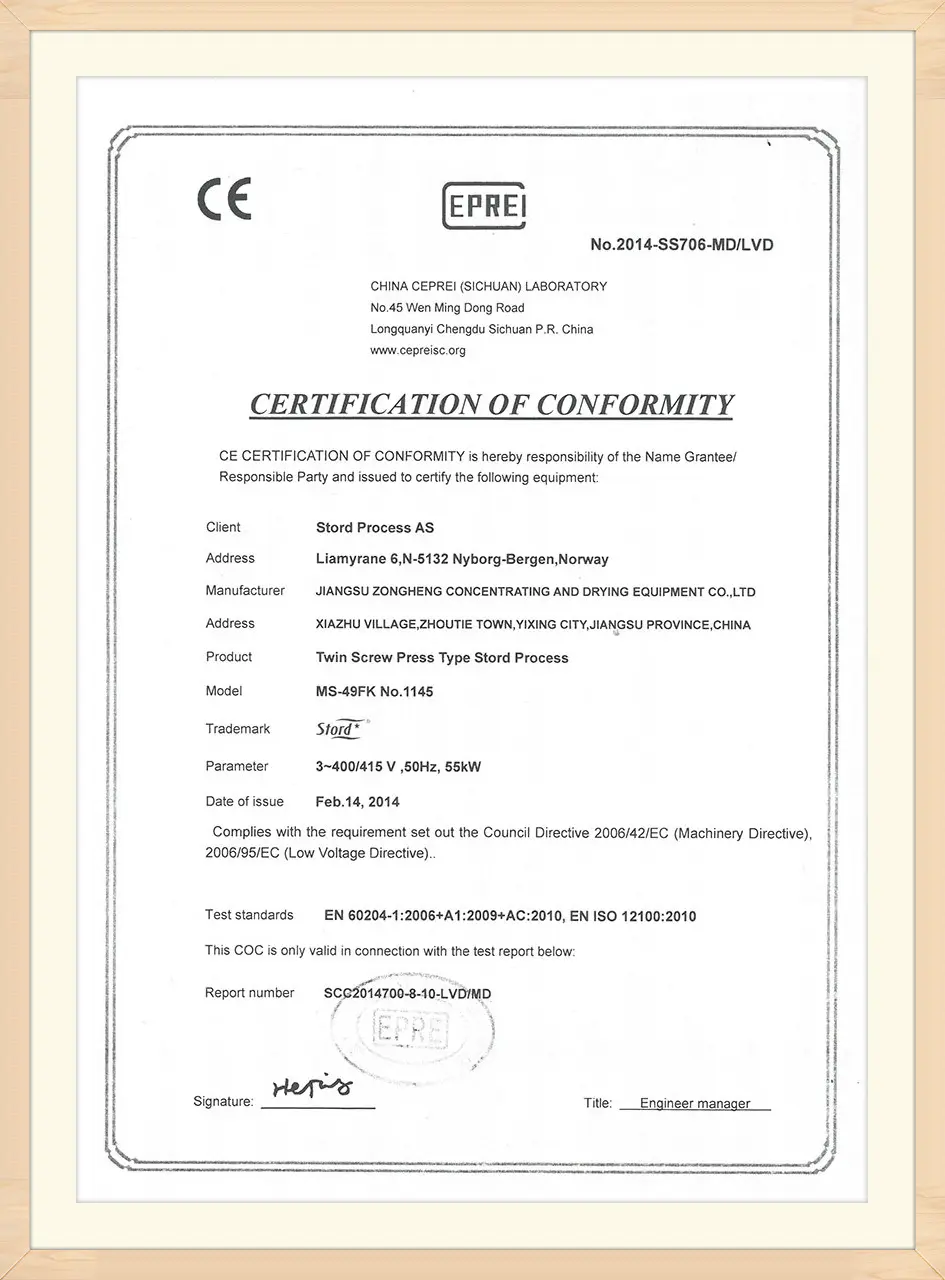
International buyers looking to integrate thermal evaporators face tight safety and regulatory compliance checks. The CE Certification guarantees that the machinery aligns with the European Economic Area's safety, health, and environmental standards. Additionally, alignment with ASME standards (such as the ASME "U" Stamp) is critical for pressure vessels operating under high temperature and steam loads. Jiangsu Zongheng ensures that all production steps meet these criteria, facilitating importing processes in the European Union, North America, and Southeast Asia.
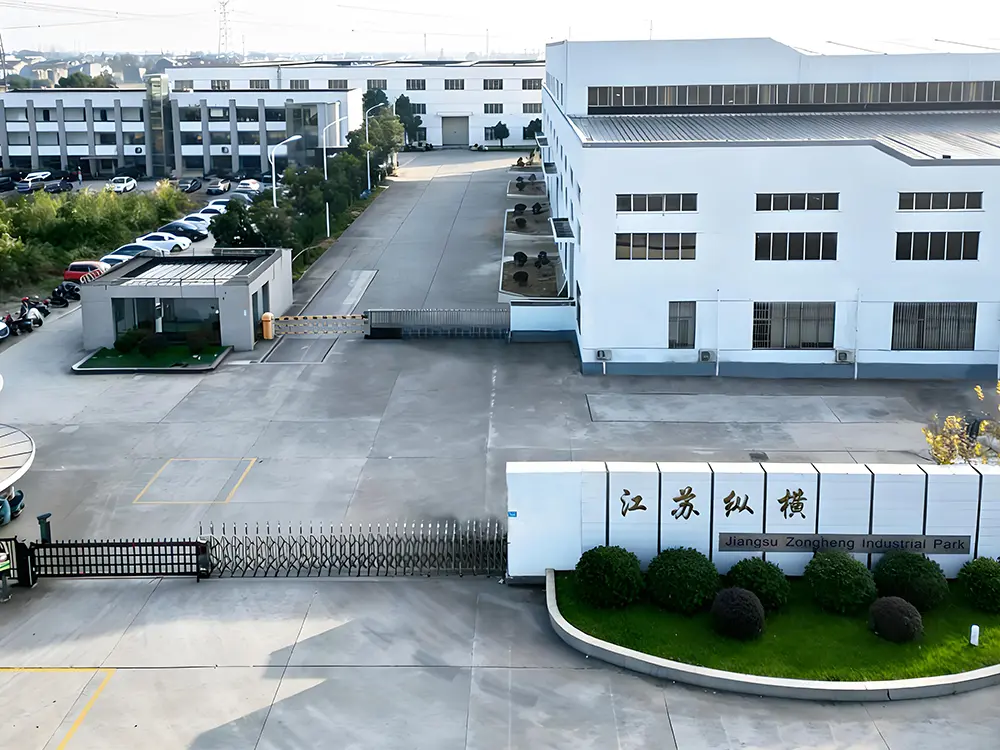
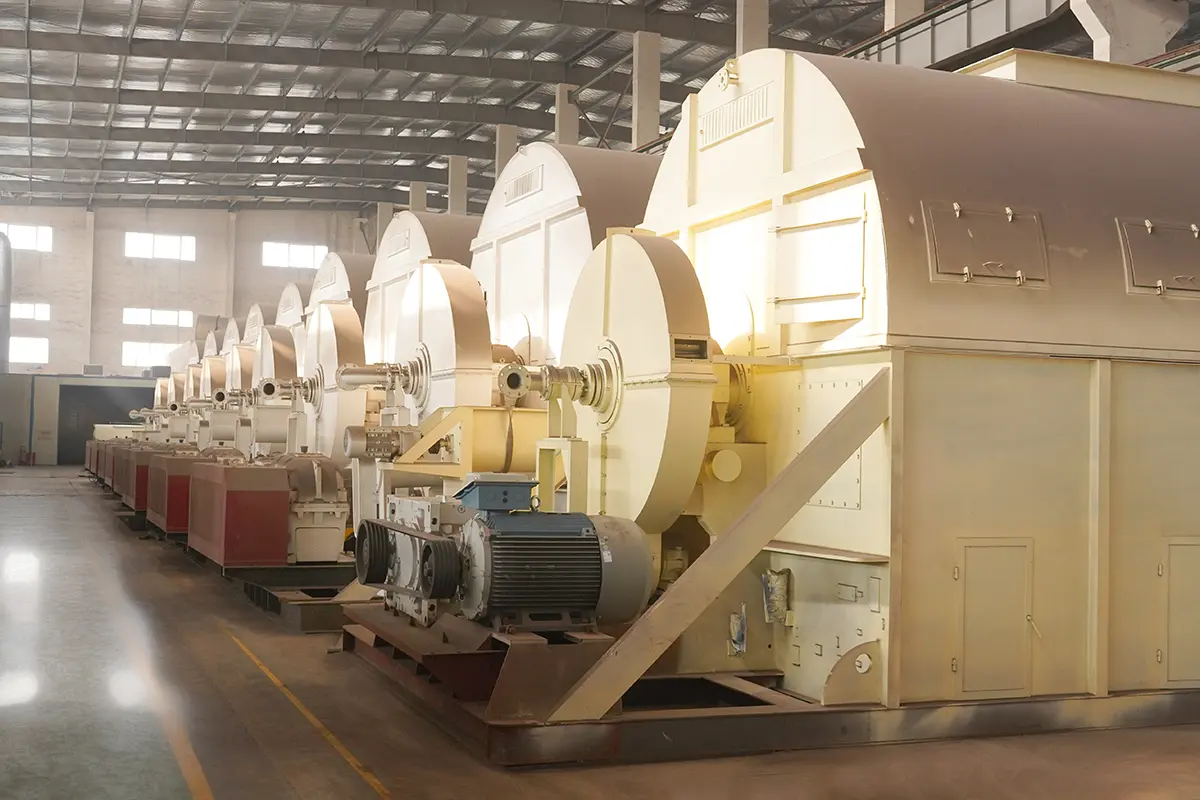
Located in the heart of China’s advanced manufacturing belt—Yixing, Jiangsu Zongheng operates a modern facility spanning 54,000 square meters. The integration of Factory 4.0 standards includes robotic plate welding, automated orbital tube sheet welding, and ultrasonic testing rigs. Our integrated supply chain ensures that raw steel, titanium piping, and electronic controller systems are sourced, processed, and quality-tested in-house, minimizing global shipment delays and safeguarding build precision.
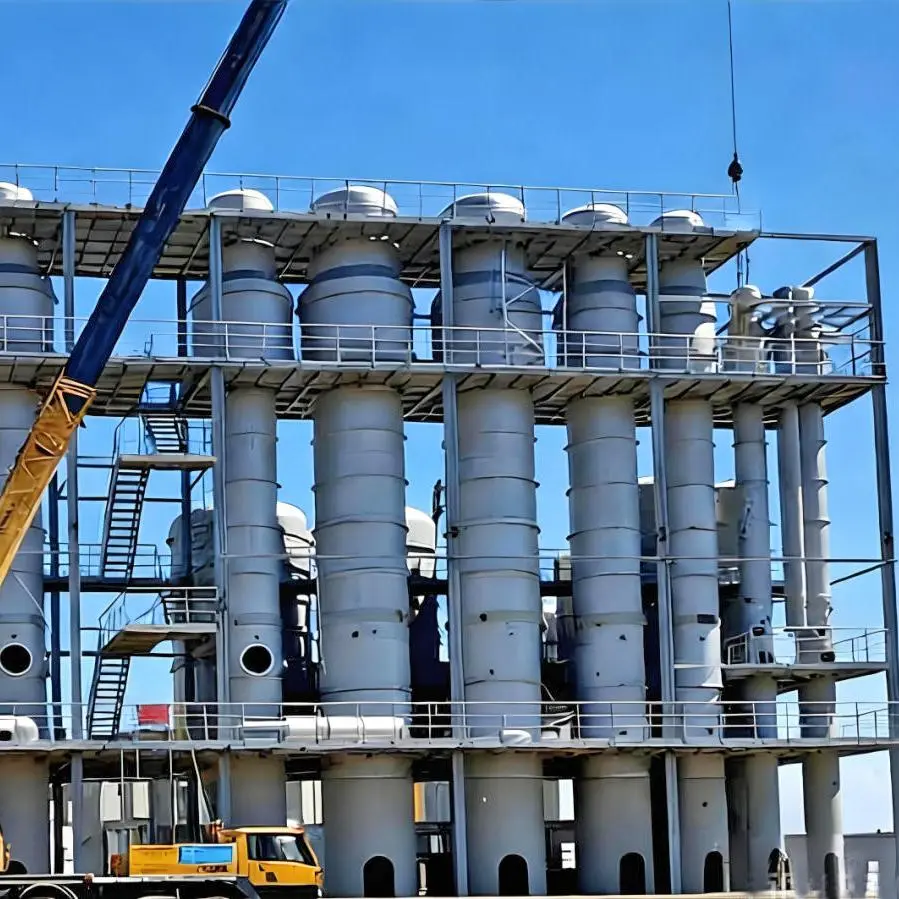
We provide energy-efficient, high-performance evaporation solutions including Falling Film, Forced Circulation, MVR, and Waste Heat configurations. Our plants are designed to optimize thermal footprint and minimize steam consumption.
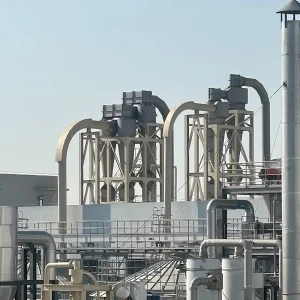
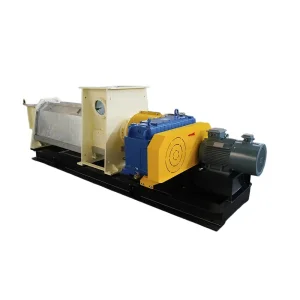
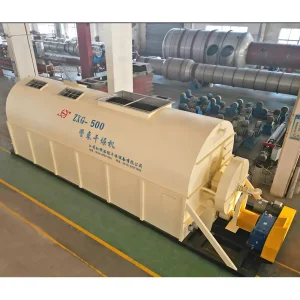
View Detailed SpecificationsJiangsu Zongheng's MQG Airflow Dryer employs high-speed hot air to suspend and fluidize materials. Utilizing impulse airflow generated from precisely varied tube diameters, it continuously tumbles particles while conveying them. This design ensures rapid, uniform, and efficient drying throughout the entire transportation process within the system.
A falling film evaporator efficiently concentrates heat-sensitive liquids. The feed liquid forms a thin film flowing down heated vertical tubes, where it partially evaporates. Vapor generated flows parallel to the liquid, enhancing the process. It ensures a short residence time and low operating temperature, preserving product quality.
Specifically designed for highly fouling liquids, crystallization slurries, and viscous media. A high-flow recirculation pump moves the liquid through heat exchanger tubes at velocity, preventing boiling on the tube surface and avoiding scaling.
Jiangsu Zongheng Concentrating and Drying Equipment Co., Ltd (formerly Yixing Yangxi Light Industry Machinery Factory), founded in 1992, is located in Zhoutie Town, Yixing City, on the shores of the beautiful Taihu Lake. The company covers an area of over 54,000 square meters, with a production workshop area of over 22,000 square meters.
Jiangsu Zongheng is a modern high-tech enterprise specializing in the manufacturing of concentration, drying, starch industry, alcohol DDGS, and Category III medium & low-pressure vessel equipment. It is currently a member enterprise of the China Starch and Alcohol Association. Our products are widely used in food fermentation, alcohol, chemical, pharmaceutical, environmental protection, and petrochemical sectors.
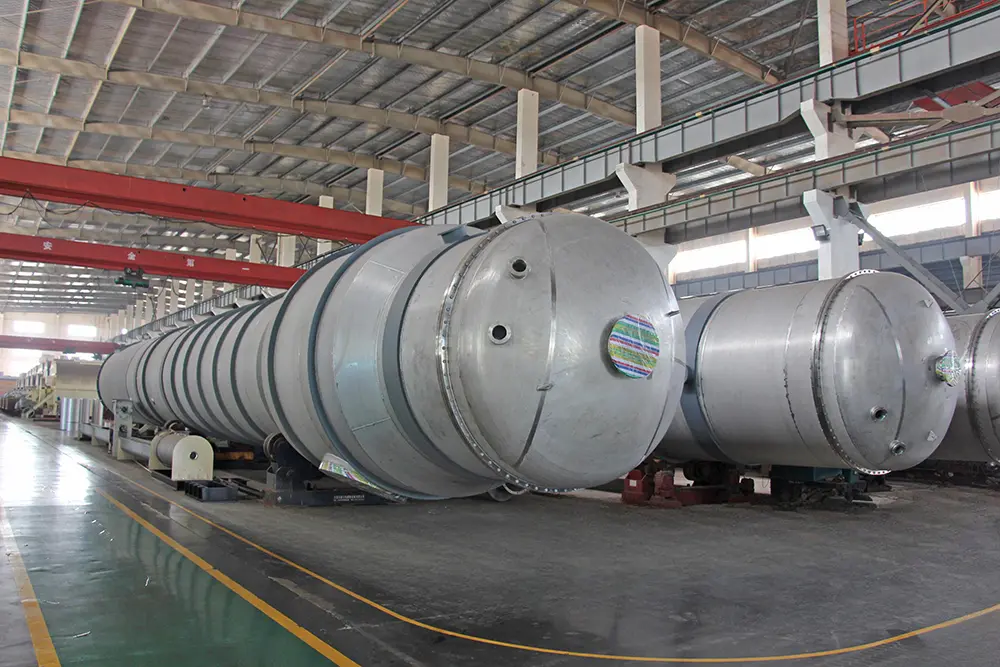
Today, the company covers a total area of over 54,000 square meters, with workshop space exceeding 22,000 square meters. It employs senior engineers and over 20 engineers and assistant engineers, with a total staff of 120 people.
International quality system certification (Certificate No.: 45021), establishing a complete quality assurance system aligned with international standards.
Acquired the ASME "U" Stamp authorization, marking the company's entry into high-end international process markets.
Obtained the Special Equipment Manufacturing License of the People's Republic of China (License No.: TS2232C42).
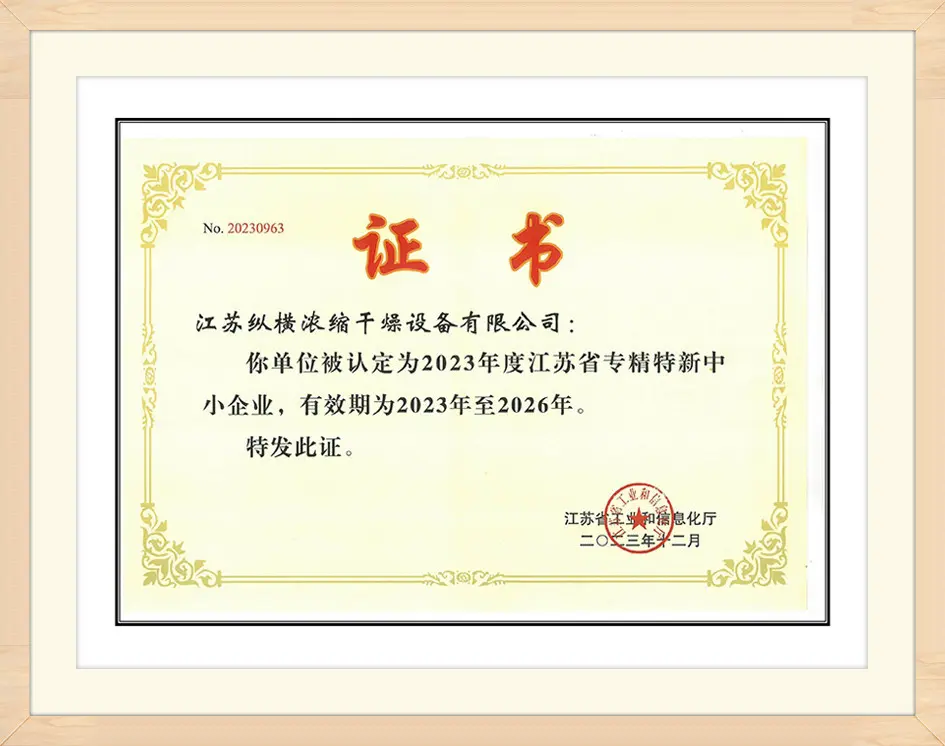
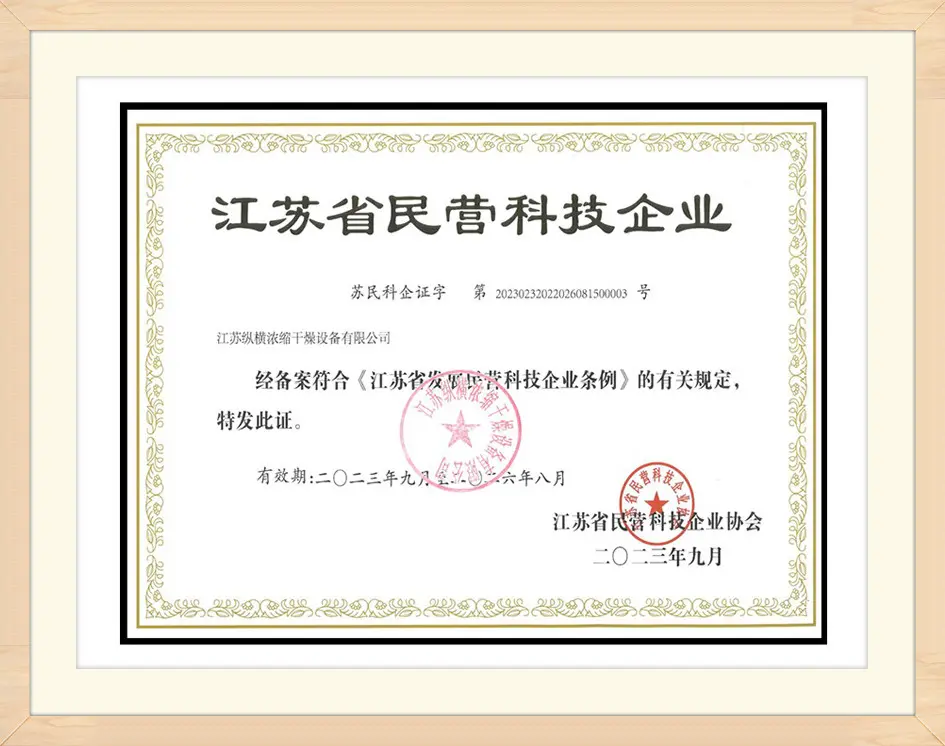
Recognized as a Jiangsu Provincial High-Tech Enterprise for innovative thermal processes.
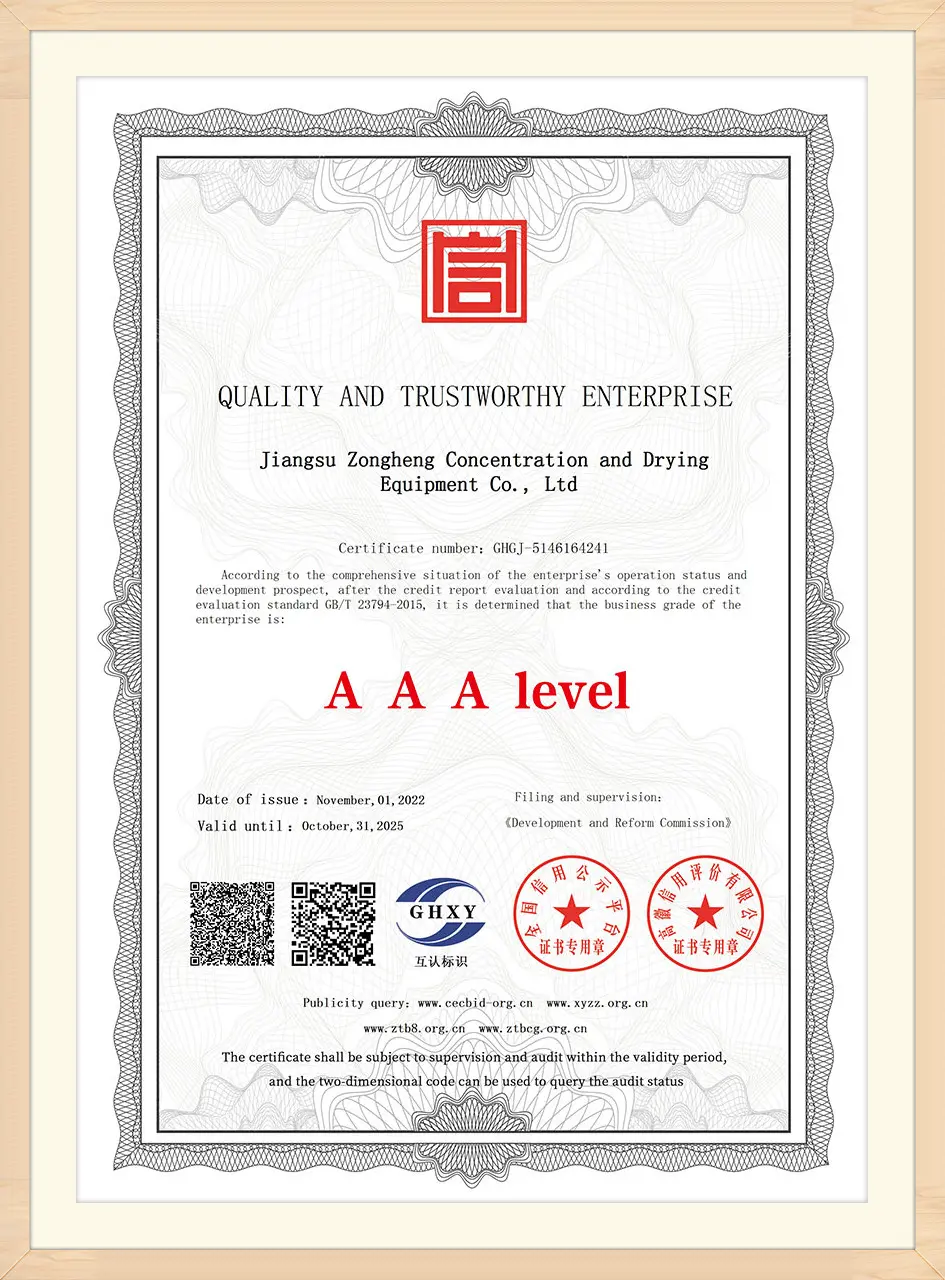
Took the lead in obtaining ISO9001 quality management system certification.
Jiangsu Zongheng, formerly Yixing Yangxi Light Industrial Machinery Factory, was established with a total area of approximately 15 mu and 45 employees.
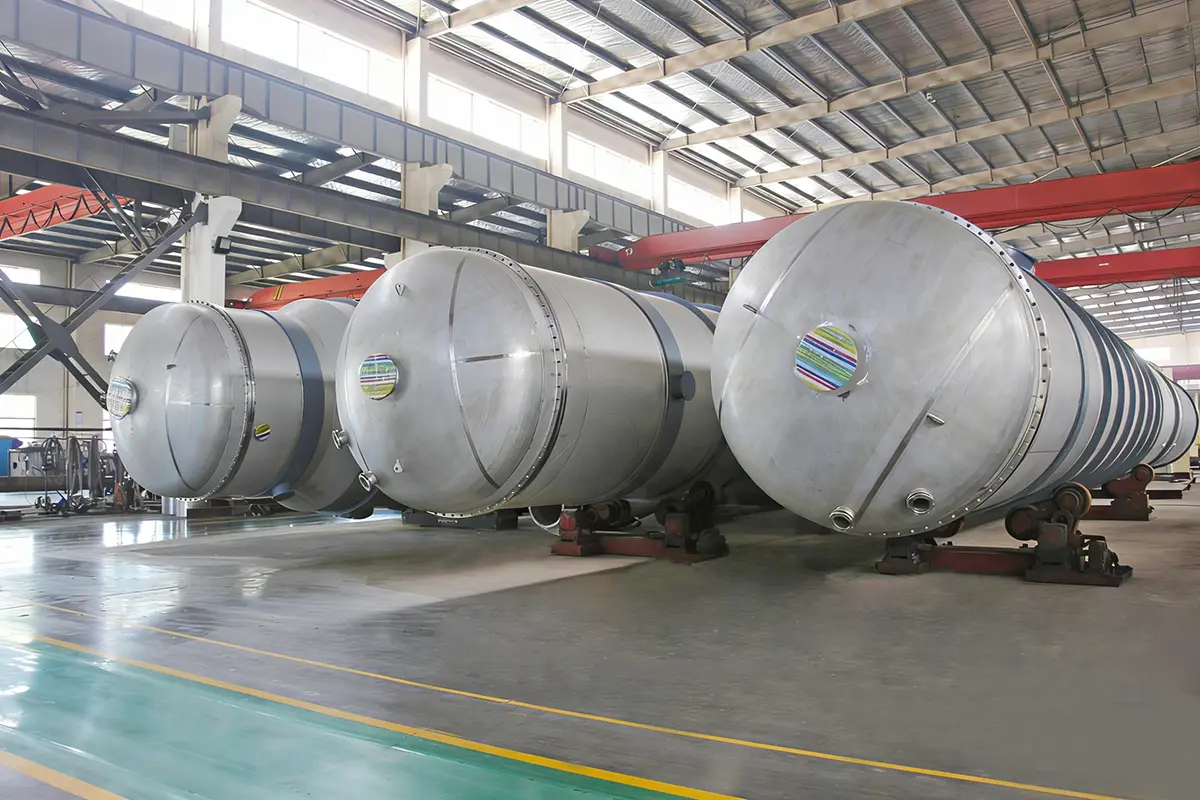
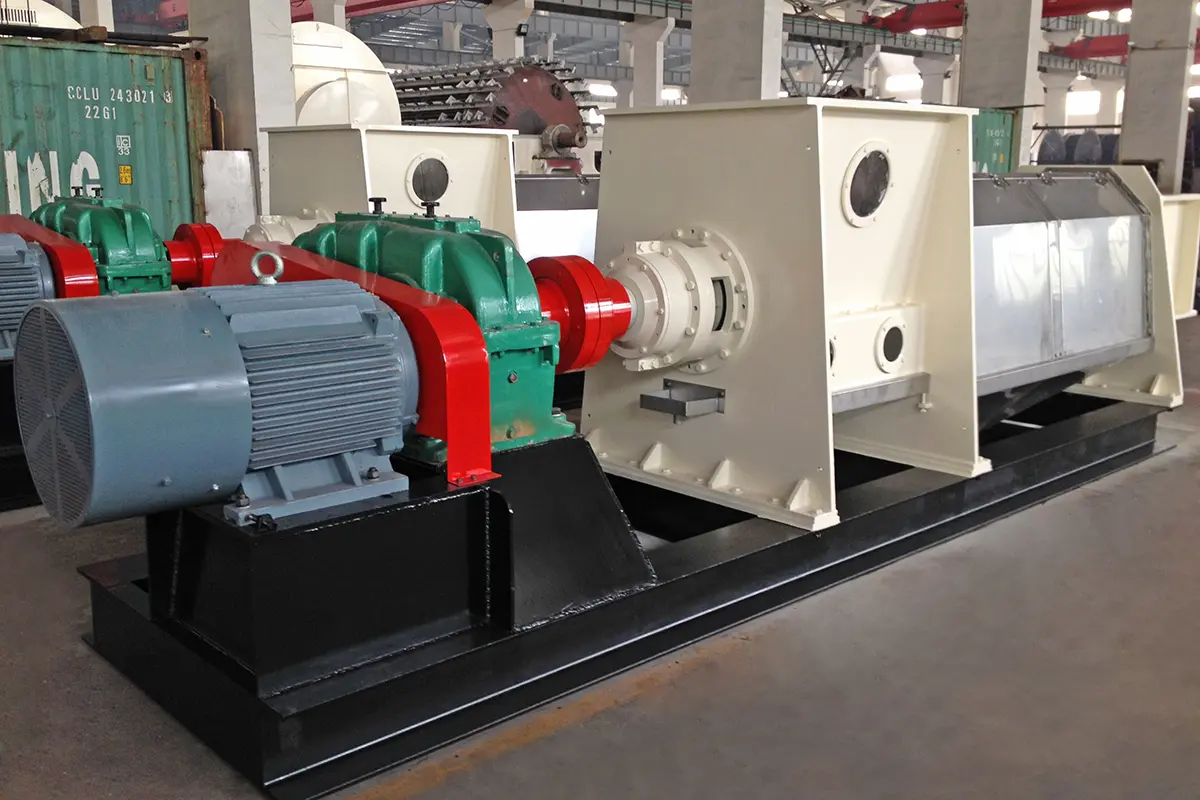
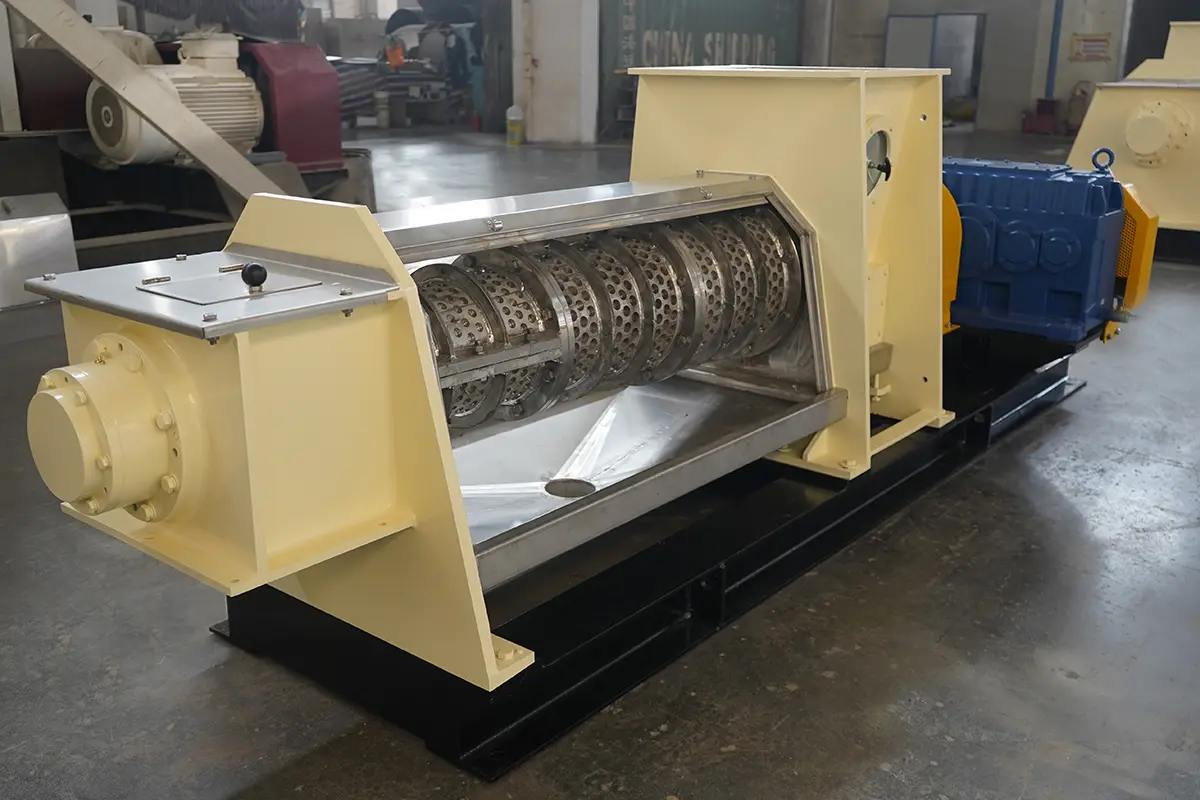
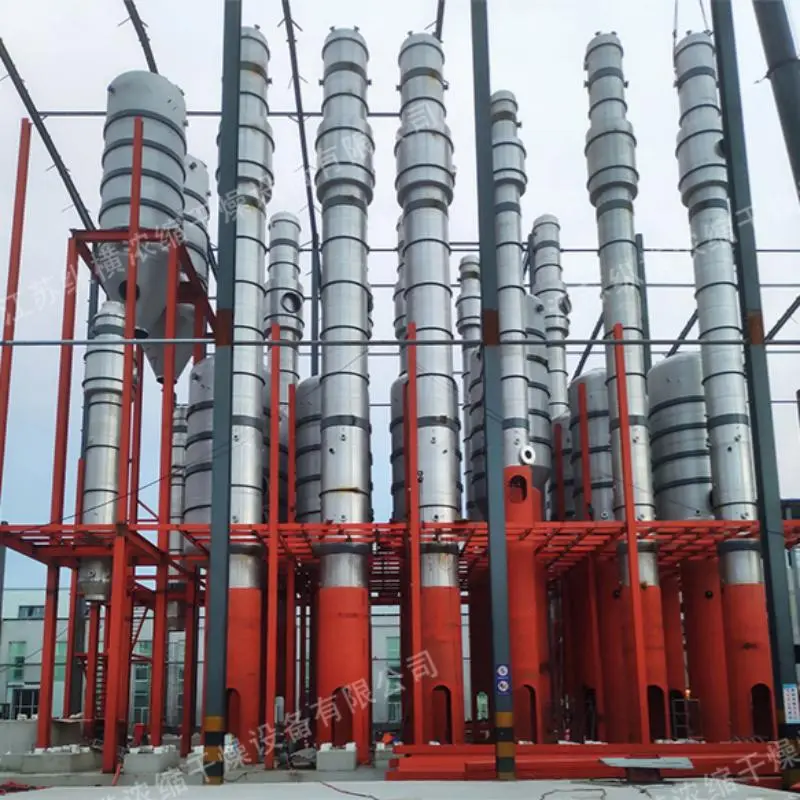
The evaporator absorbs heat to vaporize media, while the condenser releases heat to liquefy vapor; the two perform opposite cooling and heating functions. Operating under low pressure, the evaporator generates cold energy and concentrates solutions...
We warmly welcome friends from various industries, both domestic and international, to visit us for cooperation and mutual development!
Request a QuoteGet to know our detailed structural configurations and find the perfect thermal design for your plant.
View Details Zongheng