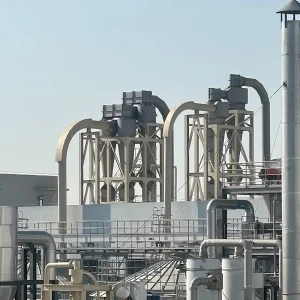
The rotary kiln remains the foundational pillar of heavy thermal processing across a vast spectrum of global industries. Recognized as a dynamic calciner, the rotary kiln provides the high-temperature environment necessary for processes such as thermal desorption, calcining, sintering, and pyrolysis. From traditional cement manufacture and mineral beneficiation to modern hazardous waste management and battery material synthesis (especially lithium-ion battery precursor calcination), rotary kilns process thousands of tons of material daily. As industries globally pivot towards carbon neutrality, the design and operation of rotary kilns are undergoing a profound technological revolution focusing on heat recovery, alternative clean fuels, and low-emission engineering.
In Europe and the Americas, strict environmental compliance frameworks dictate that all thermal processing equipment operating within or exported to these regions must satisfy rigorous safety and environmental benchmarks. This has placed CE Certification at the forefront of procurement criteria. A CE-marked rotary kiln ensures compliance with EU machinery safety directives, electrical compatibility standards, and pressure equipment codes. For global operators, sourcing from a factory that integrates CE design codes, such as Jiangsu Zongheng, ensures seamless cross-border installations, mitigation of legal liabilities, and superior workplace safety standards.
Modern applications of CE-certified rotary kilns now extend heavily into bio-char production, municipal sludge disposal, and solid waste recycling. By operating in an oxygen-deficient or controlled atmospheric environment, these kilns facilitate pyrolysis—transforming waste products into valuable oils, synthetic gases, and stable bio-carbons. Proper thermal isolation, precise rotational velocity controls, and advanced seals are essential to prevent hazardous gas escape and maximize thermal integrity.
Achieving peak efficiency in rotary drum systems demands a balance of thermodynamics, metallurgy, and mechanical design. Rotary kilns are structurally categorized into direct-fired and indirect-fired systems. Direct-fired kilns pass hot combustion gases directly over the material bed, facilitating excellent heat transfer via radiation and convection. Indirect-fired systems heat the material through the metallic cylinder wall, making them ideal for handling high-purity chemicals, ultra-fine powders, or materials that must be isolated from combustion by-products.
Key component design details include:
Fabricated from high-grade rolled steel plates (e.g., Q345R or custom alloy compositions), designed to withstand both mechanical flexure and thermal stresses. The riding rings (tires) distribute the kiln load onto supporting roller assemblies, ensuring balanced weight distribution.
Internal refractory bricking or monolithic castable linings act as a barrier against operating temperatures that can exceed 1600°C. Custom selections of high-alumina, magnesia, or silicon-carbide linings prevent corrosion and minimize heat loss through the shell.
Equipped with a primary girth gear driven by a pinion connected to a high-efficiency electric motor and gearbox assembly. VFD (Variable Frequency Drive) units regulate rotation rates to modify material residence time precisely.
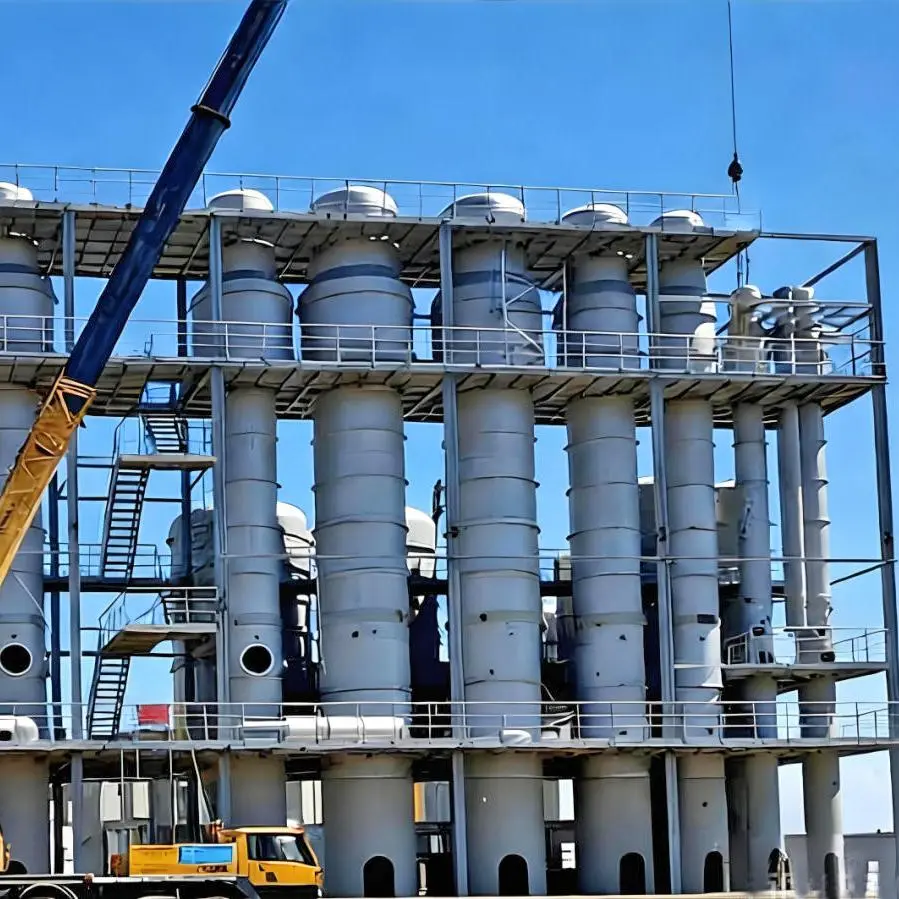
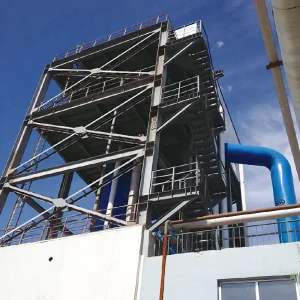
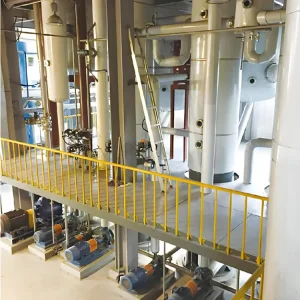
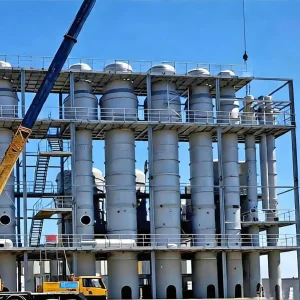
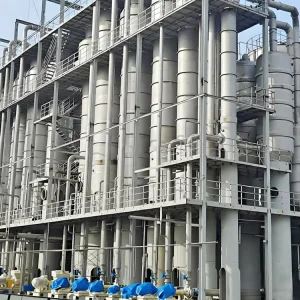
Zonghong provides energy-efficient, high-performance evaporation solutions. By utilizing thin-film concentration kinetics and forced recirculation paths, our evaporative lines prevent product fouling, conserve thermal resources, and deliver exceptional dry-solids separation.
Our Falling Film Evaporators concentrate heat-sensitive liquids by establishing a uniform, gravity-driven fluid film down the interiors of heated tubes. This layout allows for low operational temperatures and minimal residence times, ensuring structural preservation of volatile organic feeds.
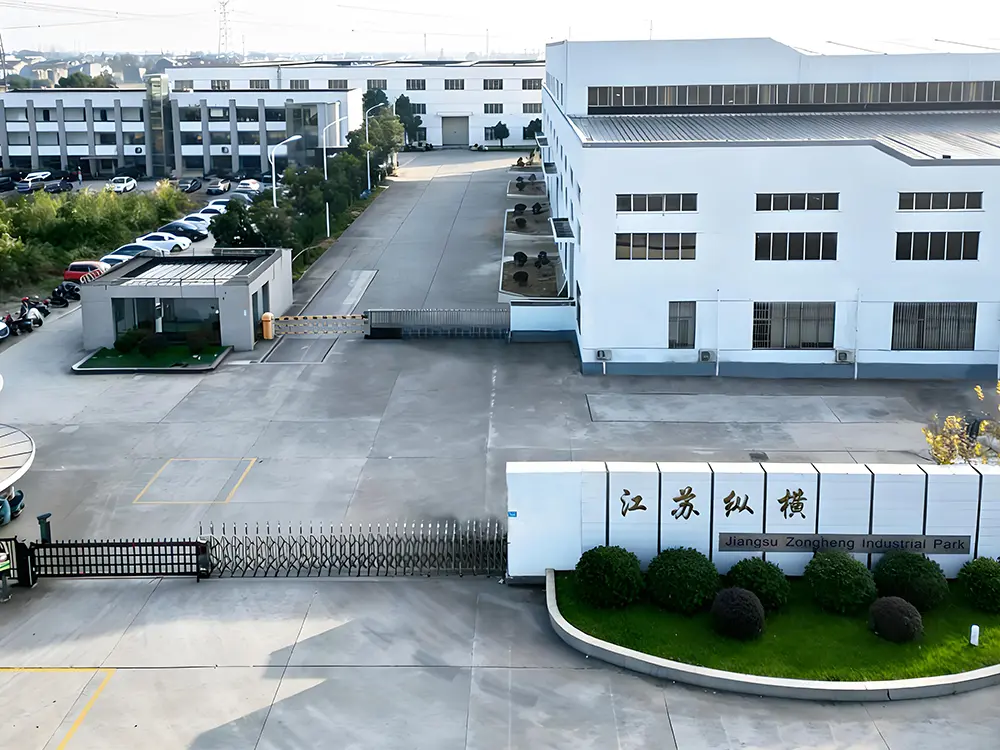
Jiangsu Zongheng Concentrating and Drying Equipment Co., Ltd (formerly known as Yixing Yangxi Light Industry Machinery Factory), founded in 1992, is situated in Zhoutie Town, Yixing City, on the shores of Taihu Lake. As a modern high-tech enterprise, the company covers a total footprint of over 54,000 square meters, featuring a clean, specialized heavy-manufacturing workshop space spanning more than 22,000 square meters. It is a long-standing member enterprise of the China Starch and Alcohol Association.
We specialize in designing and manufacturing high-performance concentration units, rotary and airflow dryers, starches processing equipment, industrial DDGS systems, and Category III medium & low-pressure vessels. Sourcing our solutions guarantees absolute alignment with global standards, including ISO9001 and the prestigious ASME "U" Stamp authorization.
Established as Yixing Yangxi Light Industrial Machinery Factory with an initial team of 45 workers and a production footprint of 15 mu.
Implemented systemic quality processes, acquiring the ISO9001 certification to standardize general manufacturing workflows.
Recognized officially as a Jiangsu Provincial High-Tech Enterprise, unlocking advanced thermal technology development paths.
Obtained the Special Equipment Manufacturing License of the People's Republic of China (License No.: TS2232C42) for pressure vessel operations.
Authorized to stamp vessels with the ASME "U" certification mark, validating our systems for the high-end North American market.
Attained the International Quality System Certification (Certificate No.: 45021) and advanced CE marking protocols for European plant deliveries.
Operations expanded to a comprehensive facility footprint of 54,000+ square meters, employing 120 skilled staff and engineers.
The modern engineering landscape for heavy thermal calcination is dominated by two primary challenges: maximizing thermal efficiency and eliminating carbon emissions. Sourcing a rotary kiln requires analyzing fuel pathways and potential upgrades. Historically reliant on coal, heavy fuel oil, or natural gas, modern industrial processes are shifting toward alternative energy inputs, including green hydrogen, plasma burners, and waste-derived fuels (RDF/SDF). The integration of low-NOx combustion chambers alongside digital twin control loops ensures optimal thermal profiles while minimizing emissions.
Simultaneously, the integration of rotary calcination systems with upstream concentrate evaporation loops has become standard practice for Zero Liquid Discharge (ZLD) plants. By coupling a high-performance Falling Film or Forced Circulation Evaporator with an indirect calcination kiln, plants process liquid waste streams into dry, stable solid salts or ash. This prevents environmental contamination and recovers valuable chemical compounds, driving operational profitability.
Through our advanced engineering matrix, Jiangsu Zongheng integrates chemical concentration (evaporators) with drying systems (airflow and tube bundle dryers) and industrial pyrolyzer interfaces. This comprehensive engineering pipeline reduces heat consumption across your entire installation, ensuring low operating costs and high system stability.
Designed for the concentration of heat-sensitive chemical solutions, corn steep liquors, and high-salinity industrial wastewater streams.
Engineered for high-torque mechanical dewatering of agricultural fibers, spent grains, and municipal sewage sludges.
Provides fast moisture extraction from granular products, crystalline structures, and continuous polymer feeds.
Uses indirect steam contact for gentle drying of corn germs, gluten feeds, and other agricultural processing by-products.
CE Certification serves as the manufacturer's declaration that the product complies with the essential health, safety, and environmental protection requirements of all applicable European Directives (such as the Machinery Directive 2006/42/EC and the Pressure Equipment Directive 2014/68/EU).
Indirect-fired kilns heat the material through the external wall of the drum, keeping the process chamber isolated from combustion gases. This design is ideal for toxic, volatile, or high-purity materials requiring controlled atmospheres.
Key parameters include the design of the internal refractory lining, variable drum rotation speeds (VFD controls), air-to-fuel ratio optimization in the burner, and the integration of secondary waste heat recovery systems.
The ASME "U" Stamp indicates that the pressure components of our systems have been designed, fabricated, inspected, and tested in accordance with the ASME Boiler and Pressure Vessel Code, ensuring high pressure-bearing integrity.
We supply advanced mechanical graphite slide ring seals and double-contact gas barrier seals. These prevent toxic process vapors from escaping and stop ambient air from entering the kiln chamber.
Yes. By utilizing specialized corrosion-resistant alloys (such as SUS316L, duplex stainless steels, or nickel-based superalloys) alongside custom acid-resistant refractory brick linings, our kilns are engineered for high durability in aggressive environments.
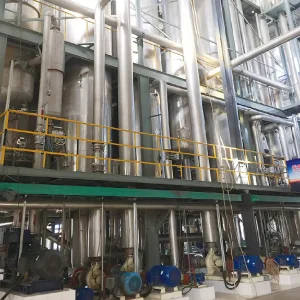
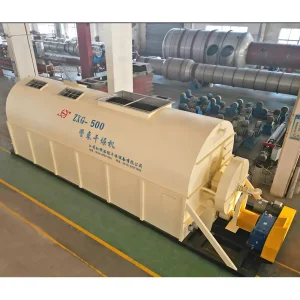
We warmly welcome partners from various industries, both domestic and international, to visit us for cooperation and mutual development!
Connect with our engineering specialists to receive a detailed system proposal tailored to your technical requirements.
 Zongheng