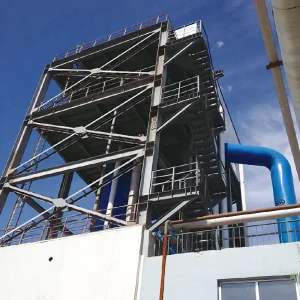
Energy-saving mechanical vapor recompression configuration optimized for zero liquid discharge (ZLD) schemes and waste fuel recovery.
View Details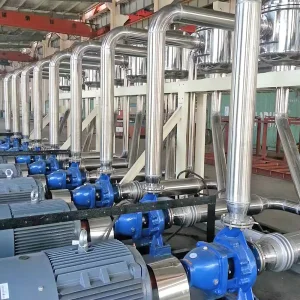
High-precision starch refining cyclone array designed to maximize concentration, remove trace impurities, and maintain product purity.
View Details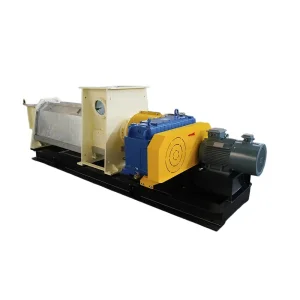
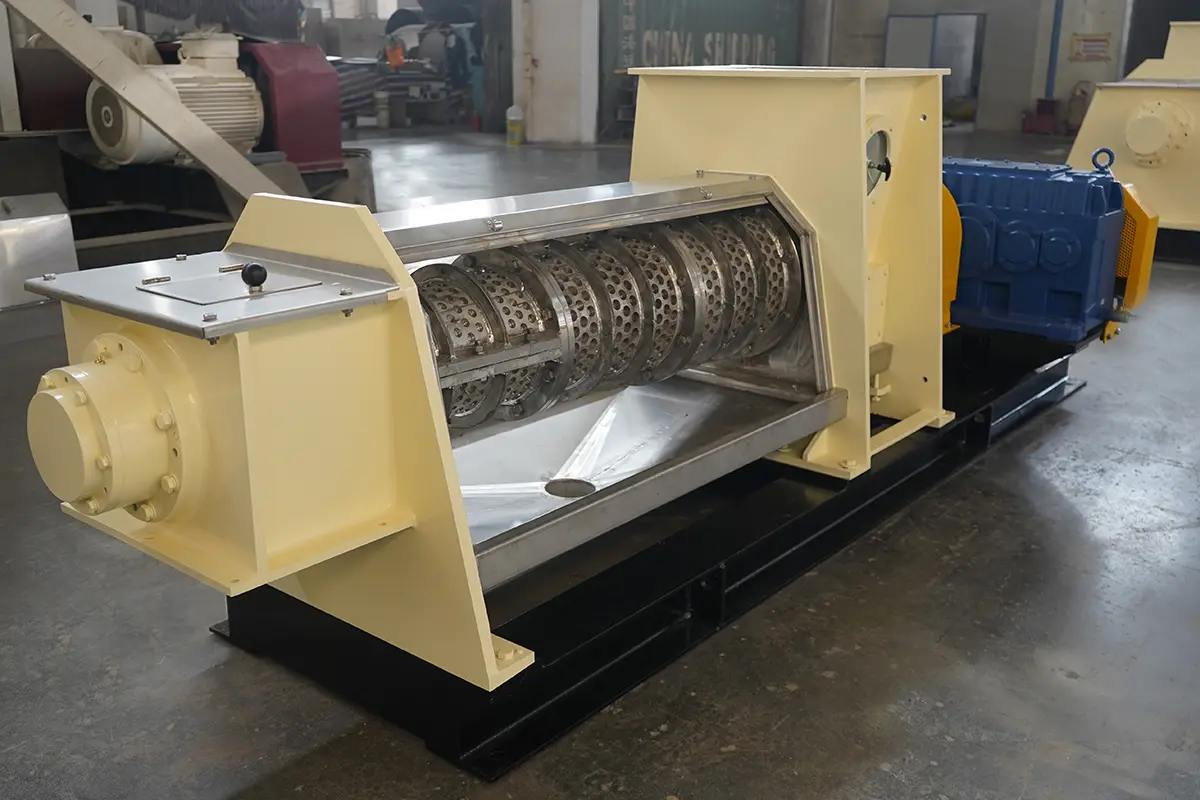
Optimized dewatering equipment for corn fibre and germ processing, reducing mechanical moisture load prior to industrial drying stages.
View Details
A factory-standard multi-stage cyclone separator ensuring high-efficiency washing and separation of starch suspensions.
View Details
Advanced separation architecture featuring wear-resistant materials and customizable nozzle arrays for corn starch processes.
View Details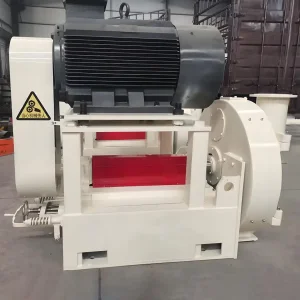
High-precision milling design built to separate germ from maize kernels cleanly while minimizing broken starch levels.
View Details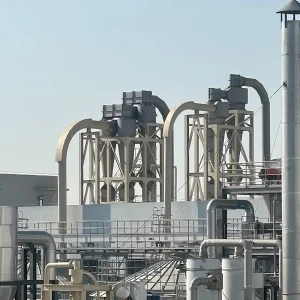
Employs high-speed pneumatic thermal transfer to suspend and dry fine particle feedstocks dynamically in starch plants.
View Details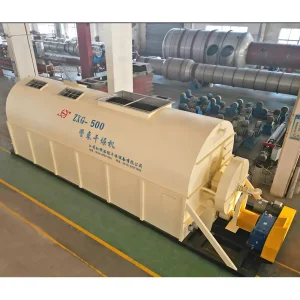
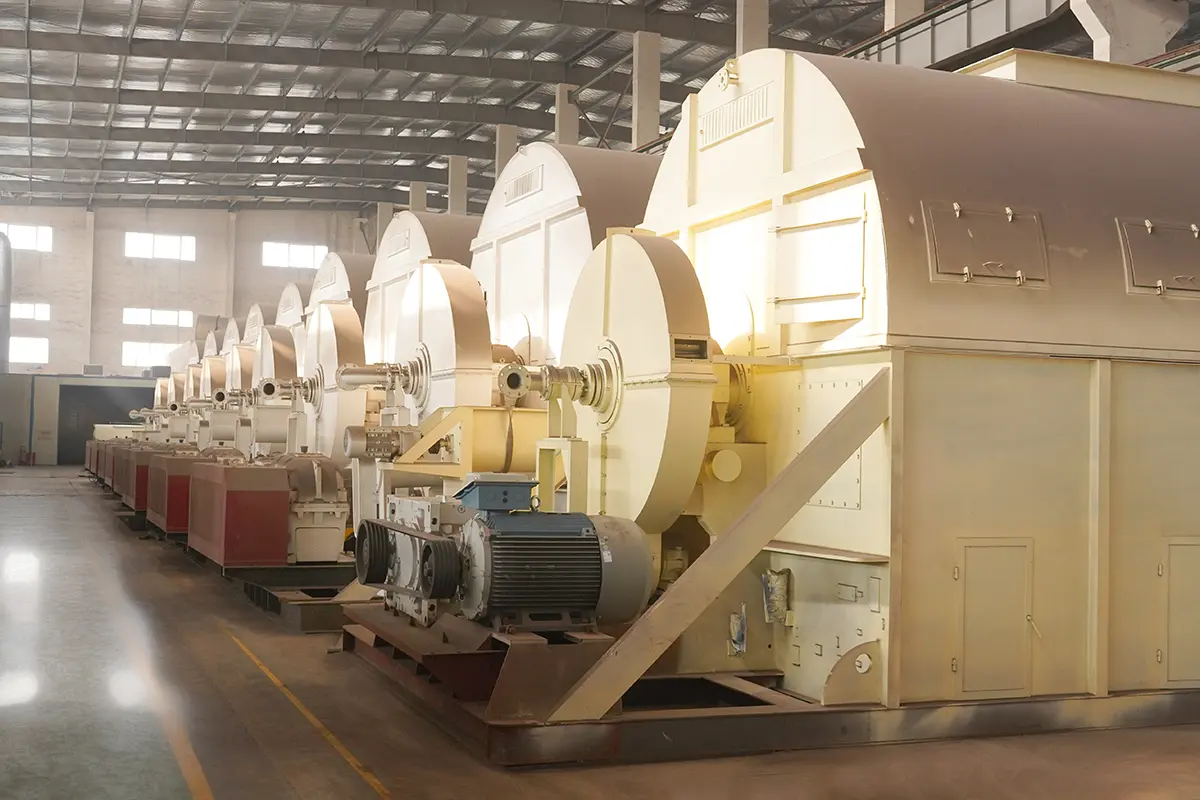
Continuous, low-oxygen drying using steam-heated bundle loops, reducing degradation risks in biological and chemical materials.
View DetailsGlobal heavy industries, chemical synthesis plants, fuel ethanol processors, and zero-liquid-discharge (ZLD) plants face unprecedented thermal challenges. The search for a reliable China Fuel Evaporation Manufacturer is no longer just about capital cost savings; it is about matching the rigorous energy criteria defined under ASME, CE pressure-design codes and the environmental mandates of localized environmental protection agencies.
Industrial evaporation systems, including Mechanical Vapor Recompression (MVR) and Multi-Effect Evaporators (MEE), sit at the heart of resource recovery. In biofuel and chemical manufacturing, separating aqueous waste streams from volatile organic carbons (VOCs) and hazardous fuels requires precise vapor path control, optimized droplet entrainment separators, and metallurgy that withstands localized stress corrosion cracking (SCC) caused by high chloride or acidic components.
The future of industrial fuel and wastewater evaporation is driven by decarbonization, continuous process automation, and intelligent diagnostic thermal monitoring. Our technology roadmap aligns with global 2030 and 2050 carbon neutrality objectives.
Integrating industrial IoT sensors directly into the vapor channels allows real-time calculation of overall heat transfer coefficients (U-value) and dynamic prediction of scaling rates, initiating automatic cleaning-in-place (CIP) cycles.
Transitioning to magnetic-levitation single-stage centrifugal turbo blowers. These compressors boast a COP exceeding 25, drastically lowering energy consumption during vapor compression cycles.
Merging solar heat exchangers and industrial geothermal vapor blocks with conventional waste-steam loops, providing chemical plants with 100% reliable hybrid operations.
| Evaporation Technology | Specific Steam Consumption (per Ton H2O) | Electrical Power Demand (kWh/t) | Capital Cost Index | Optimized Feedstock Application |
|---|---|---|---|---|
| MVR (Mechanical Vapor Recompression) | 0.00 - 0.05 Tons | 15 - 30 kWh | High | Corrosive industrial waste, chemical loops, light organic liquids |
| Multi-Effect Evaporator (3-Effect MEE) | 0.35 - 0.40 Tons | 2 - 4 kWh | Medium | High concentration starches, high boiling point elevation solutions |
| Falling Film (TVR Assisted) | 0.20 - 0.25 Tons | 4 - 8 kWh | Medium-High | Heat-sensitive biological products, high-grade food inputs |
| Forced Circulation Evaporator | 0.40 - 0.45 Tons | 20 - 45 kWh | High | High-scaling organic residues, crystallization of raw salts |
In fuel starch-to-ethanol plants, concentration of thin stillage is crucial. Our falling-film and waste heat evaporators integrate directly with DDGS drying plants, lowering energy footprints by up to 40% compared to legacy installations.
Wastewater streams like Corn Steep Liquor (CSL) contain highly heat-sensitive proteins and salts. By implementing specialized low-temperature, multi-effect vacuum evaporation plants, fouling is minimized and nutrient values are retained.
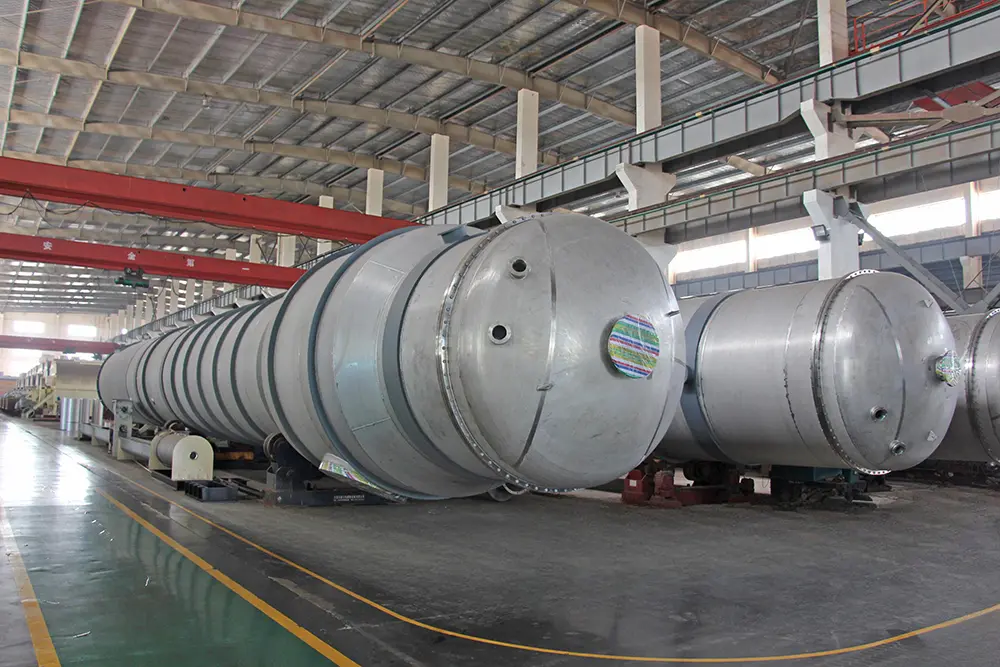
For synthetic fuels and industrial solvent reclamation, processing columns are designed to manage organic separation, stripping volatile fractions under high vacuums with safety-engineered electrical control enclosures.
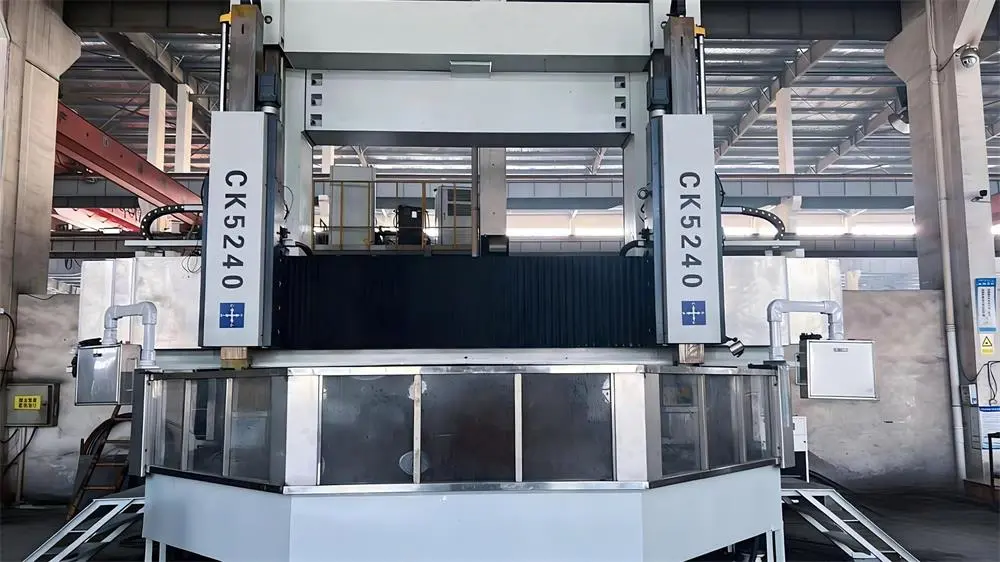
Founded in 1992 (originally Yixing Yangxi Light Industry Machinery Factory), Jiangsu Zongheng Concentrating and Drying Equipment Co., Ltd. has expanded into a high-technology industrial center. Located in Zhoutie Town, Yixing City on the shores of Taihu Lake, our state-of-the-art facilities cover over 54,000 square meters, with a dedicated production workshop exceeding 22,000 square meters.
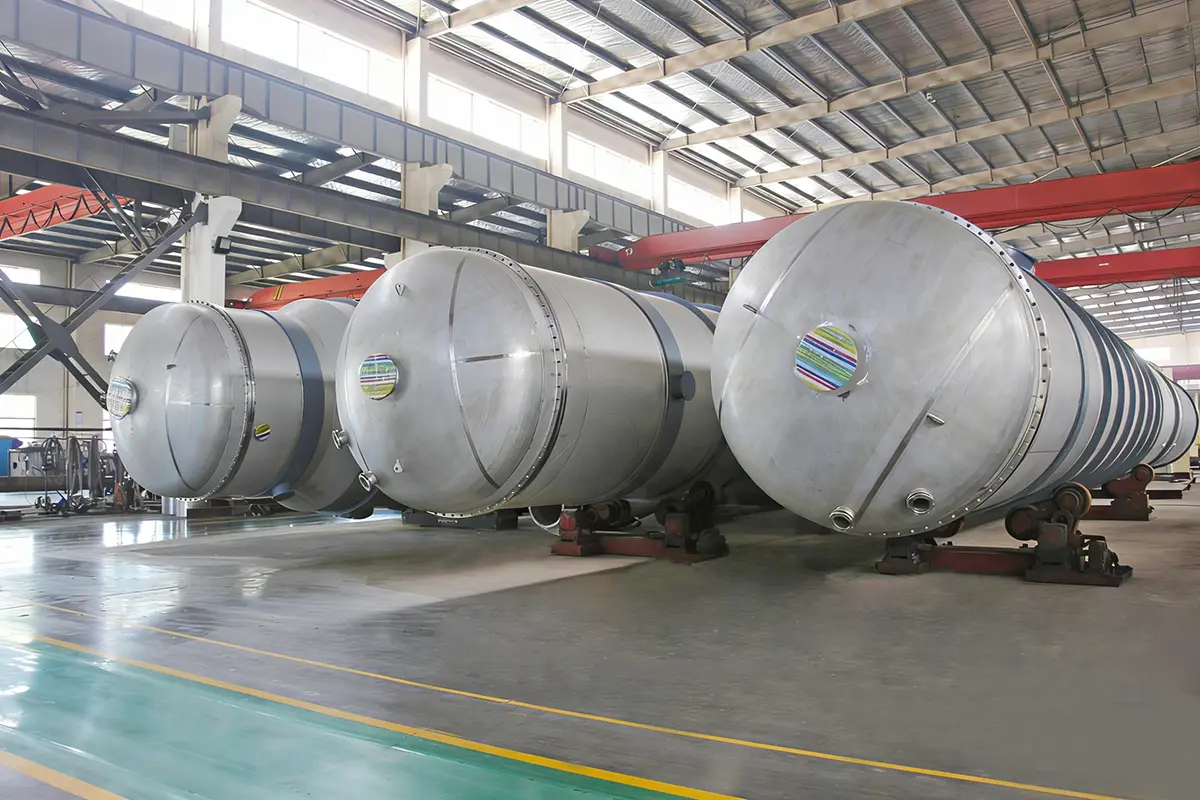
As a key member of the China Starch and Alcohol Association, we utilize advanced automated welding arrays, large-scale CNC rolling machines, and cleanroom assembly zones for high-alloy welding. By managing raw sheet sourcing, precision fabrication, NDT inspections, and mechanical assembly in-house, we eliminate intermediate supply chain delays and offer significant capital efficiencies to global buyers.
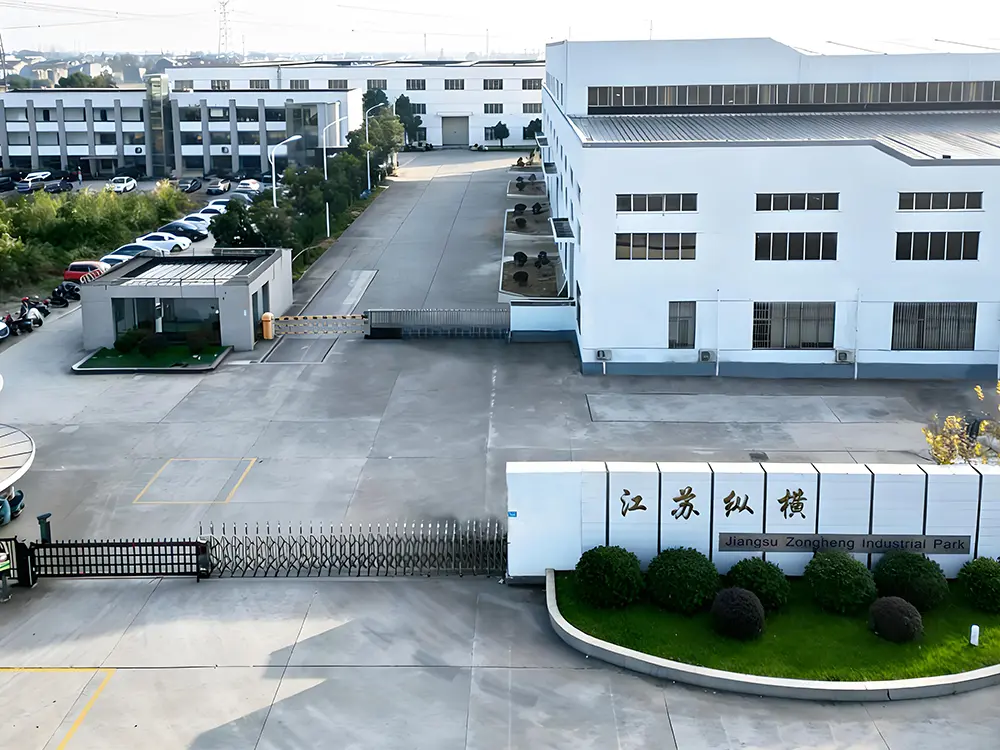
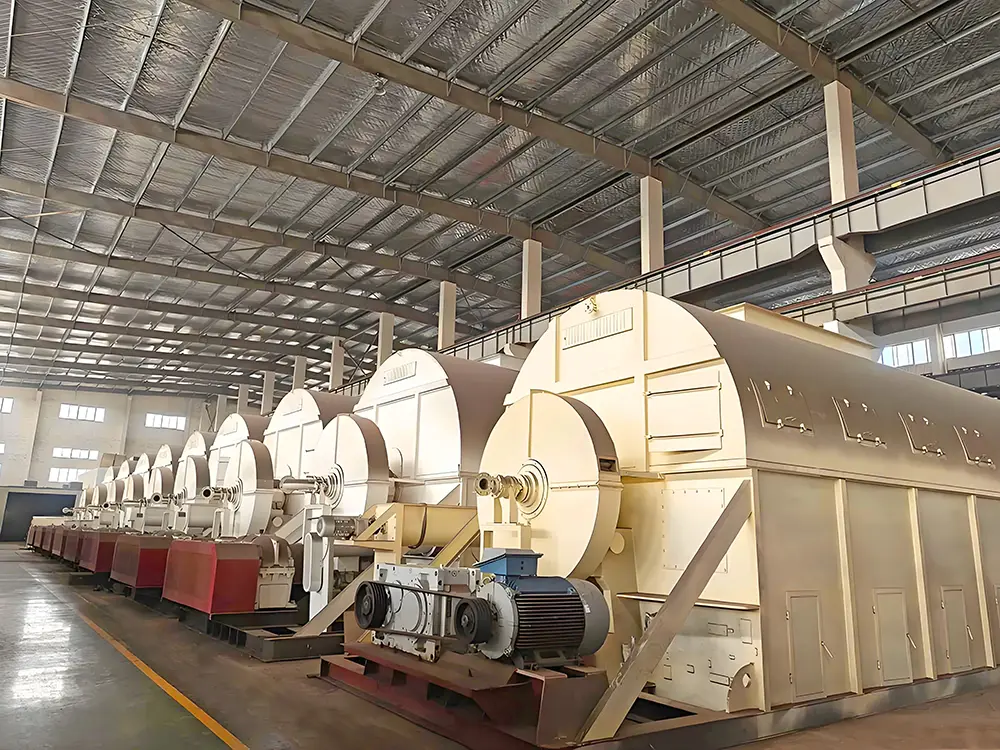
Our journey from a local manufacturer to a globally trusted engineering partner with ASME and CE credentials.
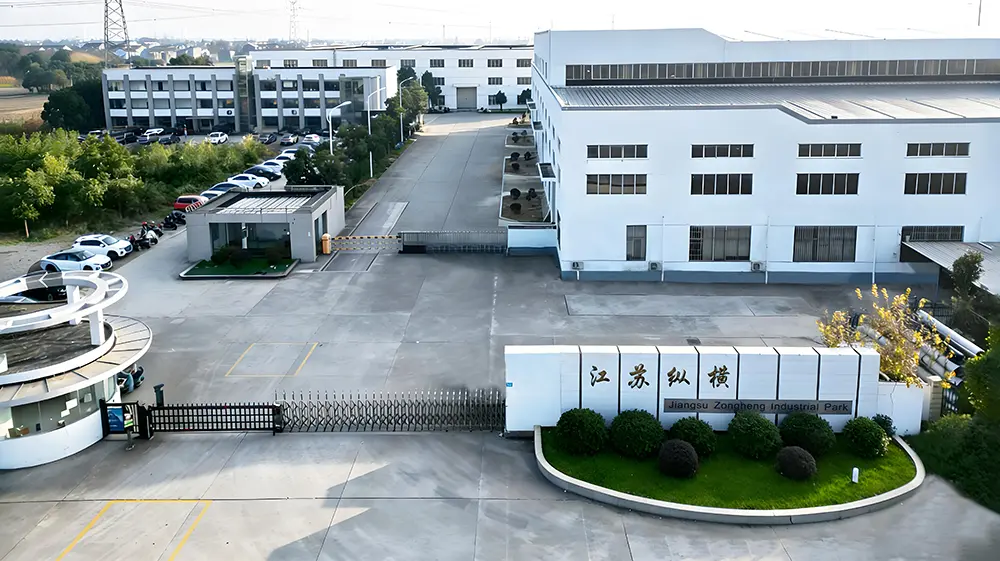
Covers over 54,000 sqm with 120 total staff, including 3 senior design consultants and 20+ specialized pressure equipment engineers.
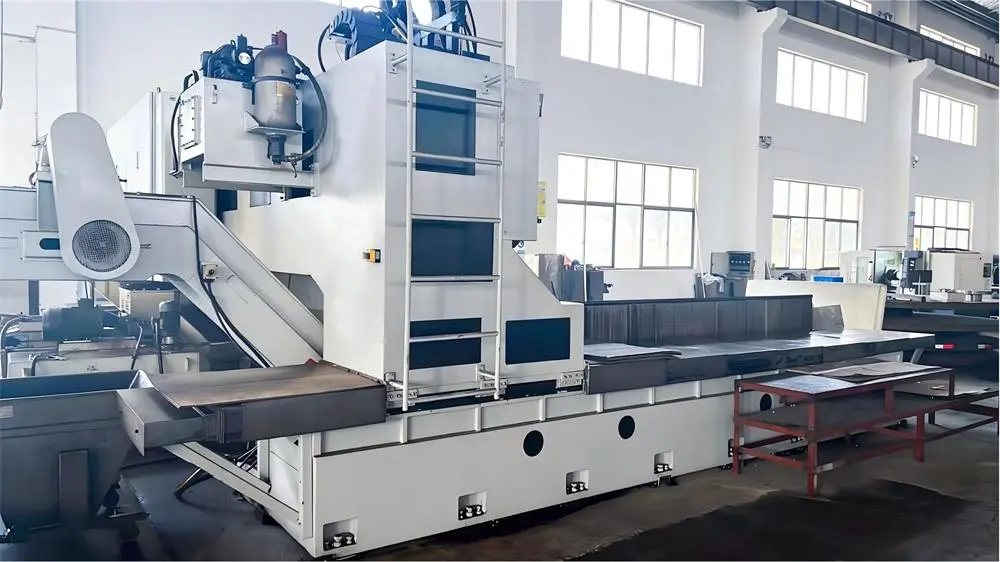
Obtained international quality system certification, aligning manufacturing and raw material tracking with global quality metrics.
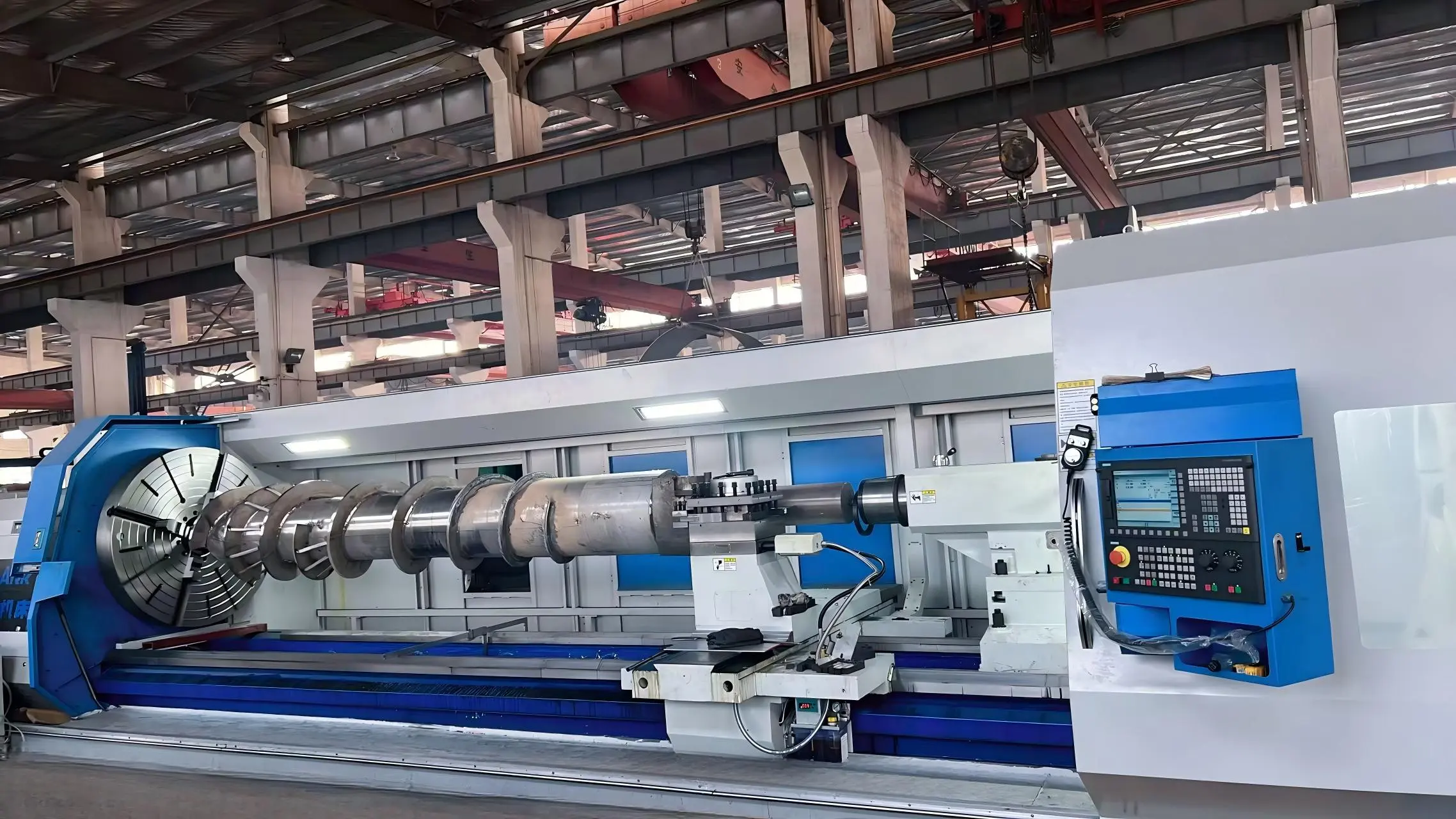
Acquired authorization to manufacture ASME Boiler & Pressure Vessels, qualifying our systems for North American and global projects.
Obtained the Special Equipment Manufacturing License of the PRC for Category III medium & low-pressure vessels.
Our falling film evaporators concentrate heat-sensitive liquids. The liquid feed forms a thin film flowing down heated vertical tubes under gravity, where it evaporates. Vapor flows co-currently with the liquid, increasing vapor shear and heat transfer.
This ensures short residence times and low operating temperatures, protecting product quality. Highly engineered liquid distribution heads are utilized to ensure uniform tube wetting, preventing scaling and ensuring high thermal efficiency.
Our MQG Airflow Dryer uses high-velocity hot air to suspend and fluidize materials. Varying the tube diameters creates pneumatic impulses that tumble particles as they are conveyed.
This ensures rapid, uniform drying during transport through the system. It is ideal for starch dewatering loops, where moisture must be reduced from 40% down to safe storage levels (<14%) in seconds.
Every evaporator vessel is designed in accordance with ASME Section VIII Division 1 or EN 13445 standards. Third-party inspections from Lloyd's Register or TÜV SÜD guarantee full compliance.
We weld titanium (Gr. 1, Gr. 2), duplex steels (2205, 2507), and super austenitic alloys to handle high chloride concentrations in waste streams without corrosion risk.
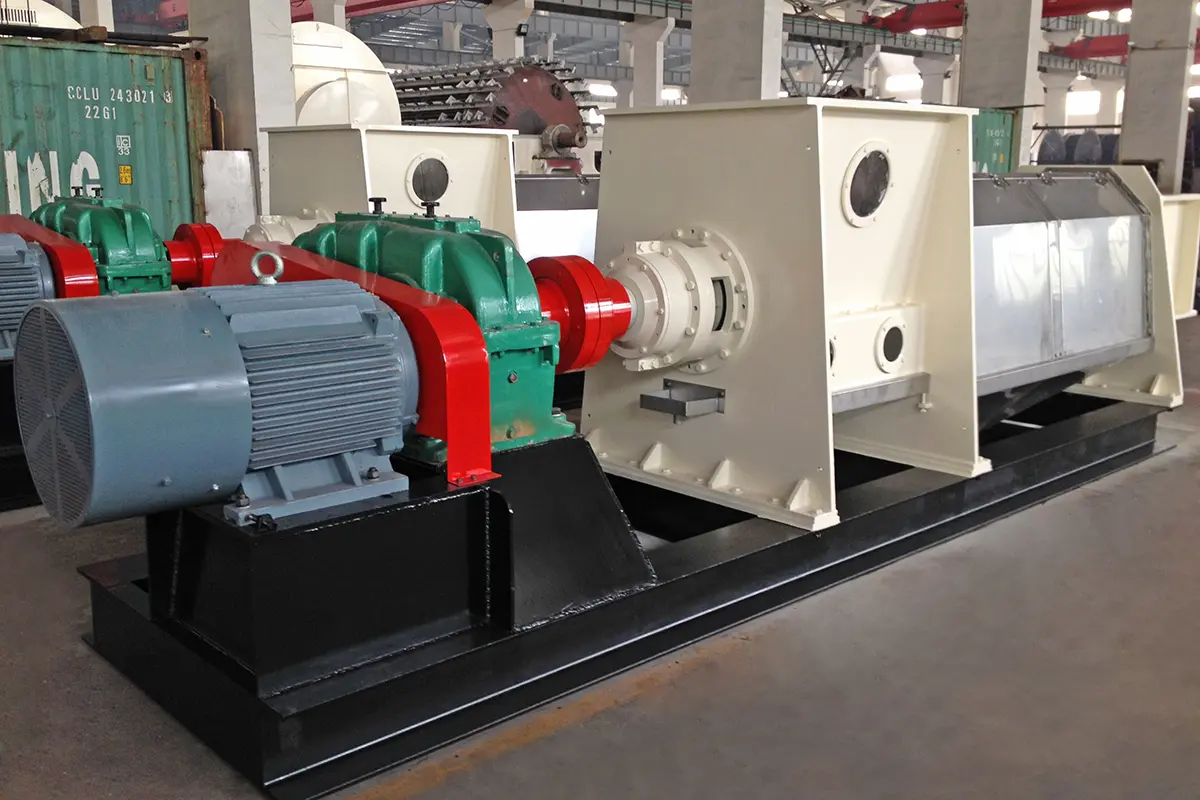
Our standard protocol includes radiographic welding inspections, hydrostatic tests, dynamic balancing of fan blades, and full pre-commissioning dry runs.
Our engineering experts address common technical questions regarding system optimization, materials, and maintenance.
Mechanical Vapor Recompression (MVR) systems compress secondary vapor and reuse its latent heat. This eliminates the need for prime live steam except during startup. This reduces equivalent operating energy costs by 60% to 80% compared to a conventional three-effect thermal evaporator.
Boiling Point Elevation (BPE) occurs when dissolved solids raise the boiling point of the solution. Since the compressor must generate a higher temperature differential to overcome this elevation, high BPE requires larger heat transfer surfaces or multi-stage compressors. We analyze the chemical composition of the feed during the design phase to size the system correctly.
We hold the ASME U Stamp, CE Pressure Equipment Directive (PED) certification, ISO9001 quality system certification, and the national Class III manufacturing license. This allows us to deliver fully certified pressure vessels to markets globally.
Our multi-stage cyclone configuration uses optimized overflow and underflow paths. Fine gluten and soluble proteins are separated from the heavier starch granules. This results in starch milk with minimal protein content, meeting international food standards.
Contact our engineering sales team to request a customized process simulation, mass balance diagram, and project quotation.
Request a QuoteGet direct access to our testing laboratories, project managers, and technical support representatives in Jiangsu, China.
View Details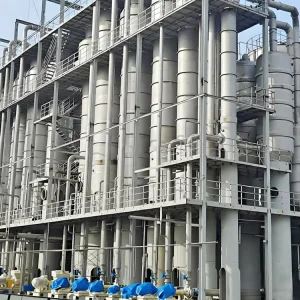
Uses low-grade industrial waste gases or flash steam to concentrate steep liquors, reducing raw energy requirements.
View Details
High-precision milling design built to separate germ from maize kernels cleanly while minimizing broken starch levels.
View Details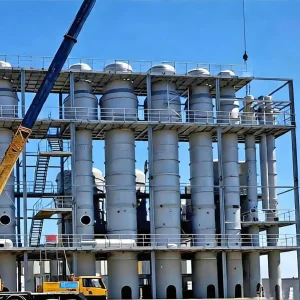
Energy-saving mechanical vapor recompression configuration optimized for zero liquid discharge (ZLD) schemes and waste fuel recovery.
View Details
Advanced separation architecture featuring wear-resistant materials and customizable nozzle arrays for corn starch processes.
View Details
High-precision starch refining cyclone array designed to maximize concentration, remove trace impurities, and maintain product purity.
View Details
Optimized dewatering equipment for corn fibre and germ processing, reducing mechanical moisture load prior to industrial drying stages.
View Details
Continuous, low-oxygen drying using steam-heated bundle loops, reducing degradation risks in biological and chemical materials.
View Details
Employs high-speed pneumatic thermal transfer to suspend and dry fine particle feedstocks dynamically in starch plants.
View Details Zongheng