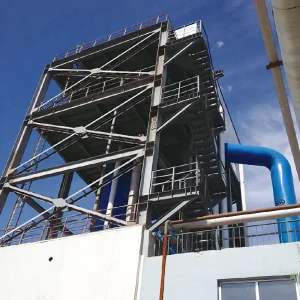
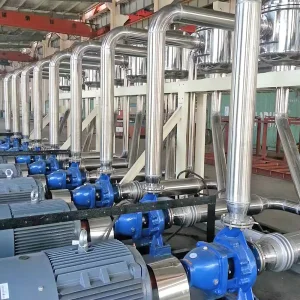
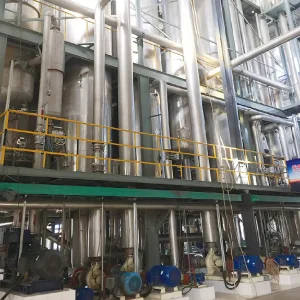
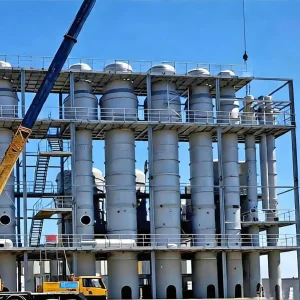
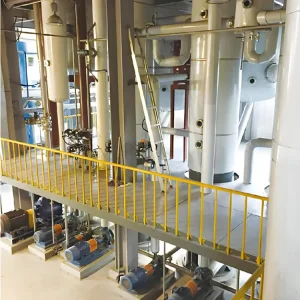
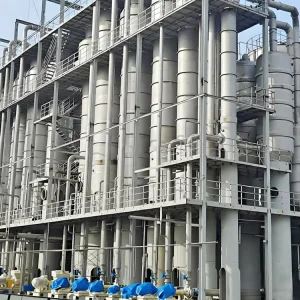
In modern process industries, the concentration of liquid mixtures and wastewater purification demands a delicate balance of thermodynamic efficiency, operational stability, and low capital expenditure. A Simple Multiple Evaporator System—most commonly implemented as a multi-effect evaporator (MEE) or a mechanical vapor recompression (MVR) unit—addresses these challenges by reusing the latent heat of vaporization across successive stages (effects) operating under decreasing pressure gradients. Jiangsu Zongheng Concentrating and Drying Equipment Co., Ltd. has stood at the forefront of this technology since 1992, manufacturing advanced thermal systems that minimize steam and electricity consumption while maximizing product purity.
By cascading temperatures and pressure levels, a multi-effect evaporator significantly reduces the primary utility steam required per unit of water evaporated. For example, while a single-effect evaporator requires approximately 1.2 tons of fresh steam to evaporate 1 ton of water, a triple-effect system drops this consumption to approximately 0.4 tons, and a five-effect configuration can achieve ratios as low as 0.2 tons. This thermal optimization represents a massive operational cost reduction for heavy industrial processors worldwide.
Designed for heat-sensitive liquids with low viscosity, the falling film evaporator introduces the liquid feed at the top of the heating tubes. A specialized distribution system ensures the liquid forms a uniform, gravity-driven thin film flowing down the inside tube walls. External steam heats the outside of the tubes, inducing rapid boiling and partial evaporation. The vapor flows co-currently with the liquid, pushing it downward. This setup guarantees extremely short residence times and minimal pressure drops, protecting delicate organic compounds from thermal degradation.
When dealing with highly viscous, high-fouling, or crystallizing solutions, forced circulation is the industry benchmark. The liquid is pumped at high velocities through the heat exchanger tubes, maintaining a static pressure high enough to prevent boiling inside the heat exchanger. Evaporation occurs only when the superheated liquid enters the lower-pressure separator vessel. This mechanism eliminates boiling-induced scaling on the heat transfer surfaces, ensuring continuous, stable plant operation under demanding conditions.
MVR systems represent the pinnacle of modern energy efficiency. Instead of relying on fresh live steam for each stage, MVR utilizes a mechanical compressor (either centrifugal blower or turbo compressor) to compress the generated boiling vapor. Compression raises the temperature and pressure of the vapor, allowing it to be recycled back into the shell side of the same evaporator as the heating medium. By shifting the energy source from thermal steam to electric power, MVR evaporators can reduce operating utility costs by up to 90% compared to traditional single-effect thermal systems.
Selecting the correct evaporator system depends heavily on liquid characteristics, fouling tendency, and local utility costs. Below is a comparative engineering overview:
| System Type | Typical Fluid Viscosity | Fouling Resistance | Energy Consumption Profile | Primary Industrial Applications |
|---|---|---|---|---|
| Falling Film Evaporator | Low (< 100 cP) | Moderate | Low steam consumption per effect; High heat transfer coefficient. | Fruit juices, milk, heat-sensitive organics, starch washing wastewater. |
| Forced Circulation Plant | High (> 500 cP) & Slurries | Excellent (Active Mitigation) | Higher electricity consumption due to circulation pumps. | Crystallizers, chemical salt recovery, zero liquid discharge (ZLD) plants. |
| MVR Evaporation Plant | Low to Medium | Depends on configuration | Ultra-Low; Relies on electricity to drive vapor compressors. | Corn steep liquor, chemical processing, wastewater desalination. |
| Waste Heat Evaporator | Low to High | Customized design | Minimal direct cost; Operates on low-grade flash or waste steam. | DDGS distilleries, corn fiber drying facilities, flue gas heat recovery. |
Jiangsu Zongheng Concentrating and Drying Equipment Co., Ltd. (formerly known as Yixing Yangxi Light Industry Machinery Factory) was founded in 1992. Located in the high-tech industrial hub of Zhoutie Town, Yixing City, on the shores of Taihu Lake, our facility spans a total area of over 54,000 square meters. The modern fabrication workshop area covers more than 22,000 square meters, fully equipped for heavy fabrication and pressure vessel construction.
As a leading member of the China Starch and Alcohol Association, we have built a multi-disciplinary team comprising over 120 dedicated personnel, including 3 senior engineers, 20+ specialized design engineers, and certified welding inspectors. We design, manufacture, test, and commission Category III medium and low-pressure vessel equipment, satisfying the strict requirements of international industrial standards.
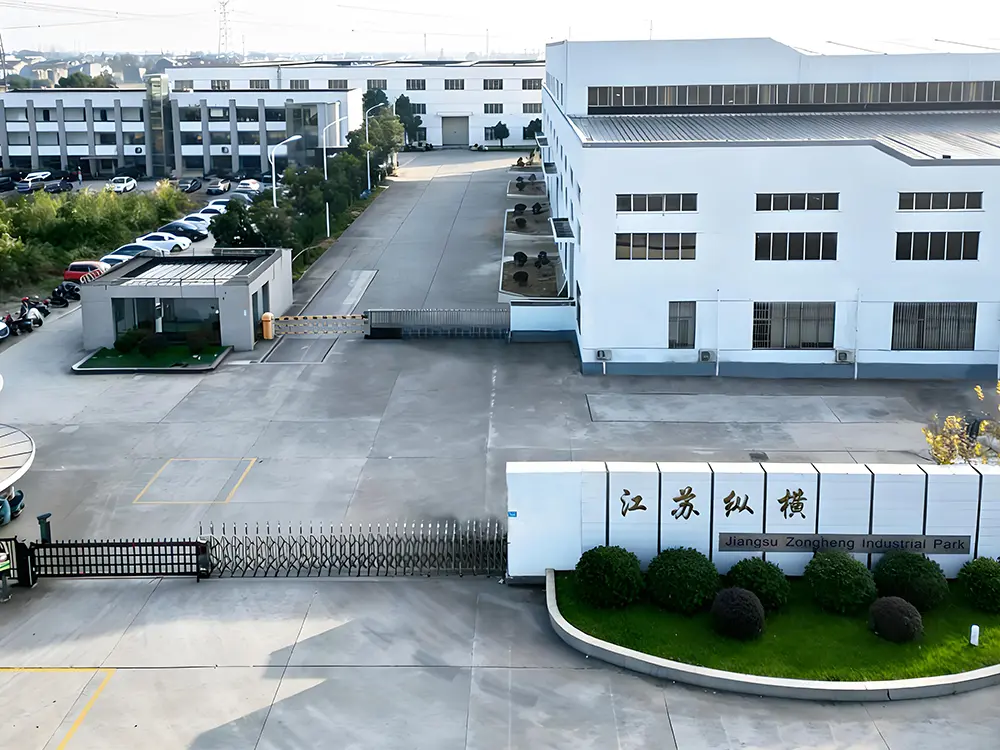
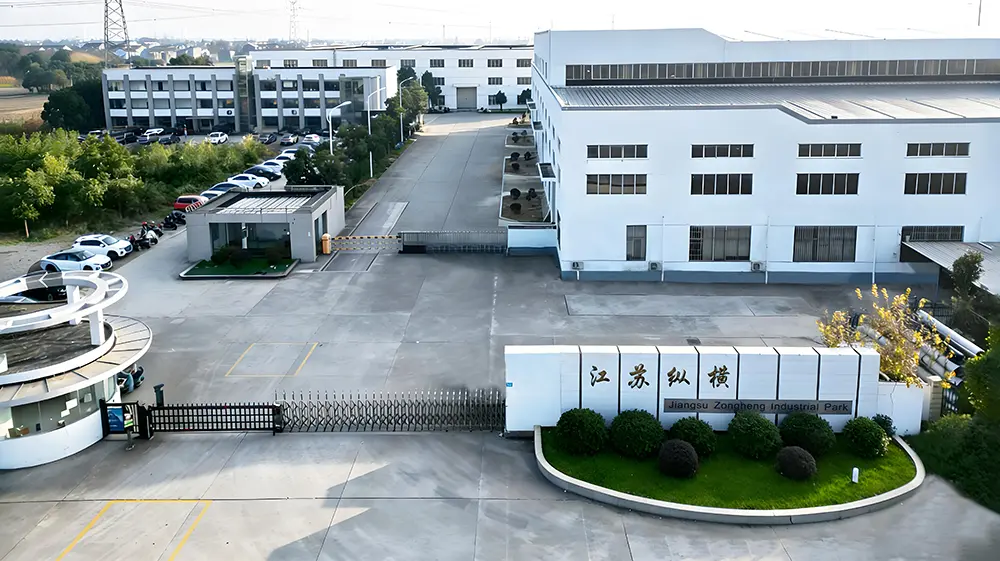
Today, our facilities exceed 54,000 m² total area with 22,000 m² of state-of-the-art production workshops. We support industrial clients globally with an expanded engineering team of 3 senior engineers and 20+ design and process engineers.
Achieved the International Quality System Certification (Certificate No.: 45021), establishing a complete quality assurance framework aligned with global regulatory frameworks for thermal plants.
Acquired the prestigious ASME "U" Stamp authorization, marking our capability to design and construct pressure vessels matching the highest standard of international engineering compliance.
Obtained the official Special Equipment Manufacturing License of the People's Republic of China (License No.: TS2232C42) for high and medium-pressure industrial vessels.
Officially recognized as a Jiangsu Provincial High-Tech Enterprise, acknowledging our innovations in evaporation thermodynamics and dryer designs.
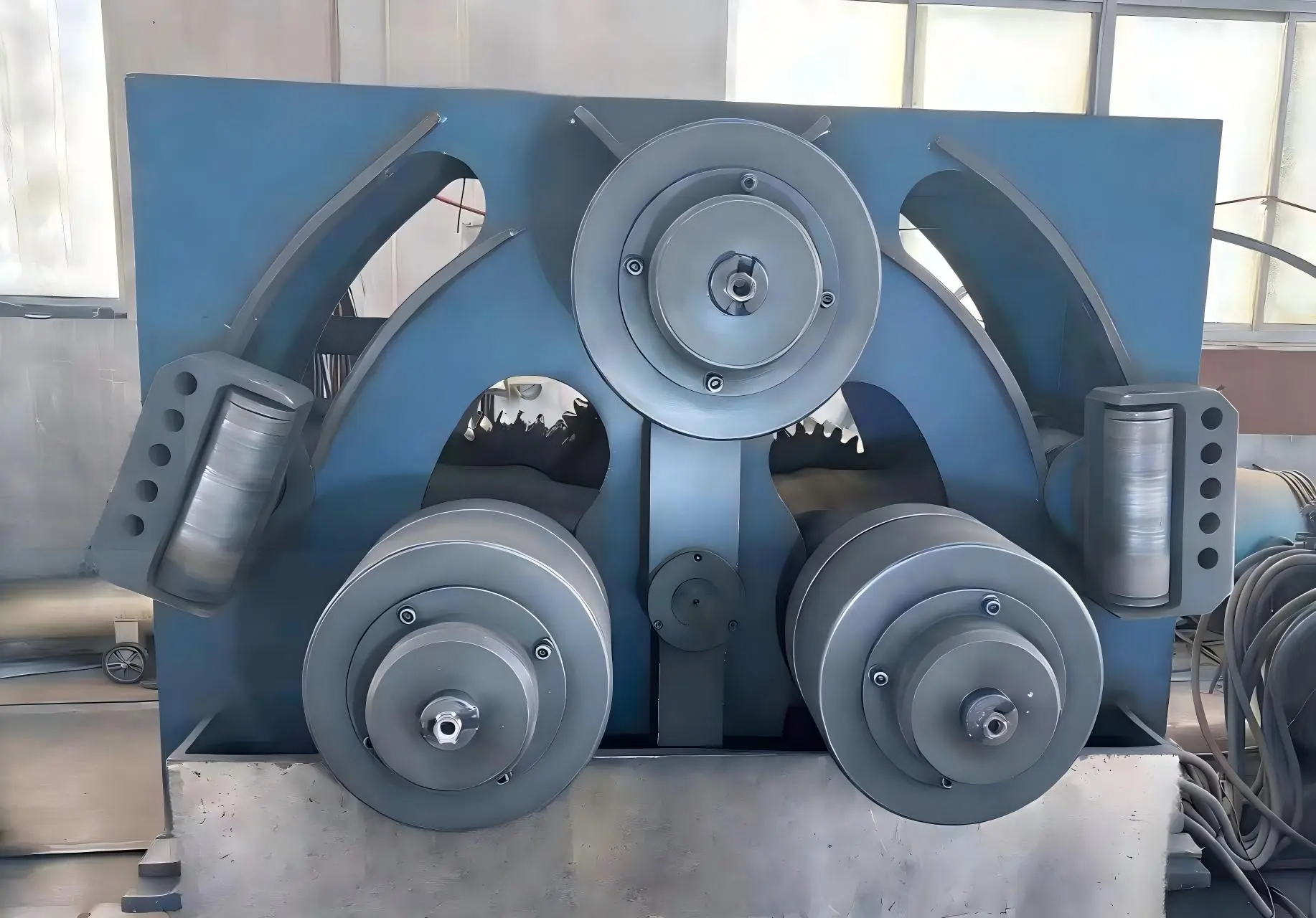
Obtained ISO9001 Quality Management certification. Standardized internal workflows to ensure uniform material tracking and welding precision.
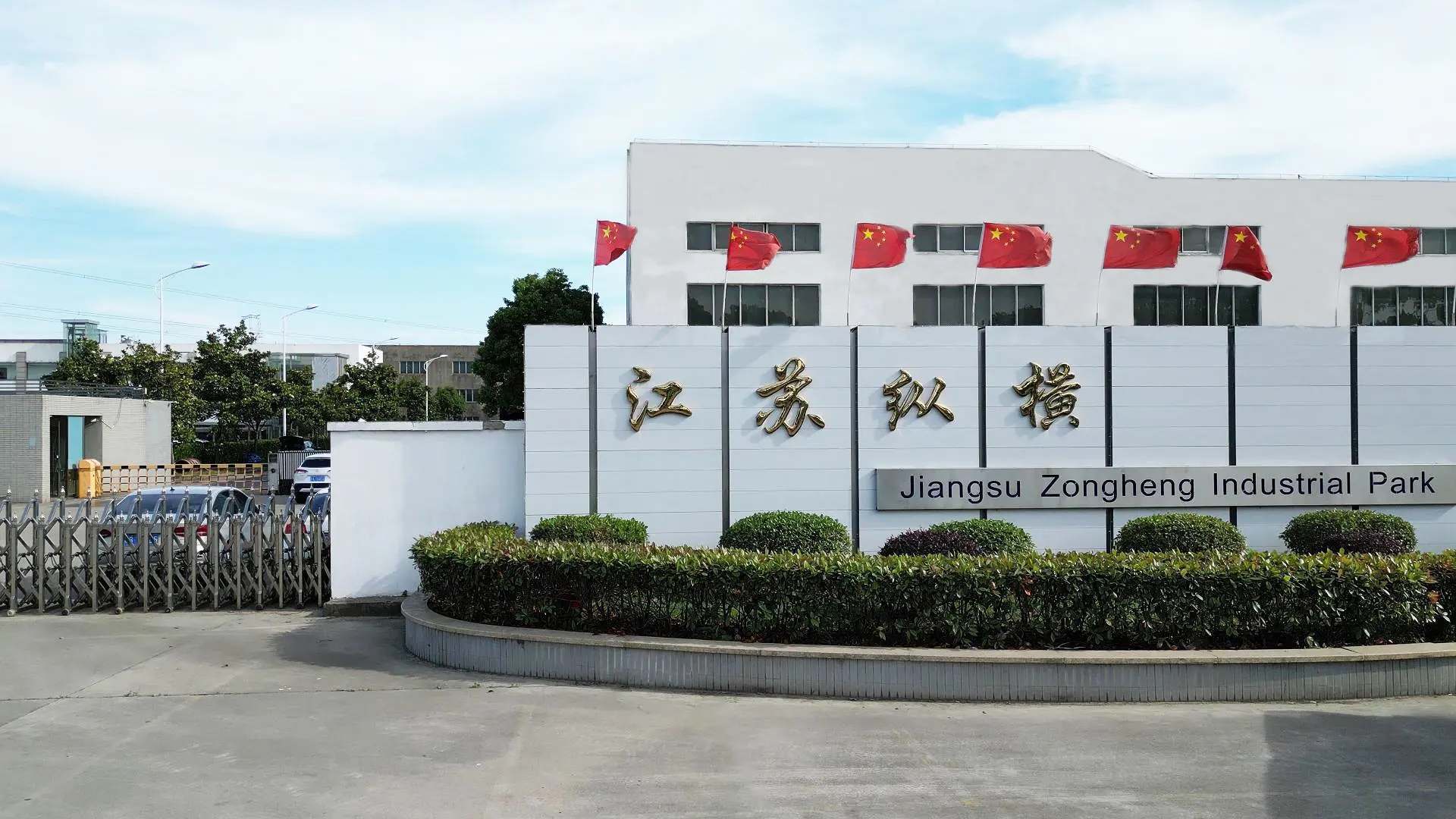
Originally established as Yixing Yangxi Light Industrial Machinery Factory on 15 mu of land with 45 pioneering workers, servicing the domestic agricultural concentration market.
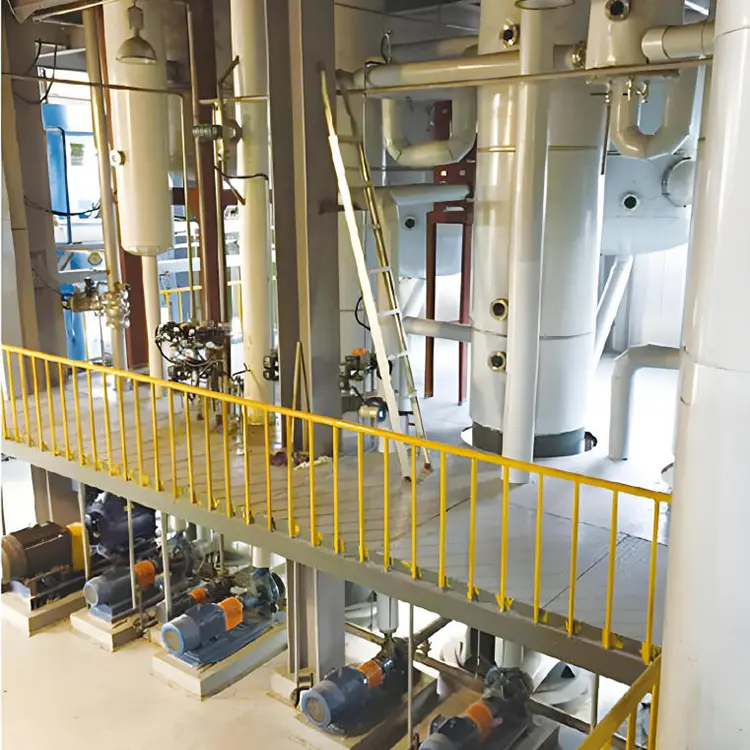
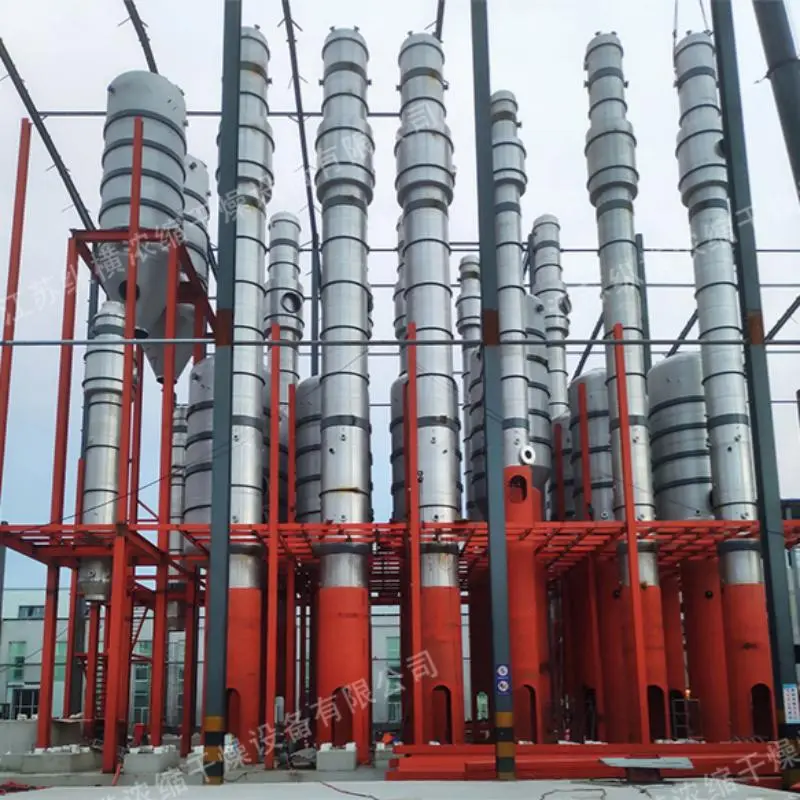
A falling film evaporator efficiently concentrates heat-sensitive liquids. The feed liquid forms a thin film flowing down heated vertical tubes, where it partially evaporates. Vapor generated flows parallel to the liquid, enhancing the process. It ensures a short residence time and low operating temperature, preserving product quality. The system requires proper liquid distribution and complete surface wetting to prevent fouling and maintain high thermal efficiency and operational stability.
Technical Data Sheet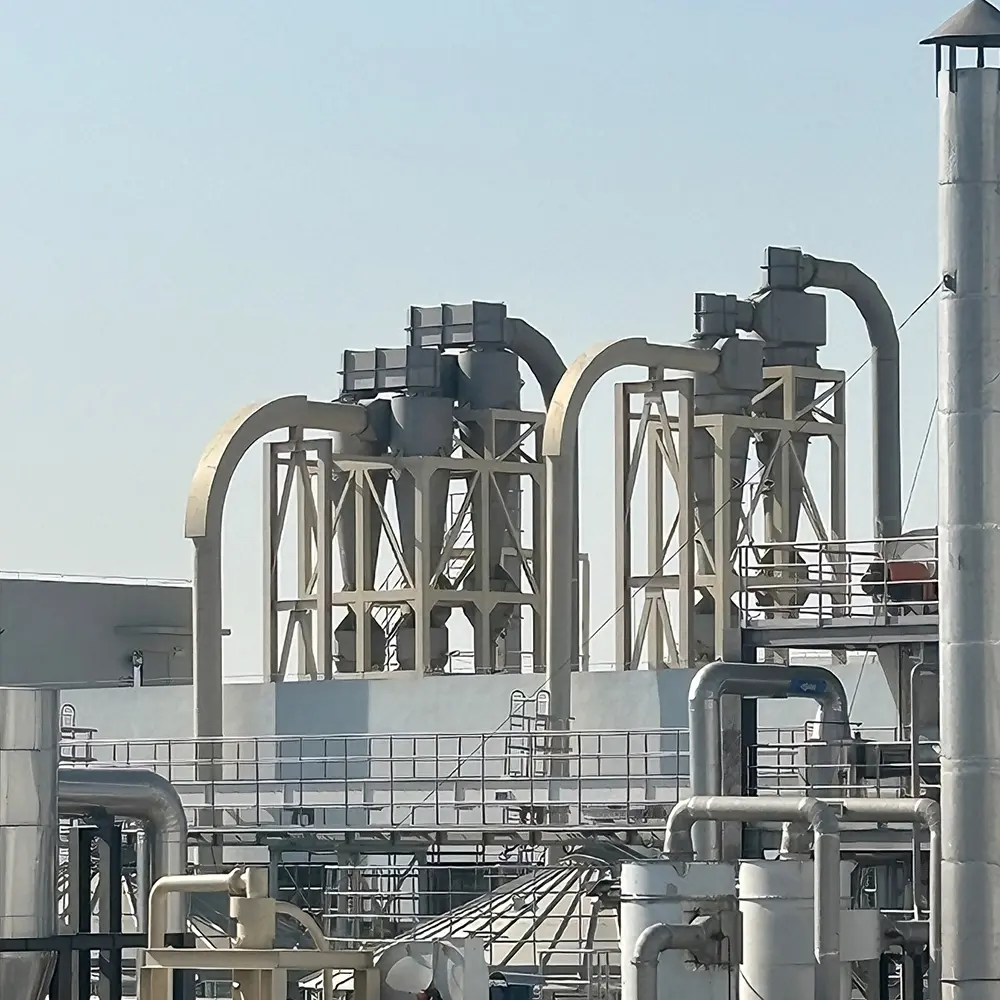
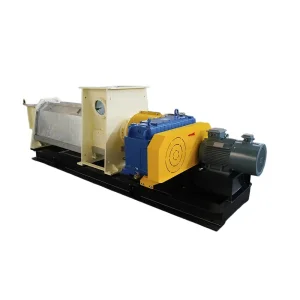
Jiangsu Zongheng's MQG Airflow Dryer employs high-speed hot air to suspend and fluidize the material. By utilizing impulse airflow generated from precisely varied tube diameters, it continuously tumbles the particles while conveying them. This design ensures rapid, uniform, and efficient drying throughout the entire transportation process within the system, making it perfect for corn starch, gluten, and feed mill plants.
Explore Airflow DryersOur technologies concentrate corn steep liquor (CSL), refine native and modified starches, and process animal feed components. YDX Starch Washing Cyclones isolate impurities with high gravitational efficiency, while single screw presses and tube bundle dryers process wet germ and fiber residues to generate high-value feed byproducts.
With tightening environmental regulations, industries rely on MVR and multi-effect configurations to desalinate salt-laden chemical wastewater. By converting waste streams into dry salts and pure distillate water, our systems achieve true Zero Liquid Discharge (ZLD) footprint targets.
We are driving the integration of thermodynamic sensor arrays within our evaporator plants. By monitoring real-time heat transfer coefficients, our control software predicts fouling development, schedules precise Clean-in-Place (CIP) regimes, and dynamically stabilizes operational pressure gradients.
Jiangsu Zongheng conforms to stringent international and regional design and manufacturing standards. Holding both the Chinese Special Equipment Manufacture License and the ASME "U" Stamp authorization, our manufacturing center maintains complete traceability of raw materials (including 304, 316L, Duplex Stainless Steels, Titanium, and Hastelloy), qualifying our equipment for use in demanding petrochemical and pharmaceutical process installations globally.

China Starch & Alcohol Association Member
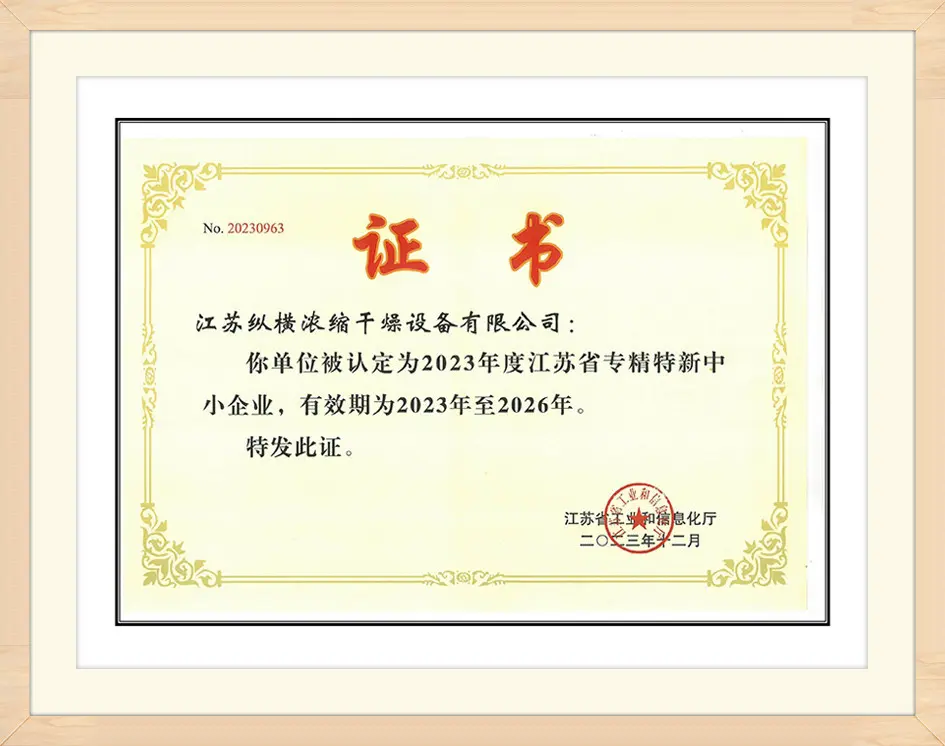
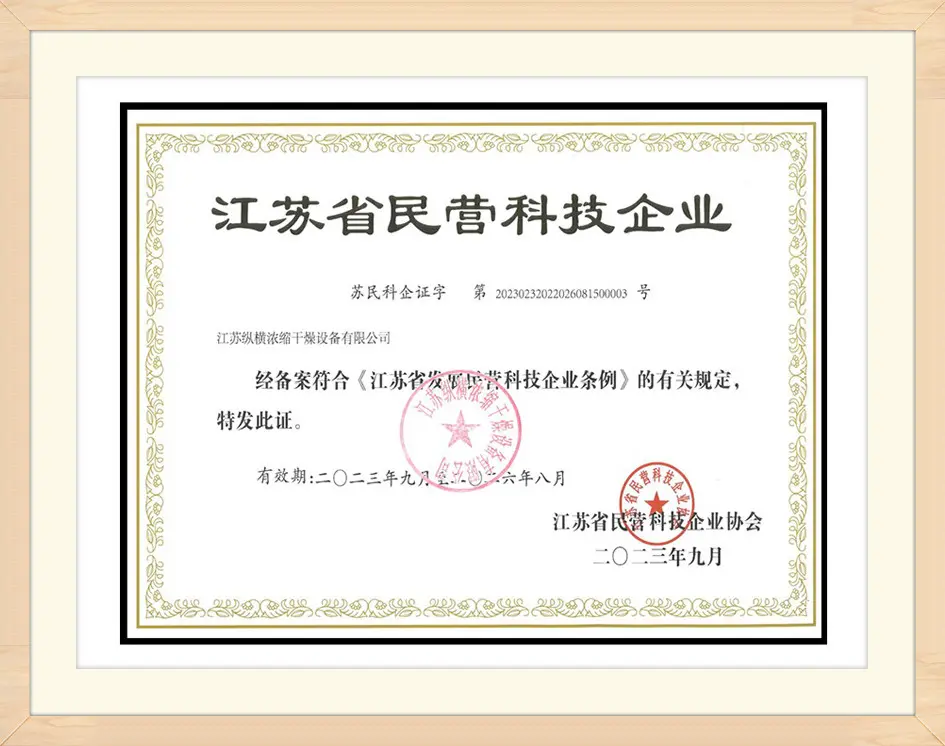
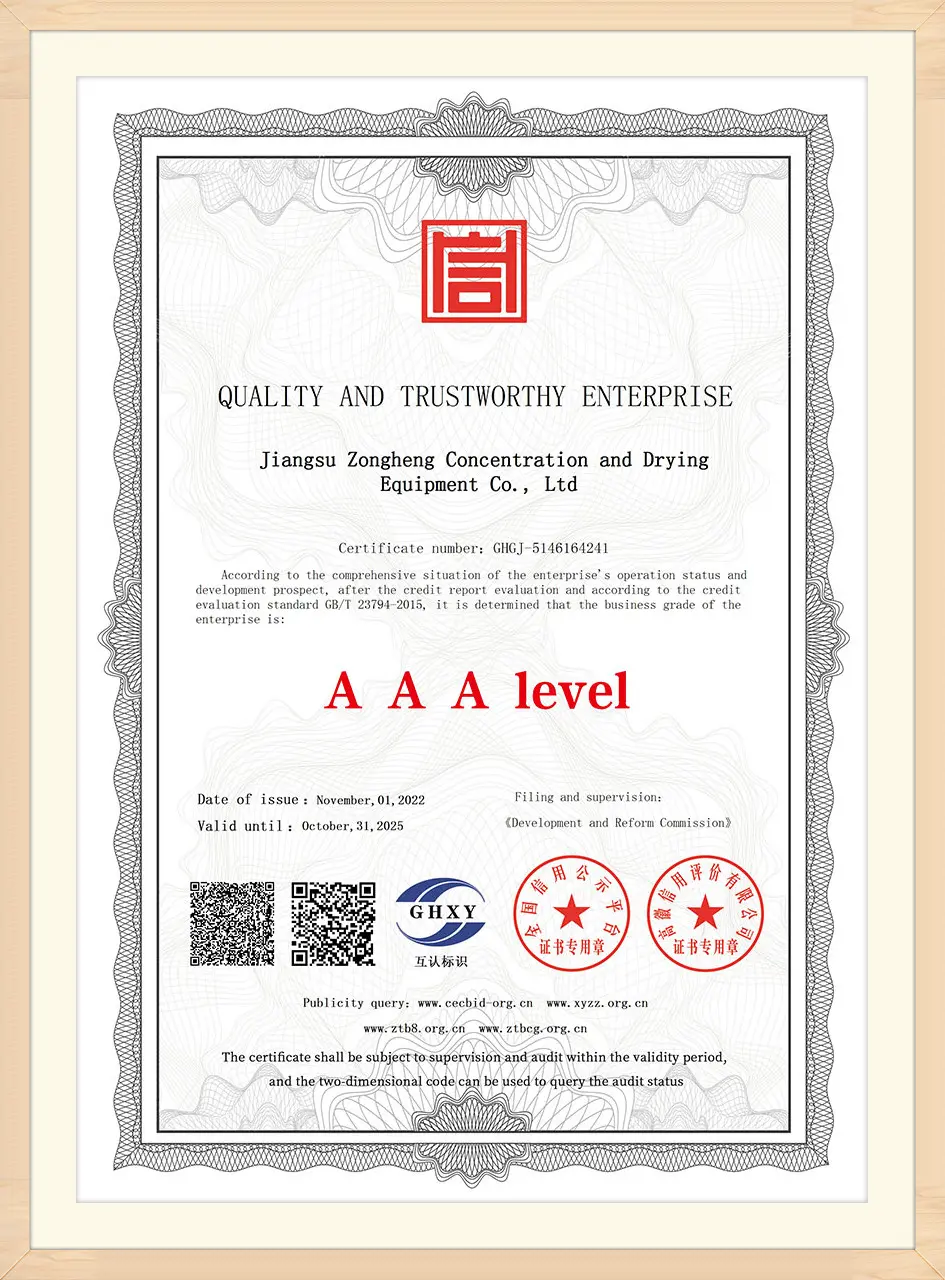
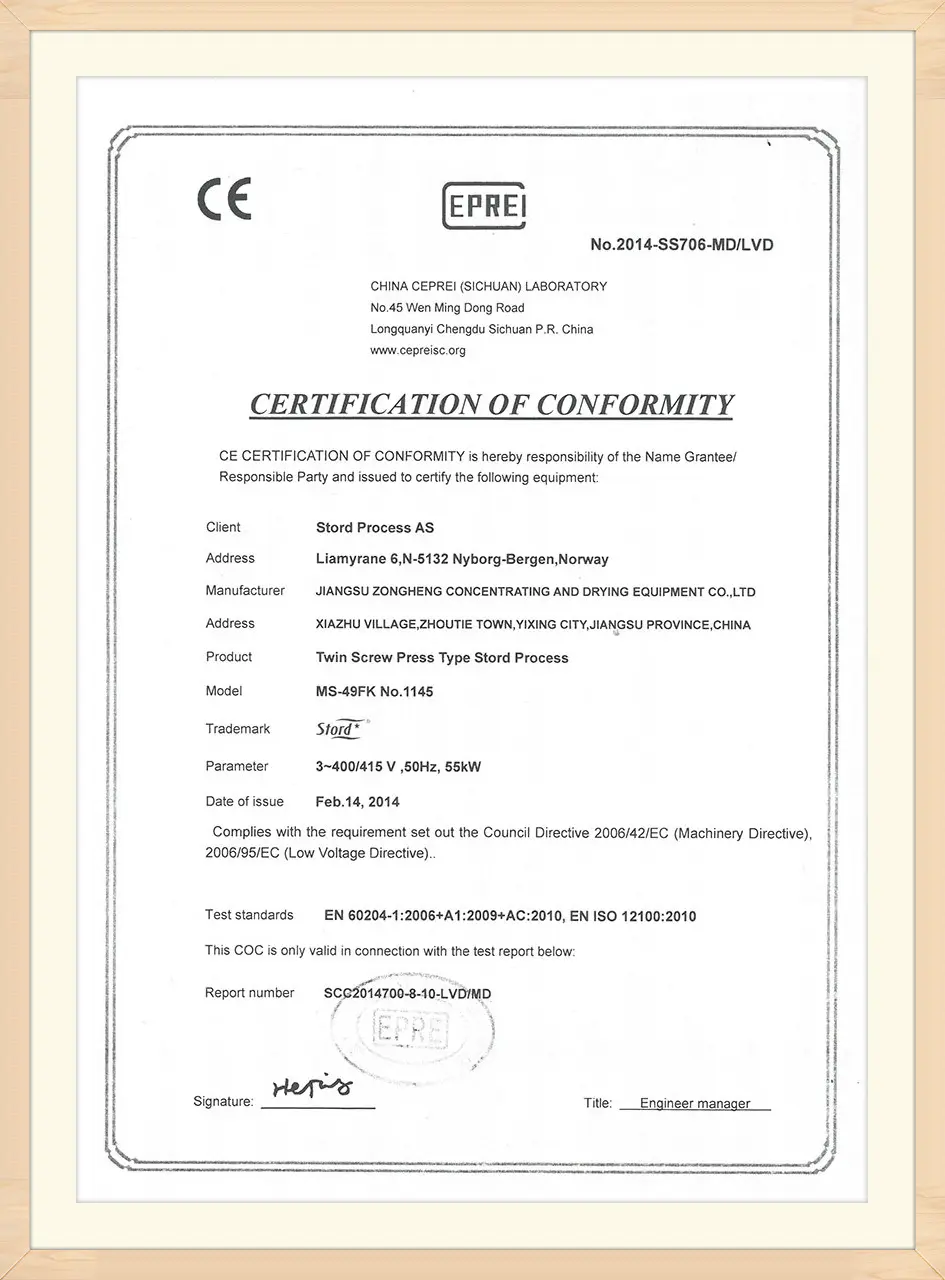
We warmly welcome friends from various industries, both domestic and international, to visit us for technical cooperation and mutual development! Our engineering specialists are available to run customized process simulations for your project.
It refers to a thermodynamic plant configuration consisting of multiple evaporator effects (boiling stages) operating under descending pressure levels. This allows the water vapor boiled off in the first effect to serve as the heating steam in the second effect, and so on. It is "simple" because it offers a highly reliable, mechanically uncomplicated thermal approach to energy saving without the high capital investment of mechanical compression systems, and can be engineered to run reliably under robust plant conditions.
In a Falling Film Evaporator, the feed liquor flows down the heating tubes under gravity, creating a thin film that evaporates quickly. This is ideal for heat-sensitive and low-viscosity solutions. In a Forced Circulation Evaporator, a high-velocity circulation pump forces the fluid through the tubes under pressure, preventing boiling within the heat exchanger to mitigate scaling and fouling. This is designed for high viscosity, suspended solids, and crystallization stages.
A Mechanical Vapor Recompression (MVR) system captures the low-pressure vapor boiling out of the separator, compresses it mechanically using a high-efficiency centrifugal compressor, and returns it to the shell side of the system. The compression increases the vapor’s temperature, enabling it to heat the incoming process fluid. This process consumes electrical energy instead of massive amounts of live boiler steam, reducing energy costs by 60% to 90% depending on electricity and steam price ratios.
Jiangsu Zongheng holds the ASME "U" Stamp Authorization and the Chinese Special Equipment Manufacture License (Category III low & medium-pressure vessels). All vessels are fabricated with complete material traceability (using 304/316L Stainless steel, Duplex stainless steels, or Titanium) and undergo non-destructive testing (NDT), hydrostatic pressure testing, and certified welding inspections conforming to GB/T 150 or ASME Section VIII guidelines.
 Zongheng
 Jun 18, 2026