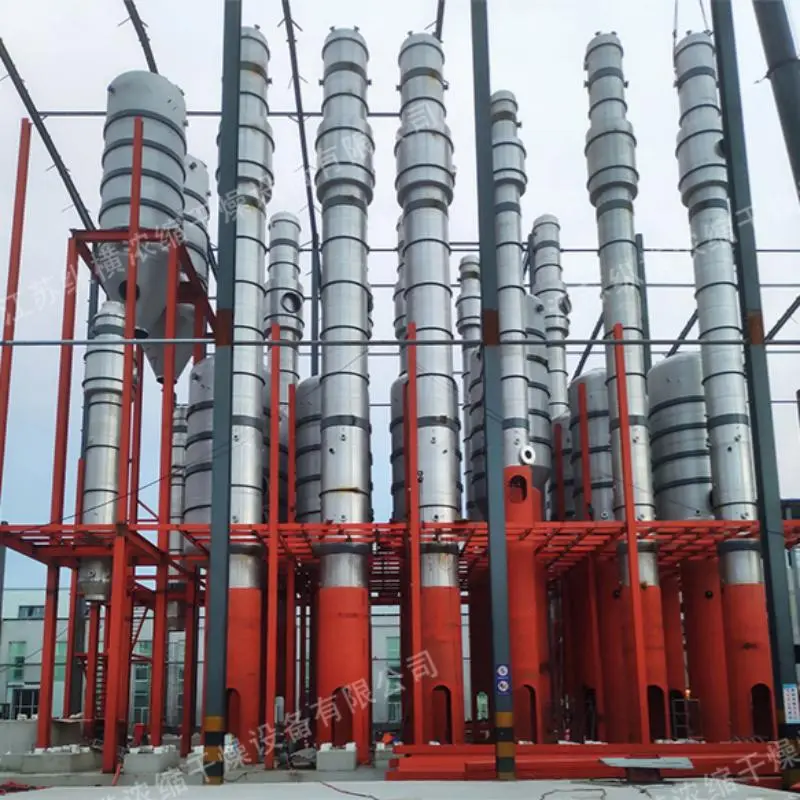
Explore our foundational range of industrial separation and evaporation systems engineered for starch, environmental, chemical, and alcohol processing plants globally.
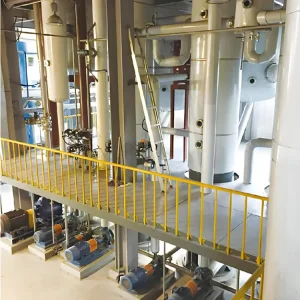
Industrial water evaporation and concentration equipment are no longer just basic utility systems; they are crucial components in modern sustainable manufacturing. As environmental regulations tighten globally, plants in North America, Europe, and Asia face strict mandates regarding carbon emissions, energy footprints, and Zero Liquid Discharge (ZLD) requirements. Efficient concentration technology is key to balancing operational viability with corporate sustainability.
By leveraging thermal separation principles, our evaporation plants concentrate process streams, recycle clean condensate back into production lines, and recover valuable dry products. Whether treating chemical effluents, handling distillation slops in the alcohol sector (DDGS), or isolating active ingredients in the pharmaceutical industry, modern thermal systems optimize both capital expense (CAPEX) and operating expense (OPEX).
Our core range of evaporators utilizes specific fluid dynamics and thermodynamics to process different classes of industrial liquids efficiently.
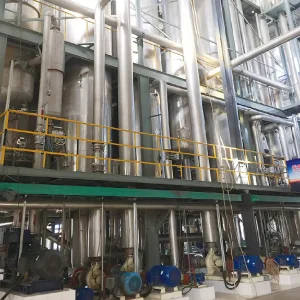
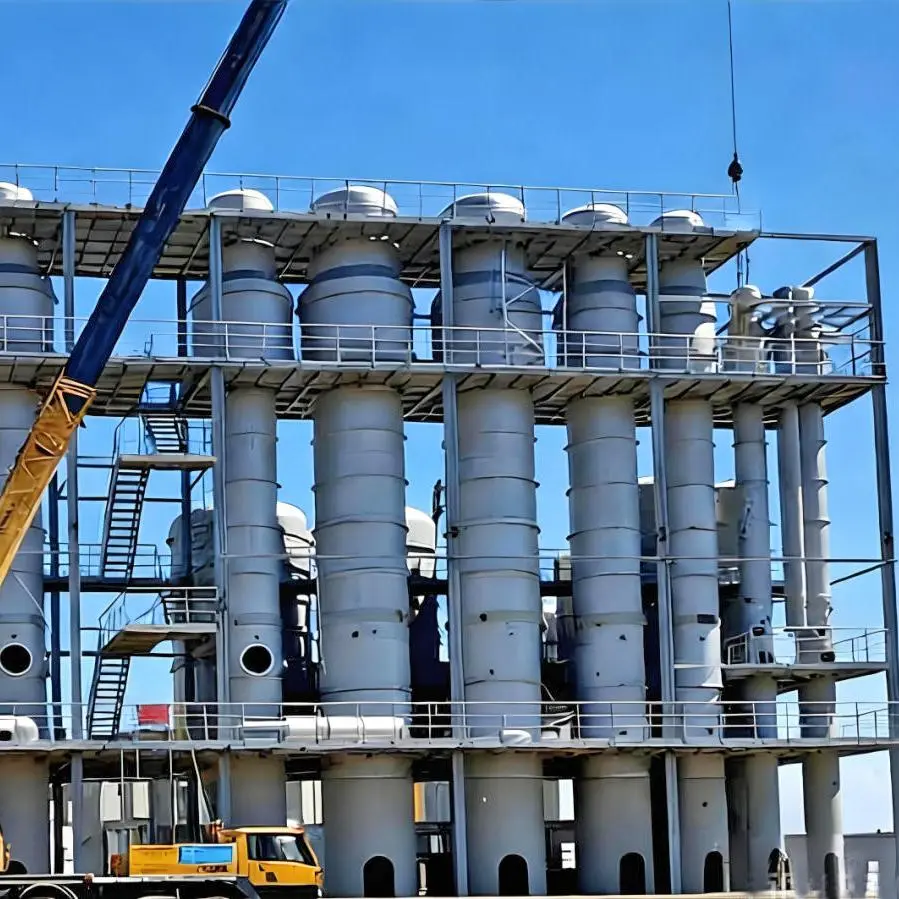
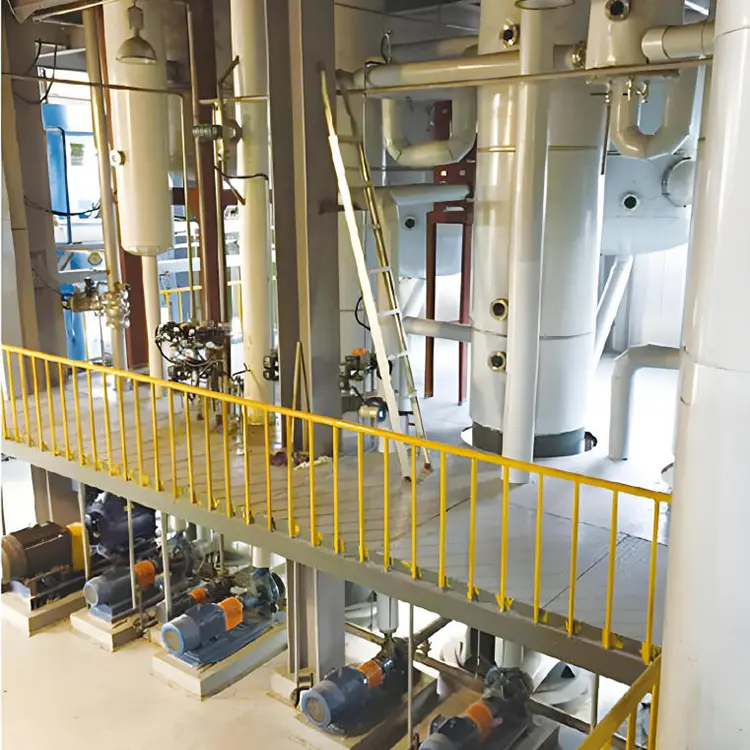
Designed for heat-sensitive materials, the falling film evaporator distributes feed liquid evenly down the inner walls of vertical tubes. Gravity pulls it downward as a thin, highly turbulent film, promoting high heat transfer rates with short residence times. This prevents thermal degradation of sensitive organics, proteins, and chemical compounds, making it ideal for food, starch, and pharmaceutical concentration.
Engineered for high fouling liquids, scaling solutions, or crystallizing processes, this system pumps process liquid through heat exchangers at high velocity. Evaporation is suppressed within the exchanger tubes due to static head pressure; instead, vaporization occurs as flash-evaporation in the separator vessel. This design reduces internal scaling and biological fouling, maintaining long operational periods between cleaning cycles (CIP).
MVR systems represent the peak of modern energy efficiency in concentration. By using a mechanical compressor, the waste vapor generated during the evaporation process is compressed to a higher temperature and pressure, allowing it to be reused as the heating medium in the same system. This eliminates the need for fresh live steam input during steady-state operations, resulting in energy cost reductions of up to 60-80%.
A comprehensive evaporation plant requires reliable pre-dewatering and final drying equipment to form a complete, end-to-end industrial production line.
For operations handling slurries, wet starches, fibers, or germ-heavy residues, liquid concentration is only the first step. Complete solid-liquid isolation requires integrated process steps:
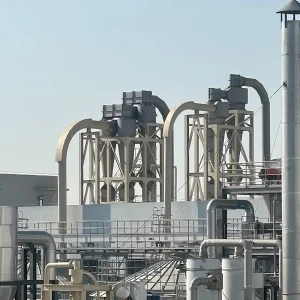
Jiangsu Zongheng's MQG Airflow Dryer uses high-speed, heated air streams to suspend and fluidize wet particulate materials. Fluid dynamics within the varying tube diameters create impulse airflow, continuously tumbling and drying the materials during transport. This rapid heat transfer achieves quick, uniform drying, making it highly effective for refined starches and food products.
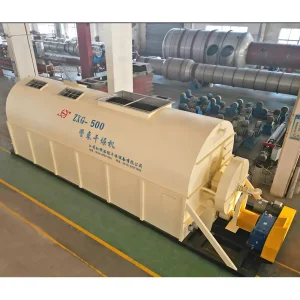
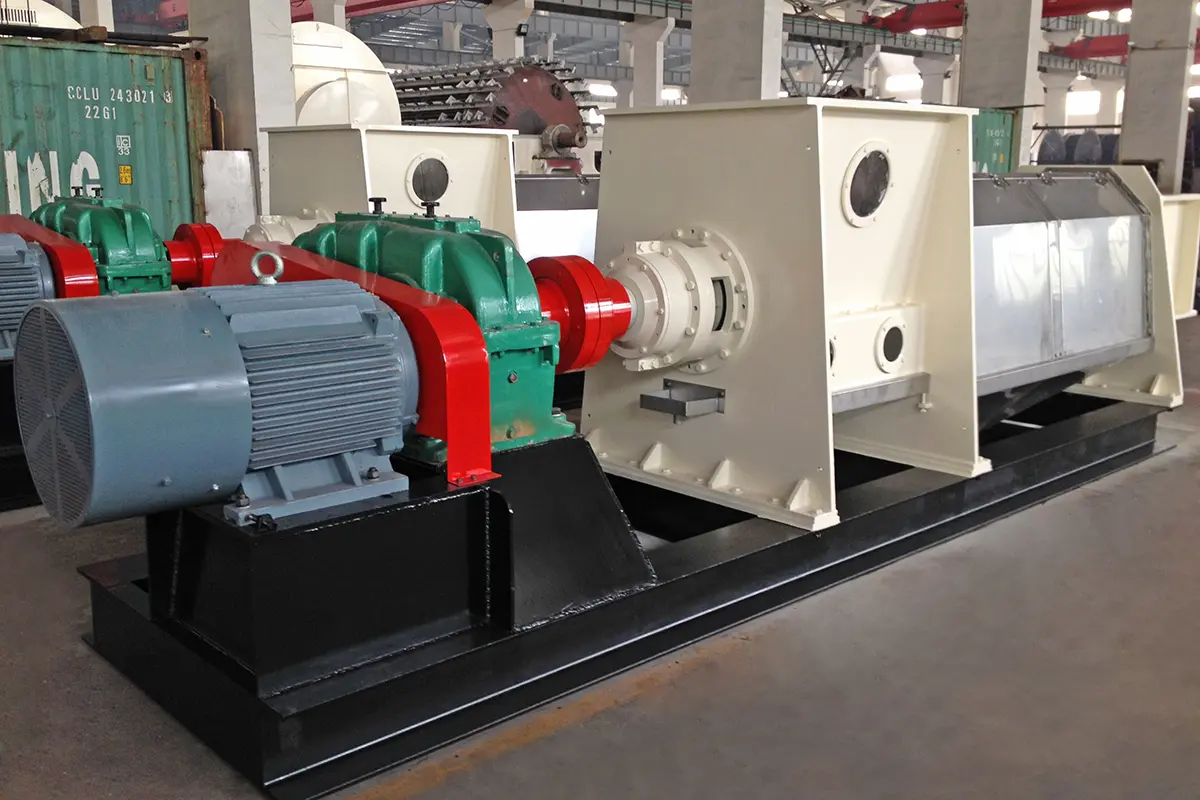
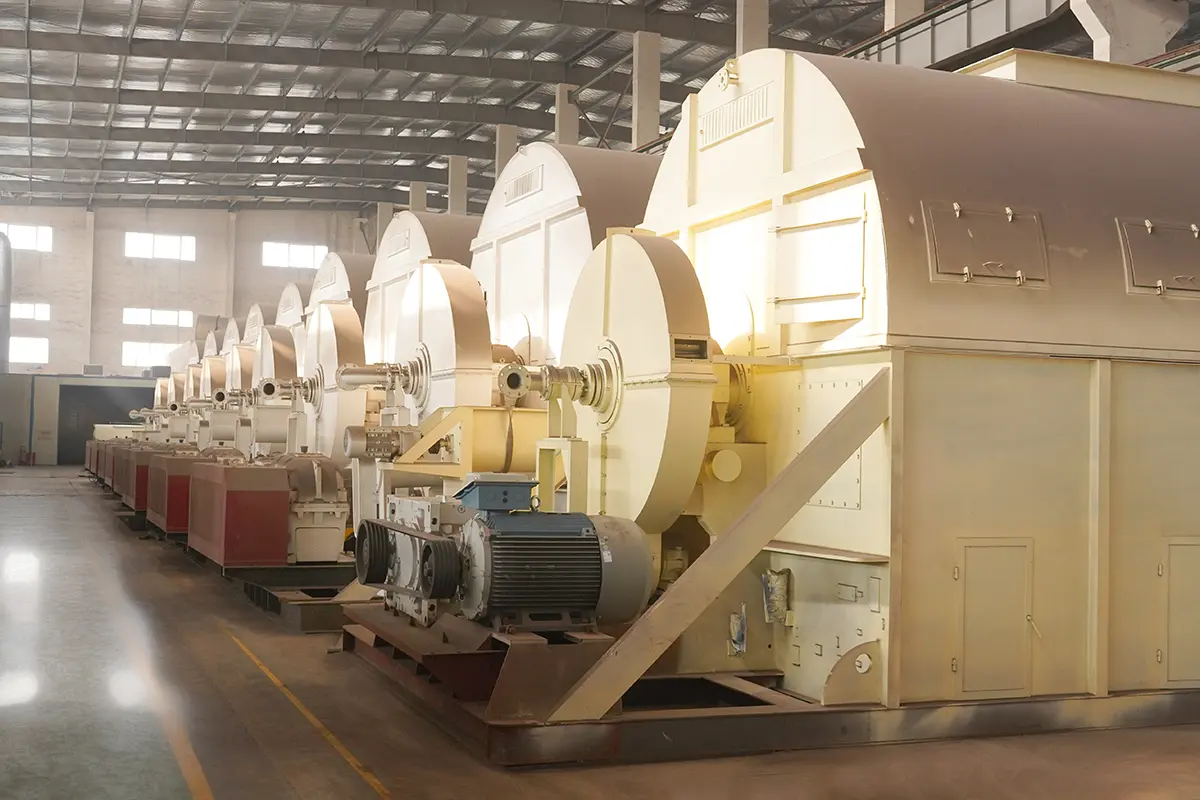
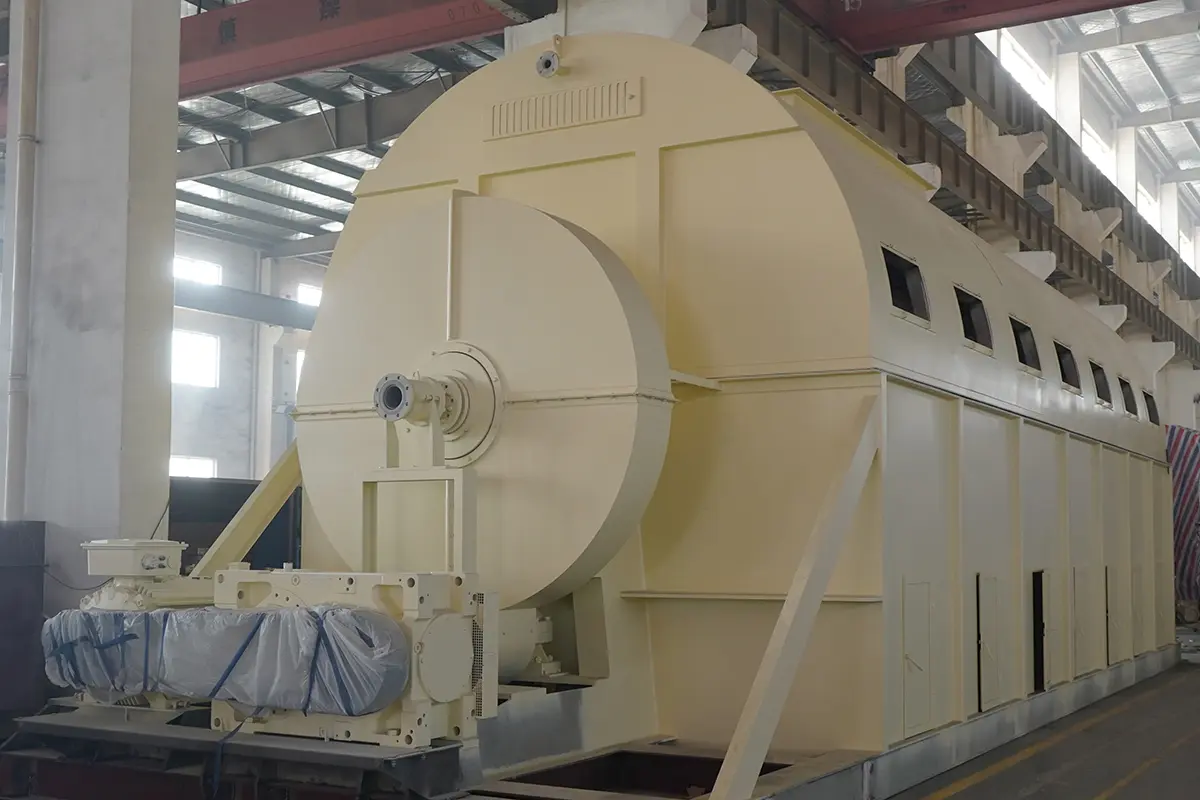
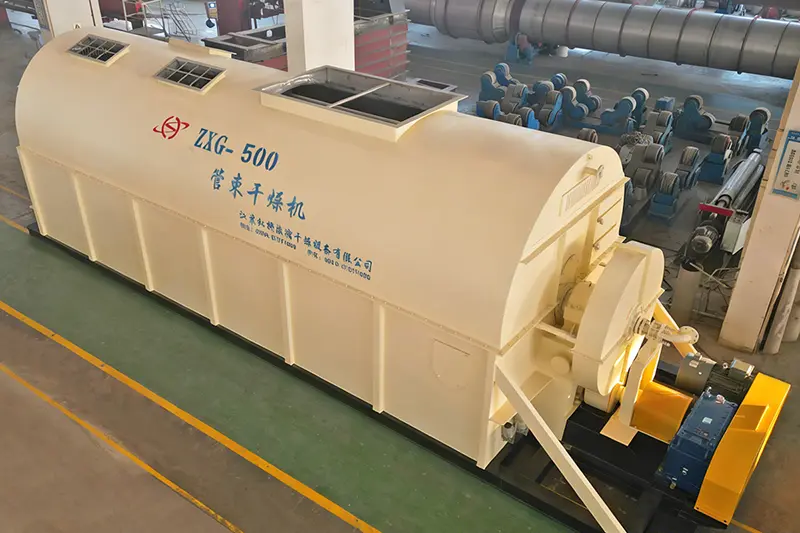
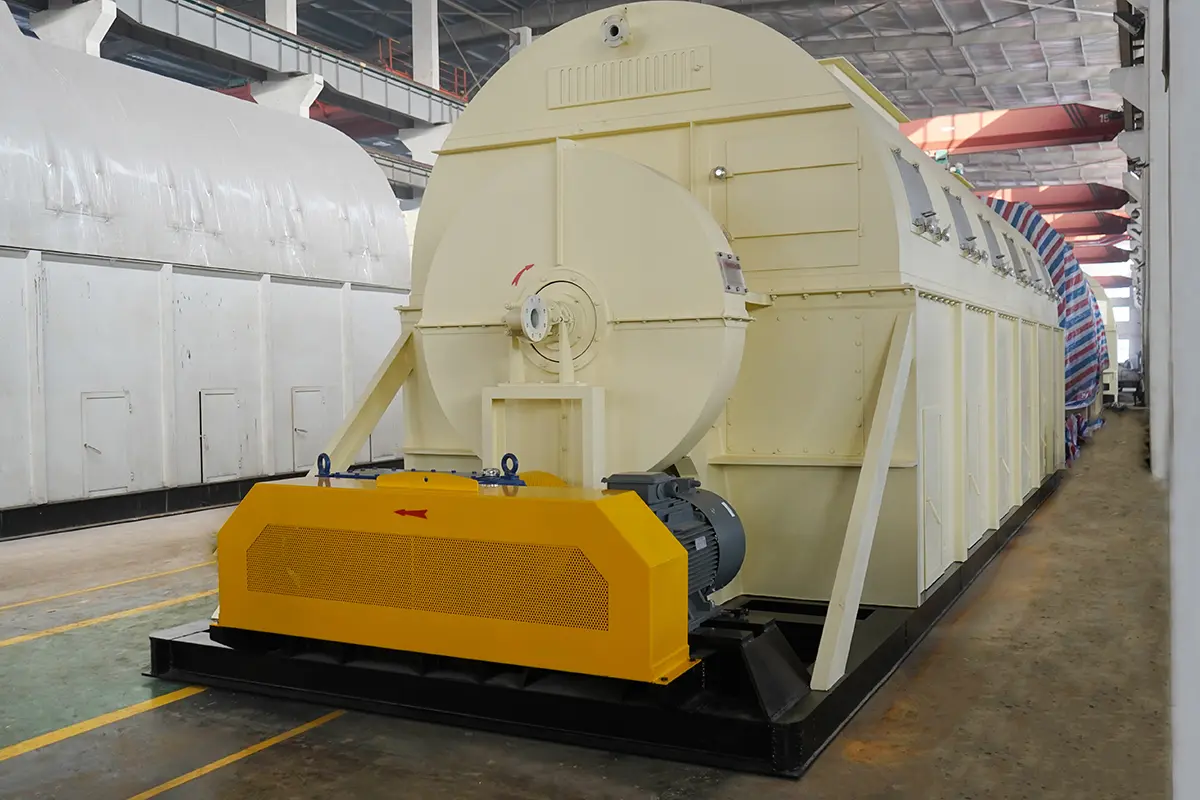
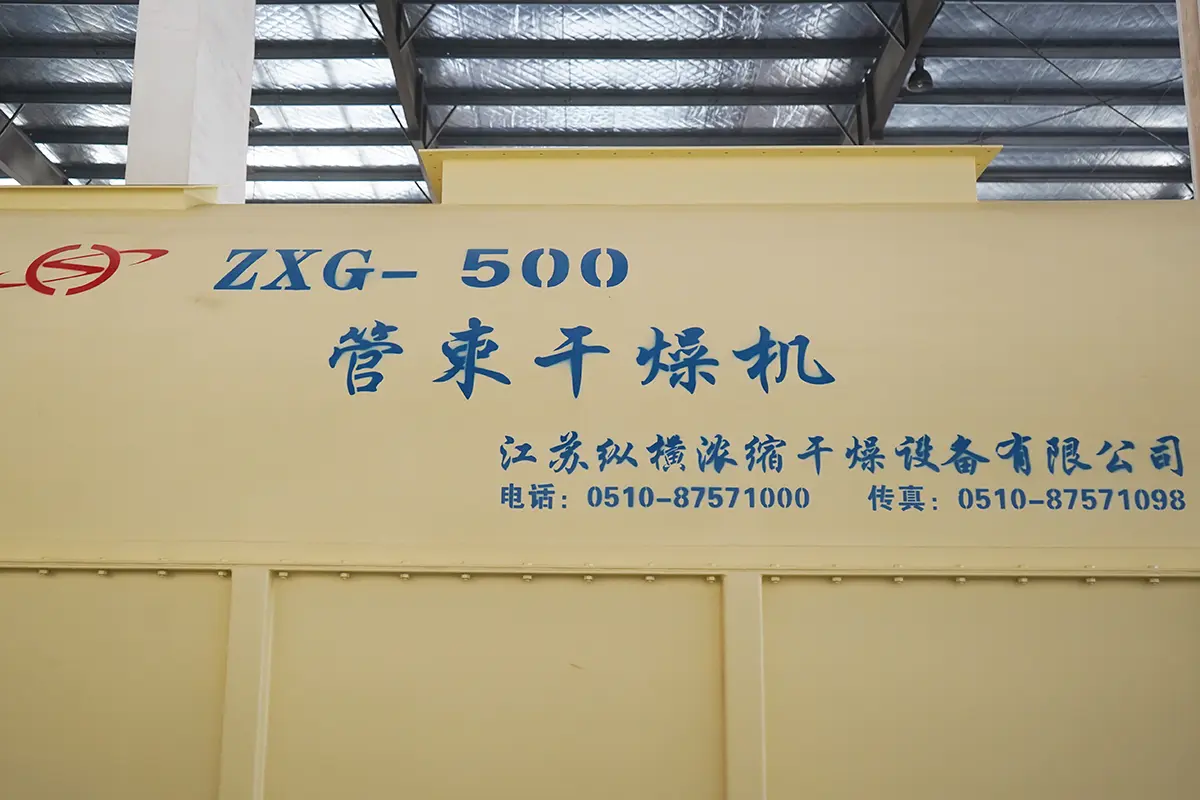
Similarly, the ZXG Tube Bundle Dryer provides indirect steam drying under low-oxygen conditions. High-efficiency heat transfer occurs as materials contact the rotating bundle of steam tubes, making it suitable for processing DDGS, corn germ, fiber, and other biological materials without thermal scorching.
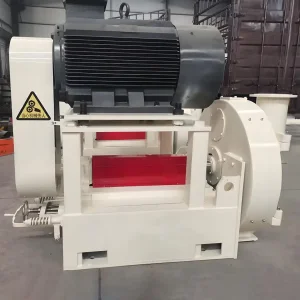
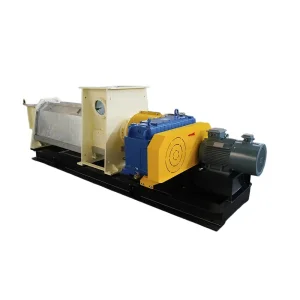
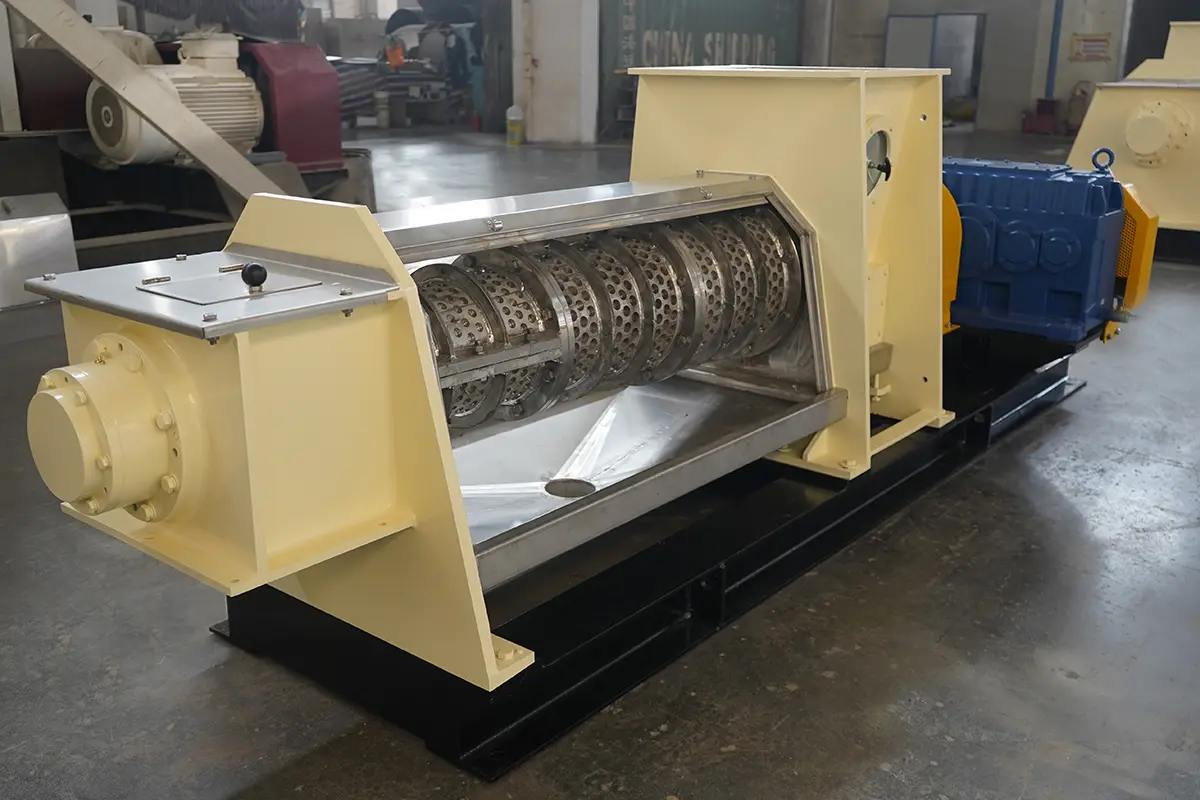
Our Single Screw Press provides mechanical pre-dewatering before drying. By squeezing out free moisture from fiber-heavy solids, it significantly reduces the thermal load required by downstream dryers, lowering overall energy usage.
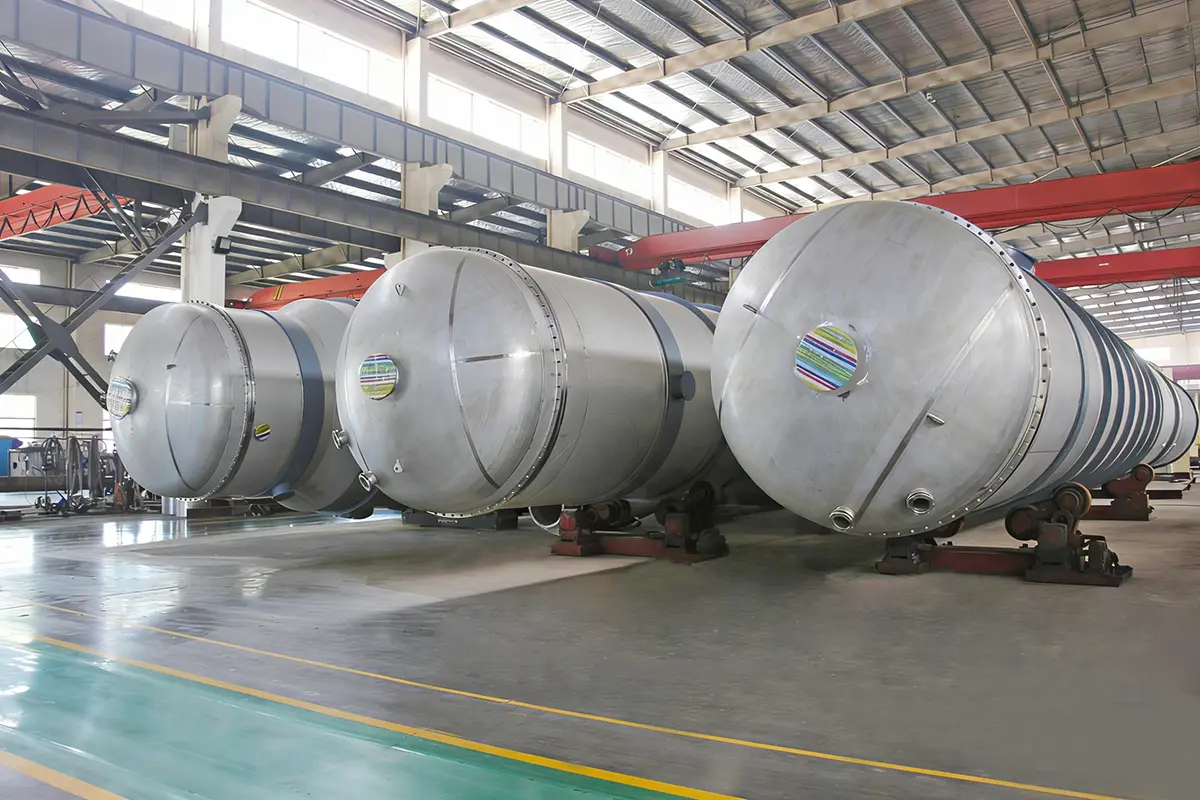
Founded in 1992, Jiangsu Zongheng Concentrating and Drying Equipment Co., Ltd has evolved from a local light industry machinery factory into an international supplier of pressure vessels and thermal processing solutions.
Began operations with 45 employees and a total area of 15 mu, focusing on fundamental light industry components.
Achieved ISO9001 Quality Management Certification, establishing a standardized quality system.
Awarded High-Tech Enterprise status, reflecting a focus on thermal design research and development.
Obtained License No. TS2232C42, allowing the fabrication of Category III pressure vessels.
Acquired the ASME "U" Stamp certification, aligning design and welding quality with international standards.
Obtained international quality assurance standard certifications (Certificate No. 45021) to support global supply agreements.
The facility expands to 54,000 sqm with 22,000 sqm of workshop space, employing 120 people, including 3 senior engineers and over 20 specialized engineers.
As energy costs fluctuate and environmental regulations tighten, the technology behind industrial concentration continues to evolve.
Integrating evaporation loops with upstream industrial waste heat (such as flash steam from dryer condensates or warm cooling water loops) allows plants to operate concentrators with minimal additional primary energy. Our designs utilize multi-stage flash heat recovery to lower operating costs.
Modern wastewater streams often contain high concentrations of corrosive chlorides. To handle these conditions, we construct heat exchanger tube bundles using premium materials, including SAF 2205, SAF 2507, Titanium Grade 2, and specialized Hastelloy alloys, which help prevent stress-corrosion cracking.
Modern plants require continuous, unattended operation. Our systems feature automated clean-in-place (CIP) cycling, real-time boiling point elevation (BPE) tracking, and variable frequency drive (VFD) flow adjustments. These controls help prevent tube fouling and maintain stable operations during variations in feed concentration.
Our concentration and drying systems are utilized across several key sectors, handling diverse process requirements from starch washing to chemical separation.
Technical answers to common questions about selecting, designing, and operating industrial concentration systems.
A Falling Film Evaporator relies on gravity to feed liquid down the inner walls of the heat exchanger tubes as a thin film. This design provides high heat transfer coefficients and very short residence times, making it suitable for heat-sensitive liquids. In contrast, a Forced Circulation Evaporator uses a high-flow recirculating pump to keep the process liquid under pressure inside the tubes, preventing boiling until it reaches the flash separator. This design is preferred for liquids prone to crystallizing, scaling, or fouling.
The ASME "U" Stamp indicates that a pressure vessel has been designed, fabricated, inspected, and tested in accordance with Section VIII, Division 1 of the ASME Boiler and Pressure Vessel Code. This standard is recognized globally by safety regulators and insurance providers, verifying that the equipment is safe for high-temperature and high-pressure chemical processes.
During evaporation, a significant amount of heat is carried away in the vapor. In an MVR system, a mechanical compressor increases the temperature and pressure of this waste vapor, raising its energy level. The compressed vapor is then returned to the evaporator's heating side to boil the incoming feed liquid. This recycling loop minimizes the need for external boiler steam, lowering utility costs compared to conventional multi-effect systems.
High-salinity or acidic wastewater streams can lead to pitting, crevice corrosion, and stress corrosion cracking in standard stainless steels like SUS304 or SUS316. To mitigate this risk, we construct heat exchangers and separators using corrosion-resistant materials, including duplex stainless steels (SAF 2205/2507), Hastelloy alloys, and titanium, selected to match the process chemistry.
In bioethanol and alcohol processing, the residual spent mash is separated into wet solids and liquid thin stillage. The liquid is concentrated in a falling film evaporator, while the wet solids are pre-dewatered. These components are then combined and dried in the ZXG Tube Bundle Dryer. The rotating steam tubes provide indirect heat transfer, drying the mixture into Distillers Dried Grains with Solubles (DDGS), which is used as animal feed.
Thermal evaporation and drying require significant energy input to vaporize water. The Single Screw Press uses mechanical pressure to squeeze out free moisture from fibrous materials before they enter the dryer. Removing this water mechanically reduces the thermal load on downstream equipment, lowering total fuel or steam consumption for the plant.
Yes. Many of our evaporator designs are configured to utilize low-grade waste heat, such as flash steam, boiler blowdown, or exhaust vapors from dryers. By integrating these heat sources, plants can reduce their primary steam demand, improving overall utility efficiency.
The YDX Starch Washing Cyclone uses centrifugal force to separate starch granules from lighter proteins, cell fibers, and soluble impurities in a multi-stage process. By washing the starch slurry counter-currently, the system increases starch purity, reduces protein residues, and improves brightness, preparing the material for downstream concentration and drying.
Select from our targeted list of energy-efficient evaporators, dewatering presses, and starch purification equipment constructed for global industrial operations.
Our engineering standards, pressure vessels, and quality control systems comply with international manufacturing guidelines.
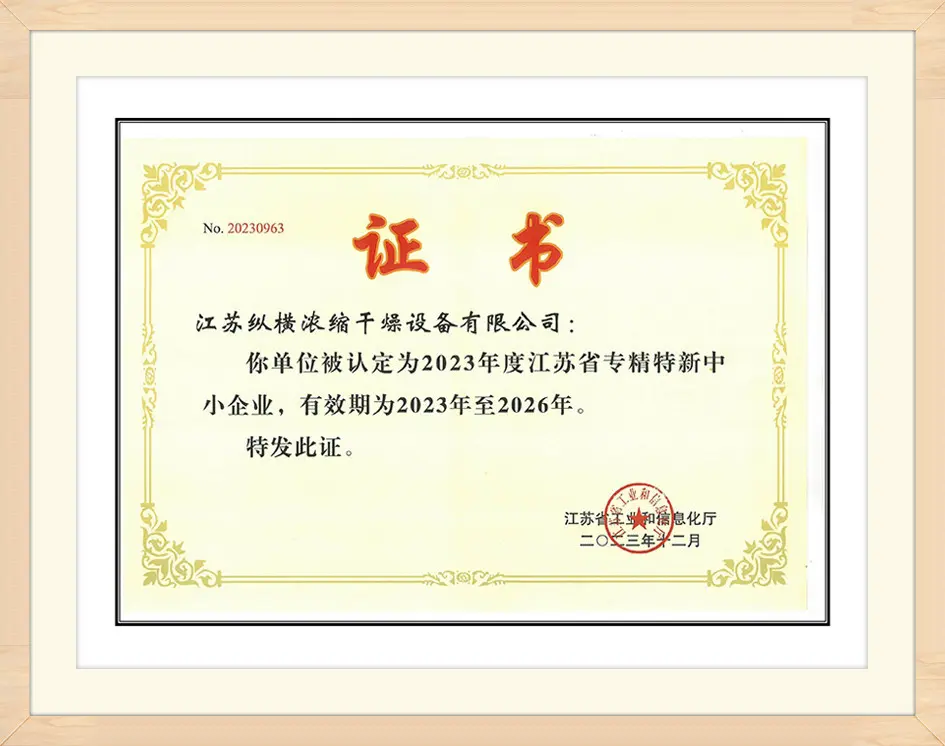
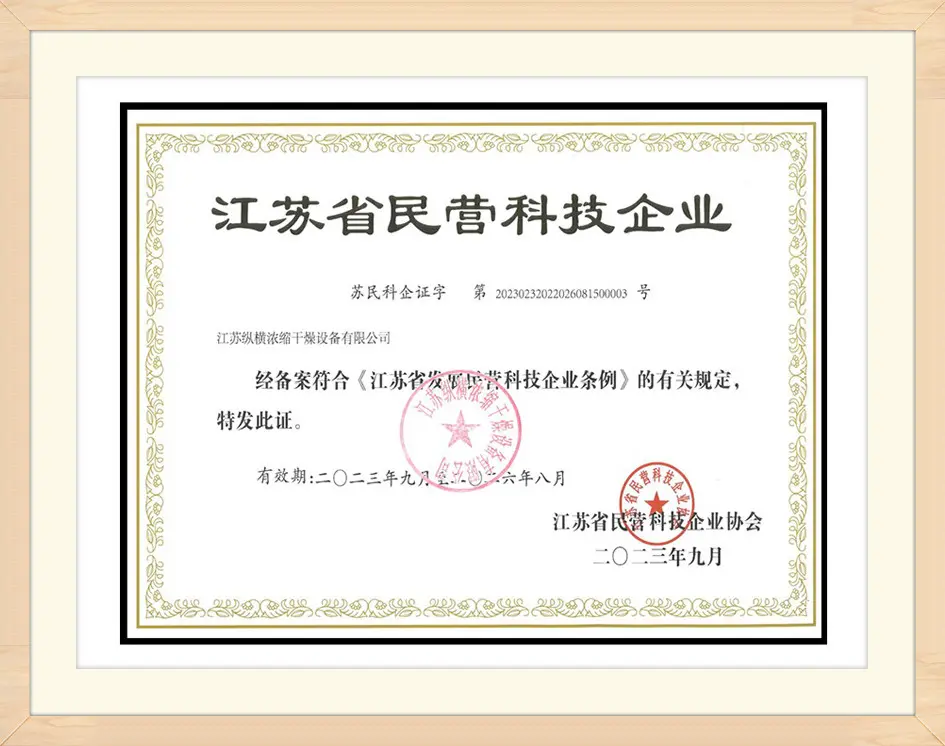
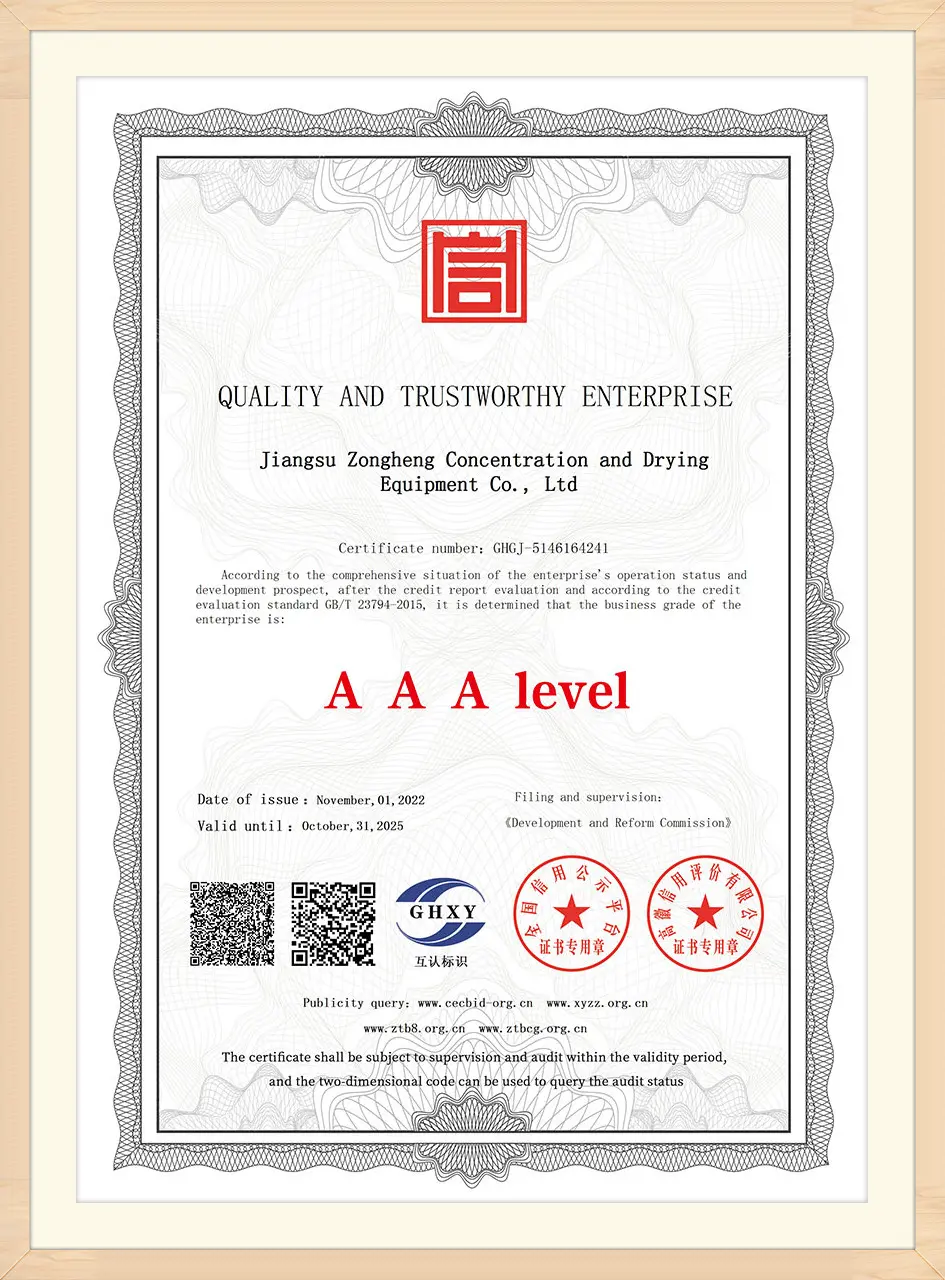
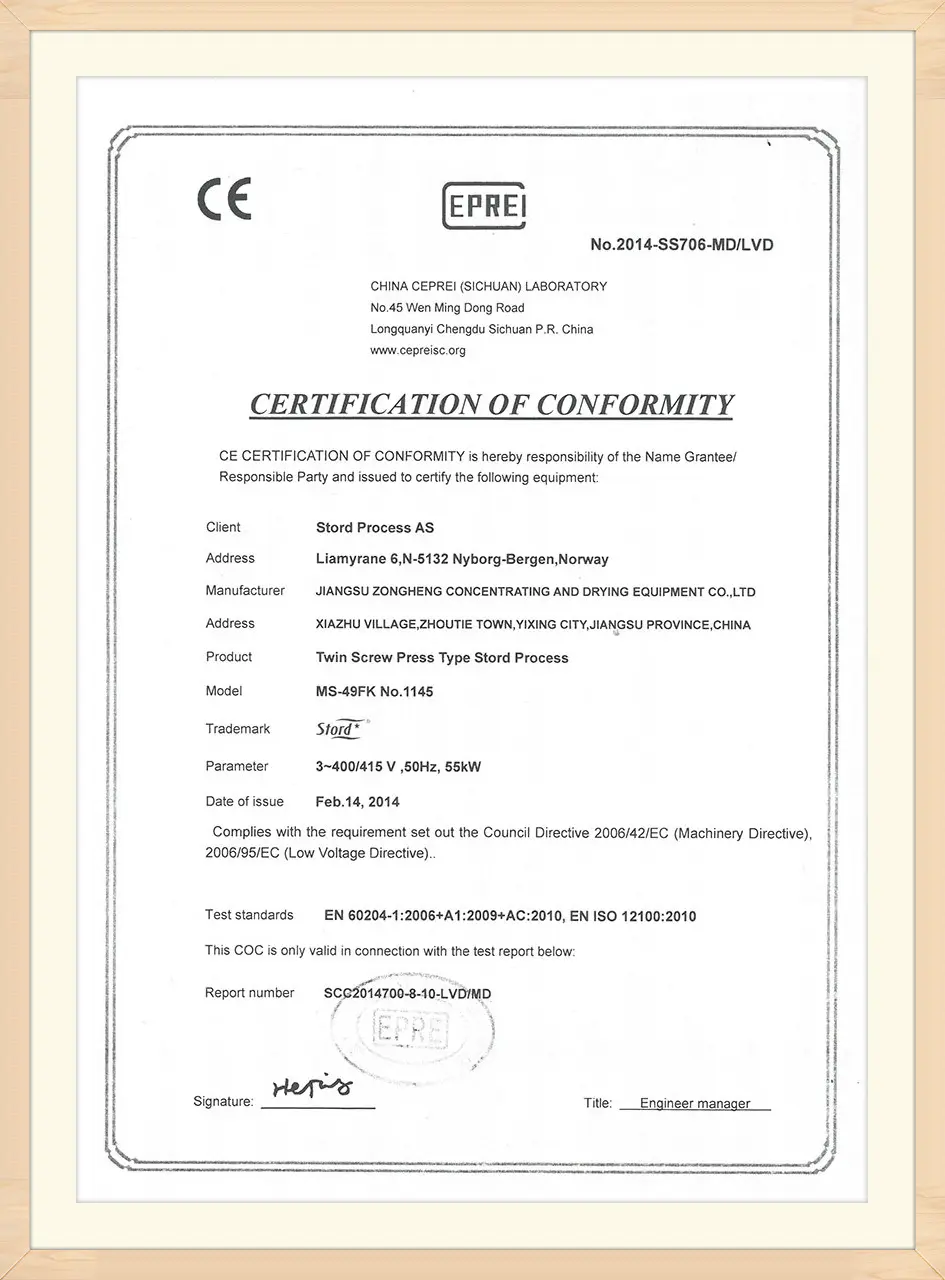
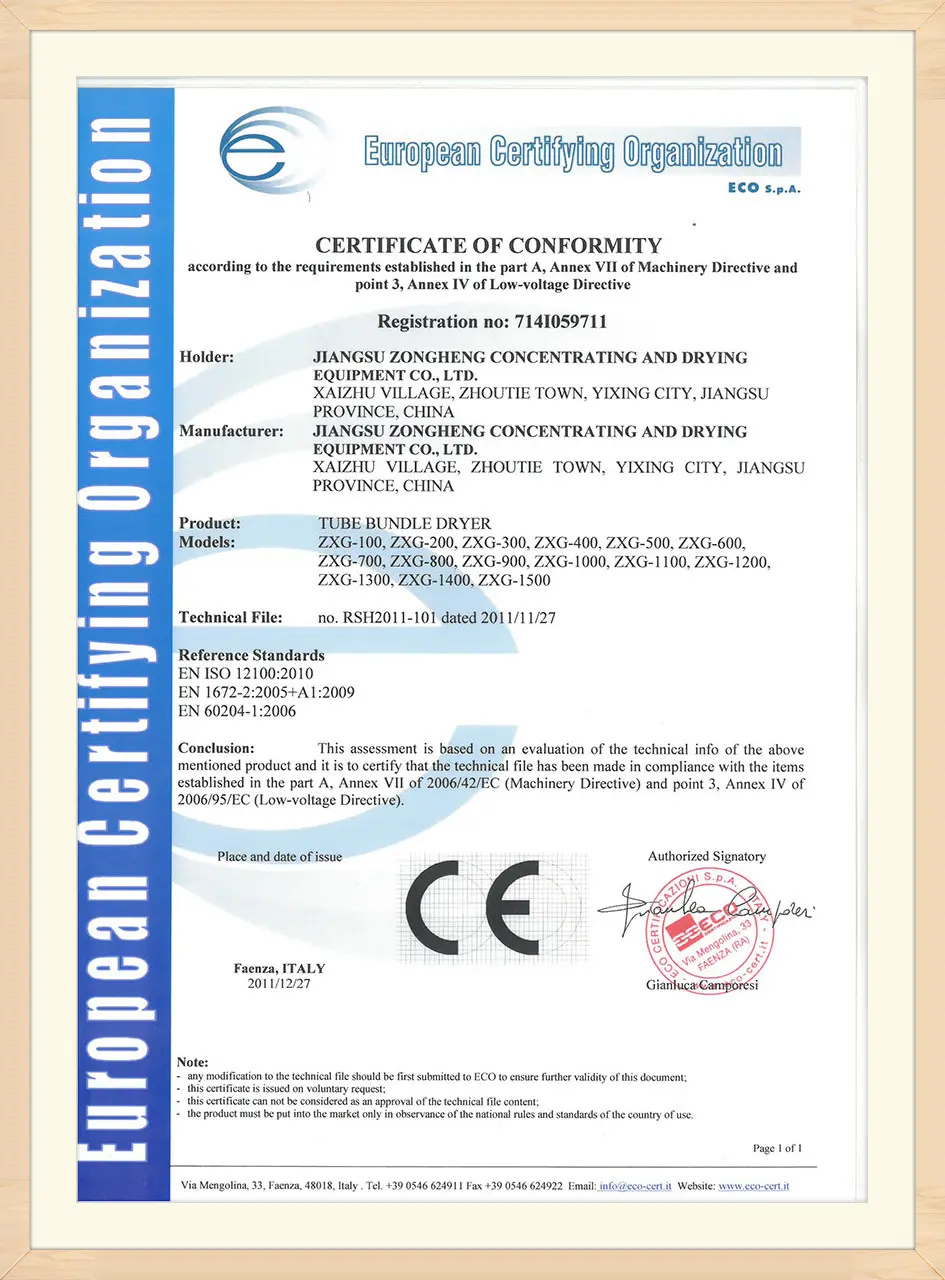
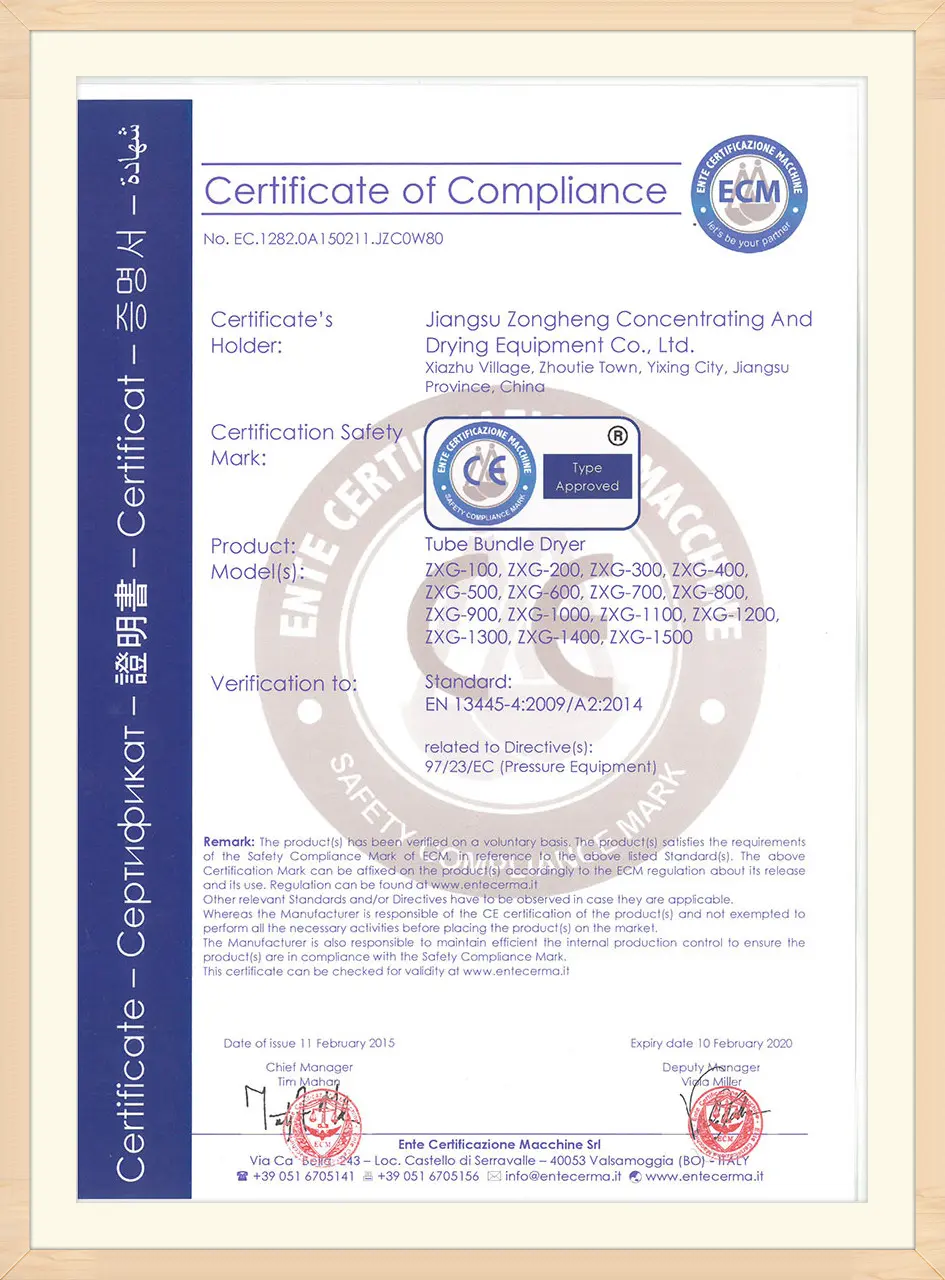
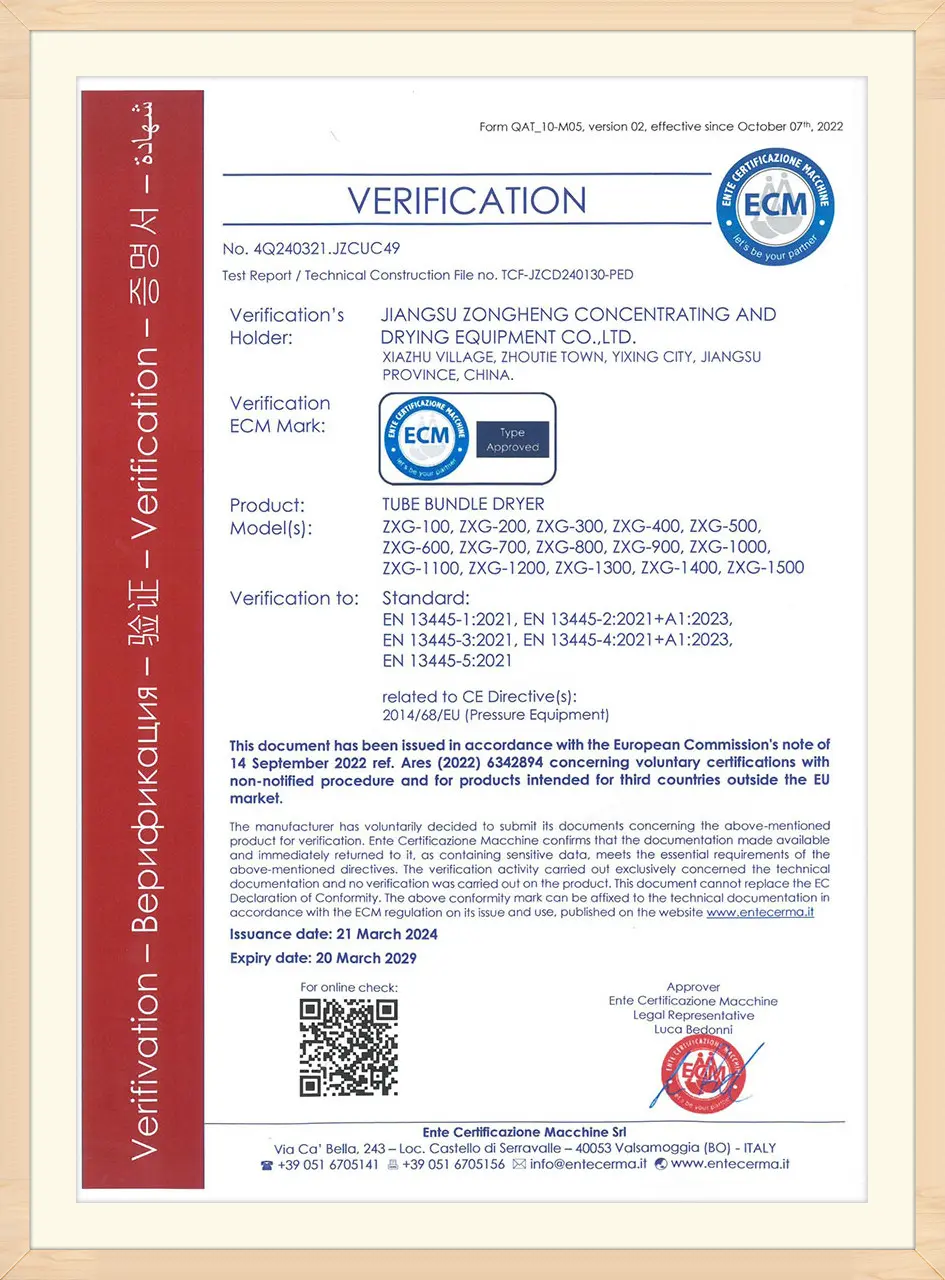
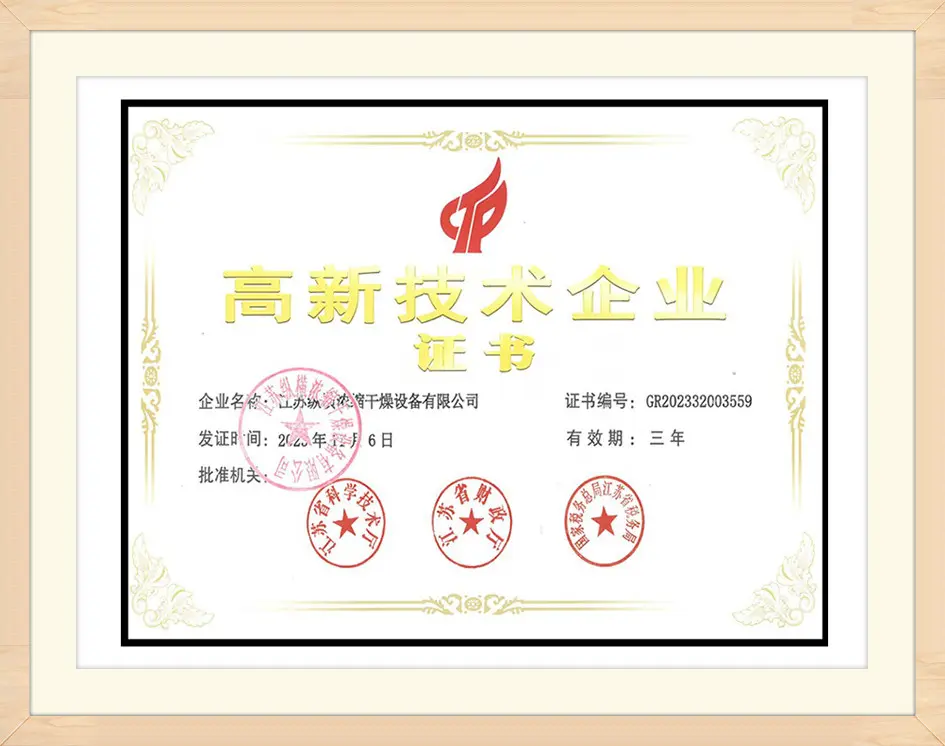
We work with process engineers, plant managers, and equipment buyers globally to design evaporation, concentration, and industrial drying systems.
Request a QuoteGet in touch for design parameters, sizing estimates, material options, or to arrange a technical visit to our manufacturing facility in Jiangsu.
Contact UsRead about recent design innovations and technical updates from our engineering department.
 Zongheng