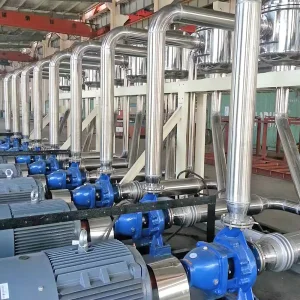
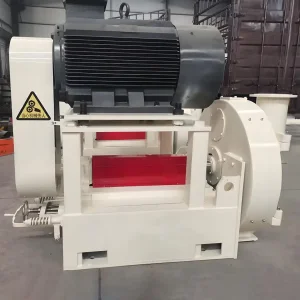
Modern industrial processing is undergoing a structural paradigm shift driven by water scarcity, stringent discharge mandates, and carbon neutrality initiatives. At the center of this movement lies the industrial water evaporator system. Traditionally viewed as a capital-intensive utility, industrial evaporation has evolved into a strategic system for Zero Liquid Discharge (ZLD), resource recovery, and operational cost savings.
Thermal efficiency and mechanical vapor recompression (MVR) technologies have revolutionized wastewater concentration, transforming waste streams into valuable product resources and purified distillate.
Across North America, Europe, and Asia-Pacific, stricter regulatory frameworks like the Clean Water Act and EU Water Framework Directives demand near-zero contaminant discharge. Industries ranging from agricultural processing and food fermentation to petrochemicals, pharmaceutical intermediates, and lithium battery manufacturing rely on custom-engineered thermal separation plants to achieve environmental compliance and maximize process economics.

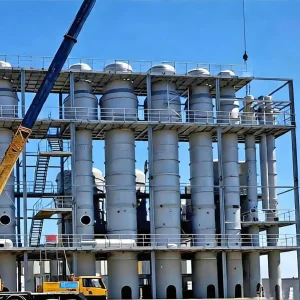
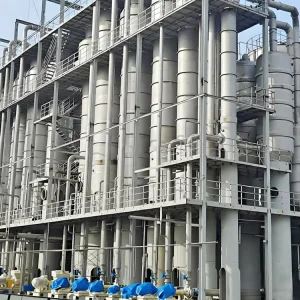
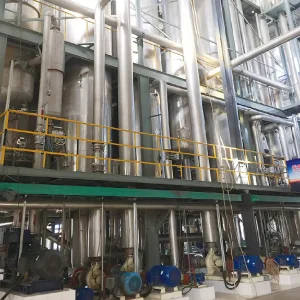
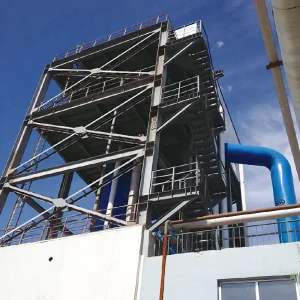
Advanced thermal designs including Falling Film, Forced Circulation, Waste Heat, and Mechanical Vapor Recompression (MVR) evaporation plants engineered to process complex fluid profiles with high concentration ratios.
Specially engineered dewatering equipment providing mechanical pressure to extract moisture from heavy solid-containing materials, drastically reducing subsequent thermal drying energy requirements.
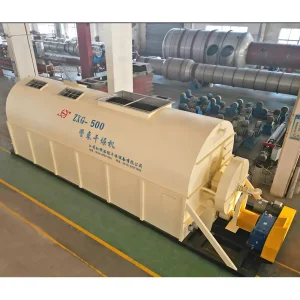
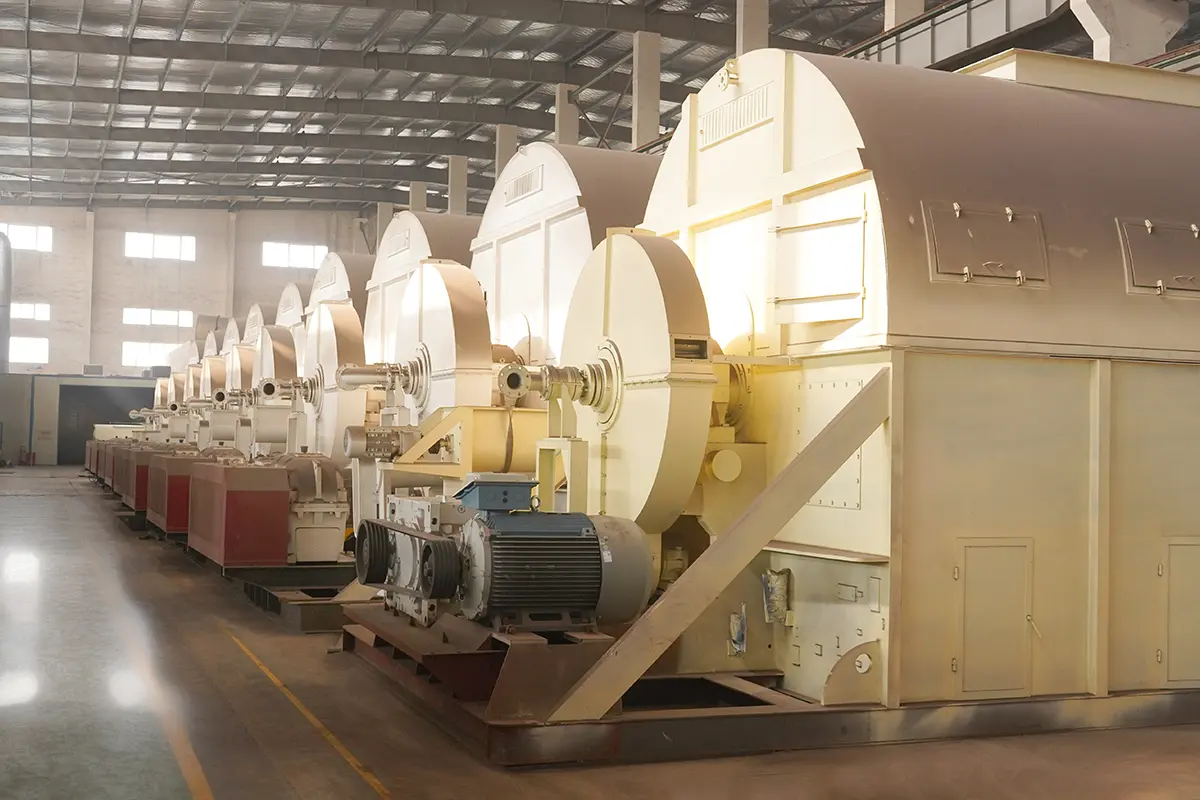
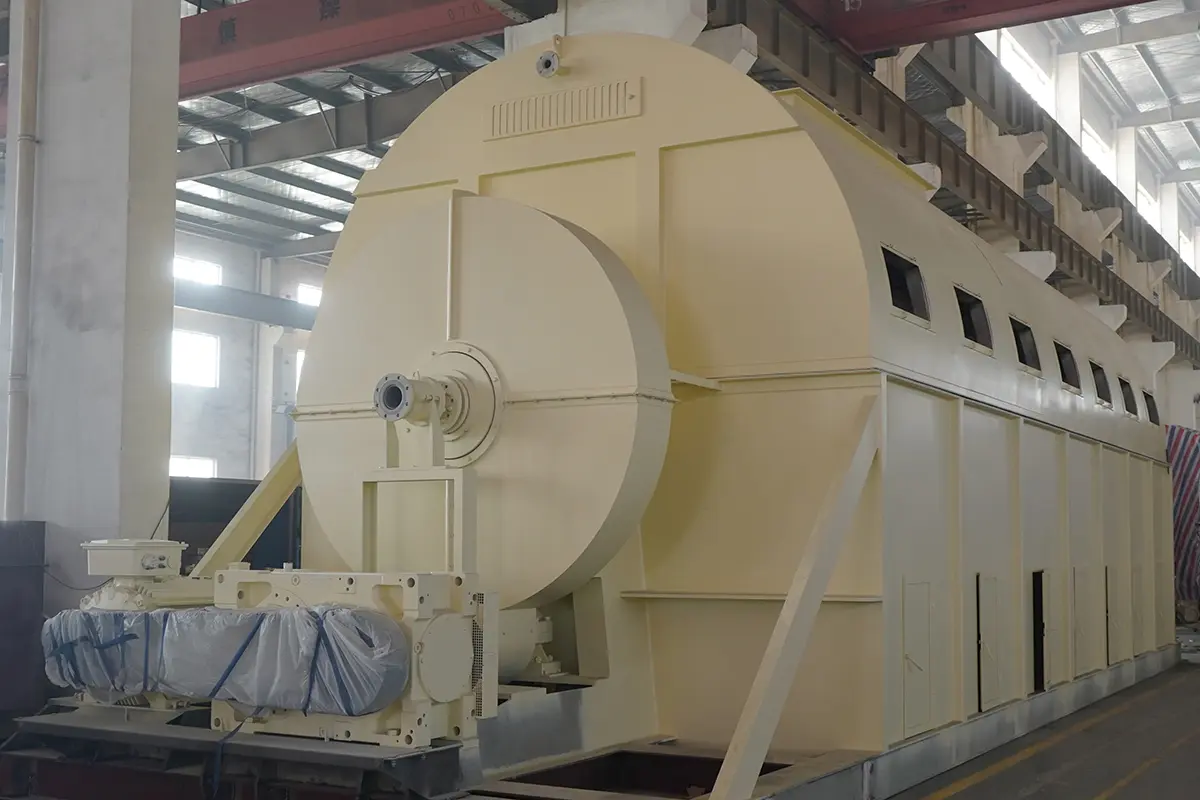
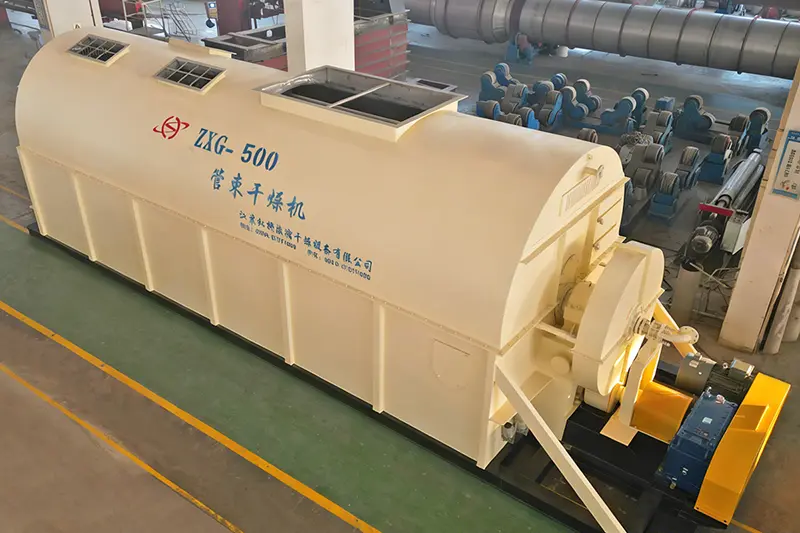
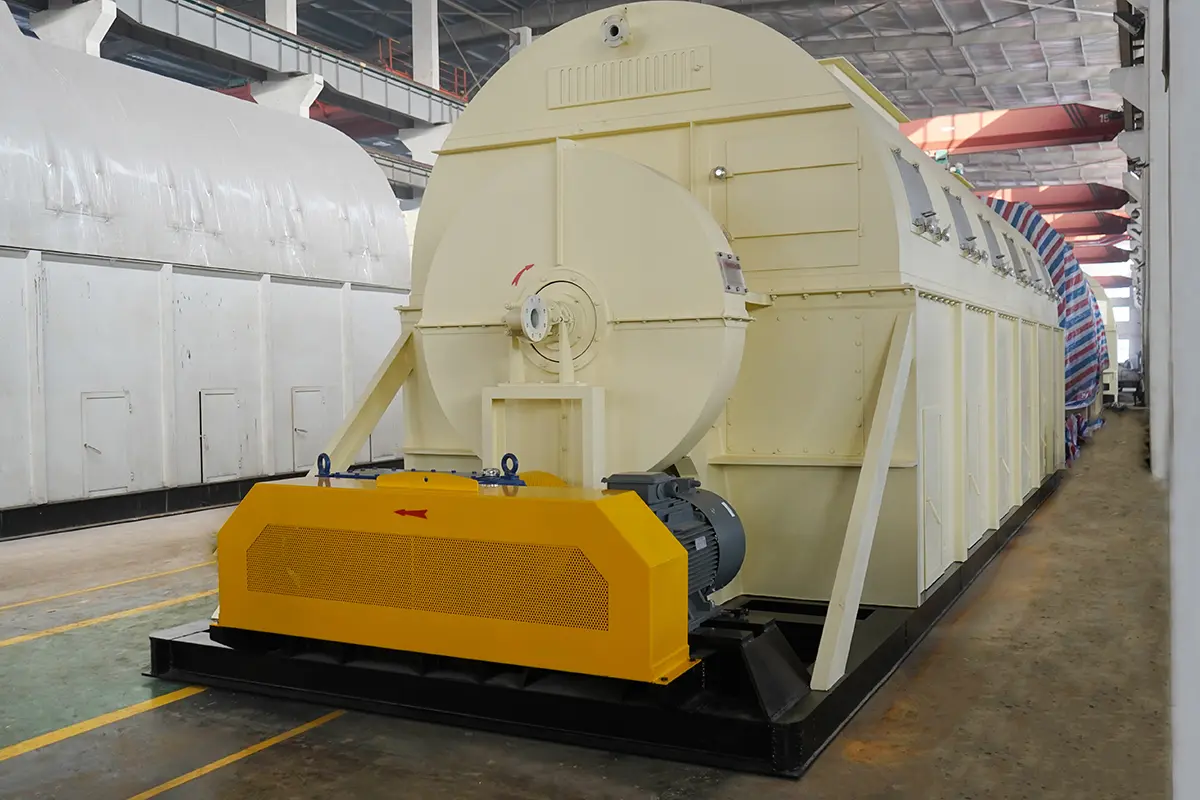
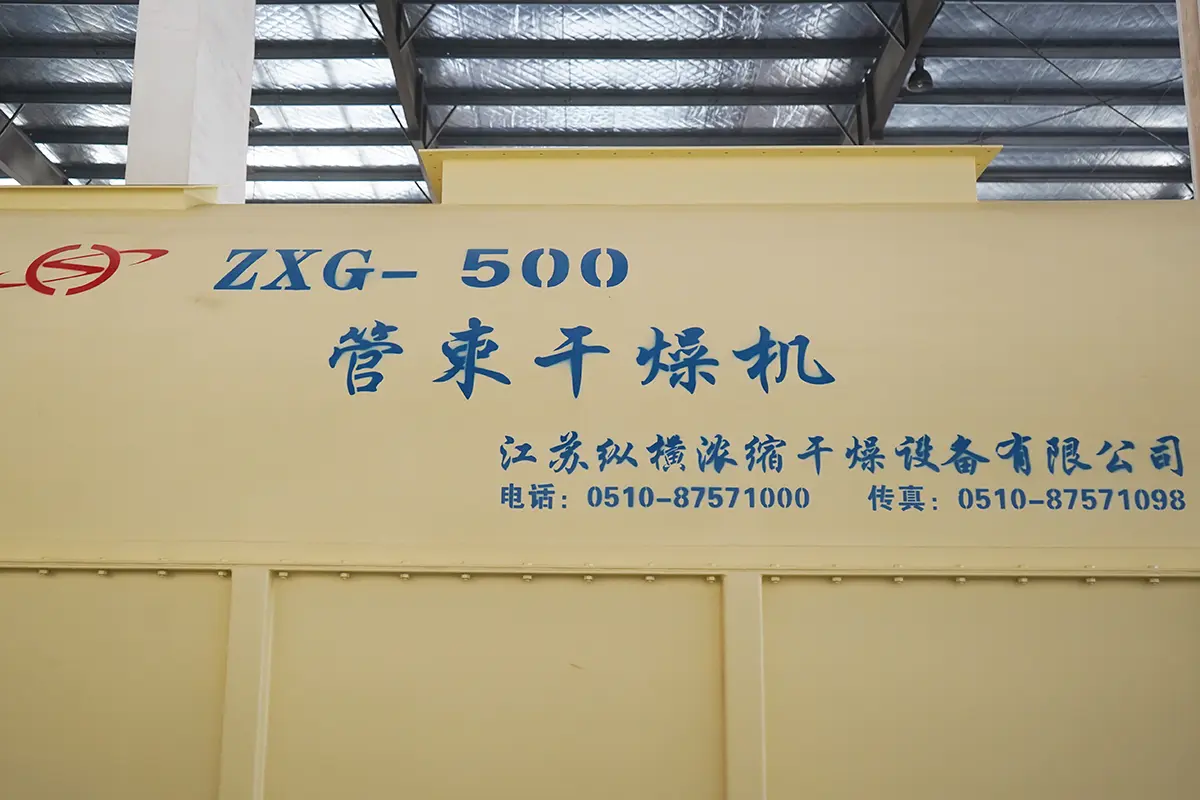
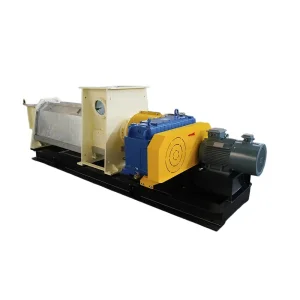
High-durability indirect contact drying system designed for low-oxygen processing of agricultural, biological, and chemical solids, ensuring maximum product safety and energy efficiency.
Fast-acting pneumatic drying system utilizing variable-velocity, high-temperature airflow loops to fluidize and dry particulates instantaneously during pneumatic transit.
Precision grain processing mills built for wet-milling of maize kernels, focusing on clean separation of corn germs from starch components while preserving germ integrity.
Multi-stage hydrodynamic separation systems tailored for washing, refining, and removing soluble proteins and micro-impurities from refined starch suspensions.
A falling film evaporator is engineered to concentrate highly heat-sensitive liquids. The feed liquid enters at the top distribution head, forming a thin, continuous film flowing down the inner walls of heated vertical tubes. As it travels downwards, partial evaporation occurs under vacuum. The generated vapor flows co-currently alongside the concentrated liquid, creating shear forces that enhance heat transfer coefficients.
This system is defined by its extremely short residence time and low operating temperatures, preventing thermal degradation of delicate bio-components, organic chemicals, or nutritional formulations. Successful operation relies heavily on perfect liquid distribution systems and complete wetting of the tubes to prevent scale buildup, thermal dry-spots, and structural fouling.

When processing highly viscous feeds, organic materials prone to crystallization, or slurries containing high salt fractions, forced circulation evaporation is the industry standard. In this design, the liquid is pumped at high velocities through the heat exchanger tubes by a dedicated circulation pump.
The static head maintained above the heat exchanger prevents the liquid from boiling inside the tubes. Boiling occurs only when the superheated liquid enters the lower-pressure separator vessel. Because boiling is suppressed in the tubes, scaling and fouling are minimized. This design is crucial for wastewater concentration, chemical crystallization, and continuous industrial salt extraction.

Jiangsu Zongheng MVR Evaporation Plants provide highly efficient thermal separation by recycling the latent heat of evaporation. Instead of discarding the low-pressure vapor, it is passed through a high-efficiency centrifugal compressor (or roots blower). The compressor compresses the steam, increasing its pressure, temperature, and enthalpy.
This upgraded vapor is then returned to the heating side of the system, acting as the primary heating medium. By recycling the vapor, MVR systems reduce steam consumption to near zero, requiring only electrical energy to power the compressor. This translates to 80-90% operational energy savings compared to traditional multi-effect evaporation systems.

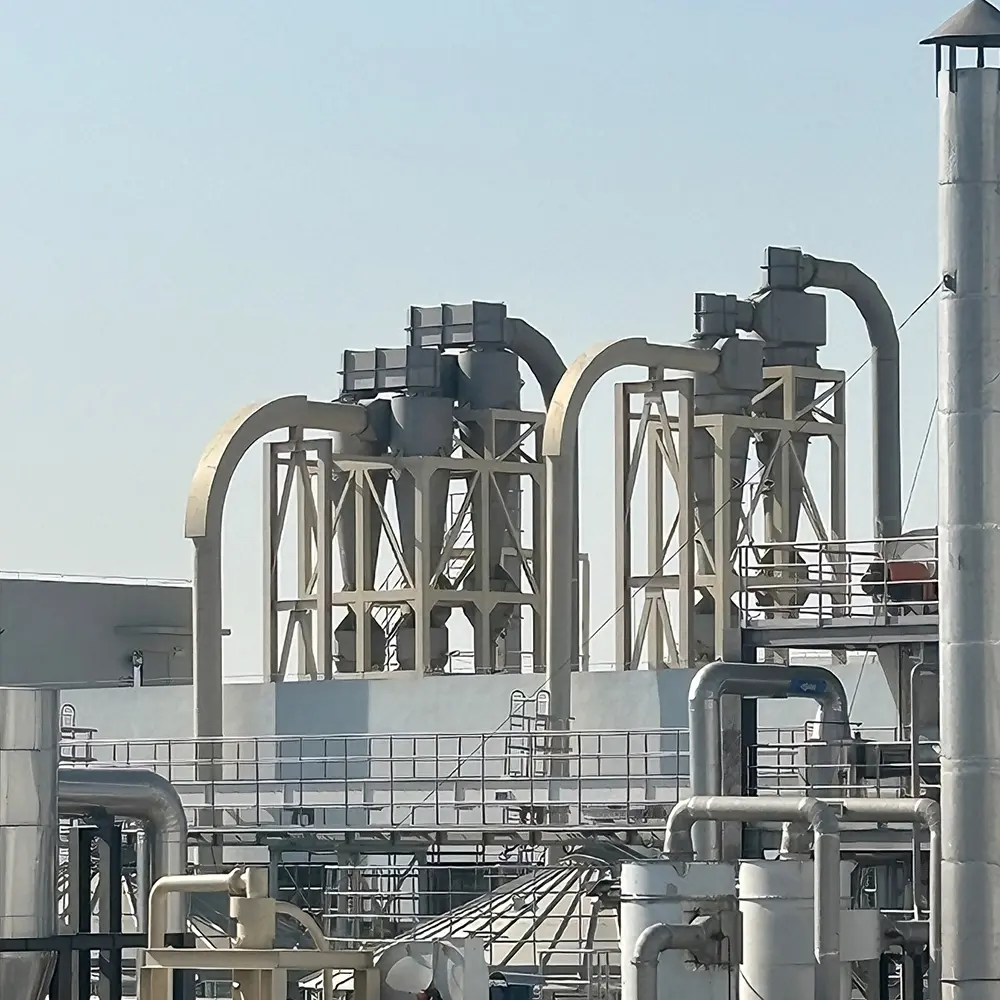
The MQG Airflow Dryer utilizes high-velocity hot air to fluidize wet solids, conveying them pneumatically through drying tubes. By using impulse airflow channels with alternating tube diameters, the system continuously adjusts pressure and velocity. This keeps the material particles in constant motion, promoting heat transfer.
The high relative velocity between the air and the solid particles ensures rapid heat and mass transfer. Moisture is evaporated within seconds, making this system ideal for drying starch, dietary fibers, feed gluten, and organic chemicals.
| System Type | Typical Feed Composition | Energy Consumption Profile | Key Applications | Fouling Resistance |
|---|---|---|---|---|
| MVR Evaporator | Low to Medium Viscosity, Salt/Protein Solutions | Very Low (15-25 kWh/t water evaporated) | DDGS, Chemical ZLD, Food Fermentation | Moderate (requires regular CIP cleaning) |
| Forced Circulation | High Viscosity, Crystallizing Slurries, High-salt | Medium to High (due to circulation pumps) | Salt crystallization, mining wastewater | High (suppresses tube boiling) |
| Falling Film | Low Viscosity, Heat-Sensitive Liquids | Low to Medium (Multi-effect dynamic) | Fruit juices, pharmaceuticals, dairy | Low (requires uniform distribution) |
| Waste Heat Evaporator | Dilute streams, process condensate | Extremely Low (uses secondary waste heat) | Corn steep liquor, thermal refinery integration | Moderate (optimized via flow channels) |
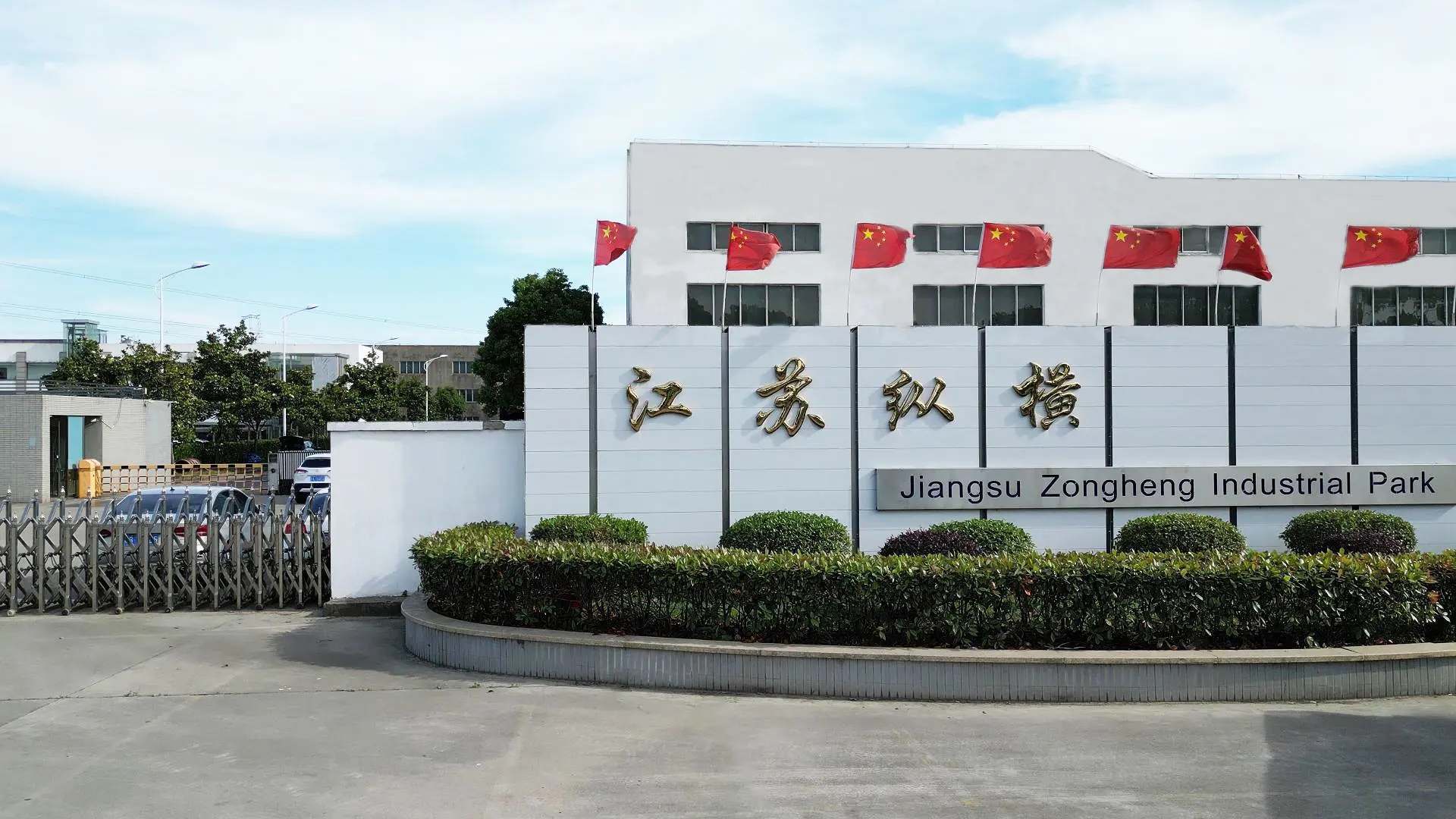
Jiangsu Zongheng Concentrating and Drying Equipment Co., Ltd. (formerly known as Yixing Yangxi Light Industry Machinery Factory), founded in 1992, is situated in Zhoutie Town, Yixing City, along the shores of Taihu Lake. Over more than three decades, the company has grown into a modern, high-tech enterprise spanning over 54,000 square meters, with a dedicated production workshop area exceeding 22,000 square meters.
We specialize in designing and manufacturing high-efficiency concentration, drying, starch processing, and alcohol DDGS equipment, alongside Category III medium- and low-pressure vessel fabrication. As an active member of the China Starch and Alcohol Association, our engineered solutions are utilized globally across the food fermentation, petrochemical, biopharmaceutical, and environmental protection sectors.
Established as Yixing Yangxi Light Industrial Machinery Factory, covering 15 mu of land with 45 employees.
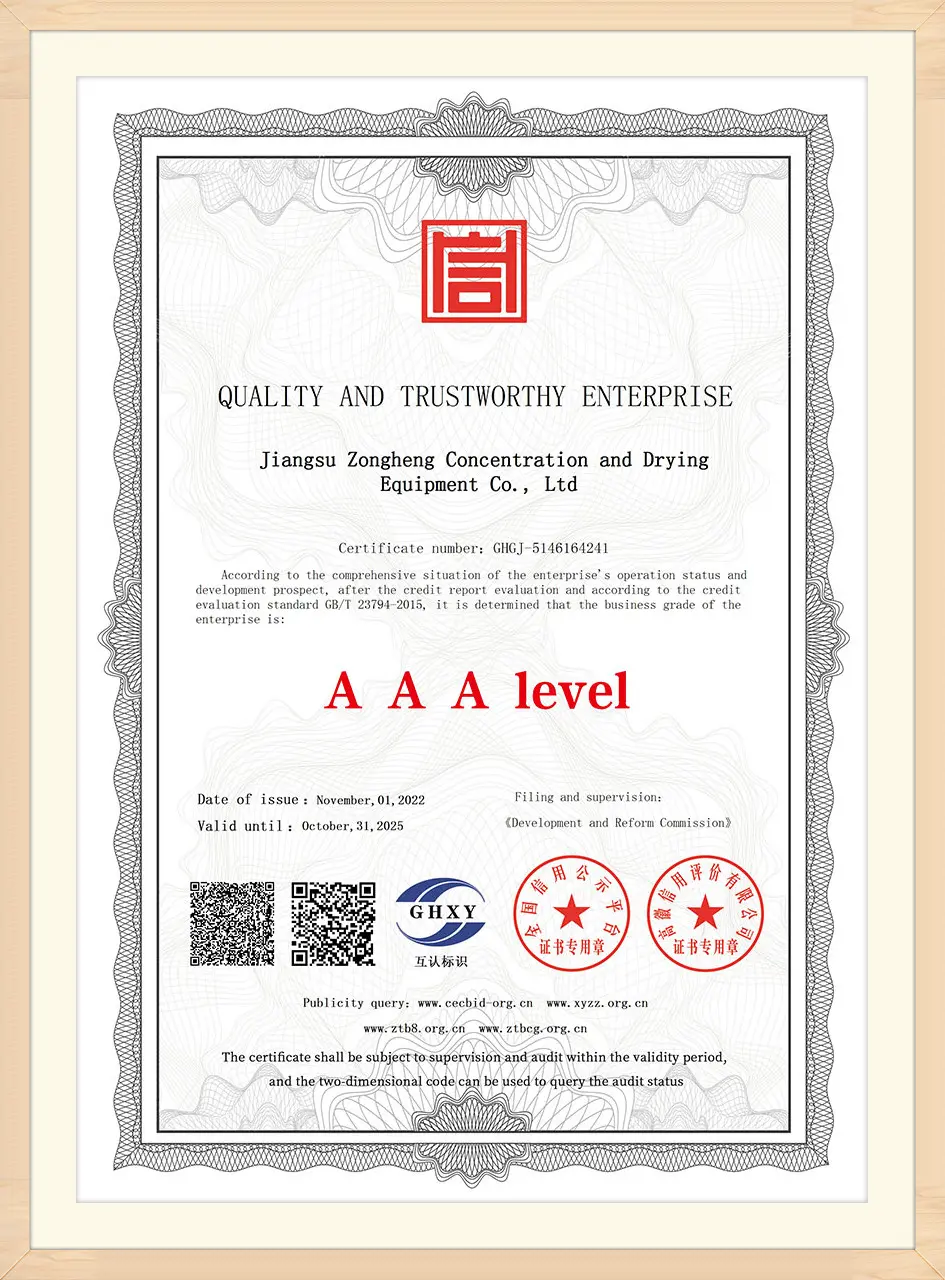
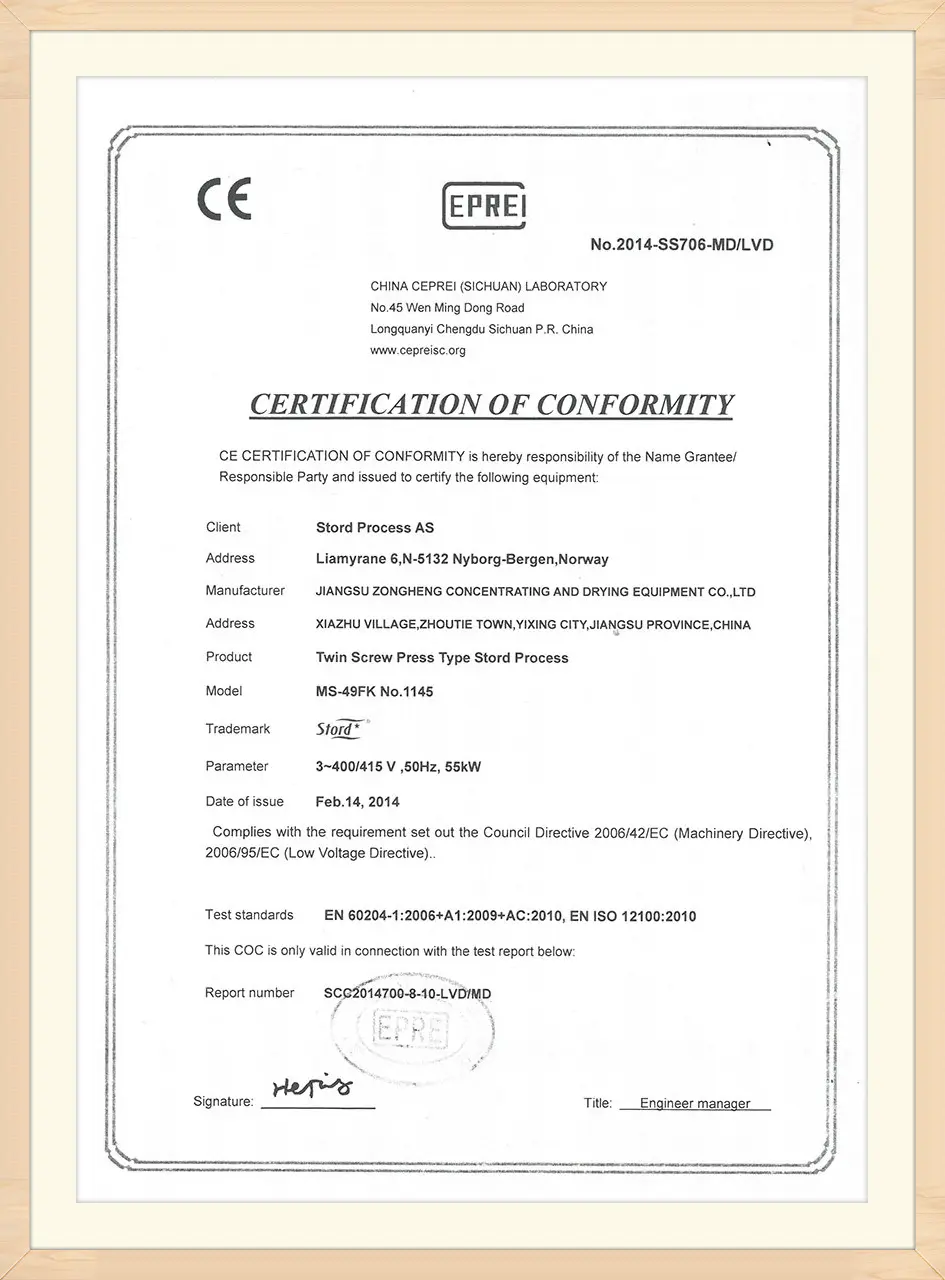
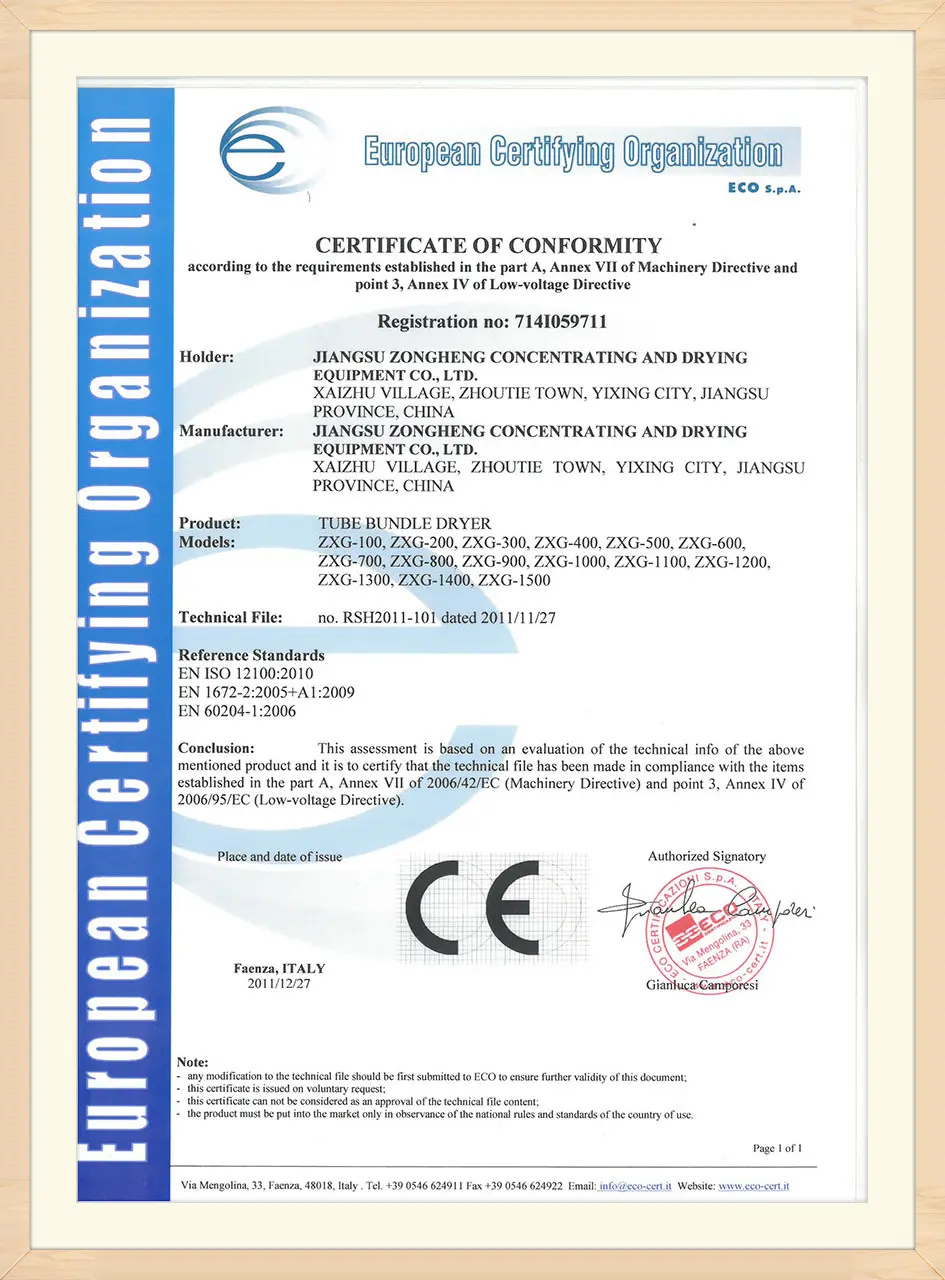
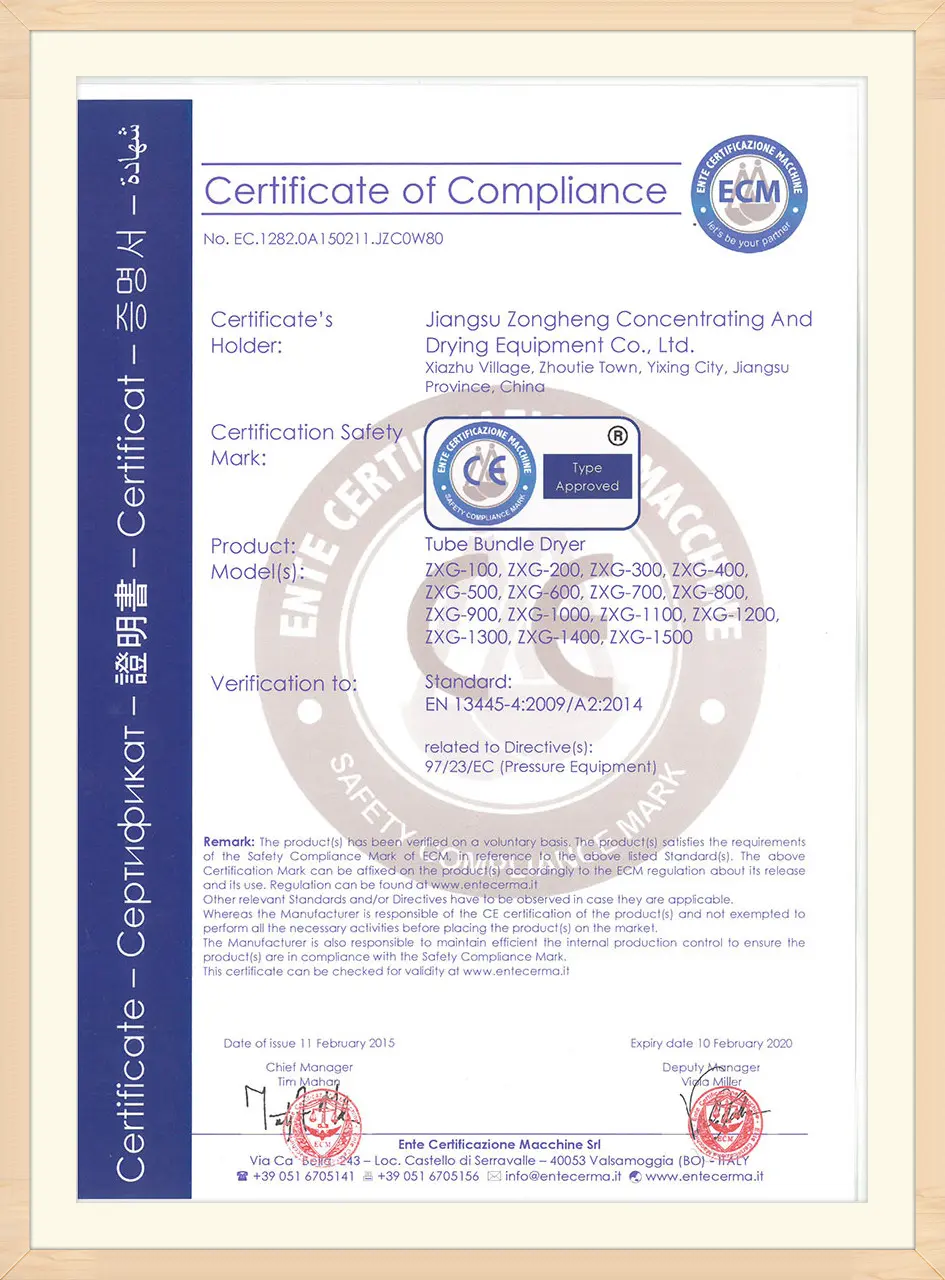
Obtained ISO9001 certification, standardizing internal quality management systems.
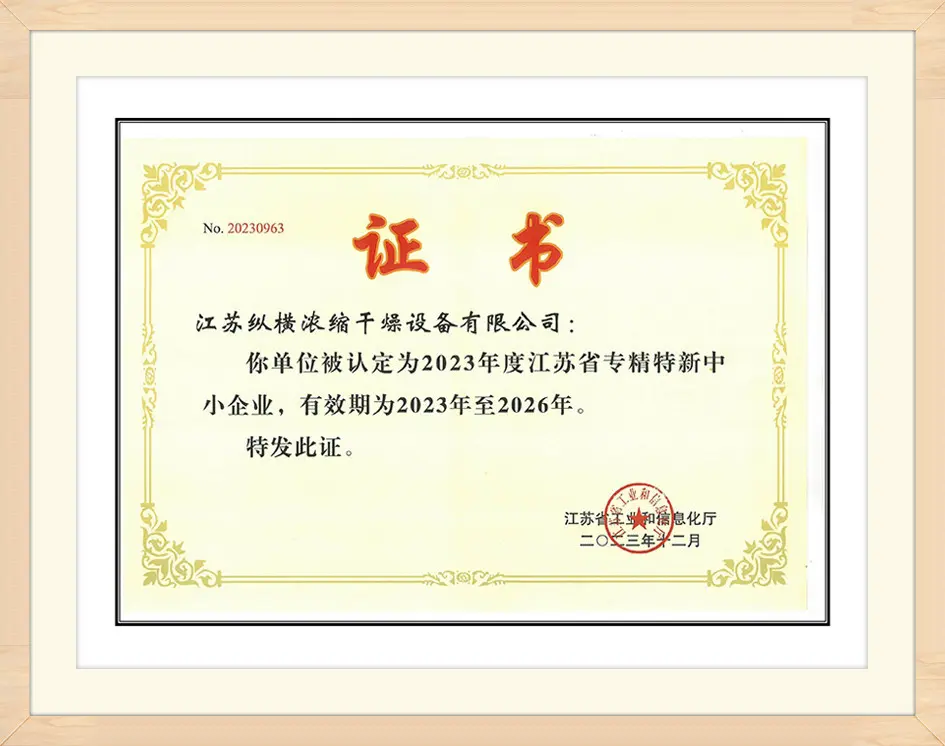
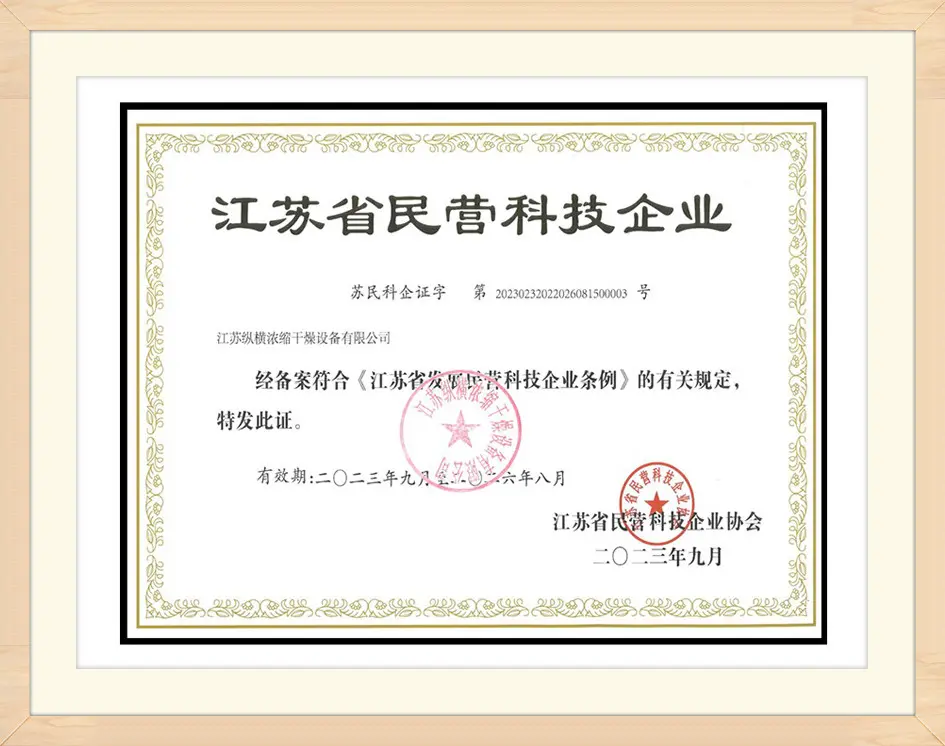
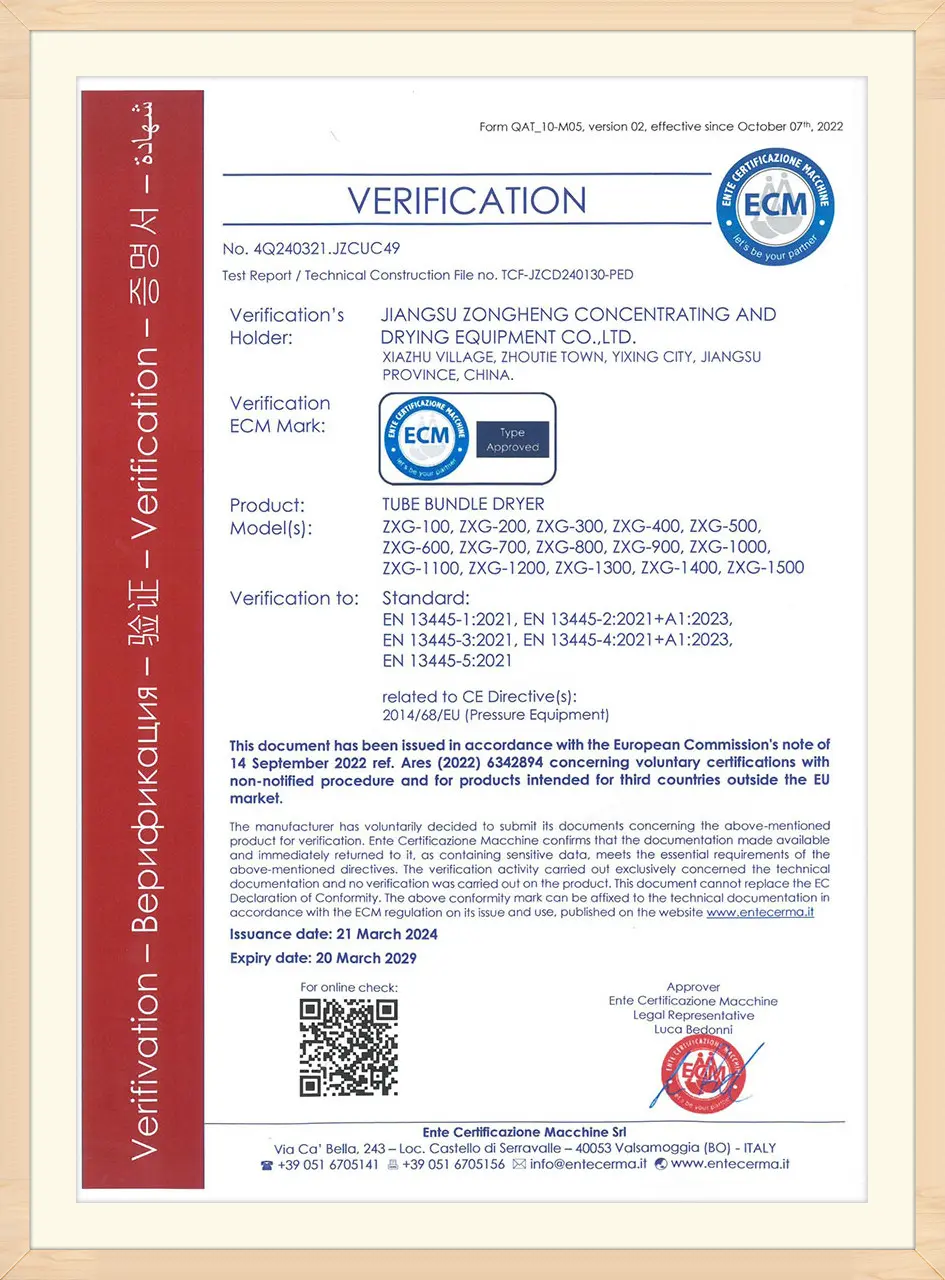
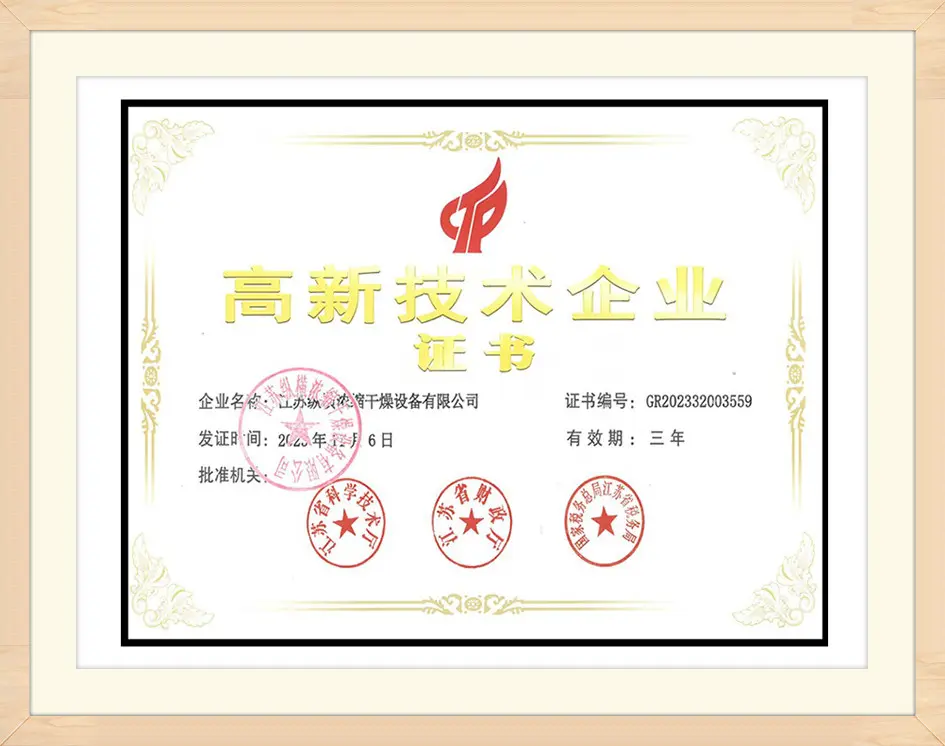
Officially recognized as a Jiangsu Provincial High-Tech Enterprise for proprietary technical designs.
Obtained the Special Equipment Manufacturing License of the People's Republic of China (License No.: TS2232C42).
Acquired the ASME "U" Stamp authorization, opening access to international global project pipelines.
Secured International Quality System Certification (Certificate No.: 45021), aligning practices with international standards.
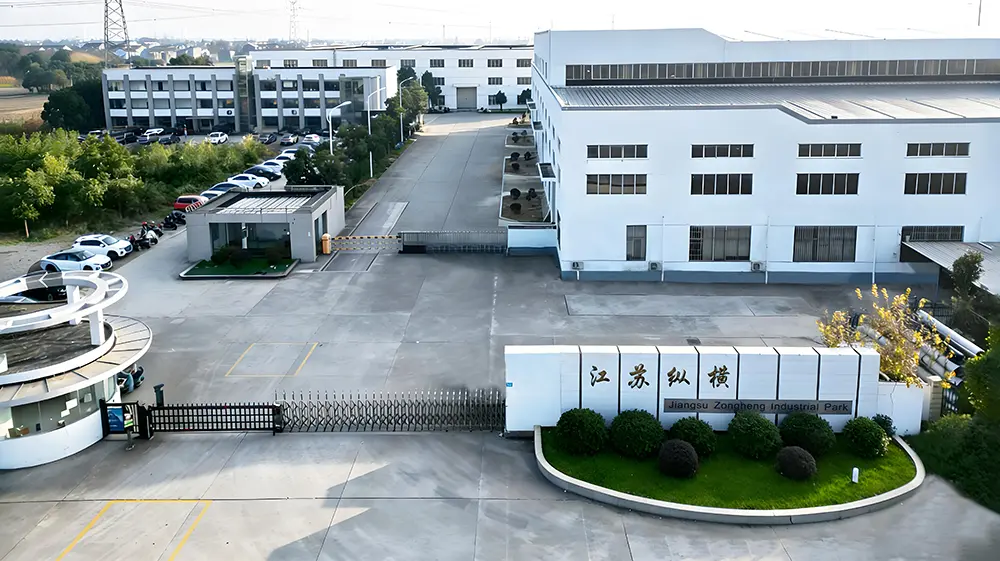
Currently operating with a 54,000+ m² footprint, 22,000+ m² workshop space, and a workforce including senior engineers, engineers, and assistant specialists.
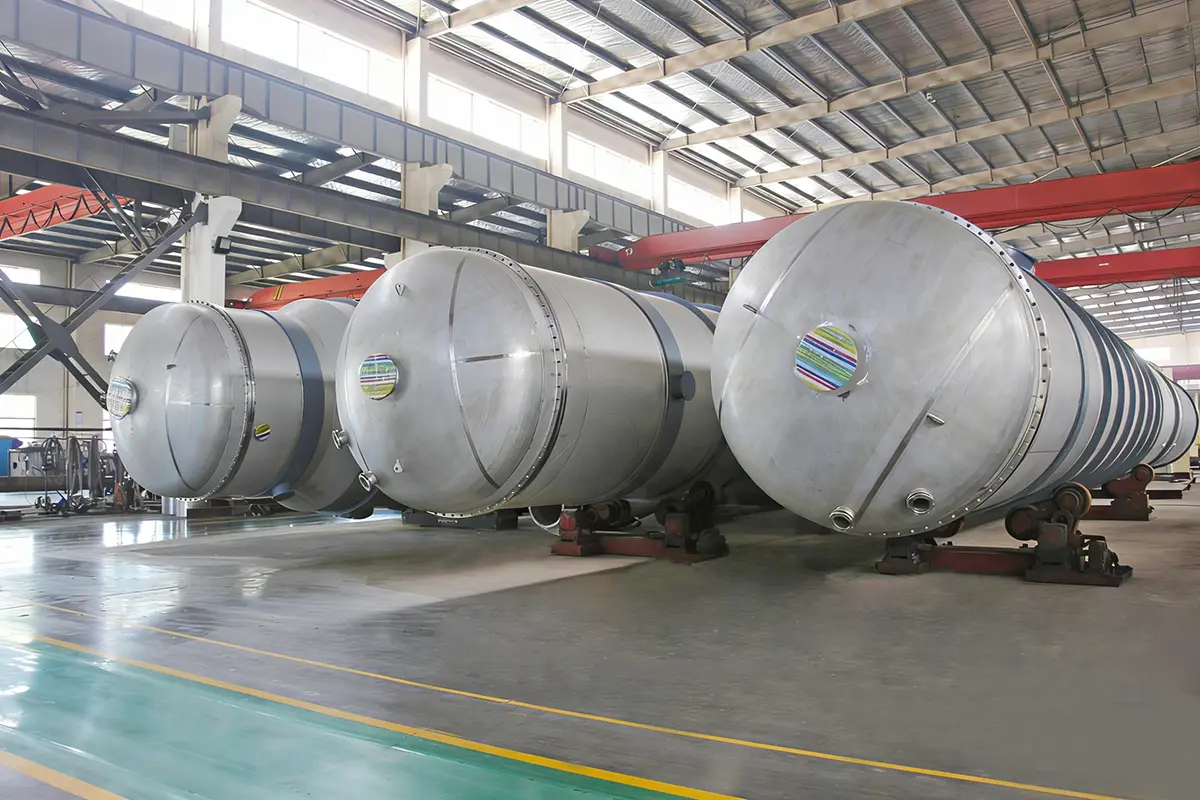

The operating cost of thermal concentration processes is primarily determined by steam consumption. Traditional evaporators release vaporized water into cooling towers, which wastes the latent heat. Our waste heat evaporator systems recover thermal energy from secondary sources, such as drying vapors, steam condensate, and exhaust gases.
By routing waste heat streams through custom-engineered shell-and-tube exchangers, we flash-evaporate process liquids without drawing fresh boiler steam. This process integration reduces fuel demands and decreases carbon emissions, aligning with global decarbonization initiatives.
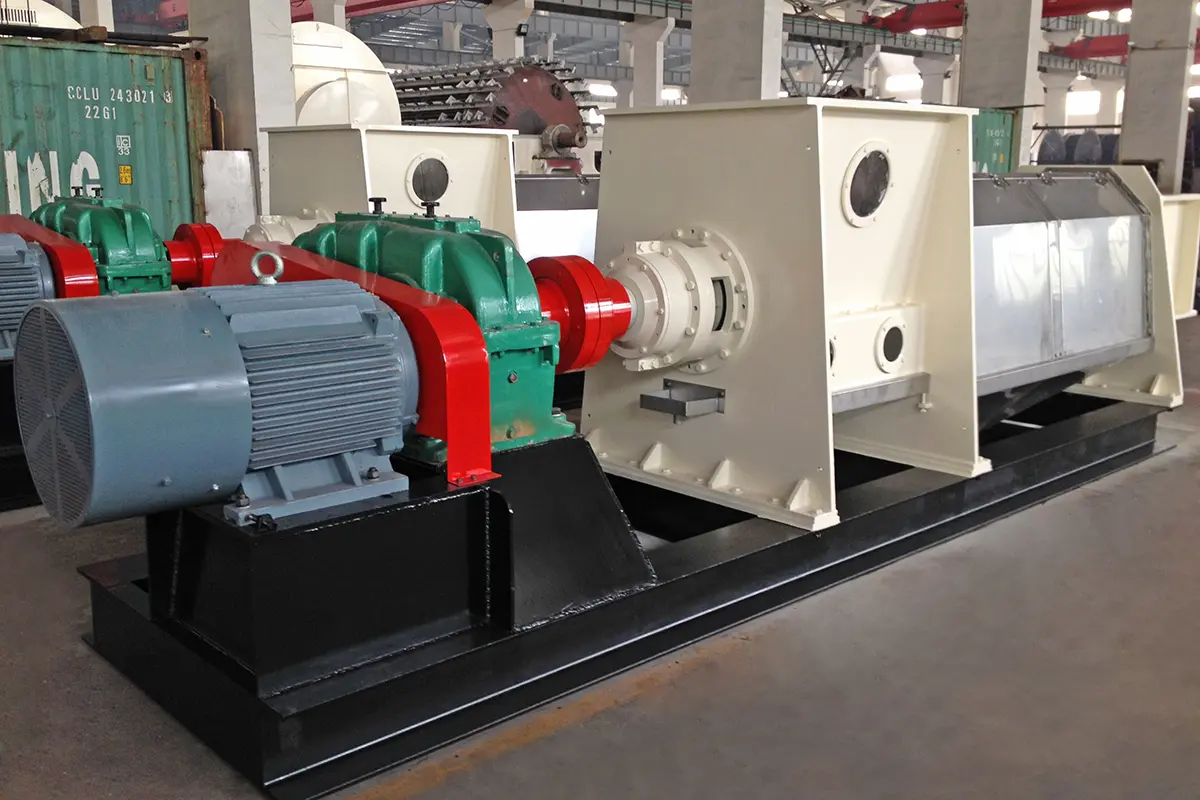
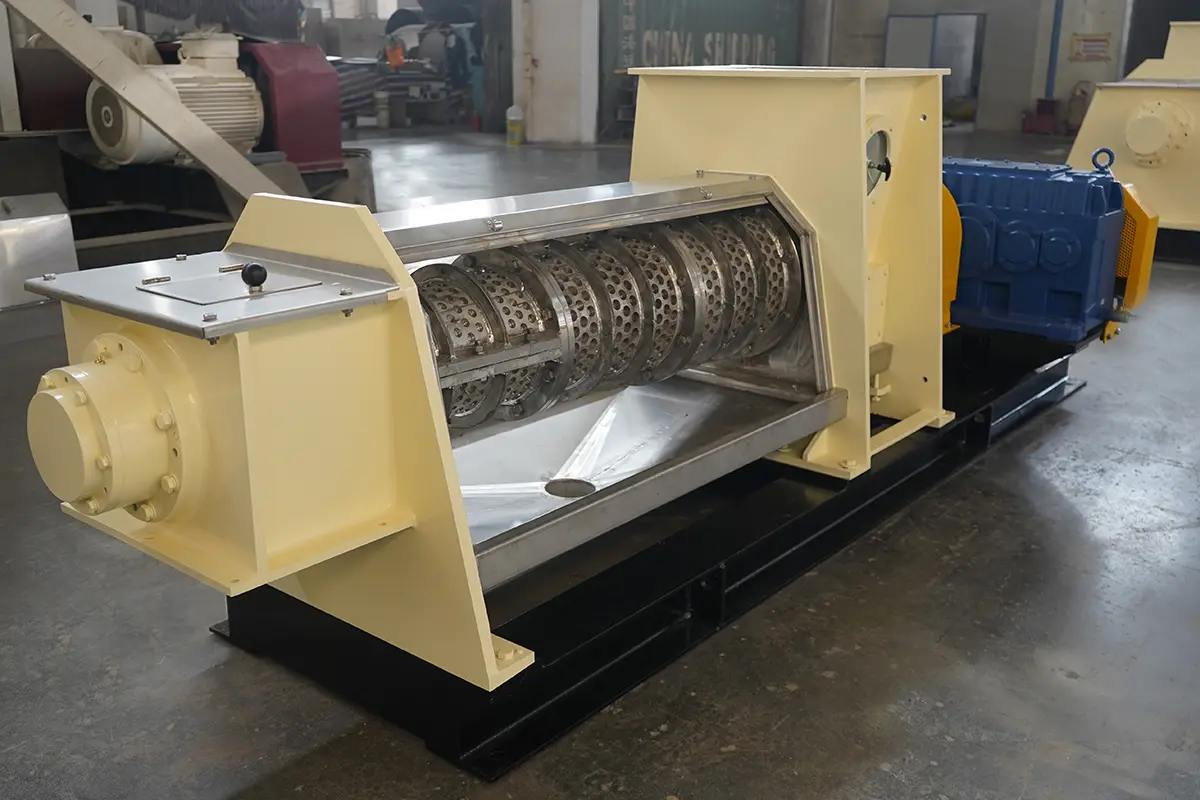
Concentrating liquid waste is only the first step. To achieve true Zero Liquid Discharge (ZLD), the concentrated slurry must be dewatered and dried into solid cake for landfilling or chemical reuse. Our technology integrates mechanical dewatering via single-screw presses with thermal drying via tube bundle and airflow dryers.
The Single Screw Press applies high mechanical pressure to separate bulk water, reducing the thermal load on the downstream dryers. The cake then enters the ZXG Tube Bundle Dryer or MQG Airflow Dryer, where indirect heating or pneumatic convection reduces moisture content to stable storage targets.
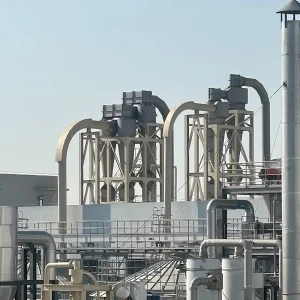
We welcome friends from all industries worldwide to visit our facilities in Jiangsu and explore custom options for energy-efficient evaporation and drying plants.
Obtain technical details, flow charts, and layout drawings tailored to your feed material profiles.
 Zongheng