ASME-Certified, Energy-Efficient Separation & Industrial Liquid Concentration Systems Engineered for Global Processing Sectors
Industrial concentration processes require a delicate balance of thermal efficiency, product preservation, and mechanical reliability. The Falling Film Type Evaporator stands at the pinnacle of modern chemical, food, and environmental separation technology. By facilitating high heat transfer coefficients even at minimal temperature differences, this class of thermal processing equipment is crucial for operations looking to optimize energy consumption while handling heat-sensitive products.
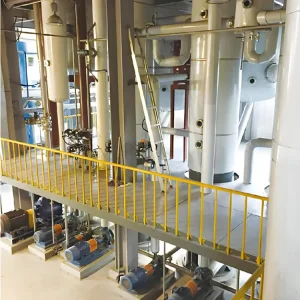
The operational superiority of a falling film evaporator lies in its ability to distribute process liquids as a continuous, uniform, and thin film flowing down the internal surfaces of vertical heat exchanger tubes. The process fluid is fed at the top of the evaporator chamber, where it passes through a specialized distribution system designed to establish an even flow across all tubes. Driven by gravity, the liquid descends at a controlled rate, developing a thin boundary layer that minimizes thermal resistance.
As heating steam or hot vapor contacts the external surfaces of the tubes, rapid heat transfer occurs. The liquid film quickly reaches its boiling point, generating vapor that flows parallel with the co-current liquid downward through the core of the tubes. This co-current vapor flow exerts a shear force on the liquid boundary layer, stabilizing the film, accelerating flow velocity, and preventing local dry spots that can lead to scaling, thermal degradation, or fouling of the processing tubes.
Specialized liquid distribution plates ensure even film formation, eliminating dry-spot occurrences that lead to product decomposition and tube fouling.
The thin boundary layer allows for high heat transfer coefficients under minimal temperature differentials, reducing energy consumption.
Minimal hold-up volume ensures products flow through the system in seconds, preserving chemical properties of heat-sensitive materials.
To reduce operational costs, industrial processing plants employ advanced thermal integration setups. Understanding the distinctions between Multi-Effect Evaporators (MEE), Mechanical Vapor Recompression (MVR), and Thermal Vapor Recompression (TVR) is critical for system selection:
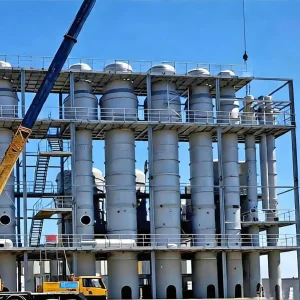
Multi-Effect Evaporators (MEE): In this configuration, multiple evaporator bodies (effects) are connected in series. The vapor generated in the preceding effect serves as the heating source for the subsequent effect, which operates at a lower pressure and boiling temperature. This cascading mechanism drastically reduces live steam requirements.
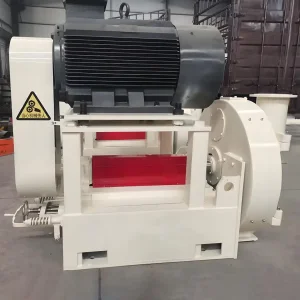
Mechanical Vapor Recompression (MVR): By utilizing a centrifugal compressor or high-pressure fan, MVR systems compress the waste vapor generated during evaporation. This mechanical compression raises the vapor's pressure, temperature, and enthalpy, allowing it to be recycled as the heating medium for the same evaporator effect. MVR configurations eliminate the need for fresh boiler steam during steady-state operations, achieving unparalleled thermal efficiency.
Thermal Vapor Recompression (TVR): TVR systems utilize a steam ejector (thermo-compressor) to draw in a portion of the generated vapor and mix it with high-pressure motive steam. This combined flow is then reintroduced into the heating chest. While requiring some high-pressure motive steam, TVR setups present a lower capital expenditure than MVR, offering a cost-effective solution for moderate energy savings.
| Technology Variant | Primary Energy Source | Steam Consumption Ratio | Typical CAPEX | Ideal Industry Applications |
|---|---|---|---|---|
| MVR Evaporation Plant | Electricity (Compressor Power) | ~0.05 (Virtually zero fresh steam) | High | Large-scale wastewater, chemical processing, starch concentration |
| Multi-Effect Evaporator (3 to 5 Effects) | Low/Medium Pressure Boiler Steam | 0.20 - 0.35 (Depending on effects count) | Moderate | Alcohol DDGS plants, food processing, diverse organic effluents |
| TVR-Assisted Evaporators | Motive Steam + Recycled Vapor | 0.15 - 0.25 | Moderate-Low | Dairy, sugar juices, corn steep liquor concentration |
| Forced Circulation Evaporator | Steam (High velocity pump circulation) | 0.30 - 0.40 | Moderate | High-fouling fluids, crystallization plants, salt separation |
In falling film evaporators, preventing tube fouling is critical to maintaining thermal performance and operational uptime. Fouling occurs when dissolved solids precipitate or organic components burn onto the tube walls, creating an insulating layer that reduces heat transfer. To prevent this, our systems utilize precise liquid distribution systems, such as specialized spray nozzles or overflow weirs, to keep the entire tube surface wet. Regular Clean-in-Place (CIP) cycles using formulated cleaning agents also help dissolve accumulated deposits without requiring mechanical disassembly, ensuring consistent performance over long production runs.
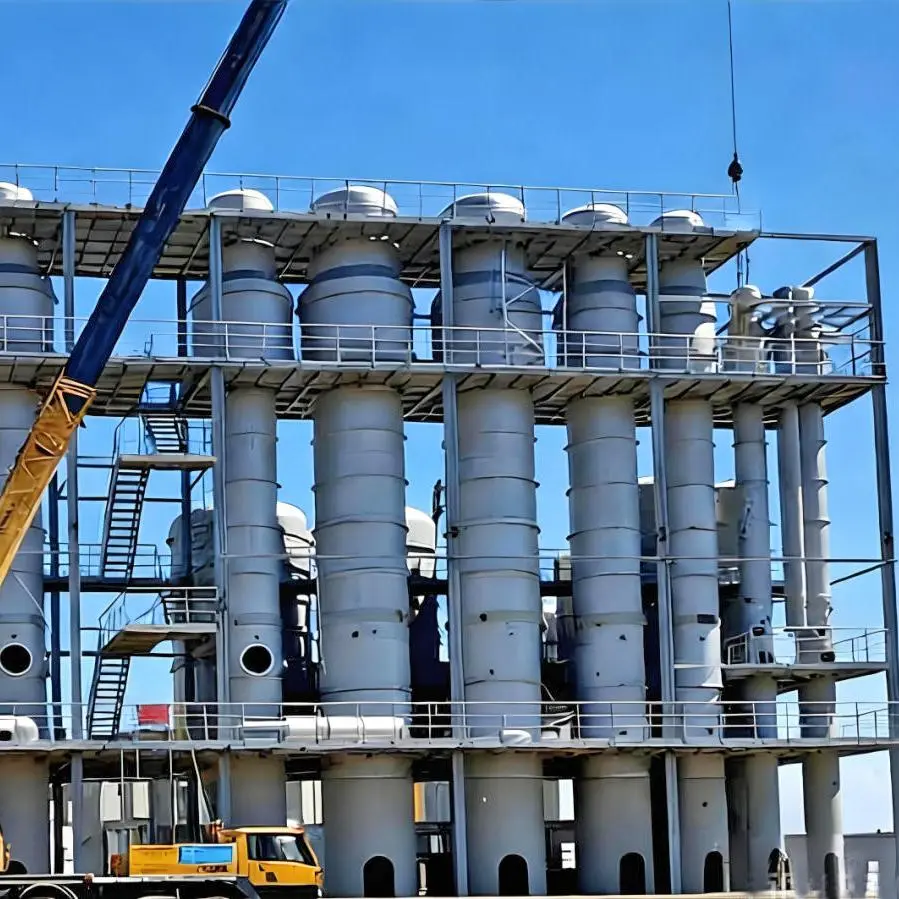
Our evaporation portfolio includes Falling Film Evaporation Plants, Forced Circulation Evaporators, and energy-efficient MVR/TVR systems. These systems are engineered to handle heat-sensitive liquids, reduce steam consumption, and concentrate process streams in starch, alcohol DDGS, chemical processing, and wastewater treatment applications.
Explore Technology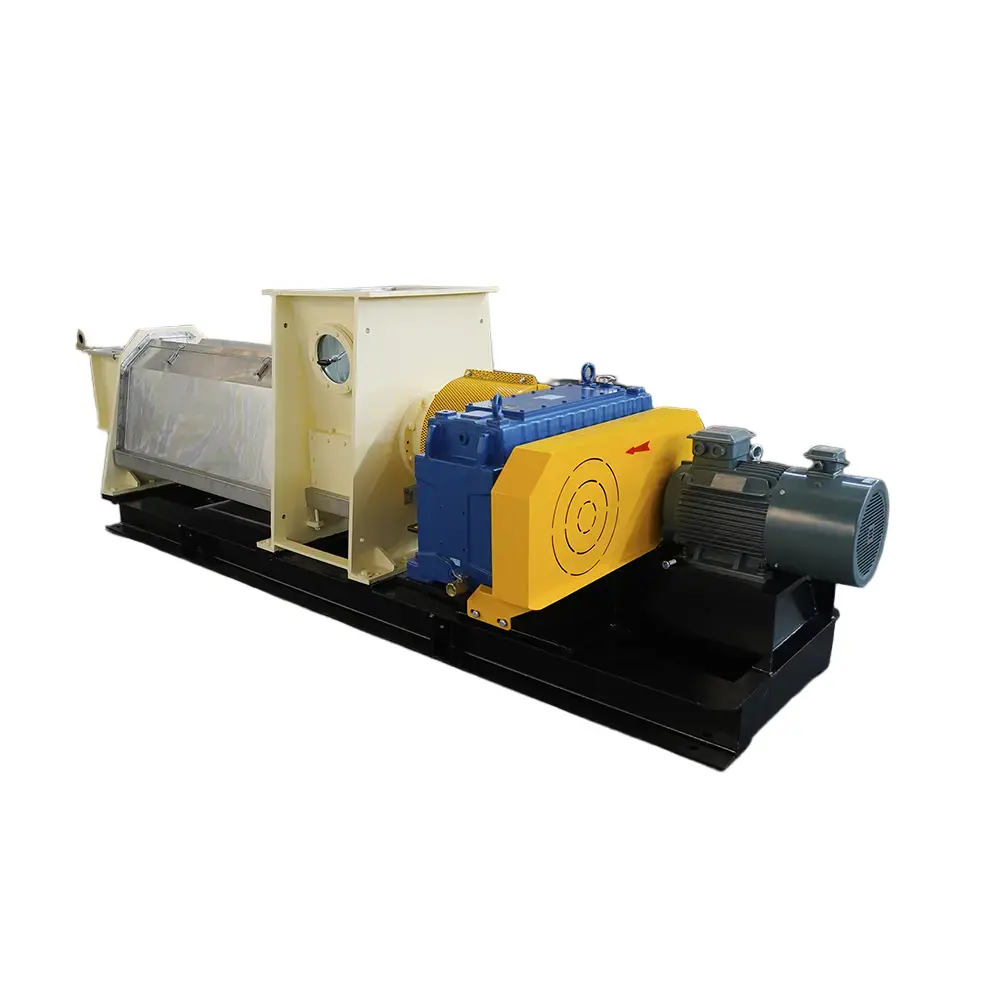
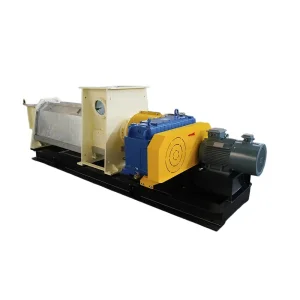
Designed for reliable dewatering of solid-containing materials. This high-efficiency single screw press applies mechanical pressure to squeeze moisture out of fibers, spent grains, pulp, and sludge, reducing thermal load in subsequent drying phases.
Learn More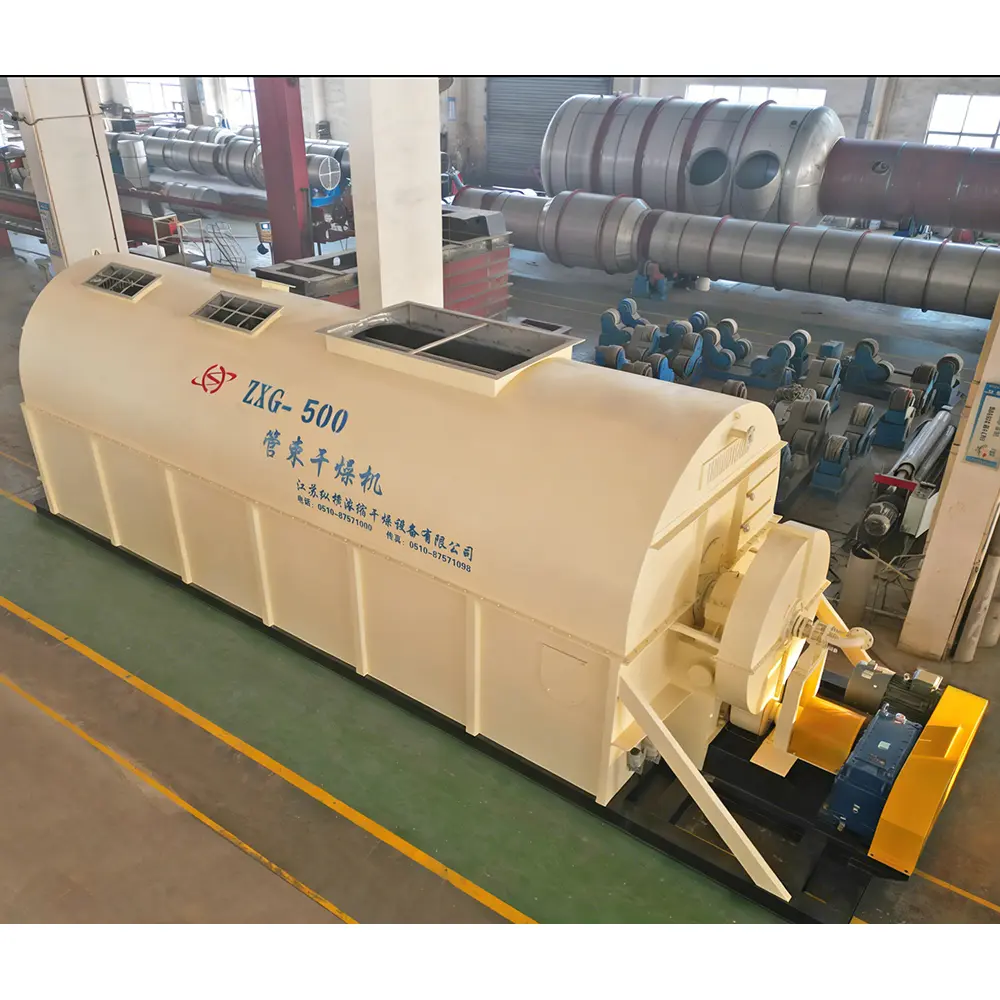
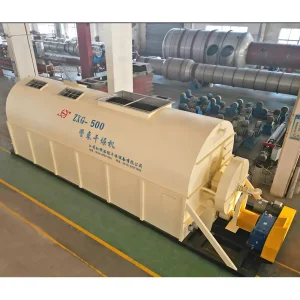
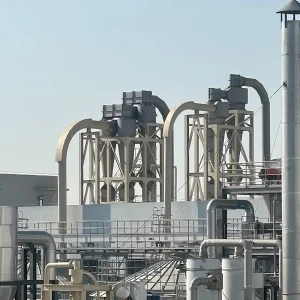
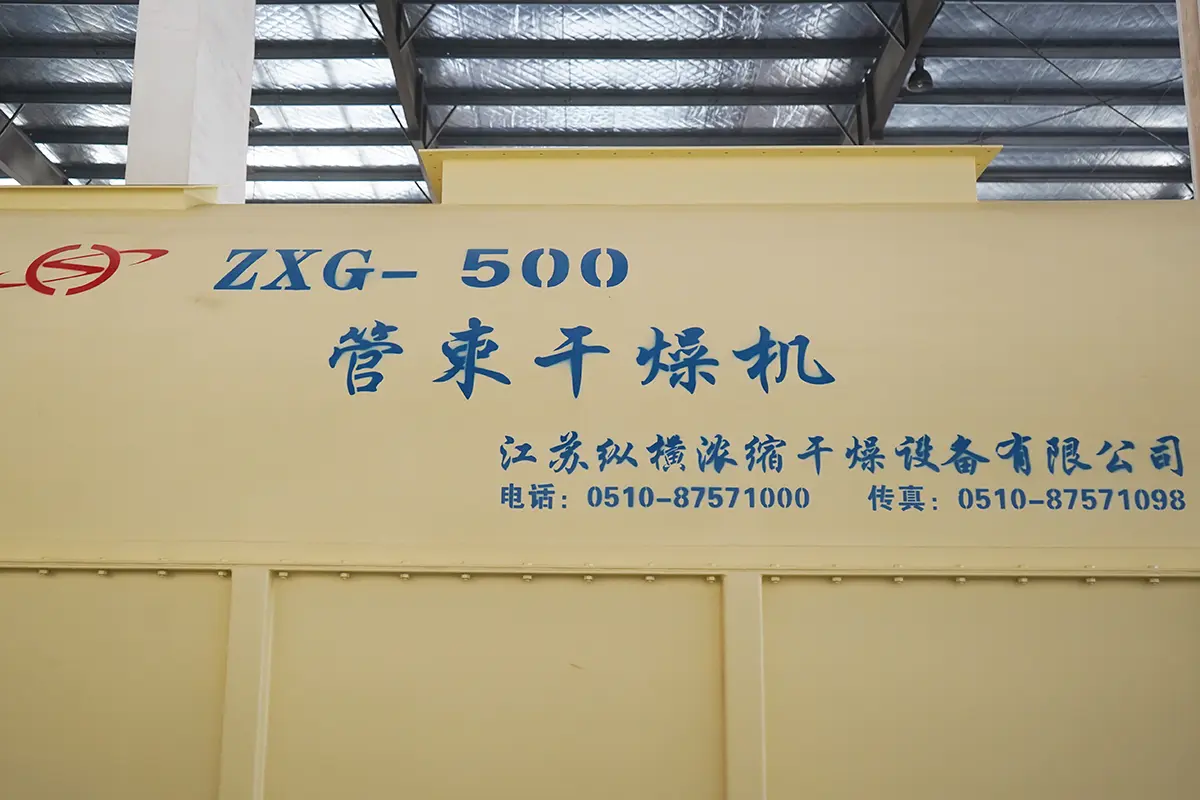
For indirect steam drying, our ZXG Tube Bundle Dryers offer stable, low-oxygen operation for corn fiber, gluten, germ, and chemical products. We also manufacture MQG Industrial Airflow Dryers, utilizing high-velocity hot air to dry materials during pneumatic transport.
View Dryers
Engineered for wet maize milling operations. These mills selectively break open corn kernels to release the starch while keeping the germ intact, optimizing germ recovery rates and down-stream refining processes.
Explore Mills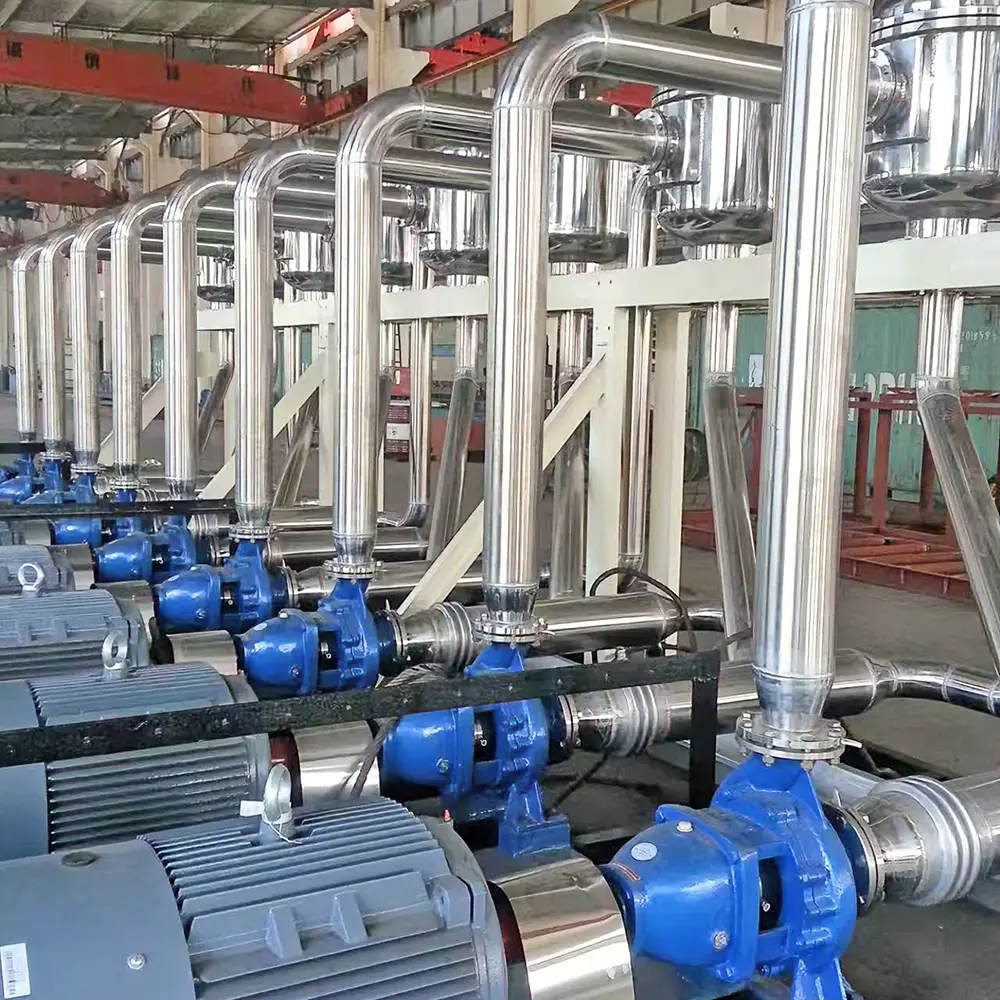
Specifically developed for washing, refining, and concentrating starch slurries. The multi-cyclone layout provides precise solid-solid separation, removing soluble proteins, fiber fragments, and impurities to yield high-purity starch.
Refining SolutionsFounded in 1992 as the Yixing Yangxi Light Industry Machinery Factory, Jiangsu Zongheng Concentrating and Drying Equipment Co., Ltd. has grown into a high-tech enterprise specializing in industrial concentration, drying, starch refining, alcohol DDGS systems, and Category III medium & low-pressure vessels.
Located in Zhoutie Town, Yixing City, on the shores of Taihu Lake, our manufacturing campus spans 54,000 square meters, featuring 22,000 square meters of heavy-duty fabrication workshops. As an active member of the China Starch and Alcohol Association, we deliver engineering designs and systems for the food fermentation, bio-refinery, chemical, pharmaceutical, and environmental protection sectors worldwide.
Yixing Yangxi Light Industrial Machinery Factory was founded with 45 employees, covering 15 mu of land, focusing on basic process equipment.
Obtained international quality management system certification, establishing standardized manufacturing processes.
Recognized as a Jiangsu Provincial High-Tech Enterprise, marking a shift toward proprietary technology development.
Obtained the pressure vessel manufacturing authorization from the People's Republic of China (License No.: TS2232C42).
Authorized to stamp pressure vessel designs according to Section VIII Division 1 of the ASME Boiler and Pressure Vessel Code.
Renewed and integrated ISO and international certification structures (Certificate No. 45021) for global projects.
Operating a 54,000 m² facility with 120 staff, including 3 senior engineers and over 20 specialized design engineers.
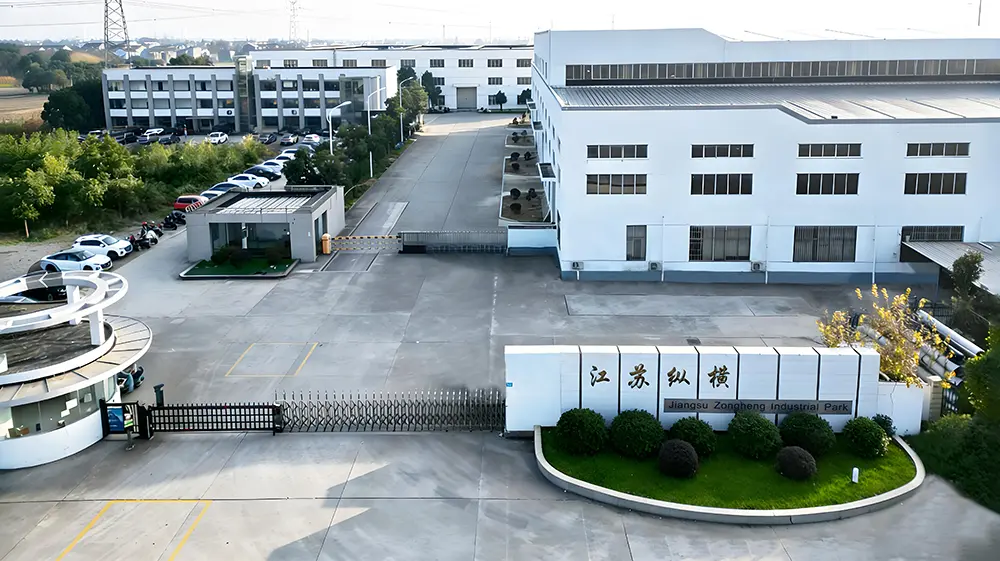
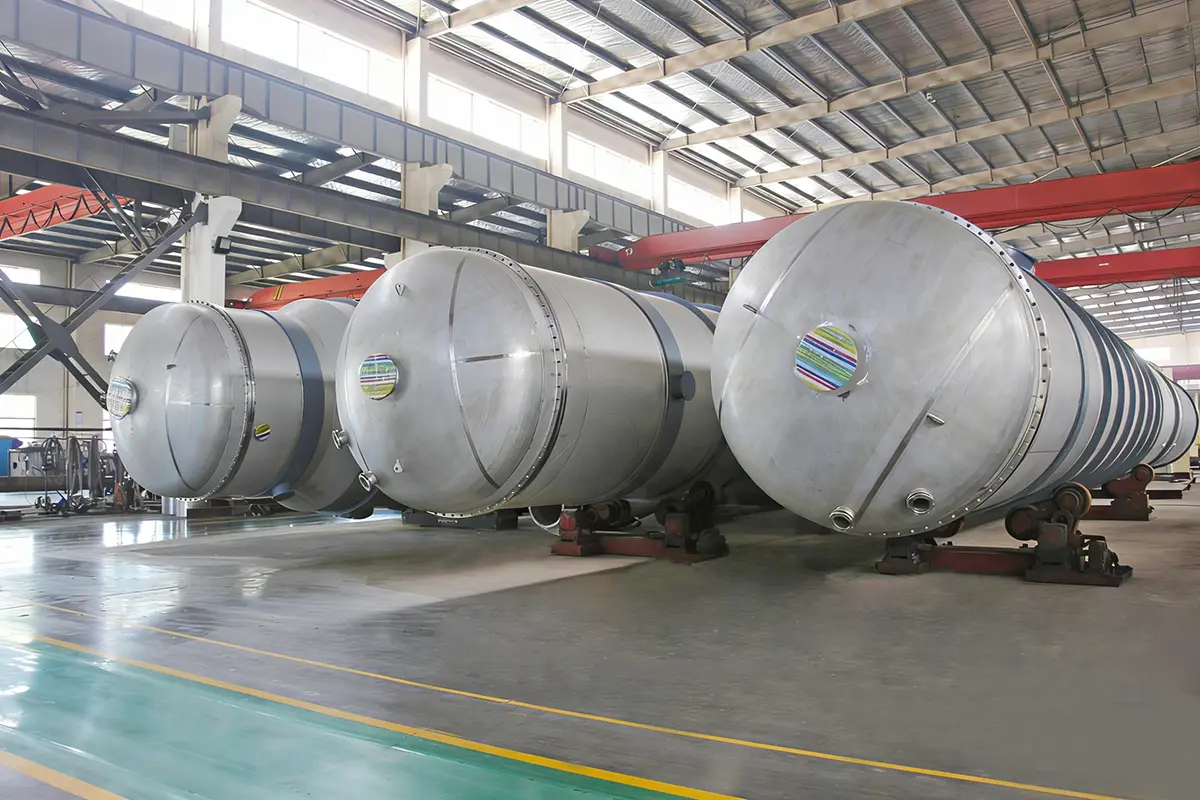
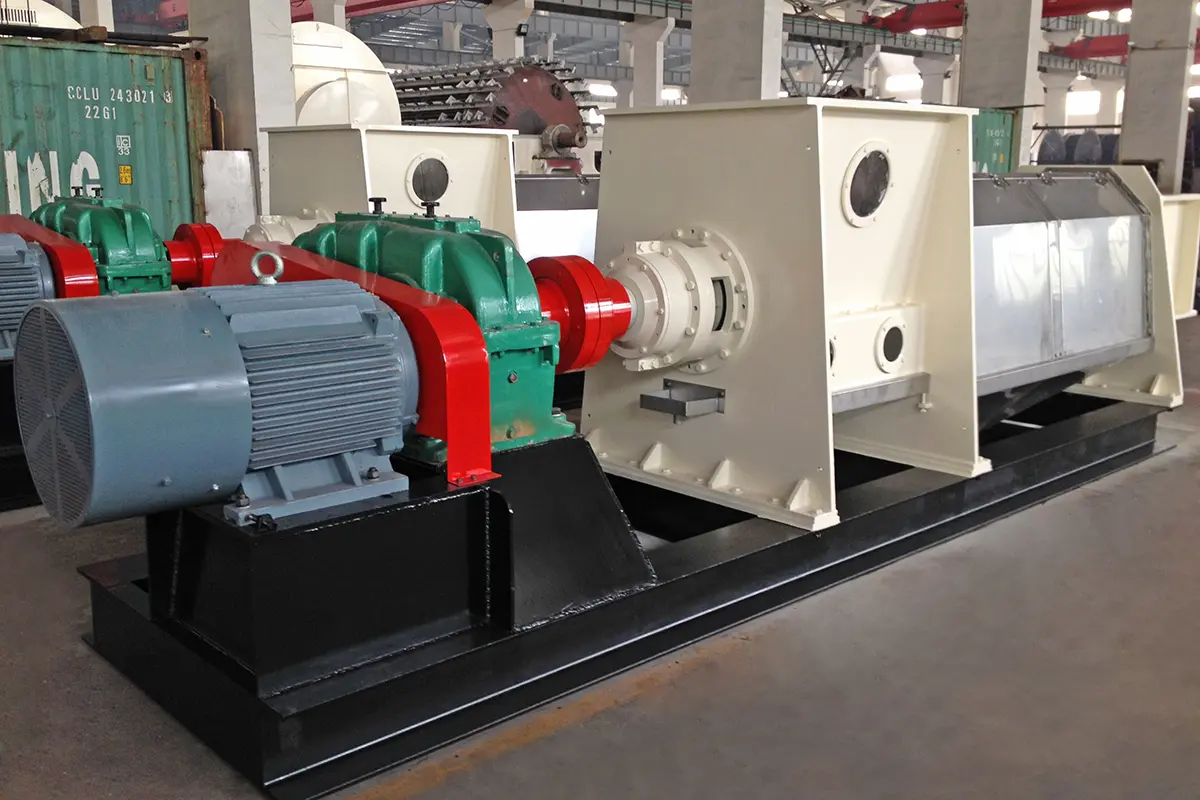
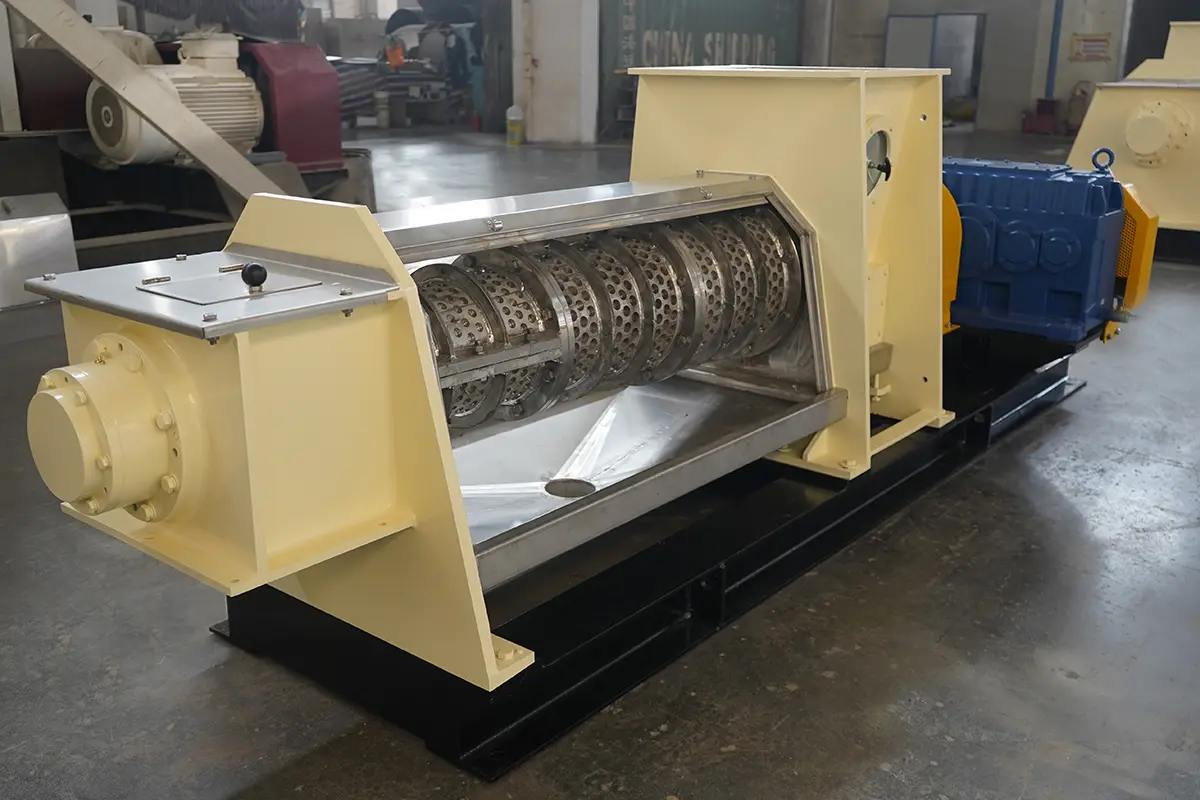
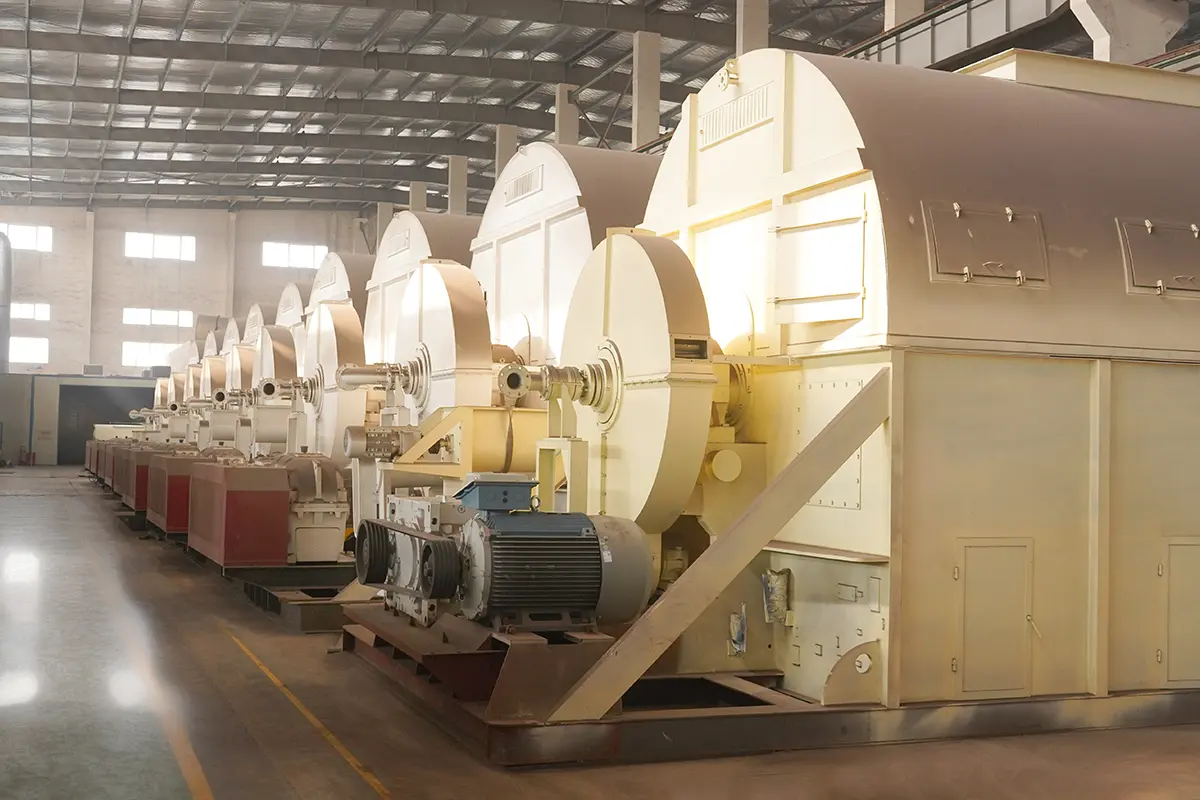
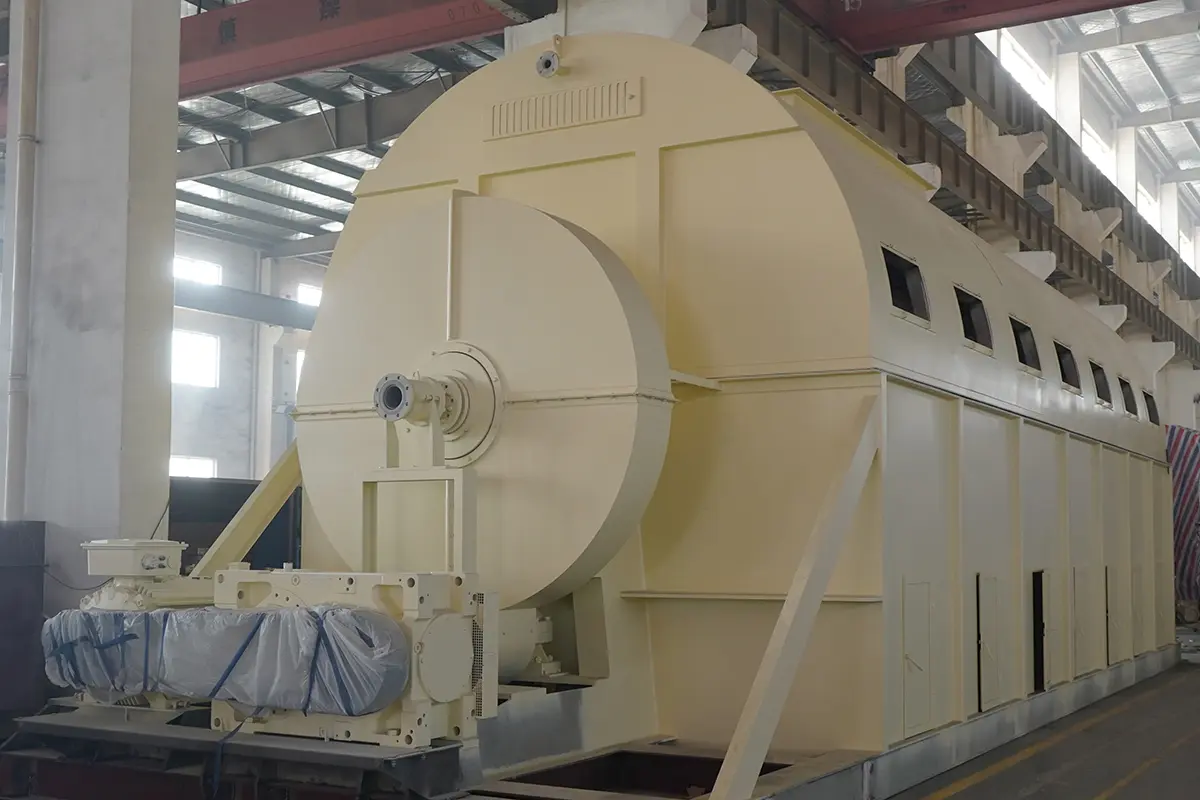
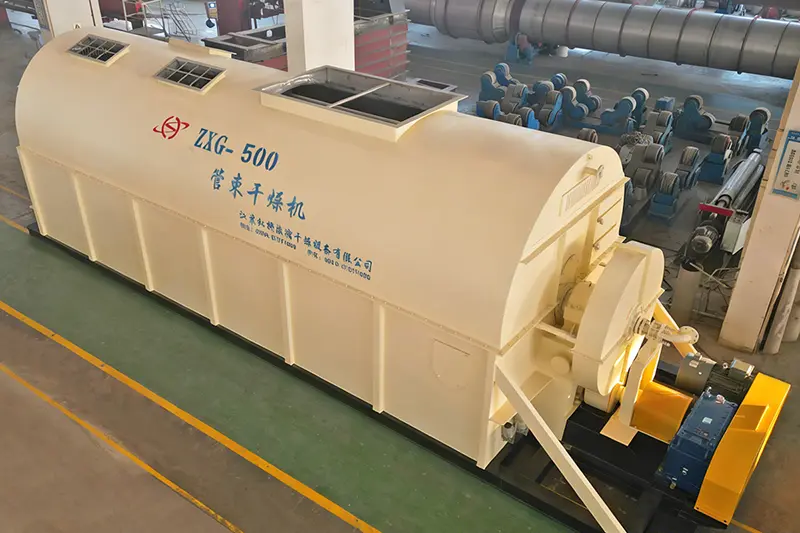
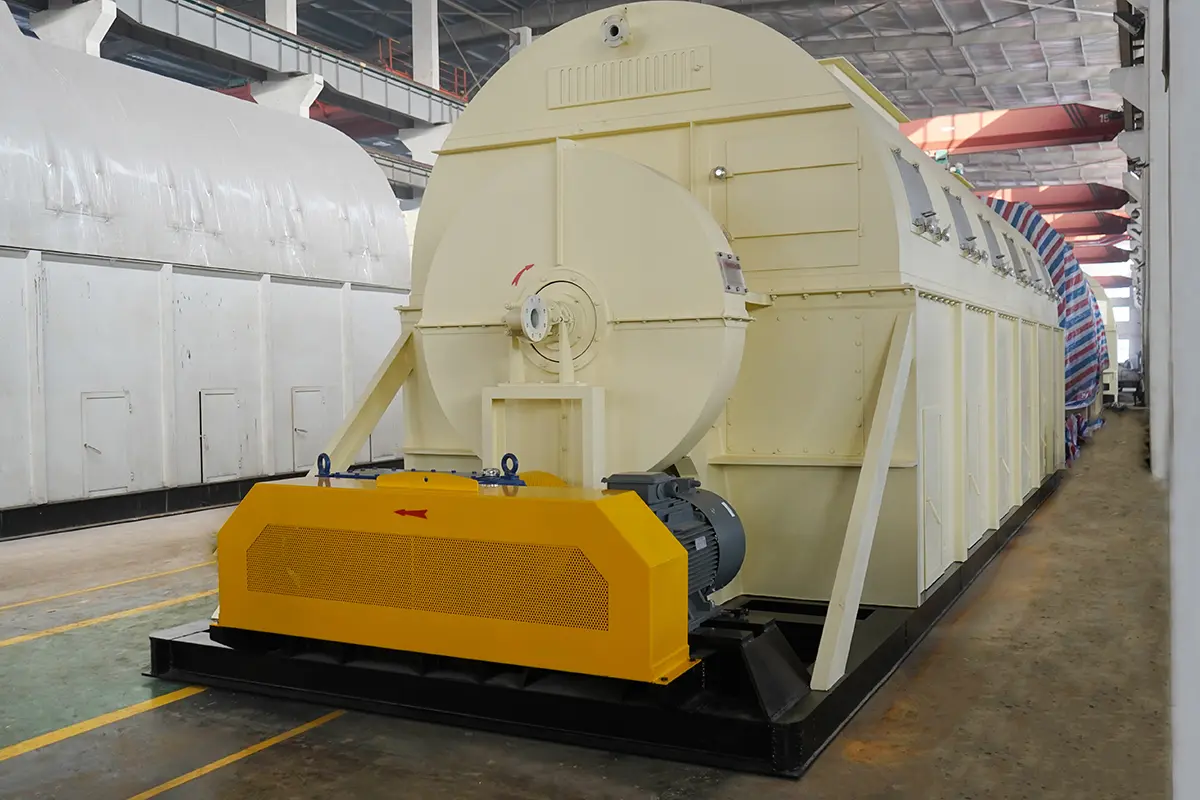
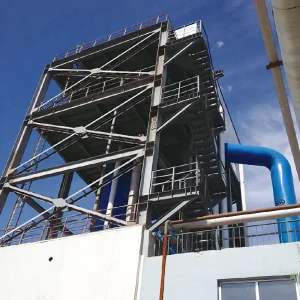
We warmly welcome domestic and international customers to visit our factory and explore custom process solutions.
Request a Quote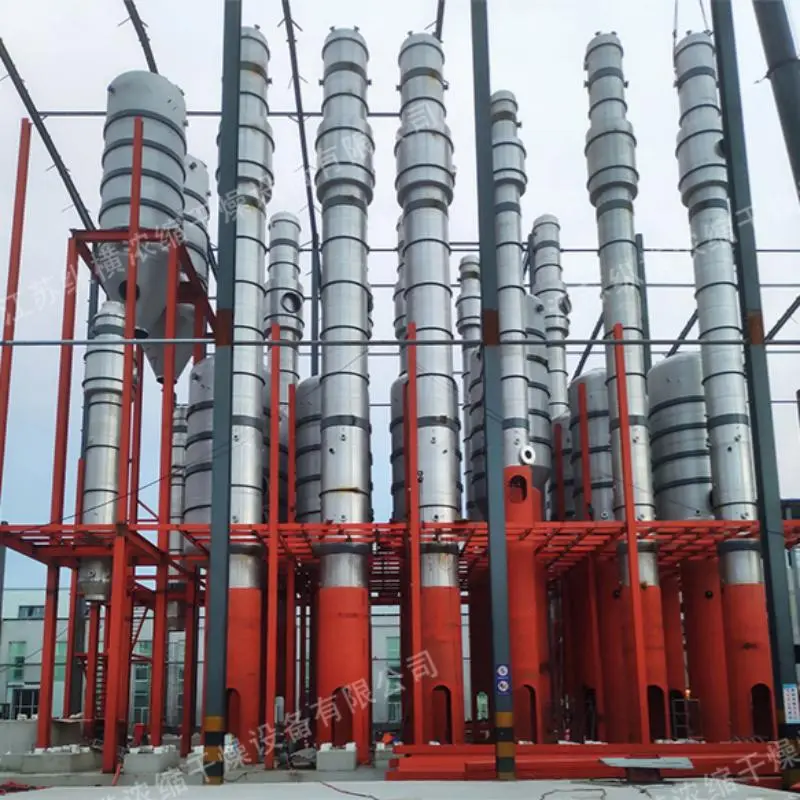
 Jun 18, 2026
Evaporators absorb heat to vaporize process liquids, while condensers release heat to liquefy vapor. Operating under vacuum or reduced pressure, evaporators concentrate process streams by separating volatile and non-volatile components, supporting resource recovery and energy conservation in industrial processing systems.
 Zongheng