Modern industrial processing plants faces stringent carbon taxation and soaring thermal energy costs. Evaporative separation is notoriously energy-intensive; hence, transitioning from direct-steam thermal units to mixed feed designs, waste heat harvesting, and Mechanical Vapor Recompression (MVR) is no longer optional—it is a critical economic imperative.
By extracting high-purity condensates from industrial waste streams, factories can close the water loop. Mixed feed evaporators enable the recovery of valuable by-products, such as corn steep liquor solids in wet milling and yeast/protein concentrates in ethanol fermentation (DDGS), turning high-BOD effluent into valuable feedstocks.
Regulatory agencies globally are enforcing ZLD mandates. Achieving zero-outflow operations requires robust evaporative concentrators capable of handling elevated boiling point rises, severe crystallization, and complex scaling parameters without frequent shutdown cycles.
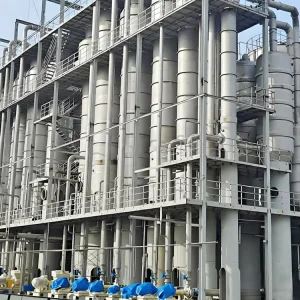
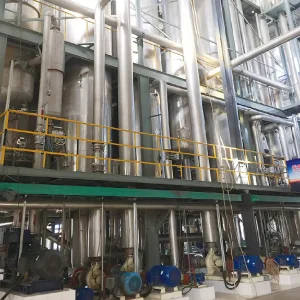
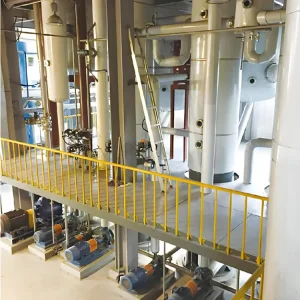
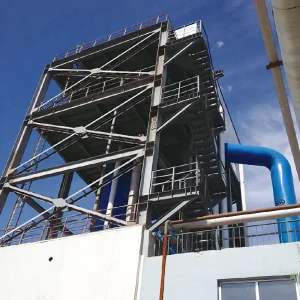
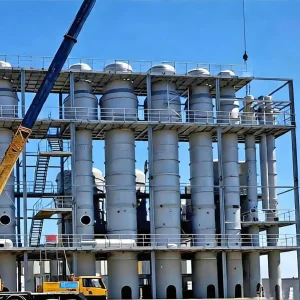
Mixed feed evaporators combine the distinct operational advantages of multiple process routes—such as co-current, counter-current, and split-feed patterns—to handle variations in material viscosity, thermal sensitivity, and solids concentration. By systematically directing the process liquid through different stages, manufacturers achieve high heat transfer coefficients and limit product degradation.
In a standard configuration, dilute feed liquor is first routed to the intermediate effects (where temperatures are moderate) to initiate concentration without scorching. The partially concentrated liquid is then pumped to the final hot effects for crystallization or high-solids concentration, while the raw feed preheats using secondary waste vapors. This thermal architecture maximizes the coefficient of performance (COP) and lowers utility consumption.
Our custom thermal layouts incorporate vertical falling film designs for low-viscosity stages to secure high heat flux values, and transition to forced circulation loops in the final concentration stages to prevent structural fouling and sustain stable fluid velocities.
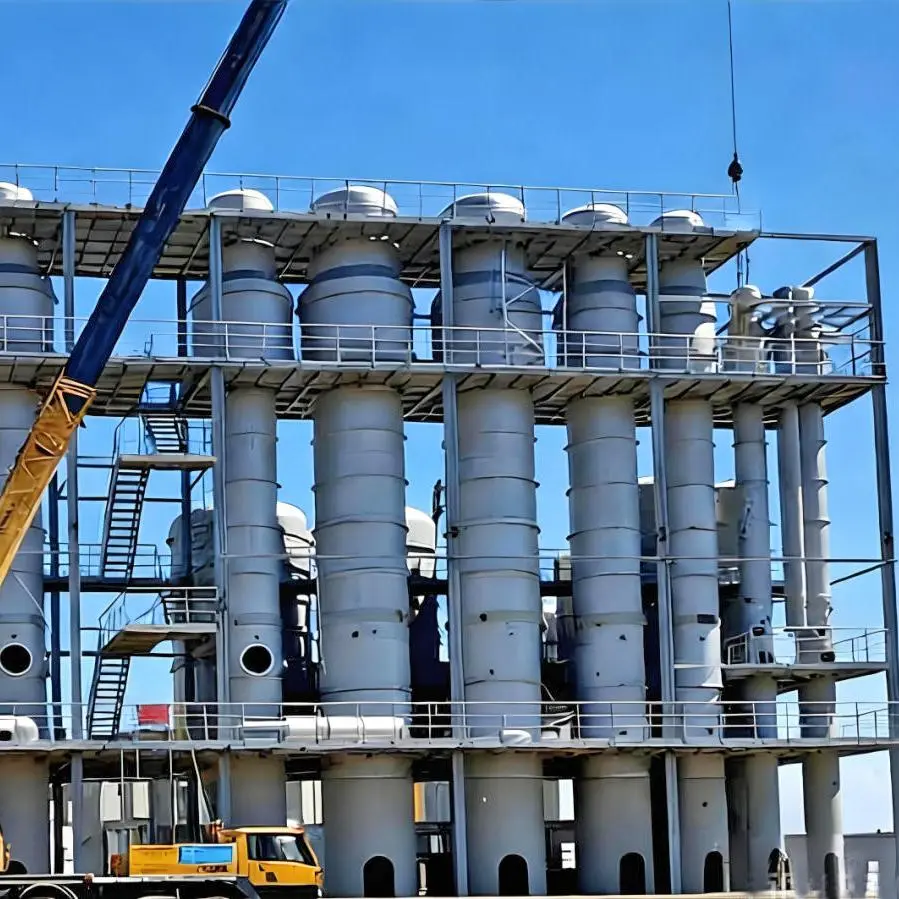
Engineered for low-viscosity, heat-sensitive fluids. Liquid flows down the inside of vertical heat exchange tubes as a thin film, generating rapid evaporation under a short residence time. This layout preserves product viability in food, pharma, and chemical processes. Liquid distribution systems are optimized to prevent dry patches and localized scaling.
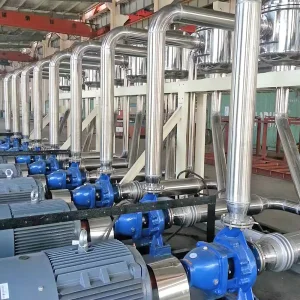
Designed for highly viscous, scaling, or crystallizing liquids. The process fluid is pumped continuously at high velocities through the heat exchanger tubes, maintaining high heat transfer rates. Boiling is suppressed inside the tubes by maintaining hydrostatic head, preventing crystallization and scale deposit on the thermal surfaces.
Mechanical Vapor Recompression represents the peak of thermal efficiency. Instead of venting secondary vapor, high-efficiency centrifugal compressors elevate its pressure and temperature, recycling the vapor as the heating medium for the same effect. This cuts live steam consumption by up to 90%, dramatically lowering operational overhead.
Capitalizes on low-grade thermal flows—such as dryer exhaust gases, flash steam, or hot effluent streams. By integrating waste energy recovery loops, these evaporators slash greenfield energy demands and reduce a plant's overall carbon intensity.
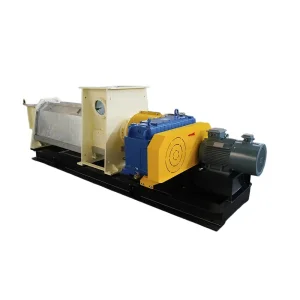
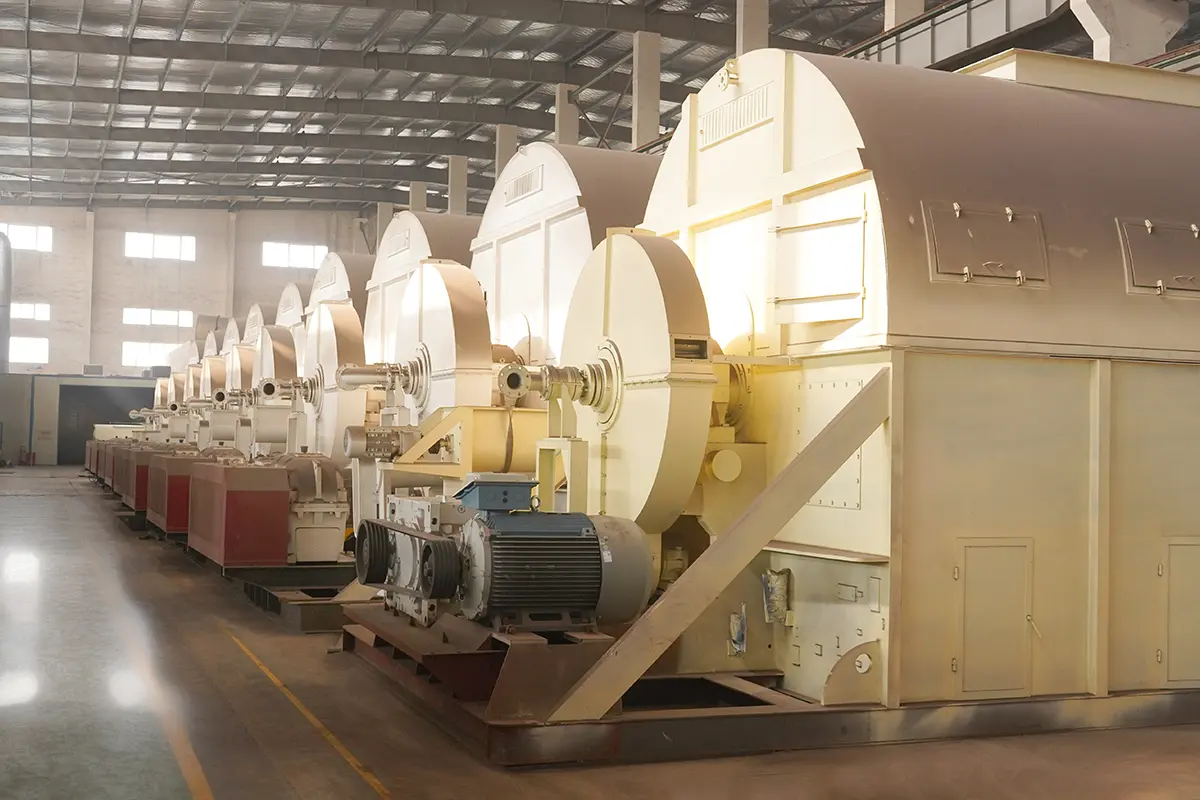
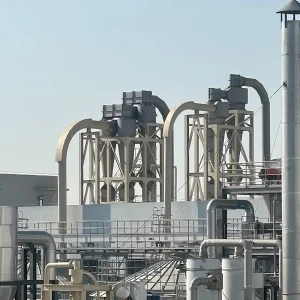
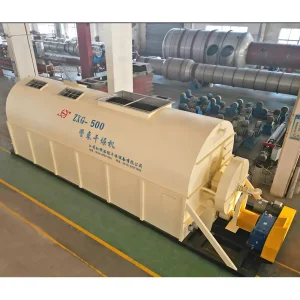
Utilizes indirect steam heating for safe, low-oxygen drying of bulk solids like corn germ, fiber, gluten, and spent grains. A rotating tube bundle inside a stationary housing ensures gentle mechanical turning, high heat transfer efficiency, and minimal particulate emission.
Employs high-velocity hot air to fluidize and convey wet materials. Specially shaped drying tubes vary in diameter to create impulse turbulence, continuously tumbling particles to ensure uniform drying within seconds of entry.
Includes high-purity YDX Starch Washing Cyclones and heavy-duty Degerming Mills. These units deliver precise mechanical separation, ensuring maximal starch yields, high germ extraction integrity, and trouble-free continuous runtimes.
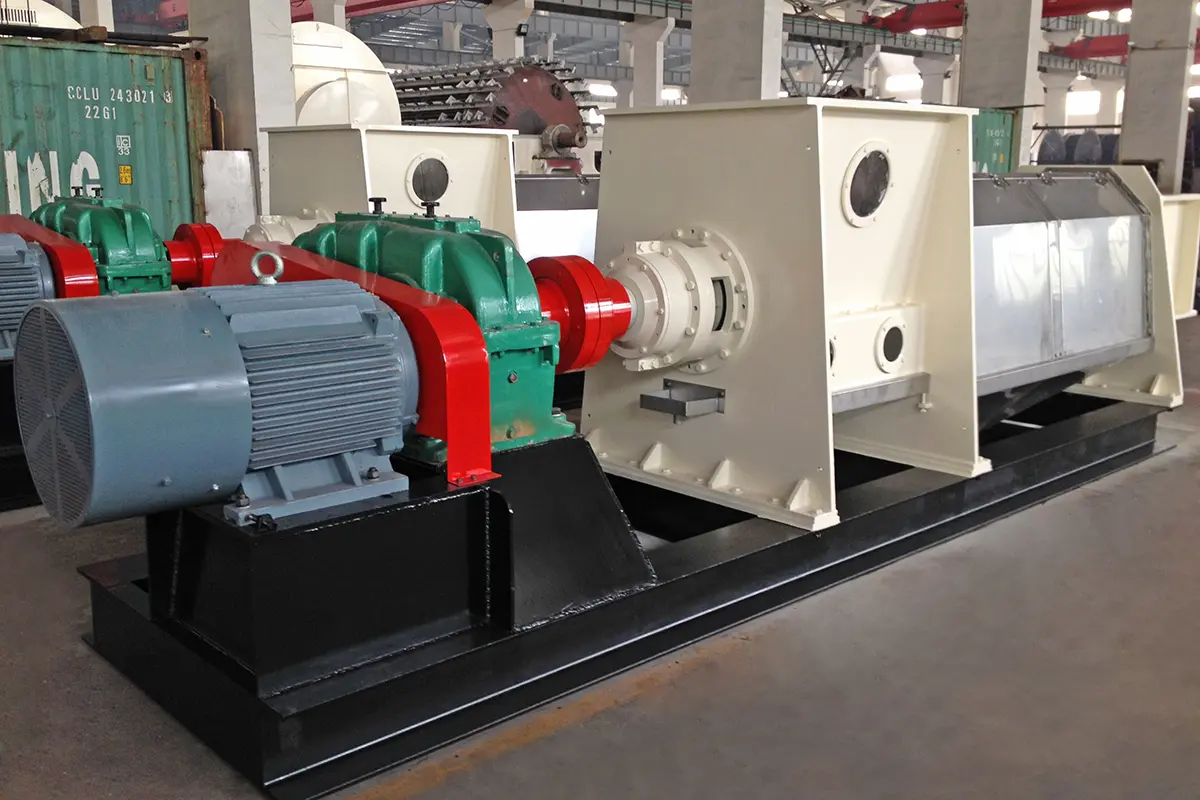
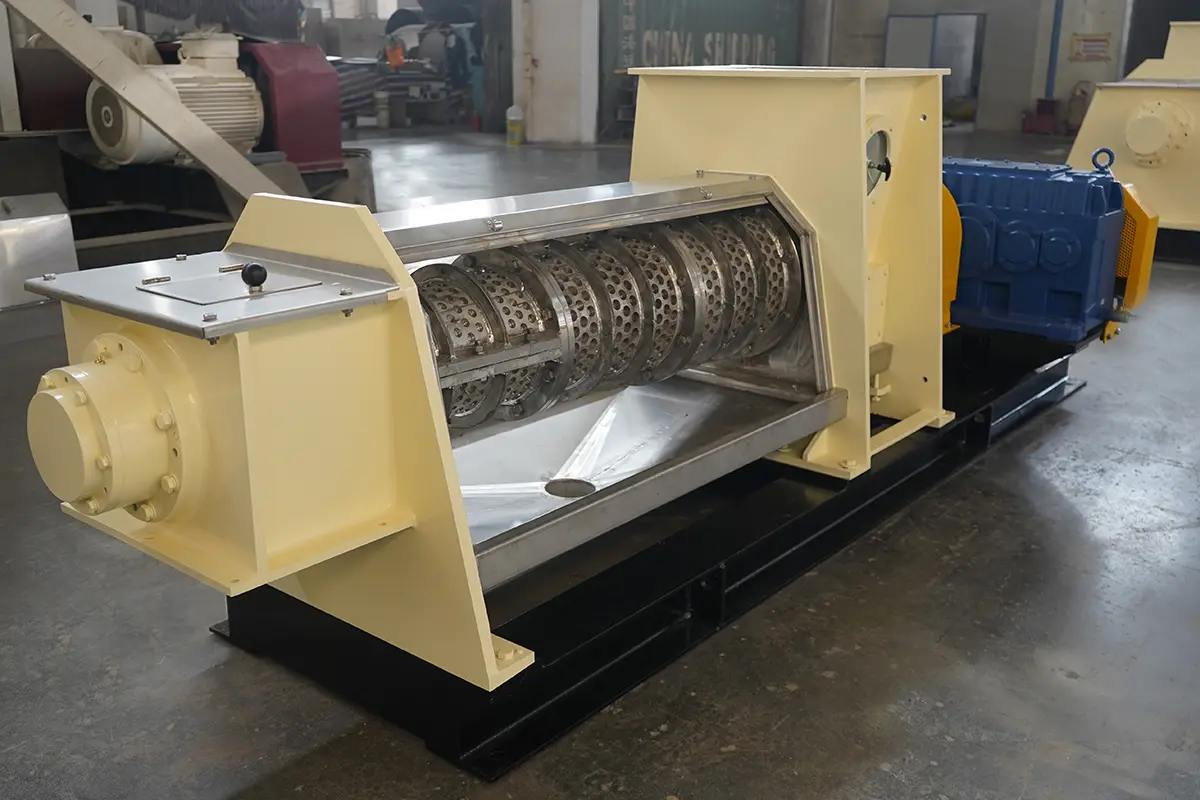
Provides highly efficient mechanical liquid extraction for fibrous materials prior to thermal drying. By squeezing free water out mechanically, the thermal load on downstream dryers is drastically reduced, saving millions in annual fuel costs.
Established originally as the Yixing Yangxi Light Industry Machinery Factory in 1992, Jiangsu Zongheng has evolved into a modern, high-tech industrial enterprise. Located in Zhoutie Town, Yixing City, on the shores of Taihu Lake, our facility spans over 54,000 square meters, featuring a 22,000 square meter state-of-the-art production workshop.
As a member of the China Starch and Alcohol Association, we are certified to build Class I, II, and III low-to-medium pressure vessels. Our engineering team comprises more than 20 credentialed engineers, backed by a workforce of 120 specialized fabricators, ensuring compliance with international manufacturing codes.
Established as Yixing Yangxi Light Industrial Machinery Factory with 45 employees across 15 mu of land.
Implemented international quality management protocols to standardize manufacturing workflows.
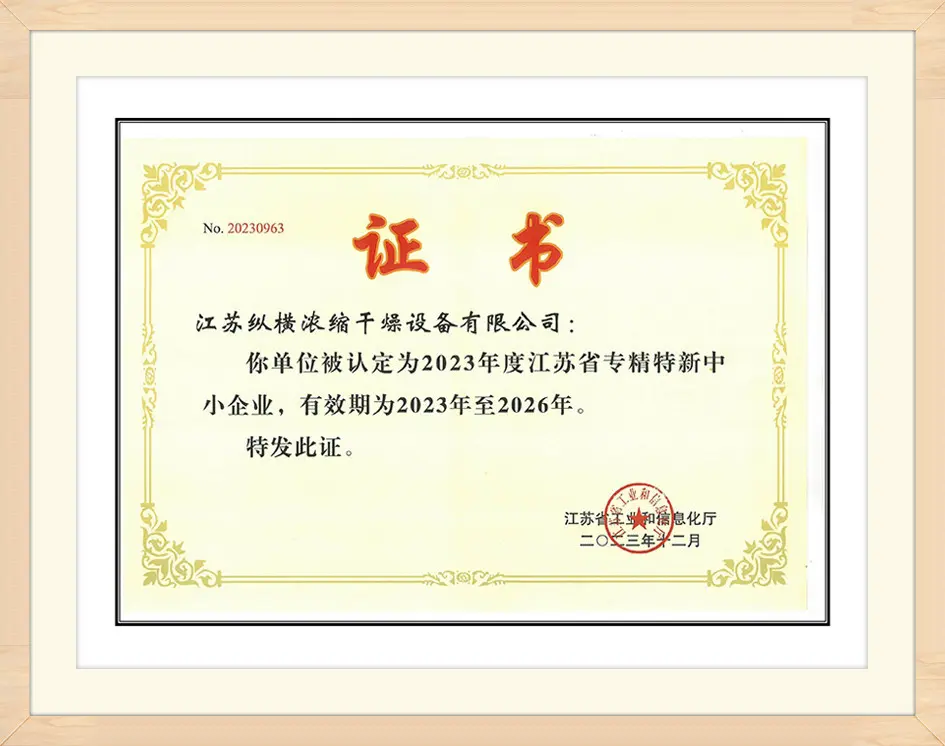
Officially recognized as a High-Tech Enterprise by the Jiangsu Provincial Government.
Obtained Special Equipment Manufacturing License of the PRC (License No.: TS2232C42).
Authorized to stamp vessels according to ASME Section VIII Division 1, opening global markets.
Acquired International Quality System Certification (No: 45021) for environmental and quality control.
Spanning 54,000 m² with a dedicated engineering hub focusing on MVR and advanced thermal systems.
Years of Experience
Qualified Engineers
Factory Area (m²)
Workshop Floor Area (m²)
Demand centers around high-capacity wet corn milling facilities, bio-ethanol plants (DDGS drying and syrup concentration), and strict EPA-regulated wastewater treatment systems. Quality certification like the ASME U-stamp is a critical baseline requirement.
Driven by strict energy efficiency mandates, decarbonization regulations, and circular bio-economy policies. High preference for MVR evaporators and multi-effect systems integrating thermal vapor recompressors (TVR) to reduce primary fuel usage.
Rapid industrialization in Southeast Asia, China, and India drives demand for robust, cost-effective, and scale-resistant evaporators for agro-industrial processing (cassava, corn starch, palm oil effluent) and chemical manufacturing.
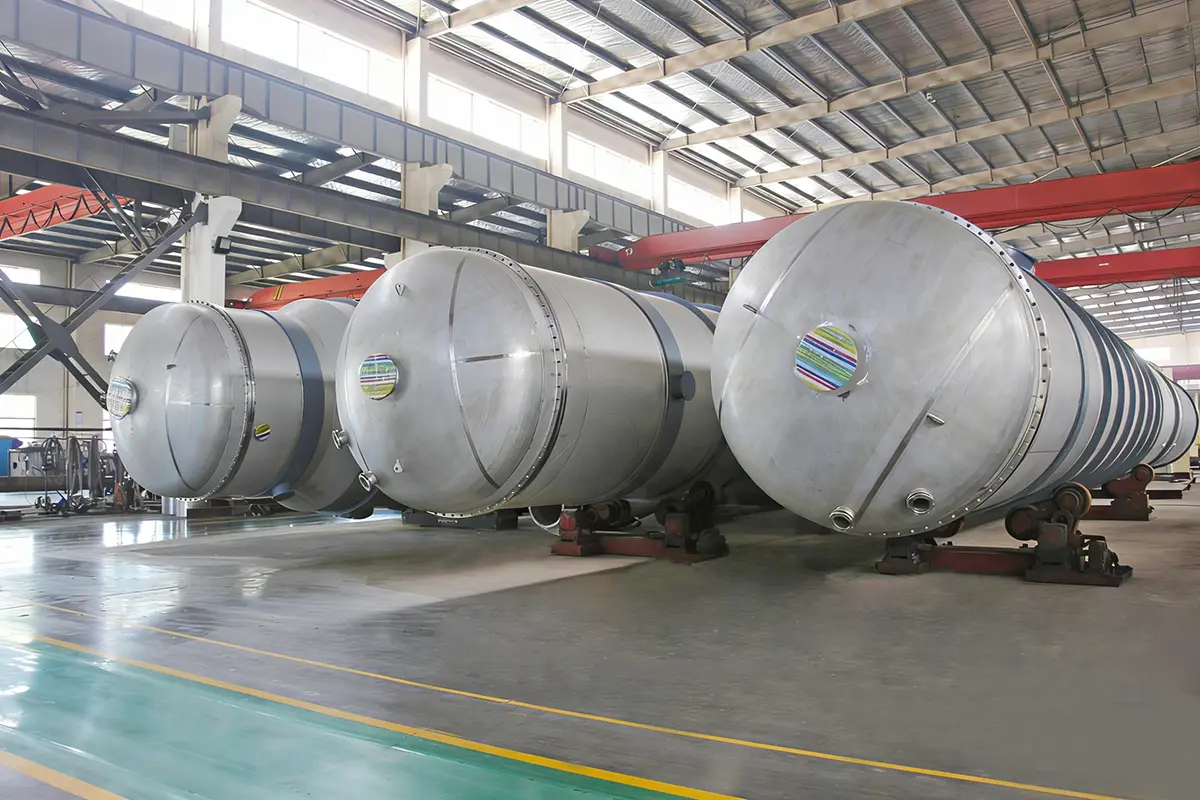
Operating pressurized steam equipment requires rigorous design validation. Jiangsu Zongheng maintains ASME "U" Stamp authorization, meaning our engineering drawings, material tracing, welding processes, and non-destructive testing (NDT) meet the highest global standards. Our CE-certified evaporation systems ensure full compliance with the European Pressure Equipment Directive (PED 2014/68/EU).
Every vessel we construct is subjected to hydrostatic tests, pneumatic tests, radiographic weld inspections, and third-party inspection reviews. This guarantees long-term mechanical integrity, preventing catastrophic operational failures and insuring human safety on-site.
We provide global delivery and localized engineering support. Our assistance spans the entire project lifecycle, including:
| Technology Type | Typical Steam Economy (Tons Evap / Ton Steam) | Electricity Demand (kWh / Ton Water Evap) | Ideal Application Range | Scaling & Fouling Sensitivity |
|---|---|---|---|---|
| Mechanical Vapor Recompression (MVR) | Up to 20-30 (Equivalent) | 15 - 25 kWh | Stable fluids with low BPE (e.g., starch washing water, thin stillage) | Moderate (Requires precise falling film distribution) |
| Multi-Effect Falling Film (4-6 Effects) | 3.5 - 5.2 | 2 - 4 kWh | Heat-sensitive organic products (e.g., milk, fruit juices, CSL) | Low (When liquid load is properly balanced) |
| Forced Circulation Crystallizer | 2.5 - 3.8 (Multi-effect) | 20 - 35 kWh | Highly viscous slurries, high solids, crystallizing salts | Very Low (Boiling suppressed inside tubes) |
| Waste Heat Multi-Stage Evaporator | Utilizes Waste energy (N/A) | 3 - 6 kWh | Integration with flue gas, dryer vapor, or engine exhaust | Low to Moderate (Custom tube diameters used) |
By integrating neural networks into PLC/DCS architectures, next-gen evaporators can predict fouling before it occurs. Algorithms adjust feed flow rates, vacuum pressures, and steam valves dynamically, optimizing throughput and extending runtimes between Clean-In-Place (CIP) cycles.
Future layouts will increasingly pair MVR with solar-thermal generation or high-temperature heat pumps. This eliminates fossil fuel dependance completely, positioning factories to meet net-zero carbon goals.
Handling corrosive effluents (e.g., high-chloride chemical wastewater) demands advanced metallurgy. Development is focused on titanium, duplex stainless steels (2205/2507), and Hastelloy materials to prevent stress corrosion cracking.
MVR (Mechanical Vapor Recompression) plants recycle the latent heat of secondary vapor by compressing it mechanically. This raises the energy state of the vapor, allowing it to act as the heating medium. This eliminates the need for large quantities of fresh steam, cutting operational costs by 60% to 90%. While multi-effect systems require massive steam boiler infrastructure, MVR systems operate primarily on electrical power, reducing carbon emissions if paired with clean electricity grids.
Fouling prevention depends on the design of the liquid distribution plate at the top of the heating chamber. The liquid must be distributed evenly to ensure that the inner surface of every tube is covered with a continuous, downward-flowing film. If the flow rate is too low, the film breaks (dry-out), causing the solute to bake onto the tube wall. Accurate calculations of wetting rates are critical to maintaining high heat transfer coefficients and avoiding scaling.
Boiling Point Elevation is the physical phenomenon where a solution boils at a higher temperature than pure water at the same pressure. For example, concentrated corn steep liquor or chemical salts can raise the boiling point by several degrees Celsius. This elevation reduces the effective temperature difference (ΔT) between the heating steam and the boiling liquid. Our engineers calculate BPE curves to correctly size the heat exchanger area and ensure target evaporation rates are met.
Indirect steam drying keeps the heating medium (steam) isolated inside the tubes, preventing direct contact with the product. The process chamber runs under low-oxygen, high-humidity, or vacuum conditions. This virtually eliminates dust explosion risks, preserves nutritional proteins (like gluten or germ), and prevents oxidation, making it far safer than direct-fired rotary or flash dryers.
Our ASME U-stamp authorization requires third-party inspection reviews at every phase. We use certified materials with full chemical and mechanical traceability, employ ASME-qualified welders, and perform extensive non-destructive testing (NDT), including radiographic testing (RT) of joints. An authorized ASME inspector signs off on the design calculations and pressure test logs before the vessel is stamped and shipped.
Authorizing pressure vessel manufacturing to global codes.
International Quality Management System certification.
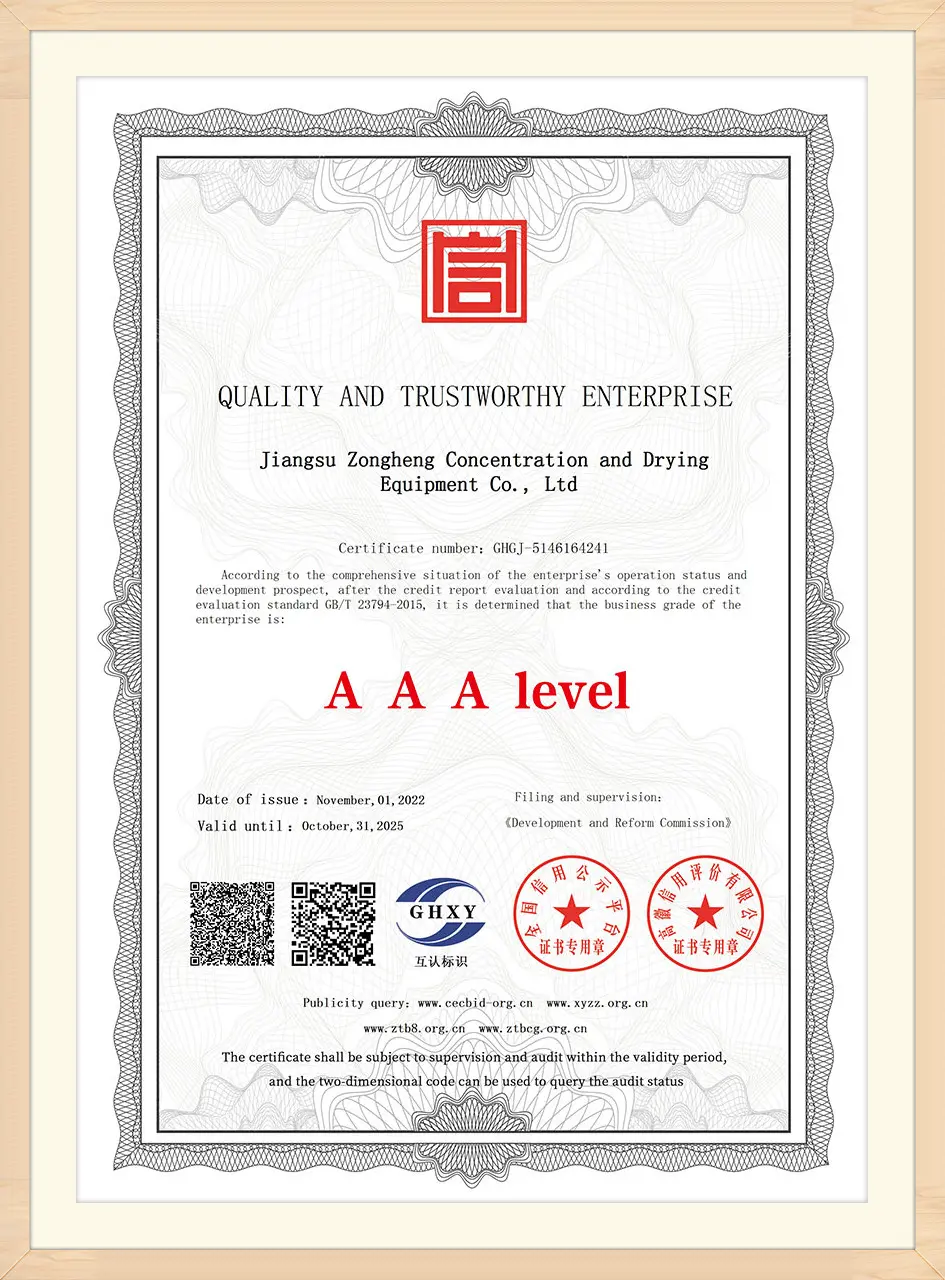
Special Equipment Manufacturing License of the PRC.
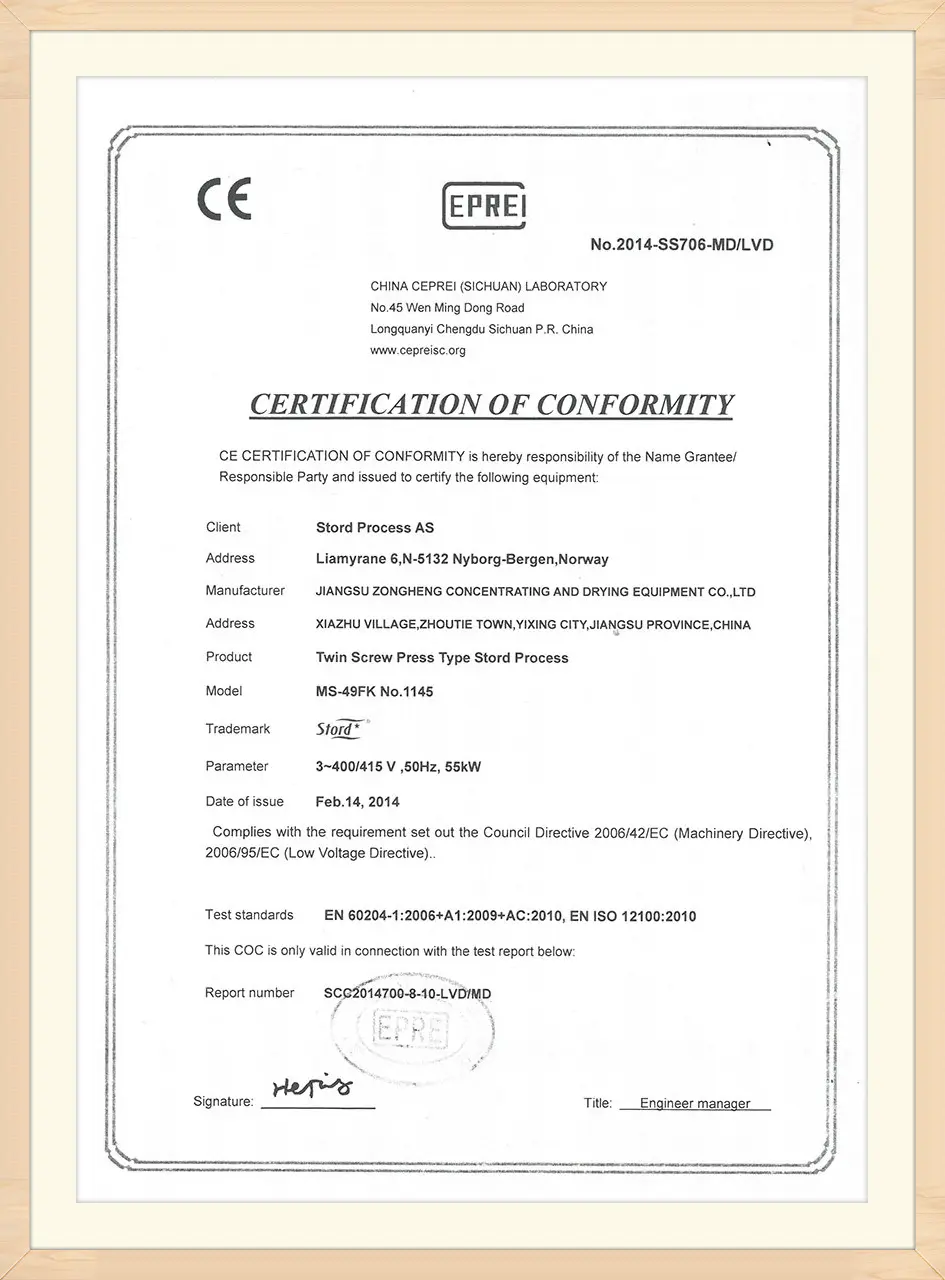
European conformity standard for pressure equipment safety.
Connect with our expert engineering team for custom calculation sheets and system designs.
 Zongheng