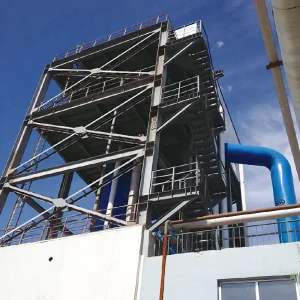
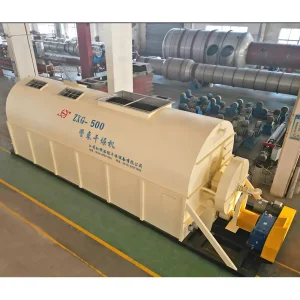
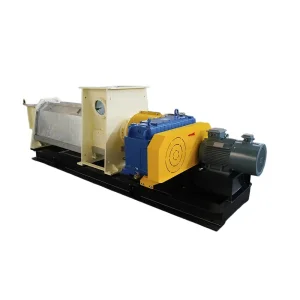
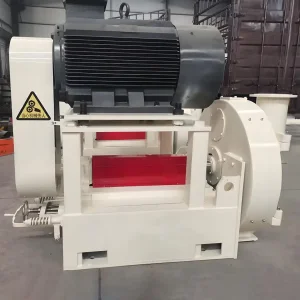
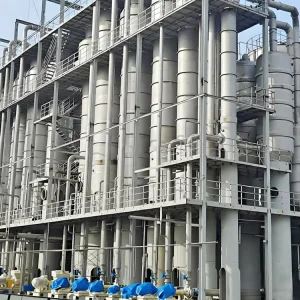
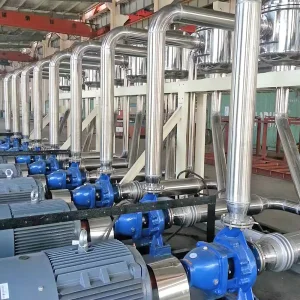
In the modern era of stringent environmental mandates, industrial manufacturing requires a strategic pivot in water conservation and byproduct recovery. The traditional linear model of wastewater disposal is rapidly being replaced by circular processing. Modern wastewater evaporator systems represent the technological cornerstone of this shift, facilitating transitions to Zero Liquid Discharge (ZLD) and Minimal Liquid Discharge (MLD).
Global environmental regulatory frameworks (such as US EPA guidelines, EU directives, and China's Green Development initiatives) demand strict oversight of industrial effluent. Discharging heavily polluted streams is no longer economically viable due to high treatment surcharges. Modern industries now utilize thermal evaporation to separate high-purity water from concentrated salt and solid sludges.
"By vaporizing the liquid phase, wastewater evaporator systems achieve volatile substance isolation, ensuring that more than 95% of processed wastewater can be reclaimed as high-quality boiler feed or system recycle water."
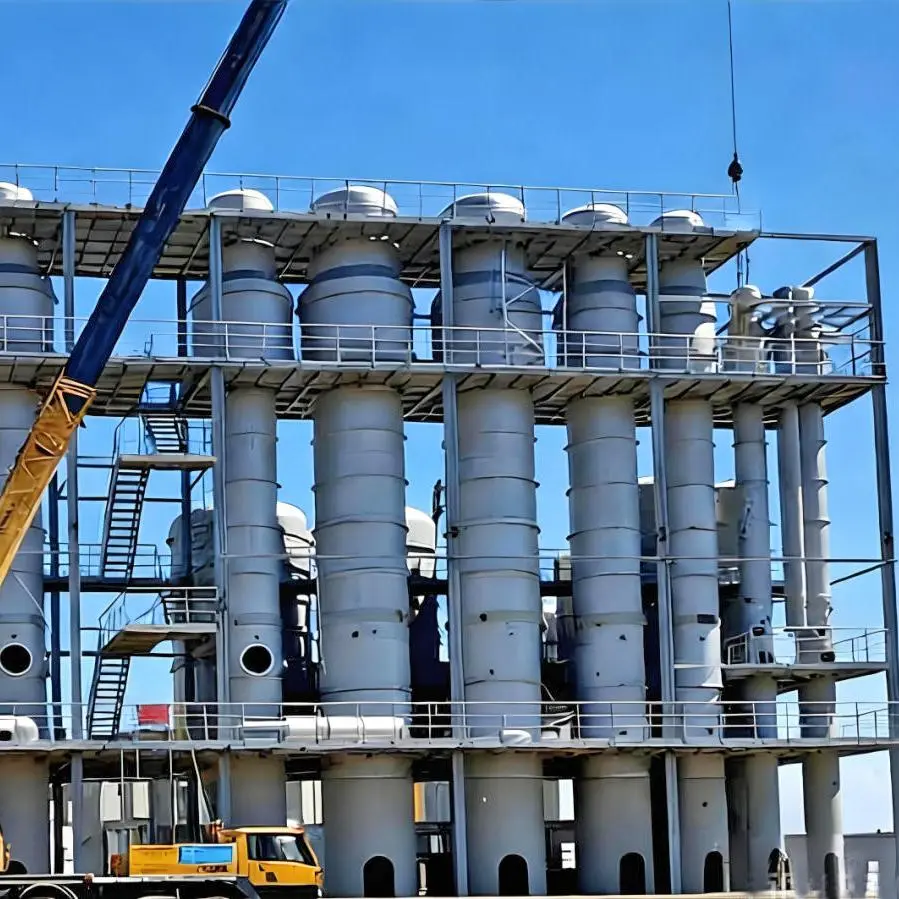
Industrial wastewater often contains high concentrations of chlorides, heavy metals, and acids. Selecting the right construction materials is crucial. Standard stainless steels (304/316L) may suffer pitting corrosion. Leading manufacturers use duplex stainless steels (S32205, S32750), titanium alloys, or nickel-based alloys (Hastelloy) to extend system life to over 20 years.
Thermal evaporation is energy-intensive. Modern engineers analyze the plant's utility profile to determine the best energy configuration. If low-cost steam is available, multi-effect evaporation is preferred. For sites focusing on low operational costs without steam infrastructure, Mechanical Vapor Recompression (MVR) systems powered by electricity offer a highly efficient alternative.
Calcium carbonate, sulfate, and silica scaling can quickly degrade heat transfer efficiency. Global buyers should prioritize systems with automated Clean-in-Place (CIP) technology, forced circulation designs that keep liquid velocity high, and advanced crystal seeding methods. These features prevent deposits on heating surfaces and reduce manual maintenance needs.
MVR Evaporation Plants represent a major development in energy-efficient concentration. By using a mechanical compressor (either centrifugal fans or roots blowers), the system compresses the secondary vapor generated during evaporation. This compression increases both the vapor's temperature and pressure.
The compressed vapor is then recycled back into the heating shell of the heat exchanger as a heating medium. This eliminates the need for fresh steam once the startup cycle is complete. Power consumption is low, typically ranging from 30 to 60 kWh per metric ton of evaporated water.
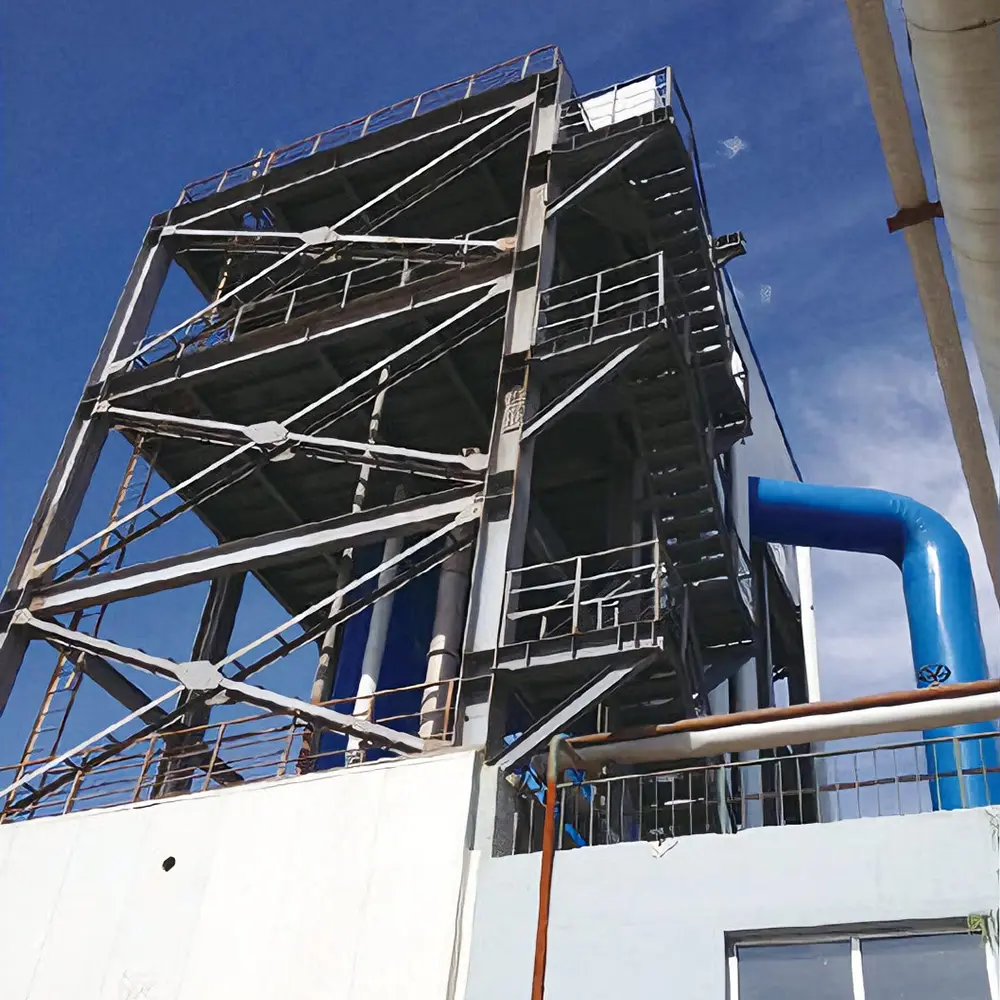
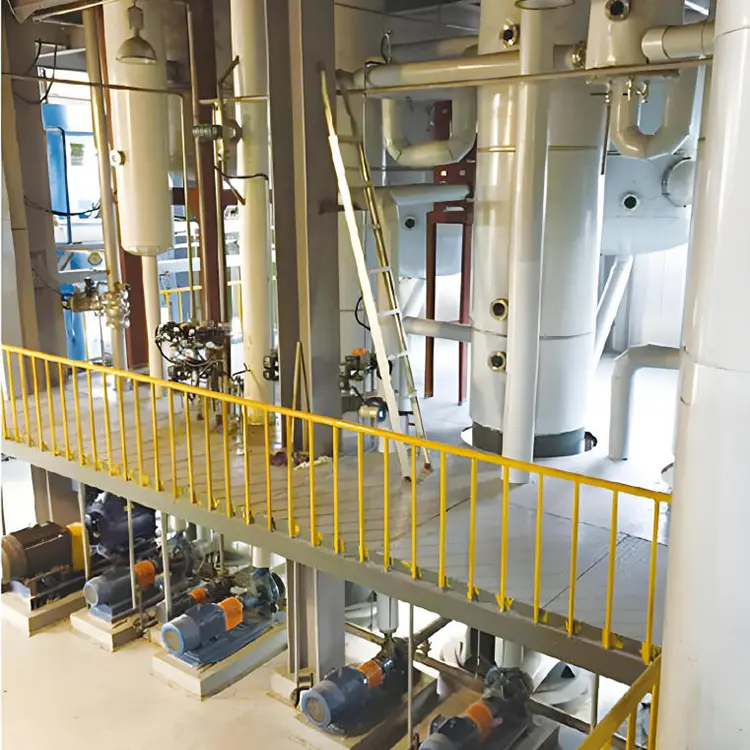
For heat-sensitive liquids or dilute effluent streams, Falling Film Evaporators provide high efficiency. In this setup, the process liquid enters at the top of the heating tubes and flows downward as a thin film along the inner tube walls.
Gravity pulls the film down, while steam or recycled vapor on the shell side transfers heat to evaporate the liquid. The co-current downward flow of vapor and liquid film enhances heat transfer rates. This configuration ensures short residence times and small temperature differences, preventing thermal degradation of the material.
Wastewater streams that are highly concentrated, prone to crystallization, or have high viscosity require Forced Circulation Evaporators. In these systems, a high-flow recirculating pump keeps fluid velocities high inside the heat exchanger tubes.
Evaporation is suppressed inside the tubes by maintaining hydrostatic pressure. Instead, the liquid is allowed to flash and boil only when it enters the separator vessel. This design minimizes scaling and fouling on the tube walls, making it ideal for wastewater crystallization and salt recovery.
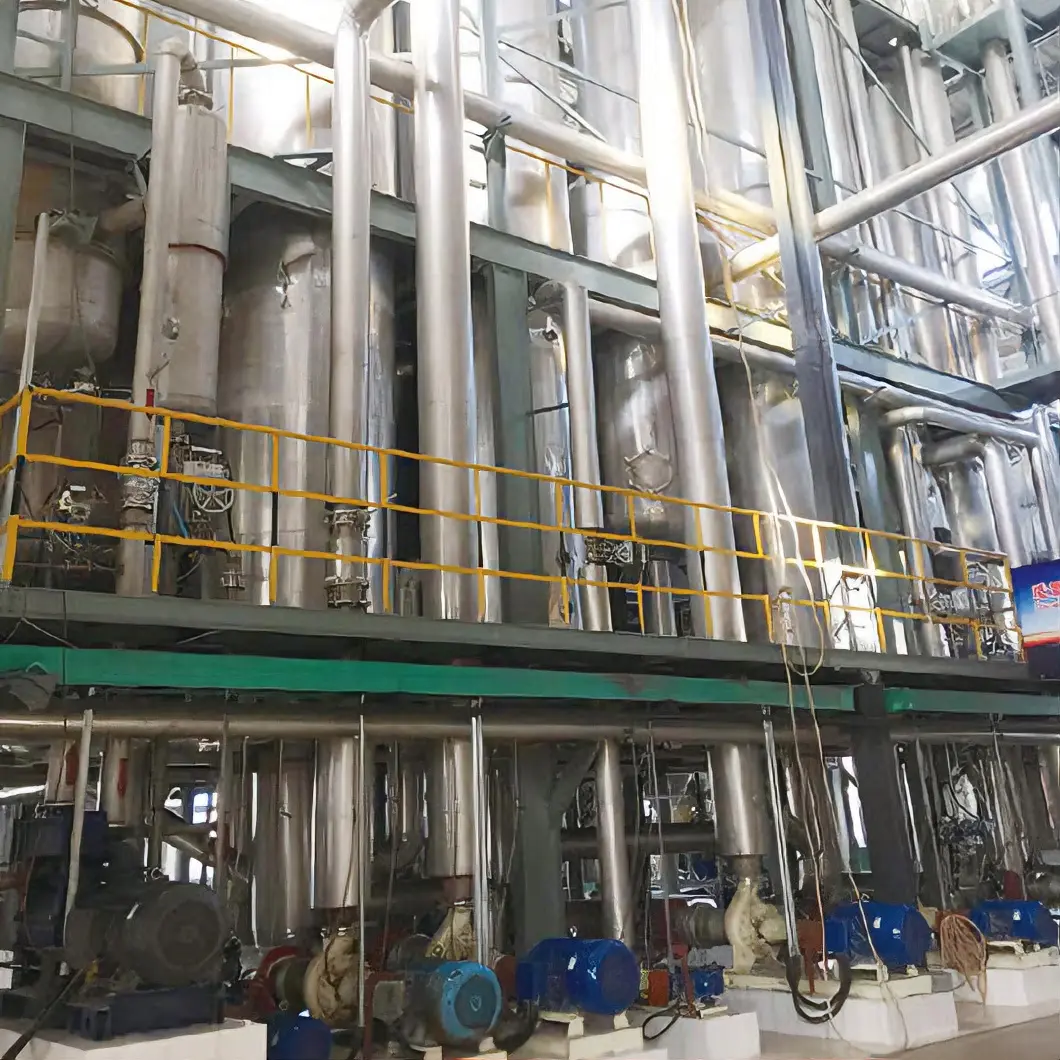
Effective wastewater and byproduct processing requires a complete systems approach. Thermal evaporation is often paired with mechanical dewatering and post-drying steps to achieve efficient resource recovery.
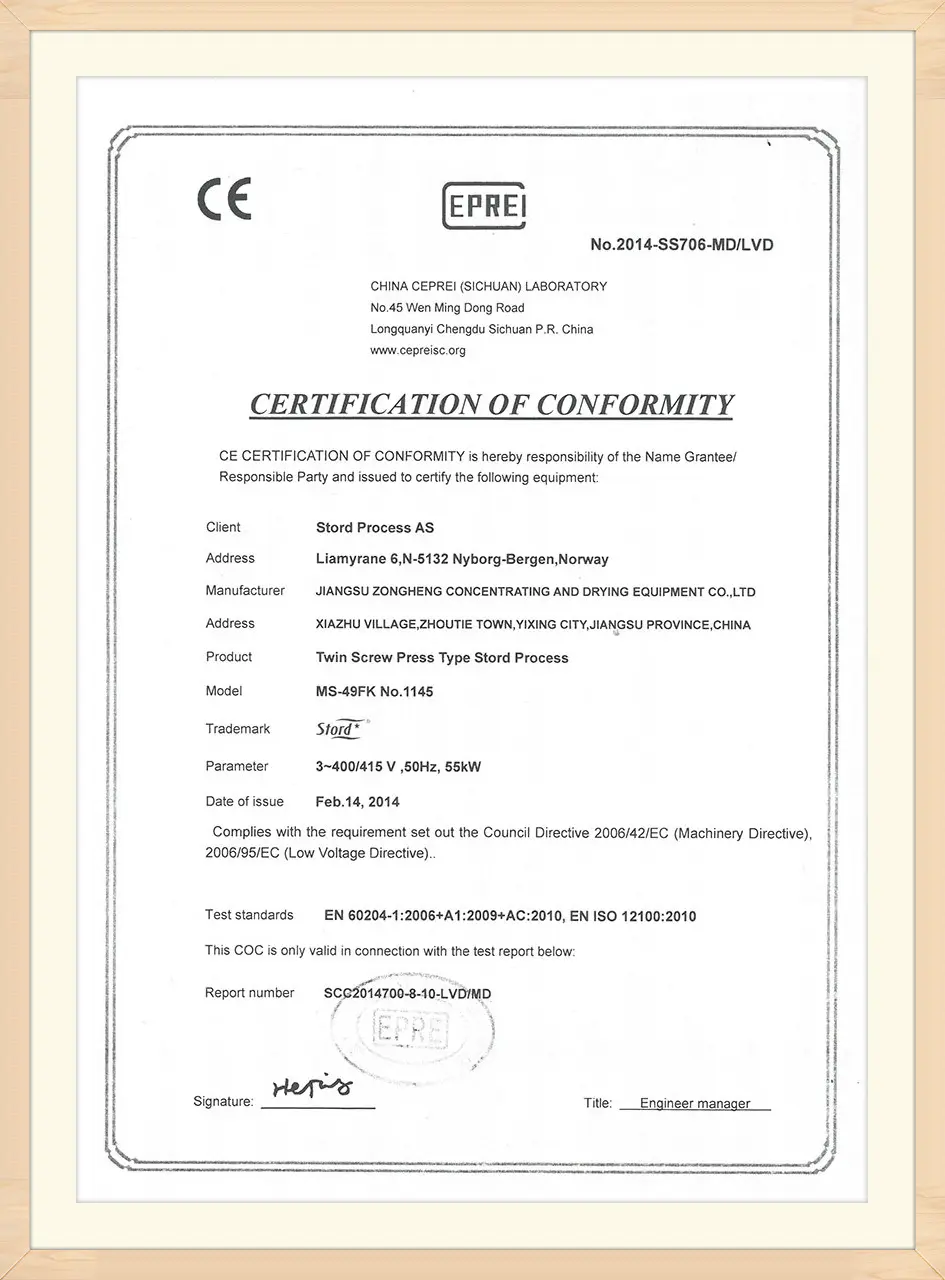
Used prior to thermal evaporation and drying. By mechanically squeezing solid-liquid mixtures (such as corn fiber, DDGS, or chemical sludges), the screw press reduces the moisture content. This mechanical dewatering step reduces the thermal load on downstream evaporators and dryers, lowering overall energy costs.
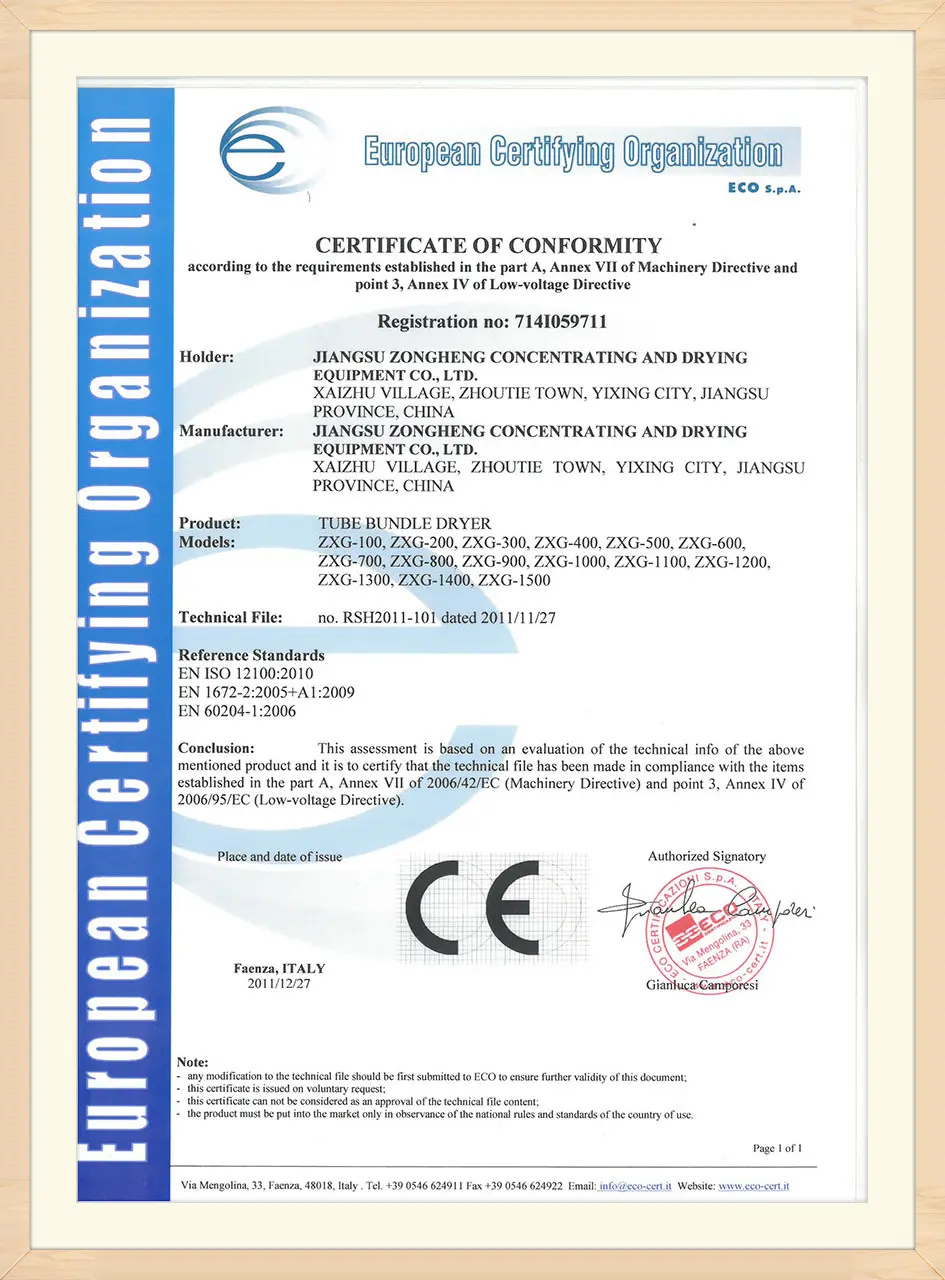
Dewatering Specs →These dryers use steam inside a rotating tube bundle to dry bulk materials indirectly. Featuring low oxygen levels and gentle thermal profiles, they are ideal for temperature-sensitive organic solids. This setup recovers water vapor as clean condensate, minimizing plant emission footprints.
Drying Systems →Utilizing high-velocity hot air stream channels to fluidize and dry particulates rapidly during transport. The impulse flow system changes pipeline diameters to ensure constant particle movement, providing uniform drying profiles within seconds for wet cake products.
Airflow Tech →Established in 1992 as Yixing Yangxi Light Industry Machinery Factory, Jiangsu Zongheng Concentrating and Drying Equipment Co., Ltd. has grown into a modern high-tech enterprise. Located in Zhoutie Town, Yixing City, along Taihu Lake, our facilities span over 54,000 square meters, with more than 22,000 square meters of dedicated production space.
As an active member of the China Starch and Alcohol Association, we specialize in high-efficiency evaporator systems, industrial dryers, starch refining equipment, and Category III medium & low-pressure vessel fabrication. Our solutions serve clients globally in food fermentation, bio-ethanol, petrochemicals, pharmaceuticals, and environmental protection.
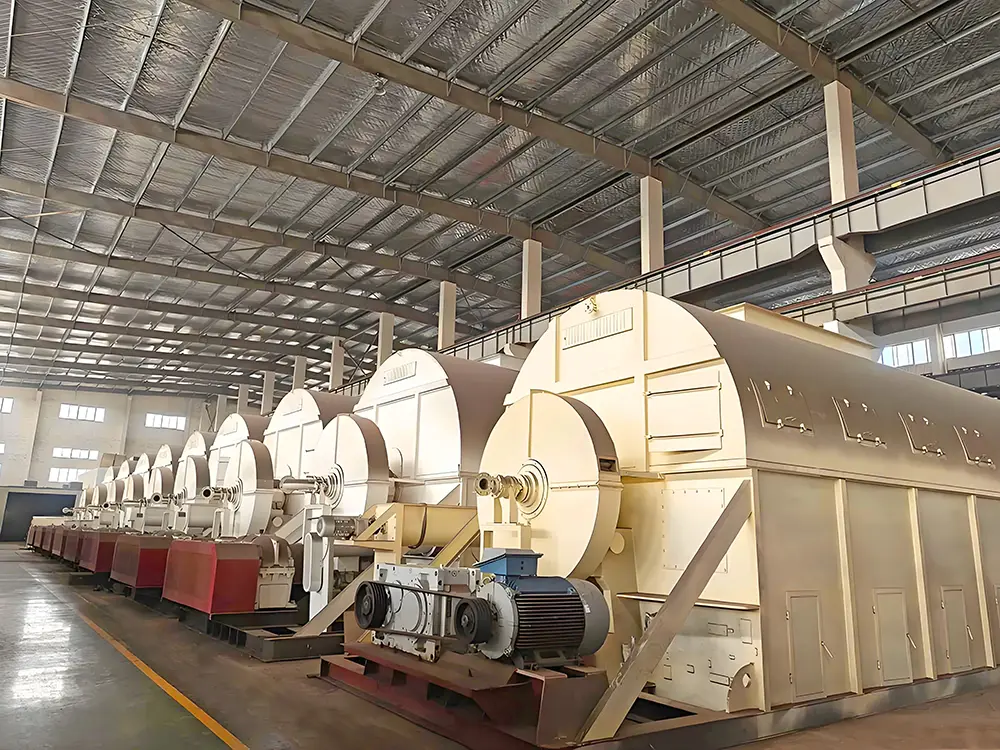
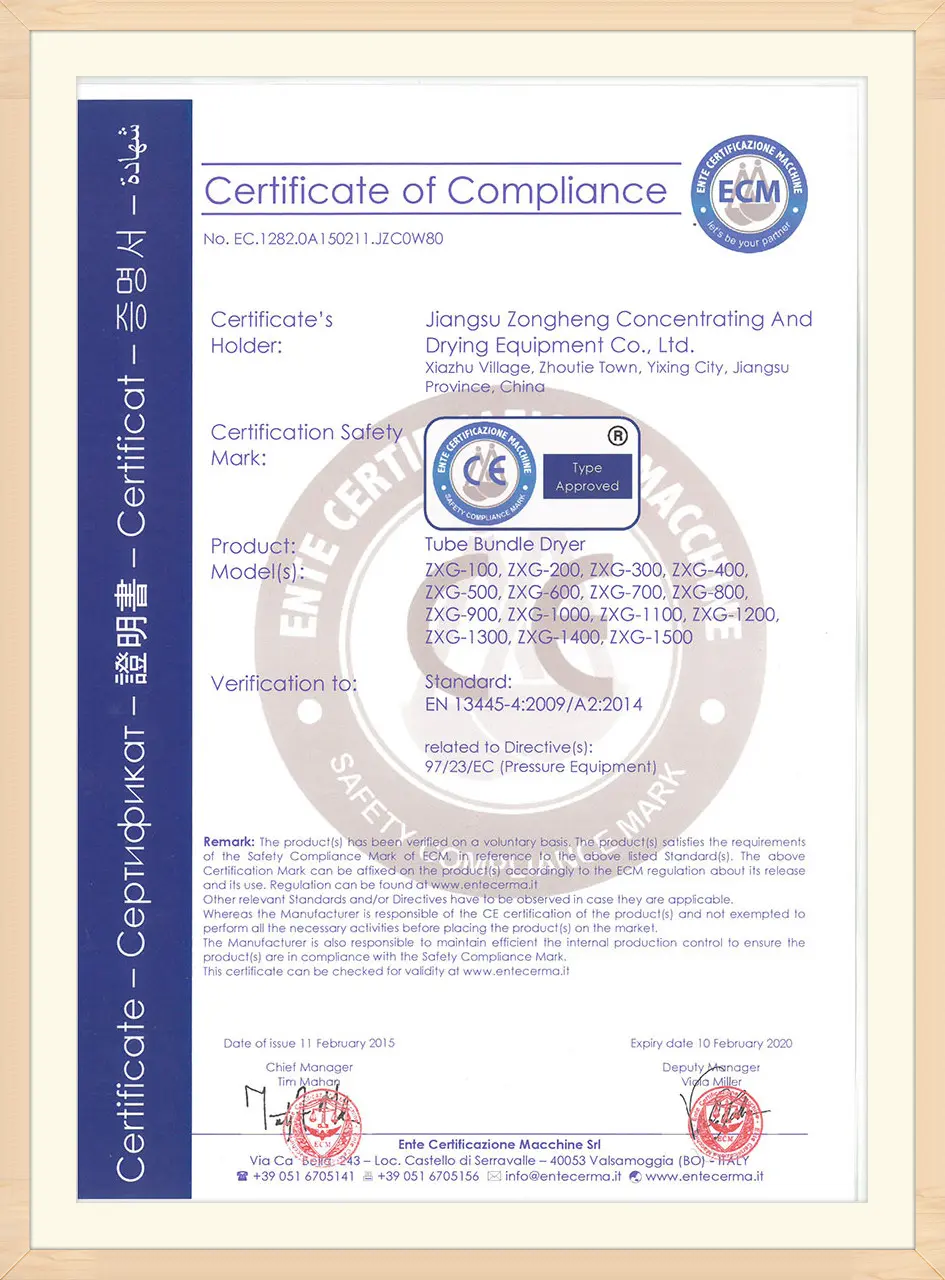
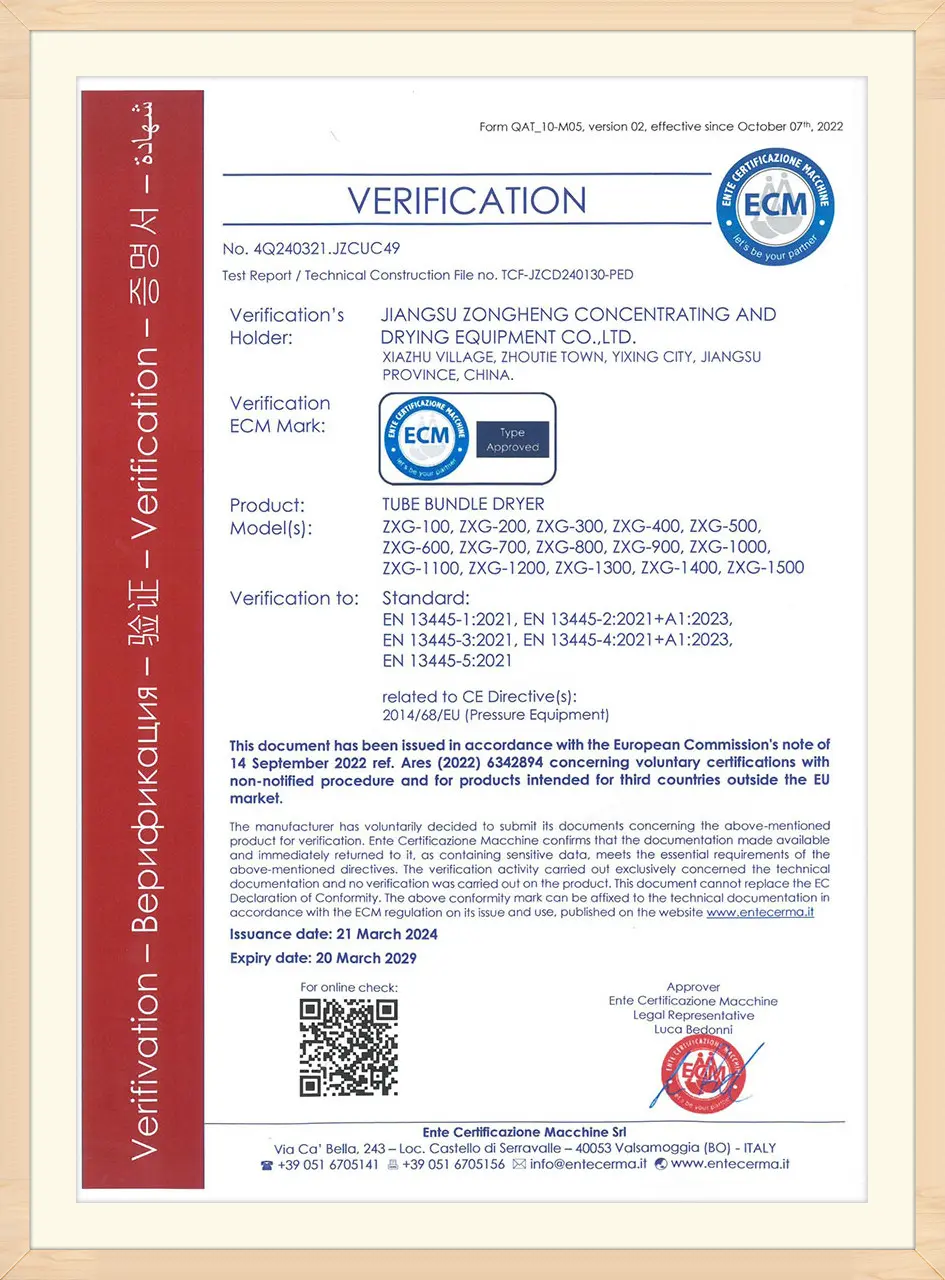
Our facility maintains the Special Equipment Manufacturing License of the People's Republic of China (License No.: TS2232C42) and is authorized to apply the ASME "U" Stamp to code-compliant vessels.
Yixing Yangxi Light Industrial Machinery Factory established with 45 employees.
Obtained ISO9001 quality system certification, standardizing manufacturing.
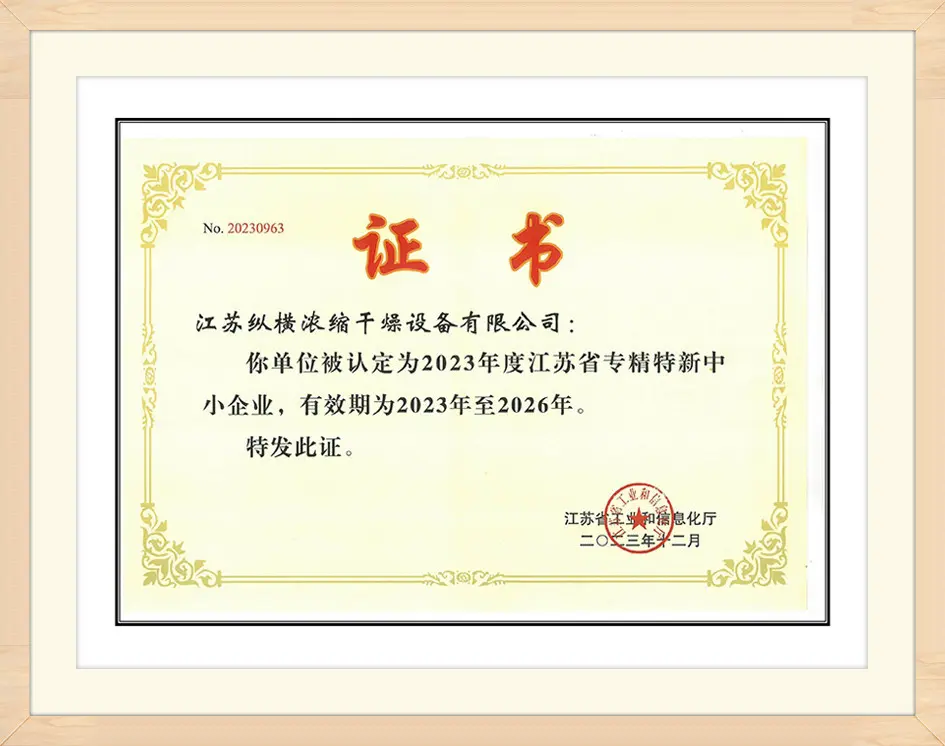
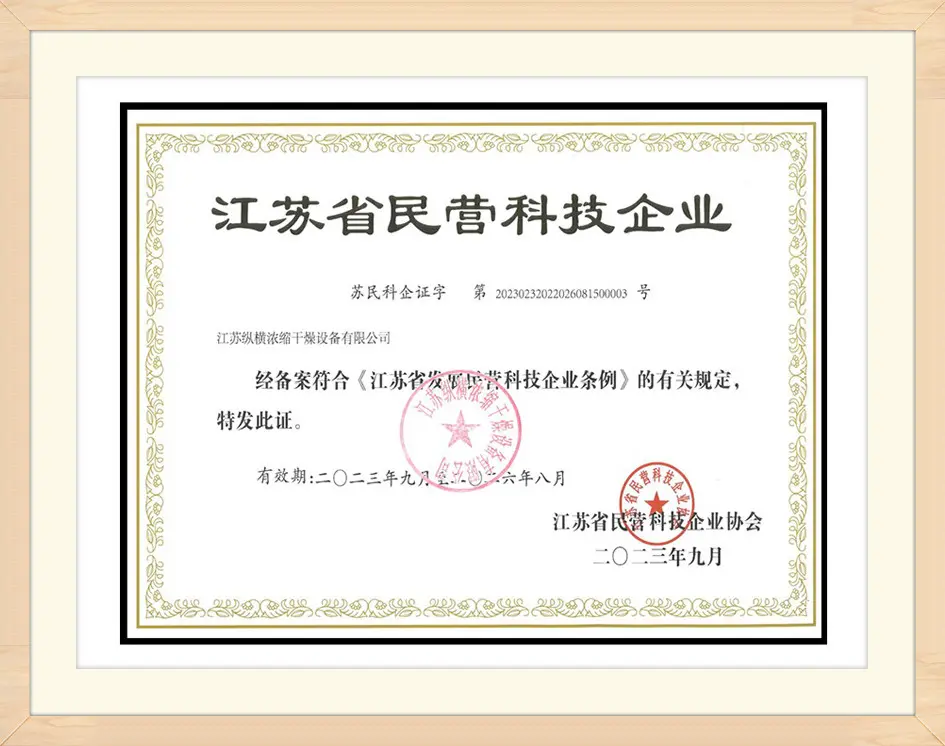
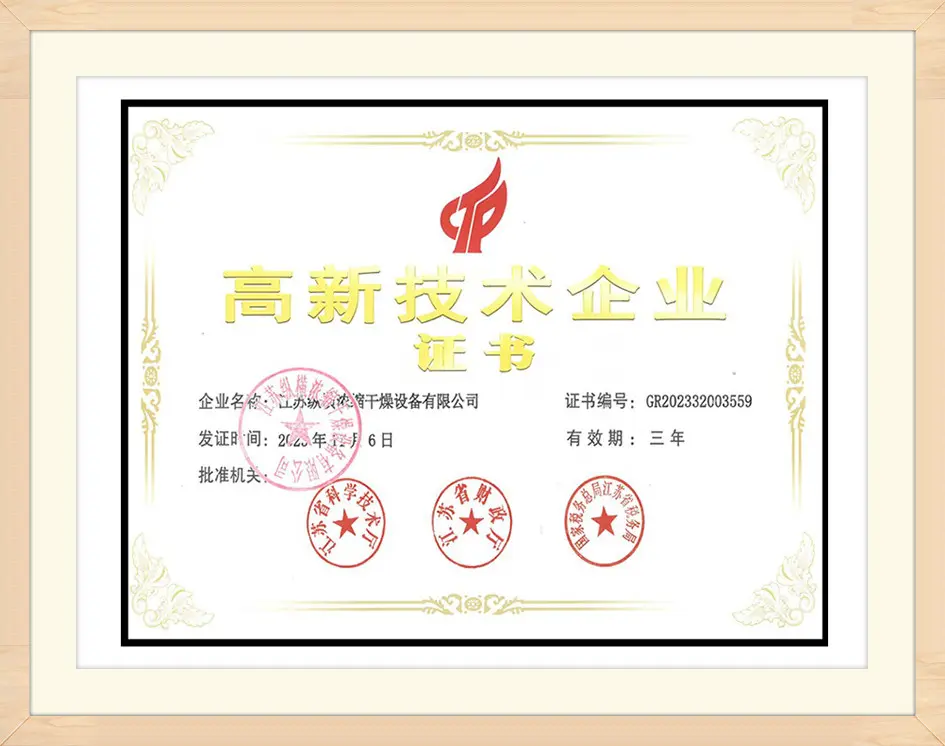
Recognized as a Jiangsu Provincial High-Tech Enterprise.
Obtained Special Equipment Manufacturing License of China (TS2232C42).
Acquired ASME "U" Stamp authorization for pressure vessels.
Obtained International Quality System Certificate No. 45021.
Employs 120 staff, 3 senior and 20+ engineers, driving innovation.
Mechanical Vapor Recompression (MVR) systems compress secondary vapor to reuse it as the heating source, relying on electrical energy. Multi-Effect Evaporators (MEE) pass vapor through consecutive boiling chambers at decreasing pressures, requiring fresh steam for the first effect. MVR is generally more energy-efficient and has lower utility operating costs, while MEE is suitable for sites with abundant waste steam.
We utilize forced circulation evaporator designs for high TDS (Total Dissolved Solids) wastewater. Keeping fluid velocity high within the heat exchanger tubes prevents scaling on the heat transfer surfaces. Recirculated liquids are flashed inside a separate vessel where crystals form safely. We also offer automated Clean-in-Place (CIP) systems to run chemical washes when needed.
Yes. We match material selection to the chemical composition of your effluent. Options include Duplex Stainless Steel (S32205, S32750), Titanium, and Hastelloy. This ensures long-term corrosion resistance, even when processing acidic or saline streams.
Jiangsu Zongheng holds the ASME "U" Stamp authorization and the Special Equipment Manufacturing License of the People's Republic of China for Category III medium & low-pressure vessels. Our plant operates under international quality system standards with ISO9001 certification.
Get in touch with our design engineers for detailed system layouts, thermodynamic calculations, and custom sizing estimates.
Request a QuoteLearn more about our manufacturing capabilities, ASME compliance, reference projects, and international site support.
View Details Zongheng