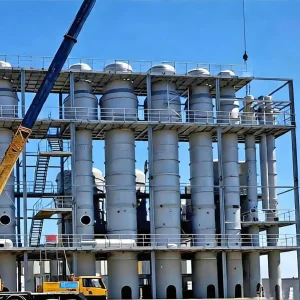
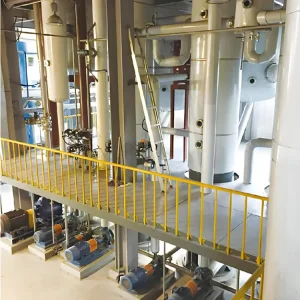
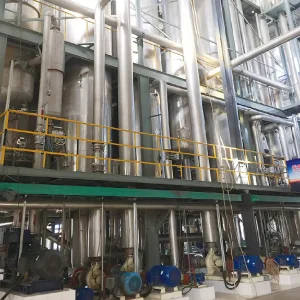
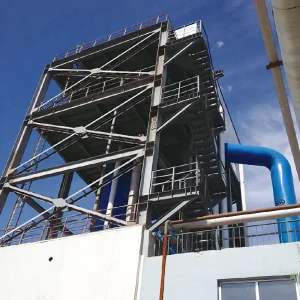
Evaporator Manufacturer & Suppliers in Malaysia

High-Performance Industrial Evaporation Systems, Mechanical Vapor Recompression (MVR), and Thermal Concentration Solutions for the Southeast Asian Process Industry

Send Inquiry Now
CORE PRODUCTS

High-Efficiency Evaporation Solutions

Providing advanced thermodynamic systems to key industrial plants across Malaysia

High-Quality Jiangsu Zongheng Industrial Evaporation Technology

Jiangsu Zongheng Industrial Evaporation Technology for Malaysia

Advanced concentration solutions for palm oil, chemicals, and bio-fermentation processes.

Read More
CE Certified Falling Film Evaporation Plant

CE Certified Falling Film Evaporation Plant for Malaysia

Ideal for heat-sensitive liquids with rapid residence times and precise film distribution.

Read More
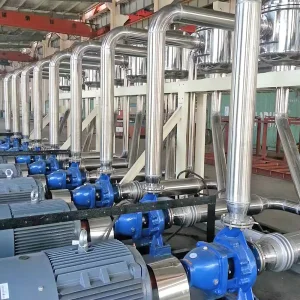
China Forced Circulation Evaporation Plant

China Forced Circulation Evaporation Plant for Malaysia

Heavy-duty evaporation systems engineered for high-salinity and high-viscosity media.

Read More
CE Certification Jiangsu Zongheng MVR Evaporation Plant

CE Certification MVR Evaporation Plant for Malaysia

Eco-friendly Mechanical Vapor Recompression technology maximizing heat recycling.

Read More

Industrial Evaporation & Thermal Concentration in Malaysia: Current Landscape & Future Outlook

Malaysia is experiencing a rapid technological transformation across its heavy industries, driven by strict environmental policies, volatile energy prices, and a national push toward decarbonization. As Southeast Asia’s second-largest producer of palm oil and a key hub for chemical processing, semiconductors, food fermentation, and pharmaceutical synthesis, the country demands robust, energy-efficient solutions for industrial concentration and liquid separation. Within this framework, thermal separation technology—specifically engineered falling film evaporators, forced circulation plants, and MVR (Mechanical Vapor Recompression) units—has emerged as a vital element for both raw material production and zero liquid discharge (ZLD) systems.

Industrial Drivers in Peninsular & East Malaysia

From the industrial zones of Selangor and Johor to the oil palm plantations of Sabah and Sarawak, the applications for evaporators are diverse yet demanding. In the oleochemical and palm oil refining sectors, concentration systems are used to process glycerin water and Palm Oil Mill Effluent (POME). The primary objective is to recover value-added byproducts while minimizing the volume of wastewater that must be treated or discharged. The Malaysia Department of Environment (DOE) enforces strict discharge limits under the Environmental Quality Act 1974, leading many operators to transition away from traditional open ponds toward advanced evaporation systems.

Furthermore, in the starch processing and food production sectors—particularly tapioca and corn milling—concentration systems handle steepwater and wash-water residues. These industries rely on evaporators to concentrate starch hydrolysates before drying, a process that is highly energy-intensive. By deploying modern evaporator setups, plant operators can achieve massive reductions in energy requirements, improving their overall cost per ton of finished product.

The MVR (Mechanical Vapor Recompression) Paradigm Shift

Historically, industrial plants in Malaysia relied on multi-effect evaporators powered by live steam. However, rising natural gas tariffs and carbon reduction initiatives have shifted interest to MVR technology. MVR systems compress the vapor generated within the evaporator shell, raising its temperature and pressure. This compressed vapor is then recycled back into the system to serve as the heating medium for the same boiling liquid. By bypassing the need for continuous external steam, MVR evaporators reduce energy consumption by up to 80% compared to traditional 3-effect plants, making them highly attractive to greenfield projects in Malaysia.
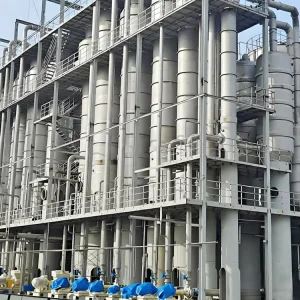
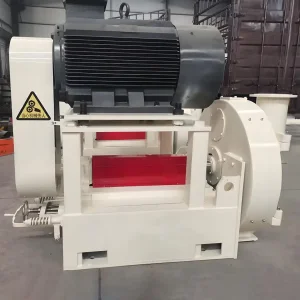
Evaporator Type Typical Applications in Malaysia Energy Source Relative Operational Cost (OPEX) Fouling Resistance
Falling Film Evaporator Starch sweetening, juices, organic solvent recovery, glucose concentration Low-pressure steam / Waste heat Medium Moderate (best for low-viscosity, low-solid feeds)
Forced Circulation Evaporator Chemical crystallization, ZLD salt concentration, high-fouling wastewater Live steam High Very High (high shear velocities prevent scaling)
MVR Evaporation Plant Industrial wastewater treatment, general concentration, bio-fermentation Electricity (mechanical compressor) Very Low (replaces live steam) Dependent on core design (usually falling film or forced circ.)
Waste Heat Evaporator Integration with dryers (DDGS plants), palm oil mill boiler integration Flue gas / Flash steam / Condensate Minimal (uses secondary heat) Customized per waste-heat media
INTEGRATED SYSTEMS

High-Performance Drying & Dewatering Systems

Combining thermal evaporation with mechanical dewatering and drying to offer a comprehensive process line

China Jiangsu Zongheng Waste Heat Evaporator

Jiangsu Zongheng Waste Heat Evaporator for Malaysian Plants

Capturing and repurposing low-grade waste heat from industrial dryer units.

Read More
China High-Performance Degerming Mill Machine

China High-Performance Degerming Mill Machine for Malaysia

Engineered for precise starch separation and grain wet milling processing lines.

Read More
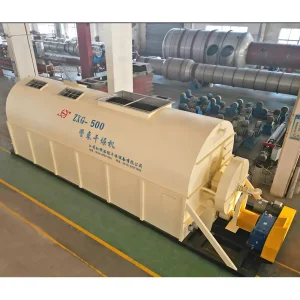
China Zongheng ZXG Tube Bundle Dryer

ZXG Tube Bundle Dryer with Steam Heating for Malaysia

Highly efficient indirect contact drying system designed for starch and chemical fibers.

Read More
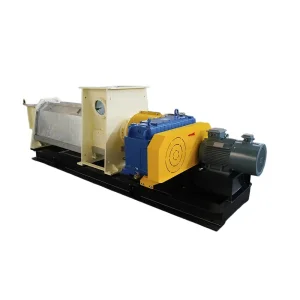
Jiangsu Zongheng Single Screw Press

Jiangsu Zongheng Single Screw Press for Dewatering in Malaysia

Reliable mechanical dewatering for fiber, germ, and organic residues prior to thermal drying.

Read More

Advantage of Sourcing Evaporators from China: The Jiangsu Zongheng Value Proposition

For Malaysian engineering procurement managers, selecting the right equipment supplier is a balance between technical compliance, manufacturing quality, and capital expenditure (CAPEX). Jiangsu Zongheng Concentrating and Drying Equipment Co., Ltd. (formerly Yixing Yangxi Light Industry Machinery Factory), established in 1992, represents a highly competitive option. By partnering with a top-tier Chinese manufacturer like Jiangsu Zongheng, Malaysian companies access high-grade European-standard engineering at a optimized cost structure.

Uncompromising Quality Certifications: ASME & CE

A major concern when importing pressure vessels, heat exchangers, and evaporators is safety and regulatory compliance. In Malaysia, the Department of Occupational Safety and Health (DOSH) enforces strict inspection and design validation standards. Jiangsu Zongheng address this by holding the ASME "U" Stamp authorization alongside ISO9001 quality system certification and CE certification. This ensures that every weld, material trace document, and hydrostatic test meets the global standards required for installation in high-compliance industrial environments.

Advanced Metallurgy and Manufacturing Infrastructure

Jiangsu Zongheng operates out of an expansive 54,000-square-meter facility with over 22,000 square meters of specialized production plant space. The workshops are equipped with heavy rolling machinery, automated tube-to-tubesheet orbital welding units, and advanced non-destructive testing (NDT) rooms. This infrastructure is critical when working with corrosion-resistant alloys needed in Malaysian environments, such as 316L Stainless Steel, duplex stainless steels (such as 2205), and Titanium (Grades 1 and 2), which are standard choices for processing corrosive organic acids, chloride-rich wastewater, or palm oil residues.

ASME & ISO Standards

Full design compliance with ASME Sec VIII Div 1, CE PED, and ISO 9001 ensures smooth DOSH approval for installations within Malaysia.

High Thermodynamic Efficiency

Customized thermodynamic design optimizes heat transfer coefficients, minimizing steam and power consumption in humid Southeast Asian climates.

Advanced Anti-Corrosion Alloys

Expertise in fabricating equipment using Titanium, Hastelloy, Duplex Stainless Steel, and Super Austenitic alloys for highly corrosive services.

OUR JOURNEY

Jiangsu Zongheng Development History

Over 30 years of excellence in building pressure vessels, evaporators, and industrial separation units

30+
Years of Experience
20+
Professional Engineers
54,000+
Factory Area (m²)
22,000+
Production Workshops (m²)
1992
Company Inception

Established as Yixing Yangxi Light Industrial Machinery Factory, covering 15 mu with 45 employees, laying the foundation for modern separation technology.

2002
ISO9001 Certification

Obtained ISO9001 certification, standardizing production processes and introducing strict QA procedures.

2007
Jiangsu Provincial High-Tech Enterprise

Recognized for significant R&D achievements in falling film and MVR thermal design, receiving official state recognition.

2009
Special Equipment Manufacturing License

Obtained national license (TS2232C42) to manufacture Class I, II, and III industrial pressure vessels.

2012
ASME "U" Stamp Authorization

Authorized to stamp vessels under ASME code regulations, opening doors to global exports, including Malaysia and Southeast Asia.

2015
International Quality System Certification

Received Certificate No. 45021, cementing alignment with European, American, and Asian design and production requirements.

2026
Global Scaling & Modernization

Growing to 54,000+ sqm with over 20 senior and assistant engineers, supplying global markets with high-efficiency concentration equipment.

Localized Applications & Macro-Level Process Solutions for Malaysian Industries

1. Starch Refining (Tapioca, Sago, and Maize) in Perak and Sarawak

Starch production is a highly water-intensive process requiring large-scale mechanical separation and subsequent concentration. The process starts with root raspers or corn degerming mills, followed by starch washing cyclones to extract pure starch slurry. However, the byproduct streams—such as fiber and gluten-rich wash water—require dewatering and evaporation. Using a combination of Single Screw Presses, Tube Bundle Dryers, and Falling Film Evaporators, starch mills in regions like Perak and Sarawak can operate with high thermal efficiency. The screw press removes bulk surface water, leaving the tube bundle dryer to handle final drying with low-oxygen, indirect steam heat. The wash water is concentrated using a multi-effect evaporator, recycling clean condensate back into the wash cycles.

2. Zero Liquid Discharge (ZLD) in Pasir Gudang and Port Klang Chemical Hubs

Industrial parks near major ports generate highly concentrated saline wastewater containing dissolved organic compounds, sulfated salts, and heavy metals. Standard biological treatment is ineffective for these high-salt streams. The solution lies in thermal concentration: a falling film evaporator concentrates the waste stream close to saturation, followed by a forced circulation crystallizer that isolates solid salts. The recovered pure distillate is reused in the plant, achieving ZLD and ensuring full compliance with Malaysia's DOE regulations.

3. Waste Heat Integration in Distilleries and Bio-Ethanol Plants

Bio-ethanol and fermentation plants produce large volumes of stillage (slops), which must be concentrated into DDGS (Distillers Dried Grains with Solubles). This process utilizes a waste heat evaporator integrated with the dryer system. By using the exhaust vapors from the Tube Bundle Dryer as the heating medium for the pre-concentrator, the plant's overall energy footprint is reduced, minimizing boilers' fuel requirements.

Need a Customized Evaporation or Concentration Solution?

Speak directly with our senior process engineers. We offer thermal calculations, mass-balance designs, and custom fabrications meeting ASME & DOSH requirements.

Send Inquiry Now
TECHNICAL FAQ

Frequently Asked Questions

Answers to technical queries commonly raised by process engineers and procurement specialists in Malaysia

Q1: What are the main advantages of MVR evaporators over multi-effect steam evaporators?
MVR (Mechanical Vapor Recompression) plants recycle the latent heat of secondary vapor by compressing it mechanically. This increases the vapor's temperature and pressure, allowing it to act as the primary heating steam. Consequently, MVR systems require only electrical energy for the compressor, reducing operating costs (OPEX) by up to 80% compared to traditional steam-fed systems, making them highly economical under Malaysia's current energy tariff structures.
Q2: How does a falling film evaporator handle heat-sensitive liquids like fruit juices or starch hydrolysates?
In a falling film evaporator, the feed liquid enters from the top and forms a thin film flowing down the inner walls of the heat exchange tubes. Evaporation occurs rapidly due to high heat transfer coefficients. The residence time is very short (often seconds), and the boiling point is kept low under vacuum, preventing thermal degradation and preserving the quality of heat-sensitive compounds.
Q3: Why is a forced circulation evaporator preferred for high-salinity wastewater crystallization?
Forced circulation evaporators use high-flow recirculation pumps to maintain high fluid velocities inside the heat exchanger tubes. Boiling is suppressed inside the tubes by maintaining static head, occurring only when the liquid enters the flash separator. This design prevents scaling on the heat exchange surfaces, making it ideal for processing slurries, crystallizing solutions, and high-salinity industrial wastewater.
Q4: What material of construction (MoC) is recommended for processing corrosive palm oil mill effluents?
Palm oil mill effluent (POME) contains organic acids and trace chlorides. While 304 stainless steel is suitable for basic wash water, we recommend 316L or Duplex Stainless Steel (2205) for high-temperature evaporation zones. For highly acidic or chloride-concentrated wastewater systems, Titanium (Grades 1 or 2) provides long-term resistance against pitting corrosion and stress corrosion cracking.
Q5: Can Jiangsu Zongheng design and build equipment that complies with Malaysia's DOSH regulations?
Yes. Jiangsu Zongheng holds the ASME "U" Stamp authorization and has over 30 years of manufacturing experience. We provide full engineering drawings, structural calculations, and NDT reports required for DOSH approval in Malaysia. We also cooperate with third-party inspectors like Bureau Veritas, SGS, and TUV to certify designs prior to export.
Q6: How does a single screw press improve the efficiency of the subsequent drying process?
Mechanical dewatering via a single screw press is highly energy-efficient compared to thermal drying. By squeezing out unbound surface water from fibers, germ, or organic residues, the moisture content is reduced from 80% to 50–60%. This reduces the thermal load on the subsequent dryer (such as a tube bundle or airflow dryer), lowering overall steam consumption.
ADDITIONAL SYSTEM PORTFOLIO

Industrial Processing & Auxiliary Systems

Explore our complete range of drying, pressing, and separation products optimized for Malaysian process lines

Jiangsu Zongheng Starch Washing Cyclone

Starch Washing Cyclone for Malaysian Refineries

Multi-stage hydrocyclone systems engineered for high-purity starch refining and separation.

Read More
China Suppliers ZXG Tube Bundle Dryer Factory

Indirect Steam Drying ZXG Tube Bundle Dryer for Malaysia

Low-oxygen, indirect contact thermal drying for bulk industrial powders and grains.

Read More
CE Certification Energy-Efficient Evaporation Solutions

Energy-Efficient Evaporation Plants for Malaysian Factories

Advanced thermal loop optimization designs reducing carbon footprint and steam consumption.

Read More
China Zongheng Single Screw Press

High-Efficiency Single Screw Press for Malaysian Producers

Robust mechanical compression system for dewatering starch fibers and residues.

Read More
China Zongheng Waste Heat Evaporator

Zongheng Waste Heat Evaporator Systems for Malaysia

Utilizing low-grade waste steam to concentrate feed fluids, reducing energy demand.

Read More
High-Quality Jiangsu Zongheng Single Screw Press Suppliers

ASME Standard Single Screw Press Suppliers in Malaysia

Engineered for high compression ratios and reliable, long-term dewatering performance.

Read More
High-Quality Forced Circulation Evaporation Plant

Forced Circulation Evaporators for Malaysian ZLD Projects

Specially designed to handle crystallizing and high-fouling salts in wastewater treatment.

Read More
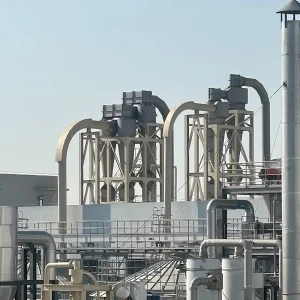
High-Quality High-Efficiency MQG Airflow Dryer

MQG Airflow Dryer Systems for Malaysian Starch Factories

Rapid flash drying utilizing hot air streams to dry wet starch cake instantaneously.

Read More

Ready to Optimize Your Concentration & Drying Process?

Contact our expert design and manufacturing team for technical consultation, detailed equipment sizing, and customized quotes designed for your operations in Malaysia.

Send Inquiry Now