Integrating state-of-the-art thermal technology with robust mechanical builds to reduce steam footprints and fulfill strict municipal discharge limits.
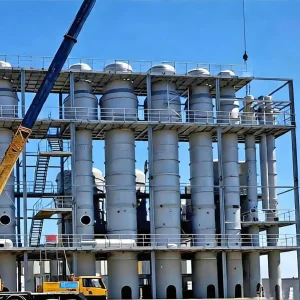
Engineered for robust mechanical handling of high-solids feeds. Providing energy-efficient, high-performance separation solutions for biotech and starch applications across New England.
Explore Specifications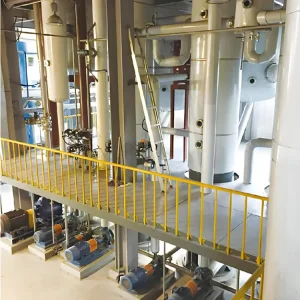
Optimized for highly heat-sensitive pharmaceutical fluids. Utilizes thin-film gravity flow down heated vertical tubes, ensuring short residence times and preserving molecular structures.
Explore Specifications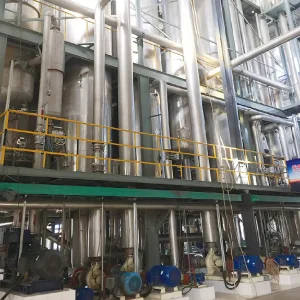
Specifically constructed for crystallization processes and high-fouling slurries. High pump velocities suppress boiling on hot surfaces to eliminate scaling.
Explore Specifications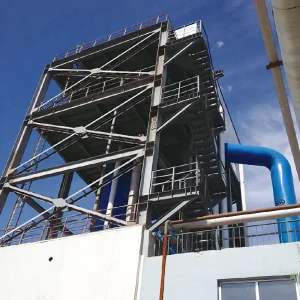
Mechanical Vapor Recompression loops compress clean overhead vapor to reuse latent heat, slashing plant utility bills and carbon footprints by up to 90%.
Explore SpecificationsThe greater Boston metropolitan area—from the research epicenters of Cambridge to the industrial corridors of Route 128 and the South Shore—is home to one of the world's most dense concentrations of biopharmaceutical manufacturing, chemical synthesis facilities, and high-tech manufacturing plants. Operating in this region requires compliance with the stringent environmental standards set by the Massachusetts Department of Environmental Protection (MassDEP) and the Massachusetts Water Resources Authority (MWRA).
For local industries, raw wastewater discharge is no longer viable due to steep surcharges on high chemical oxygen demand (COD), total suspended solids (TSS), and dissolved mineral streams. This regulatory climate has accelerated the adoption of industrial thermal separation technology. By utilizing custom-engineered falling film and forced circulation evaporation systems, chemical and biological processors can concentrate high-salinity wastes, recover valuable solvents, and achieve zero liquid discharge (ZLD) metrics.
Whether you are scaling up a pilot plant in East Cambridge or upgrading a chemical process line in Worcester, our engineering team supplies process equipment designed to lower municipal sewer fees, minimize water intake, and decrease operating expenditures (OPEX).
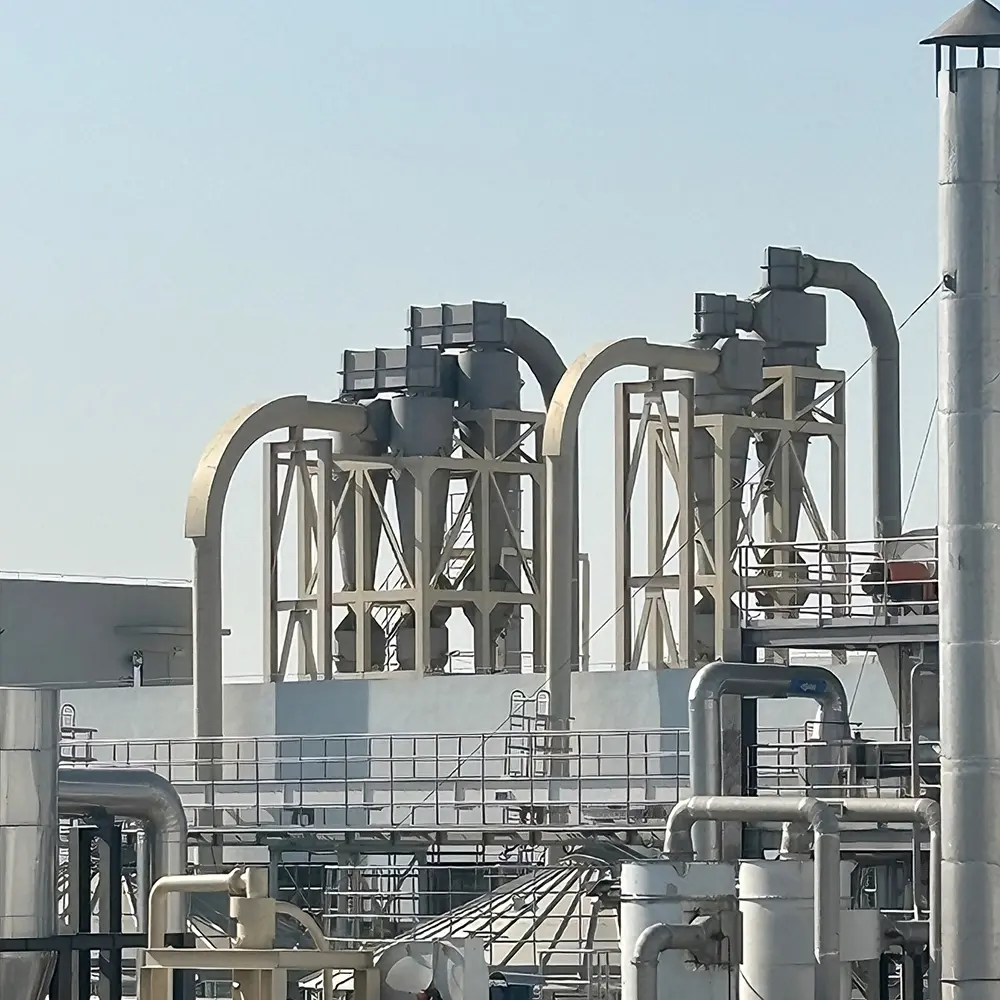
Selecting the appropriate evaporator configuration requires evaluating liquid characteristics, fouling tendencies, local utility rates, and thermal sensitivities.
Ideal for: High-efficiency, continuous setups seeking low energy footprints.
MVR plants act as open-loop heat pumps. Overhead vapor is mechanically compressed to a higher pressure and temperature, then returned as the heating medium. This eliminates the need for prime boiler steam during normal operation.
Ideal for: Heat-sensitive products, biological enzymes, and low-viscosity applications.
The process fluid is distributed uniformly into the inner tubes, flowing downwards as a thin, boiling film. Due to the high heat transfer coefficient and brief residence times, thermal degradation of active ingredients is avoided.
Ideal for: High fouling feeds, crystallizing solutions, and industrial wastewater solids.
High recirculating pumps maintain turbulent velocity through the heat exchanger tubes. Boiling is suppressed until the fluid enters the flash vessel, preventing crystallization and scale formation on heat exchange surfaces.
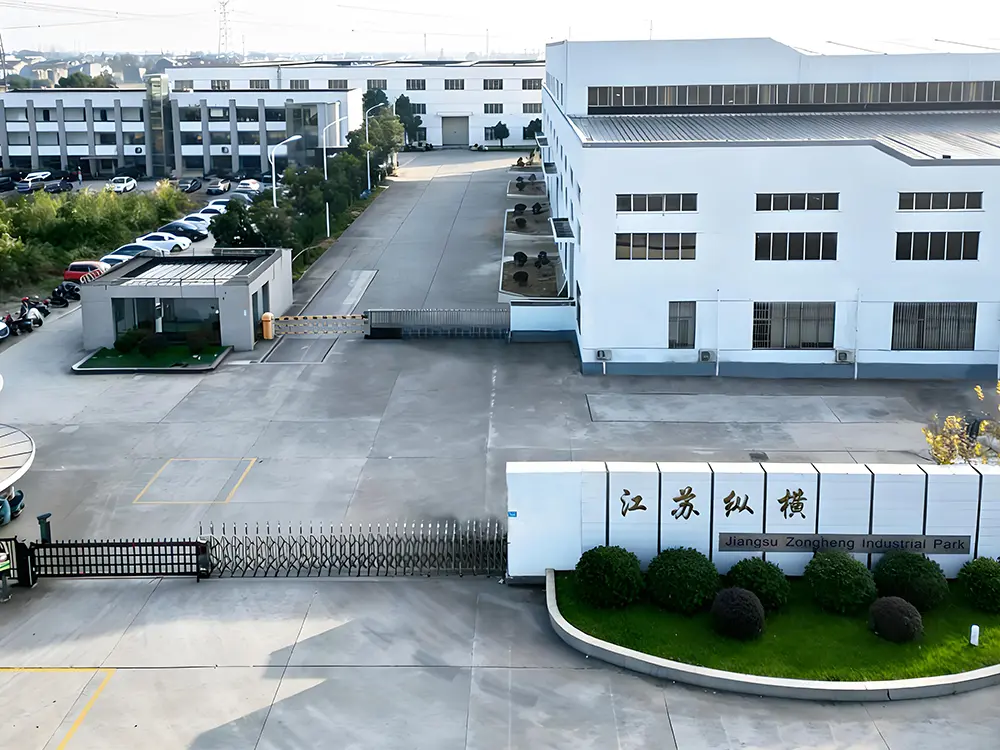
Jiangsu Zongheng Concentrating and Drying Equipment Co., Ltd (formerly known as Yixing Yangxi Light Industry Machinery Factory) was founded in 1992. Situated in Zhoutie Town, Yixing City, along Taihu Lake, our production facilities span 54,000 square meters, with a dedicated heavy-fabrication workshop covering 22,000 square meters.
As a modern high-tech enterprise, we specialize in concentration systems, industrial drying equipment, starch starch-processing loops, and Category III medium and low-pressure vessel fabrication. As members of the China Starch and Alcohol Association, our thermal separation installations serve the food fermentation, petrochemical, biopharma, and environmental waste management sectors globally.
Integrating thermal components into complex industrial production loops to optimize yield, control temperature limits, and recover resources.
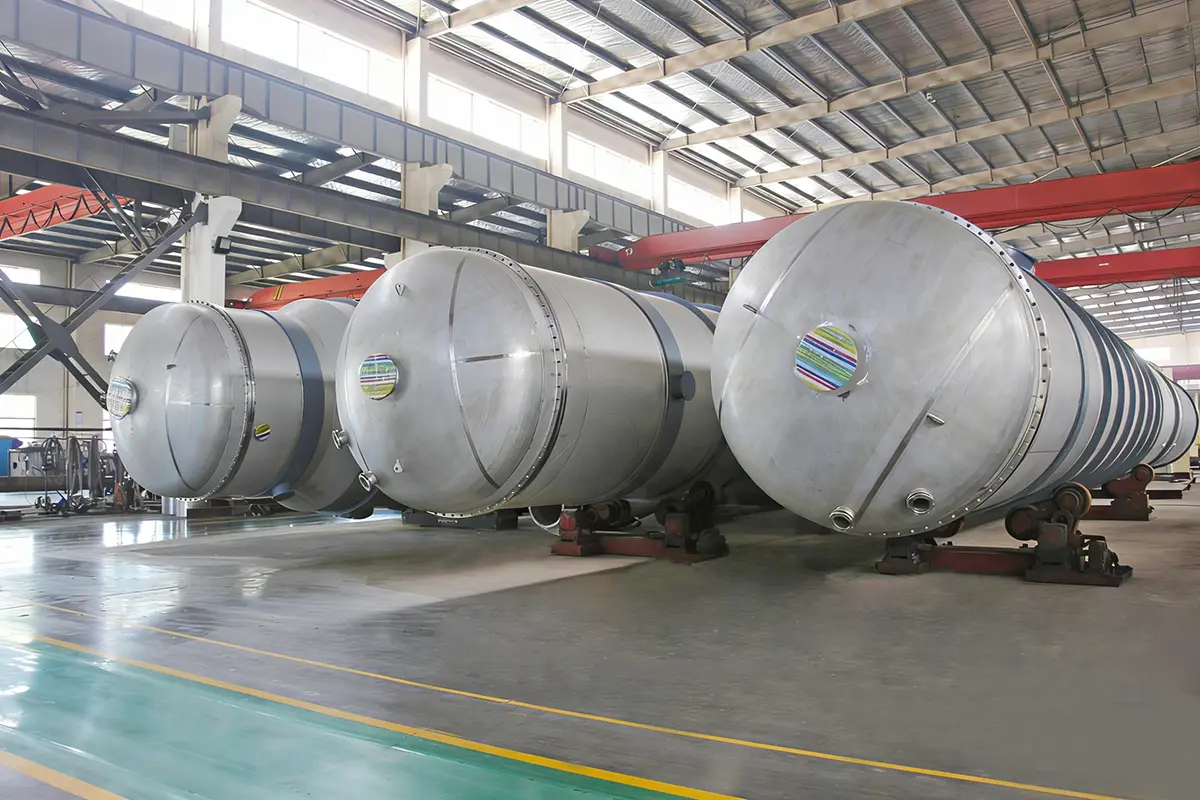
High-density multiple-effect evaporation setups designed to handle viscous organic slurries, corn steep liquor, and DDGS waste streams.
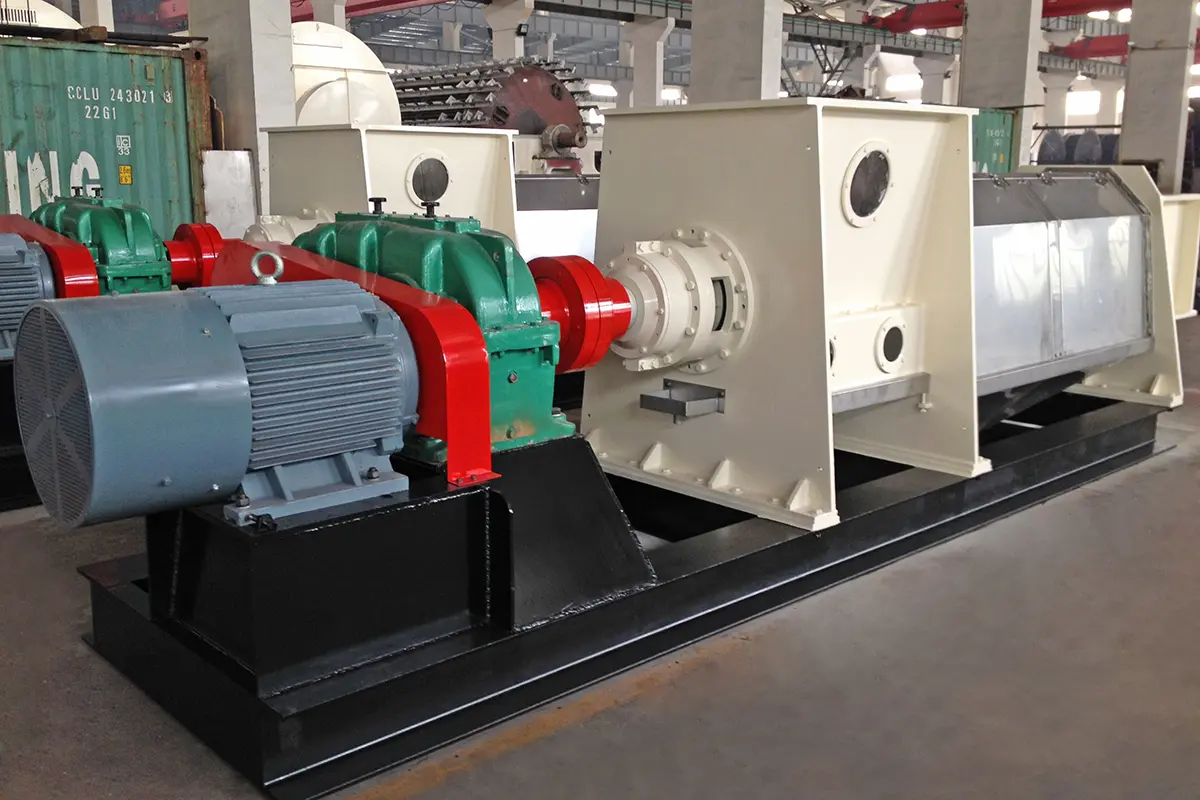
Screw presses and bundle dryers designed to mechanical-squeeze and thermal-dry concentrated waste to minimize disposal volumes.
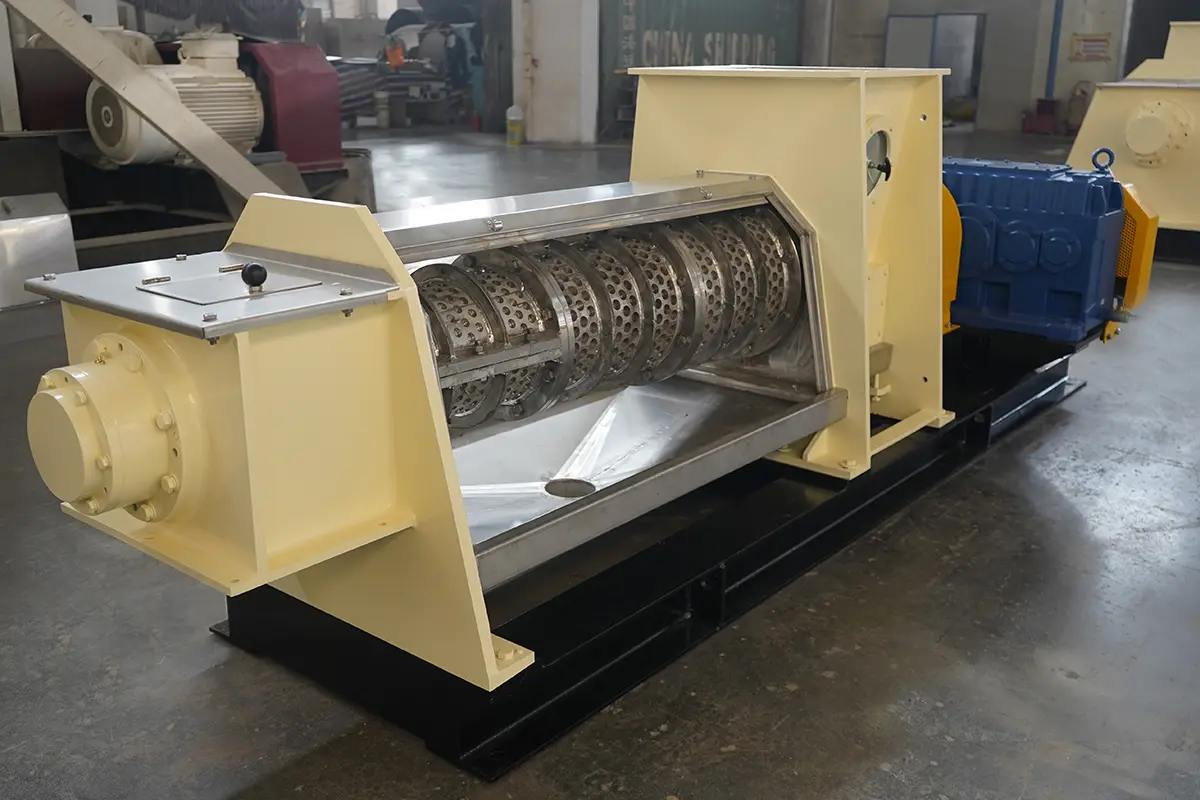
Employs localized high-speed hot air to suspend and dry chemical powders, biological matrices, and organic residues.
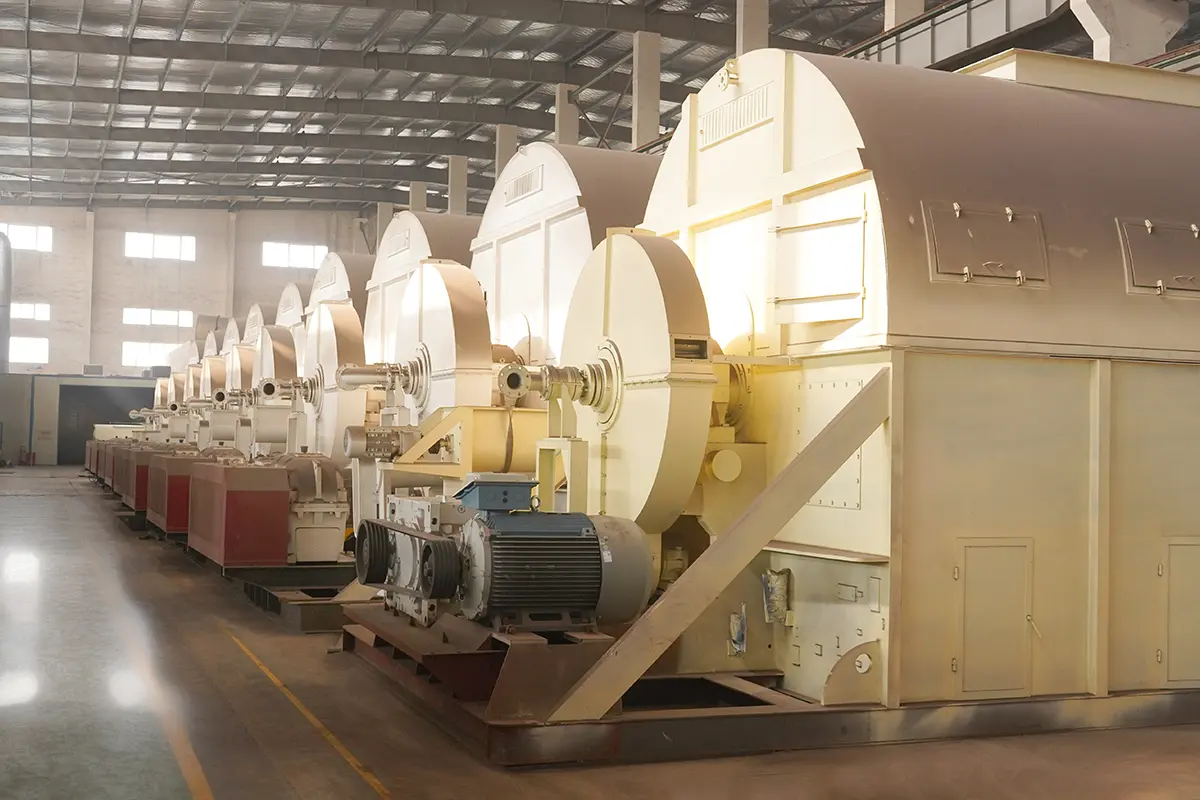
Corrosion-resistant systems engineered for low-temperature operation under deep vacuum, optimizing recovery of ethanol and specialized media.
Over three decades of manufacturing and compliance integration, driving development from local engineering workshops to international standards.
Our company covers a total area of over 54,000 square meters, with production workshop space exceeding 22,000 square meters. We employ 3 senior engineers and over 20 engineers and assistant engineers, with a total staff of 120 people.
International quality system certification (Certificate No.: 45021), establishing a complete quality assurance system aligned with international standards.
Acquired the ASME "U" Stamp authorization, marking the company's entry into a new phase of development.
Obtained the Special Equipment Manufacturing License of the People's Republic of China (License No.: TS2232C42) for pressurized industrial reactors.
Recognized as a Jiangsu Provincial High-Tech Enterprise for innovations in low-temperature vacuum evaporation loops.
Established a complete quality management pipeline and obtained ISO9001 certification.
Established Yixing Yangxi Light Industrial Machinery Factory, covering 15 mu of land with 45 initial employees.
Explore our full portfolio of dewatering, drying, and waste-heat recovery equipment designed for process plant integration.
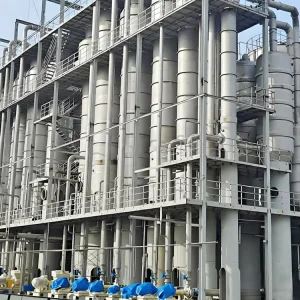
Captures low-temperature waste vapor from dryers and distillation columns. Recovers latent thermal energy, reducing primary boiler steam demand.
Explore Specifications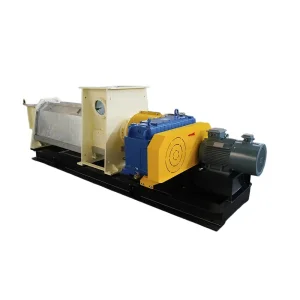
Provides physical liquid-solid expression for bio-slurries. Features a continuous screw configuration with integrated screen filtration to optimize cake dry solids.
Explore Specifications
Specifically designed for biological extracts, protein isolates, and pharma media requiring precise, uniform low-temperature vacuum boiling.
Explore Specifications
Integrates directly into complex distillation networks. Reuses waste vapor enthalpy to reduce overall fossil fuel footprints in chemical processing plants.
Explore Specifications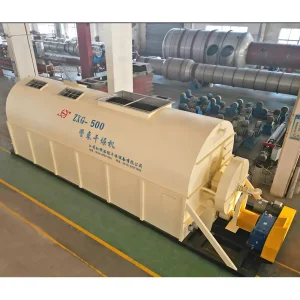
Provides steam-heated, low-oxygen drying for temperature-stable bulk materials. Ideal for starch, gluten, and high-solids bio-waste.
Explore Specifications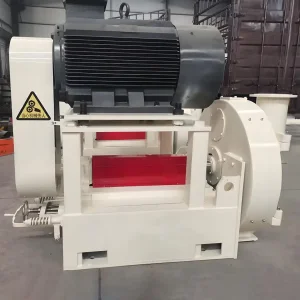
Engineered for precision separation of corn germ and starch matrices. High-clearance impact grinding preserves oil-rich germ structures.
Explore Specifications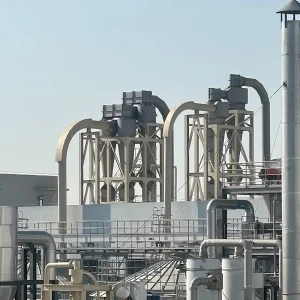
Uses pneumatic hot air transport to perform flash moisture removal. Ideal for rapid processing of dynamic crystalline slurries and pharmaceutical intermediates.
Explore Specifications
Specifically configured to handle aggressive industrial wastewater. Focuses on low carbon emissions, high solids handling, and scaling resistance.
Explore SpecificationsIntegrating global manufacturing efficiencies with local regulatory compliance and service support.
Deploying thermal concentration systems in Massachusetts requires adherence to specific pressure vessel guidelines and environmental standards. Our engineering team ensures all structural vessels comply with the ASME Boiler and Pressure Vessel Code (BPVC Section VIII Division 1). We provide comprehensive QA/QC documentation package, including:
From our production facility, equipment is prepared for export using heavy-duty seaworthy packaging. We coordinate freight transport to the Port of Boston (Conley Terminal) or land route transfers. In collaboration with local engineering teams, we provide on-site commissioning supervision, process optimization, and operator training to ensure standard startup times.
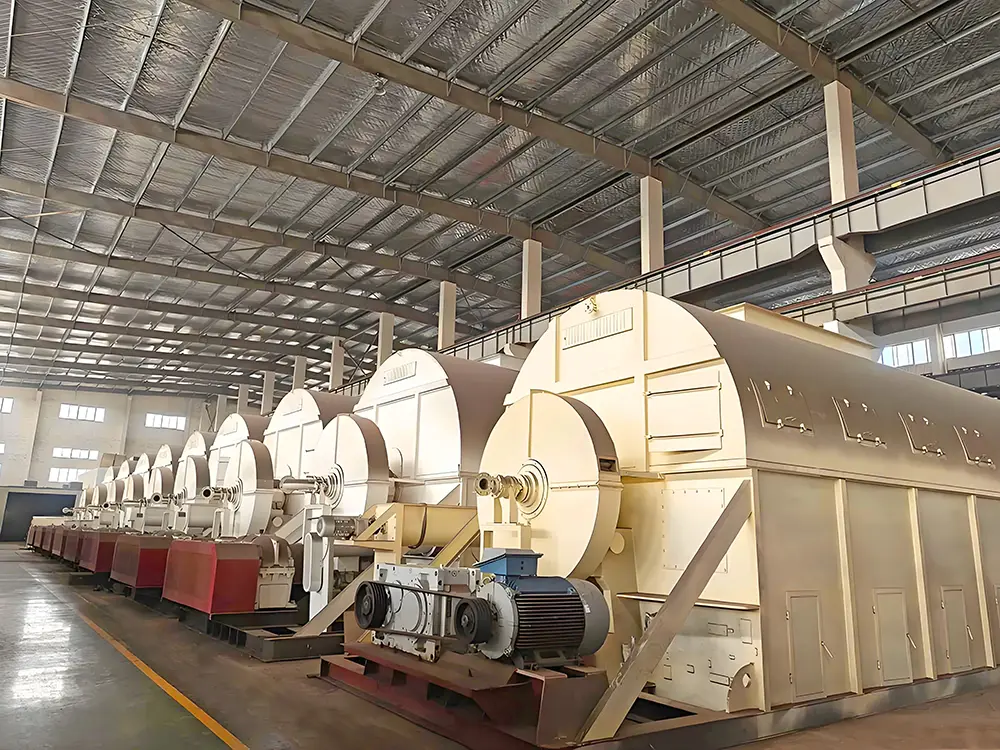
A comparison of core operating metrics across falling film, forced circulation, and MVR systems.
| System Metric | Falling Film Plant | Forced Circulation | MVR (Compressed Recompression) |
|---|---|---|---|
| Steam Cons. (Ton/Ton water evaporated) | 0.12 - 0.25 (Depending on effects) | 0.20 - 0.35 (Depending on effects) | 0.01 - 0.05 (Min. bypass steam) |
| Electricity Consumption (kWh/Ton water) | 3 - 8 kWh | 15 - 30 kWh | 35 - 65 kWh (Compressor-driven load) |
| Maximum Feed Viscosity Limit | < 150 mPas | < 3000 mPas | Dependent on separator type |
| Typical Applications | Enzymes, Amino Acids, Milk Concentrates | Crystalline Salts, High TDS Effluents, COD Wastes | High-Volume concentration of chemical streams |
| Cleaning Requirements (CIP) | Frequent low-volume cycle | Extended cycles, mechanical design | Automatic periodic cycle |
Answers to key engineering questions regarding thermal system selection, integration, and operational efficiency.
Contact our engineering division today to discuss your feed stream parameters, flow rates, energy recovery targets, and local compliance requirements.
 Zongheng