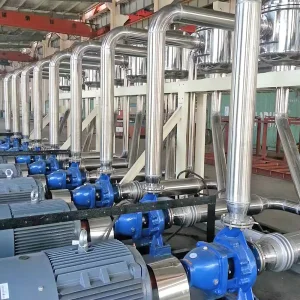
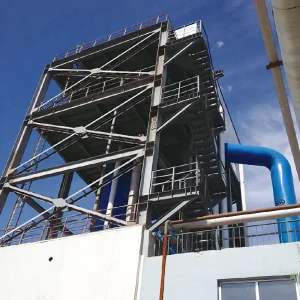
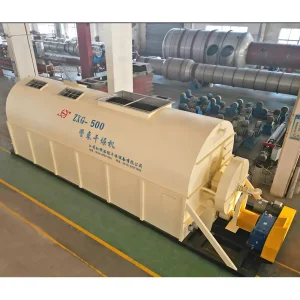
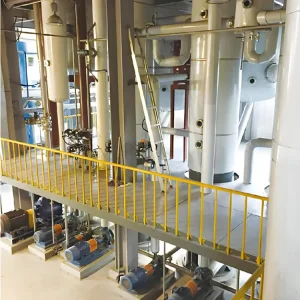
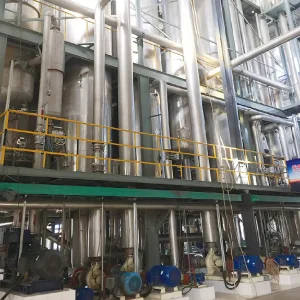
Explore our industrial range of high-efficiency evaporators, drying plants, and separators.
An Industrial Guide on Safety Compliance, CE Marking, and Thermal Dynamics Optimization
In modern chemical, agricultural, food, and environmental process industries, achieving high overall heat transfer coefficients while protecting the thermal stability of heat-sensitive compounds is a critical operational target. Among diverse industrial designs, the Aromavap Plate Evaporator stands out for its high performance. Utilizing structured plate geometries, these systems stimulate localized turbulent flows, yielding thermal efficiencies three to five times higher than standard tubular evaporators.
Compliance with strict safety metrics, notably the European Union's CE Certification (Pressure Equipment Directive 2014/68/EU), guarantees that these heavy-duty units can withstand rigorous pressure fluctuations and continuous operation. Global chemical plants, starch manufacturers, and wastewater recycling companies are increasingly transitioning from outdated shell-and-tube setups to plate-type systems. This trend is driven by the need to minimize footprint, simplify maintenance, and cut down on clean-in-place (CIP) turnaround times.
Our corrugated plate patterns generate high shear stress, causing internal turbulence even at low Reynolds numbers. This lowers boundary-layer resistance and prevents product scaling during high-concentration cycles.
Specially engineered for volatile compound preservation. The rapid, uniform single-pass flow reduces thermal degradation, making it perfect for food processing, juice refining, and complex distillations.
Designed and manufactured under strict pressure vessel parameters. The CE label certifies thorough design verification, material traceability (316L, Titanium), and certified hydrostatic leak testing.
Global procurement teams in the EU, North America, and Southeast Asia face complex decisions when sourcing heavy industrial processing machinery. The rise of carbon neutrality mandates requires equipment with extremely low energy footprints. Here, Mechanical Vapor Recompression (MVR) integrated plate evaporators provide a powerful response, using electrical energy to compress and reuse waste vapor, cutting down utility steam costs by up to 90%.
Equally critical is the shift toward supplier compliance. China's manufacturing sector has evolved from a volume exporter to a pioneer in advanced automation and smart supply chains. Factories equipped with robotic plasma cutters, automated orbital welders, and non-destructive testing (NDT) rooms guarantee structural integrity. By choosing a factory with both CE PED and ASME U-Stamp certifications, buyers can rely on absolute safety standards and reliable long-term operations.
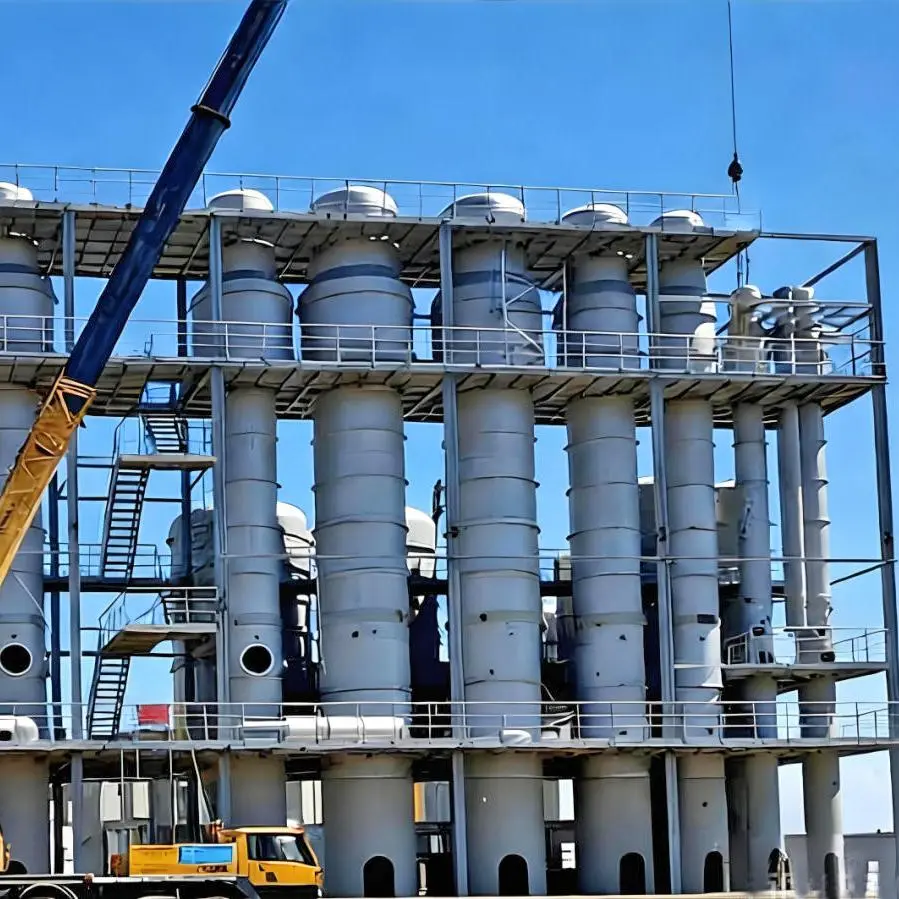
Discover the physical and mechanical design of our primary concentration systems.
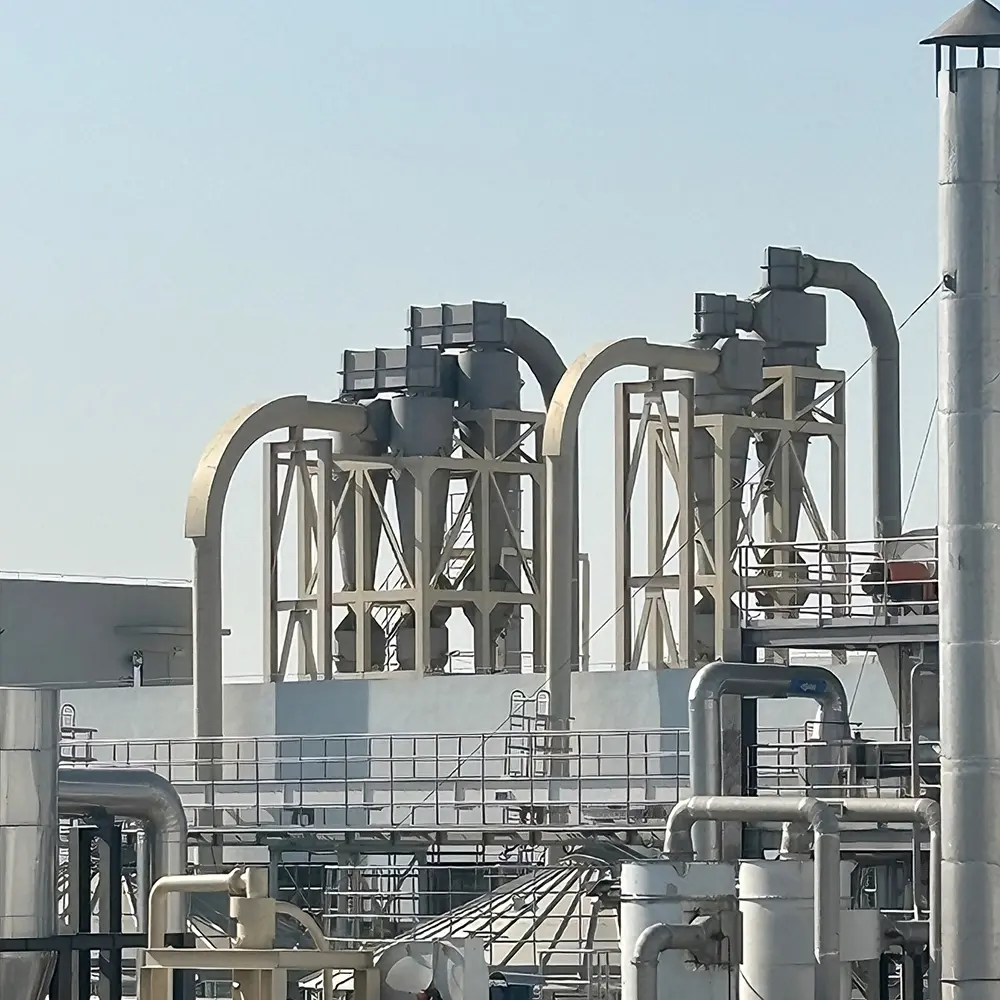
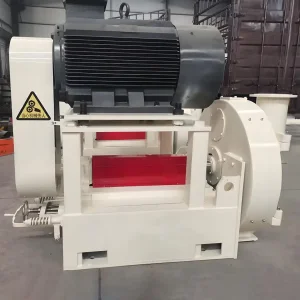
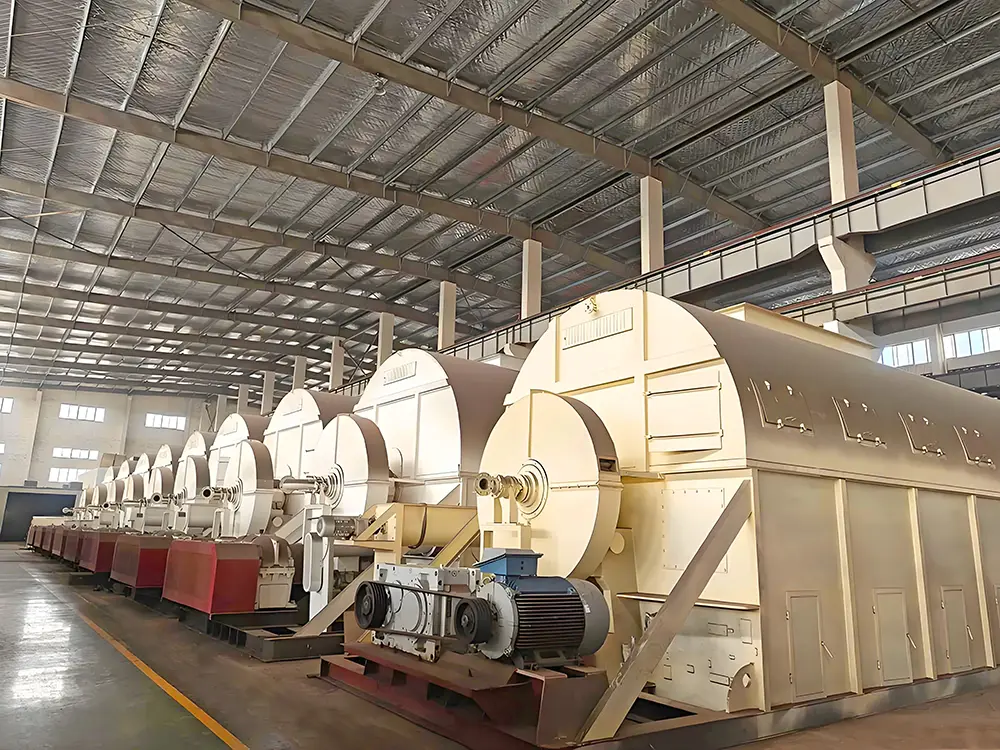
Jiangsu Zongheng's MQG Airflow Dryer employs high-speed hot air to suspend and fluidize the material. By utilizing impulse airflow generated from precisely varied tube diameters, it continuously tumbles the particles while conveying them. This design ensures rapid, uniform, and efficient drying throughout the entire transportation process within the system.
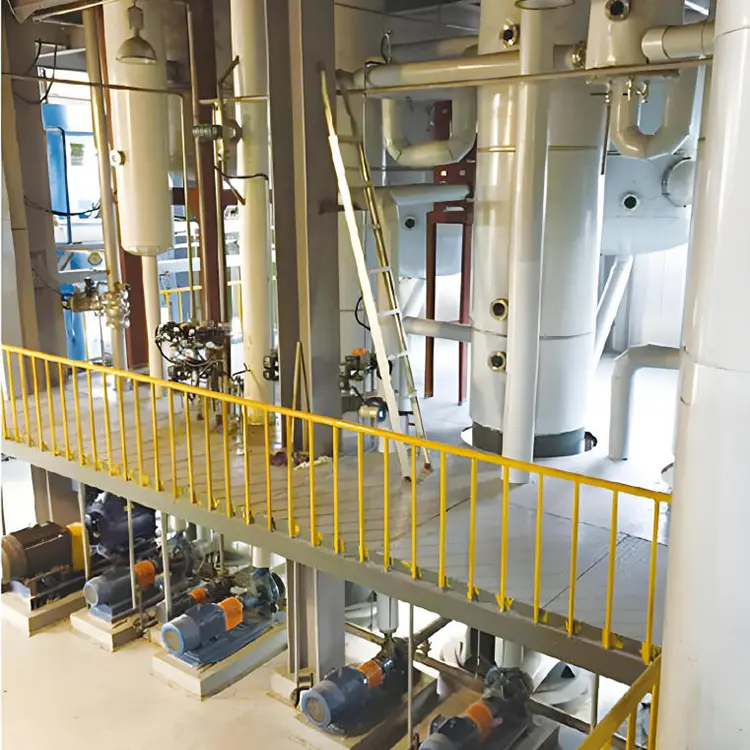
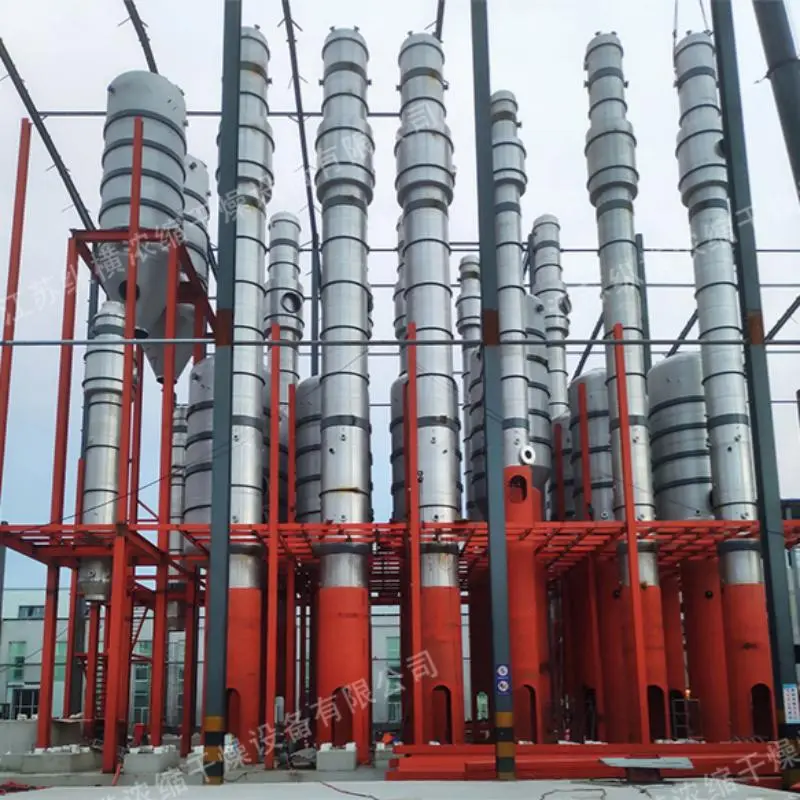
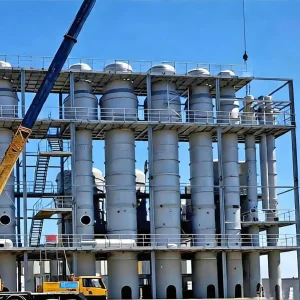
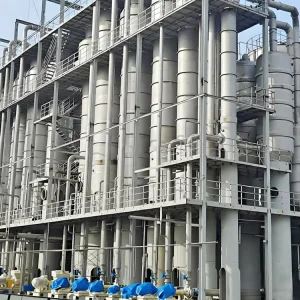
A falling film evaporator efficiently concentrates heat-sensitive liquids. The feed liquid forms a thin film flowing down heated vertical tubes, where it partially evaporates. Vapor generated flows parallel to the liquid, enhancing the process. It ensures a short residence time and low operating temperature, preserving product quality. The system requires proper liquid distribution and complete surface wetting to prevent fouling and maintain high thermal efficiency and operational stability.
What We Do
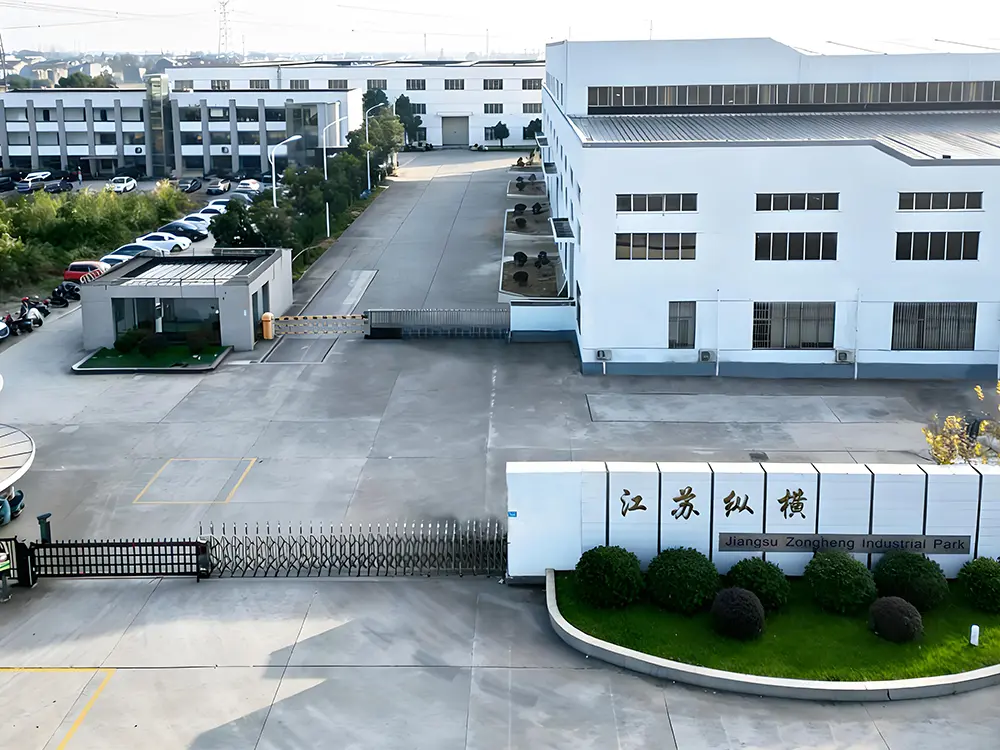
Jiangsu Zongheng Concentrating and Drying Equipment Co., Ltd (formerly Yixing Yangxi Light Industry Machinery Factory), founded in 1992, is located in Zhoutie Town, Yixing City, on the shores of the beautiful Taihu Lake. The company covers an area of over 54,000 square meters, with a production workshop area of over 22,000 square meters.
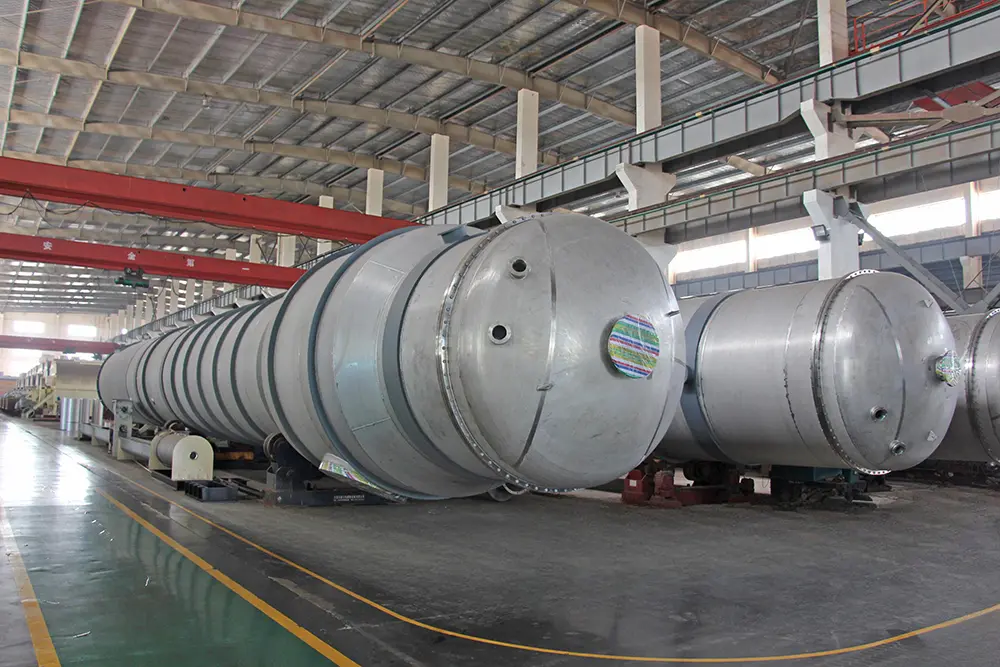
Jiangsu Zongheng is a modern high-tech enterprise specializing in the manufacturing of concentration, drying, starch industry, alcohol DDGS, and Category III medium & low-pressure vessel equipment. It is currently a member enterprise of the China Starch and Alcohol Association. Our products are widely used in industries such as food fermentation, alcohol, chemical, pharmaceutical, environmental protection, and petrochemical.
A legacy of industrial innovation, quality compliance, and global footprint expansion since 1992
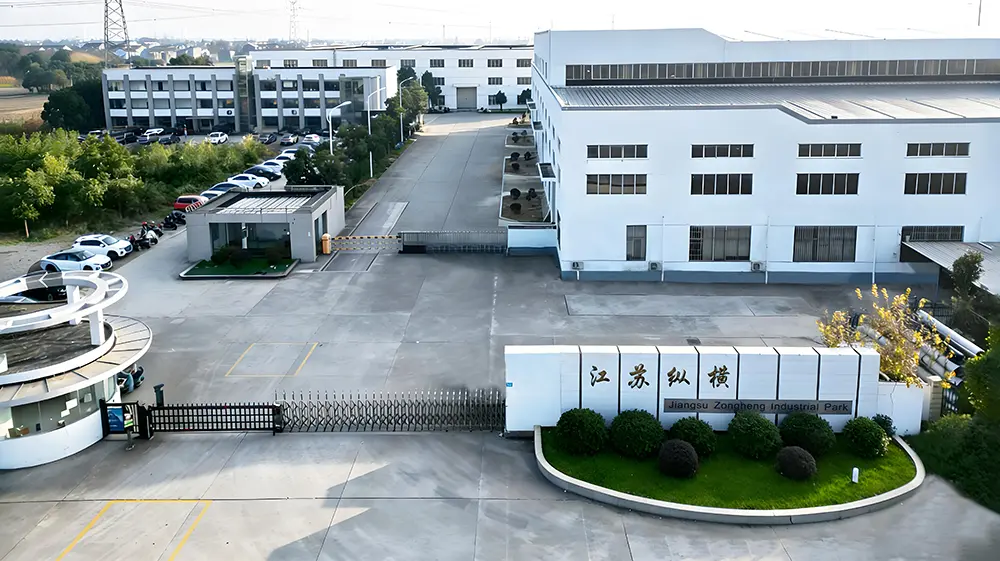
In 2026, the company covers a total area of over 54,000 square meters, with production workshop space exceeding 22,000 square meters. It currently employs 3 senior engineers and over 20 engineers and assistant engineers, with a total staff of 120 people.
Acquired international quality system certification (Certificate No.: 45021), establishing a complete quality assurance system aligned with international standards.
Acquired the ASME "U" Stamp authorization, marking the company's entry into a new phase of global development.
The company obtained the Special Equipment Manufacturing License of the People's Republic of China (License No.: TS2232C42) for pressure vessels.
Jiangsu Zongheng became a Jiangsu Provincial High-Tech Enterprise, indicating strong R&D capabilities.
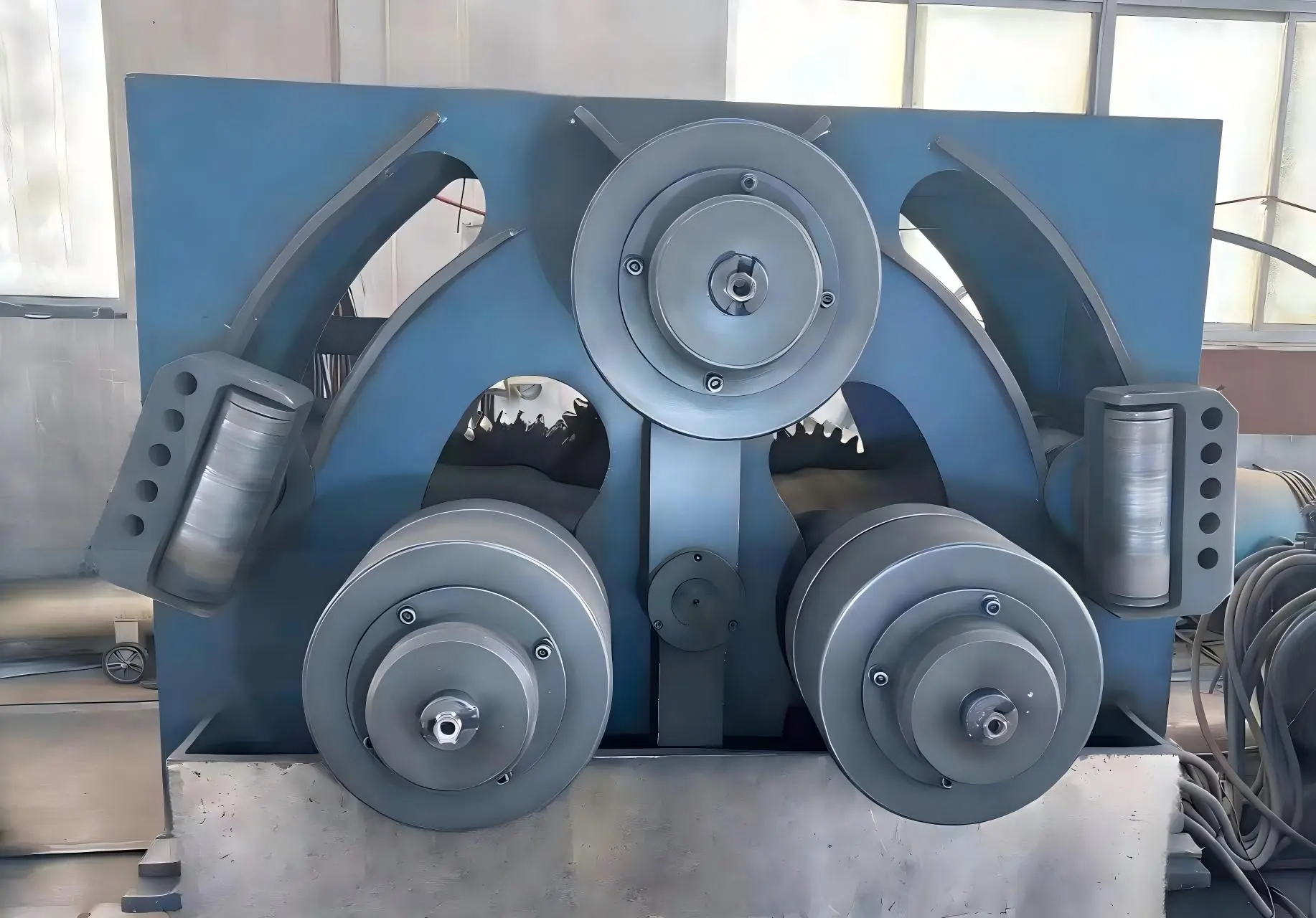
The company took the lead in obtaining ISO9001 accreditation, standardizing production control paths.
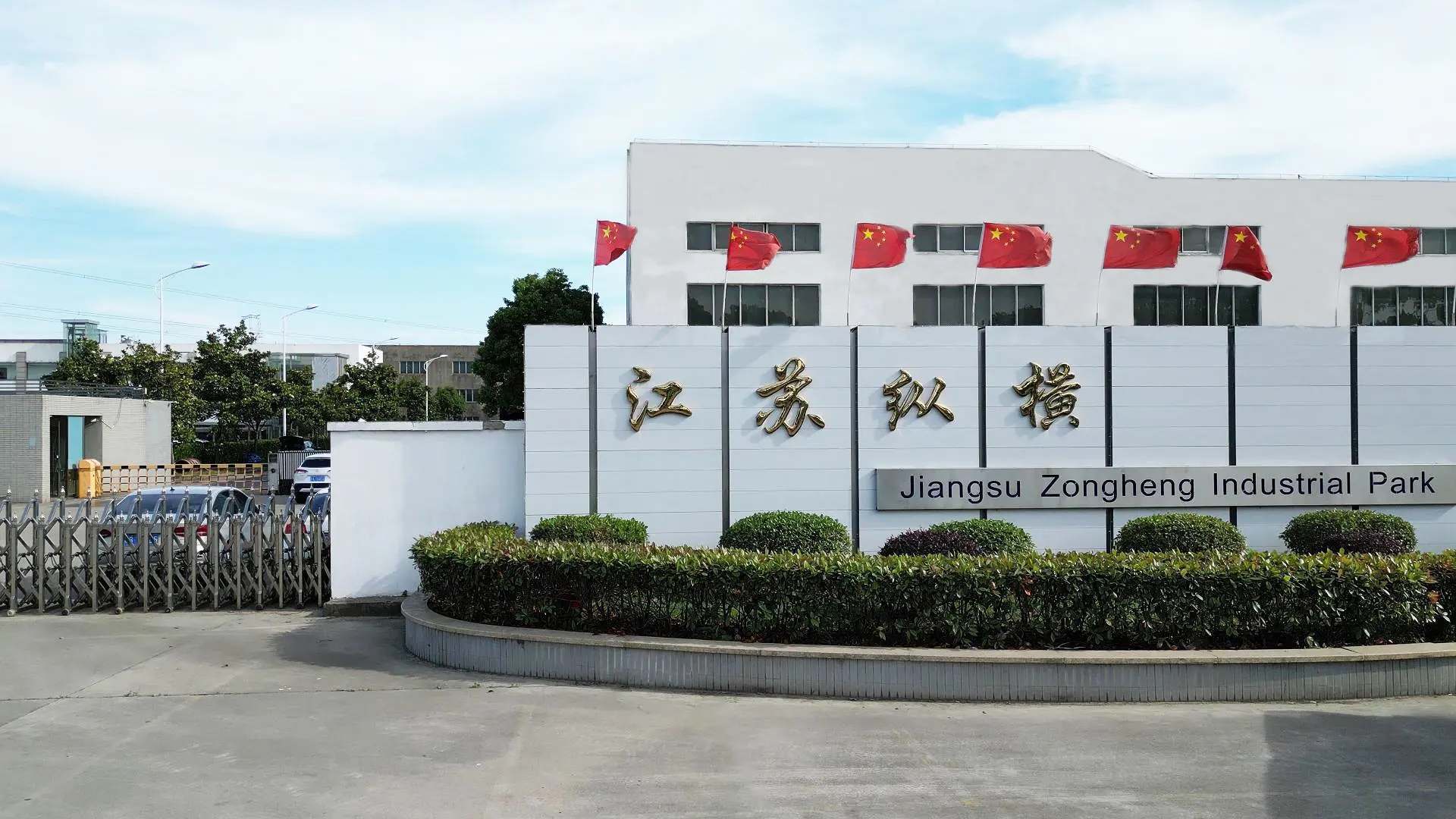
Jiangsu Zongheng Concentrating and Drying Equipment Co., Ltd, formerly known as Yixing Yangxi Light Industrial Machinery Factory, was established in 1992. The company covered a total area of approximately 15 mu and had a total of 45 employees.
Reliable operations across key agricultural, chemical, food processing, and environmental sectors.
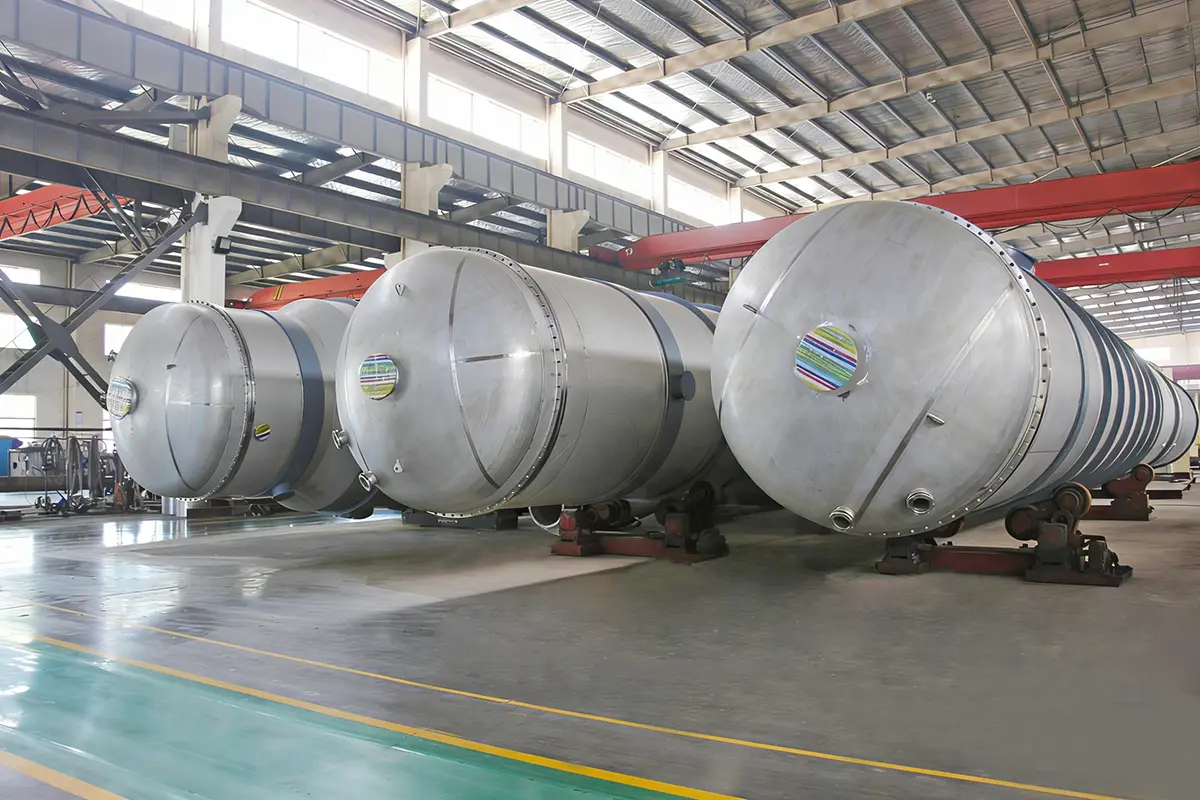
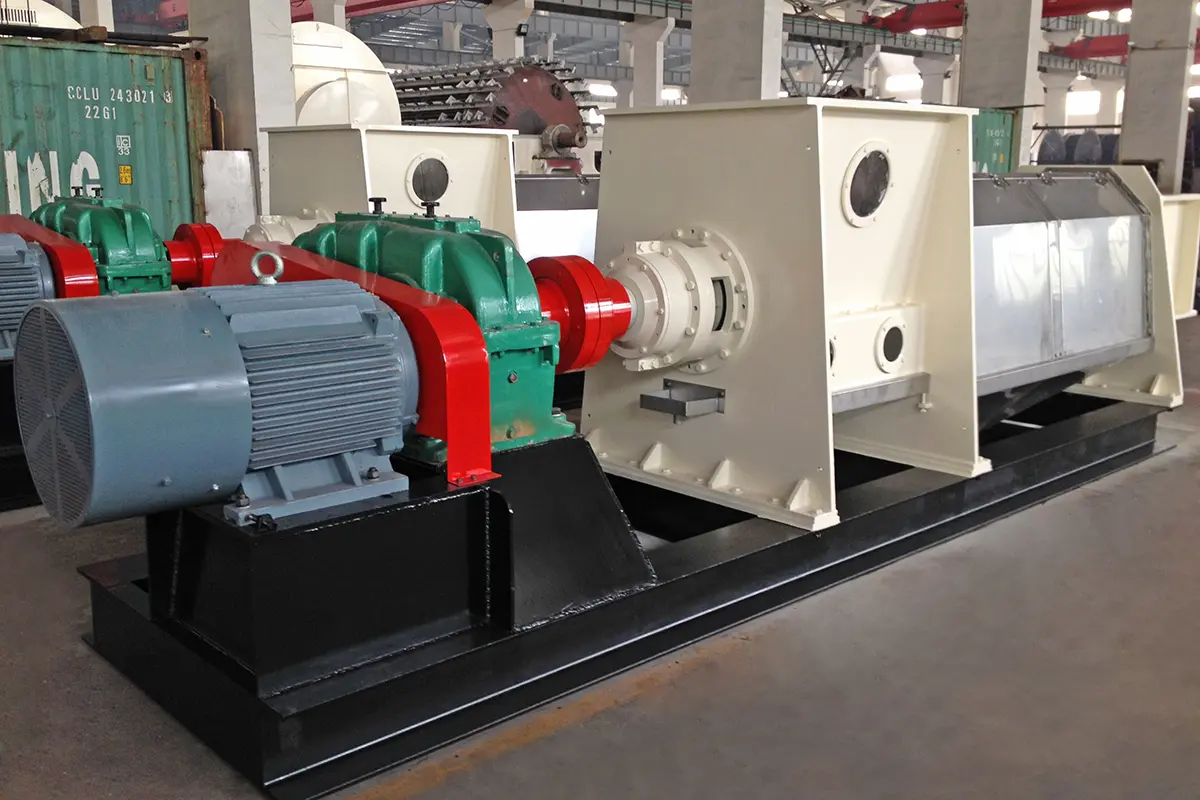
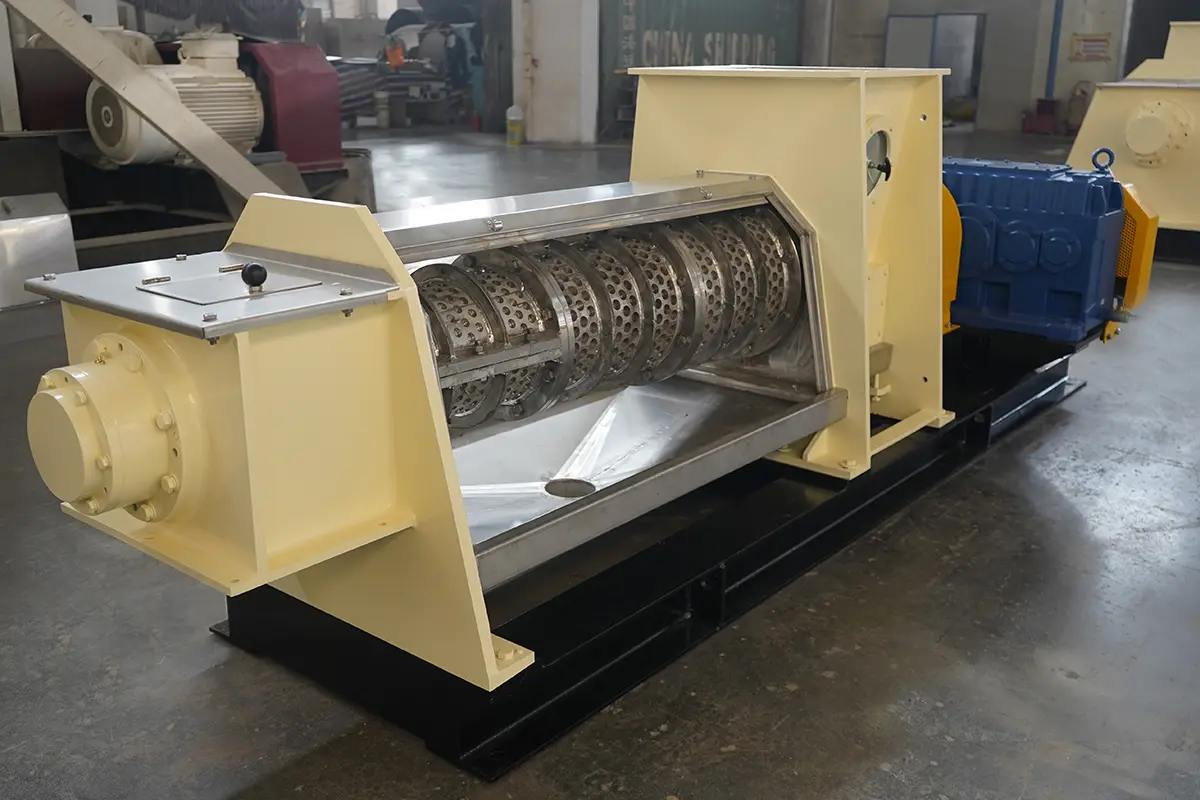
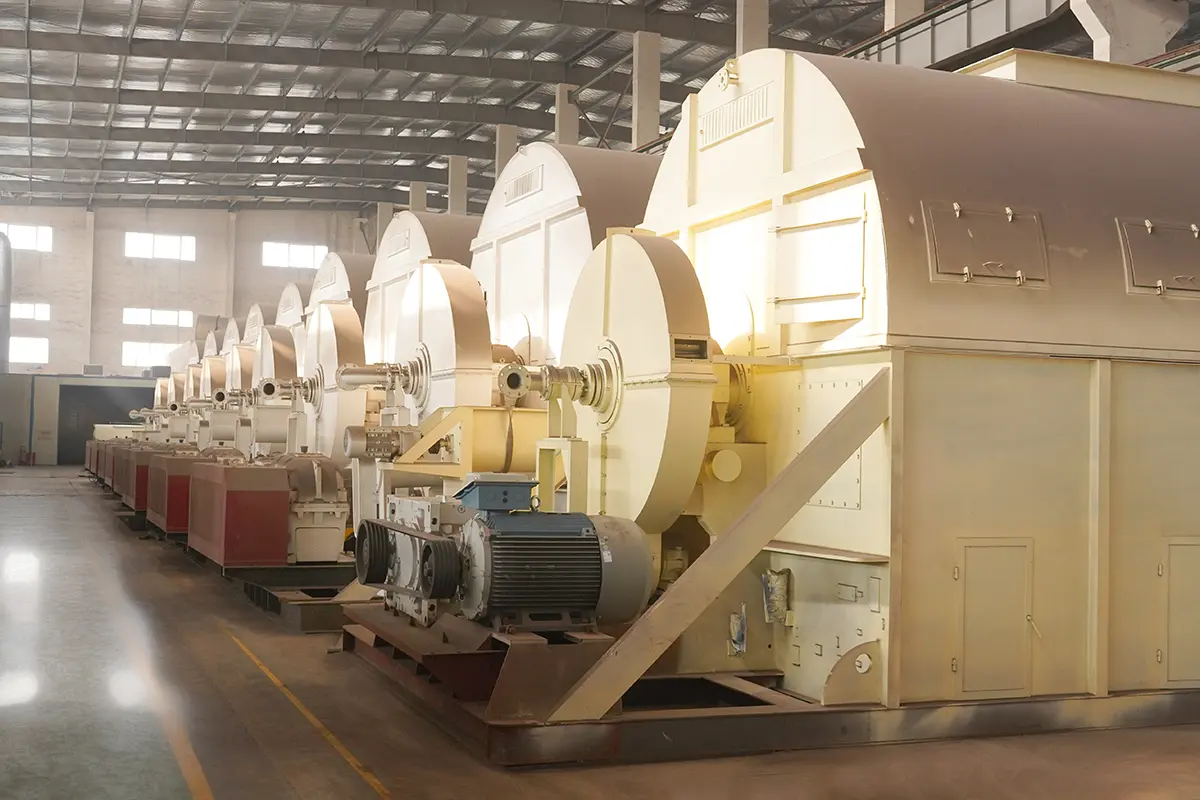
Manufactured to meet stringent ASME, CE PED, and ISO international standards.

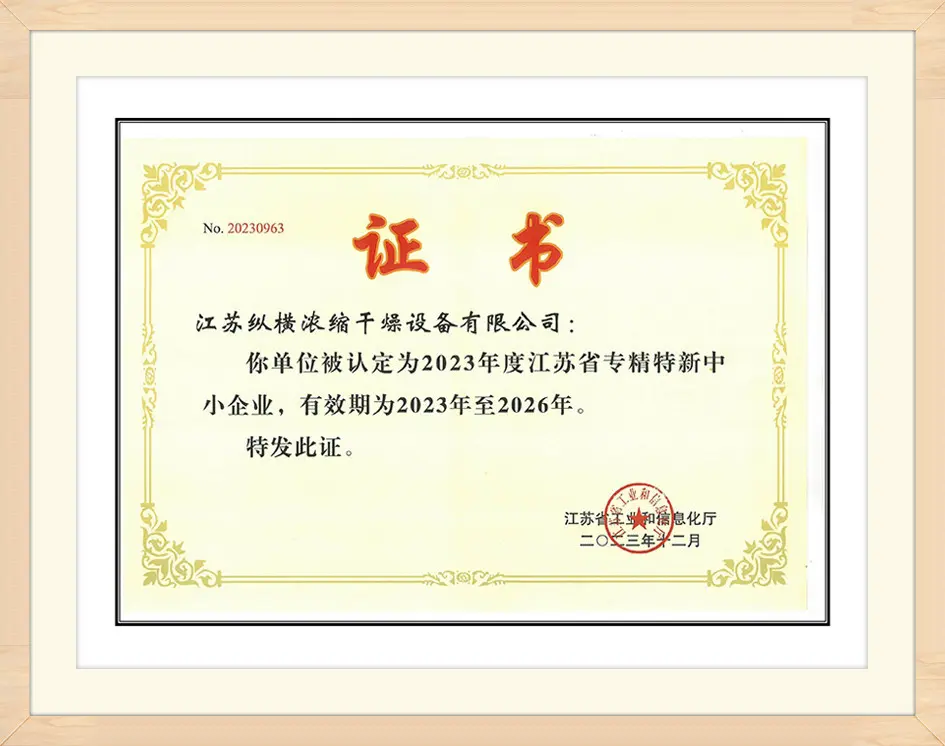
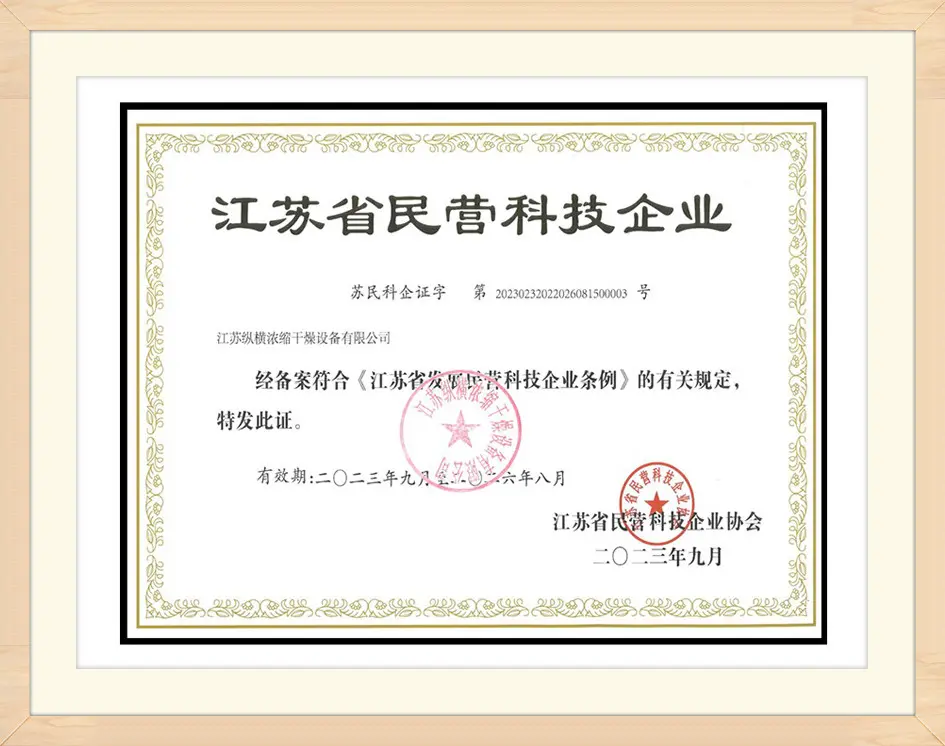
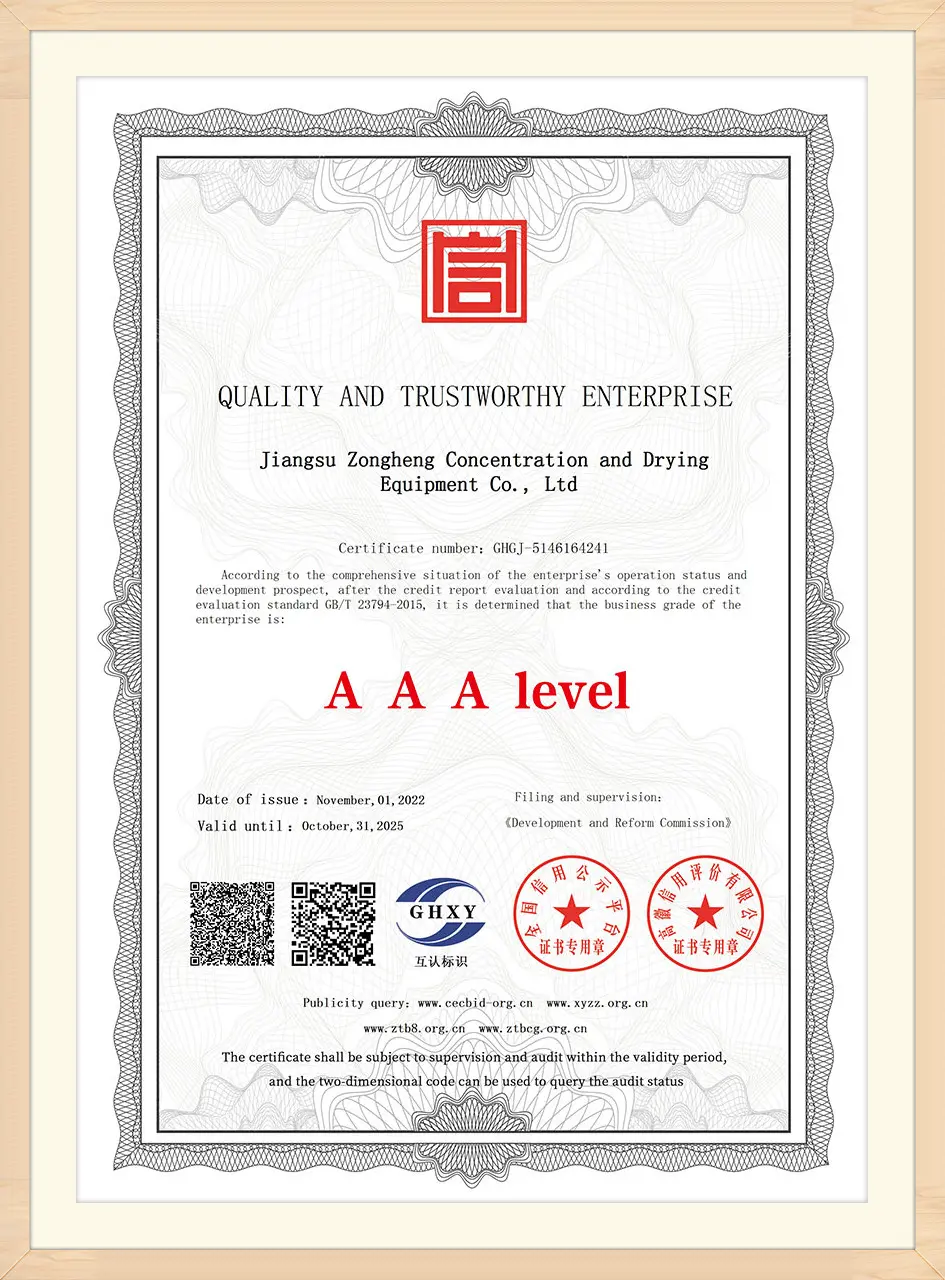
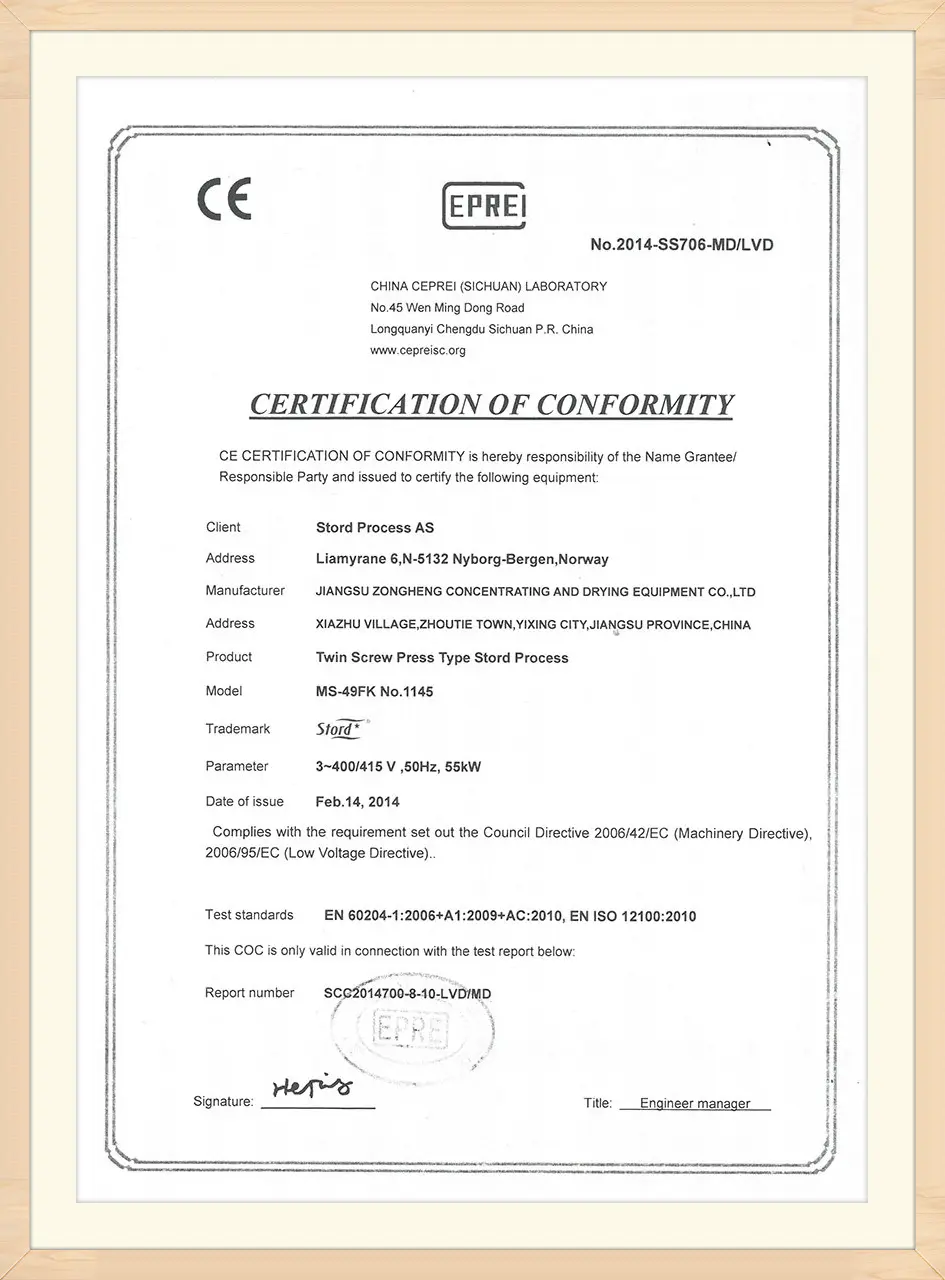
We warmly welcome partners from various industries, both domestic and international, to visit us for cooperation and mutual development! Let our engineering team draft a custom design for your next project.
Stay updated with technological advances, maintenance guides, and design practices in modern processing plants.
Technical answers to key questions asked by engineers and procurement professionals
Plate evaporators offer significantly higher overall heat transfer coefficients (U-values) due to the corrugated plate design. This structure promotes turbulent flow even at low flow rates. The high shear stress reduces scaling and fouling on the heat transfer surfaces. Additionally, plate evaporators require a much smaller physical footprint, offer shorter product residence times (which protects heat-sensitive liquids), and can be easily expanded by adding plates to the frame.
CE Certification according to the Pressure Equipment Directive (PED) is a legal requirement for pressure equipment operating in the European Economic Area (EEA). It ensures the evaporator is designed, manufactured, and tested to meet strict safety limits. This involves rigorous material verification, weld inspections, and hydrostatic pressure testing to prevent operational failures and leaks, protecting both the facility and personnel.
The system utilizes a specialized single-pass design with low hold-up volume, ensuring that fluid residence times remain brief. Evaporation occurs at low, controlled boiling points under vacuum, which prevents thermal degradation of heat-sensitive compounds. A specialized separation column or condenser configuration captures and recovers volatile aroma compounds, keeping them from escaping with the bulk vapor.
Yes, plate evaporators are highly compatible with MVR setups. The high heat transfer efficiency allows for operation with a narrow temperature difference (typically 3 to 8°C). This small temperature difference reduces the pressure ratio needed for the vapor compressor, maximizing the efficiency of the MVR system and lowering overall operating costs.
Depending on the process fluid, plates can be manufactured from various alloys, including standard AISI 304, AISI 316L stainless steel for general chemical applications, Titanium and Titanium-Palladium alloys for highly corrosive chloride solutions, and specialized alloys like Hastelloy when processing aggressive acids.
Our systems feature double-gasket designs with leak detection channels. Gaskets are available in materials such as NBR, EPDM, and Viton, selected based on the process temperature and chemical profile. If a gasket fails, fluid is directed outward through the leakage channel rather than mixing with the utility steam, preventing cross-contamination.
Modern plate evaporators are engineered for simple CIP procedures. CIP solutions are pumped directly through the channels at recommended flow velocities to clean the surfaces. Because the high turbulence helps scrub the plates, chemical and water use is minimized. For deep maintenance or manual cleaning, the plate pack can be opened by releasing the frame tie-bolts.
Our plate distribution channels ensure that liquid is spread evenly across the entire width of the plate. Corrugations divide the liquid into narrow streams, maintaining a continuous wetting film. This uniform coverage prevents dry spots and reduces localized overheating, minimizing product degradation and fouling.
Select a product to view technical specifications, capacity ratings, and dimensions.
 Zongheng