In modern raw material processing, chemical plants, wastewater treatment facilities, and food production houses, achieving high mechanical solid-liquid separation efficiency is paramount. As regulatory pressures concerning environmental discharge mount, the industrial sector has moved rapidly toward utilizing high-performance mechanical force to strip water from solids before thermal drying occurs. Mechanical dewatering is substantially more energy-efficient than thermal evaporation; removing moisture through a mechanical Single Screw Press or dewatering filter consumes a fraction of the thermal energy required by bundle dryers or evaporation plants.
Leading this industrial transition is Jiangsu Zongheng Concentrating and Drying Equipment Co., Ltd., bringing over 30 years of manufacturing excellence to global partners. Through rigorous design practices conforming to the European Union's CE Certification standards, Jiangsu Zongheng ensures that every dewatering press is optimized for reliability, safety, and peak output. By focusing on mechanical compression kinetics and minimizing moisture profiles prior to secondary drying, we help factories achieve up to 60-70% lower energy costs in their overall drying streams.
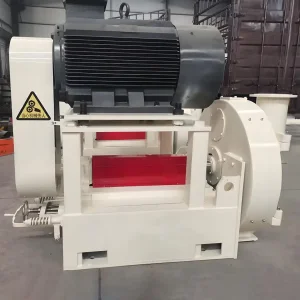
The fundamental architecture of a Single Screw Press centers on a variable-pitch screw rotating inside a cylindrical screen basket. As the slurry enters the inlet hopper, the rotation of the screw conveys the material forward. The volumetric capacity of the screw flights decreases progressively from the feed zone to the discharge plug zone. This reduction in volume generates high pressure gradients within the material bed.
Jiangsu Zongheng’s proprietary variable-pitch screw configurations adjust compression ratios dynamically based on the specific material slurry profile. By utilizing tapered shafts and gradually tightening screw flights, the liquid is pressed through screen plates while the solid cake forms a compacted plug at the outlet.
The moisture level of the discharged cake is controlled through a pneumatic or hydraulic back-pressure cone located at the discharge zone. This cone maintains constant resistance against the exiting solids, ensuring uniform moisture content despite variations in flow rate or inlet concentration.
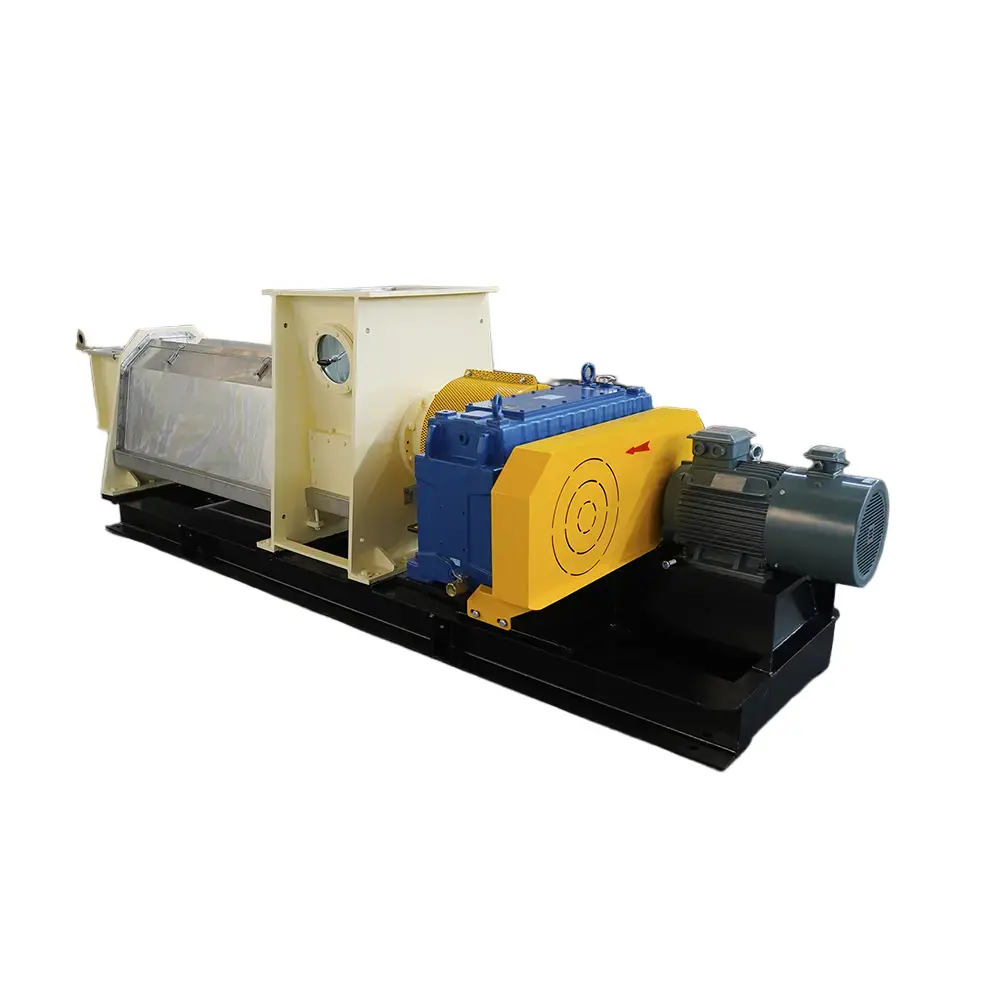
Industrial sectors utilize mechanical dewatering to process large-volume streams. Let's look at how mechanical dewatering presses are deployed across key markets globally.
In corn wet milling industries, dewatering presses handle germ, fiber, and gluten streams. Combining these presses with Degerming Mill Machines and YDX Starch Washing Cyclones ensures dry cake solids are optimized before moving to secondary bundle drying.
Distillers Dried Grains with Solubles (DDGS) require significant moisture extraction. Incorporating high-torque Single Screw Presses reduces the load on multi-effect or waste heat evaporators, driving down operational steam requirements.
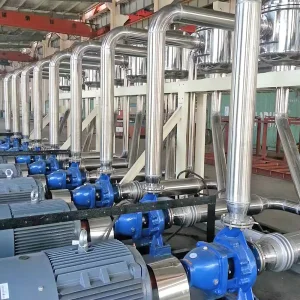
Municipal sludge and high-salinity wastewater residues are dewatered mechanically prior to thermal crystallization or disposal. Using screw presses in front of falling film or MVR evaporators ensures standard Zero Liquid Discharge (ZLD) levels.
Industrial processing efficiency is maximized when individual systems are integrated as a unified thermal-mechanical path. Rather than looking at a screw press as standalone machinery, Jiangsu Zongheng treats mechanical dewatering, evaporation, and final thermal drying as a continuous, closed-loop thermal cycle.
| Equipment Phase | Primary Unit Technology | Moisture Range (Inlet / Outlet) | Energy Source / Footprint |
|---|---|---|---|
| Phase 1: Concentration | Jiangsu Zongheng MVR / Falling Film Evaporation | 90-95% liquid feed → 60-70% concentrated slurry | Mechanical Vapor Recompression / Steam recycling |
| Phase 2: Dewatering | Single Screw Dewatering Press | 60-70% concentrated slurry → 35-45% solid cake | Mechanical compression (high torque motor, low power) |
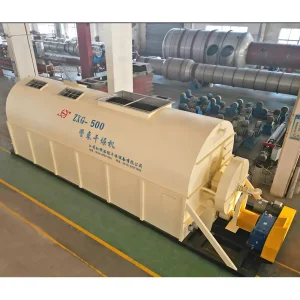
| Phase 3: Thermal Drying | ZXG Tube Bundle Dryer / MQG Airflow Dryer | 35-45% solid cake → 8-12% final powder / grain | Indirect steam heat / High-speed dynamic hot air |
In this system structure, the Single Screw Press plays a vital transitional role. By raising cake dryness to 40%+, it minimizes the energy load on the ZXG Tube Bundle Dryer or MQG Airflow Dryer. Simultaneously, filtrate runoff is directed to the MVR Evaporation Plant or Waste Heat Evaporator, eliminating waste and keeping the environment clean.
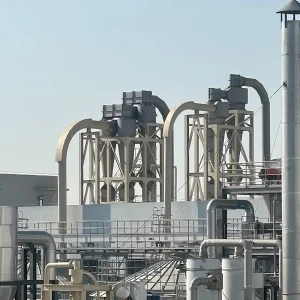
Jiangsu Zongheng's MQG Airflow Dryer employs high-speed hot air to suspend and fluidize the material. By utilizing impulse airflow generated from precisely varied tube diameters, it continuously tumbles the particles while conveying them. This design ensures rapid, uniform, and efficient drying throughout the entire transportation process within the system.
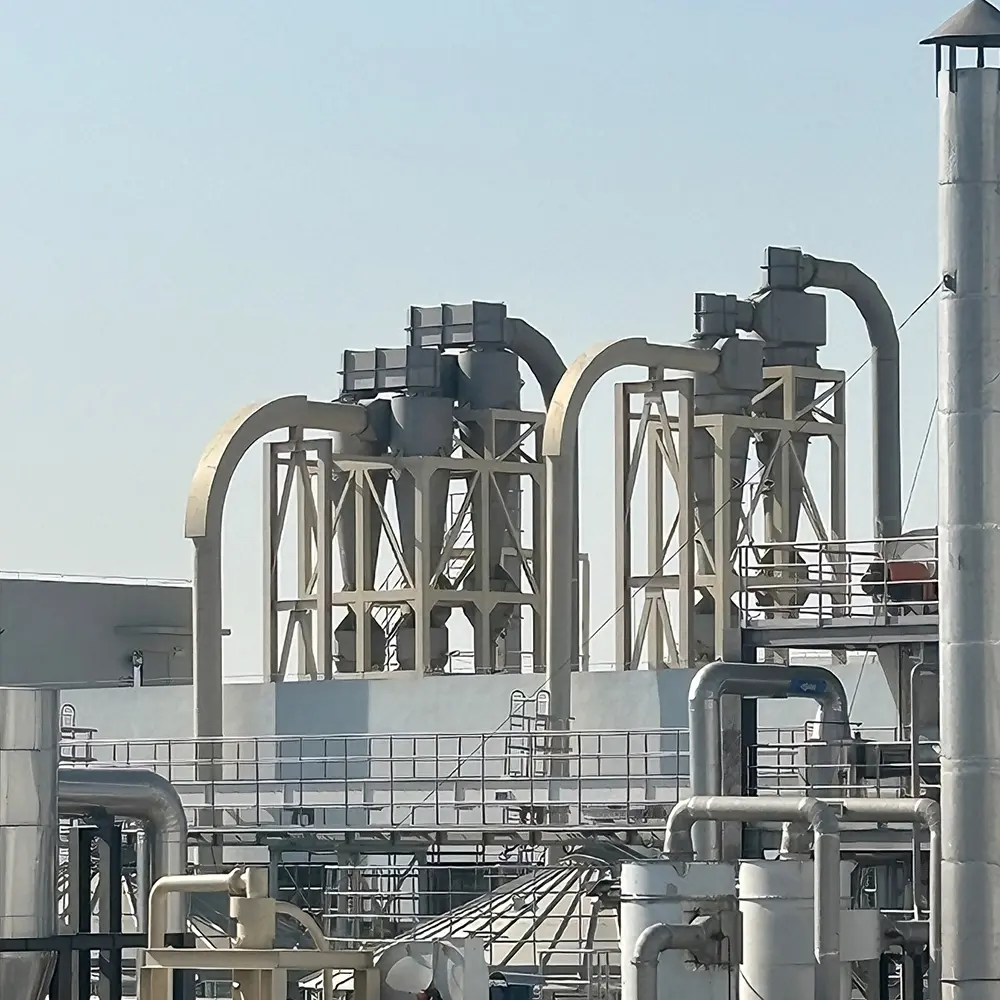
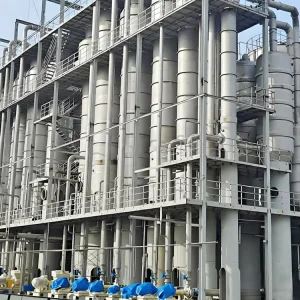
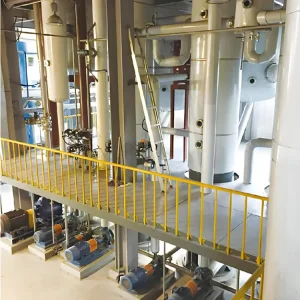
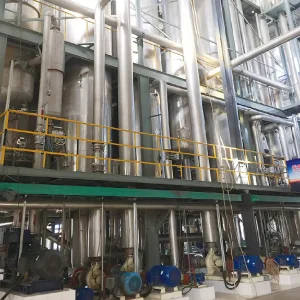
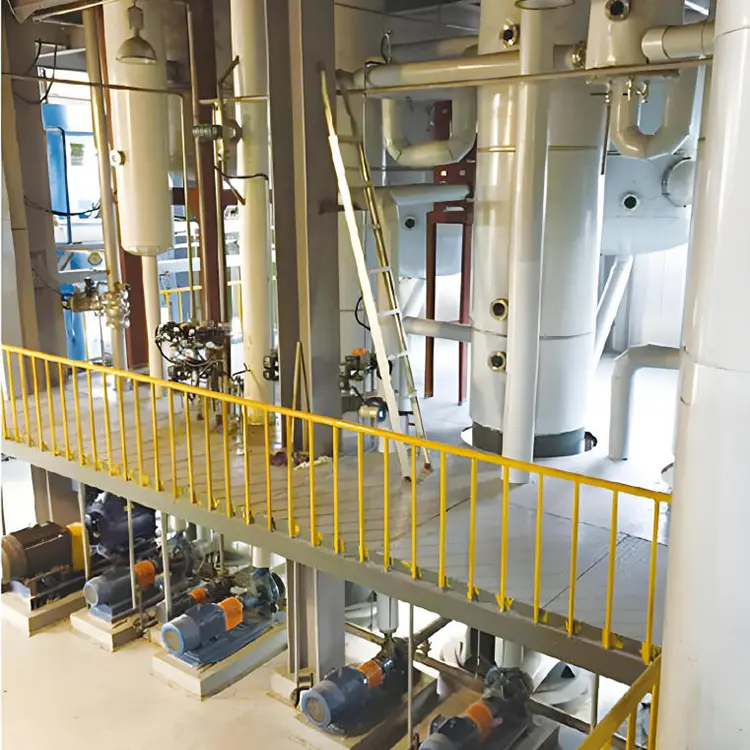
A falling film evaporator efficiently concentrates heat-sensitive liquids. The feed liquid forms a thin film flowing down heated vertical tubes, where it partially evaporates. Vapor generated flows parallel to the liquid, enhancing the process. It ensures a short residence time and low operating temperature, preserving product quality. The system requires proper liquid distribution and complete surface wetting to prevent fouling and maintain high thermal efficiency and operational stability.
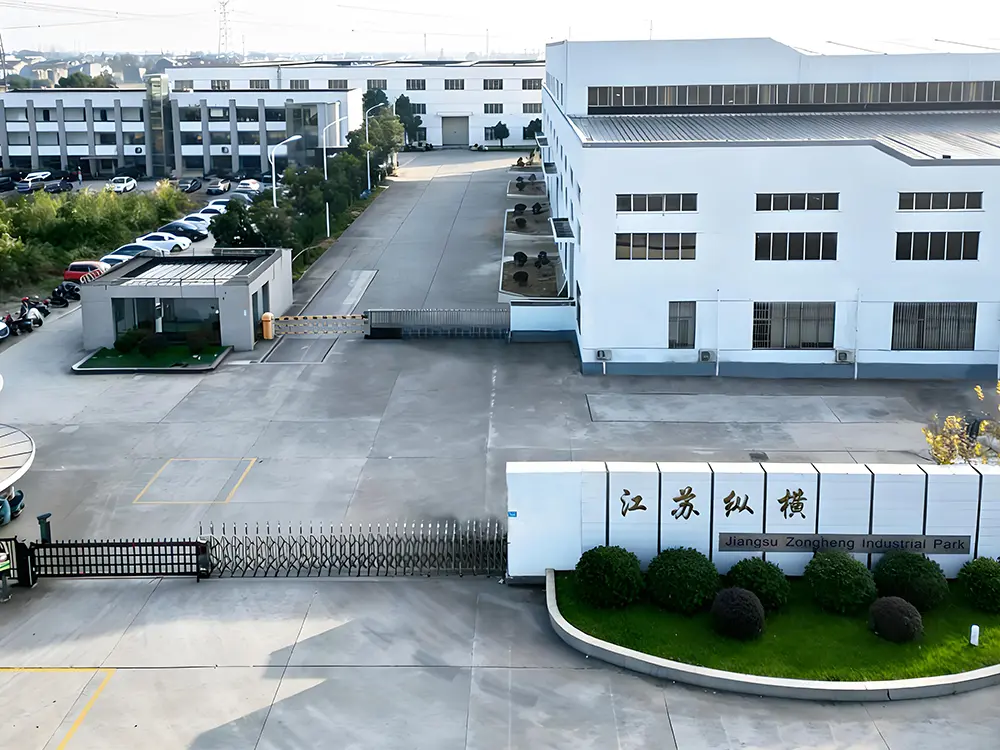
Located in Zhoutie Town, Yixing City, Jiangsu Province, alongside Lake Taihu, Jiangsu Zongheng benefits from one of the most robust industrial machinery supply chains in the world. This industrial base provides rapid access to high-grade raw stainless steels (304, 316L, duplex steels like 2205), specialized precision gearboxes, heavy-duty forging partners, and certified non-destructive testing (NDT) operations.
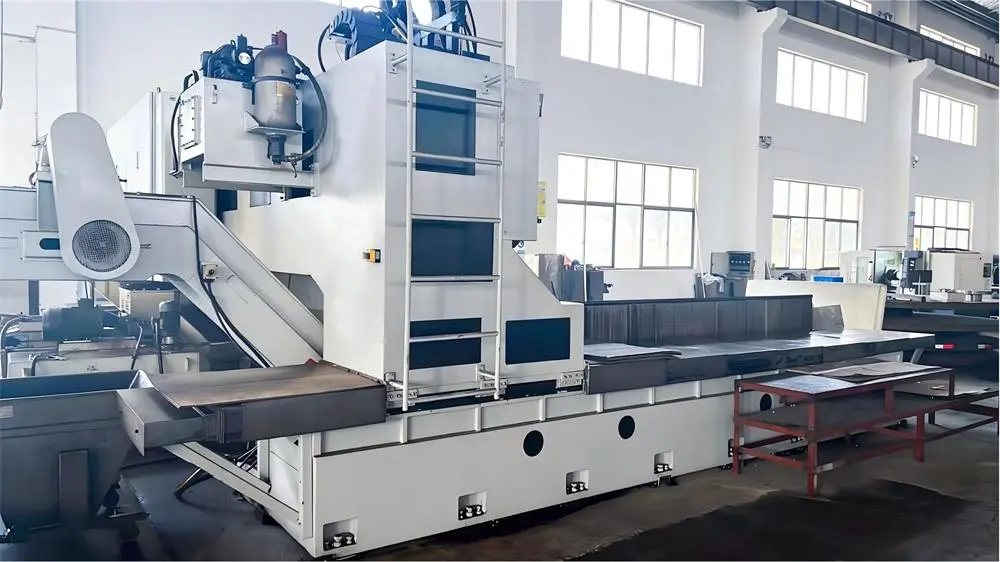
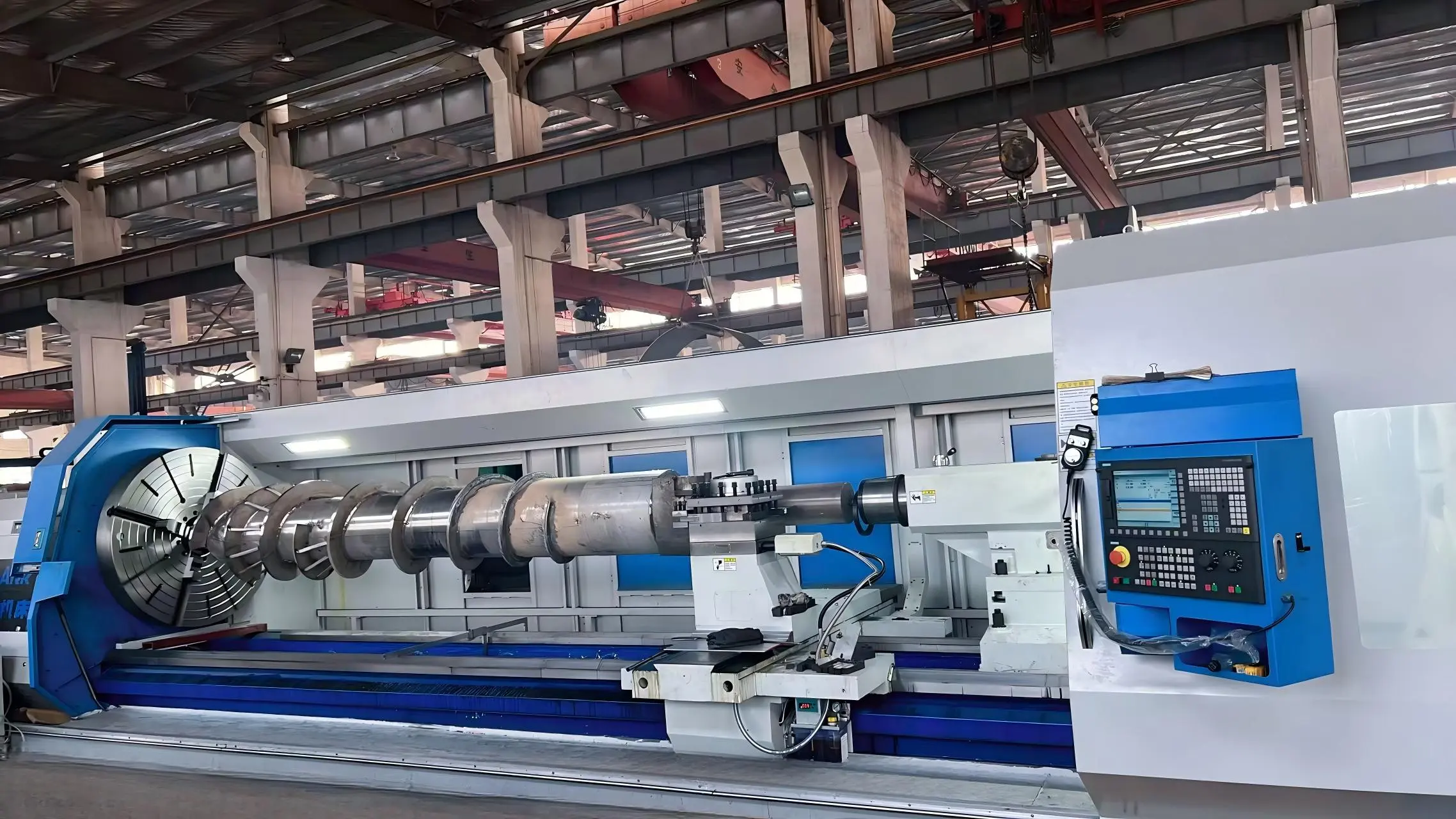
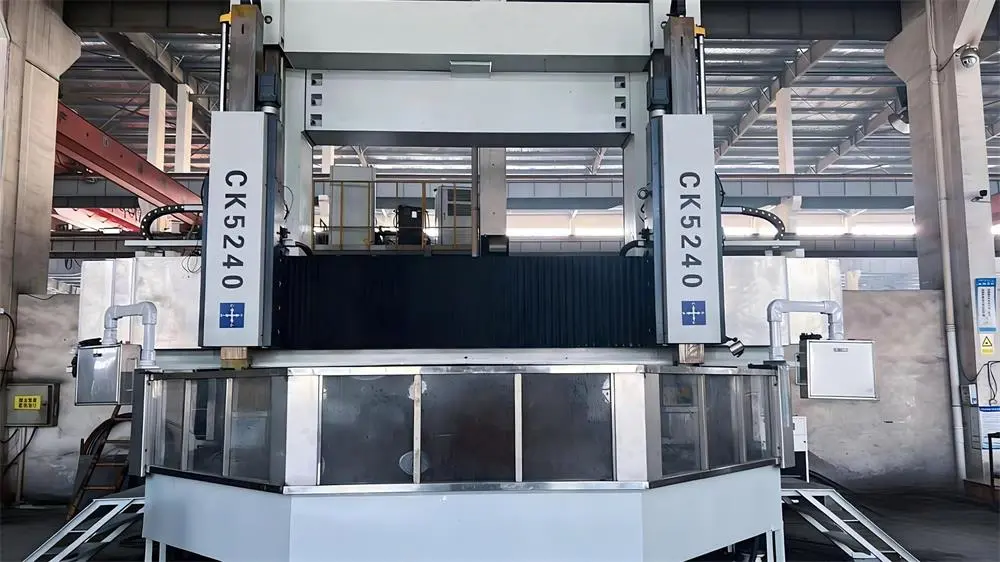
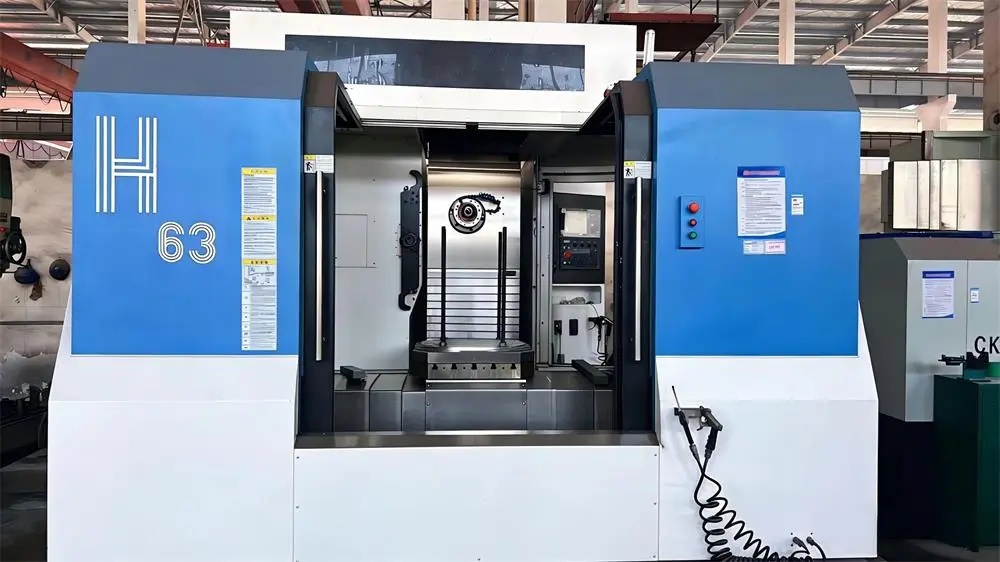
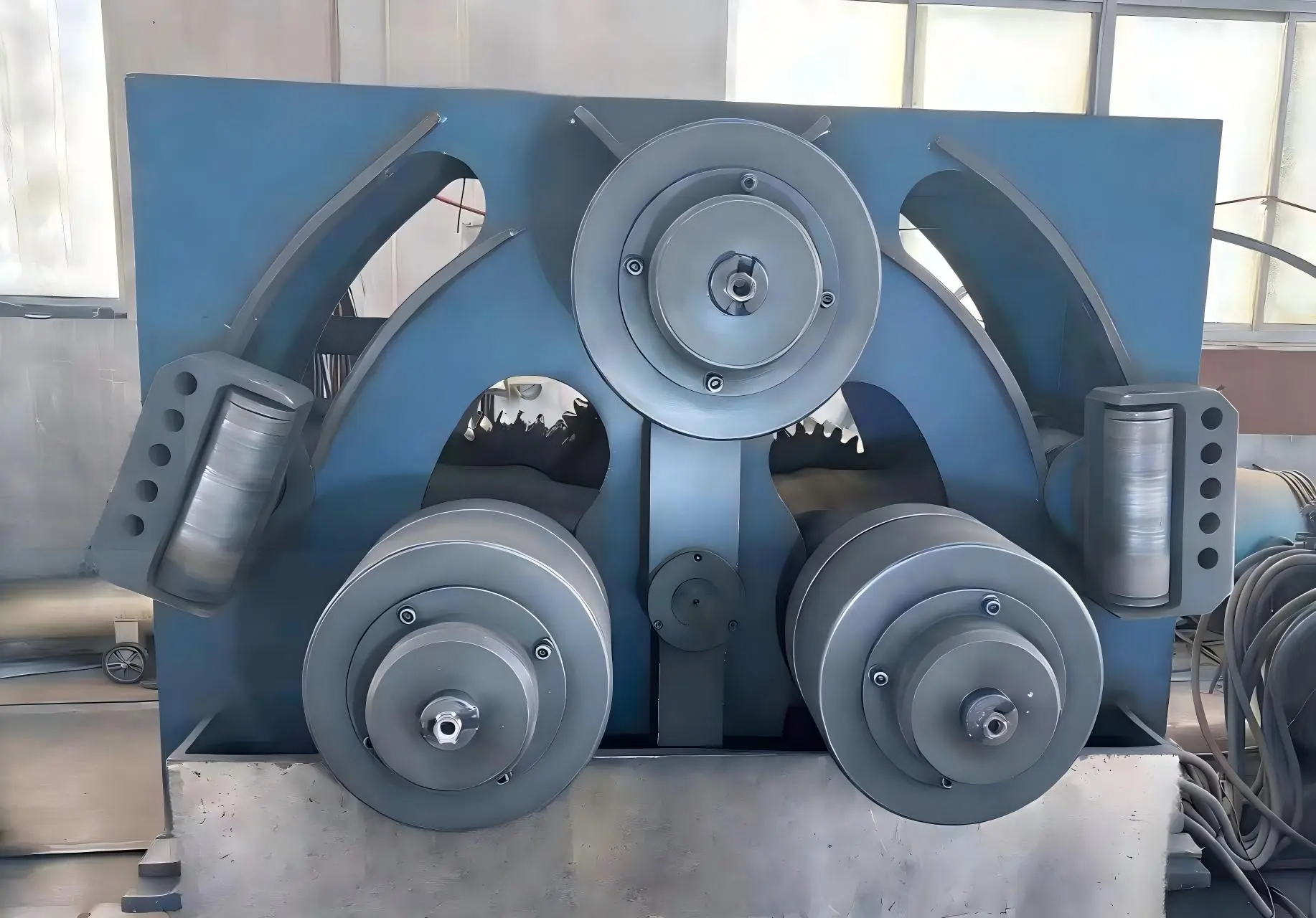
By keeping steel sourcing, plate rolling, high-precision machining, welding, structural assembly, and automated control integration entirely in-house, we eliminate reliance on third-party suppliers. This secure supply chain ensures reliable lead times, lower transport costs, and robust manufacturing quality control, shielding our global partners from market fluctuations.
Our research and development program focuses on three main engineering priorities:
Integrating smart sensors within the screw flight profiles and screen screens to monitor wear levels in real-time, preventing unplanned downtime through preventative maintenance alerts.
Implementing automated dynamic backpressure controllers that adjust cone position in real time based on feedback from torque sensors, maintaining stable dryness.
Applying advanced laser cladding treatments along the edges of the screw flights using tungsten carbide coatings, extending equipment lifespan up to three times in abrasive environments.
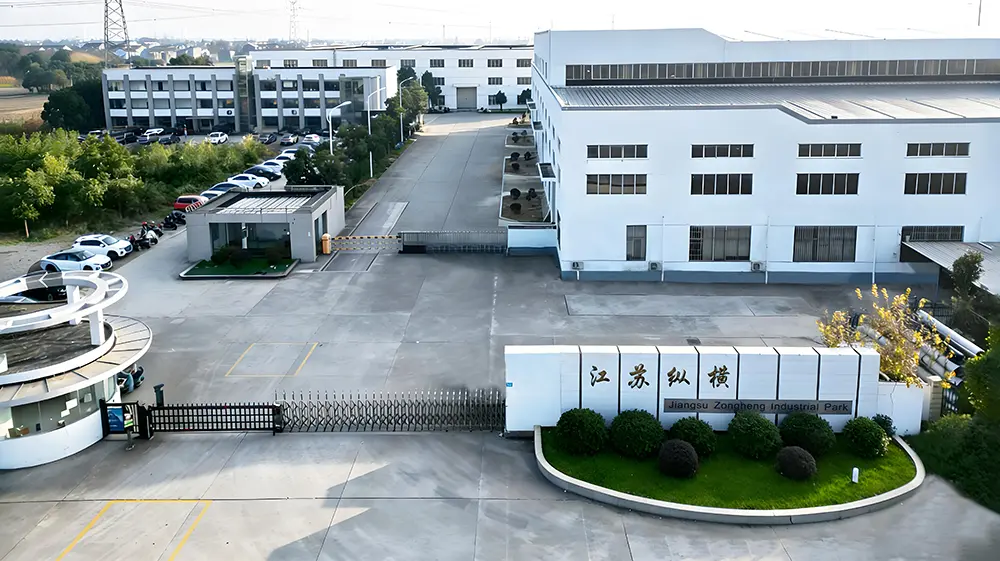
The company covers over 54,000 m² with workshop space exceeding 22,000 m². Employing 3 senior engineers, over 20 engineers, and a total staff of 120 people.
Obtained international quality system certification (Certificate No.: 45021), establishing a complete quality assurance system aligned with international standards.
Acquired the ASME "U" Stamp authorization, marking the company's entry into a new phase of international high-pressure vessel manufacturing.
Obtained the Special Equipment Manufacturing License of the People's Republic of China (License No.: TS2232C42) for medium & low pressure vessels.
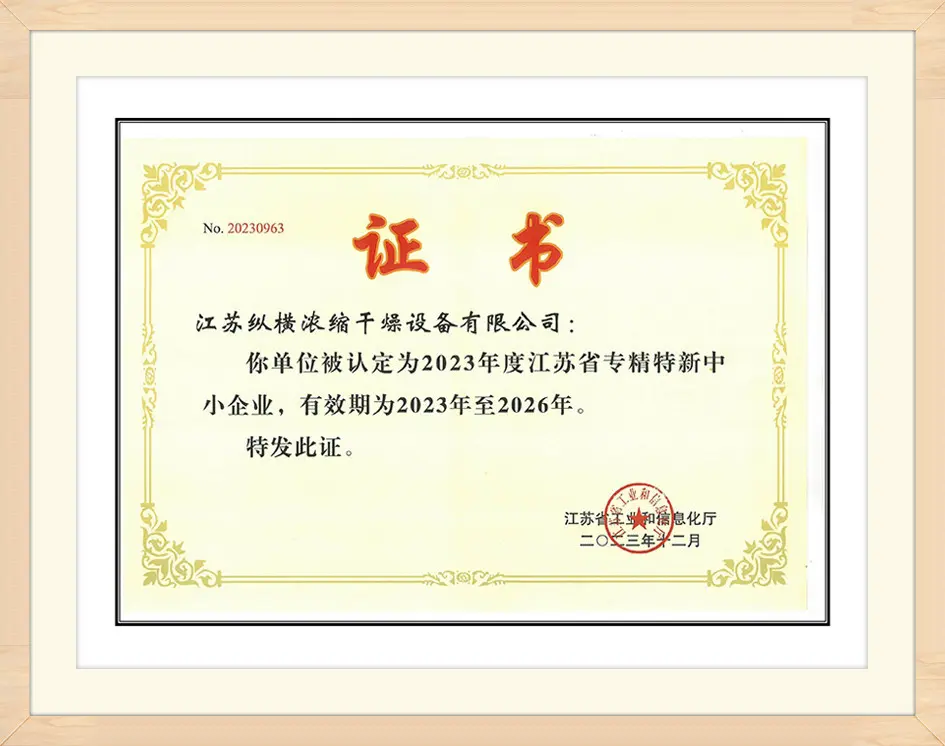
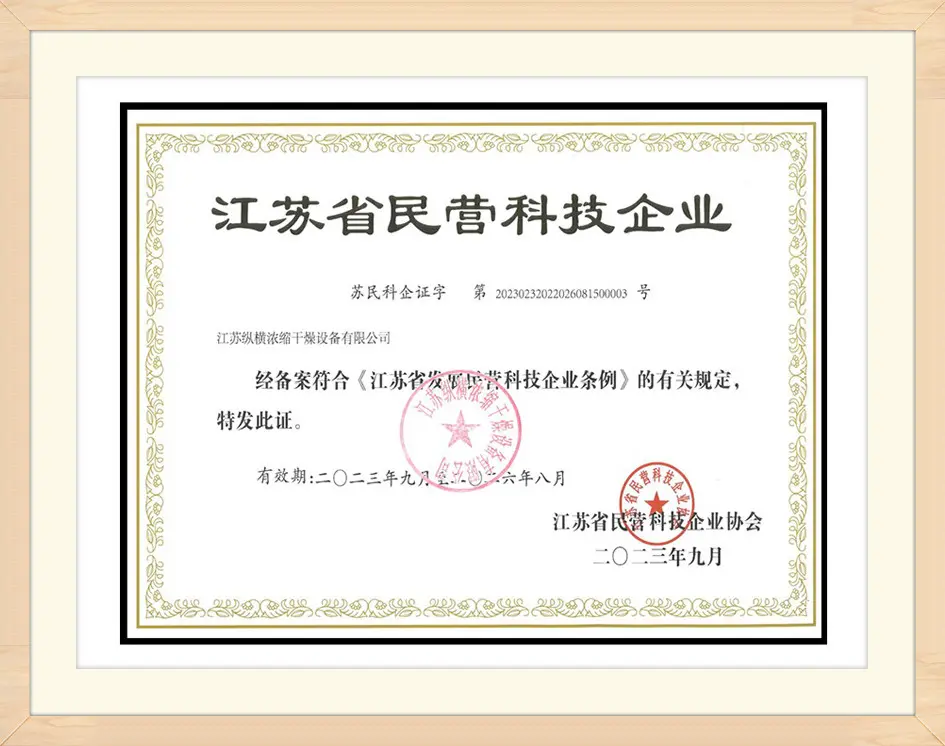
Officially recognized as a Jiangsu Provincial High-Tech Enterprise, reinforcing our commitment to technology and modernization.
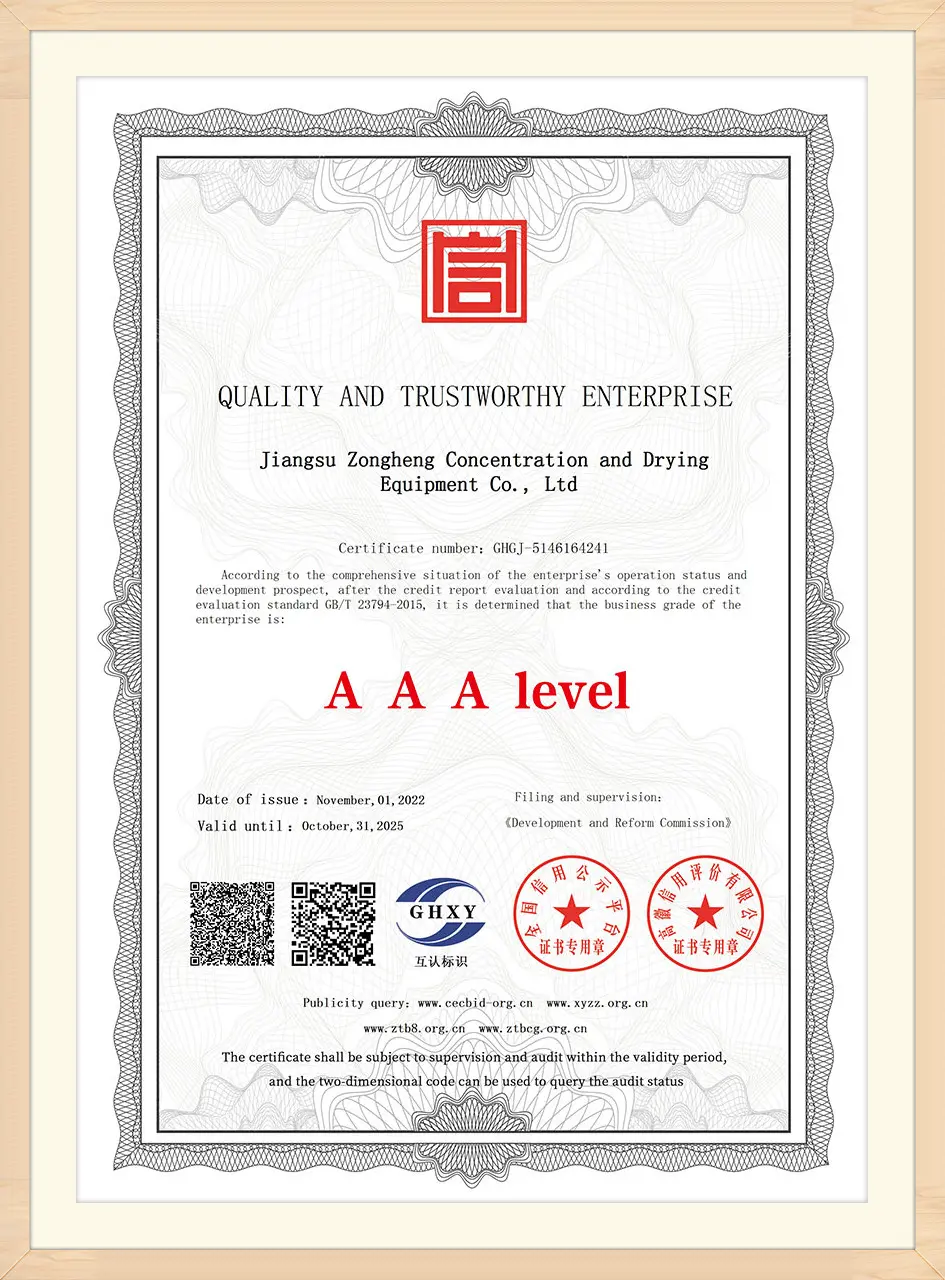
Took the lead in obtaining ISO9001 certification, standardizing internal production and inspection management systems.
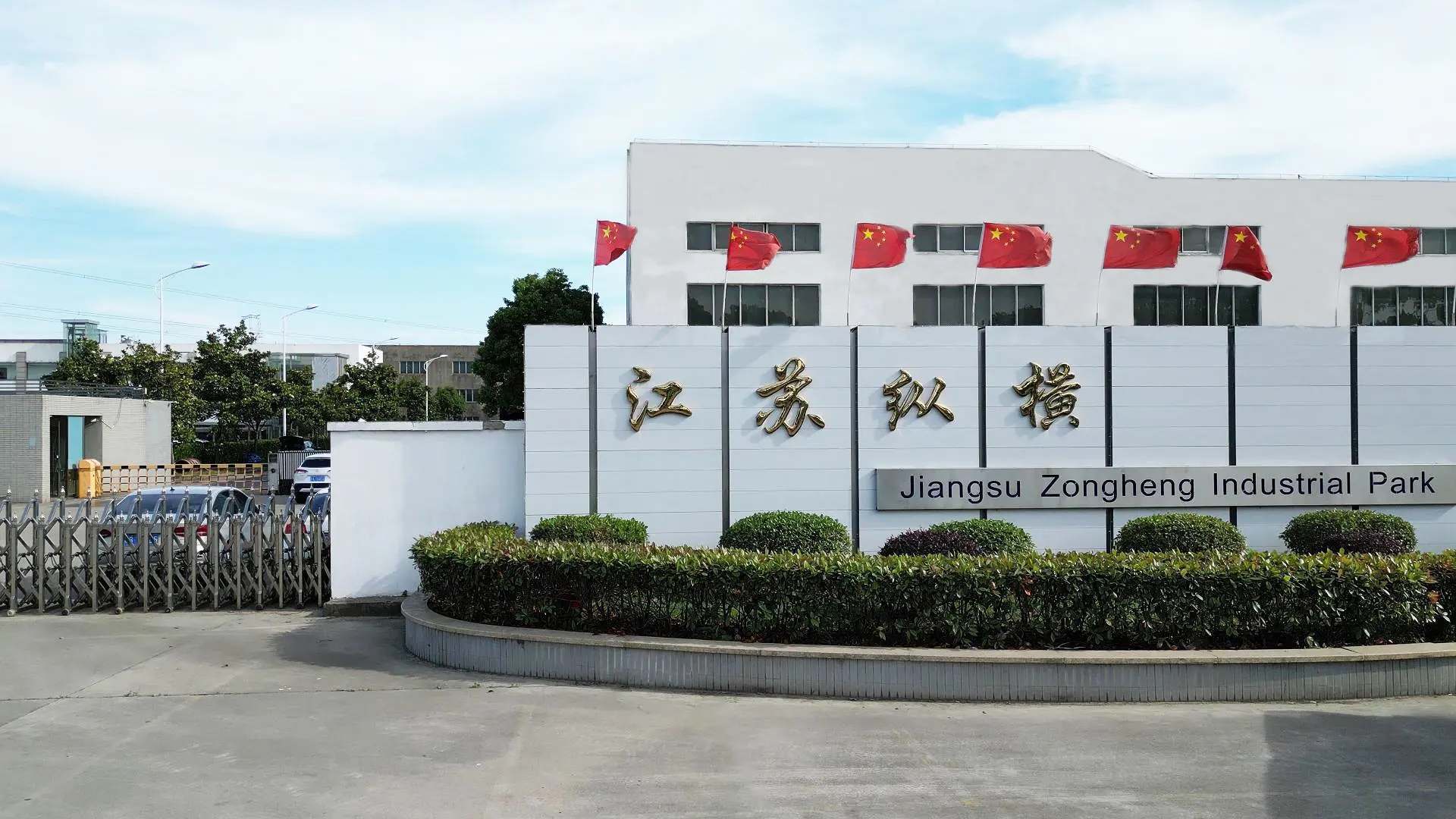
Jiangsu Zongheng (formerly Yixing Yangxi Light Industrial Machinery Factory) was established in 1992, covering approximately 15 mu with 45 initial employees.
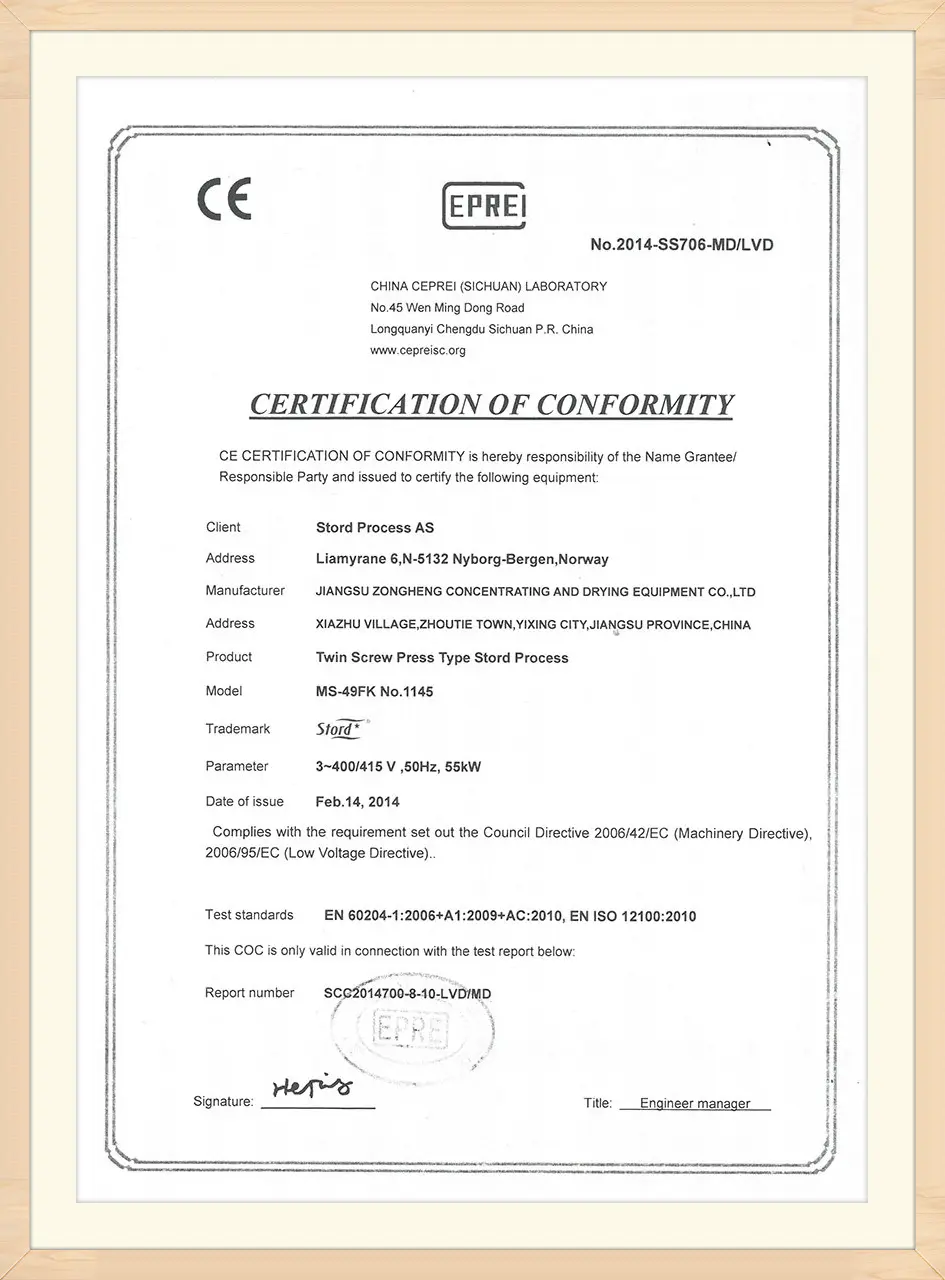
Our dewatering presses and pressure vessels are designed for compliance with strict international codes. Possessing the CE Certification is critical for European industrial operations, validating compliance with directives like:
2006/42/EC: Ensures structural safety, emergency stops, protective panels, and stable mechanics under load.
"U" Stamp certification for our pressure vessels, validating high-integrity welding and materials.
Standardized quality management throughout drawing, steel cutting, welding, testing, and shipping phases.
PED 2014/68/EU: Covers high-temperature and pressurized components for alcohol and chemical plant operations.
 Jun 18, 2026
Today, Jiangsu Zongheng Concentration and Drying Equipment Co., Ltd., a manufacturer of evaporators and industrial dewatering solutions, highlighted key thermodynamic principles: The evaporator absorbs heat to vaporize media, while the condenser releases heat to liquefy vapor; the two perform opposite cooling and heating functions. Operating under low pressure, the evaporator generates cold energy and concentrates slurries, while the condenser relies on high pressures to reject thermal energy.
We warmly welcome partners from various industries, both domestic and international, to visit our facility in Zhoutie Town, Yixing City. Let's discuss your solid-liquid separation goals and explore opportunities for cooperation.
Request Technical Consultation & QuoteGet in touch for custom engineering drawings, sludge laboratory testing, installation oversight, and wear components sourcing.
Access Contact Directory →
 Zongheng