
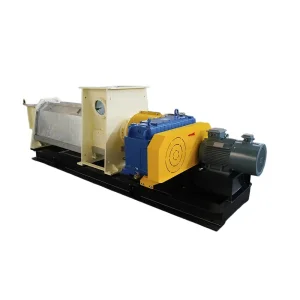
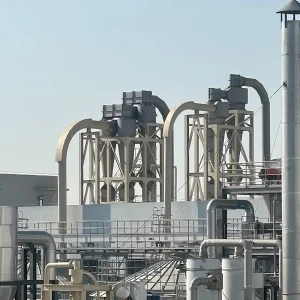
In modern process industries, the search for energy efficiency, operational durability, and regulatory compliance is shaping the design paradigms of evaporative concentration and drying systems. As a leading certified manufacturer of CE Certification Dryer Evaporator technology, Jiangsu Zongheng focuses on delivering engineering solutions that minimize specific energy consumption while complying with strict safety standards. By utilizing state-of-the-art heat recovery processes and high-grade metallurgy, our systems are designed to withstand continuous operation in demanding chemical, starch, and pharmaceutical environments.
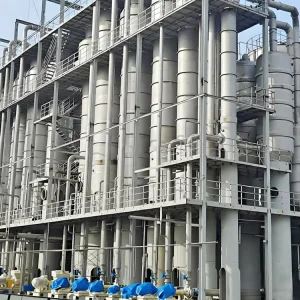
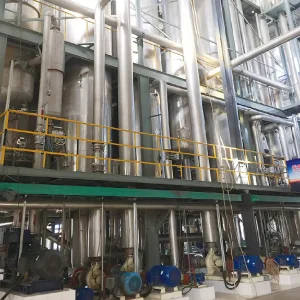
The falling film evaporation plant represents the peak of thermal concentration efficiency for heat-sensitive liquids. Unlike forced circulation models, the process feed is introduced at the top of the heating tubes and evenly distributed using advanced distribution plates. Gravity causes the liquid to flow downward as a thin, continuous film on the inner walls of the tubes. Steam or process vapor supplies heat from the shell side, initiating rapid boiling on the tube-side film.
Achieving stable operation requires maintaining a delicate balance between liquid loading rates and vapor velocity. If the liquid feed rate is too low, the film can break, causing dry spots and scaling (fouling). If it is too high, the film thickens, increasing thermal resistance and reducing the overall heat transfer coefficient (U-value). Our engineering calculations optimize the wetting rate for various fluids, ensuring maximum evaporation rates even under low temperature differences.
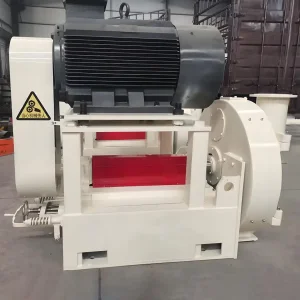
Mechanical Vapor Recompression (MVR) technology uses a compressor to recompress vapor evaporated from the process. This increases its pressure and temperature, allowing it to be reused as the heating medium in the same evaporator. This design eliminates the need for fresh steam under steady-state conditions, significantly reducing energy costs.
For applications where steam is already available or waste heat is produced elsewhere in the plant, our Waste Heat Evaporator systems offer an efficient alternative. By integrating heat sources like drying vapors, exhaust gas, or waste condensate, our systems capture low-grade thermal energy and return it to the process loop, reducing the load on cooling towers and boilers.
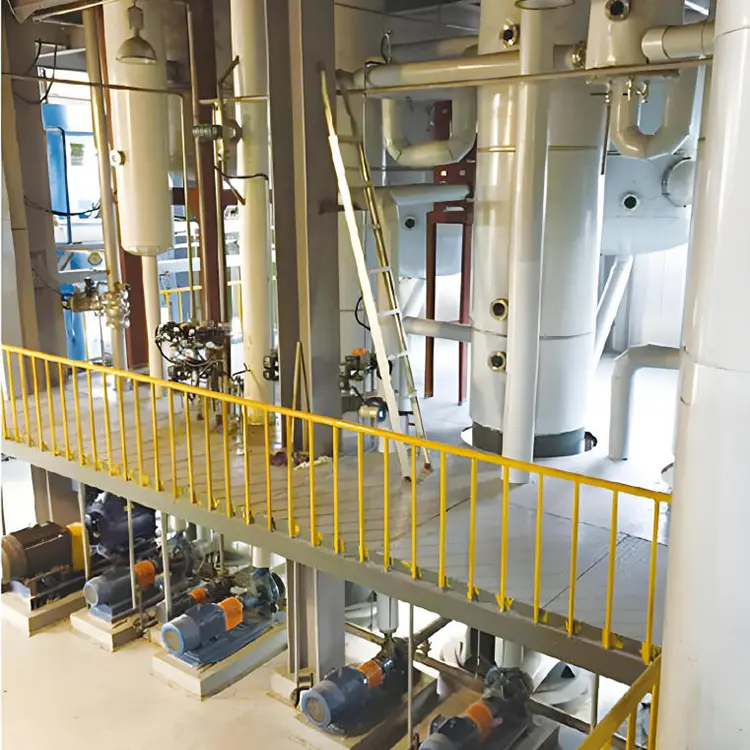
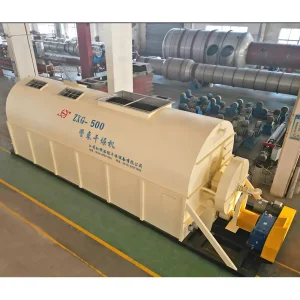
Drying damp materials requires precise thermal control to prevent product degradation. The ZXG Tube Bundle Dryer is an indirect steam-heated dryer designed for materials that require careful handling. The material contacts a rotating bundle of steam-heated tubes rather than entering directly into a high-temperature gas stream. This minimizes dust hazards, reduces carrier gas flow requirements, and lowers emissions, while providing high thermal efficiency.
In contrast, the MQG Airflow Dryer is a direct drying system that uses high-velocity hot air to convey and dry wet particles. The material is suspended in an impulse air stream with changing tube diameters, creating turbulence that promotes rapid heat and mass transfer. This flash drying process is ideal for starch and other crystalline or granular materials that can withstand rapid moisture evaporation.
Global manufacturers face strict carbon emission regulations. Upgrading to MVR and waste heat evaporators helps cut Scope 1 emissions by reducing fuel consumption in process plants.
Pressure vessels operating under vacuum or positive pressure must comply with international codes. CE marking and ASME "U" stamp credentials are standard requirements for safe installation and operation.
Corrosive products like corn steep liquor, organic acids, and salt-laden wastewater require corrosion-resistant metallurgy, including duplex stainless steels (e.g., 2205), titanium, and 316L alloys.
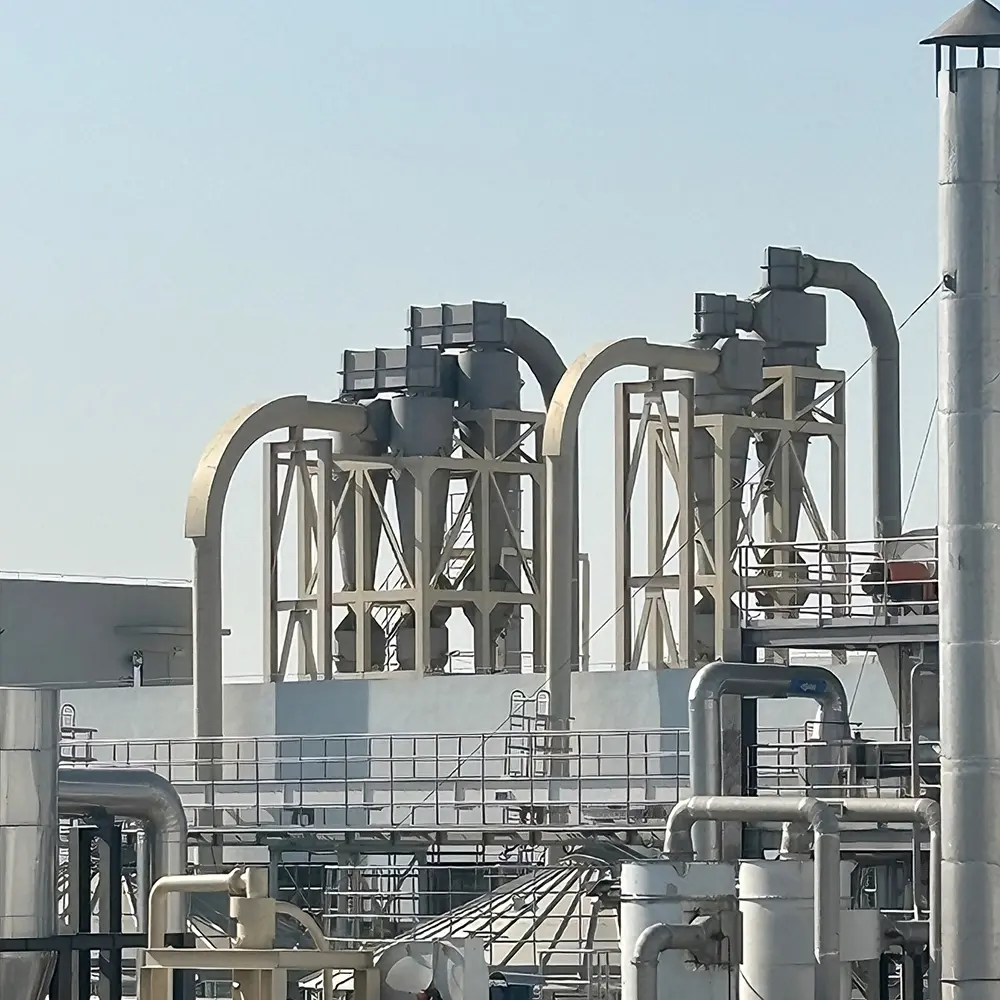
Located in Zhoutie Town, Yixing City—a manufacturing hub for process equipment—our facility benefits from an established industrial cluster. This proximity allows for efficient raw material sourcing and access to specialized technical services.
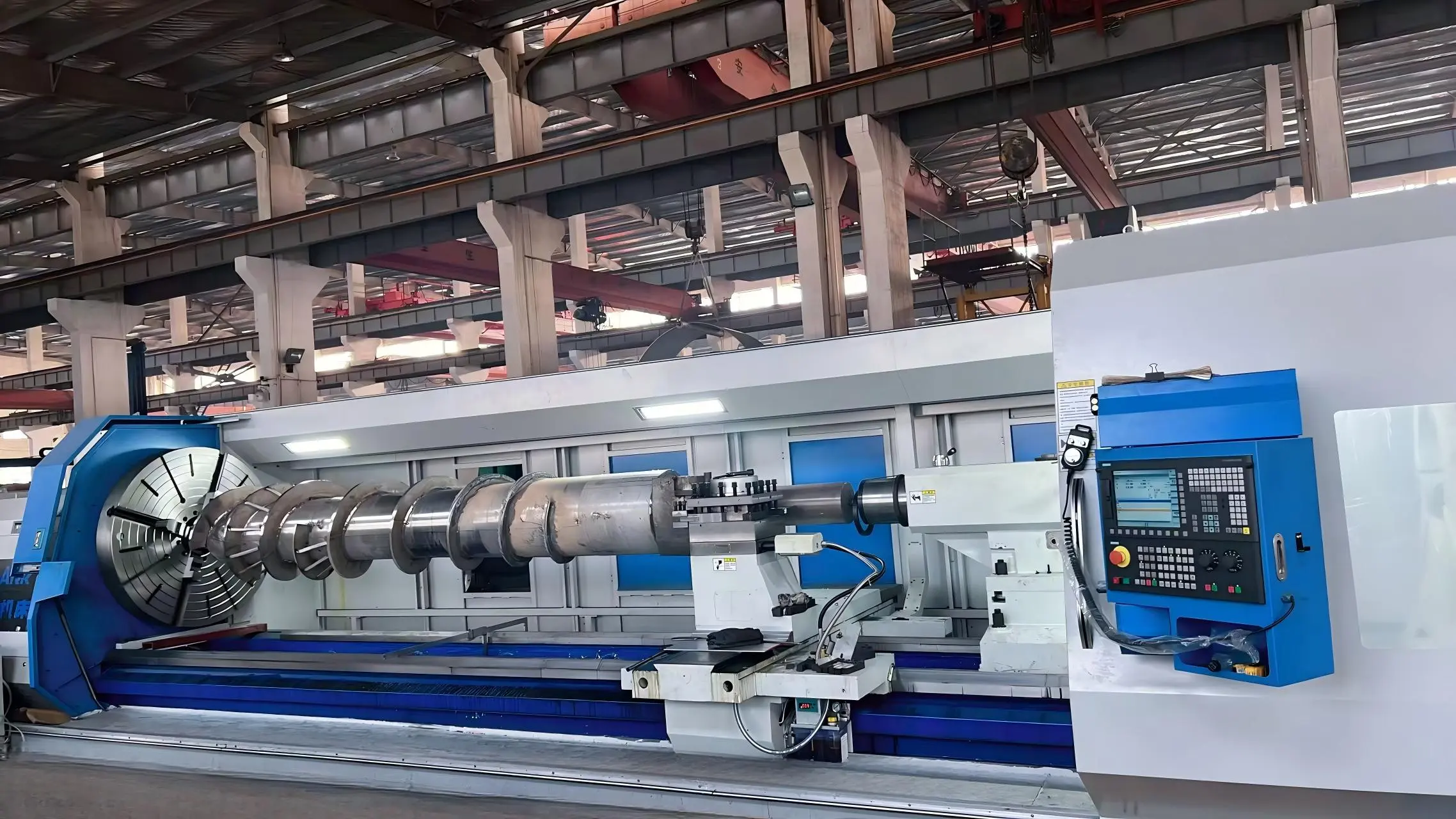
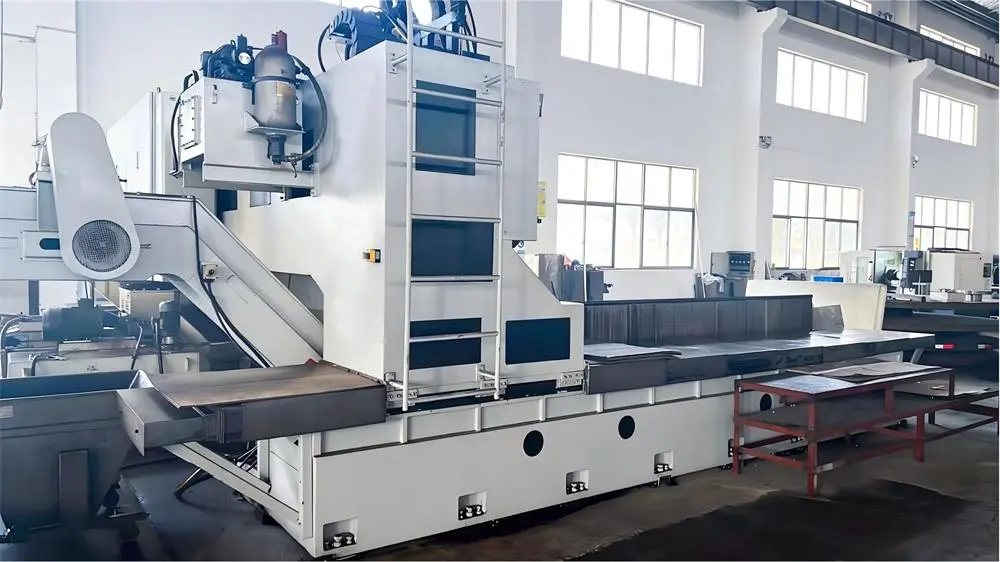
Our production combines advanced manufacturing with strict quality control. From automated plasma cutting and robotic welding to ultrasonic and radiographic weld testing, every step is managed to meet strict engineering codes. This structured manufacturing approach allows us to deliver high-performance equipment with short lead times and competitive pricing.
This integration ensures that all components, including tube sheets, vapor separators, and piping manifolds, are prefabricated, tested, and pre-commissioned. This detailed preparation reduces onsite installation time and helps minimize project construction schedules.
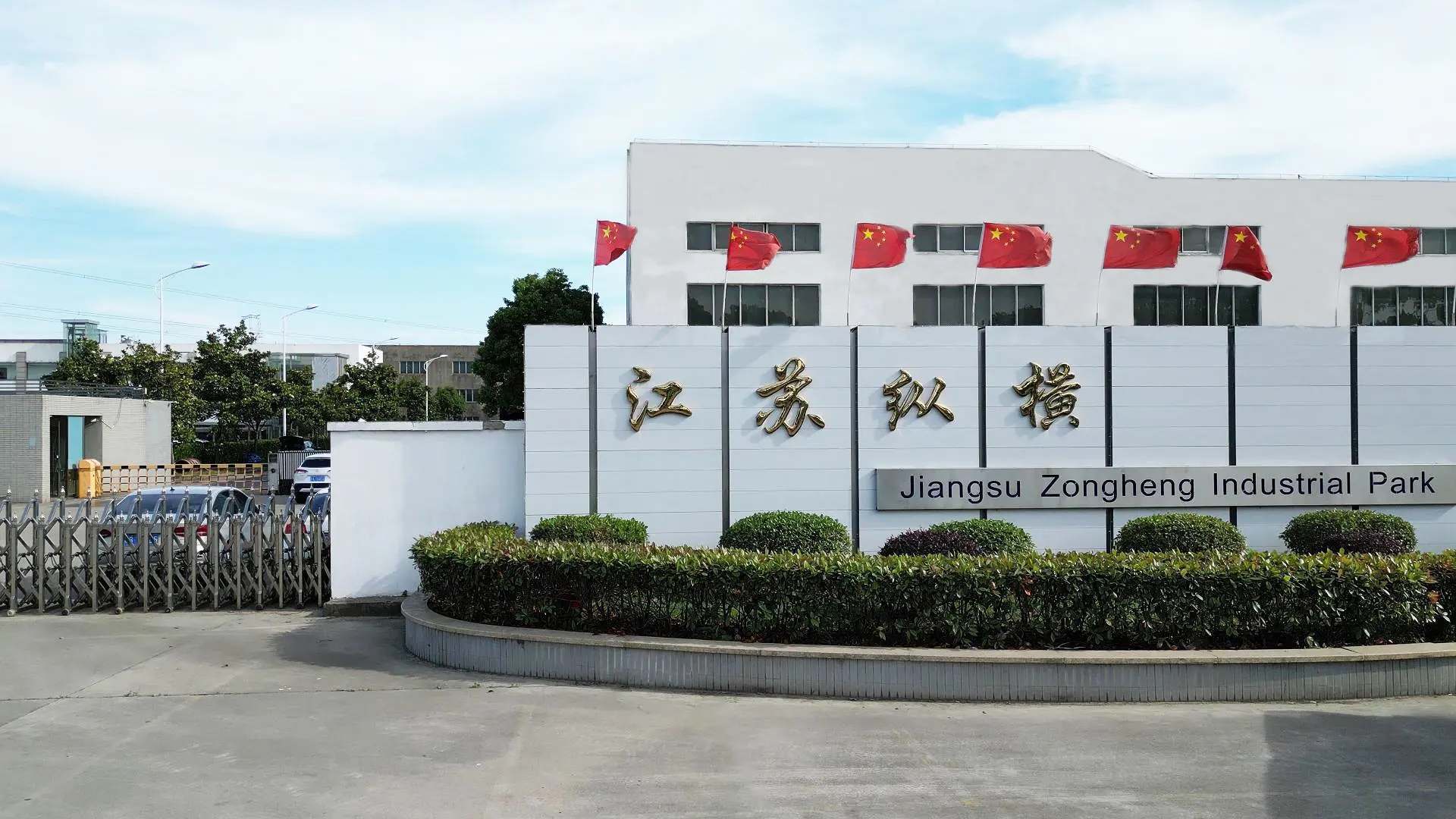
Jiangsu Zongheng Concentrating and Drying Equipment Co., Ltd (formerly known as Yixing Yangxi Light Industrial Machinery Factory) was established with a team of 45 employees covering 15 mu.
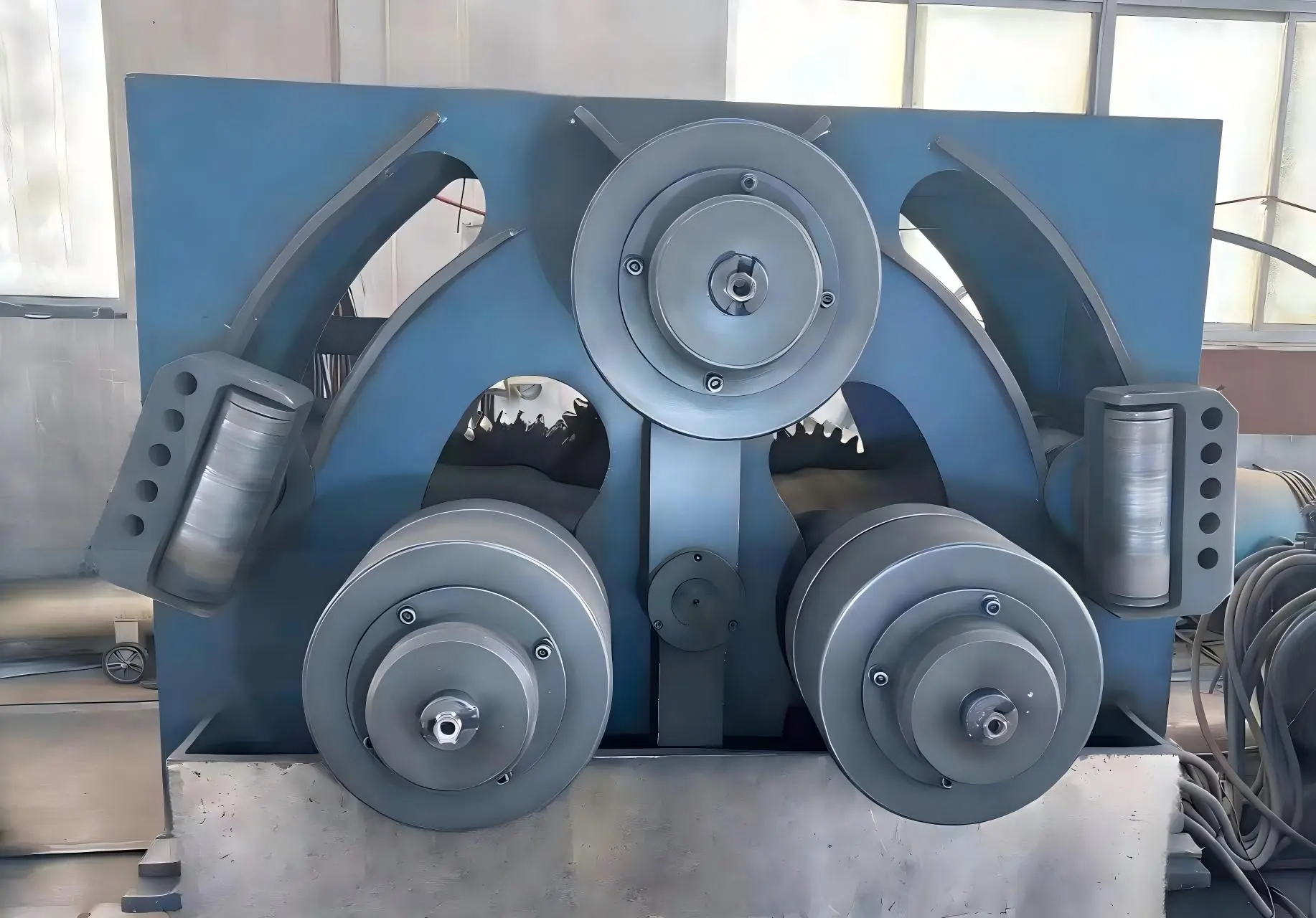
Obtained ISO9001 certification, standardizing our quality management system for international export expectations.
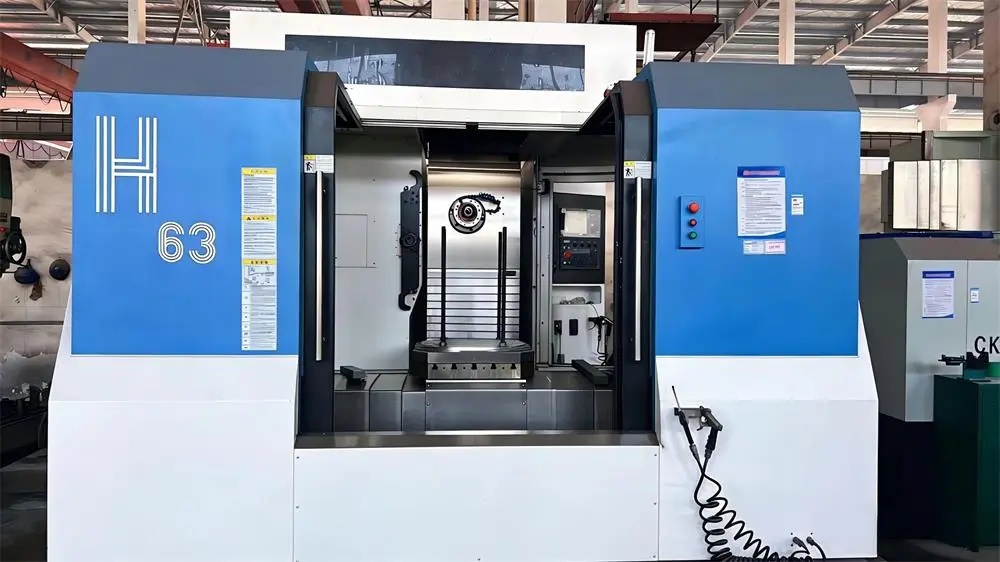
Recognized as a Jiangsu Provincial High-Tech Enterprise, indicating our ongoing focus on technical innovation and thermal engineering R&D.
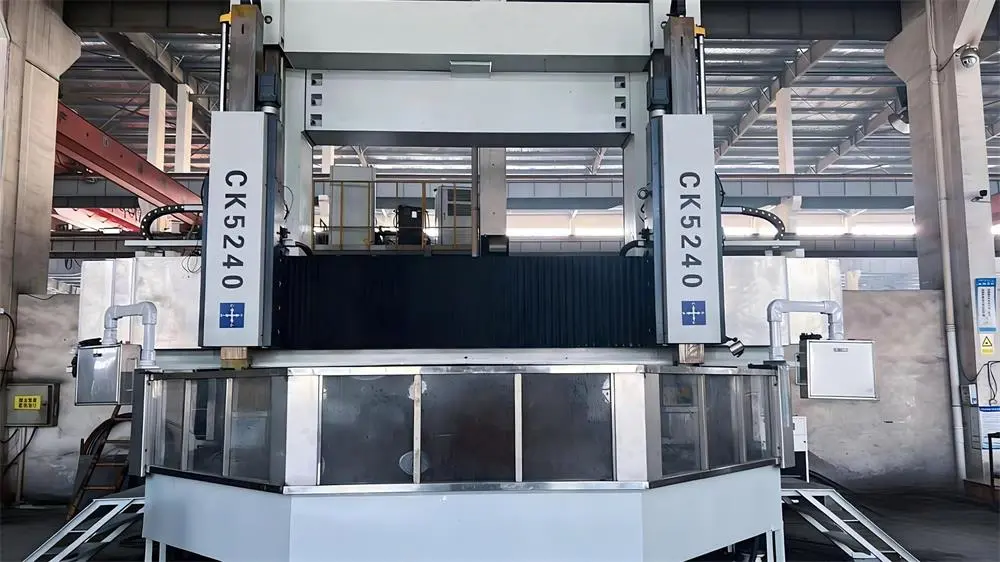
Obtained the Special Equipment Manufacturing License of the People's Republic of China (License No.: TS2232C42) for regulated pressure vessels.
Acquired the ASME "U" Stamp authorization, allowing the design and fabrication of pressure vessels that comply with American and global standards.
Established a complete quality assurance system aligned with international standards (Certificate No.: 45021).
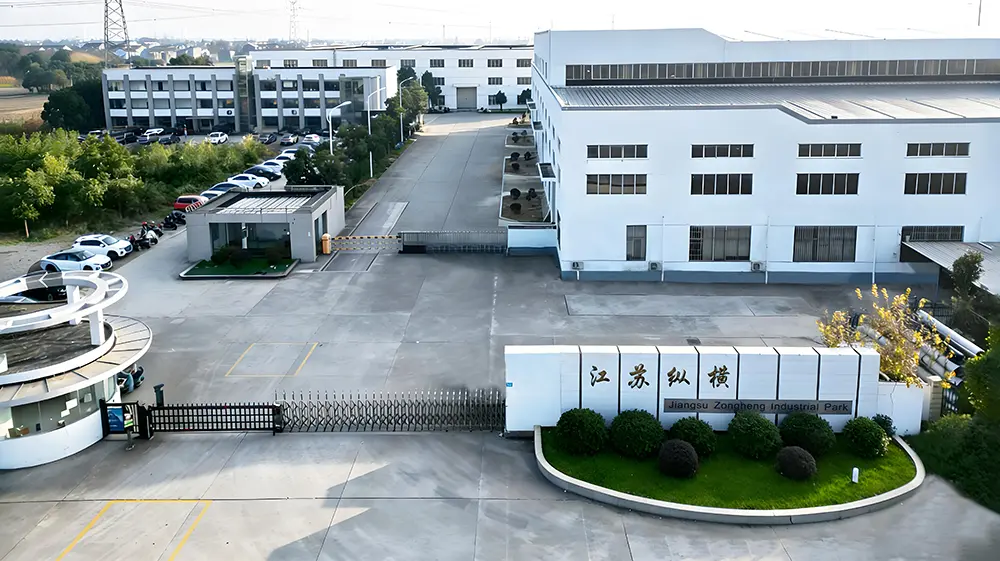
Expanded total facilities to over 54,000 square meters, with workshop space exceeding 22,000 square meters. The team includes 3 senior engineers and over 20 engineers and assistant engineers, with a total staff of 120 people.
Our starch washing cyclones, degerming mills, and fiber screw presses are widely used in maize wet milling. The degerming mill provides precision germ separation, protecting starch yields and quality.
Wastewater from distilleries (thin stillage) requires concentration and drying. Our evaporators concentrate stillage to syrup, which is combined with wet cake and dried in tube bundle dryers to produce DDGS feed.
For chemical and pharmaceutical plants, forced circulation and falling film evaporators concentrate saline wastewater, preparing it for crystallization as part of Zero Liquid Discharge (ZLD) processes.
CE Certification ensures the equipment complies with European directives regarding mechanical safety, structural integrity, and pressure boundary regulations. It indicates that the equipment meets safety requirements for pressure, electrical installations, and explosive environments (ATEX) when processing combustible materials.
MVR evaporators use electrical energy to drive a compressor, reducing the need for live boiler steam. While a traditional triple-effect evaporator requires approximately 0.33 tons of steam per ton of water evaporated, an MVR system consumes about 15-20 kWh of electricity per ton of water evaporated, leading to lower operating costs in regions with stable power grids.
By maintaining a thin liquid film that flows quickly down the heating tubes, the system minimizes residence time—often down to seconds. Under vacuum, boiling occurs at lower temperatures, protecting organic compounds, vitamins, or proteins from thermal degradation.
The ZXG Tube Bundle Dryer uses indirect steam heating, where steam flows inside a rotating tube bundle while the product cascades over the outside of the tubes. This design reduces mechanical wear, lowers exhaust volumes, and improves safety when handling combustible starch fibers or germ mixtures.
Contact our technical engineers today to discuss custom system configurations, material options, and thermal efficiency requirements.
 Zongheng