 Zongheng
1 / 1
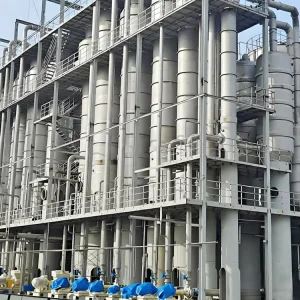
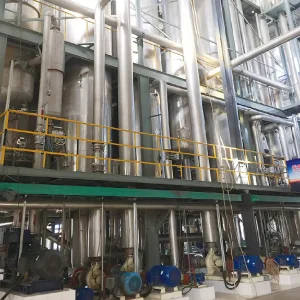
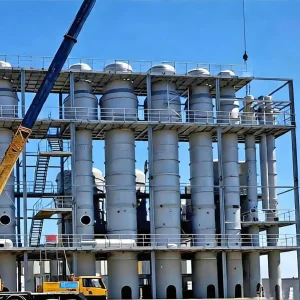
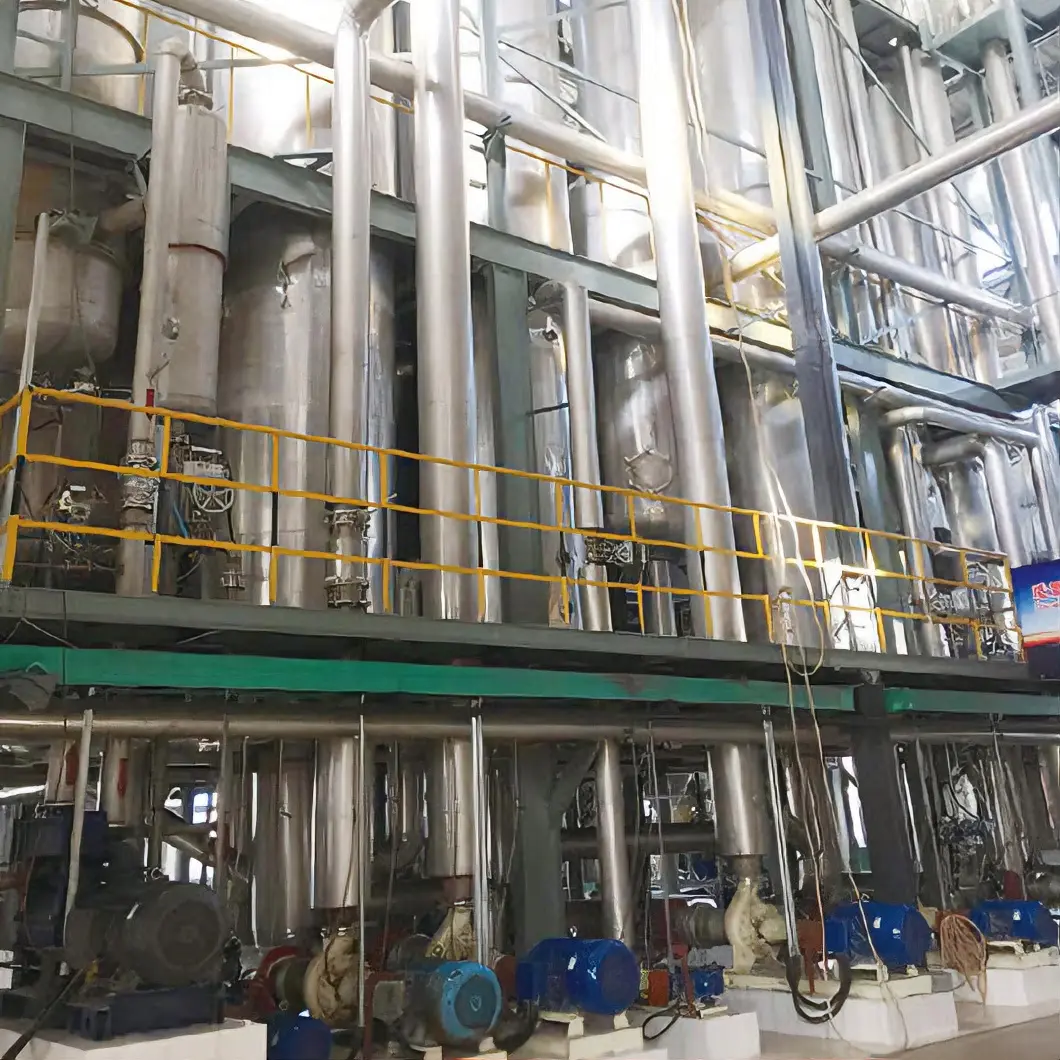
Forced Circulation Evaporation Plants are designed to prevent fouling and crystallization during liquor boiling by maintaining a relatively high flow velocity within the heating tubes.
The circulating liquor is heated as it passes through the heat exchanger. It then enters a separator where a reduction in pressure causes partial evaporation, cooling the liquor to its boiling point at the corresponding pressure. During crystallization, crystals can be separated from the circulating slurry either by controlling the flow velocity or by employing a specially designed separator.
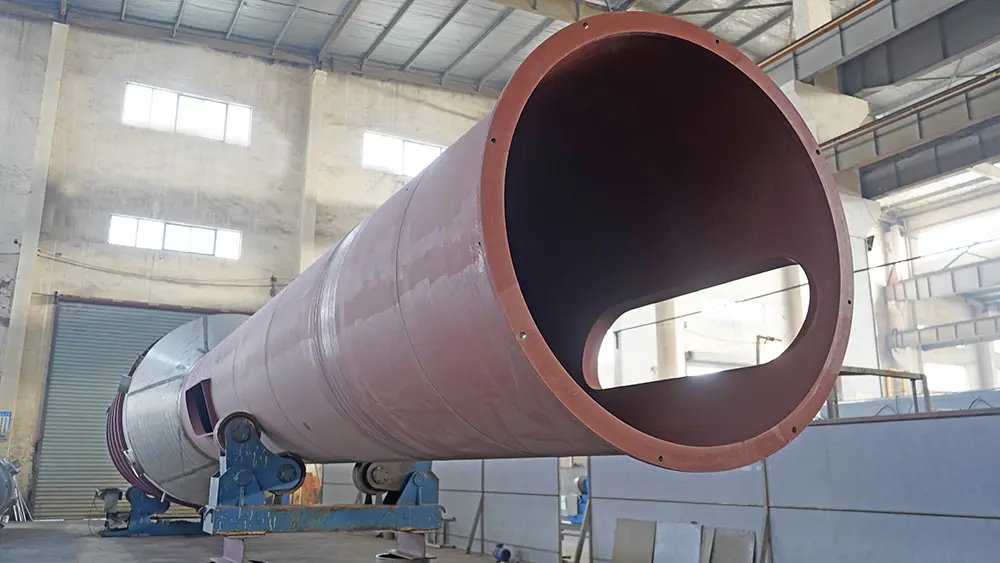
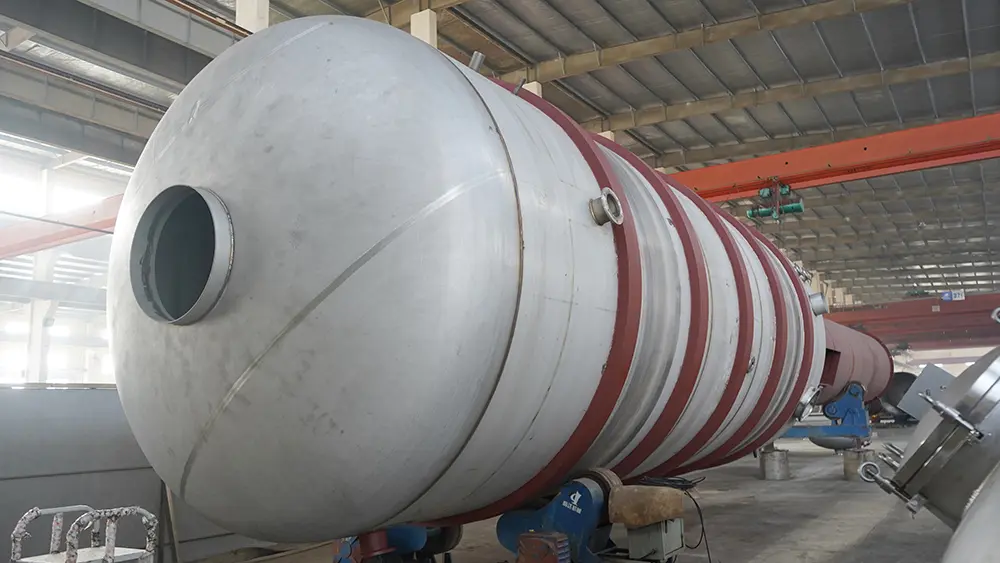
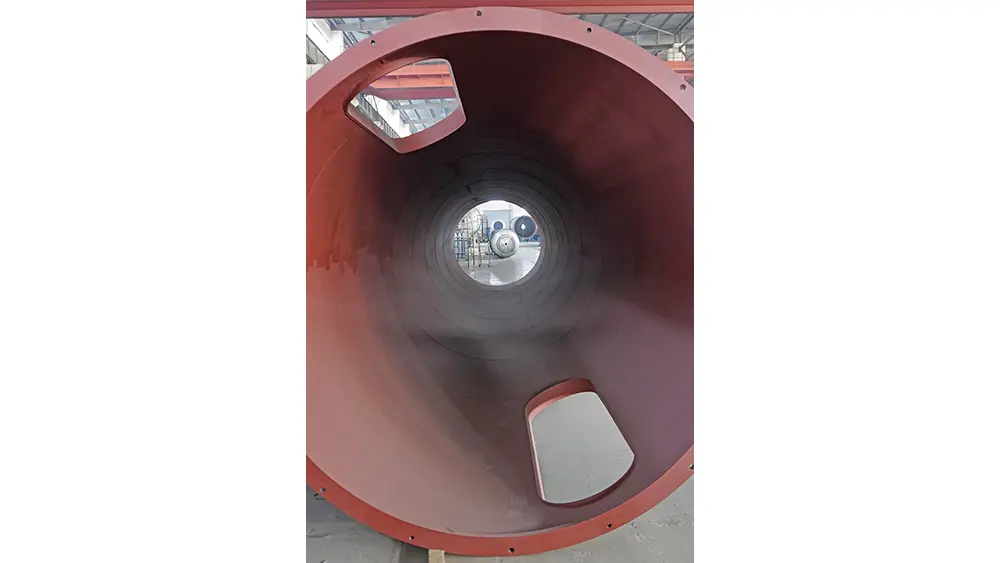
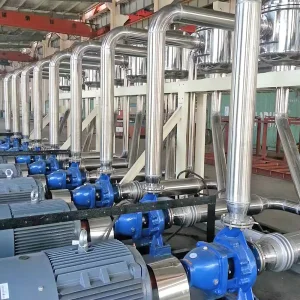
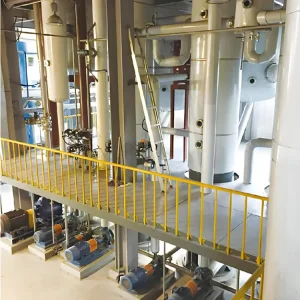
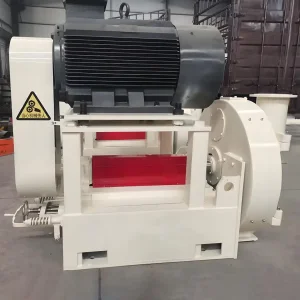
Incorporates cutting-edge technology and powerful circulation pumps to enhance efficiency, ensure precise process control, prevent scaling/fouling, and achieve optimal heat transfer.
Built with high-grade, corrosion-resistant materials like stainless steel under strict quality control and rigorous testing, ensuring long service life, reliability, and compliance with global standards.
Offers tailored solutions adaptable to specific process requirements, capacity, and conditions across diverse industries including pharmaceuticals, chemicals, wastewater, food & beverage, and metallurgy.
Prioritizes energy conservation through advanced heat exchange and optimized pump systems, significantly reducing consumption of energy, water, and steam to lower overall operating expenses.
Engineered for continuous, trouble-free operation with a design that minimizes clogging, scaling, and downtime while ensuring even heat distribution and improved product quality with minimal intervention.
Supports eco-friendly practices by minimizing waste, emissions, and resource consumption (water/energy), helping industries meet stringent environmental regulations and manage high-viscosity/solid-content waste responsibly.
Provides extensive customer support including installation guidance, operator training, routine maintenance, technical assistance, troubleshooting, spare parts, and upgrades to ensure long-term operational efficiency and satisfaction.
A Forced Circulation Evaporation Plant uses a powerful circulation pump to maintain high flow velocity within the heating tubes, preventing fouling and crystallization. The liquor is continuously circulated through a heat exchanger and into a separator, where a pressure reduction triggers partial evaporation, cooling the liquid to its boiling point at the corresponding pressure.
These evaporators are ideal for liquids with a high fouling tendency, highly viscous liquids, and saline solutions requiring crystallization. They are also commonly used as the high-concentration step in multiple-effect evaporation plants across industries such as pharmaceuticals, chemicals, food & beverage, wastewater treatment, and metallurgy.
Fouling is minimized because evaporation occurs in the separator rather than in the calandria (heating section). The high flow velocity maintained by the circulation pump prevents solid deposits from forming on tube surfaces. Controlled velocity also allows crystals to be efficiently separated from the slurry during crystallization processes.
Yes. Our forced circulation evaporation plants offer fully customizable solutions tailored to specific process requirements — including capacity, operating conditions, material compatibility, and applicable industry standards. Whether for small-scale pharmaceutical applications or large-scale chemical processing, the system can be engineered to match exact specifications.
Our evaporation plants are constructed with high-grade, corrosion-resistant materials such as stainless steel and other alloys suited for aggressive chemical environments. All components undergo strict quality control and rigorous testing to ensure long service life, reliability, and compliance with international standards.
We offer comprehensive after-sales support including installation guidance, operator training, routine maintenance scheduling, technical assistance, troubleshooting services, spare parts supply, and system upgrade options — all designed to maximize long-term operational efficiency and ensure complete customer satisfaction throughout the equipment lifecycle.