 Zongheng
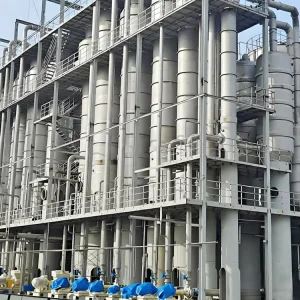
Technical Whitepaper: Forced Circulation Evaporator Design & Compliance
An in-depth analysis of engineering principles, CE standards, manufacturing supply chains, and localized applications
1. Fluid Dynamics & Thermodynamic Design of Forced Circulation Evaporators
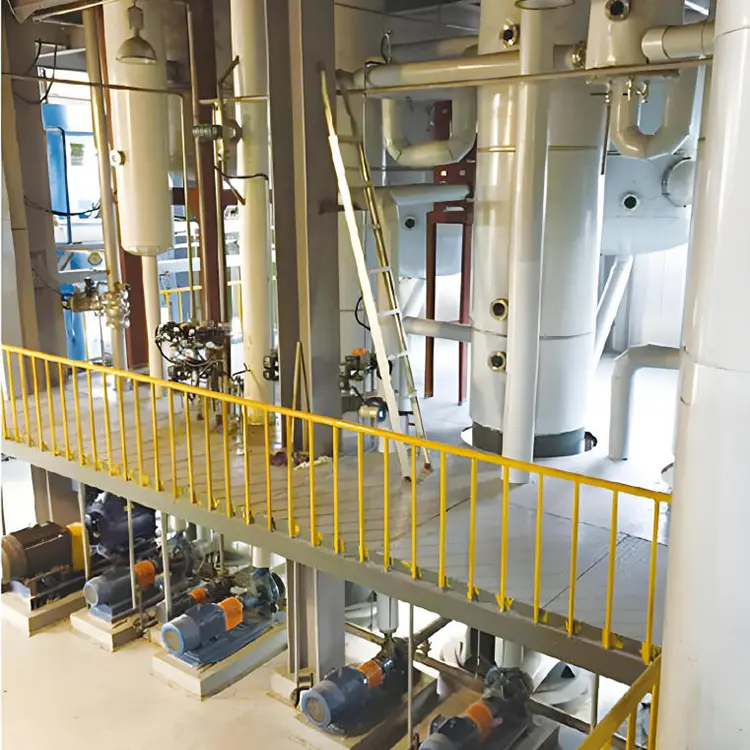
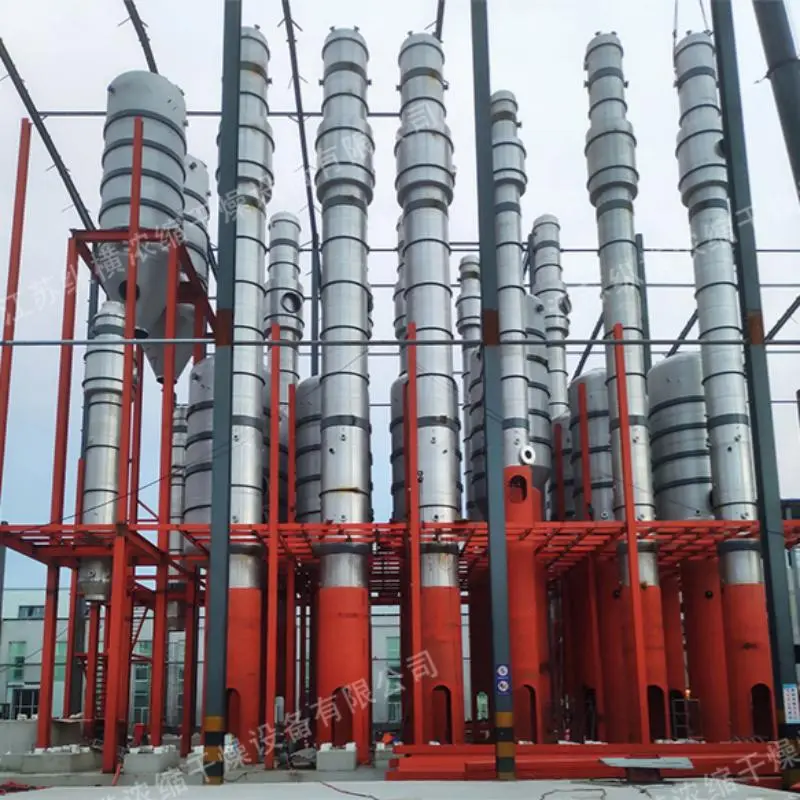
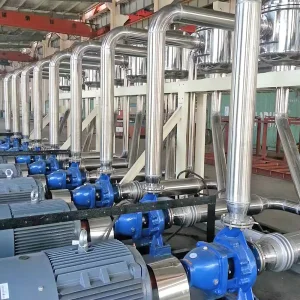
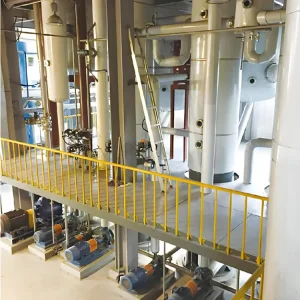
Forced circulation evaporation systems are critical in process engineering, particularly when handling solutions prone to fouling, high viscosity, or crystallization. Unlike natural circulation or falling film evaporators that rely on density differentials or gravity to induce flow, forced circulation systems utilize high-capacity axial or mixed-flow pumps to drive the process liquid through the heat exchanger tubes at velocity.
By maintaining high velocities inside the heat exchanger—typically ranging from 1.5 to 3.0 meters per second (m/s)—the system achieves a substantial shear force along the tube walls. This shear force thins the thermal boundary layer, enhancing the heat transfer coefficient while physically preventing crystallizing solids or suspended particulates from depositing on the tube surfaces. Crucially, the hydrostatic head of the liquid column above the heat exchanger is designed to prevent boiling inside the tubes. Boiling is restricted to the vapor separator (crystallizer vessel), where flash evaporation occurs due to the sudden pressure drop, ensuring that crystallization takes place within the slurry body rather than on the metallic heat transfer walls.
Key Process Advantage: Restricting the boiling zone to the flash chamber completely bypasses the main mechanism of thermal fouling, extending cleaning-in-place (CIP) intervals from days to weeks, even when concentrating highly saturated wastewater solutions like sodium sulfate or ammonium sulfate.
2. Rigorous CE Certification & Pressure Equipment Directive (PED) Compliance
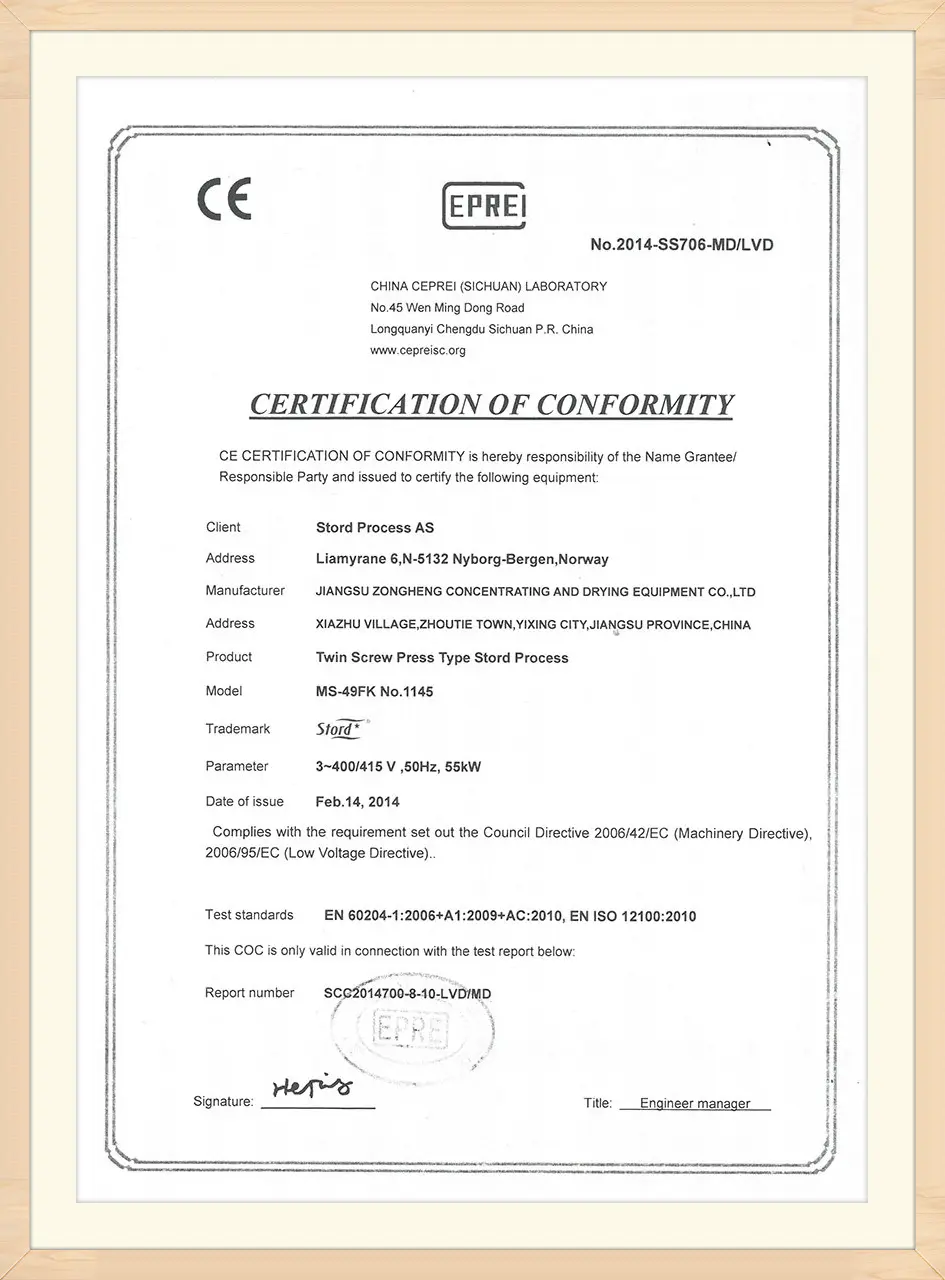
Deploying heavy chemical apparatus in the European Economic Area (EEA) requires strict adherence to European Union health, safety, and environmental protection standards. For forced circulation evaporators, this involves compliance with the Machinery Directive (2006/42/EC), Low Voltage Directive (2014/35/EU), Electromagnetic Compatibility (EMC) Directive (2014/30/EU), and most importantly, the Pressure Equipment Directive (PED) 2014/68/EU.
Under the PED, any vessel operating at a maximum allowable pressure (PS) greater than 0.5 bar falls within the scope of the directive and must be categorized (from Category I to IV) based on its volume (V), maximum pressure, and the nature of the fluid group (hazardous or non-hazardous). A CE certified forced circulation evaporator system must undergo:
- Finite Element Analysis (FEA) and stress calculation reports based on harmonized standards such as EN 13445 (Unfired pressure vessels).
- Material Traceability: Mandatory EN 10204 3.1 or 3.2 material test reports (MTRs) for pressure-retaining components like tube sheets, shell plates, and flange bolts.
- Qualified Welding Procedures: Welders and welding procedures must be certified in accordance with EN ISO 15614-1 and EN ISO 9606-1.
- Non-Destructive Testing (NDT): Radiographic (RT), Ultrasonic (UT), Magnetic Particle (MT), and Liquid Penetrant (PT) testing carried out by ISO 9712 certified technicians.
- Notified Body Auditing: Category III and IV equipment requires design examination and witness of final pressure testing (hydrostatic test at typically 1.43 times the design pressure) by a European Union Notified Body.
3. Chinese High-End Manufacturing Supply Chain Advantages
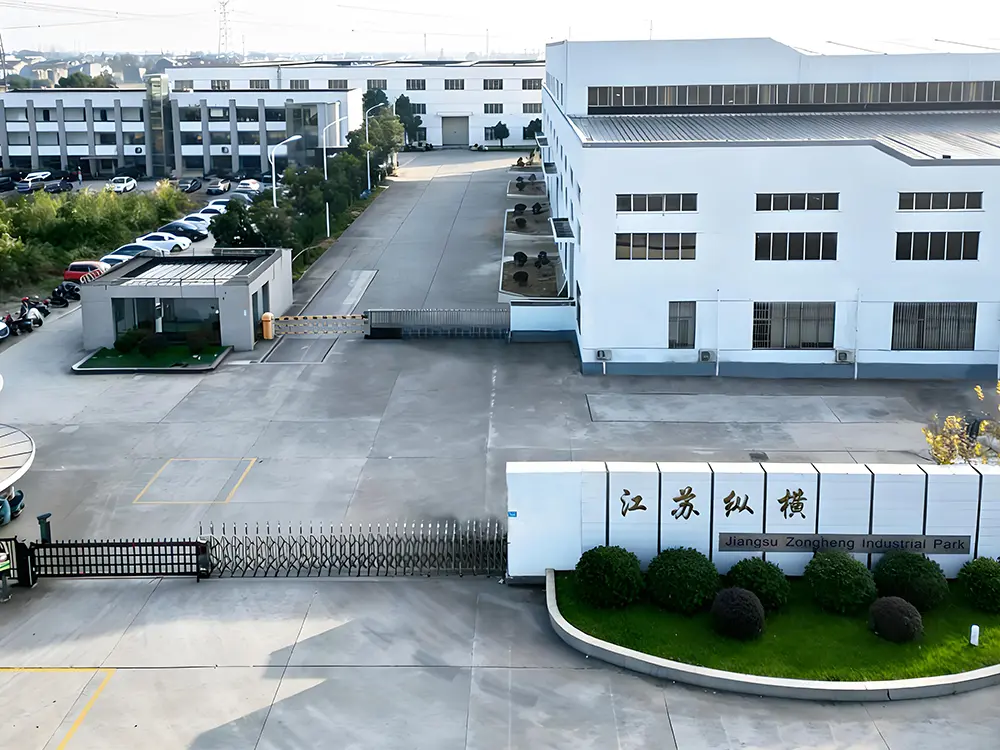
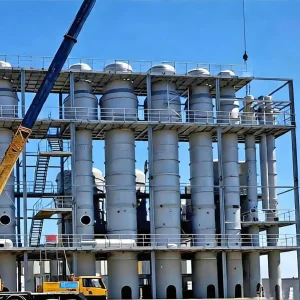
China's industrial manufacturing ecosystem offers unmatched competitive advantages for sourcing CE-certified forced circulation evaporators. Regions like Jiangsu, where Jiangsu Zongheng Concentrating and Drying Equipment Co., Ltd. is situated, host concentrated clusters of specialized metallurgy, mechanical fabrication, and chemical testing services.
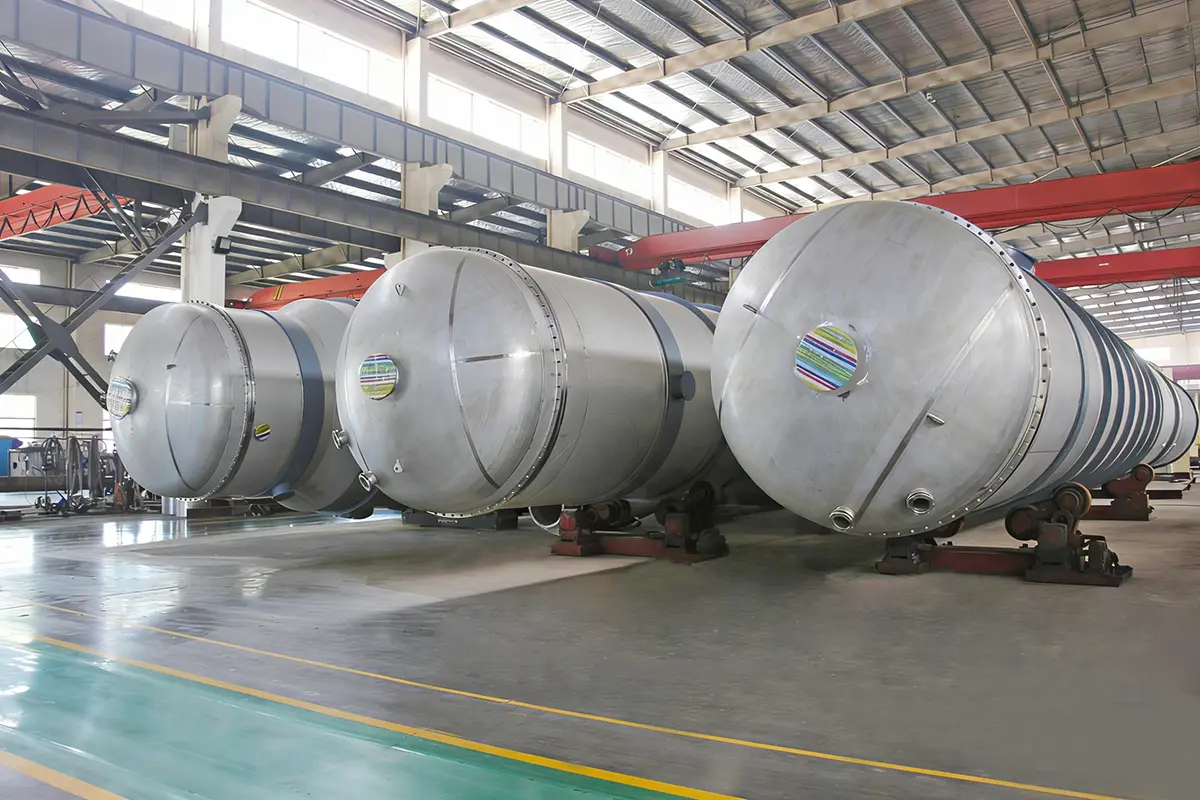
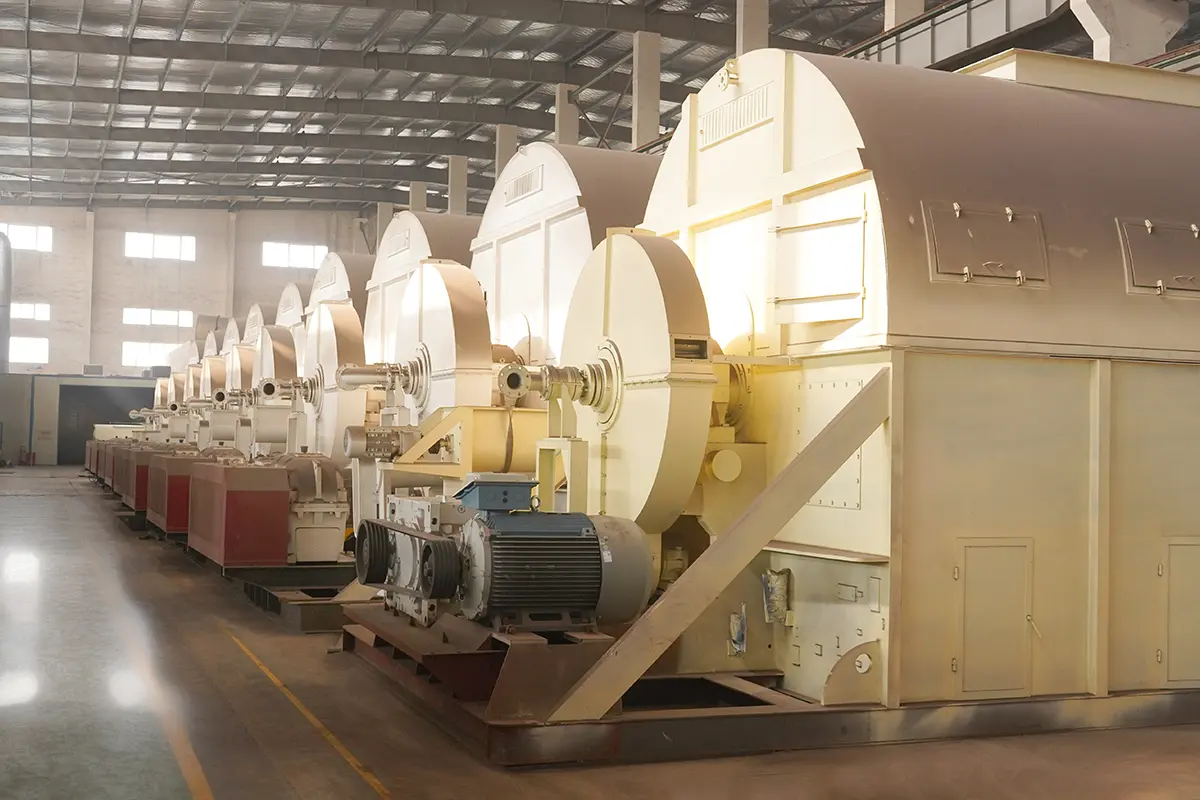
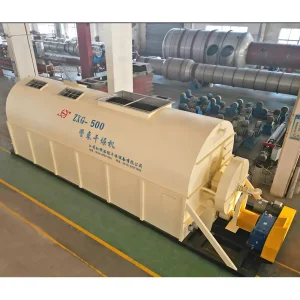
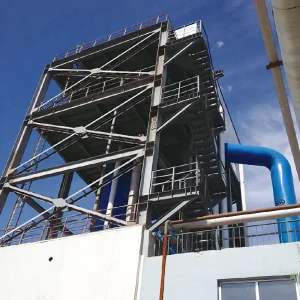
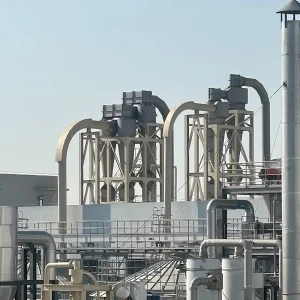
Our manufacturing facility spans over 54,000 square meters, featuring a 22,000-square-meter modern fabrication shop equipped with advanced automated welding centers, large-scale CNC tube sheet drilling machinery, and cleanrooms specifically dedicated to titanium and duplex stainless steel fabrication. The consolidation of raw material suppliers, component casting plants, and logistic lines within close proximity allows Chinese manufacturers to dramatically reduce production lead times. Furthermore, the combination of advanced fabrication technologies with optimized structural engineering yields significant capital expenditure (CAPEX) reductions without compromising material thickness, dimensional tolerances, or system reliability.
4. Local Support, Engineering Customization & Global Procurement
Procuring custom processing plants from overseas requires detailed coordination. Modern global engineering standards demand that suppliers provide seamless documentation, mechanical drawings in 3D CAD/BIM formats, and precise instrument wiring diagrams.
To bridge the gap between manufacture and site implementation, we support international engineering standards such as ASME Sec VIII Div 1 (U-Stamp), AD2000, and EN standards. Localized support models are established through partnerships with local commissioning engineers and field service providers. This ensures that when the equipment arrives at sites in Europe, North America, or Southeast Asia, it integrates with localized distributed control systems (DCS) using Profibus, Modbus, or Ethernet/IP protocols. In addition, comprehensive operation manuals, spare parts lists, and structural calculations are delivered in English, aligned with global EPCM (Engineering, Procurement, Construction, and Management) requirements.
5. Future Technological Paradigm: Hybrid Thermal & MVR Systems
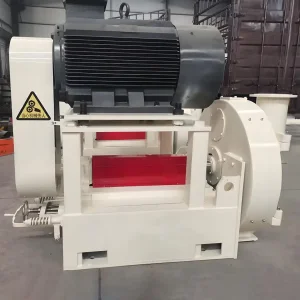
Decarbonization is reshaping the process industry. Traditional multi-effect forced circulation evaporators powered exclusively by live steam are being replaced by Mechanical Vapor Recompression (MVR) systems. MVR forced circulation evaporators utilize high-efficiency centrifugal blowers or turbocompressors to compress the evaporated vapor, raising its temperature and pressure so it can be reused as the heating medium in the same shell-and-tube heat exchanger. This closed-loop configuration reduces steam consumption by up to 90%, transforming thermal processing from an emission-heavy operation into an electrified, highly energy-efficient utility.