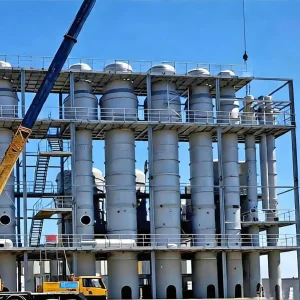
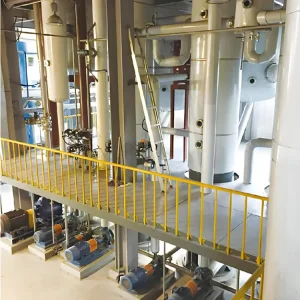
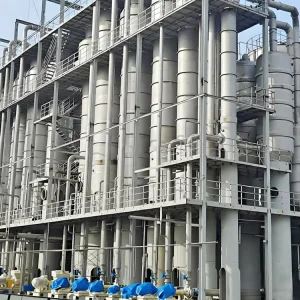
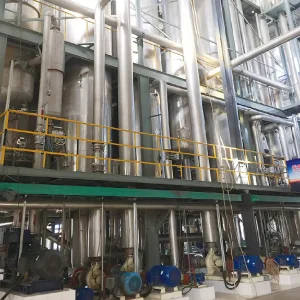
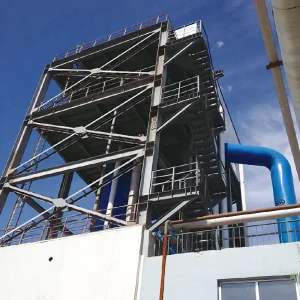
In the global chemical process industries, thermal separation systems represent the operational heart of chemical synthesis, wastewater management, and agricultural refinement. Among multiple-effect evaporator configurations, the parallel feed evaporator holds a unique position. Unlike forward-feed (co-current flow of liquid and vapor) or backward-feed (counter-current flow) systems, a parallel feed system introduces the fresh dilute solution simultaneously into each effect of the evaporator. This operation provides unmatched advantages for processes concentrating feeds close to saturation limit or processing highly viscous crystallizing solutions.
The core thermodynamic mechanism centers on liquid-vapor dynamics. When raw liquid enters each effect independently, the heating medium (typically live steam in the first effect and self-generated flash steam in subsequent effects) drives heat transfer across vertical tube bundles. Because the feed is divided, the pressure and temperature variables can be adjusted independently across effects to prevent scaling and optimize boiling points. For heat-sensitive solutions, such as protein broths or biological starch suspensions, the parallel feed scheme minimizes thermal exposure time, ensuring that product quality remains untainted by heat degradation.
Maintaining a uniform falling film is critical to the efficiency of falling film configurations of parallel feed evaporators. If the liquid feed rate is too low, "dry patches" form on the tube surfaces. This leads to immediate fouling, product caramelization, and severe drop-offs in the overall Heat Transfer Coefficient (U-value). To counter this, Jiangsu Zongheng integrates state-of-the-art liquid distributors inside the top dome of each effect. These custom-engineered distribution plates ensure a continuous, uniform, and gravity-defying thin film down the inner walls of the tubes, maximizing latent heat exchange efficiency.
By reusing latent heat of vapor across multiple stages, steam consumption drops exponentially. Parallel feed maximizes recovery of waste flash vapors across effects.
Specially calculated liquid velocities and wetting rates prevent scale formation, crucial for processing saturated or highly viscous media.
Designed and built under PED 2014/68/EU guidelines and ASME Section VIII standards to guarantee maximum operational safety globally.
Industrial manufacturing is entering a new epoch driven by sustainable growth, strict carbon emission regulations, and circular economy initiatives. The demand for industrial evaporation technology is no longer defined solely by volumetric throughput capacity. Modern procurement managers look closely at operational lifecycle costs, resource recovery capabilities, and energy profiles.
Key global procurement drivers include:
Jiangsu Zongheng is not merely an equipment builder. We deliver turnkey, macro-level system solutions designed to handle materials from raw input to dry powder. By integrating evaporators, mechanical dewatering units, drying equipment, and starch processing machinery, we create closed-loop, highly efficient production lines.
Our falling film, forced circulation, MVR, and waste heat evaporators efficiently concentrate complex liquid slurries, reducing moisture content and recovering pure distillate water for recycling.
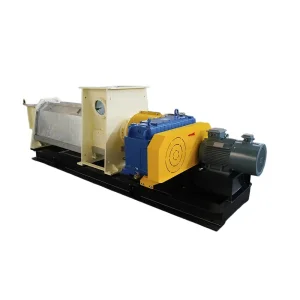
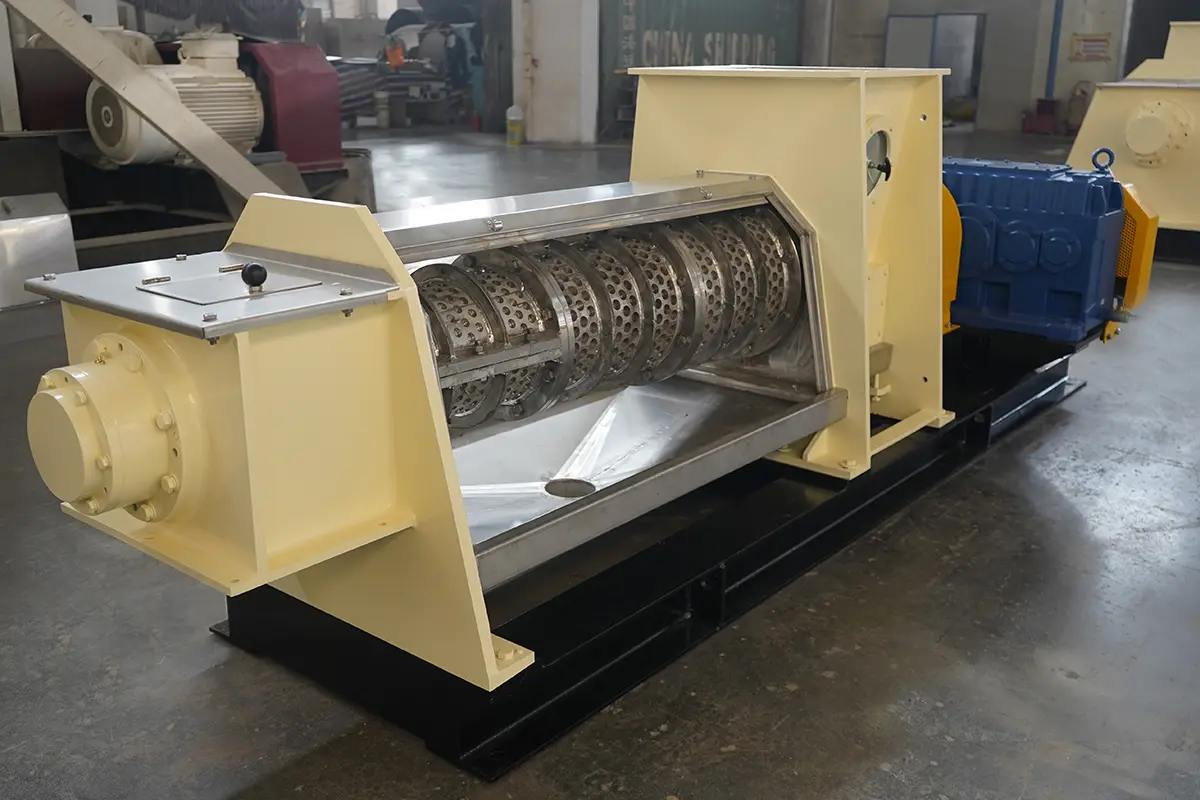
Utilizing high-performance Single Screw Presses, solid-liquid mixtures are mechanically compressed to remove free water, minimizing the thermal load on downstream drying systems.
From Tube Bundle Dryers to high-velocity Airflow Dryers, we provide gentle, consistent drying solutions that yield stable final powders while maintaining high thermal efficiency.
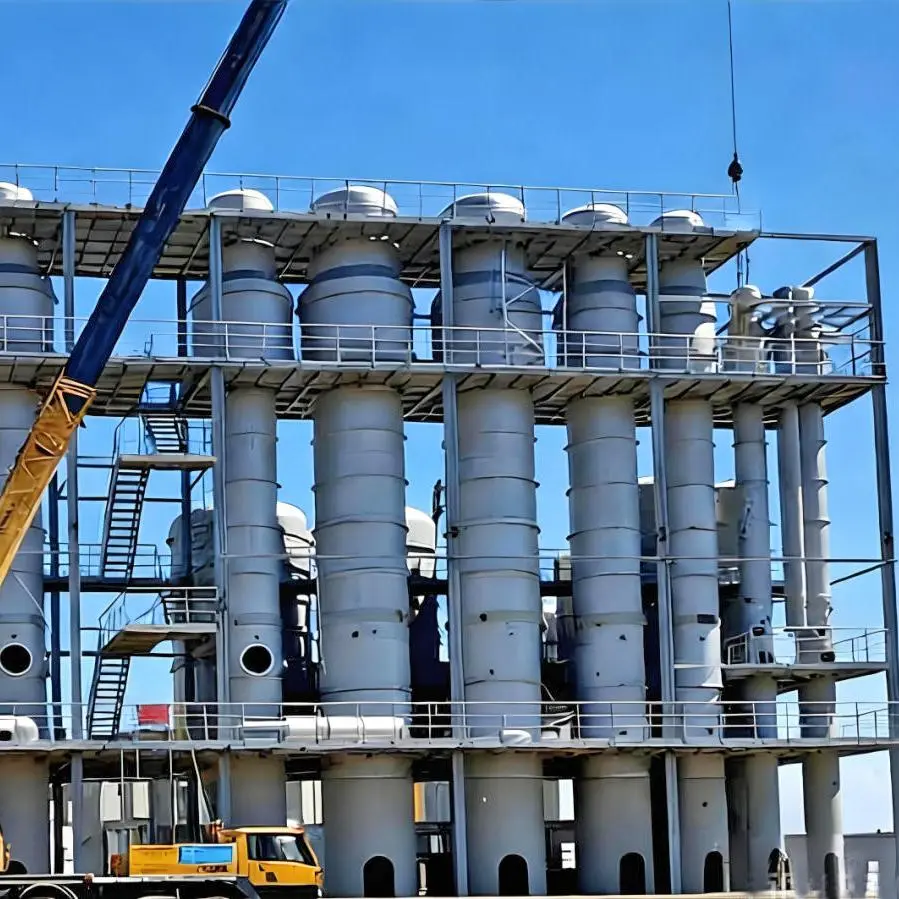
Zongheng provides energy-efficient, high-performance evaporation solutions engineered to concentrate complex chemical process streams and industrial wastewater.
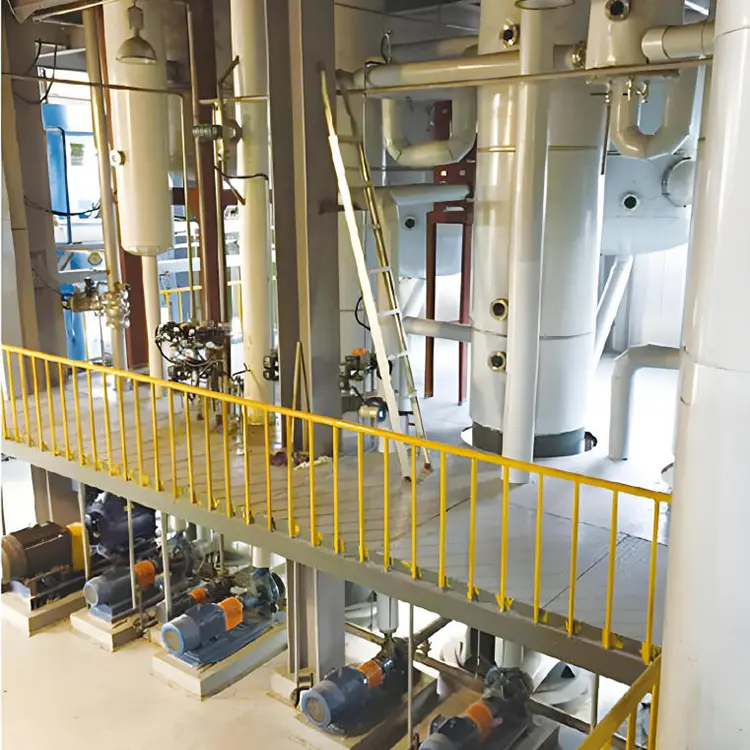
A falling film evaporator efficiently concentrates heat-sensitive liquids. The feed liquid forms a thin film flowing down heated vertical tubes, where it partially evaporates. Vapor generated flows parallel to the liquid, enhancing the process.
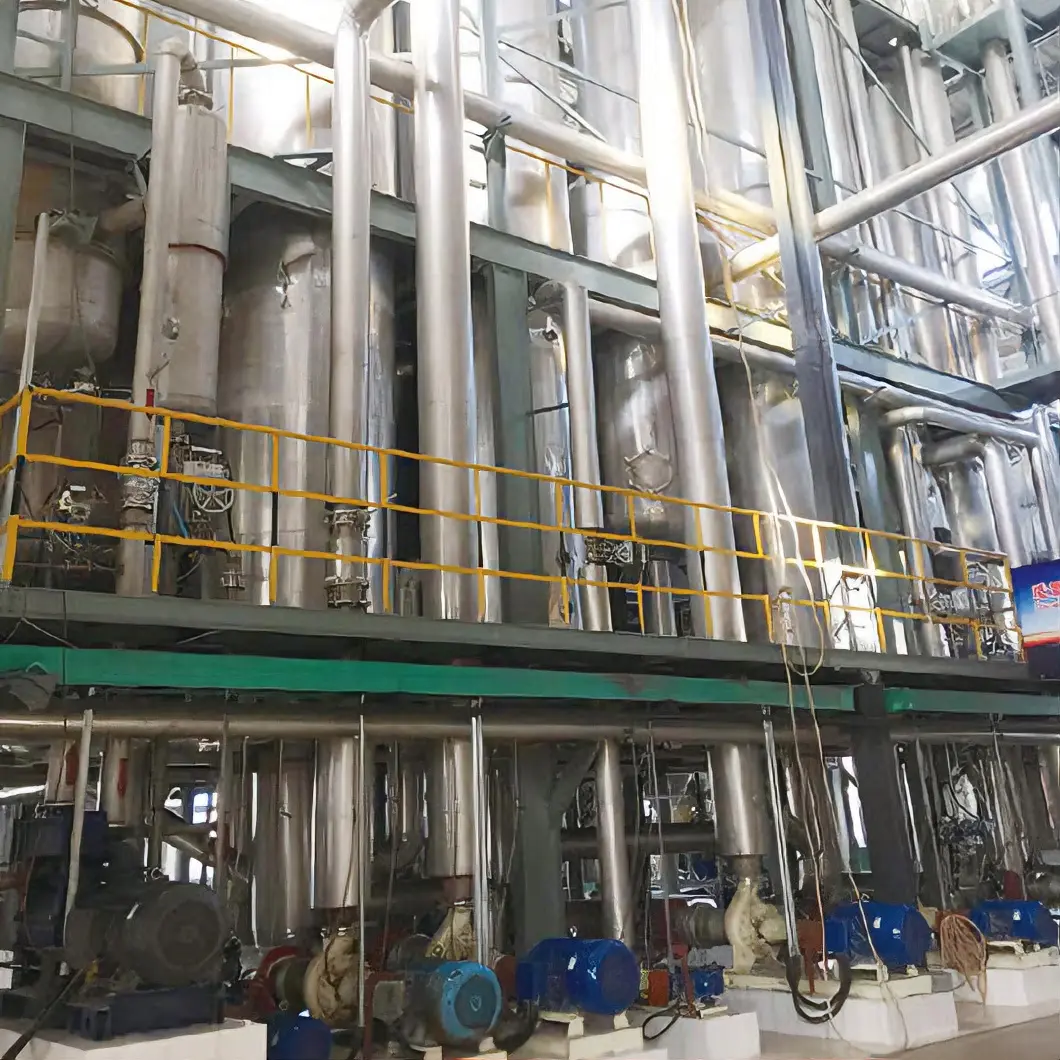
Zongheng is a premier Chinese manufacturer specializing in forced circulation evaporators designed for crystallizing solutions and viscous sludges that would foul falling film systems.
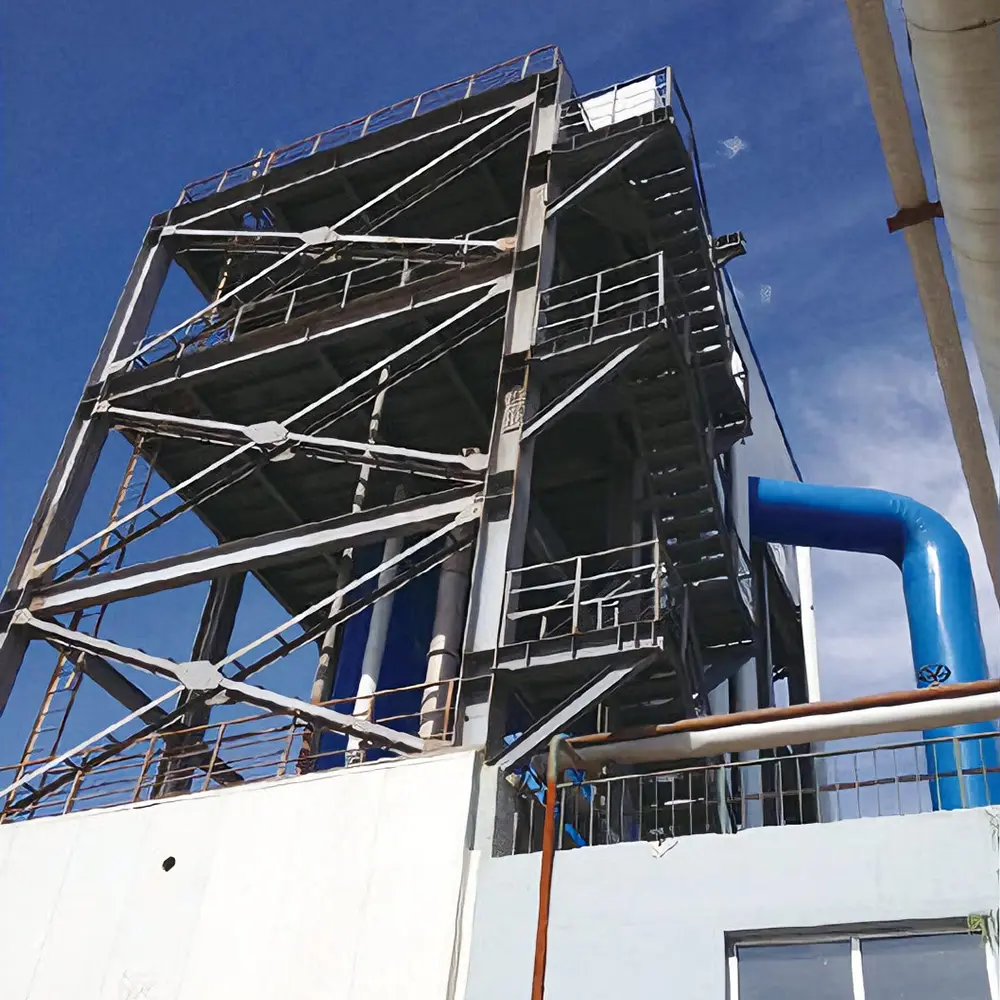
Mechanical Vapor Recompression (MVR) plants compress clean evaporated vapors to elevate their temperature, reusing them as the primary heating steam source, offering significant operational savings.

This design integrates multiple waste heat sources—including drying vapors and process exhausts—to drive thermal separation, dramatically lowering factory steam consumption and environmental emissions.
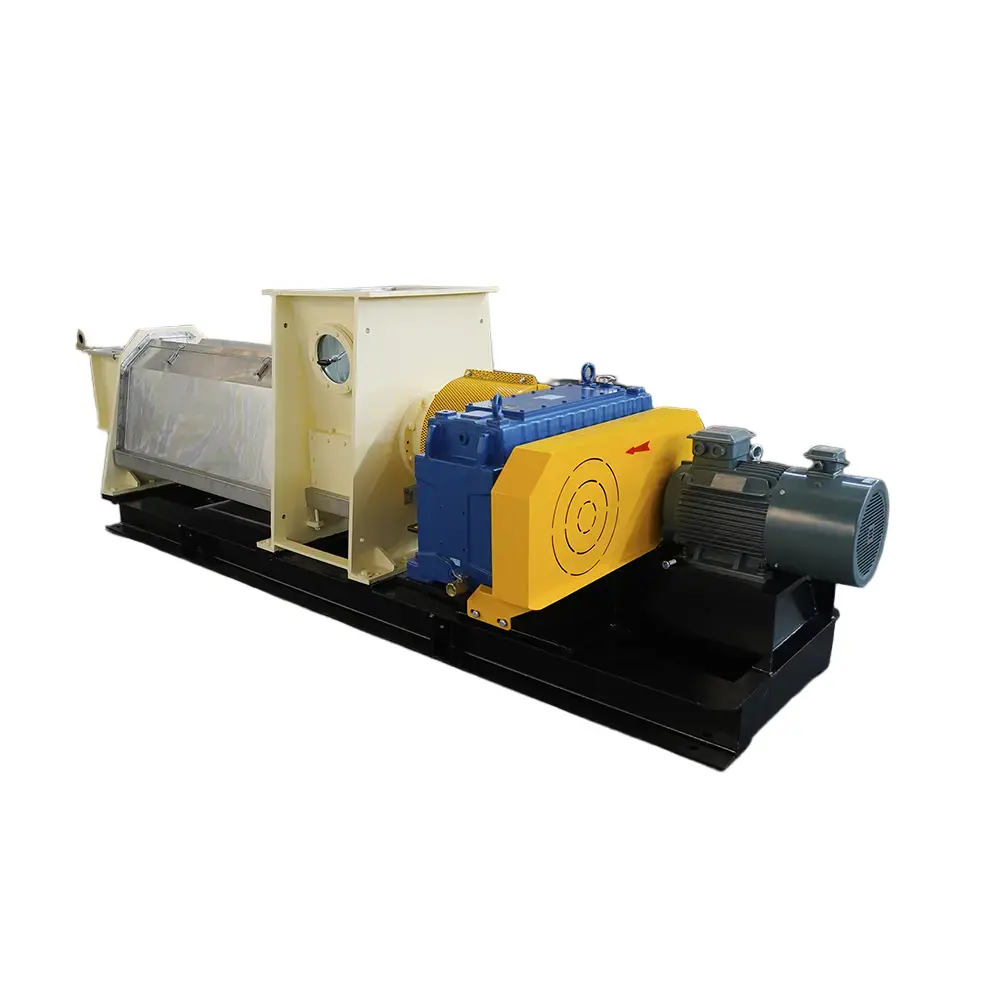
Jiangsu Zongheng's single screw press efficiently dewaters solid-containing sludges and fibers, providing a reliable mechanical separation step before thermal drying.
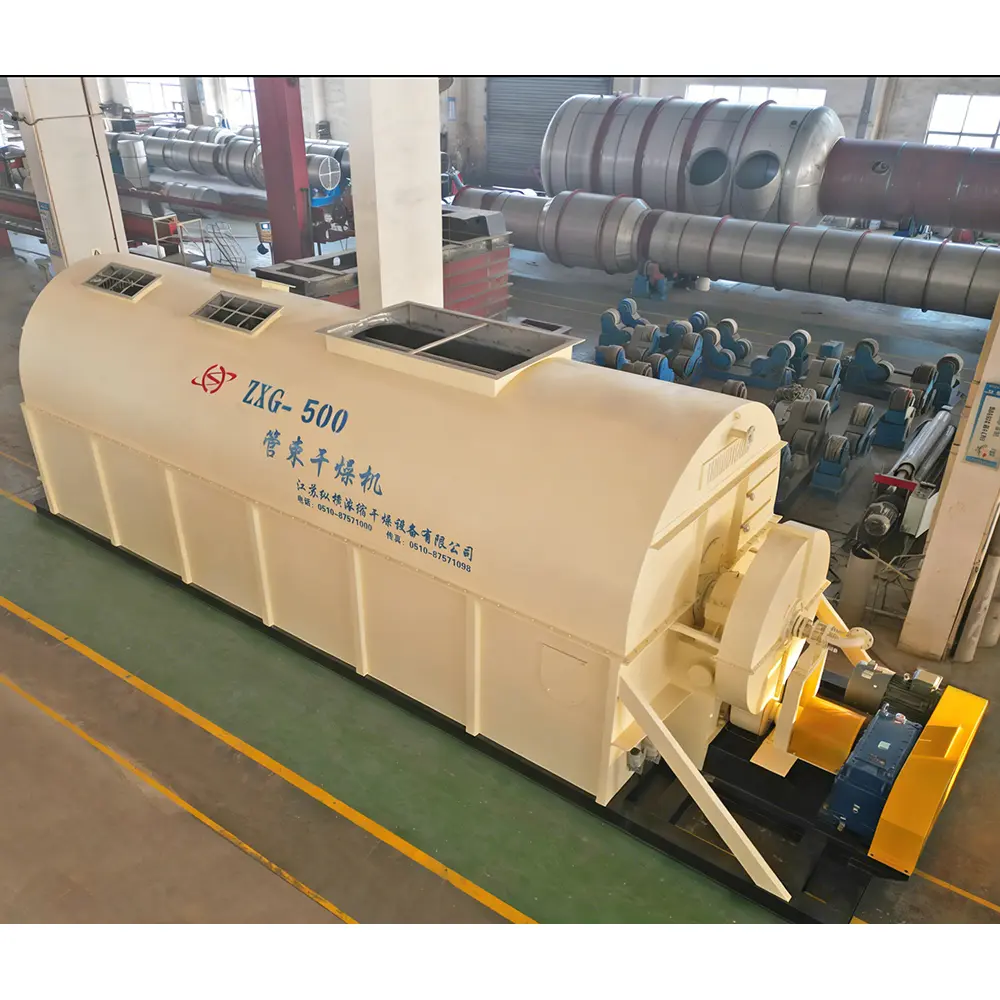
Jiangsu Zongheng's ZXG Tube Bundle Dryers ensure safe, low-oxygen drying via contact heating. Ideal for granular materials in chemical processing and starch production.
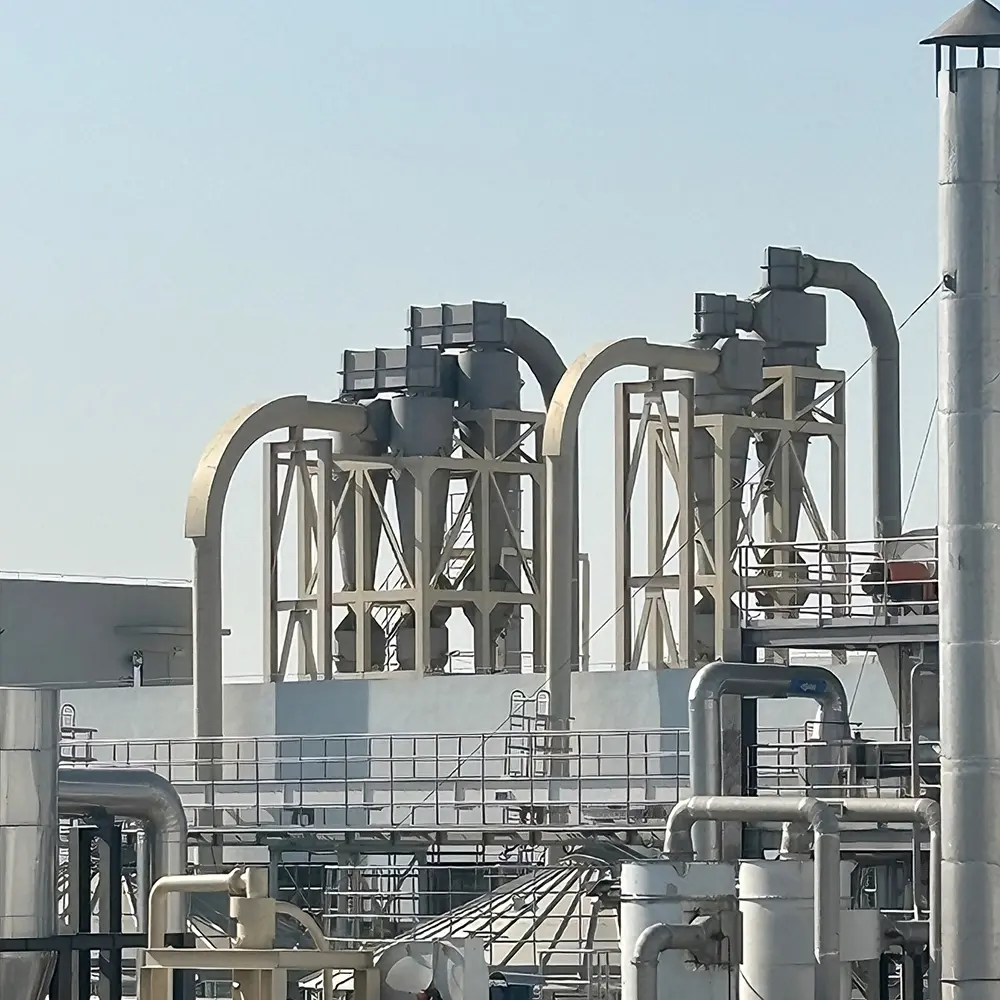
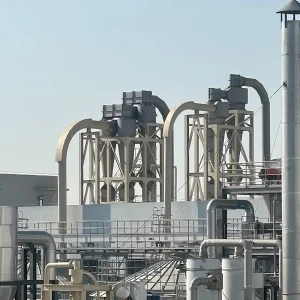
Jiangsu Zongheng's MQG Airflow Dryer employs high-speed hot air to suspend and fluidize the material. By utilizing impulse airflow generated from precisely varied tube diameters, it continuously tumbles particles for rapid, uniform drying.
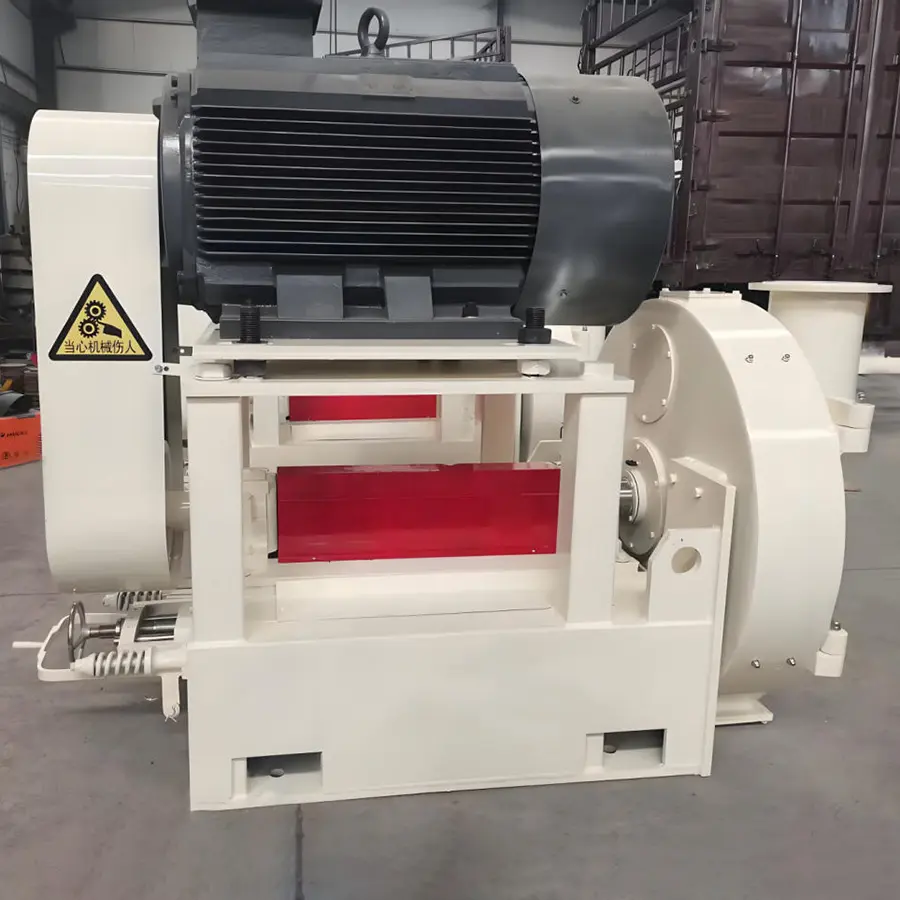
Zongheng's degerming mills ensure precision germ removal, preserving kernel structure during processing, critical for maize wet milling operations.
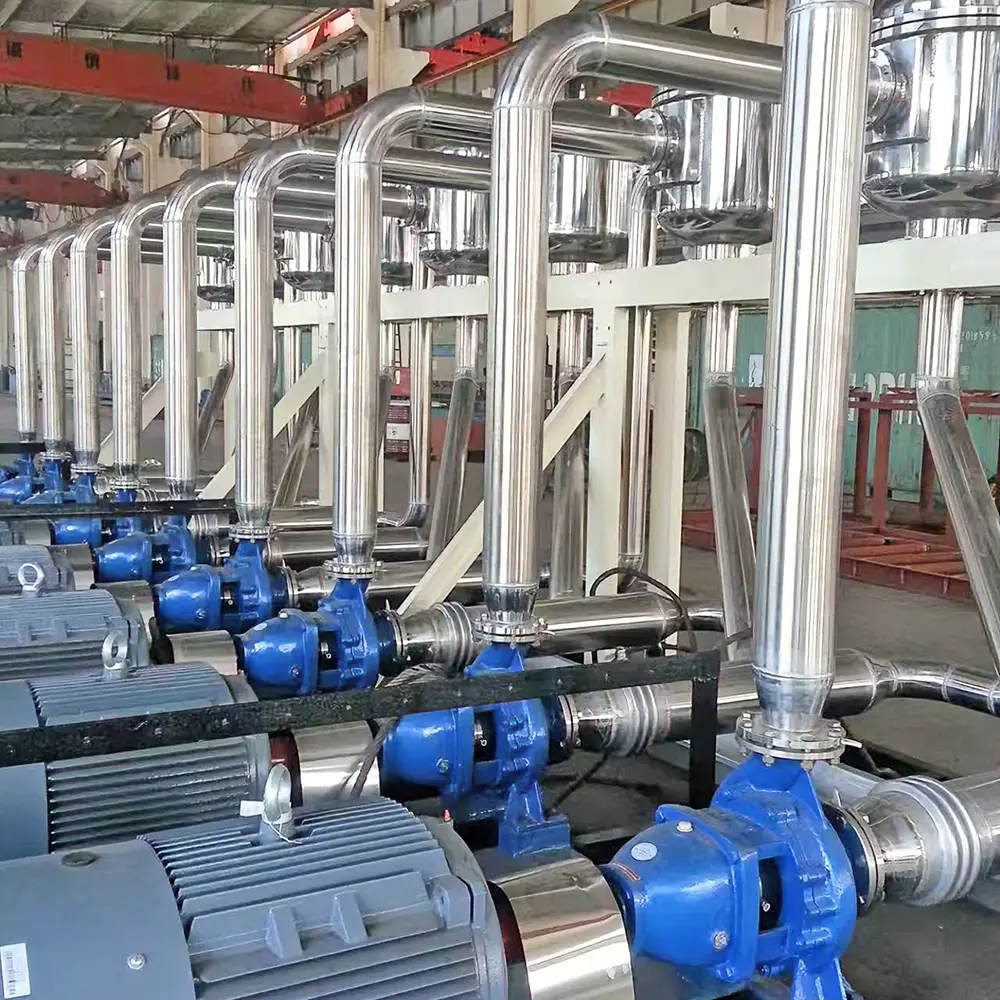
Jiangsu Zong's YDX Starch Washing Cyclone is specifically engineered for the refining, washing, and classification of starch slurries, ensuring high purity levels and recovery rates.
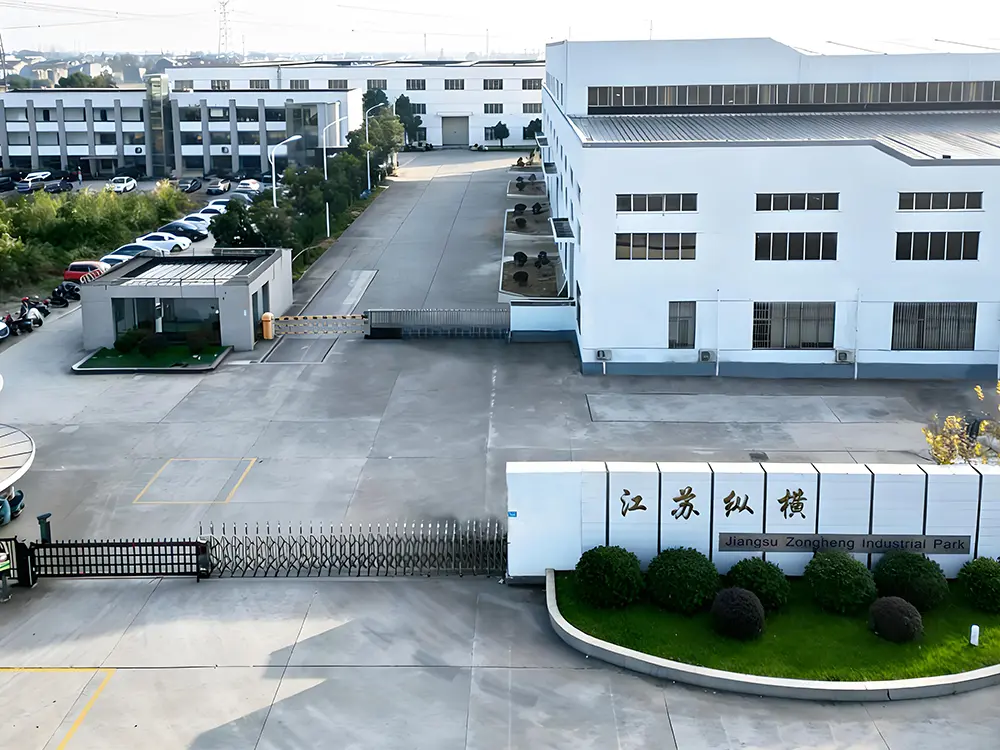
Jiangsu Zongheng Concentrating and Drying Equipment Co., Ltd. (formerly Yixing Yangxi Light Industry Machinery Factory), founded in 1992, is located in Zhoutie Town, Yixing City, on the shores of the beautiful Taihu Lake. The company covers an area of over 54,000 square meters, with a modern production workshop area exceeding 22,000 square meters.
As a modern high-tech enterprise specializing in the manufacturing of concentration, drying, starch industry processing, alcohol DDGS, and Category III medium & low-pressure vessel equipment, we are an active member enterprise of the China Starch and Alcohol Association. Our products are widely used in industries such as food fermentation, alcohol, chemicals, pharmaceuticals, environmental protection, and petrochemicals.
In 2026, the company covers a total area of over 54,000 square meters, with production workshop space exceeding 22,000 square meters. It currently employs 3 senior engineers and over 20 engineers and assistant engineers, with a total staff of 120 people.
Established a complete quality assurance system aligned with international standards, obtaining international quality system certification (Certificate No.: 45021).
Acquired the prestigious ASME "U" Stamp authorization, marking the company's entry into high-end global pressure vessel manufacturing.
Obtained the Special Equipment Manufacturing License of the People's Republic of China (License No.: TS2232C42) for pressure vessel fabrication.
Officially recognized as a Jiangsu Provincial High-Tech Enterprise, acknowledging our ongoing technical innovations.
Took the lead in obtaining ISO9001 quality management system certification, systematizing internal quality controls.
Jiangsu Zongheng (formerly Yixing Yangxi Light Industrial Machinery Factory) was established with a total area of approximately 15 mu and 45 employees.
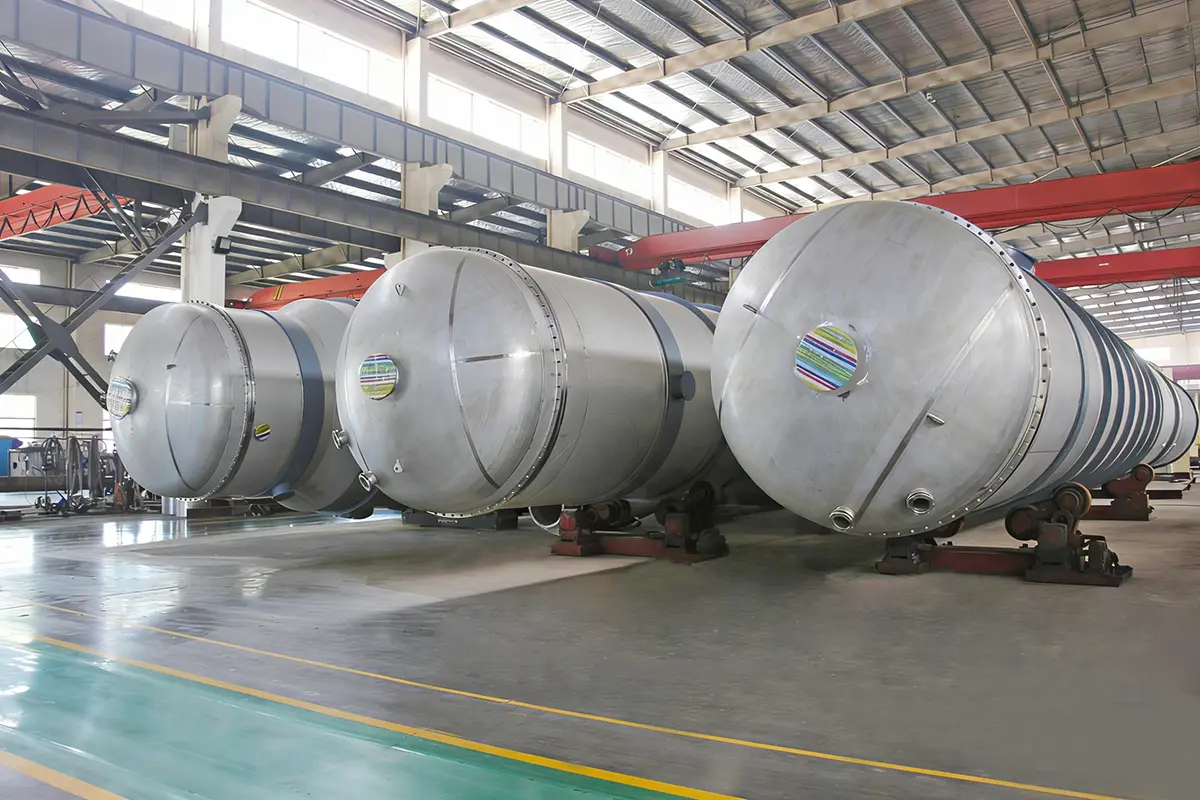
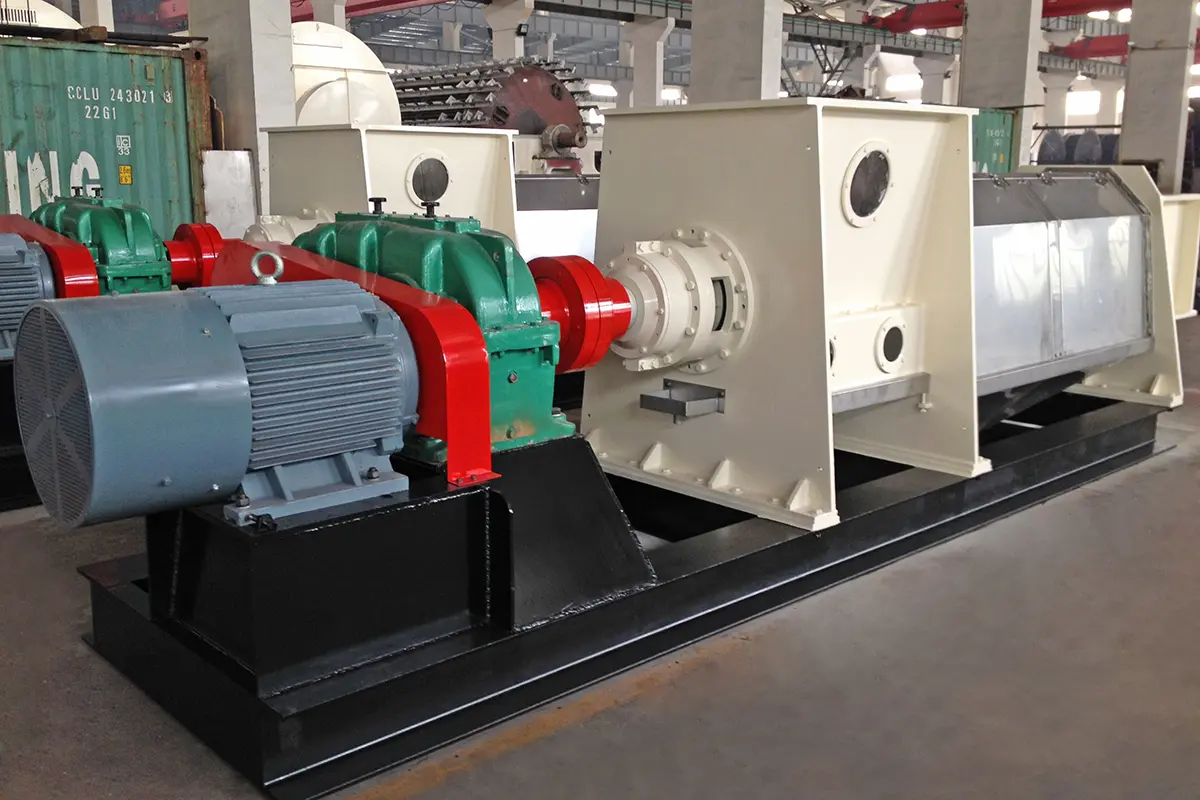
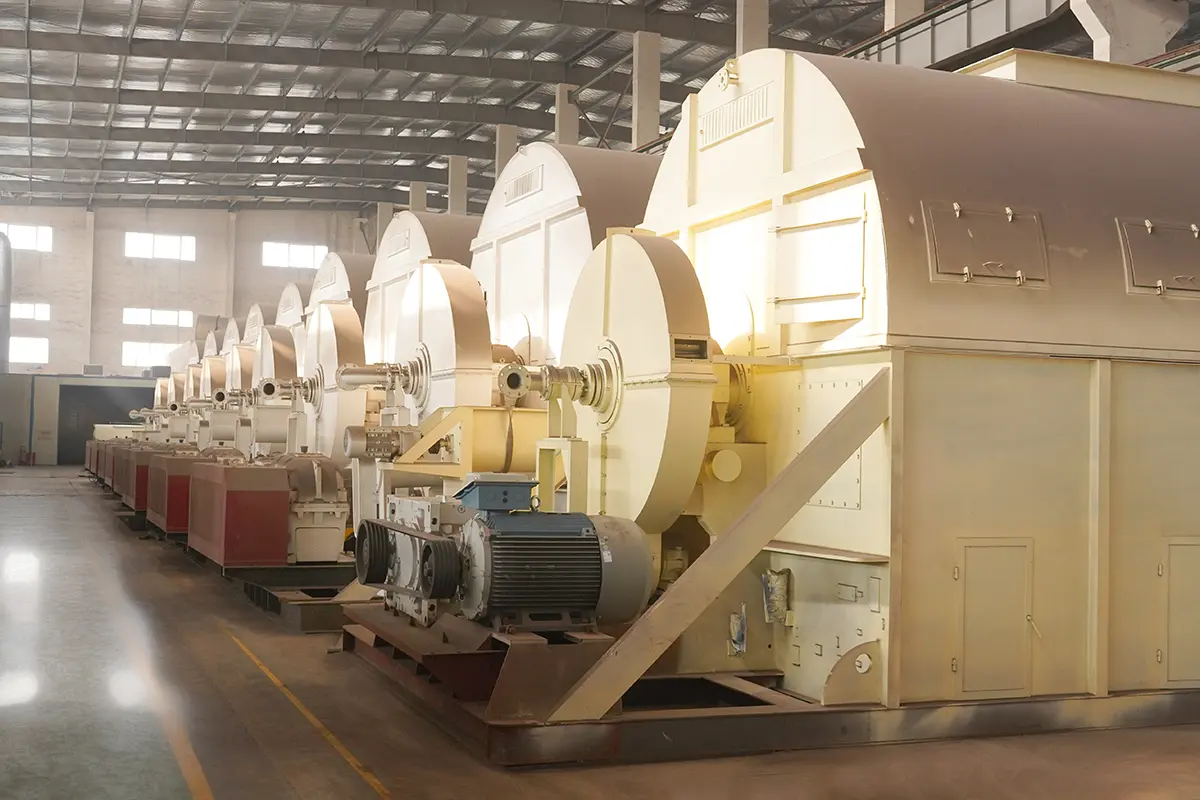
As a leading exporter of pressure vessels and evaporation plants, Jiangsu Zongheng continues to invest in R&D to align with industry requirements. Our technical roadmap focuses on three main pillars:
Future evaporation plants will not just be passive steel installations. We are developing smart sensor arrays linked with cloud monitoring systems. These tools trace real-time fouling layers inside tube heat exchangers, calculating localized heat transfer rates. Our system notifies operators when clean-in-place (CIP) cycles are required. This optimizes uptime and cuts down on chemical cleaner usage.
Processing highly corrosive materials, such as bio-fermentation broths and high-salt industrial wastewater, requires advanced metallurgy. We are expanding our production capability to work extensively with Titanium, Duplex Stainless Steels (such as SAF 2205 and 2507), and Hastelloy. This ensures our parallel feed evaporators achieve a operational lifespan exceeding 25 years under aggressive operating conditions.
To maximize thermal efficiency, we design hybrid structures. In these systems, a highly efficient MVR evaporator acts as the pre-concentrator, handling large fluid volumes. It is paired with a multi-effect parallel feed evaporator to concentrate the solution close to its saturation point. This approach reduces overall energy costs by up to 40% compared to using multi-effect units alone.
In a parallel feed evaporator, fresh dilute liquid is fed directly into each effect simultaneously. This is ideal for solutions close to crystallization limits or with high viscosity, as the feed is not subjected to cumulative concentrations through prior effects. It prevents scaling, lowers boiling points, and provides superior control over temperatures in each effect.
CE Certification ensures compliance with the European Pressure Equipment Directive (PED 2014/68/EU). This means all stress calculations, material certificates, weld procedures, and non-destructive testing (NDT) reports meet strict safety standards. It guarantees safe operation under high pressure and temperature conditions across global industrial projects.
Yes, Mechanical Vapor Recompression (MVR) can be integrated with parallel feed designs. The evaporated vapors from all effects are consolidated, recompressed mechanically to raise their temperature, and returned as the heating source. This design drastically reduces fresh steam consumption, saving up to 70-80% in operational energy costs.
Depending on the feed chemistry, we utilize Grade 304/316L stainless steel, Duplex stainless steel (2205/2507), Titanium, and Hastelloy. Our manufacturing facility holds ASME U-stamp and China Special Equipment licensing, qualifying our team to handle advanced metallurgy welding.
Lead times range from 4 to 8 months. This includes customized process engineering calculations, detailed mechanical modeling, vessel fabrication, weld tests, and factory acceptance testing (FAT) before shipment.
Get in touch with our process engineering team to run thermal models and obtain a customized technical quote.
Request a QuoteLearn more about our manufacturing footprint, certifications, and past project references.
Contact Us Today
 Zongheng