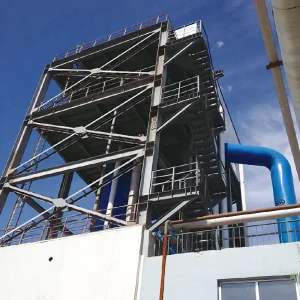
Energy-efficient factory solutions ideal for concentration processes in food, chemical, and industrial wastewater treatment applications.
Read More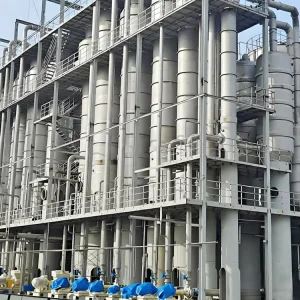
Utilizes waste stream energy for highly efficient industrial wastewater treatment, significantly reducing overall boiler steam consumption.
Read More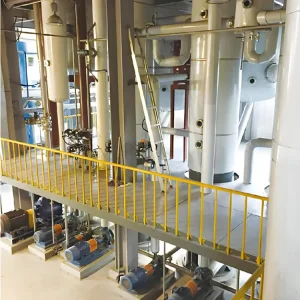
Fully CE-certified system engineering designed for heat-sensitive liquids requiring short residence times and low evaporation temperatures.
Read More
Tailored wastewater evaporation system designed specifically to handle highly viscous corn steep liquor and bio-fermentation effluents.
Read More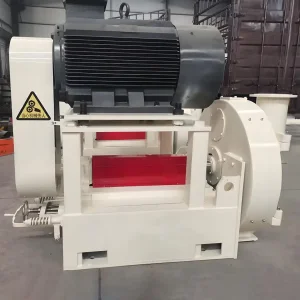
Leading precision germ removal equipment designed for maize wet milling plants, ensuring optimal kernel splitting with minimal germ breakage.
Read More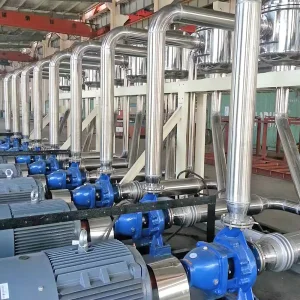
Effective starch refining, concentration, and purification equipment featuring a multi-stage hydrocyclone configuration.
Read More
High-quality starch refining solution engineered for efficient soluble protein separation and fine impurity removal.
Read More
Engineered to deliver high heat transfer efficiency while preserving the physical and chemical properties of delicate organic products.
Read MoreIn contemporary chemical processing, waste remediation, food processing, and starch refining, the demand for energy-efficient concentration solutions has reached an unprecedented scale. At the center of this transition are Circulation Evaporators. Specifically designed to handle challenging liquids, these systems are engineered to address the thermodynamic challenges associated with high-viscosity products, high boiling point elevations, and severe fouling tendencies. In this comprehensive industry whitepaper, we examine the technical configurations, global industrial landscapes, localized application scenarios, and the structural design roadmap driving the evaporation industry forward.
The global market for industrial evaporation plants is shifting away from low-efficiency thermal designs towards advanced mechanical recovery configurations. Rising energy costs across North America, Europe, and Asia, combined with strict Zero Liquid Discharge (ZLD) environmental regulations, have positioned high-efficiency evaporators as critical capital assets. Forced circulation and MVR (Mechanical Vapor Recompression) plants are now standard installations in wastewater treatment, mineral concentration, pharmaceutical processing, and petrochemical refining.
Historically, industrial plants relied on multi-effect thermal evaporation systems that consumed vast quantities of live boiler steam. Today, modern industrial parks utilize integrated energy systems that combine low-grade waste steam with MVR compressors. This shifts the operational cost profile from thermal steam generation to electrical power, offering carbon footprint reductions of up to 70%. Manufacturers in emerging economies, particularly China, have developed advanced fabrication standards to supply these massive industrial systems globally. They deliver high-quality pressure vessels certified under ASME and CE guidelines at competitive price points.
Utilizes mechanical compression to recompress boil-off vapor, returning latent heat to the process and minimizing live steam requirements.
High fluid velocities in heat exchanger tubes prevent localized boiling, scale deposition, and crystal fouling on heating surfaces.
Closes wastewater loops in industrial chemical zones by separating clean condensates from concentrated solid mineral waste.
Selecting the optimal evaporation pathway depends on fluid characteristics, thermal sensitivity, crystallization requirements, and available utility inputs. The table below outlines the core industrial tech paths:
| Evaporator Type | Ideal Applications | Key Advantage | Limitation |
|---|---|---|---|
| Forced Circulation | Crystallizing liquids, high scaling wastewater, high viscosity slurries. | Eliminates boiling on tube surface; minimizes scale accumulation. | Higher electrical power demands for circulating pumps. |
| Falling Film | Heat-sensitive liquids, low-scaling solutions, low delta-T ranges. | Short residence time, low liquid hold-up, high heat transfer coefficient. | Requires uniform liquid distribution; prone to dry-out fouling. |
| MVR Recompression | Continuous concentration systems, high runtime operations. | Extremely low operating utility costs; removes cooling water demand. | High initial capital investment; sensitive to boiling point rise. |
| Waste Heat Recovery | Corn steep liquor, DDGS dryers, starch plant thermal integration. | Repurposes flash steam or dryer vapors to power evaporation. | Requires proximity to waste heat sources; variable source pressures. |
Modern manufacturing demands complete plant integration rather than stand-alone equipment units. In typical wet corn milling and starch purification plants, raw material goes through precision milling and cyclonic separation before the liquid stream is concentrated. The integrating lines include:
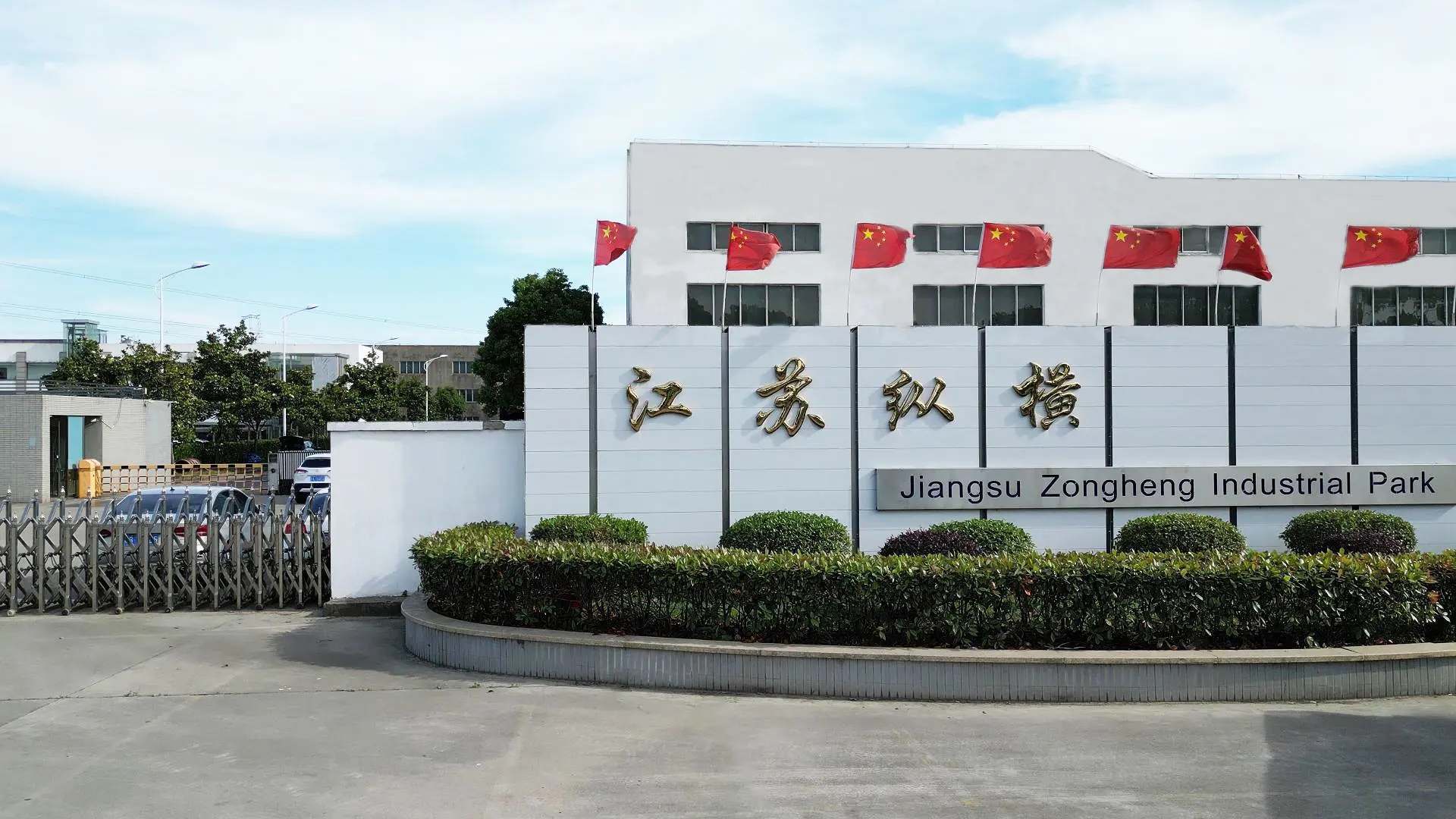
Founded in 1992 as Yixing Yangxi Light Industry Machinery Factory, Jiangsu Zongheng Concentrating and Drying Equipment Co., Ltd has evolved into a premier high-tech enterprise. Located in Zhoutie Town, Yixing City along Taihu Lake, the company specializes in process concentration, thermal drying, starch processing, alcohol DDGS systems, and Category III medium & low-pressure vessel fabrication. As a long-standing member of the China Starch and Alcohol Association, Jiangsu Zongheng delivers process solutions to the food fermentation, starch, chemical, pharmaceutical, and environmental protection sectors worldwide.
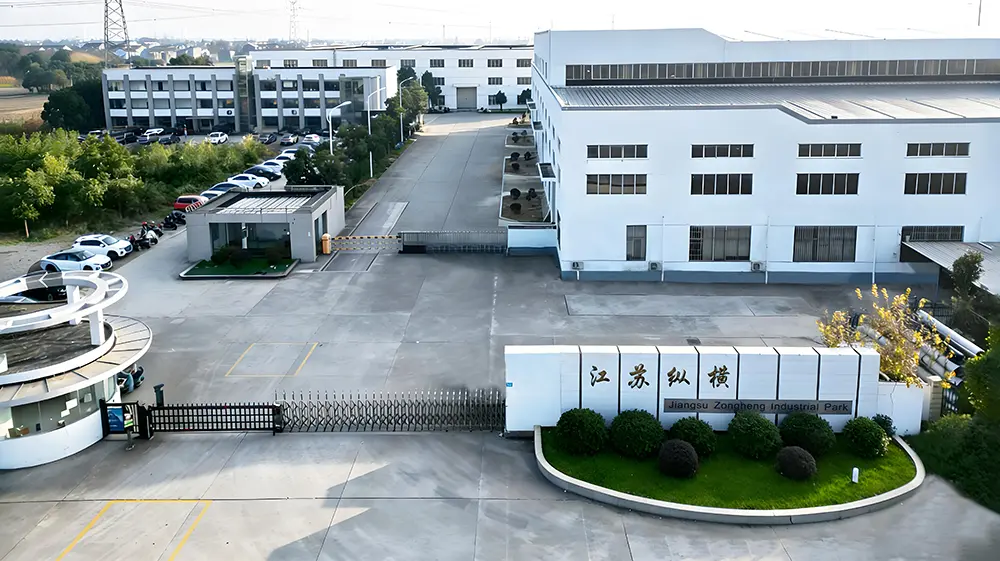
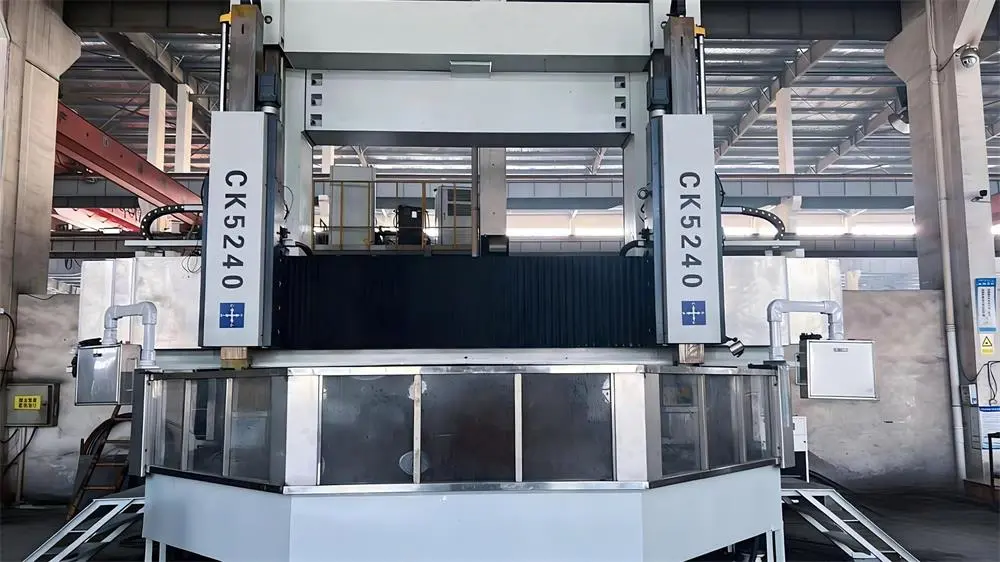
Operating across 54,000 m² with a dedicated 22,000 m² workshop, employing a staff of 120, including senior process designers and quality control engineers.
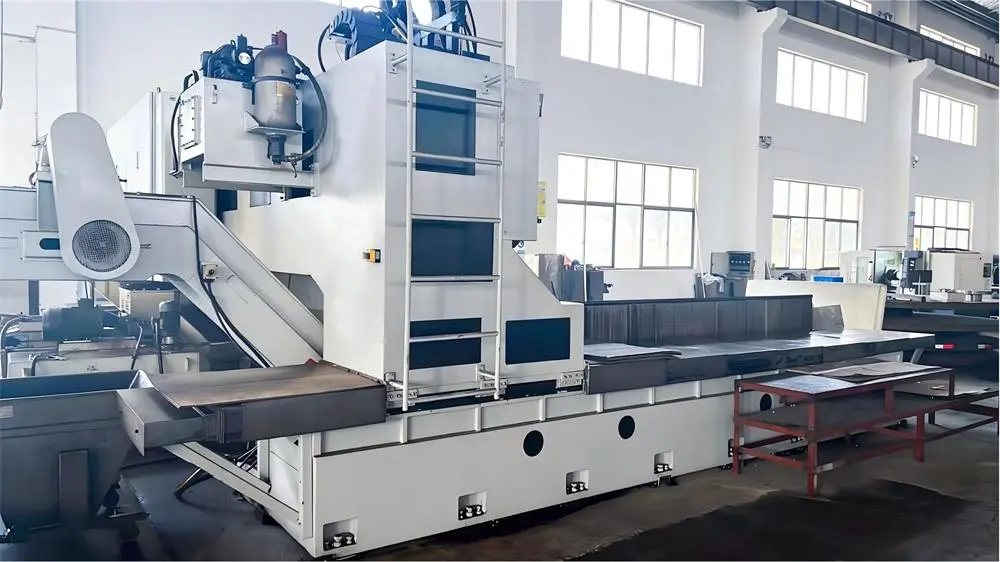
Obtained international quality system certification (Certificate No.: 45021), establishing a complete quality assurance workflow aligned with global delivery expectations.
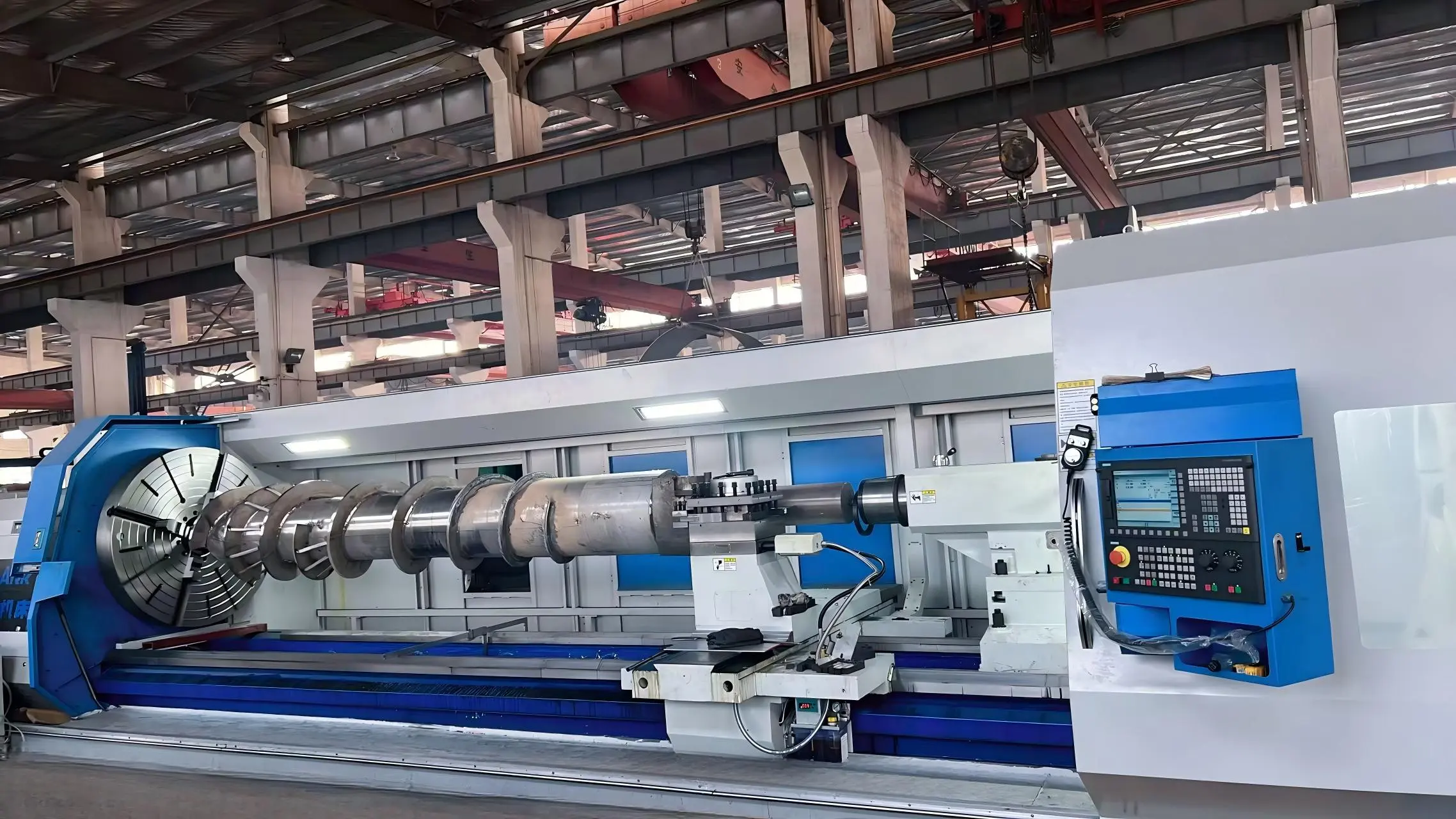
Acquired official ASME "U" Stamp design and fabrication authorization, enabling compliance with North American and international heavy-duty pressure vessel specifications.
Obtained the Special Equipment Manufacturing License of the People's Republic of China (License No.: TS2232C42) for Category III vessels.
Founded on 15 mu of industrial land with 45 employees, pioneering regional manufacturing of light industry concentration and food fermentation machinery.
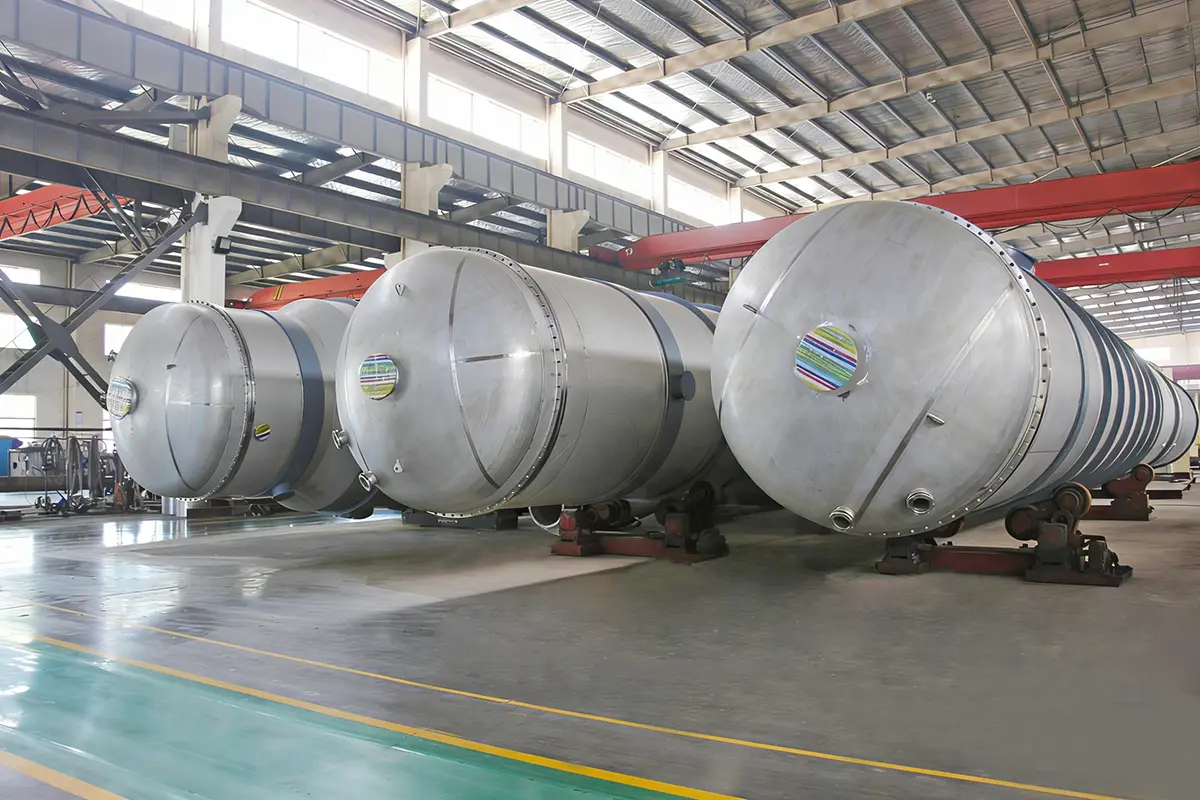
Concentrating chemical wastewater, industrial salts, and organic solutions in large-scale refinery lines.
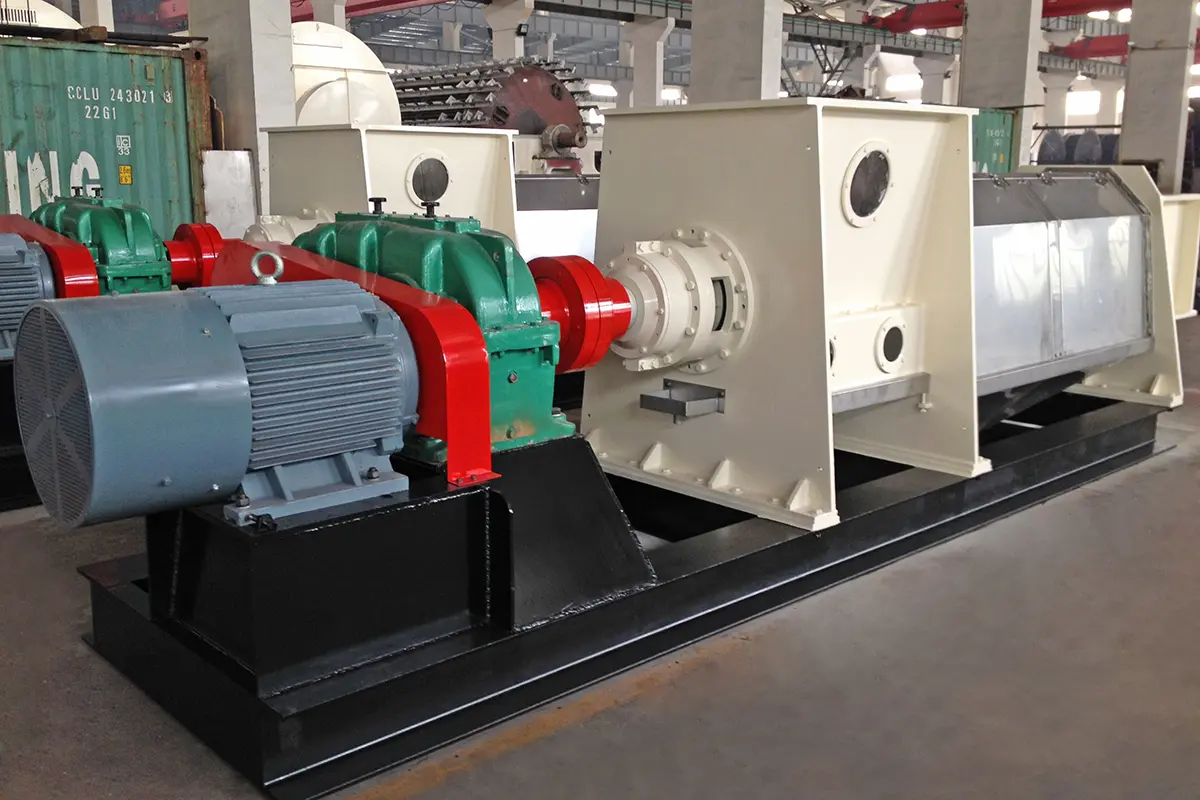
Dewatering organic fibrous material, corn starch residue, and chemical sludge before downstream drying.
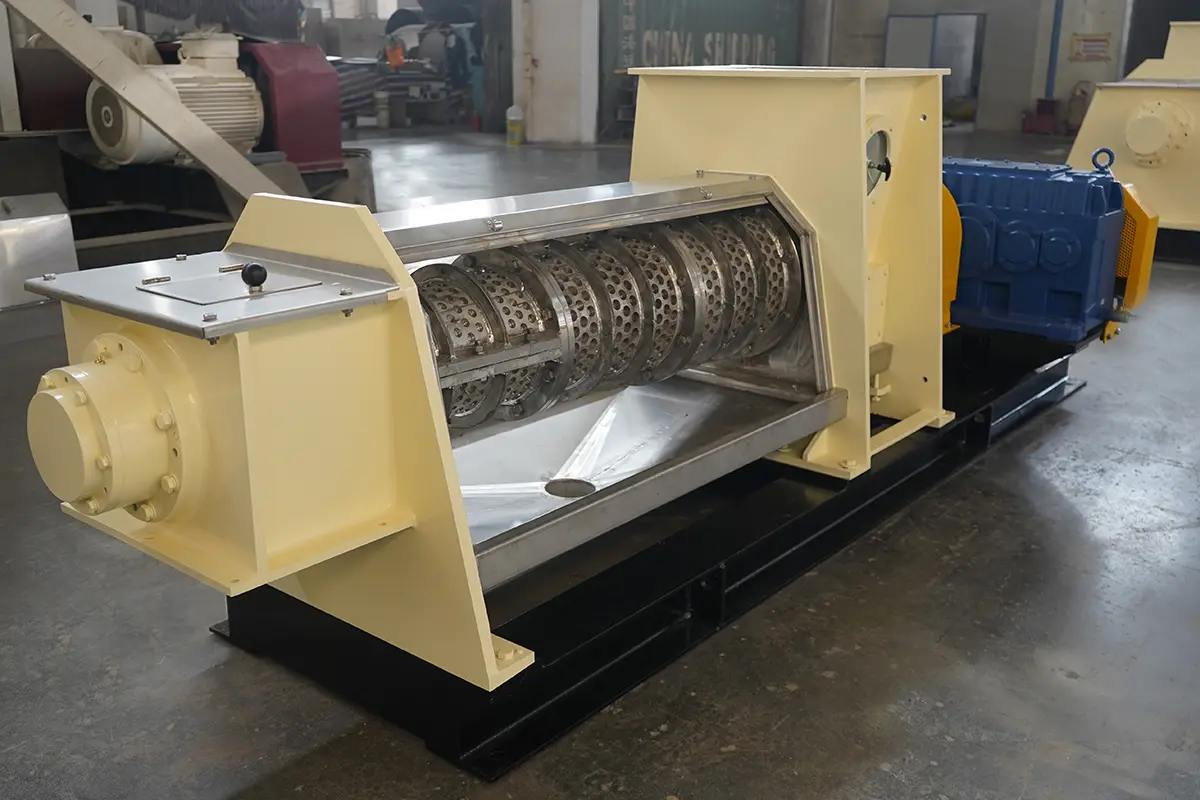
High-efficiency rotary dewatering solutions optimized for bulk chemical processing and starch crystals.
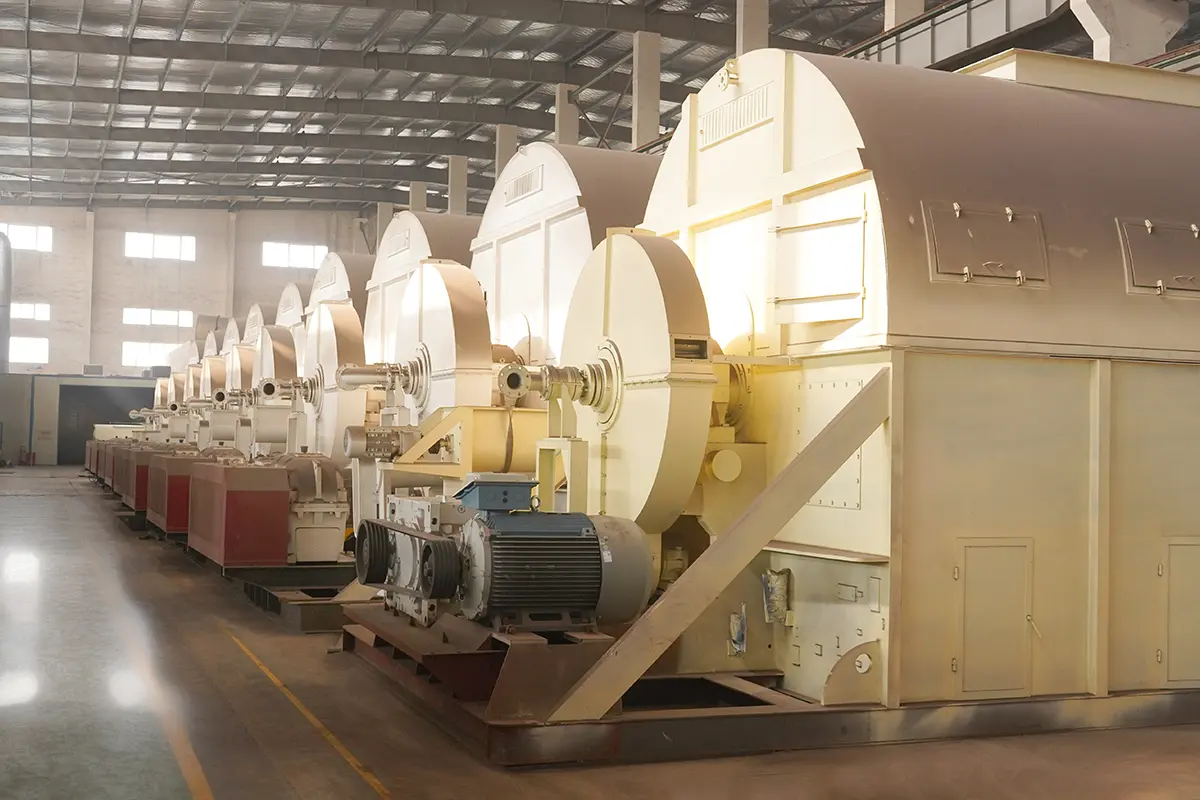
Providing indirect steam drying for high-capacity starch, DDGS feed, and chemical intermediate processing.
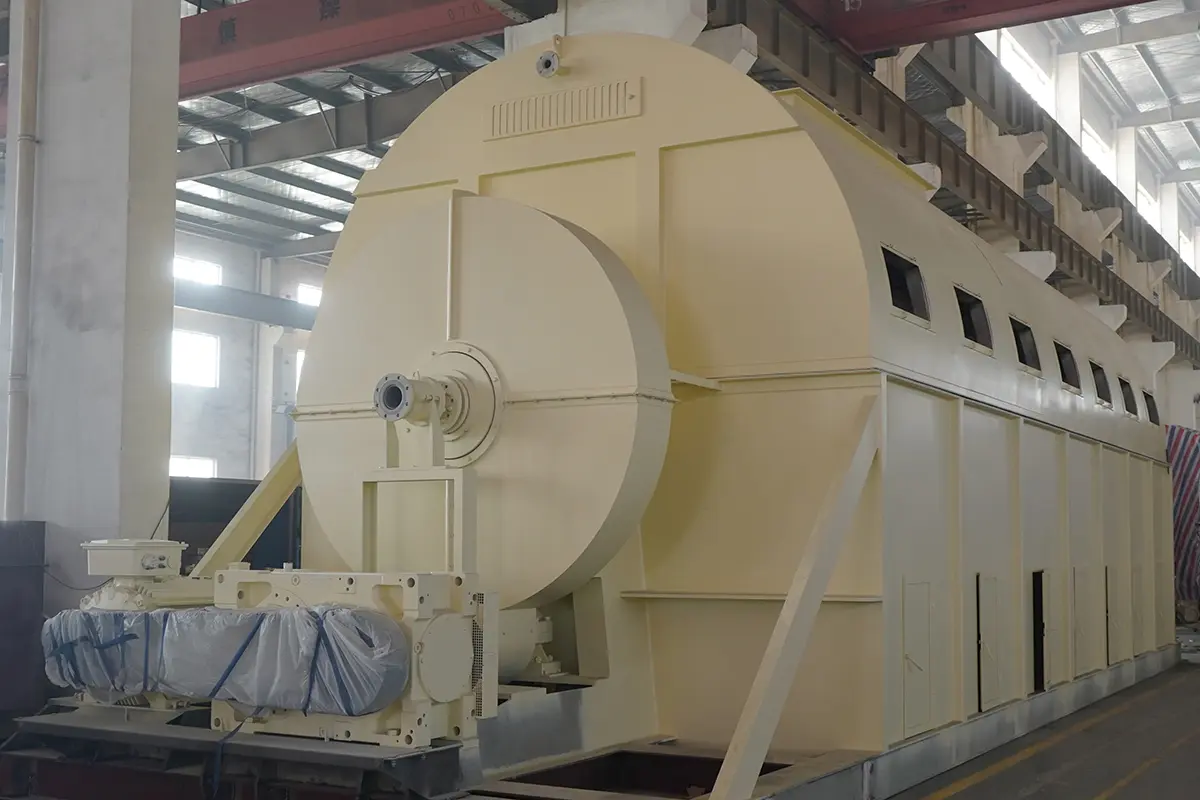
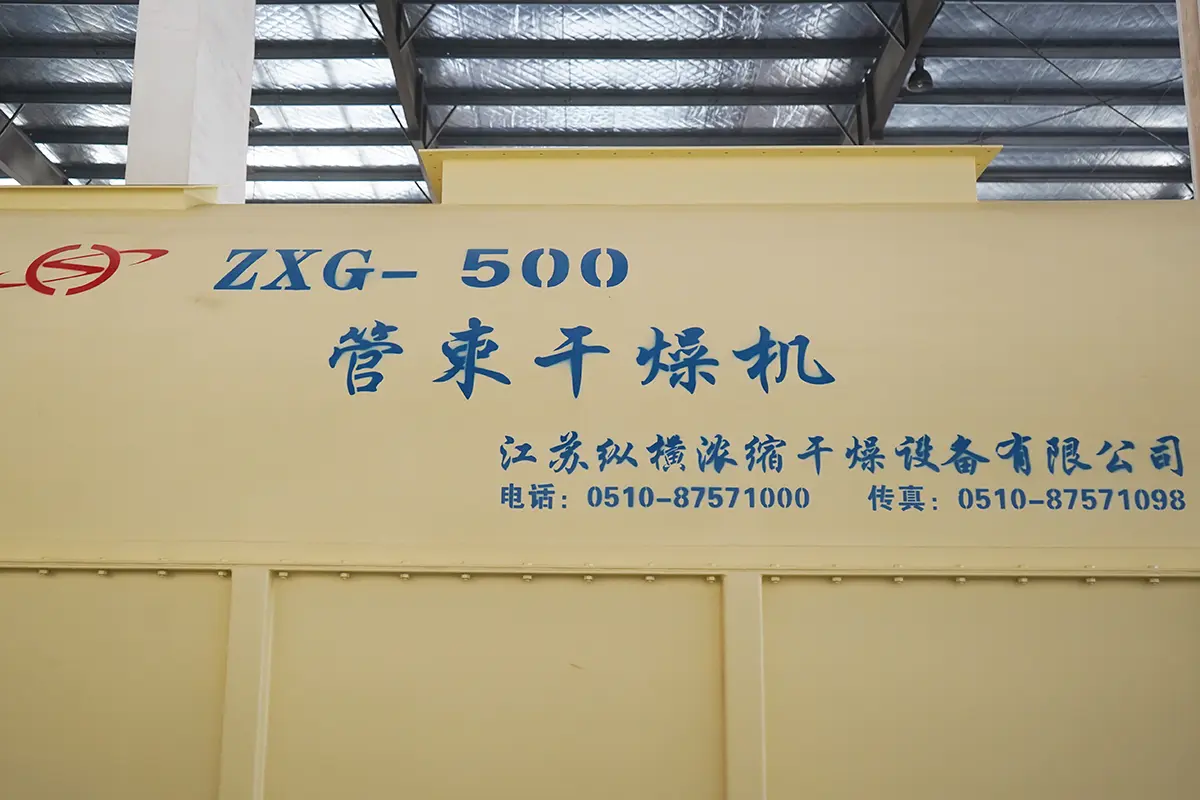
Steam-heated contact tube bundles built to handle sticky bulk solids with minimal energy consumption.
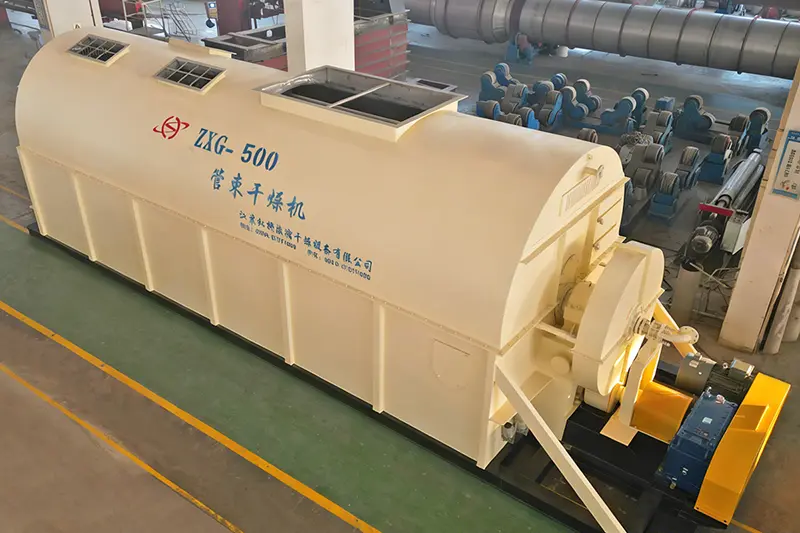
Integrating heat recovery and moisture control systems to reduce dust emissions and optimize energy efficiency.
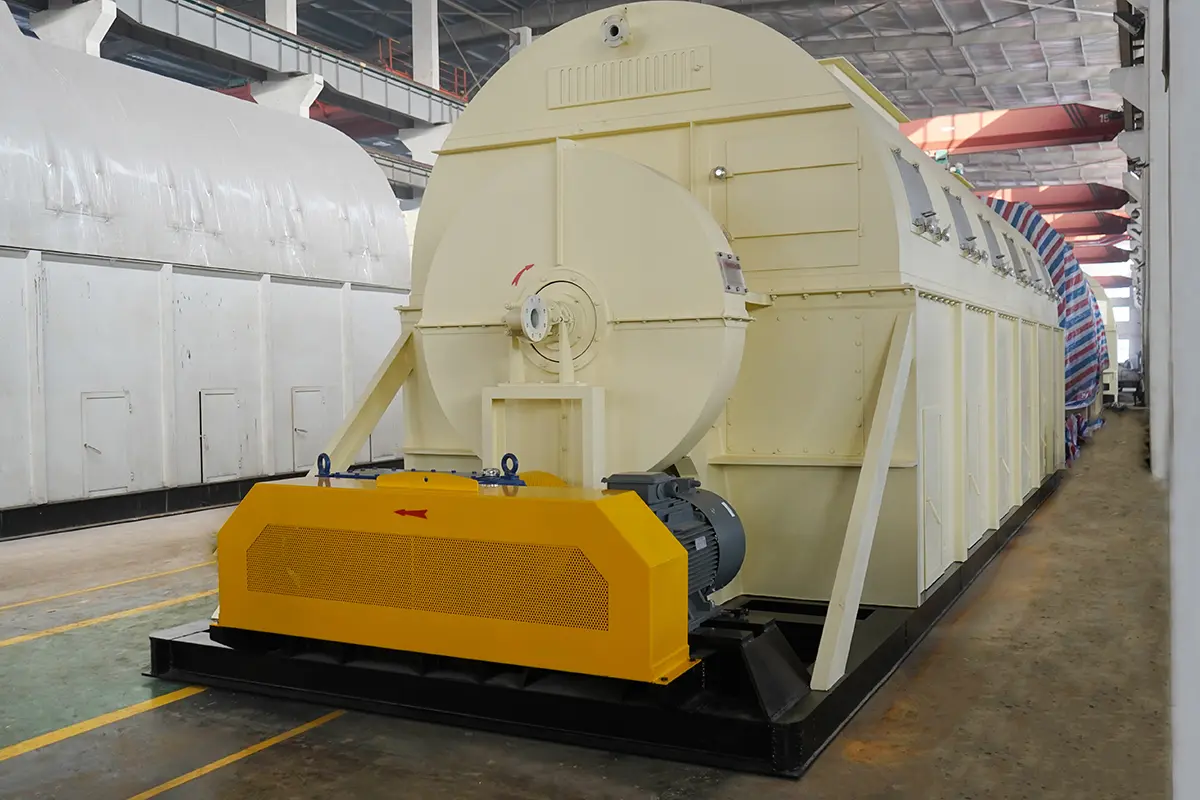
Heavy-duty, low-oxygen drying systems designed to prevent oxidation of organic and heat-sensitive starch solids.
Complete product refining layouts that link evaporation, separation, washing, and drying processes.
The industrial evaporation landscape is defined by two primary objectives: achieving maximum thermodynamic efficiency and minimizing physical scaling. Future developments focus on the integration of smart instrumentation and high-grade materials to operate continuously under extreme processing environments.
Modern evaporation systems utilize real-time process monitoring to measure boiling point elevation, feed viscosity, and heat transfer efficiency. By integrating AI-driven predictive control models, systems can dynamically adjust feed rates and circulation pump speeds. This prevents localized dry-outs, decreases cleaning frequencies, and lowers overall electricity demands.
Handling acidic, alkaline, or high-chloride wastewater requires corrosion-resistant materials. Modern evaporators utilize titanium (Grades 1 and 2), duplex stainless steels (such as 2205 and 2507), and nickel alloys (Hastelloy) for tubes and vapor separators. This extends the service life of critical pressure vessels to over 25 years under continuous operation.
In starch processing, recovering and drying materials like corn germ and fiber requires controlled environments to prevent dust explosions and product degradation. Combining tubular bundle dryers with closed-loop low-oxygen vapor recirculation systems ensures high safety standards while recovering flash energy to heat the pre-concentration evaporator stages.
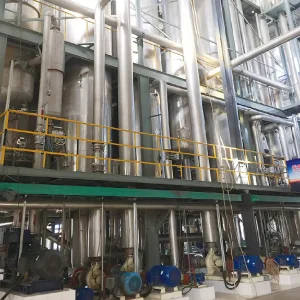
Designed for crystallizing solutions and high-viscosity effluents. Engineered to prevent scaling on tube walls during continuous concentration cycles.
Read More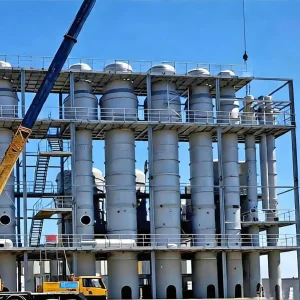
Fully certified energy-efficient evaporation plant designed for medium to high-capacity liquid concentration operations.
Read More
An advanced MVR evaporation solution configured to lower energy footprint and operational expenditures in large-scale processing lines.
Read More
Optimized for processing food ingredients, chemical compounds, and wastewater under low thermal-stress profiles.
Read More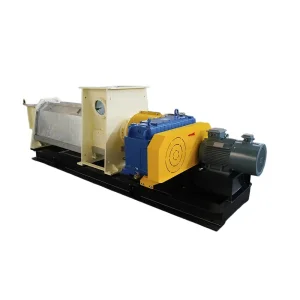
Delivers high-torque mechanical dewatering, reducing moisture content in fibrous slurries before thermal drying.
Read More
An efficient vapor recompression system configuration optimized for recovering pure water from saline industrial effluent streams.
Read More
Engineered for high-volume liquid processing applications, offering significant energy savings and reduced operating costs.
Read More
Our top-tier liquid concentration system, engineered for difficult processes with severe crystallizing or scaling profiles.
Read MoreConnect with our technical engineering team to receive customized thermodynamic calculations, system layouts, and comprehensive project budgeting quotes.
Request Technical Proposal & Quote Zongheng