Browse our verified range of concentration, mechanical separation, and high-capacity drying technologies designed for global industrial deployment.
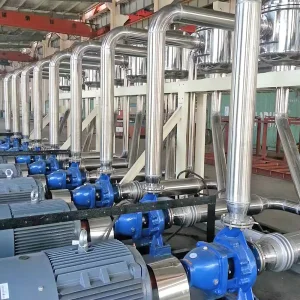
Engineered for deep-level starch cleaning, refining, and impurity removal to guarantee clean, high-grade starch extraction.
Explore Solution →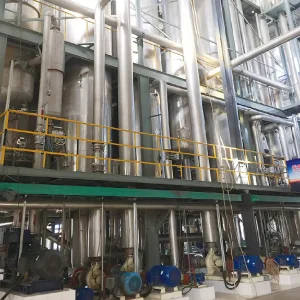
High-speed recirculating system designed for high viscosity, scaling solutions, and complex process wastes.
Explore Solution →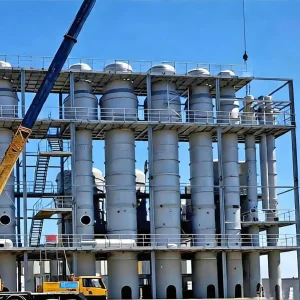
Optimized thermal evaporation configurations minimizing steam usage via high thermal coefficient recycling paths.
Explore Solution →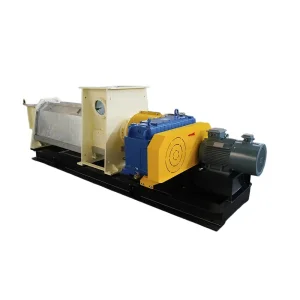
Mechanical dewatering machine using variable pitch and volumetric reduction to express bound water from starch fibers.
Explore Solution →
Engineered for heavy-duty dewatering processes in agricultural residue plants and bio-ethanol processing operations.
Explore Solution →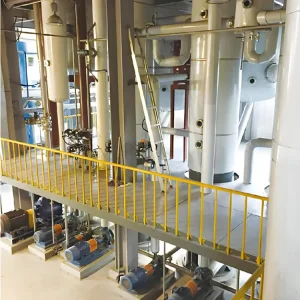
Preserve heat-sensitive solutions through thin-film distribution and brief contact pathways.
Explore Solution →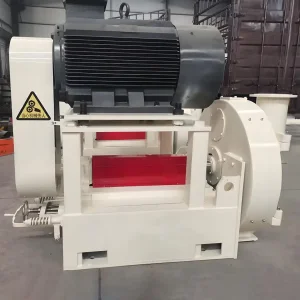
Precision mechanical mills for starch starch-germ separation and wet mill fractioning.
Explore Solution →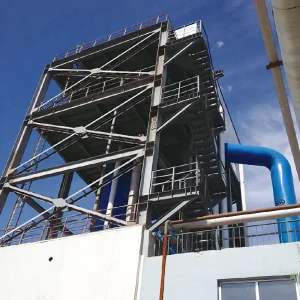
State of the art dynamic mechanical vapor recompression designs that cut steam demands down to near-zero levels.
Explore Solution →In modern industrial process engineering, the separation of liquid from solid matrices is a fundamental step that directly dictates the thermal and mechanical footprint of the entire plant. At the center of these processes, the dewatering extruder (widely referred to as a single screw press) acts as the workhorse. By compressing high-moisture slurries mechanically, these systems force out free and interstitial moisture, transforming wet residues into transportable, low-moisture solids.
As prominent China Dewatering Extruder Manufacturers & Suppliers, Jiangsu Zongheng Concentrating and Drying Equipment Co., Ltd. (formerly Yixing Yangxi Light Industry Machinery Factory, established in 1992) has engineered advanced screw design geometries that maximize liquid discharge with minimal energy input. Over 30 years of development has culminated in dewatering solutions that seamlessly link pre-processing, starch isolation, corn degerming, and chemical recycling with efficient thermal drying phases.
Removing moisture using heat is highly energy-intensive. Water has a very high latent heat of vaporization (approximately 2,260 kJ/kg under normal atmospheric conditions). If a starch refinery or DDGS facility feeds slurries containing 80% moisture directly into hot air or bundle dryers, the fuel or steam consumption is immense.
In contrast, mechanical dewatering via a single screw press or dewatering extruder does not require phase change. Instead, it relies on hydraulic force generated by the narrowing pitch of the screw. By mechanically reducing the moisture content from 80% down to 45%–50% prior to thermal drying:
Globally, the push for circular economy standards, resource efficiency, and carbon footprint reduction has forced industries to abandon archaic slurry-handling methods. In North America and Europe, large-scale biorefineries and starch manufacturers rely heavily on high-capacity screw presses to process wet fiber and grains. In developing industrial centers across Asia and Latin America, upgrading dewatering performance is key to complying with strict environmental effluent regulations.
By acting as both a mechanical filter and dynamic press, the dewatering extruder handles varying feed streams: from fibrous corn husks and spent brewer's grains to chemical pulps and citrus wastes. Jiangsu Zongheng supports these international industries by building machinery with thick-wall stainless steels, wear-resistant carbide flight coatings, and durable gearboxes designed for continuous 24/7 process operation.
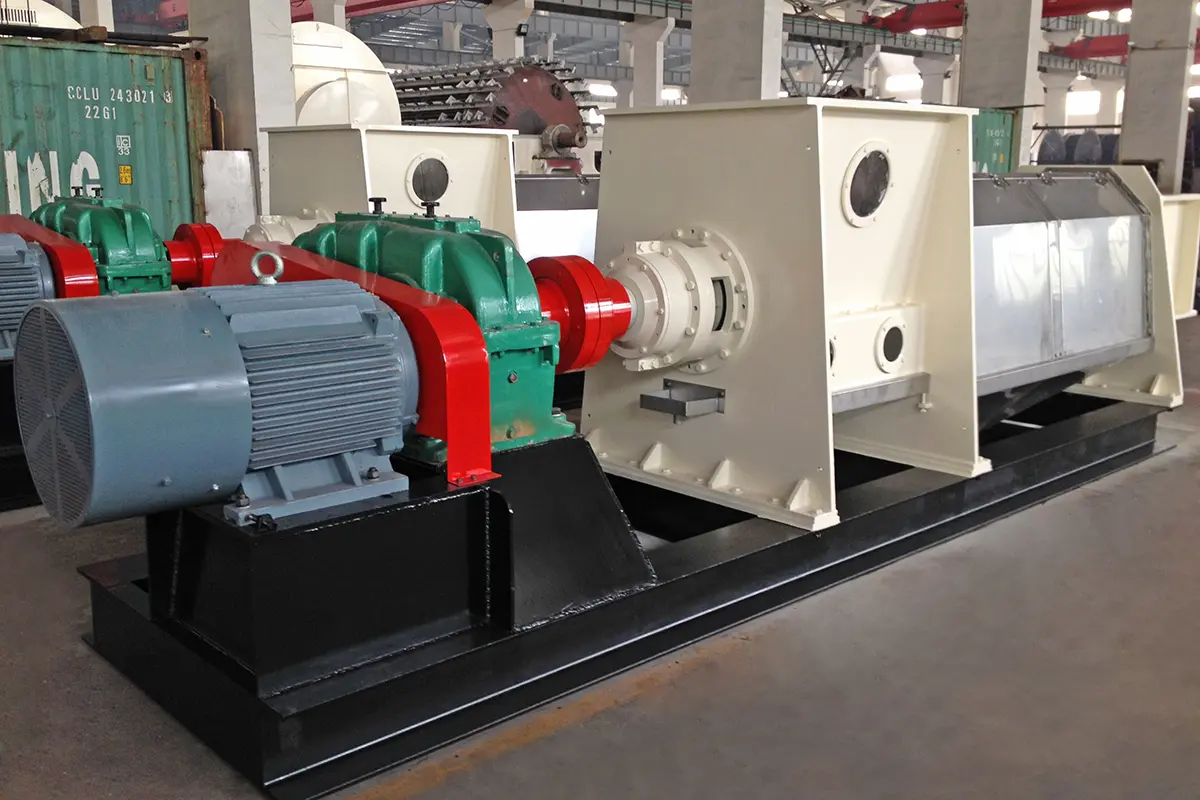
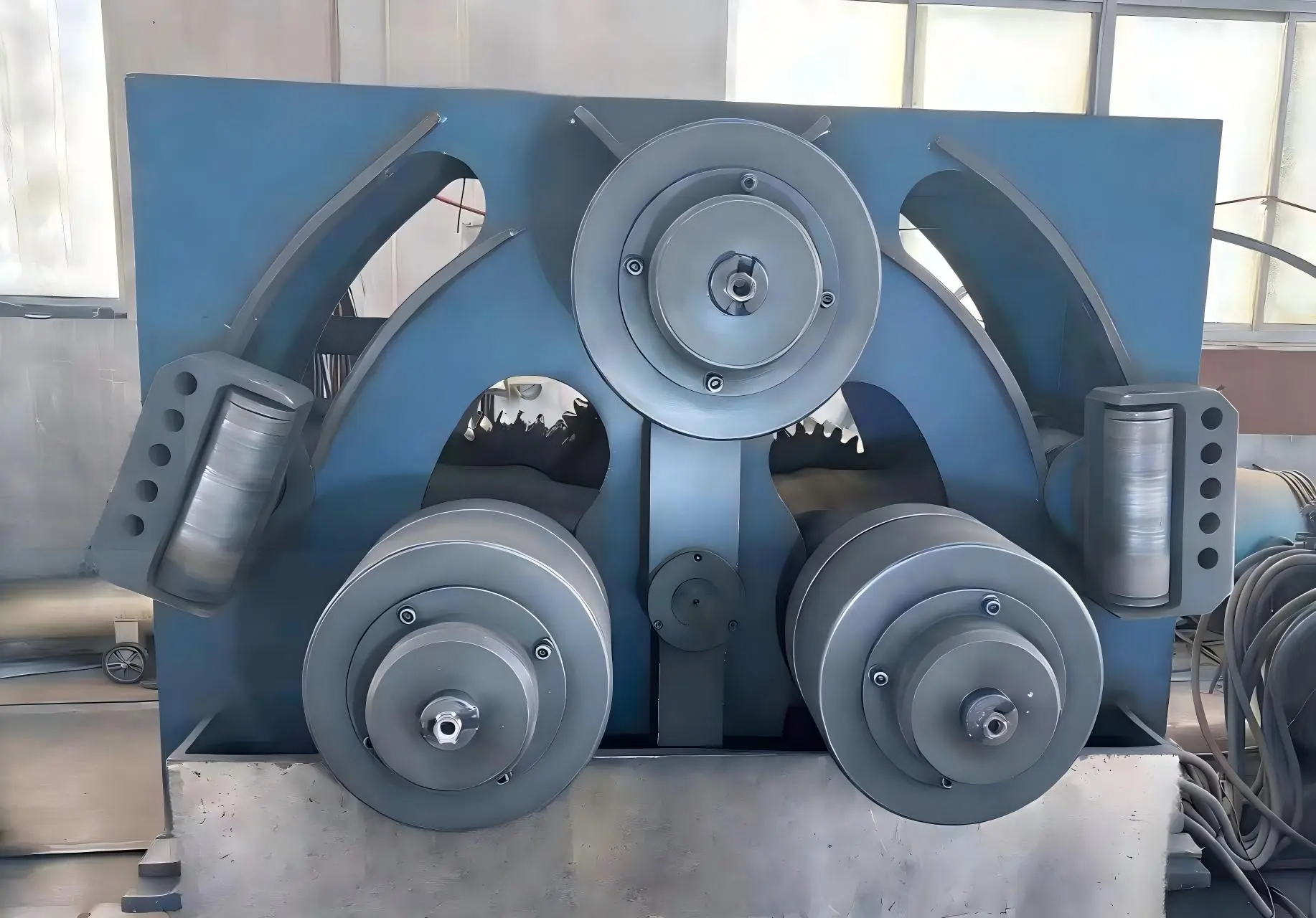
At Jiangsu Zongheng, our engineering principles focus on minimizing mechanical friction while maximizing water expression. The design profile of our Single Screw Press comprises several critical operational zones:
A high-volume flight pitch rapidly receives bulk slurry from starch mills or washing systems, initiating passive gravity drainage through the screen cylinder.
The screw's root diameter increases while pitch spacing decreases. This change forces the slurry against the screen, squeezing out bound water.
Pneumatic or spring-loaded cone regulators apply backpressure at the exit, forming a compacted cake that keeps the system pressurized.
Furthermore, screen blinding is prevented through self-wiping configurations and targeted high-pressure purge loops. The outer split-screen design allows operators to execute screen cleaning and screen swaps without completely dismantling the shaft or structural drive housings.
Deploying advanced mechanical dewatering systems within regional processing hubs.
After extracting valuable corn germ using the Zongheng Degerming Mill and washing starch in hydrocyclone setups, corn fiber remains highly saturated. Dewatering extruders reduce moisture content so that the fibers can be efficiently dried in ZXG Tube Bundle Dryers.
Distillers wet grains are continuously processed through screw presses to extract thin stillage. The solid cake is dried to form high-protein animal feed, while the filtrate is sent to MVR and Falling Film Evaporators for syrup concentration.
Processing chemical pulps, fibrous paper residues, and plant fibers requires consistent, continuous pressure to recover process chemicals and wash water, significantly reducing plant wastewater treatment loads.
Instead of looking at dewatering machines in isolation, Jiangsu Zongheng approaches chemical and starch factories through integrated process flow engineering. A typical high-efficiency factory layout utilizes the following sequence:
By matching the moisture output from the screw press with the inlet capabilities of the ZXG Tube Bundle Dryer or MQG Airflow Dryer, we eliminate bottlenecks and thermal overload. The recovered water (filtrate) contains starch fines and soluble solids. This fluid is redirected to our MVR Evaporator Plant or Forced Circulation Concentrator, where solids are concentrated into a thick syrup, which is then blended back into the dry cake. This zero-discharge concept is the benchmark of modern environmental engineering.
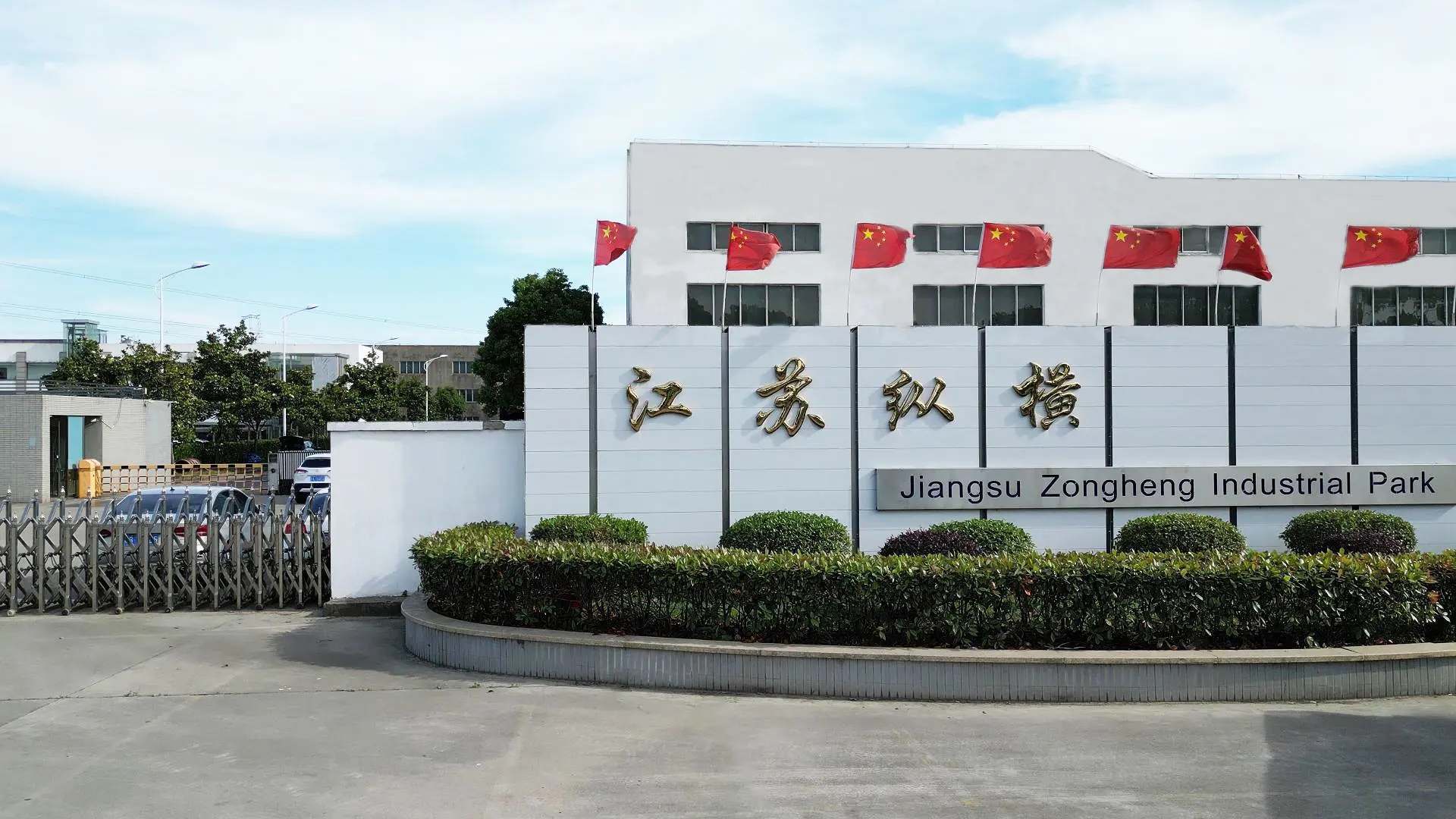
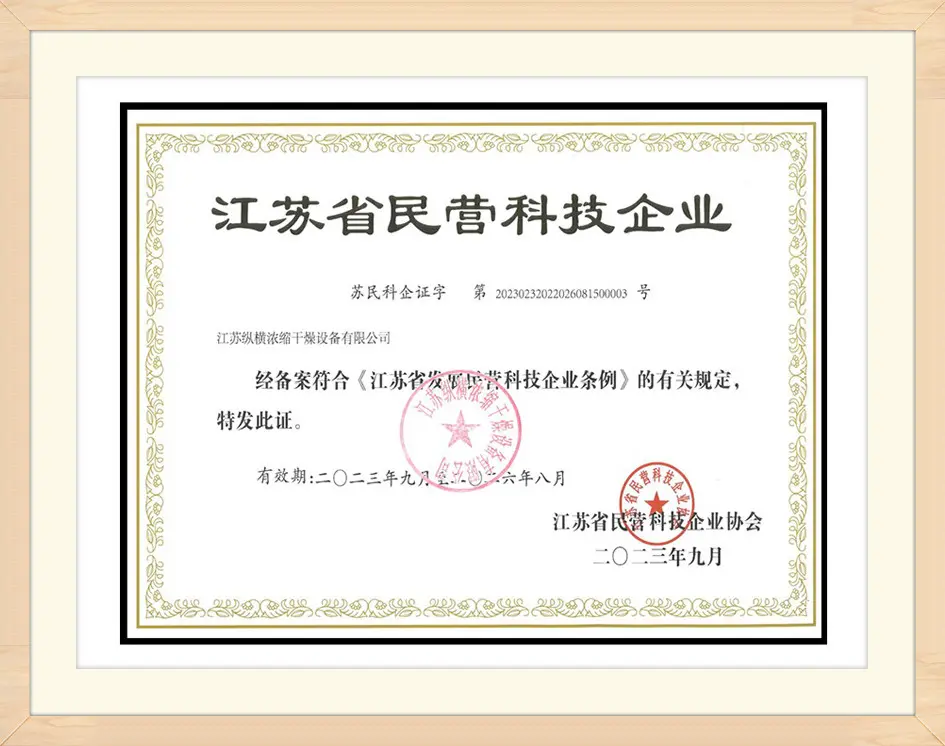
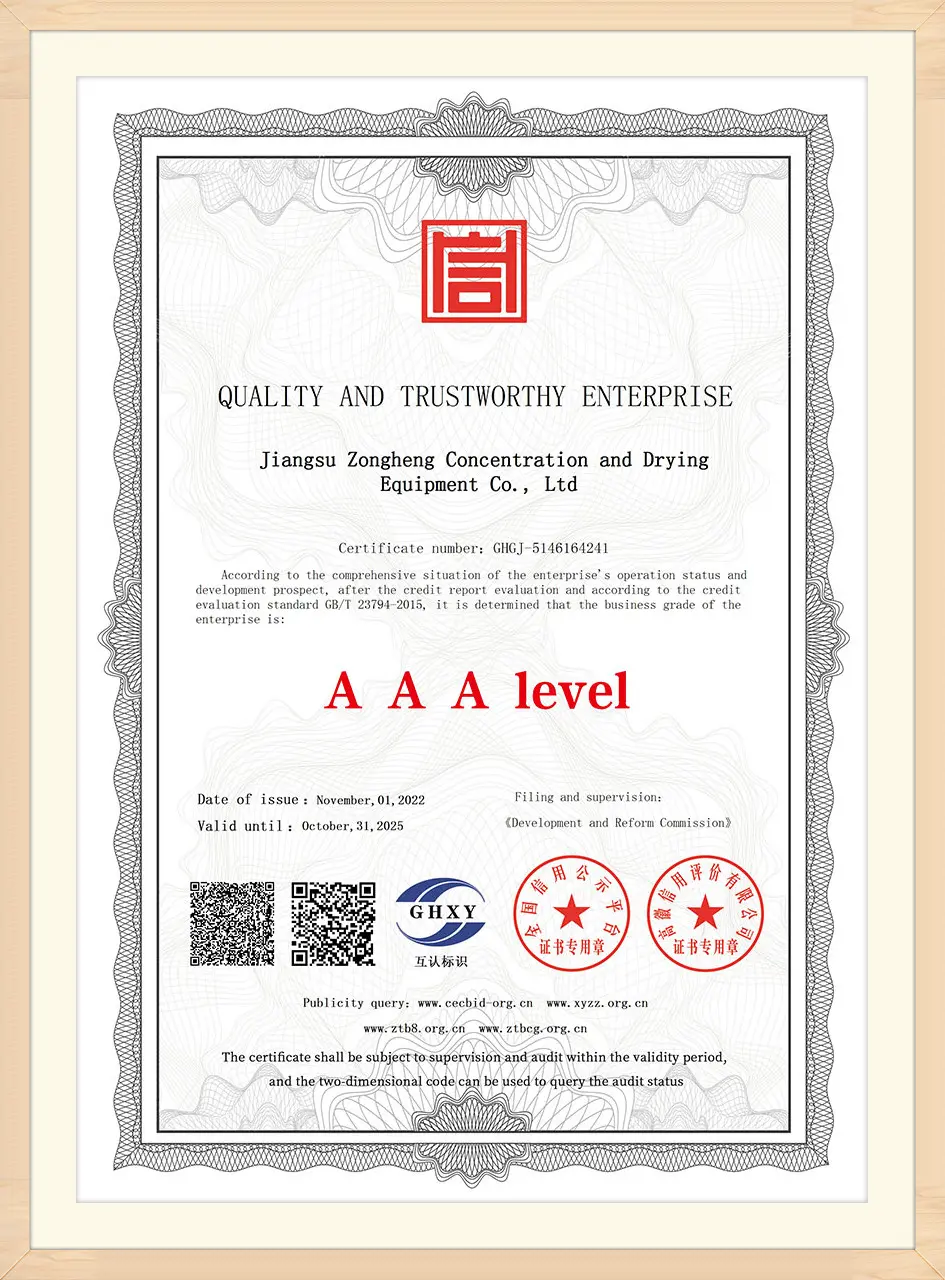
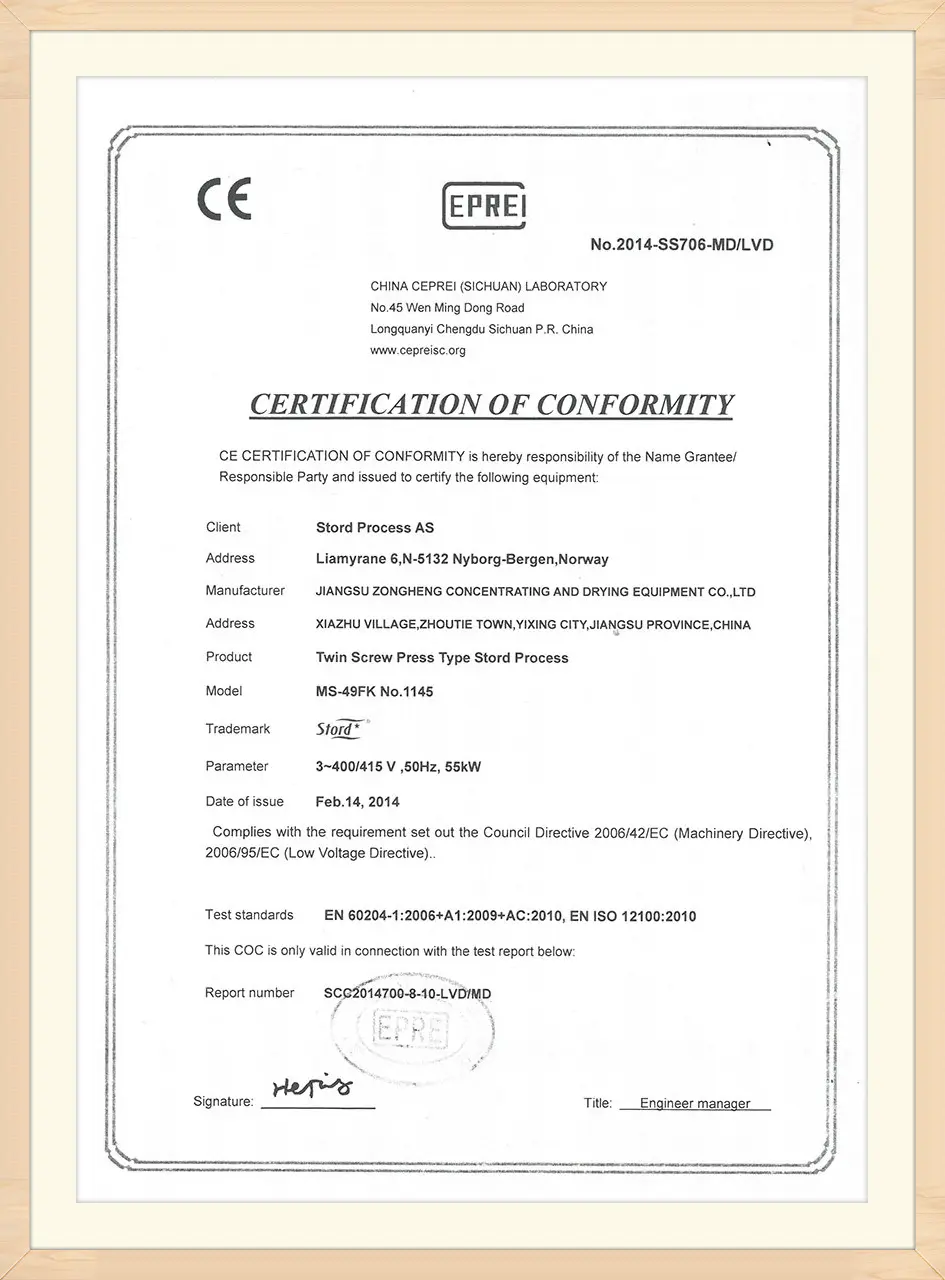
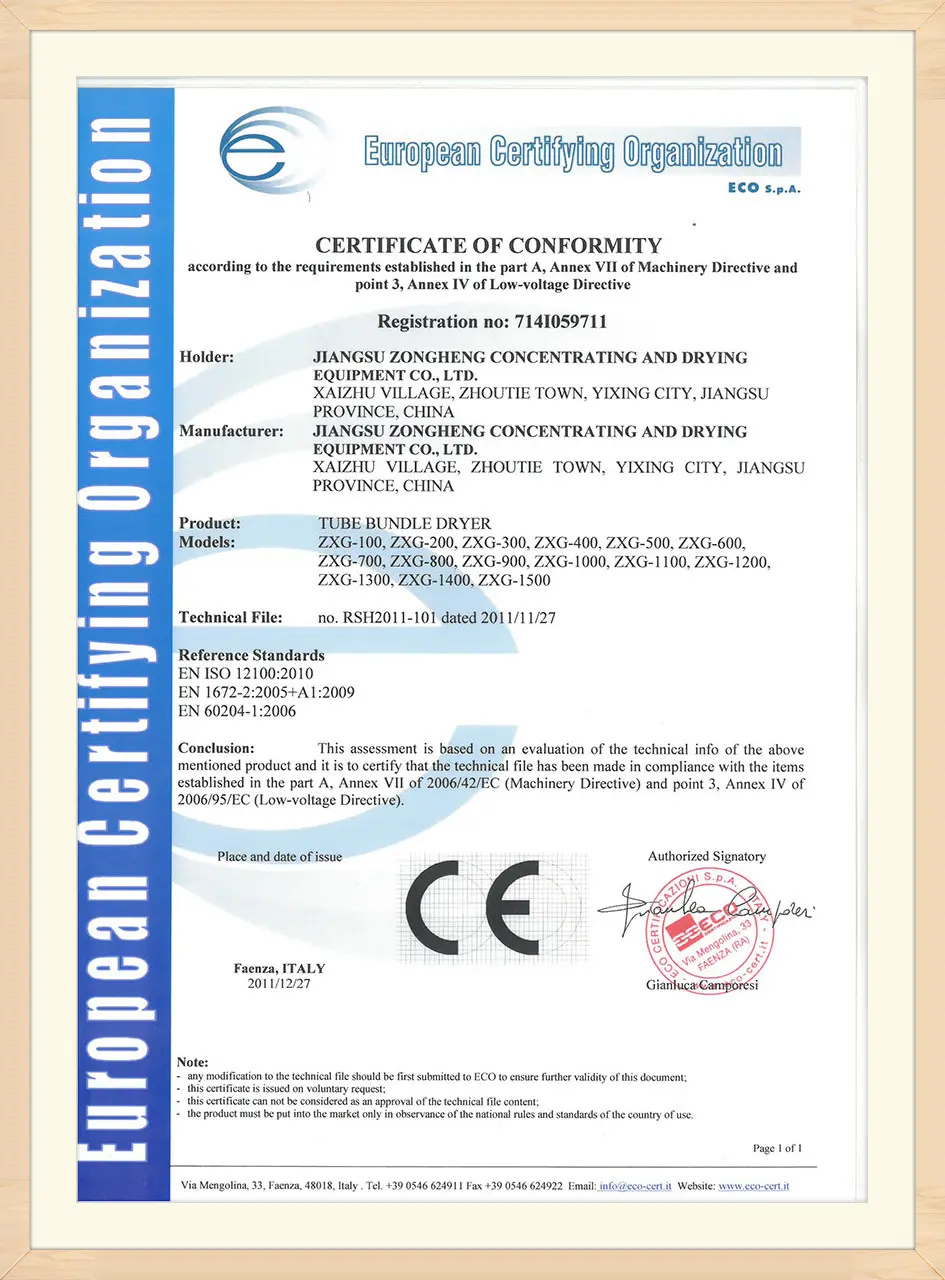
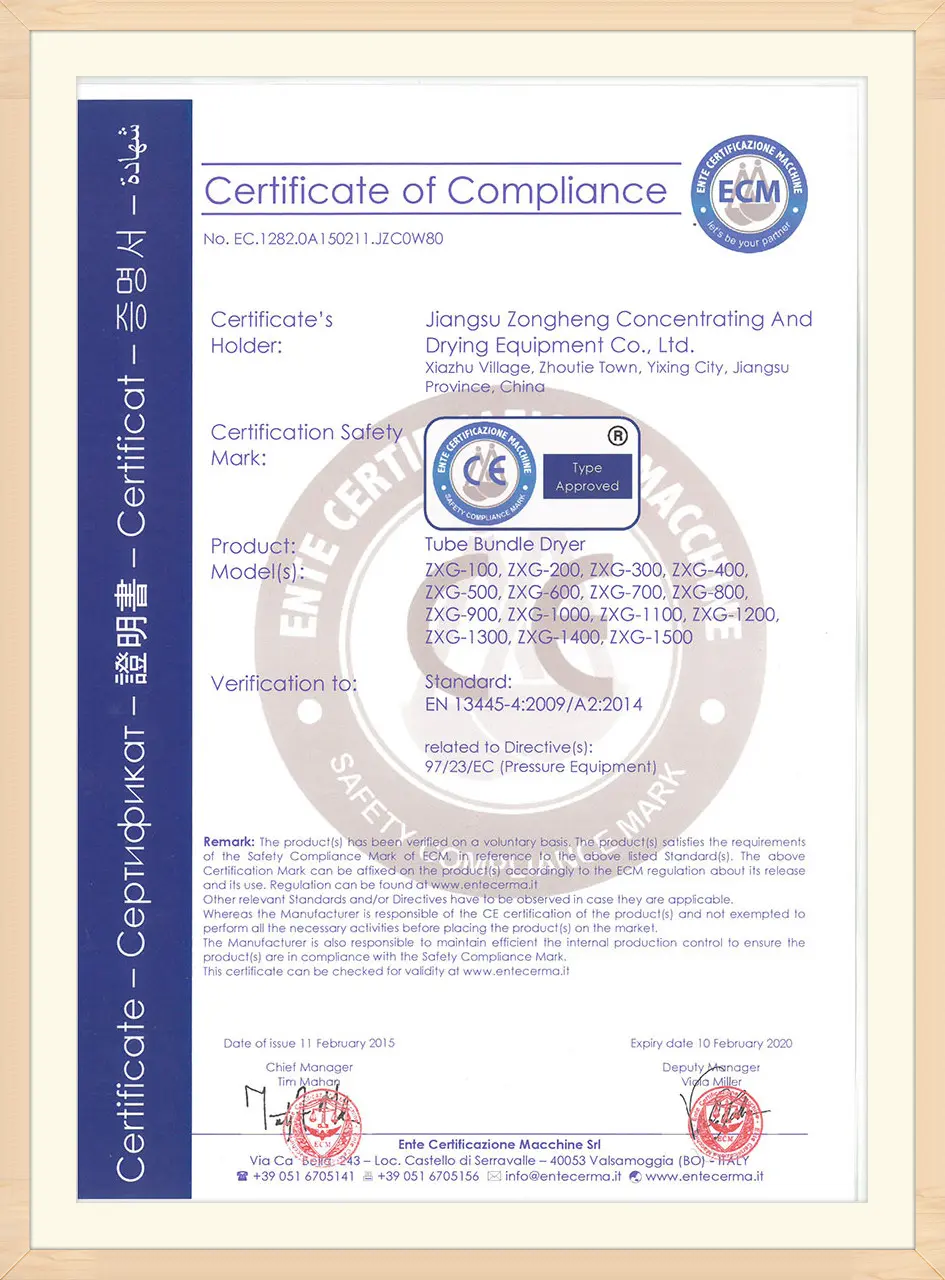
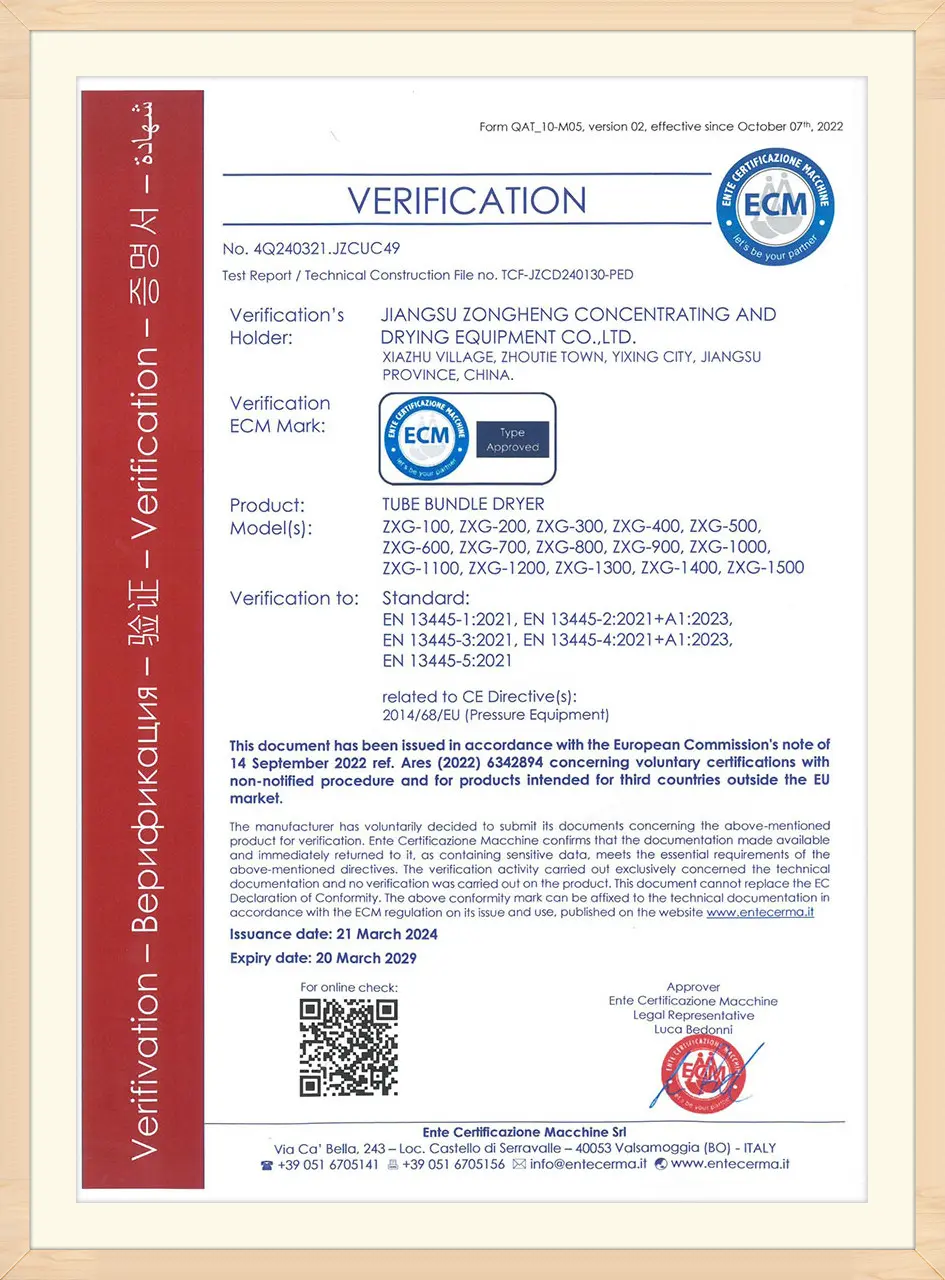
With over 30 years of manufacturing experience, Jiangsu Zongheng holds the designs, facilities, and quality certifications required to meet high-level engineering demands.
Foundation: Yixing Yangxi Light Industrial Machinery Factory was established in Zhoutie Town, on the shores of Taihu Lake, with 45 employees.
Quality Benchmark: The company achieved ISO9001 quality system certification, formalizing our manufacturing standards.
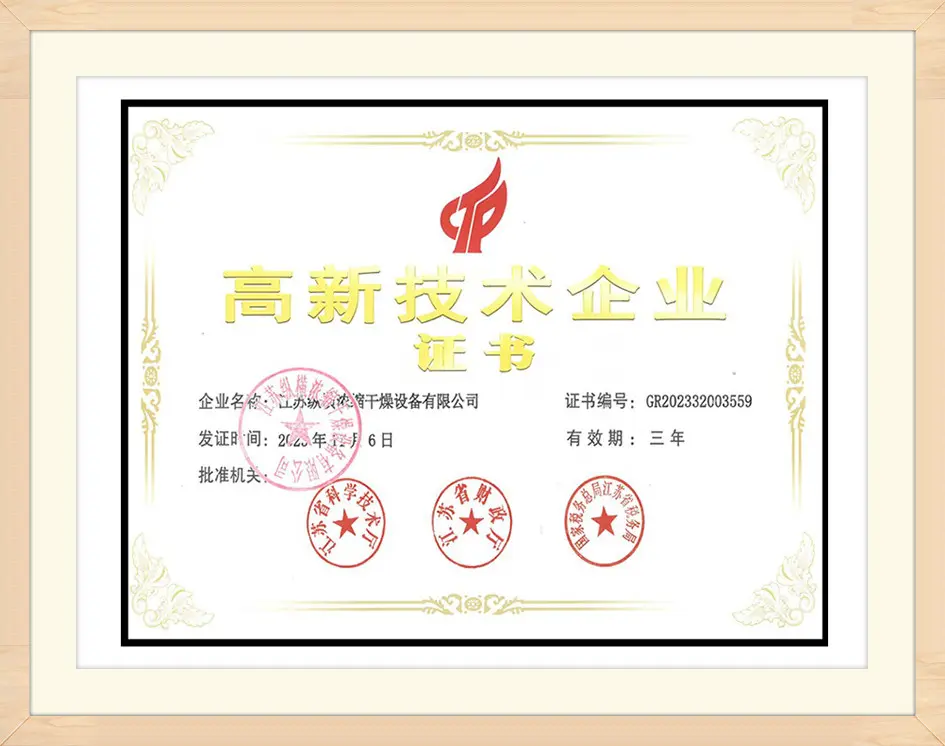
R&D Recognition: Accredited as a Jiangsu Provincial High-Tech Enterprise, reflecting our investments in process innovation.
Special License: Secured the Special Equipment Manufacturing License of the People's Republic of China (License No.: TS2232C42) for pressurized vessels.
ASME Certification: Acquired the prestigious ASME "U" Stamp authorization, opening doors to supply equipment to global markets.
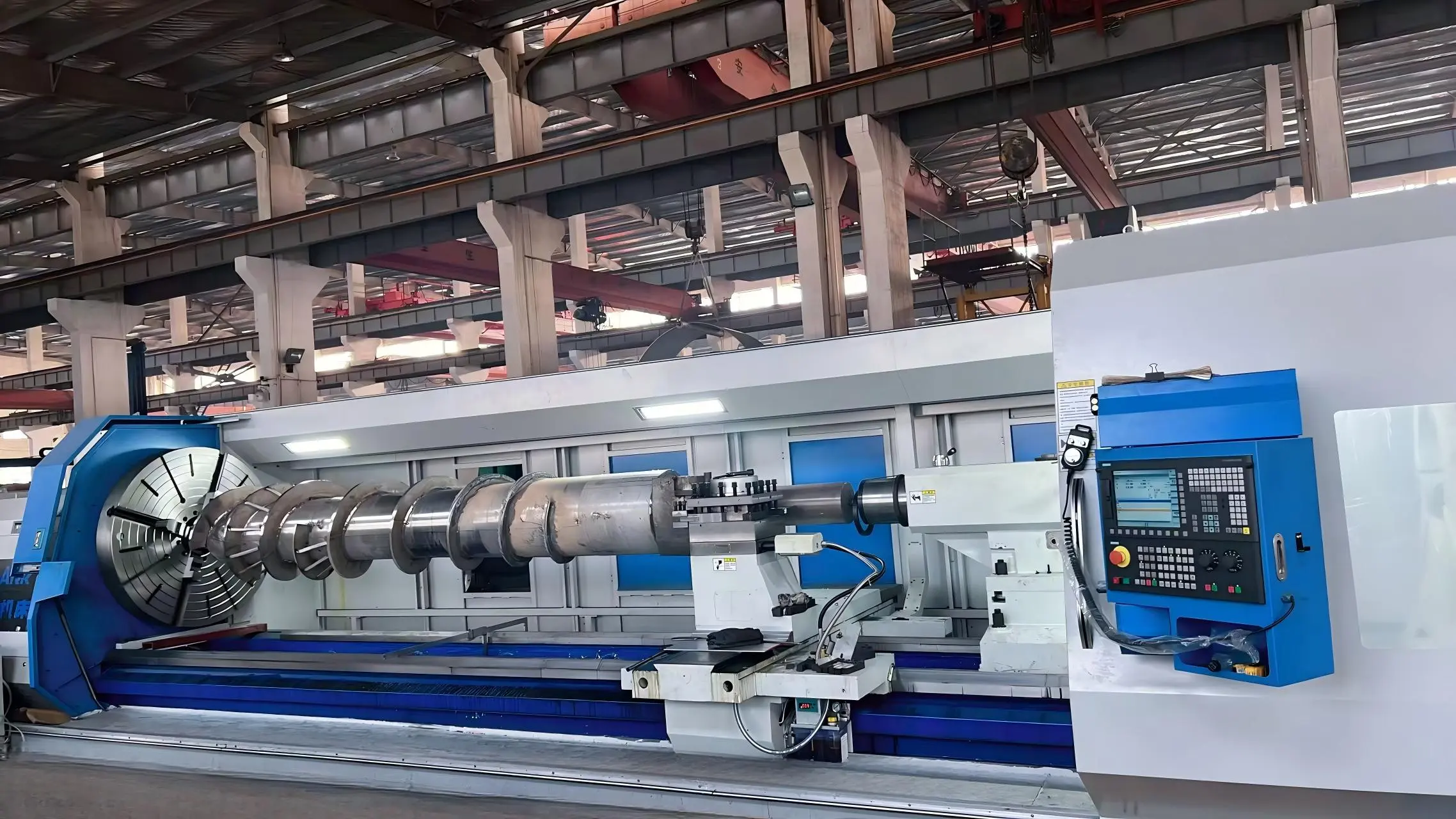
Global Alignment: Certified under International Quality System Certificate No. 45021, aligning our testing processes with world standards.
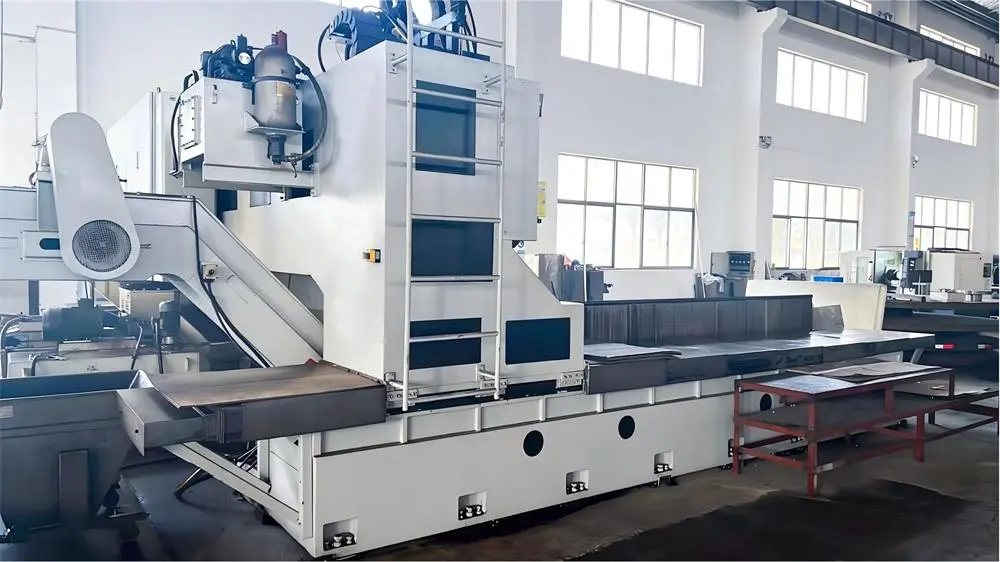
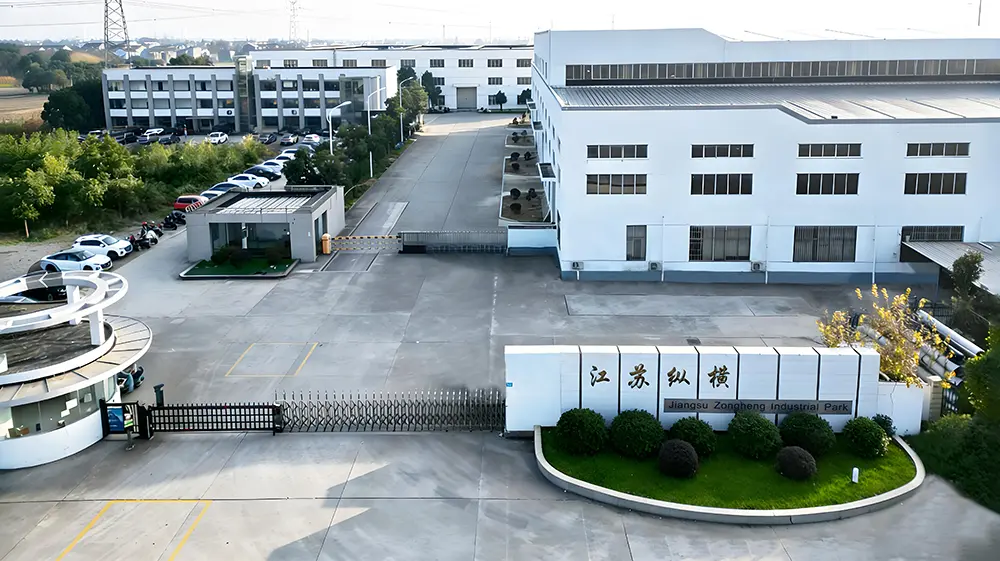
Modern Powerhouse: Zongheng spans over 54,000 m², employs 120 professionals, and operates as a leading China supplier of evaporation, drying, and dewatering solutions.
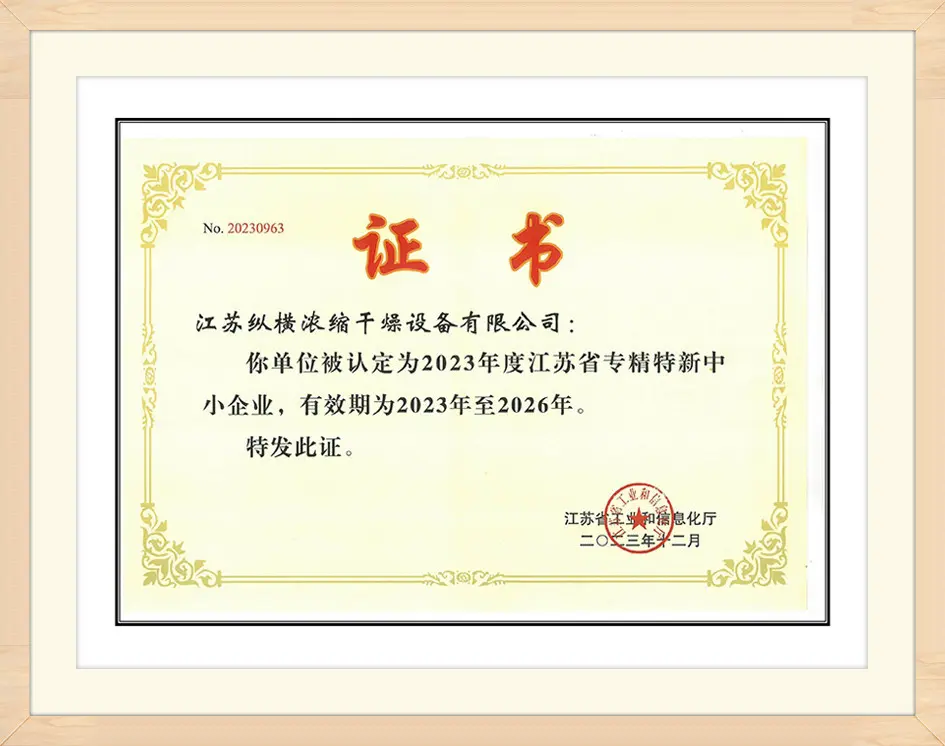
Our commitment to excellence verified by third-party certification authorities.
Learn more about the engineering details of our primary processing products.
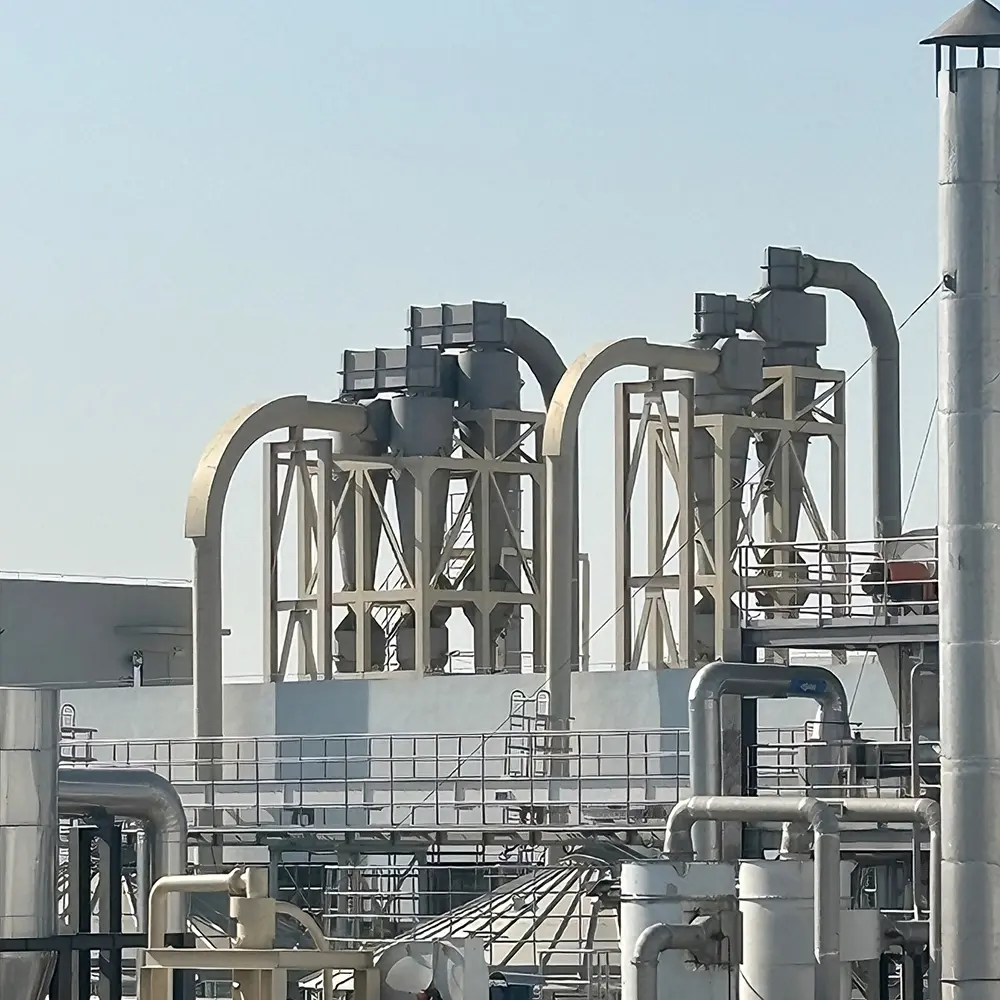
Jiangsu Zongheng's MQG Airflow Dryer employs high-speed hot air to suspend and fluidize materials. By utilizing impulse airflow generated from precisely varied tube diameters, it continuously tumbles particles while conveying them. This design ensures rapid, uniform, and efficient drying throughout the entire transportation process within the system.
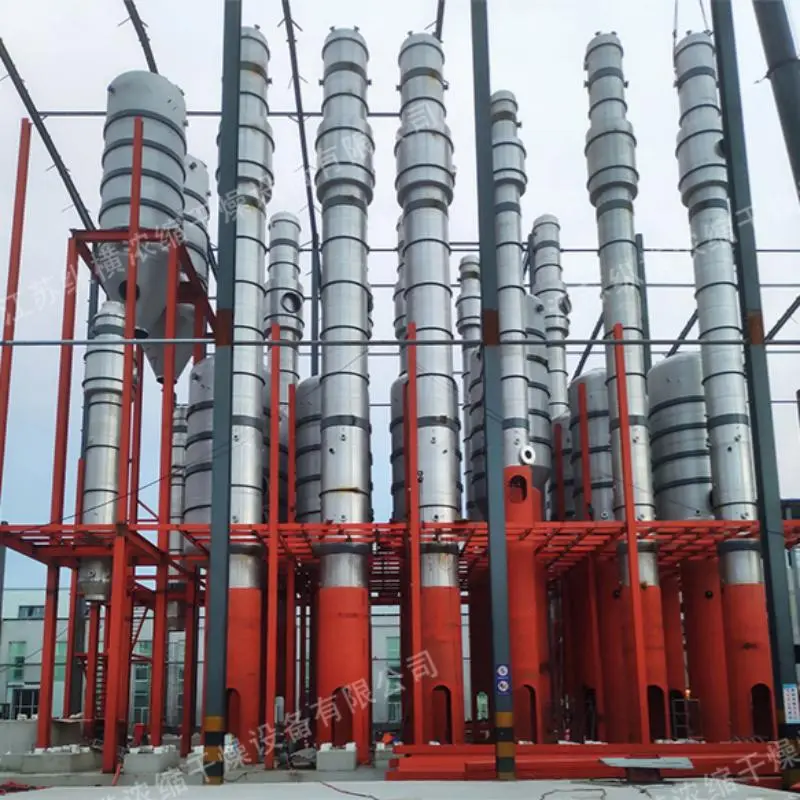
A falling film evaporator efficiently concentrates heat-sensitive liquids. The feed liquid forms a thin film flowing down heated vertical tubes, where it partially evaporates. Vapor generated flows parallel to the liquid, enhancing the process. It ensures a short residence time and low operating temperature, preserving product quality. The system requires proper liquid distribution and complete surface wetting to prevent fouling and maintain high thermal efficiency and operational stability.
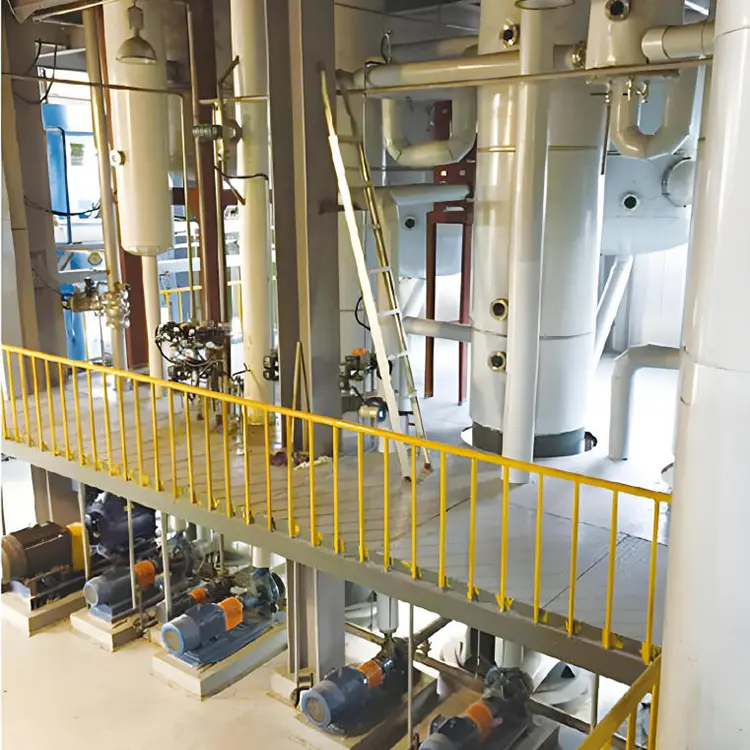
Our systems are field-tested across diverse process configurations worldwide.
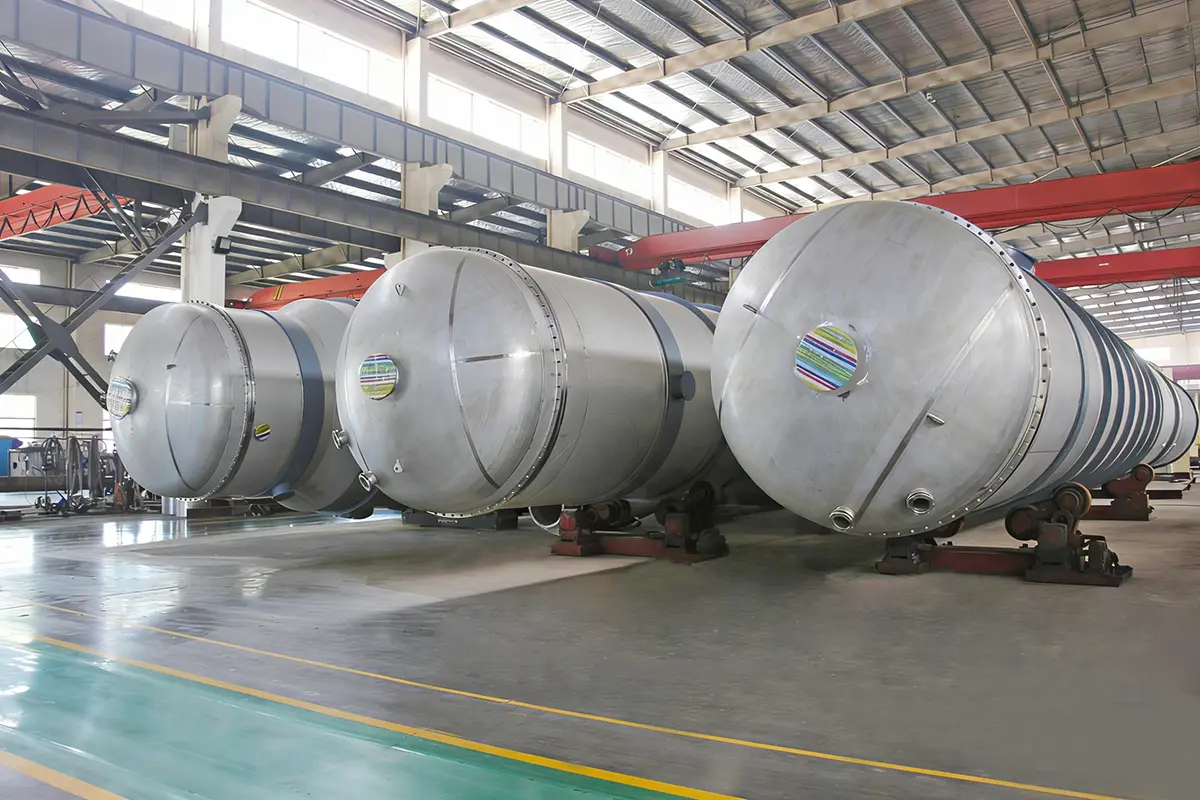
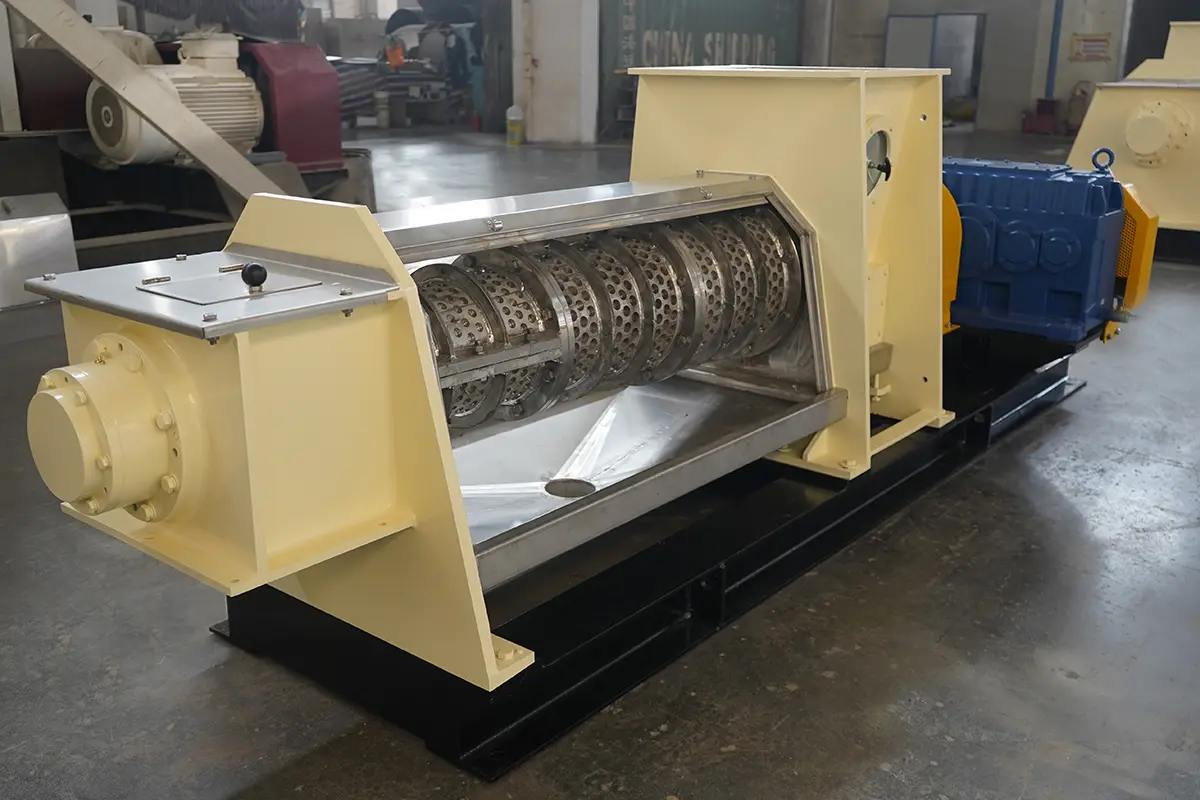
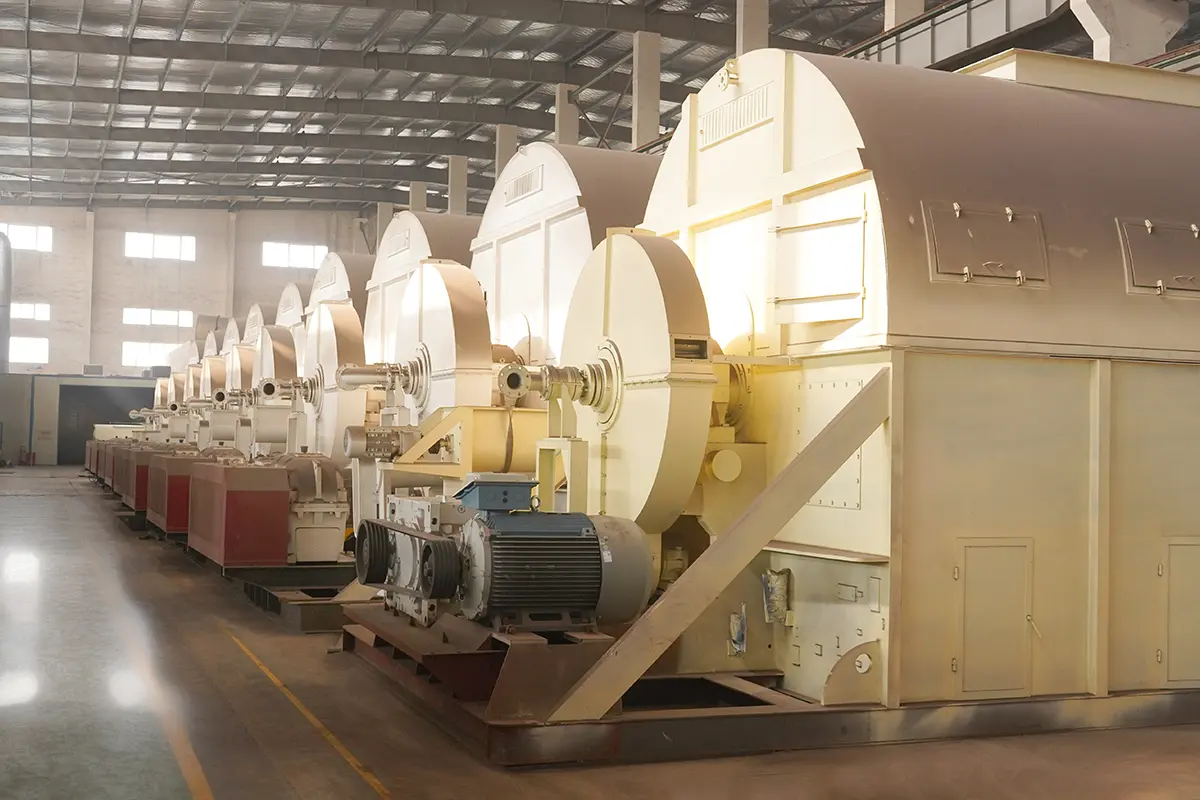
Get answers to common technical queries about mechanical dewatering, evaporation plants, and starch processing setups.
Browse our supplementary range of industrial dewatering presses, bundle dryers, airflow dryers, and high-efficiency evaporators.
Designed to extract liquid from high-solids slurries and residues across various industrial processes.
Explore Solution →
Specially designed for concentrating thermal-sensitive liquids while maintaining product quality and color.
Explore Solution →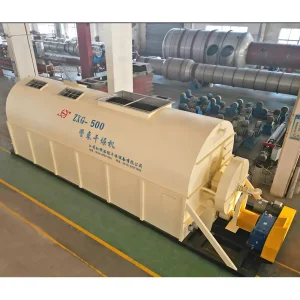
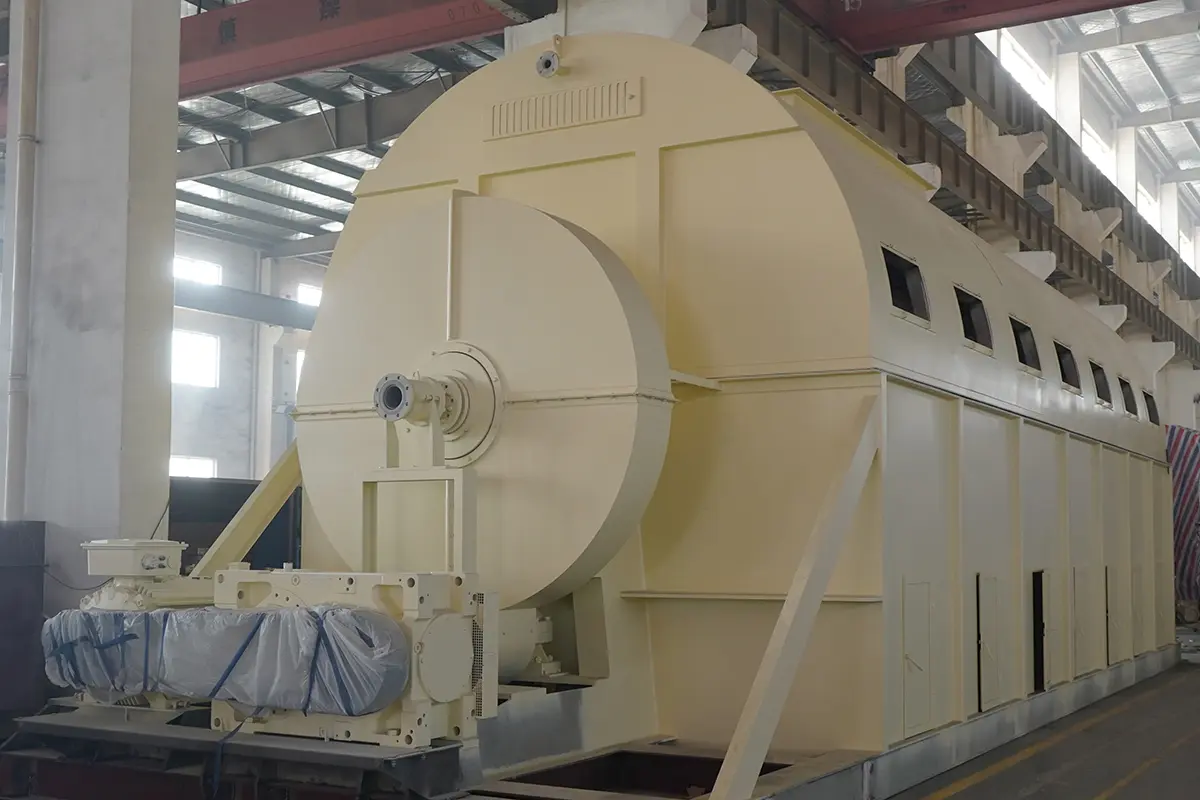
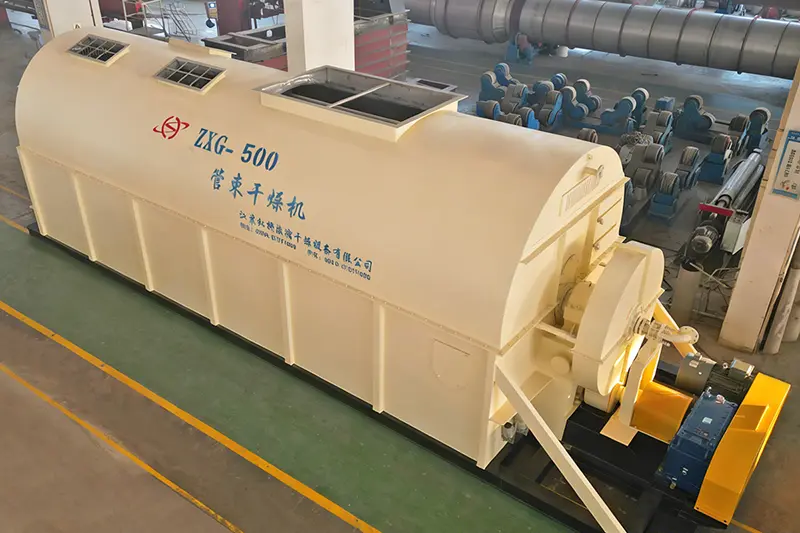
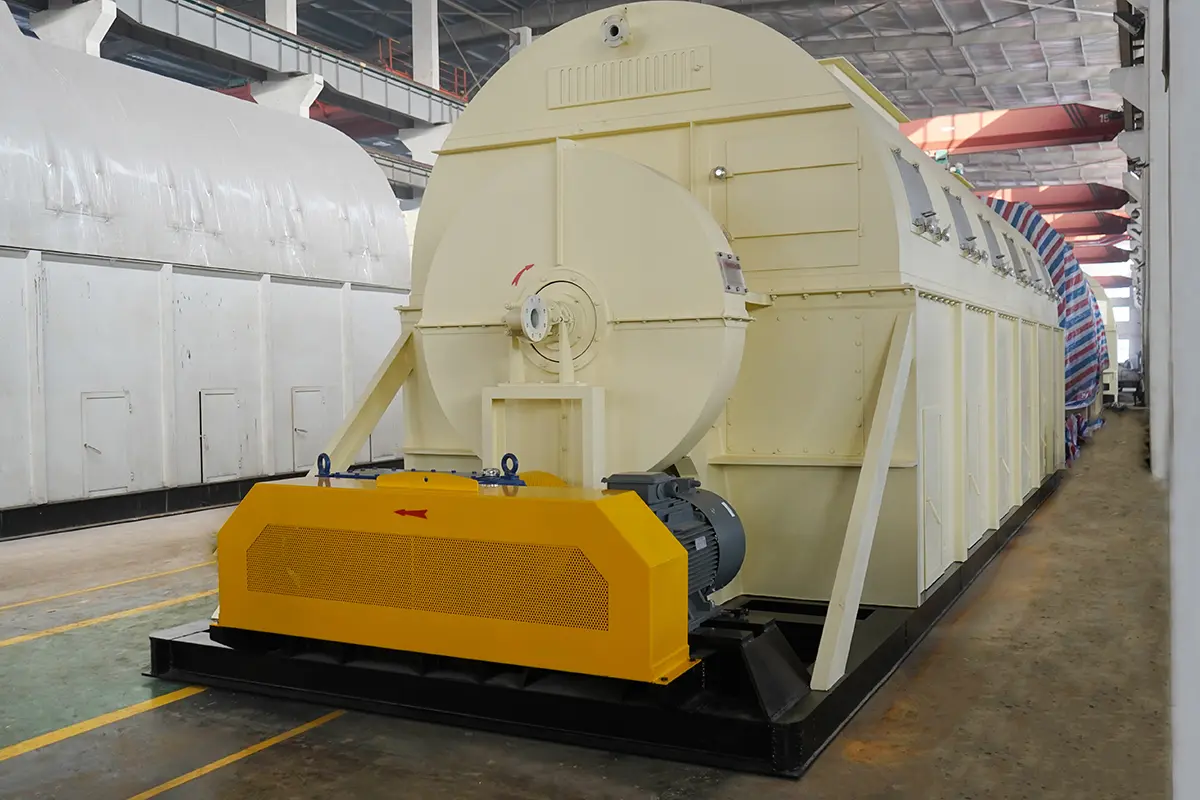
Features indirect steam heating for drying heavy starch cakes and bio-fermentation residues.
Explore Solution →
Custom industrial evaporation solutions engineered to fit your plant's specific requirements.
Explore Solution →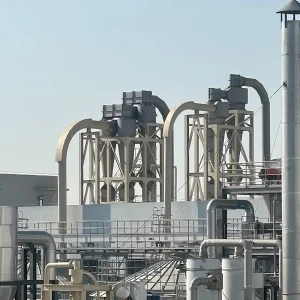
Pneumatic flash drying system designed for fine granules, starches, and organic matrices.
Explore Solution →
Dries powders and starches in seconds using dynamic hot air suspension technology.
Explore Solution →
Ideal for processing crystalline chemical solutions, high-salt wastewaters, and viscous slurries.
Explore Solution →
Proven evaporation technology designed to optimize water recovery and reduce process steam consumption.
Explore Solution →Keep up with the latest updates and technical guides from our engineering team.
 Jun 18, 2026
An evaporator absorbs heat to vaporize process media, while a condenser releases heat to liquefy vapor; both perform opposite cooling and heating functions. Operating under low pressure, the evaporator generates cold energy and concentrates solids, serving as a critical component in thermal concentration loops and MVR recovery plants.
We warmly welcome friends from various industries, both domestic and international, to visit us for cooperation and mutual development!
 Zongheng