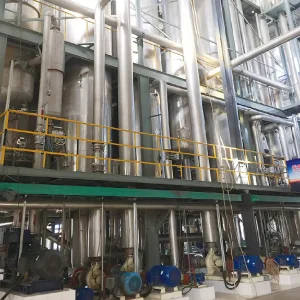
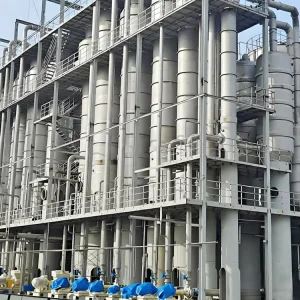
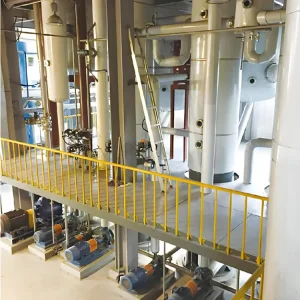
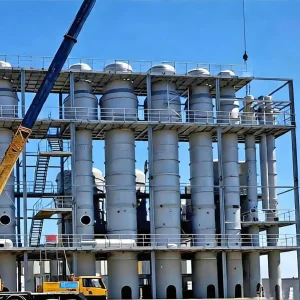
The Rising Film Evaporator (RFE) functions on a thermo-siphon principle. The liquid feed enters the bottom of the heating tubes and starts boiling as it travels upwards. The generated vapor forms bubbles, which rapidly expand, creating a high-velocity vapor core. This vapor core shears the remaining liquid against the inner tube walls, forcing it upward as a thin, highly turbulent liquid film.
RFEs require a substantial temperature difference between the heating medium (usually steam) and the boiling liquid to generate sufficient vapor velocity to lift the film. They are highly efficient for low-to-medium viscosity fluids where scaling risks are low and boiling point elevation is manageable.
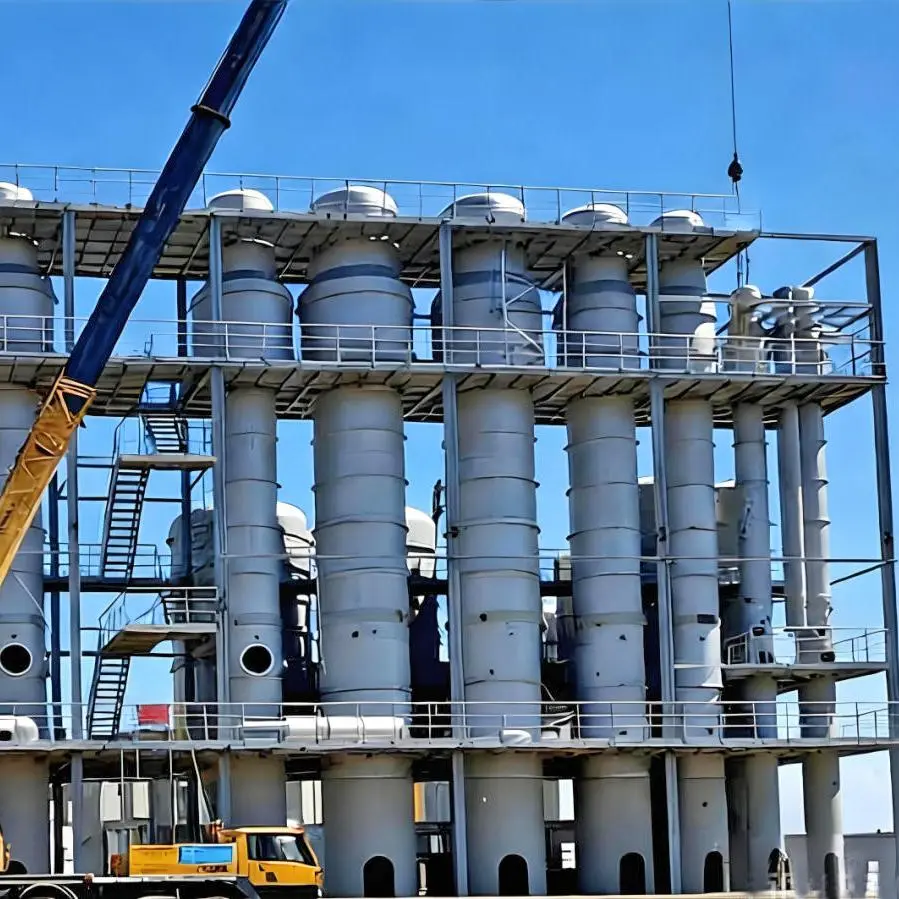
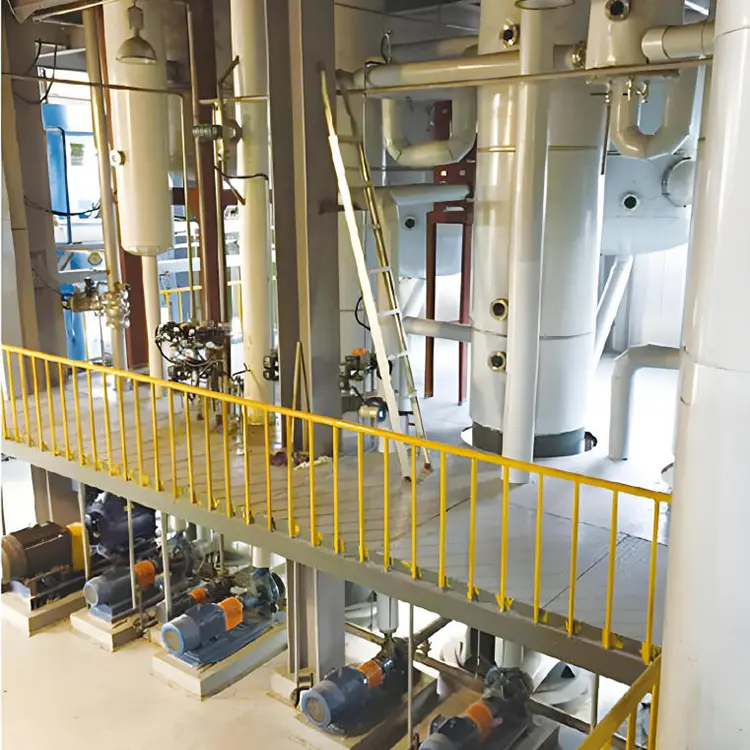
The Falling Film Evaporator (FFE) operates by introducing liquid at the top of the vertical heating tubes. The liquid is distributed uniformly through engineered distribution plates or spray nozzles, descending down the inner tube surfaces as a gravity-driven film. Heat is applied externally, causing volatile elements to vaporize into the hollow core of the tube.
Because the liquid flows under gravity rather than vapor drag, FFEs can operate with extremely small temperature differences (ΔT) and handle highly heat-sensitive materials (such as milk, fruit juice, pharmaceuticals, and organic waste streams). They are characterized by short residence times and low pressure drop, maximizing energy efficiency when paired with MVR technology.
| Comparison Parameter | Rising Film Evaporator (RFE) | Falling Film Evaporator (FFE) |
|---|---|---|
| Flow Pattern | Upward flow (thermo-siphon & vapor shear) | Downward flow (gravity-driven film) |
| Required ΔT (Temperature Diff.) | High (typically > 15°C) to sustain boiling and lift | Low (can operate at 3°C to 8°C) |
| Liquid Residence Time | Moderate (longer path, slower initial speed) | Extremely Short (seconds per pass) |
| Heat Sensitivity Suitability | Good, but thermal degradation risk exists if velocity drops | Excellent, optimal for high-purity heat-sensitive fluids |
| Liquid Distribution Requirement | Relatively low (bottom chamber self-distributes) | Critical (requires high-precision distributor plates) |
| Fouling and Scaling Propensity | High risk if boiling occurs directly on surfaces | Lower risk under wet tube conditions |
| MVR/TVR Integration | Moderately suitable | Highly recommended due to low ΔT requirements |
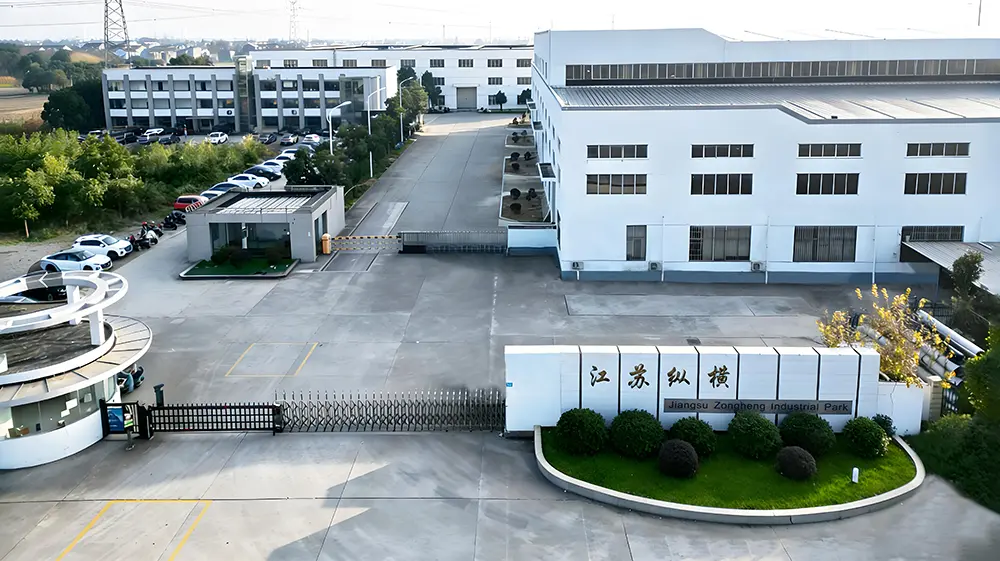
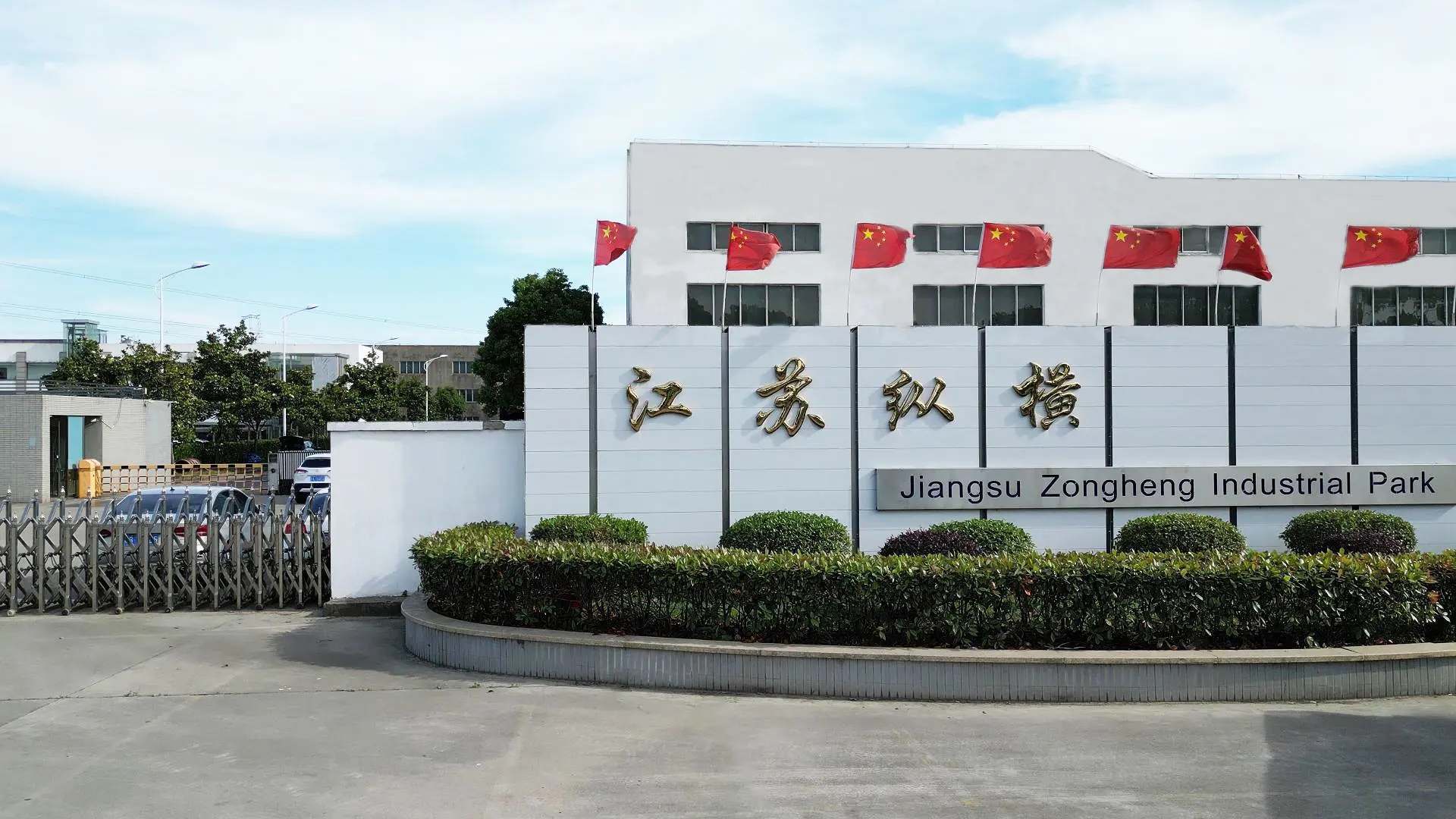
Strategically located in Zhoutie Town, Yixing City (Jiangsu Province) on the shores of Taihu Lake, Jiangsu Zongheng Concentrating and Drying Equipment Co., Ltd (originally founded in 1992 as Yixing Yangxi Light Industry Machinery Factory) has built a 30+ year track record in thermal separation technology. Spanning over 54,000 square meters, our facility delivers global-grade evaporators, dryers, and Class III pressure vessels designed for the most demanding chemical, starch, DDGS, food fermentation, and petrochemical applications.
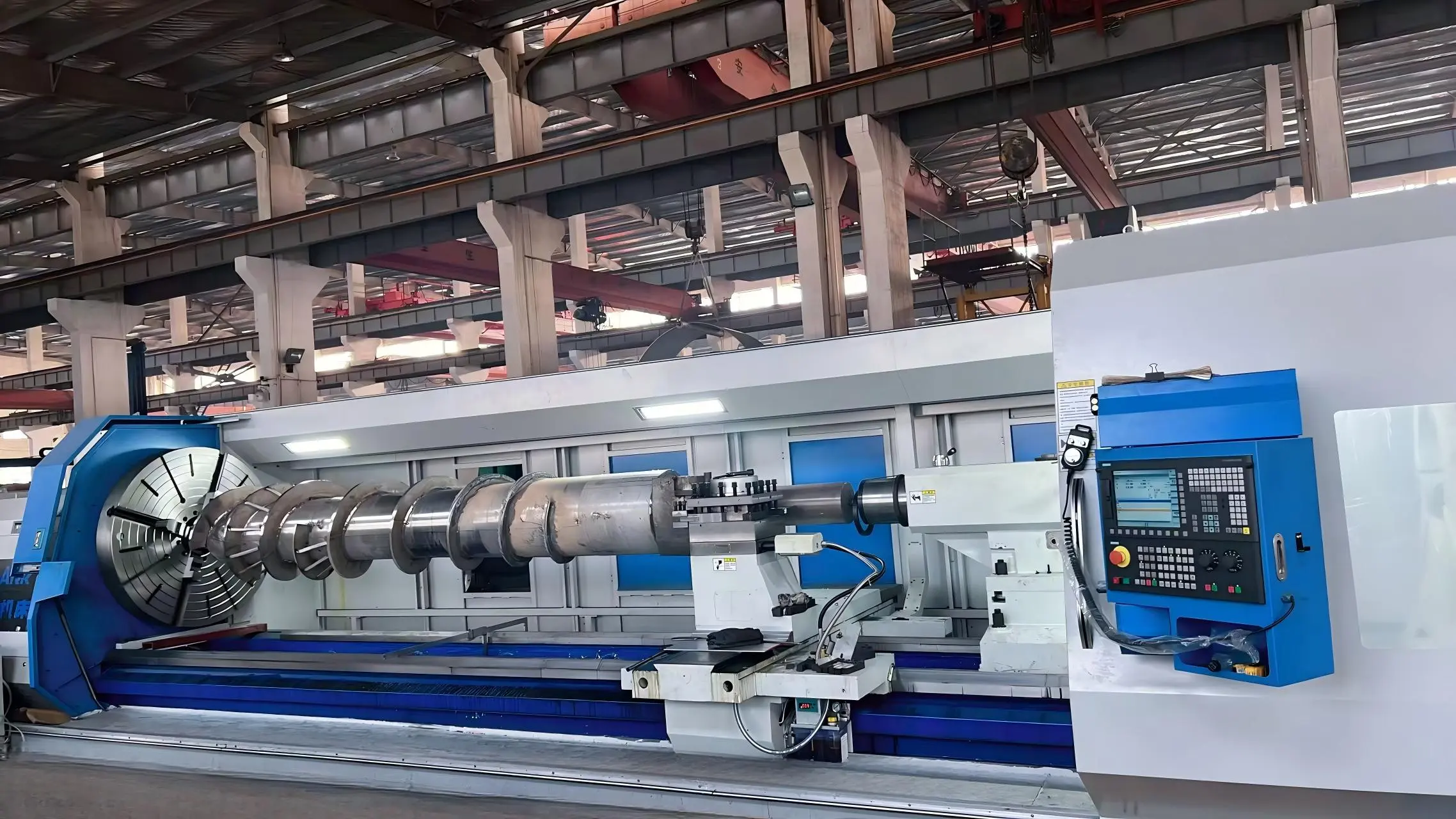
Equipped with the prestigious ASME "U" Stamp and European CE certifications, Jiangsu Zongheng structures its engineering and fabrication routines around the highest international safety and pressure thresholds. Every weld is non-destructively tested to ensure structural integrity across decades of continuous processing plant operational cycles.
Our experienced process engineering team utilizes advanced chemical process simulation software to size systems accurately. From custom raw material selection (high-grade SS304, SS316L, Duplex 2205, Titanium, Hastelloy) to complex mechanical design (vacuum units, liquid distribution system optimization), we build custom solutions tailored precisely to local liquid parameters.
We do not just sell machinery; we deliver service. Our global services team handles initial site assessment, mechanical installation supervision, wet testing, controls integration, and routine preventative maintenance. We ensure that your equipment consistently meets its intended performance targets and operates efficiently over time.
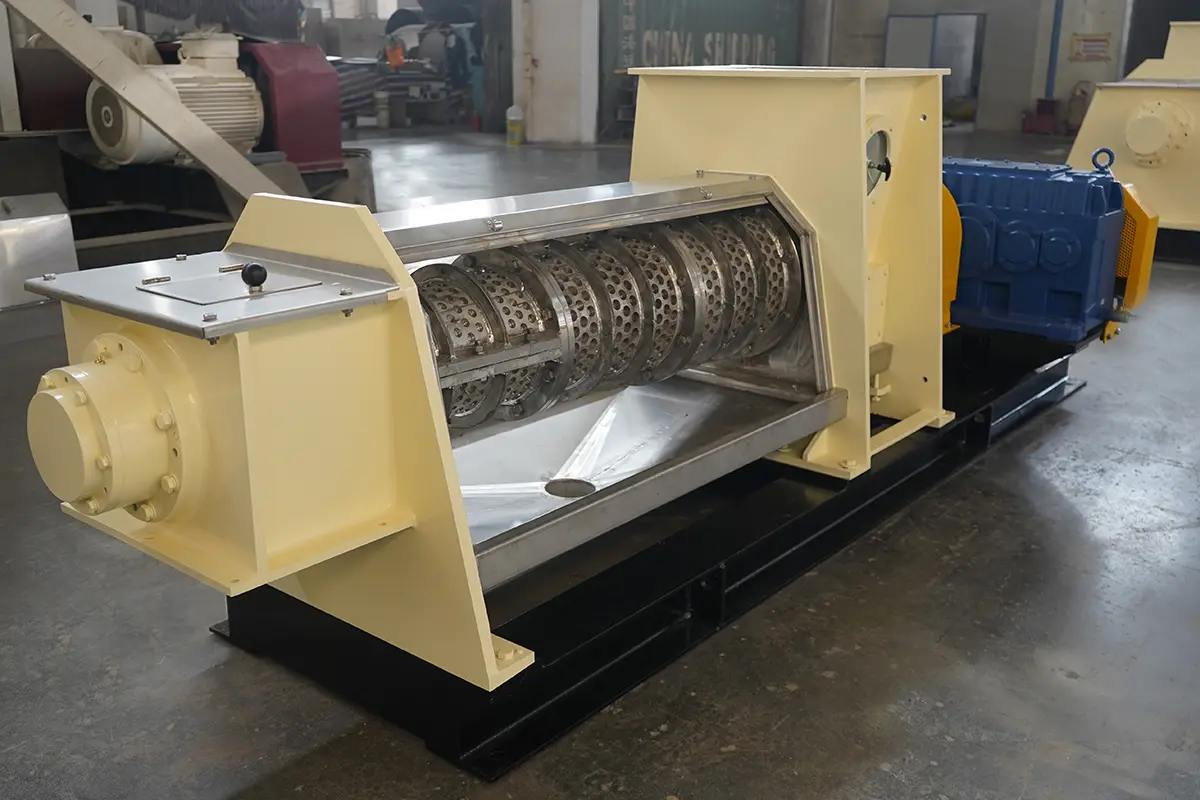
In maize processing, concentrating corn steep liquor (CSL) presents a significant challenge due to its viscosity and high protein fouling tendencies. Our multi-effect falling film and waste heat evaporators integrate seamlessly with tube bundle dryers and degerming mills, keeping heat transfer coefficients high while saving energy.
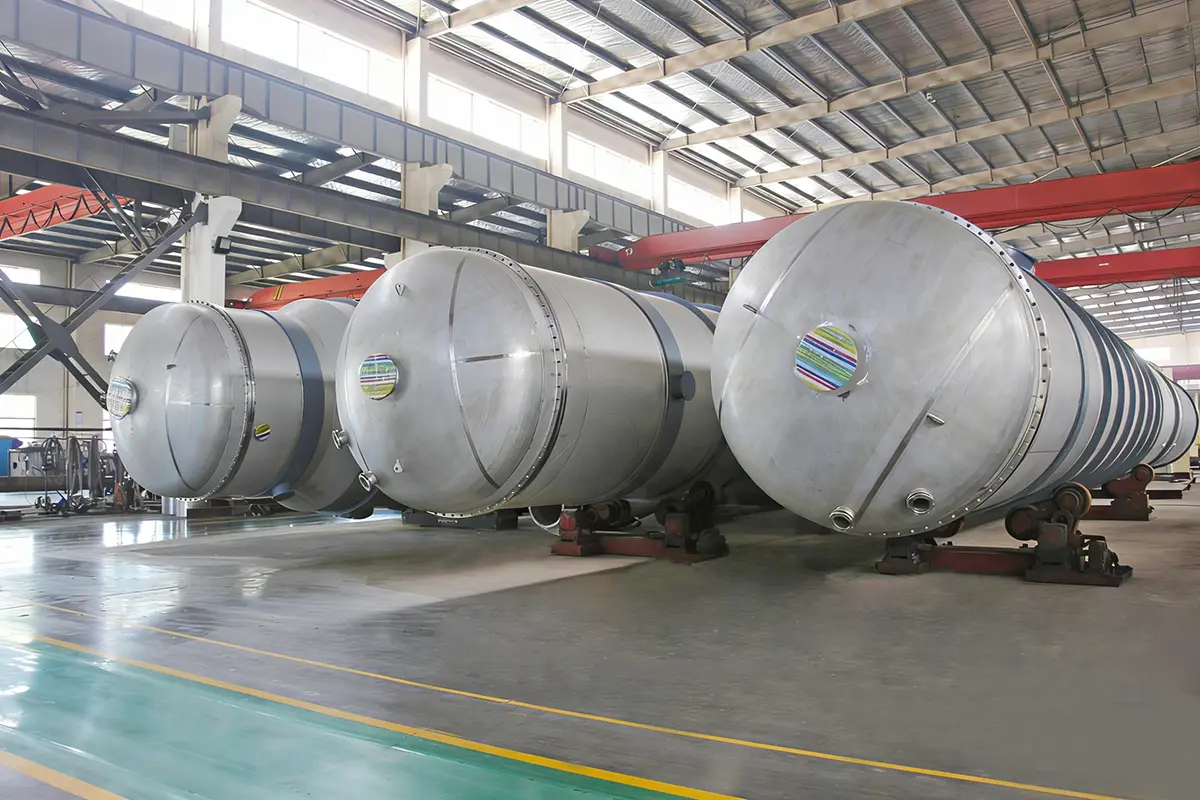
For chemical and pharmaceutical plants generating high-salinity wastewater, Zero Liquid Discharge (ZLD) is key to regulatory compliance. Our forced circulation plants handle crystallizer loops, while our MVR falling film evaporators pre-concentrate the effluent, minimizing boiler steam requirements and overall energy consumption.
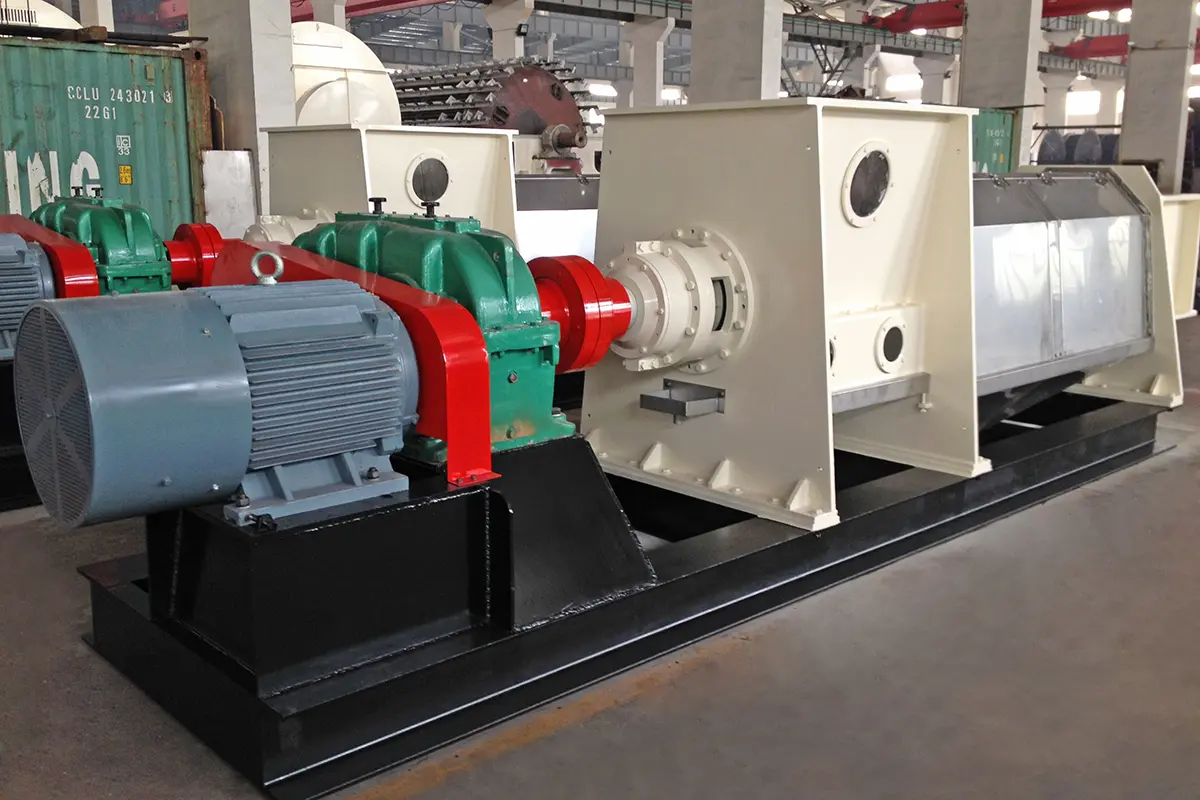
We provide full-spectrum systems for starch washing and alcohol DDGS lines. Integrating cyclones, starch drying mills, bundle dryers, and multi-effect falling film evaporation stages ensures optimal product moisture content and high protein recovery while minimizing waste.
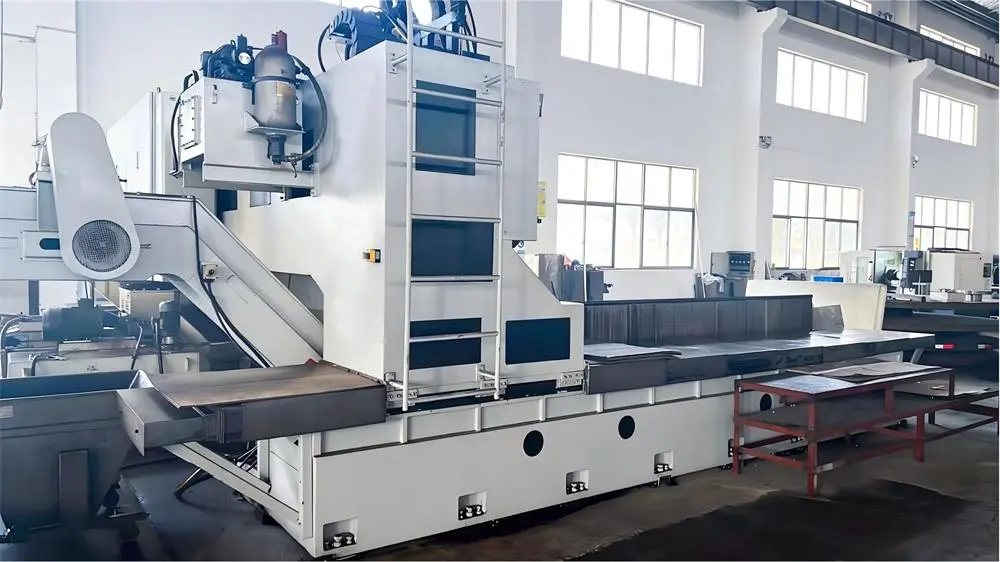
Expanded manufacturing base to 54,000+ sqm, housing 120 total staff, 20+ senior engineering professionals, and state-of-the-art automated robotic welding lines.
Acquired the International Quality System Certification (No. 45021), establishing a complete quality assurance system aligned with international standards.
Officially earned the ASME "U" Stamp authorization from the American Society of Mechanical Engineers, enabling access to high-end global markets.
Established as Yixing Yangxi Light Industrial Machinery Factory, starting with 45 employees and a commitment to quality light-industry fabrication.
For engineering departments, EPC general contractors, and procurement managers in process manufacturing, selecting between a Rising and a Falling Film Evaporator involves several key steps:
Contact Jiangsu Zongheng's application engineers today. We will evaluate your processing parameters, verify your flow rates, and configure a customized Rising, Falling, or Forced Circulation Evaporation System designed for long-term reliability.
 Zongheng