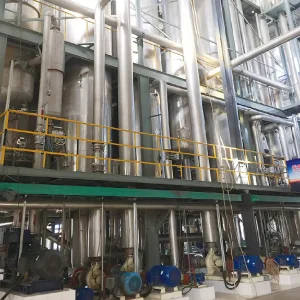
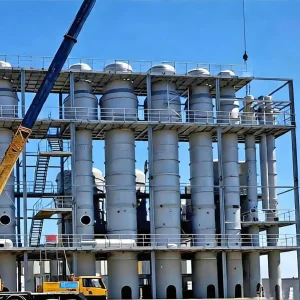
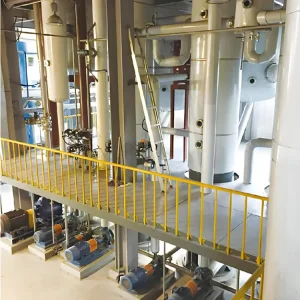
In modern process industries, Multi-Effect Evaporation (MEE) stands as a cornerstone technology for thermal separation, concentration, and resource recovery. Operating on the core thermodynamic principle of utilizing the latent heat of vapor produced in one stage (effect) to heat the subsequent stage, MEE systems drastically reduce steam consumption. By cascading pressures and boiling temperatures downward through consecutive vessels, the process achieves exceptional energy conservation, making it indispensable for chemical engineering, biological fermentation, starch refining, and zero liquid discharge (ZLD) plants.
Compared to single-effect configurations, multi-effect schemes multiply steam economy. In a typical triple-effect layout, approximately 1 kg of fresh live steam can evaporate 2.5 to 2.8 kg of water. Expanding this to quad-effect or quint-effect arrangements elevates the efficiency ratio up to 4.0 or higher. For global procurement directors, identifying a manufacturer capable of custom-designing these thermodynamics-intensive systems—accounting for boiling point elevation (BPE), viscosity changes, and fouling tendencies—is essential to ensuring long-term operational viability and lower total cost of ownership (TCO).
We engineer forward-feed, backward-feed, and mixed-feed options. Each selection is tailored precisely to the viscosity gradient of your specific concentrate, optimizing heat transfer coefficients across every individual effect.
Incorporating Thermal Vapor Recompression (TVR) ejectors or mechanical vapour recompression (MVR) pathways allows our multi-effect loops to maximize enthalpy capture, cutting live steam needs by up to an additional 35%.
China has evolved from a volume-based manufacturer into a global center for high-precision process equipment engineering. Factories located in industrial clusters like Jiangsu leverage massive supply chain integration, superior metallurgical capabilities, and a highly skilled workforce of ASME-certified welders. For international clients, this translates to faster lead times, robust structural integrity, and highly competitive pricing for custom-engineered equipment.
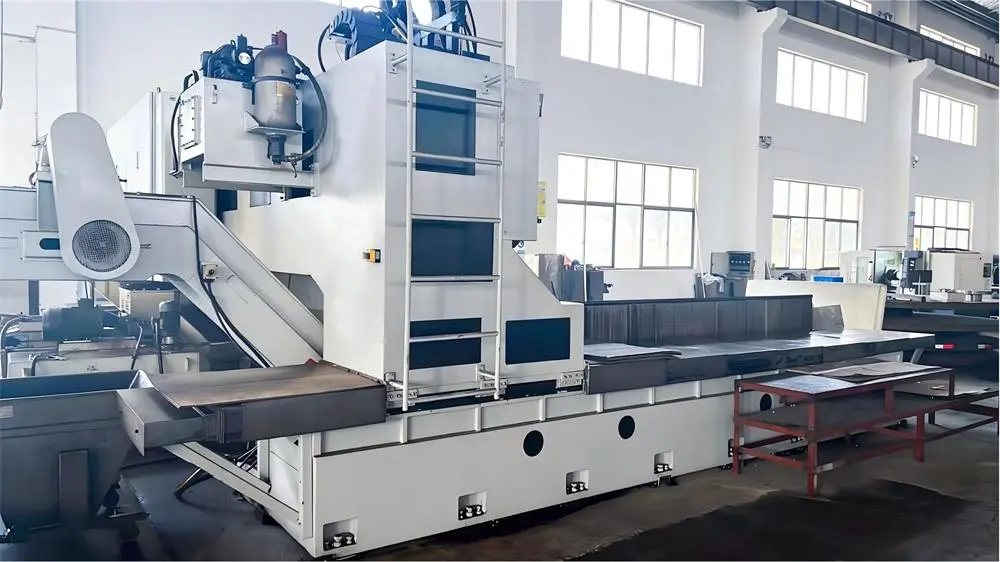
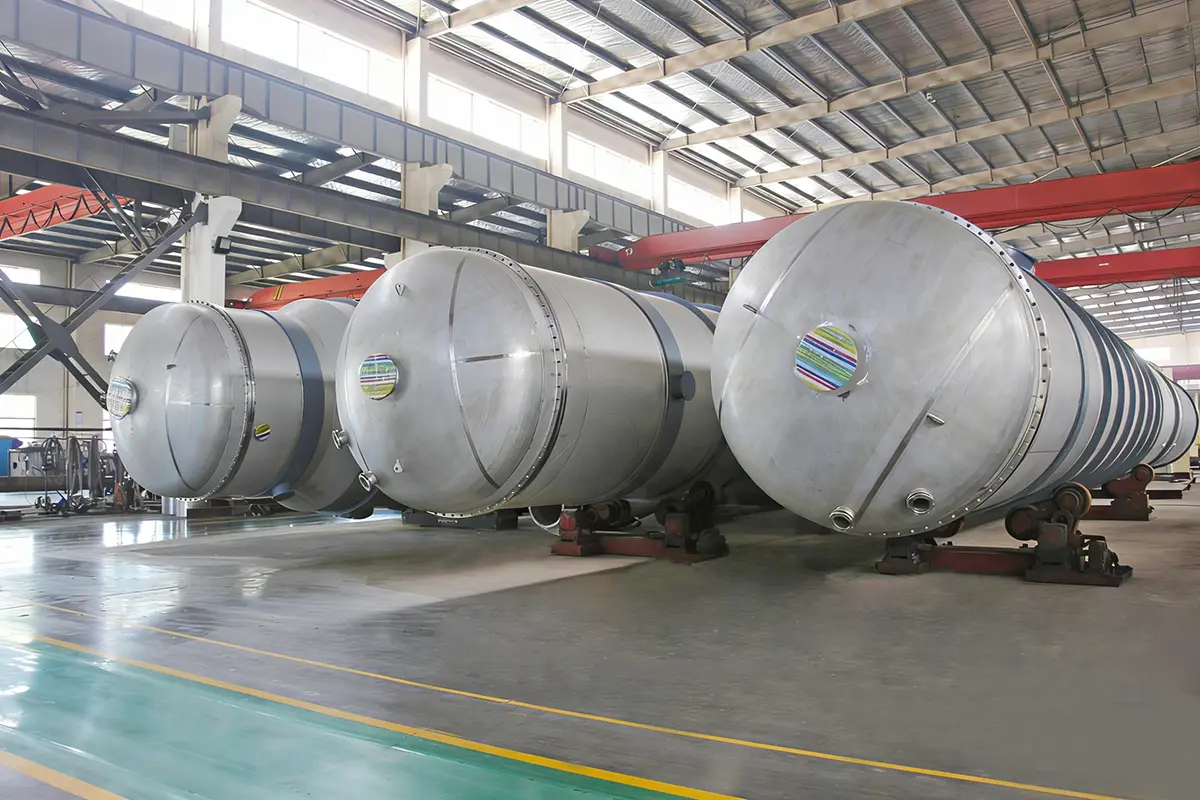
Jiangsu Zongheng Concentrating and Drying Equipment Co., Ltd. (formerly Yixing Yangxi Light Industry Machinery Factory) represents the pinnacle of this industrial evolution. Established in 1992 and based on the banks of Taihu Lake in Yixing City, the company spans over 54,000 square meters with modern workshops covering 22,000 square meters. As a member of the China Starch and Alcohol Association, Jiangsu Zongheng has built a reputation for designing and manufacturing Category III medium-to-low pressure vessels, advanced multi-effect evaporators, starch extraction lines, and industrial drying machinery.
Specifically developed for heat-sensitive liquids, our falling film units introduce the feed at the top of vertical tubes, creating a uniform, gravity-driven thin film flowing downward. High velocities are sustained through co-current vapor generation, minimizing residence times to avoid thermal degradation of organic compounds, sugars, or proteins. Efficient liquid distribution plates prevent dry-out, eliminating localized hot spots and minimizing fouling rates.
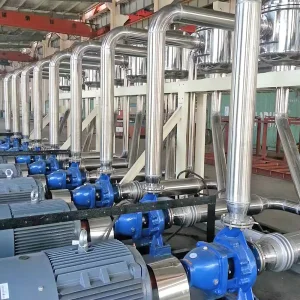
For high-viscosity, scaling, or crystallizing slurries, our Forced Circulation plants are the ultimate solution. A heavy-duty axial pump forces the liquid through the heat exchanger tube bundle at high velocities, suppressing boiling inside the tube via hydrostatic pressure. Boiling only occurs as the liquid enters the flash vessel, preventing crystallization on the tube walls. This ensures continuous, maintenance-free run times in salt concentration, zero liquid discharge, and wastewater treatment.
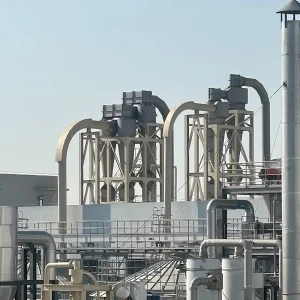
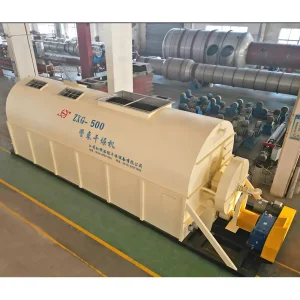
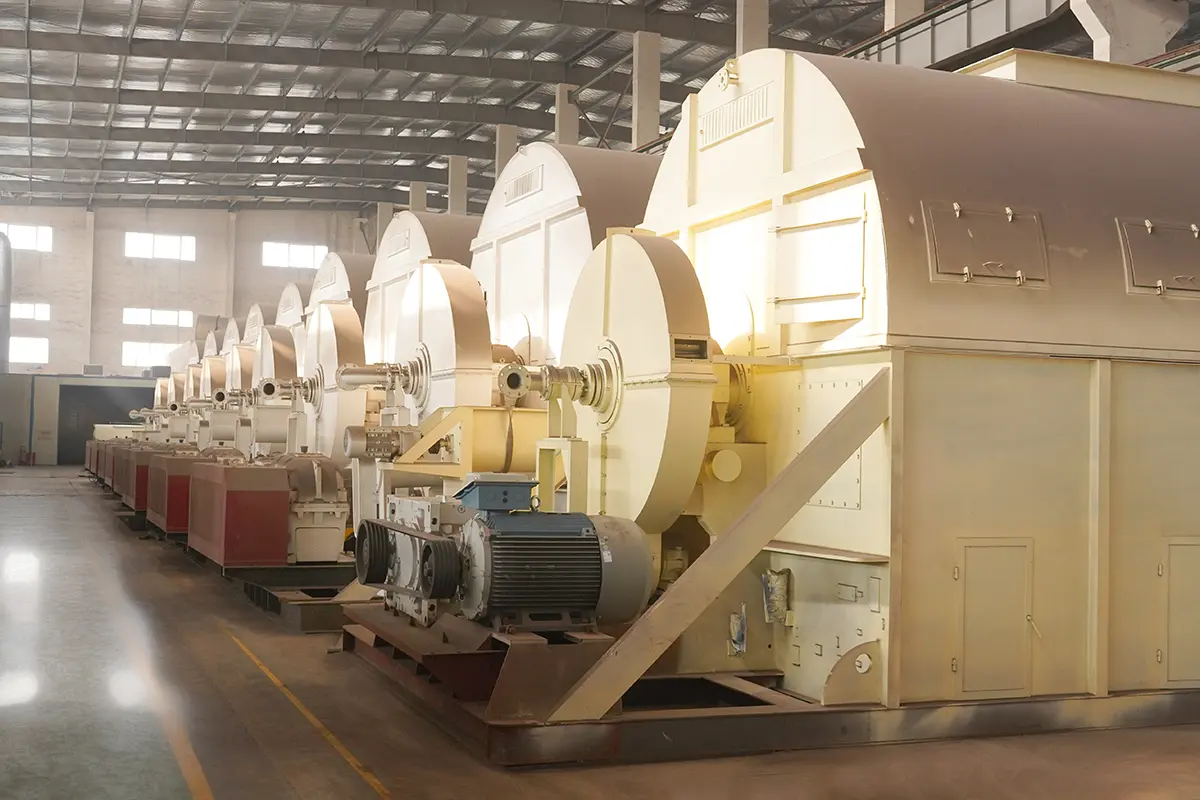
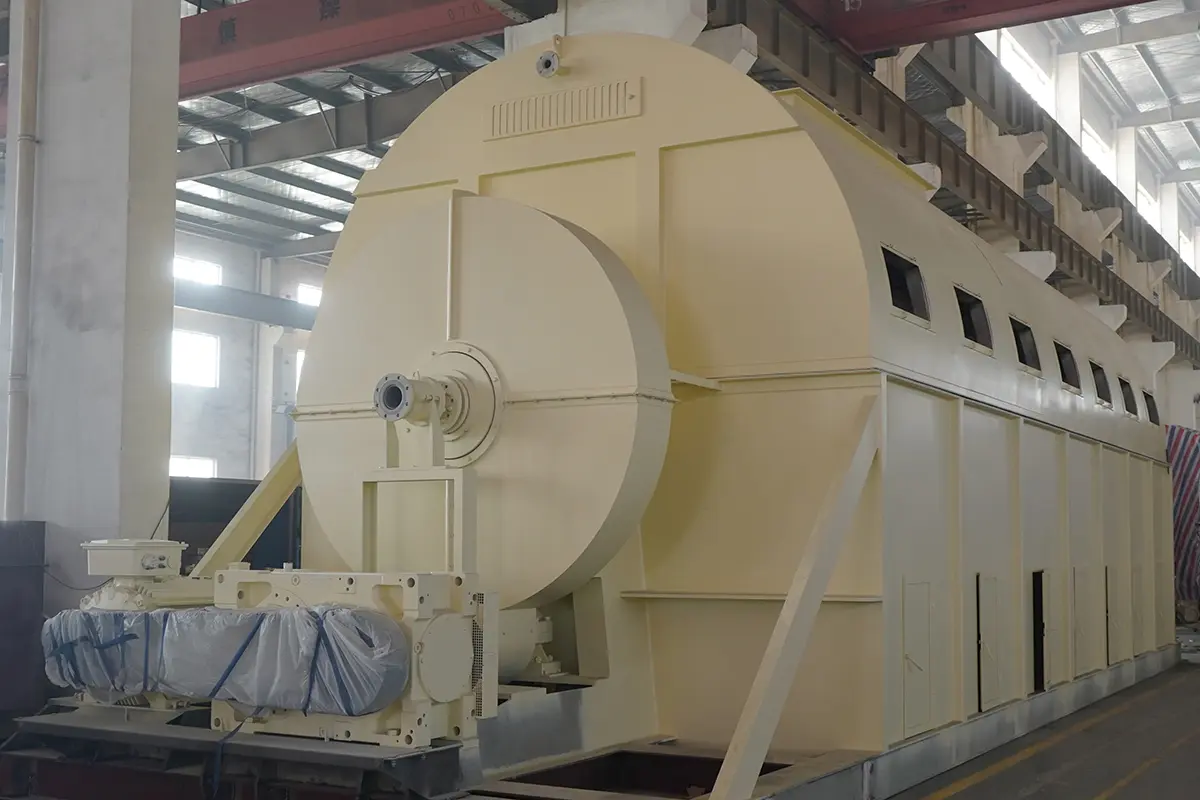
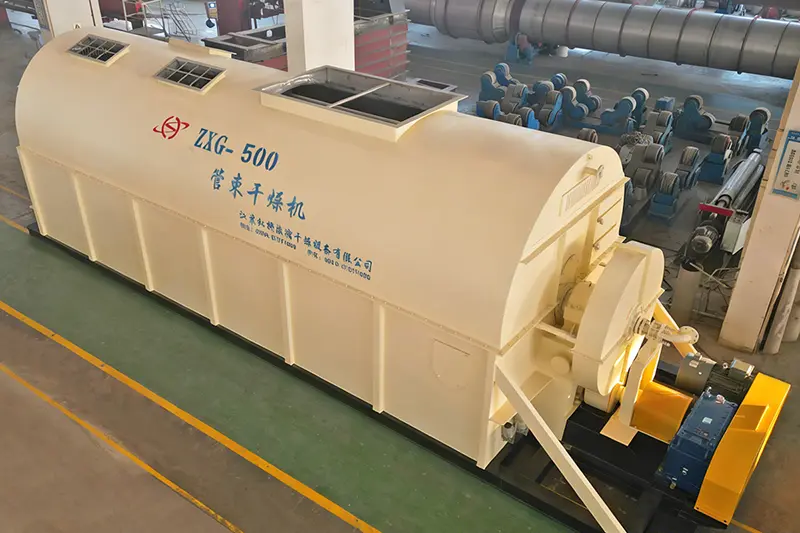
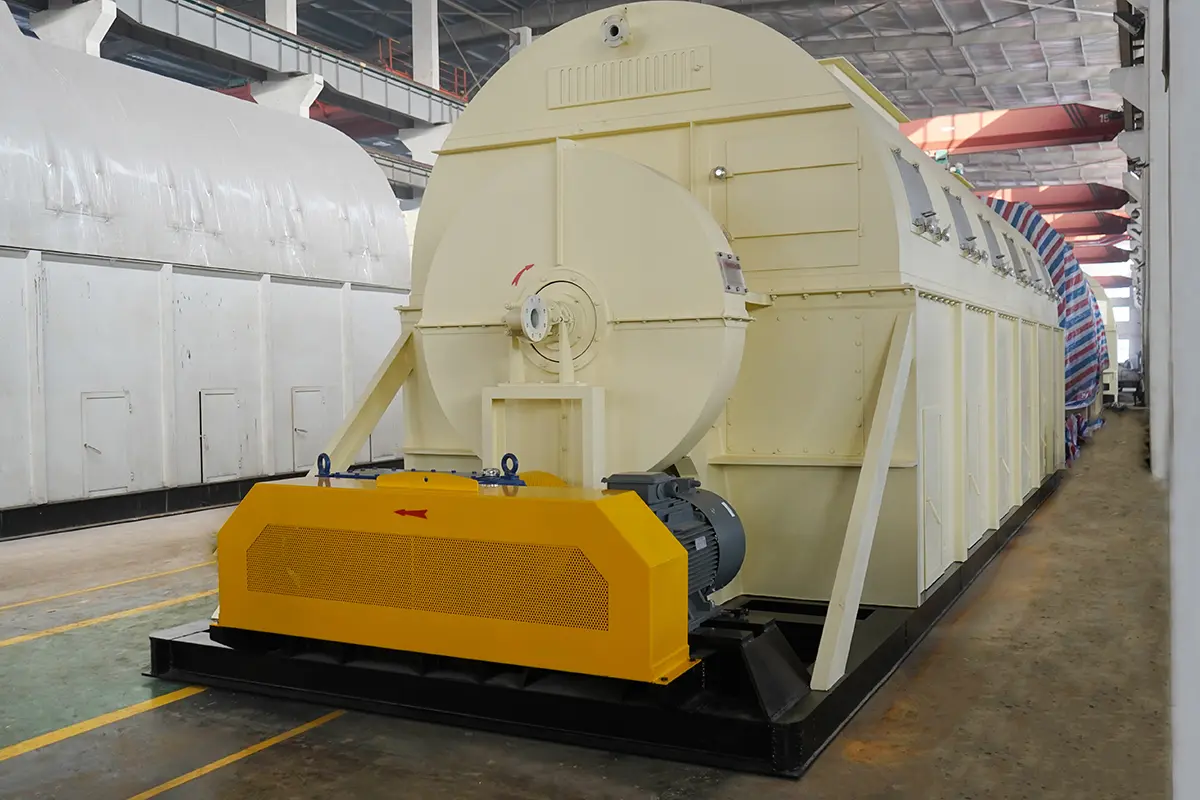
The MQG Airflow Dryer utilizes high-velocity hot air to suspend and fluidize damp particulates, employing variable-diameter tubes to generate pulsed turbulence. This ensures rapid heat transfer and uniform moisture reduction. For indirect steam applications, our ZXG Tube Bundle Dryers offer low-oxygen containment, minimizing oxidation risks and energy consumption while ensuring safe, continuous processing of heat-sensitive organic solids.
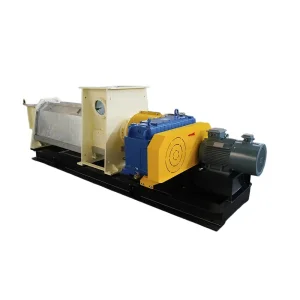
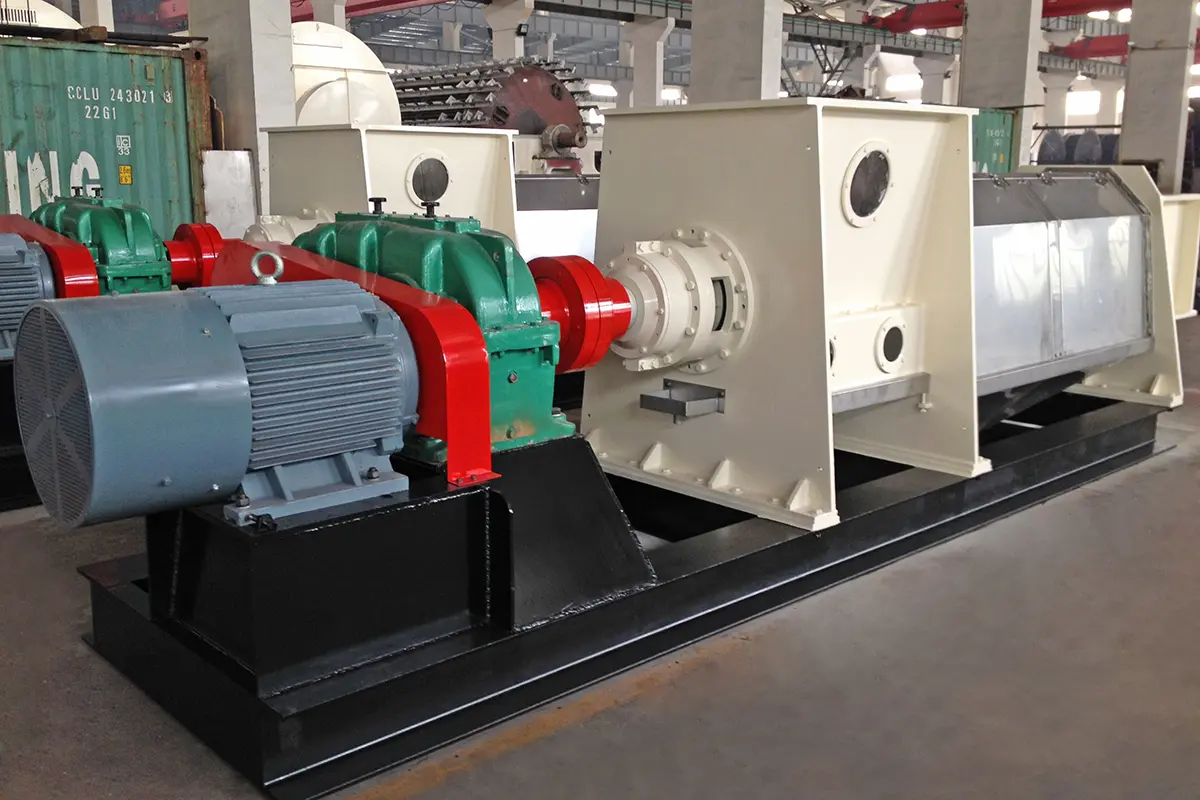
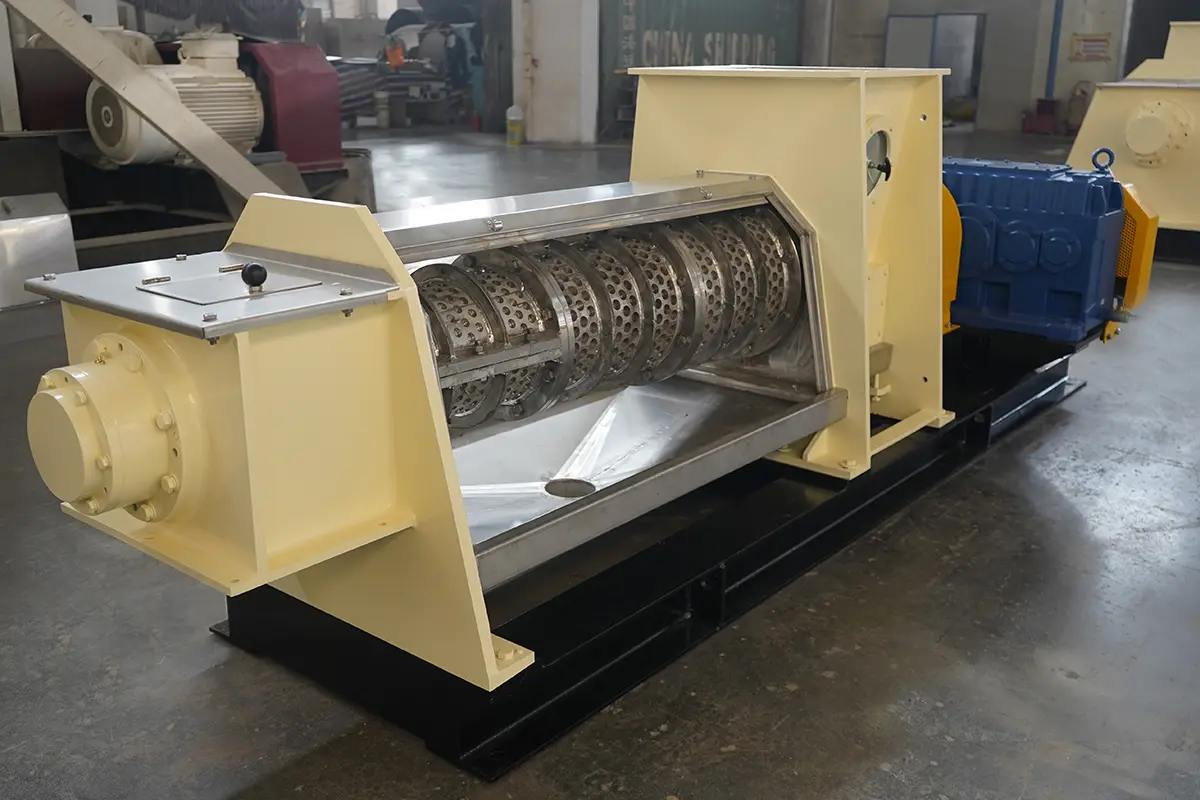
The single screw press achieves continuous mechanical dewatering of high-solid concentrates, leveraging an advancing variable-pitch screw design. To complement separation steps, our YDX Starch Washing Cyclones utilize multi-stage centrifugal refinement, removing impurities and concentrating starches with high efficiency.
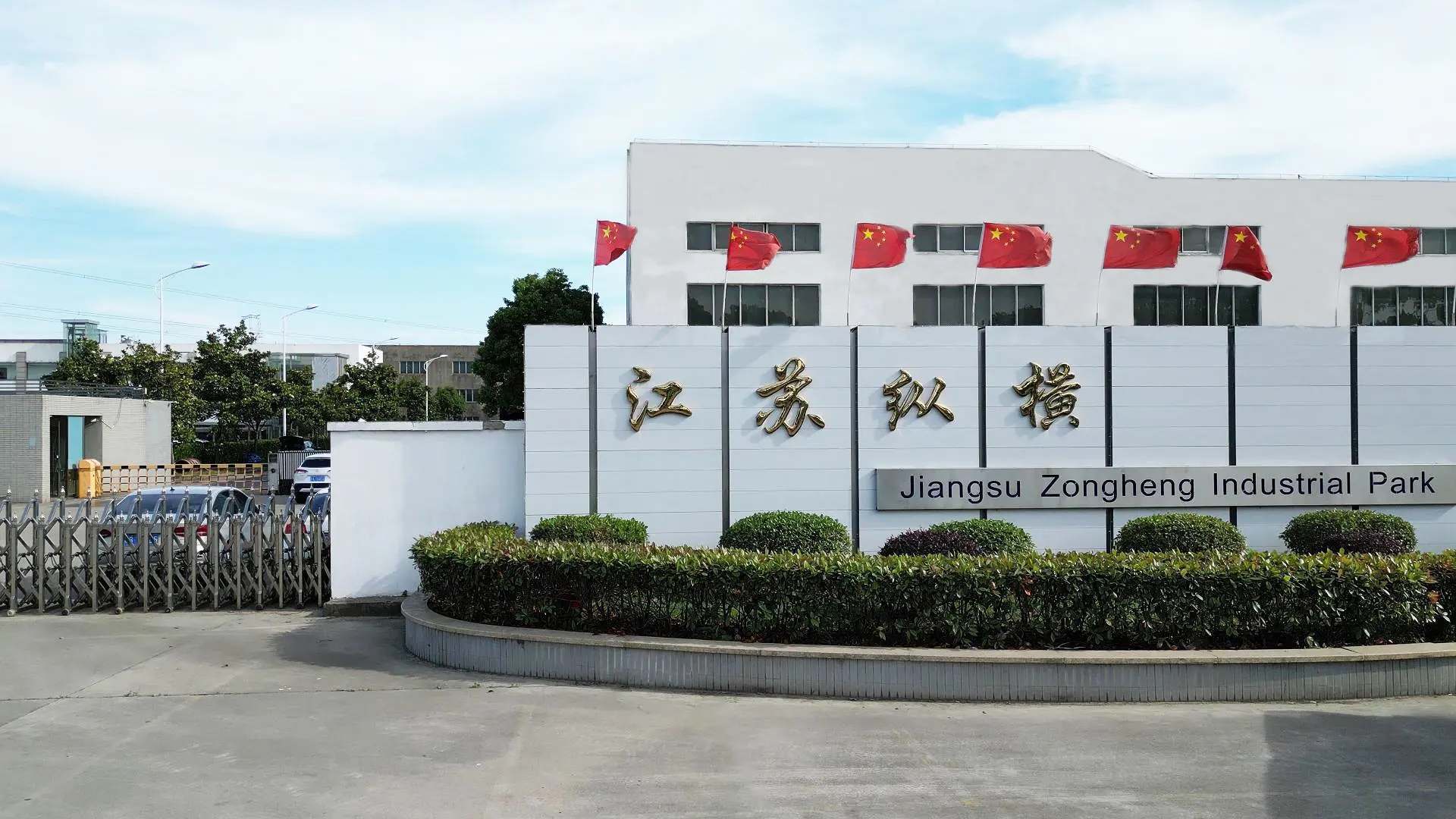
Originally founded as Yixing Yangxi Light Industrial Machinery Factory, covering a modest 15 mu with 45 dedicated staff members.
Implemented rigorous quality management controls, successfully securing our initial ISO 9001 accreditation.
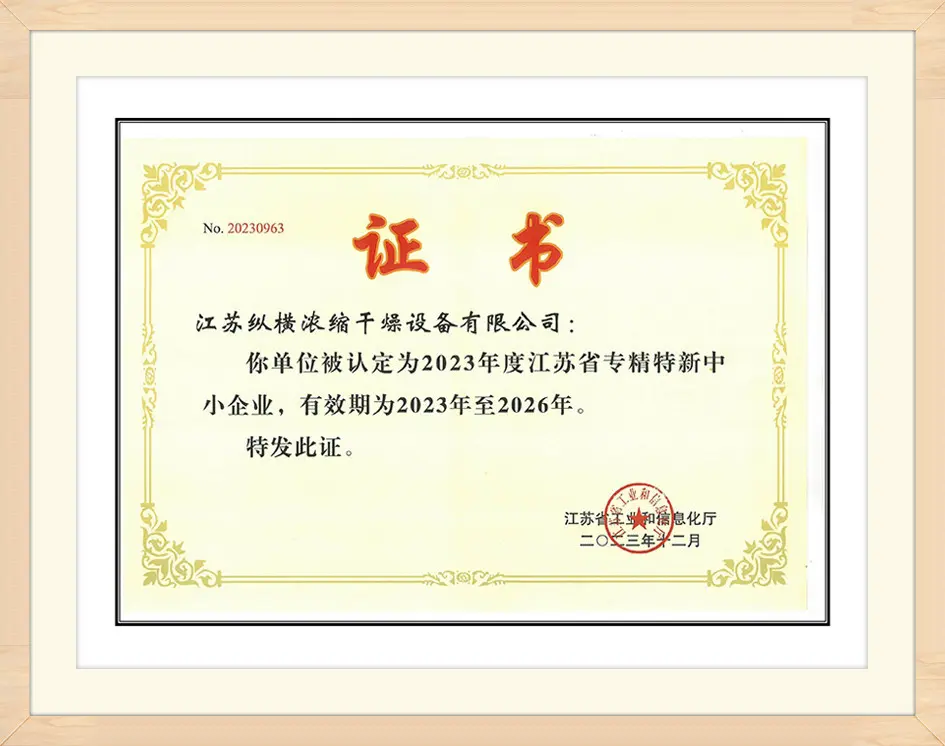
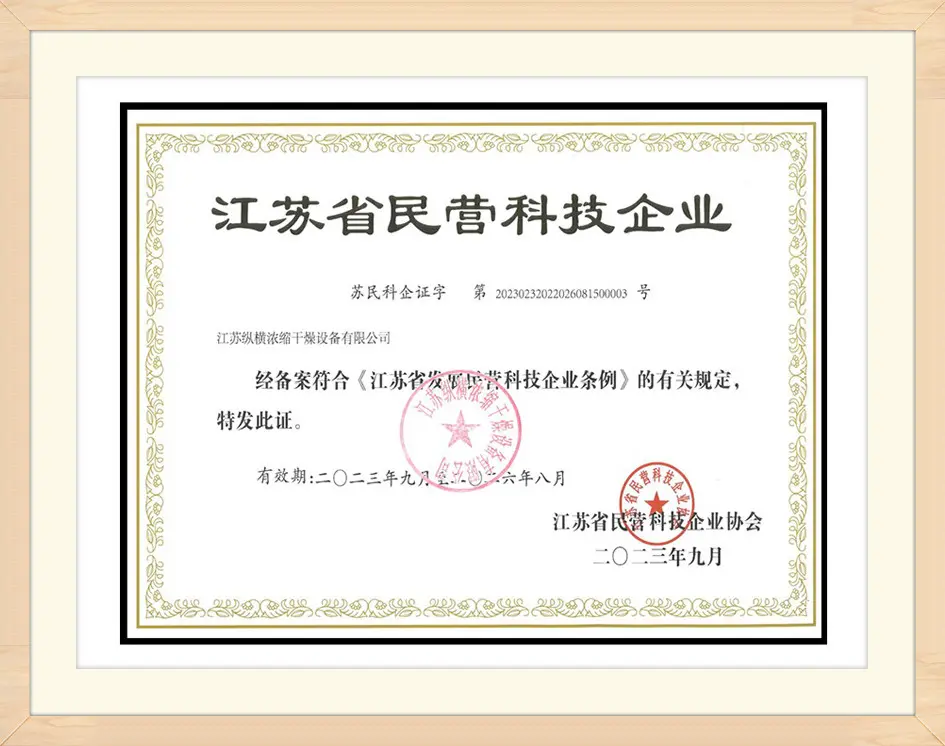
Formally recognized as a Jiangsu Provincial High-Tech Enterprise due to our thermal process innovations.
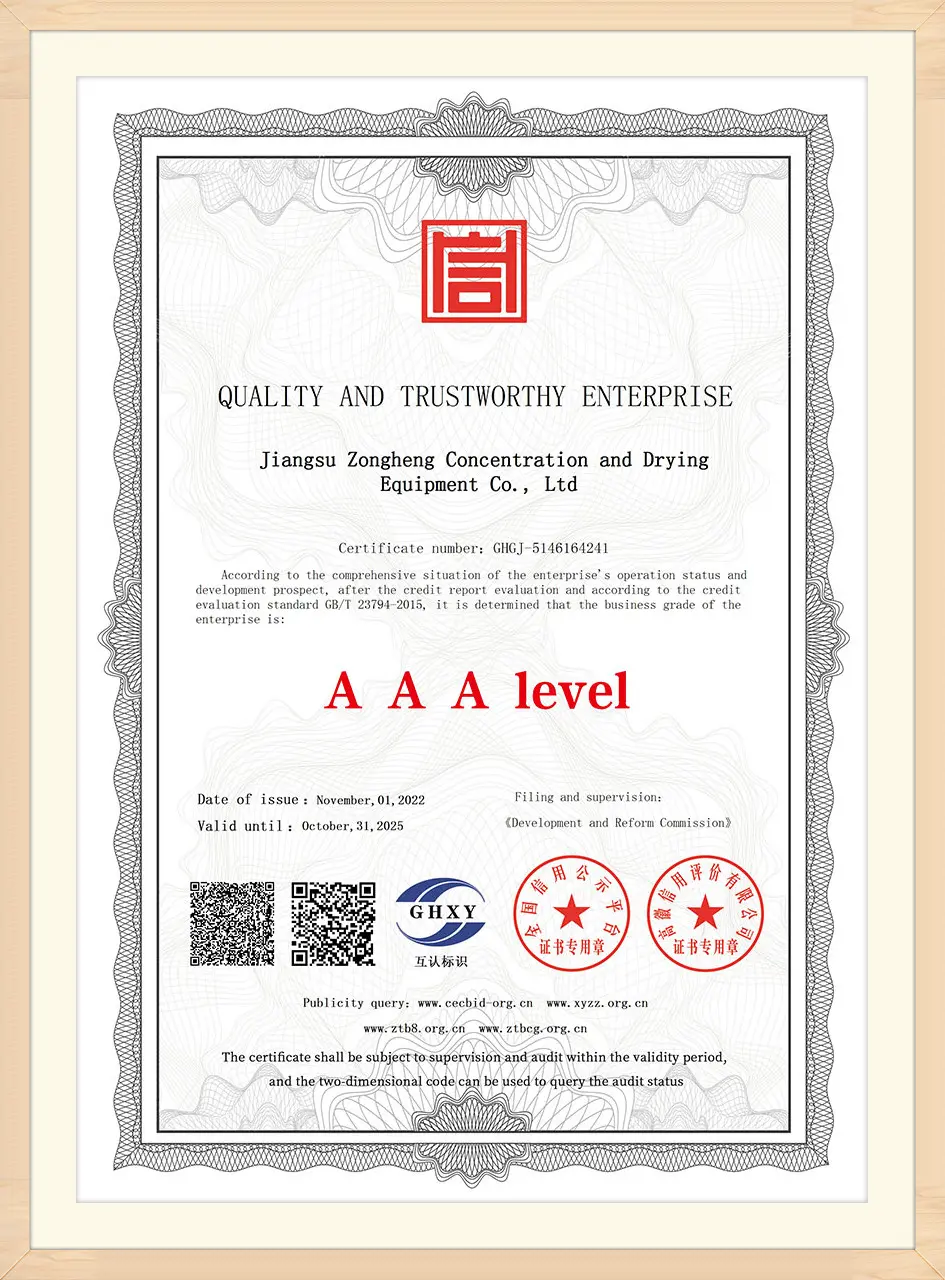
Obtained the Special Equipment Manufacturing License of the PRC (License No: TS2232C42) for category III pressure vessels.
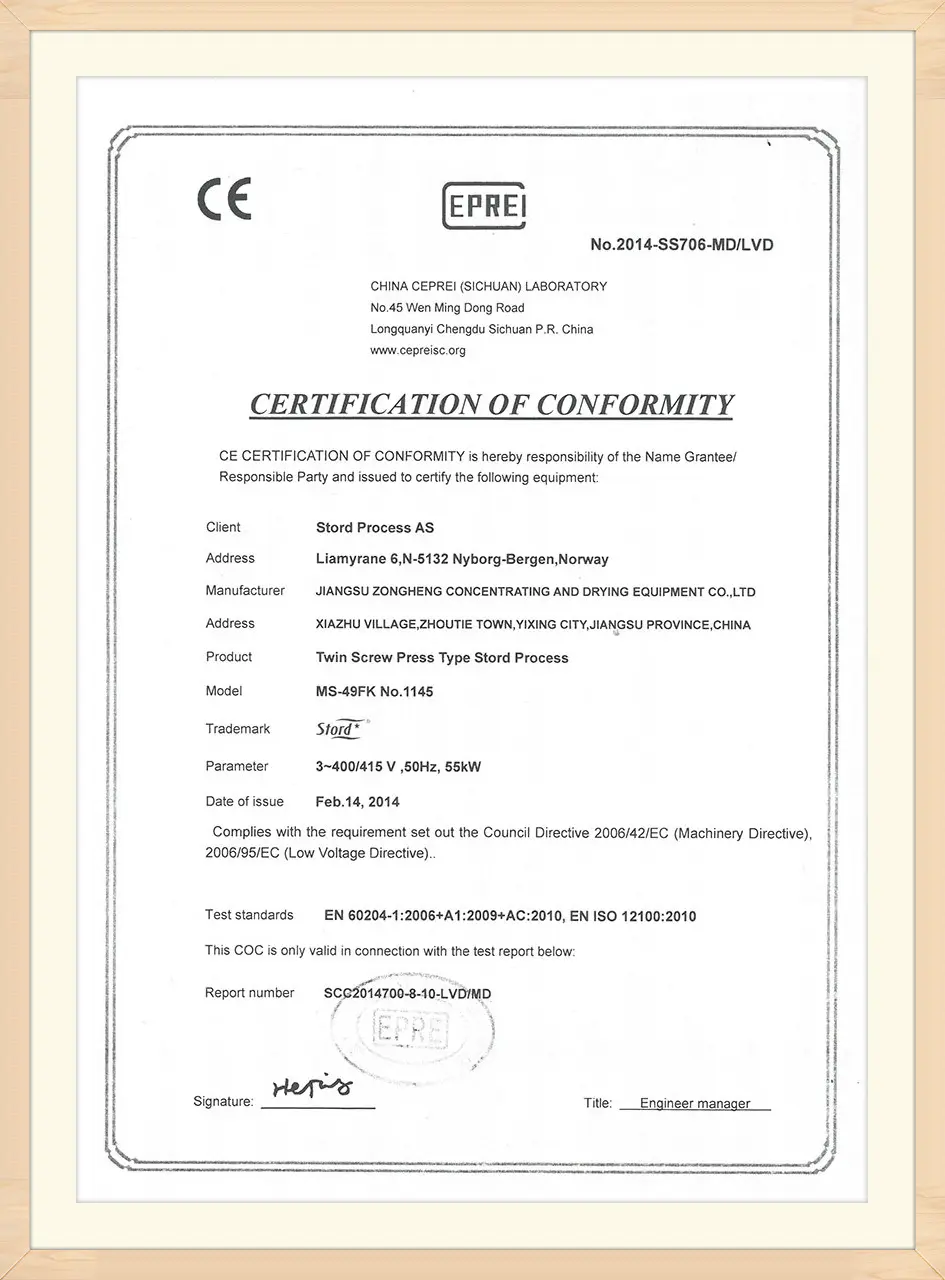
Acquired global design and fabrication authority via the ASME "U" Stamp certificate, accelerating global exports.
Achieved international quality system certification (Certificate No. 45021), aligning our quality assurance with global benchmarks.
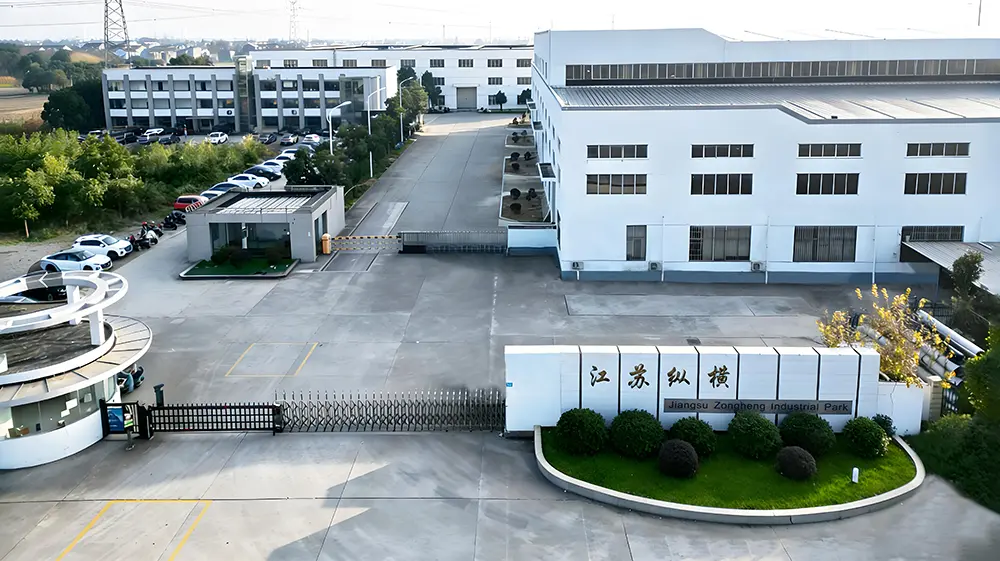
Operating a 54,000 m² campus with over 120 skilled personnel, including 3 senior engineers and 20 engineering experts.
Industrial thermal processes require close integration with upstream separation and downstream drying systems. Our comprehensive engineering approach ensures that your evaporation systems work seamlessly with ancillary components to optimize utility consumption, minimize heat loss, and maximize product yield.

How does boiling point elevation (BPE) impact multi-effect evaporator design?
Boiling Point Elevation (BPE) occurs when dissolved solids increase the boiling temperature of a solution above that of pure water at the same pressure. Our engineers measure BPE changes at different concentration stages to adjust the effective temperature driving force (ΔT) for each effect, ensuring optimal heat transfer and preventing capacity shortfalls.
When should a plant choose a Forced Circulation Evaporator over a Falling Film layout?
Falling Film Evaporators are ideal for clean, heat-sensitive, low-to-medium viscosity solutions due to their short residence times. If your process liquor has high levels of suspended solids, is prone to crystallizing, or has scaling tendencies, a Forced Circulation Evaporator is required. This layout suppresses boiling inside the tubes to prevent fouling and scaling on heat transfer surfaces.
What is the typical steam economy of a well-designed Multi-Effect system?
Steam economy increases with the number of effects. As a general rule of thumb, a double-effect system achieves a steam-to-evaporation ratio of ~1.5, a triple-effect achieves ~2.5, and a quad-effect can reach ~3.2. Integrating thermal vapor recompressors (TVR) or switching to mechanical vapor recompression (MVR) can further improve these values.
How does Jiangsu Zongheng ensure the mechanical reliability of its pressure vessels?
We operate under international standards, supported by our ASME "U" Stamp authorization and PRC Class III Pressure Vessel license. Our QA/QC protocols include ultrasonic testing, radiographic weld exams, positive material identification (PMI) of stainless steel grades (such as SUS304, SUS316L, and Titanium), and full hydrodynamic testing prior to shipping.
Connect with our thermal processing engineers today. We provide full-cycle engineering, from process simulation to structural fabrication and commissioning.
Request a QuoteLearn more about our manufacturing capabilities. We welcome global partners to visit our Yixing City production facility on Taihu Lake.
Contact Us Today Jun 18, 2026
The evaporator absorbs heat to vaporize media, while the condenser releases heat to liquefy vapor; the two perform opposite cooling and heating functions. Operating under low pressure, the evaporator generates cold energy and concentrates process fluids, while the condenser removes high-temperature vapors from the loop to maintain system vacuum. Proper thermal balance between these components is critical to preventing system stalling and keeping utility costs low.
 Zongheng