 Zongheng
1 / 3
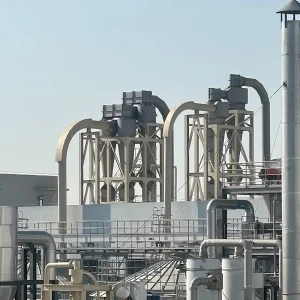
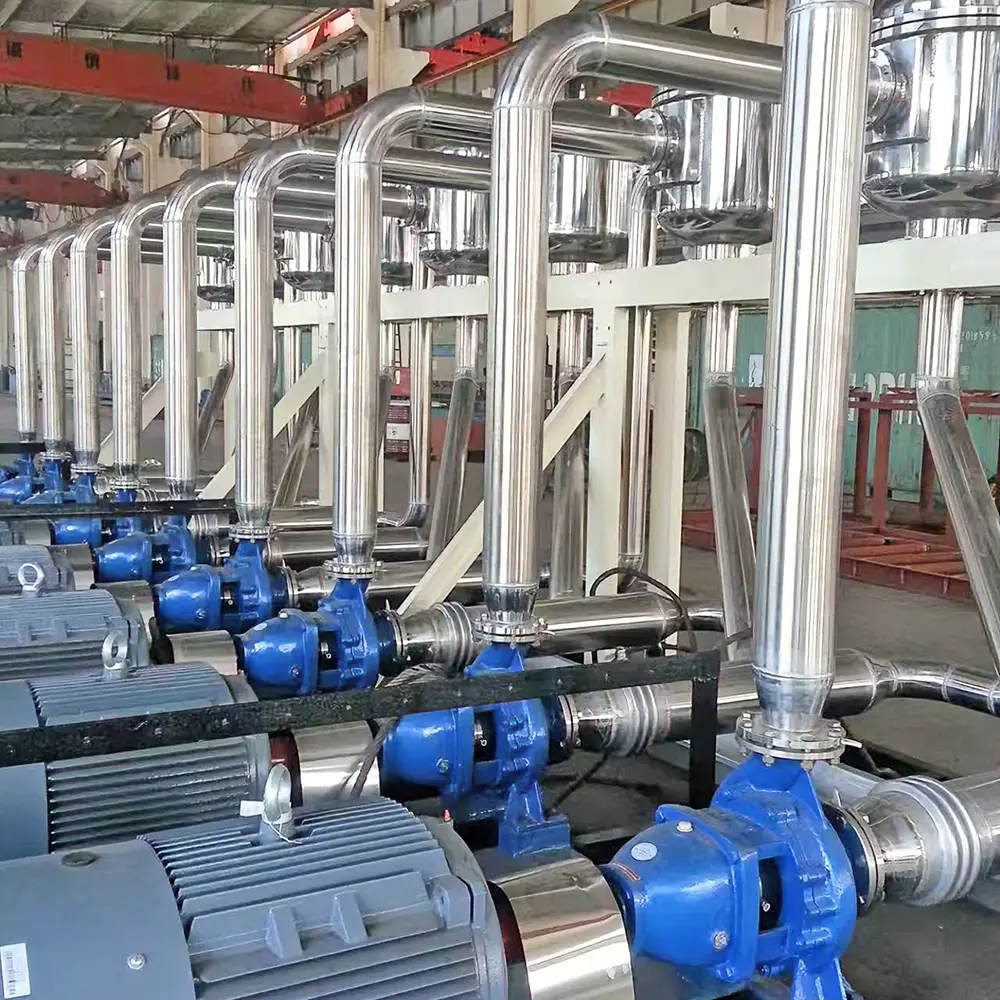
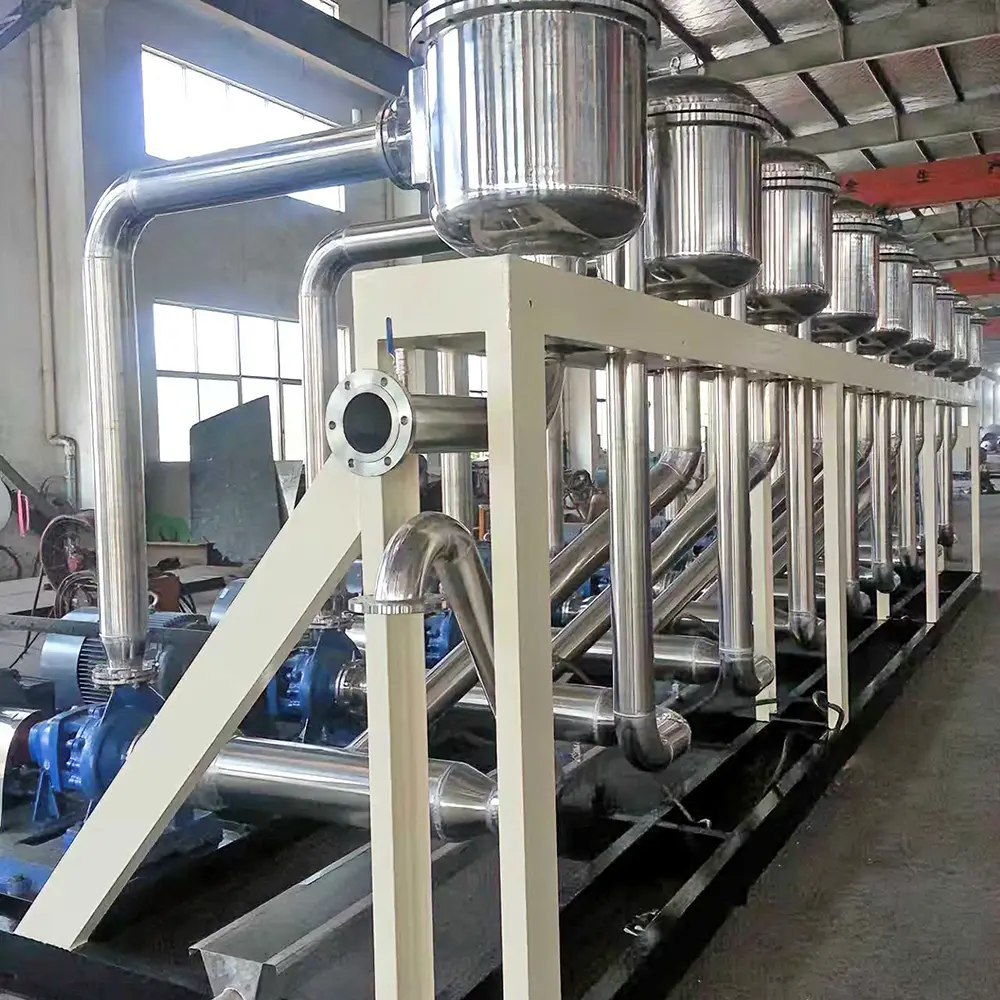
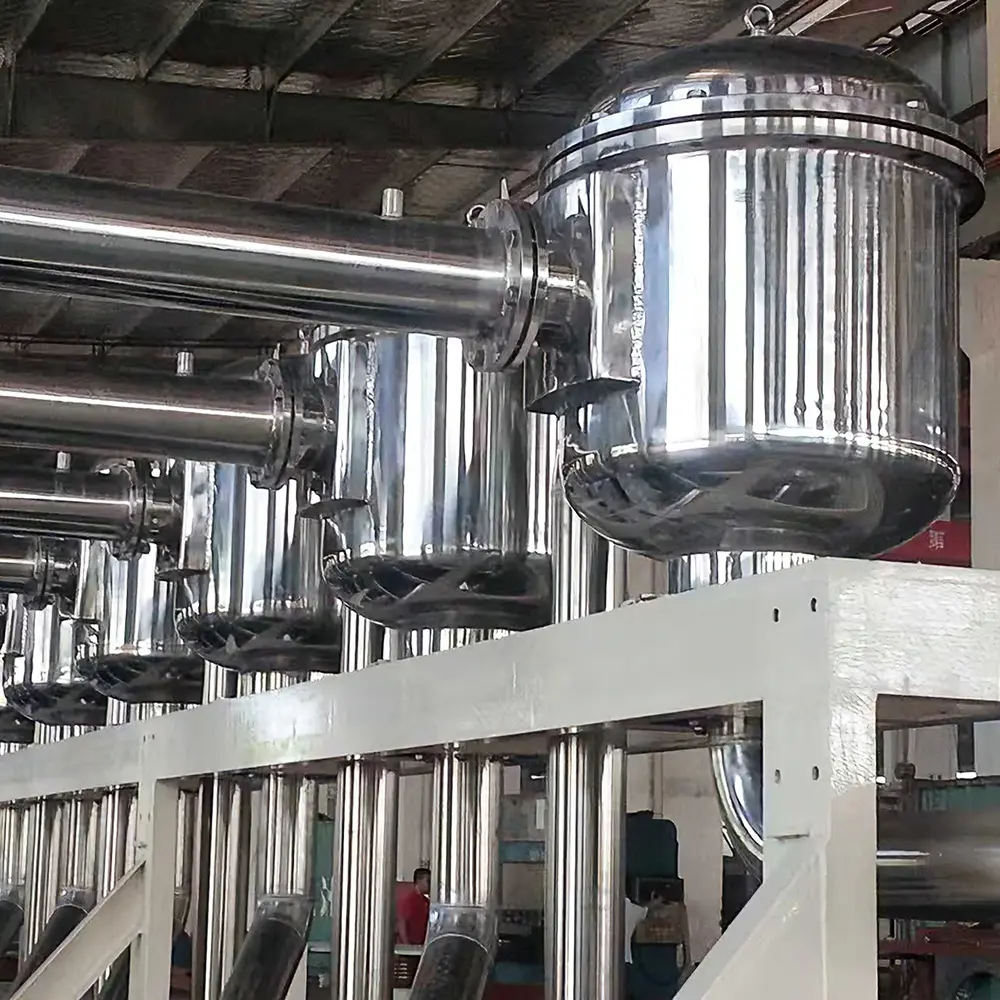
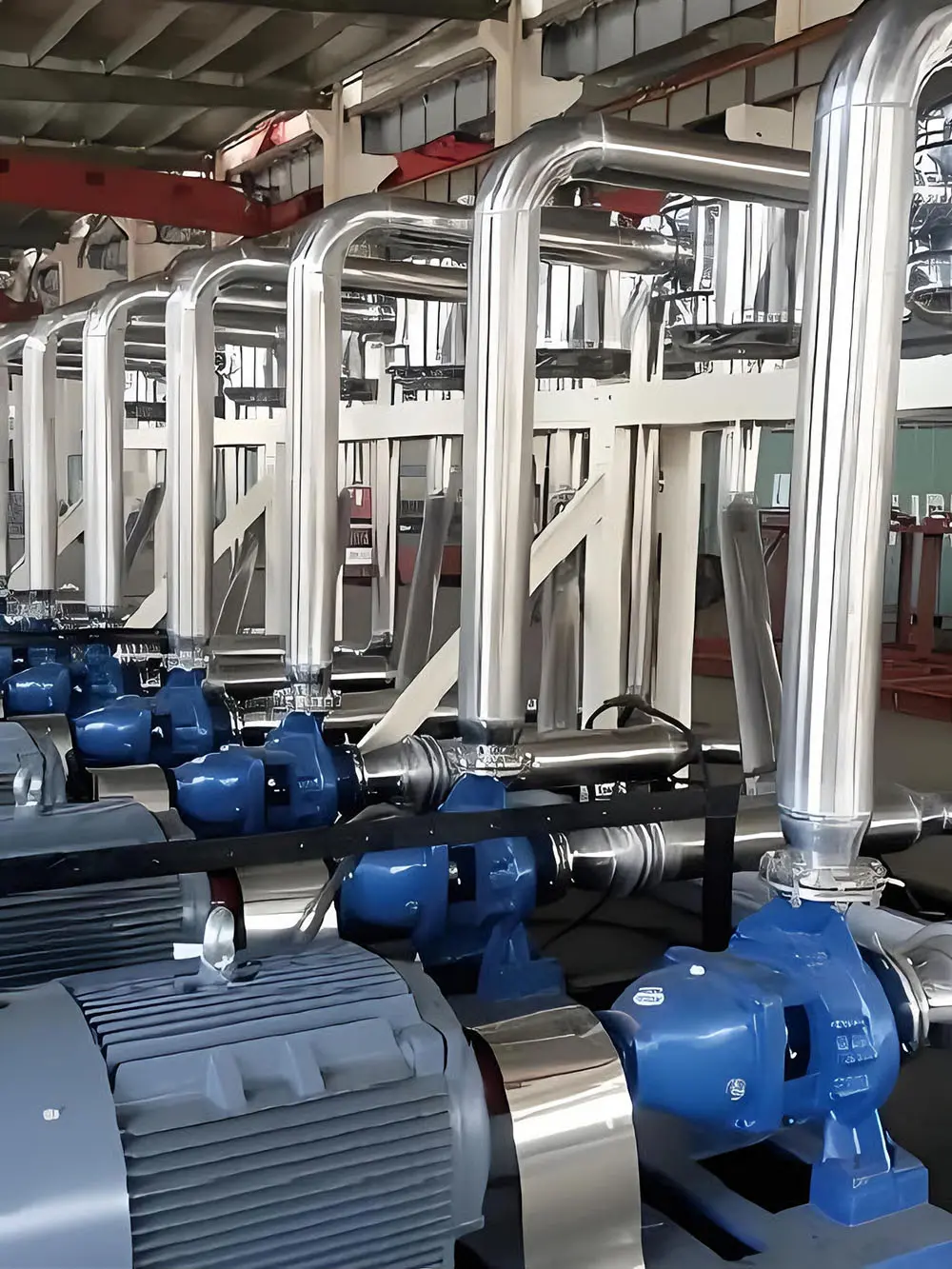
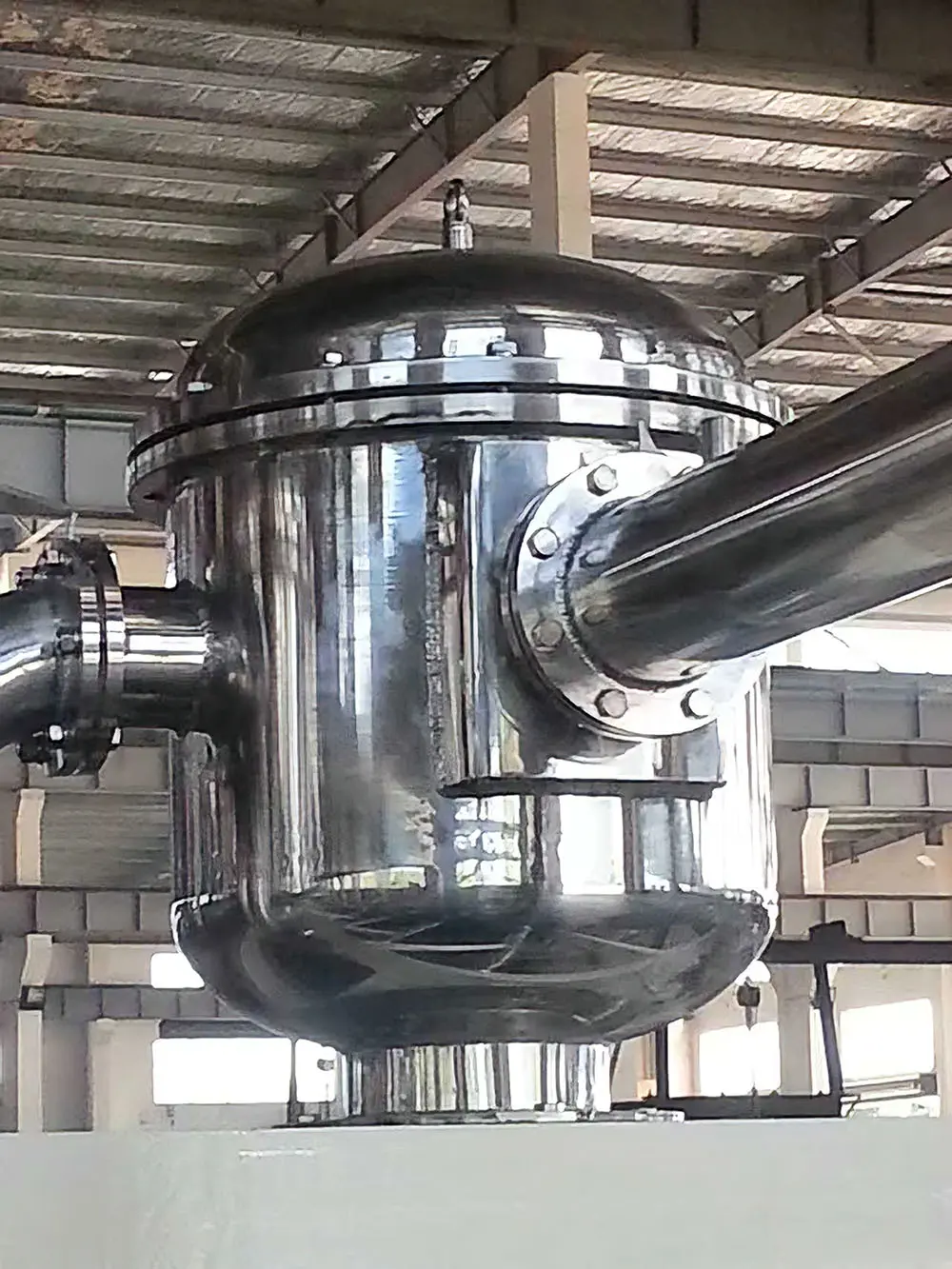
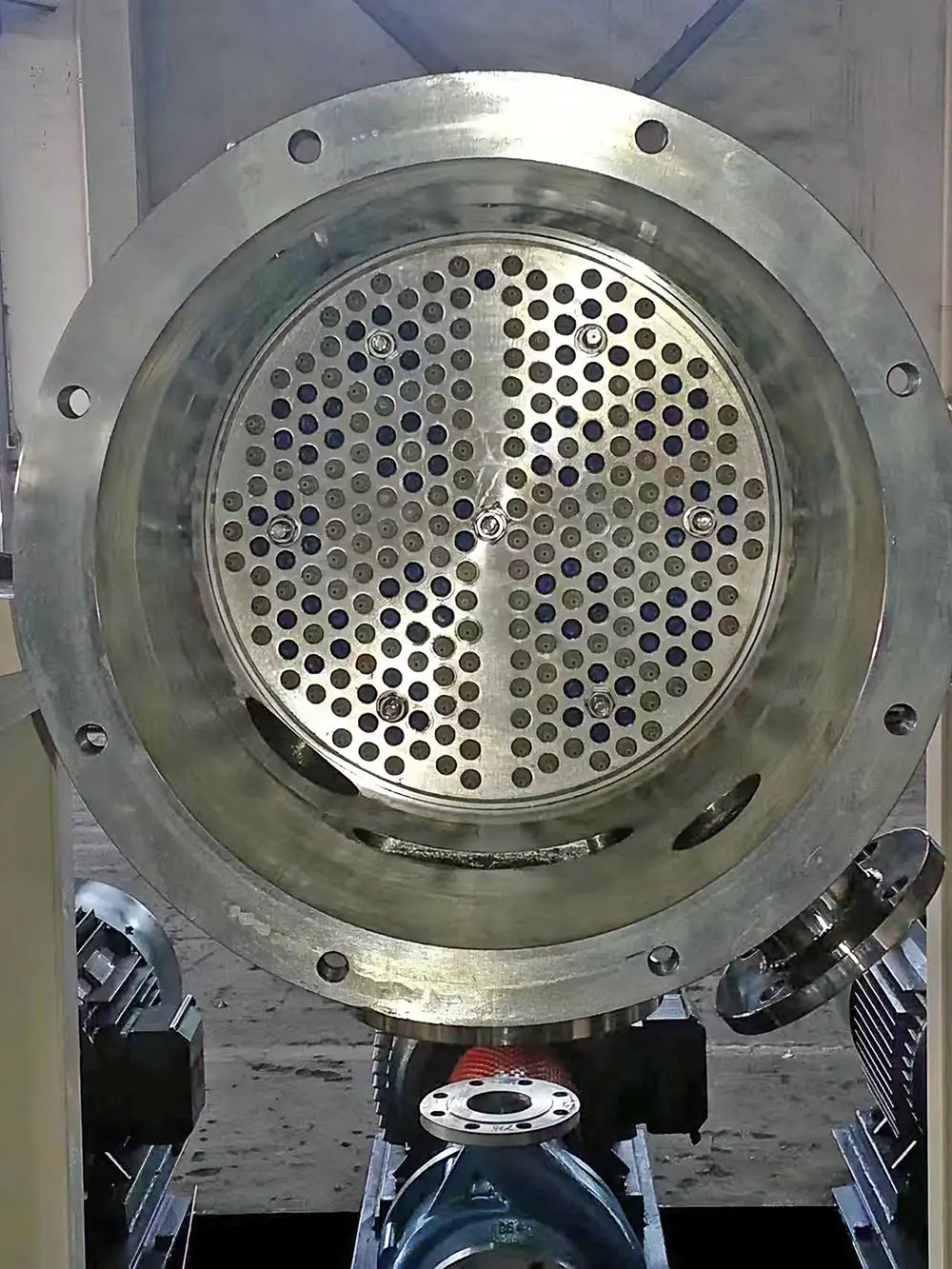
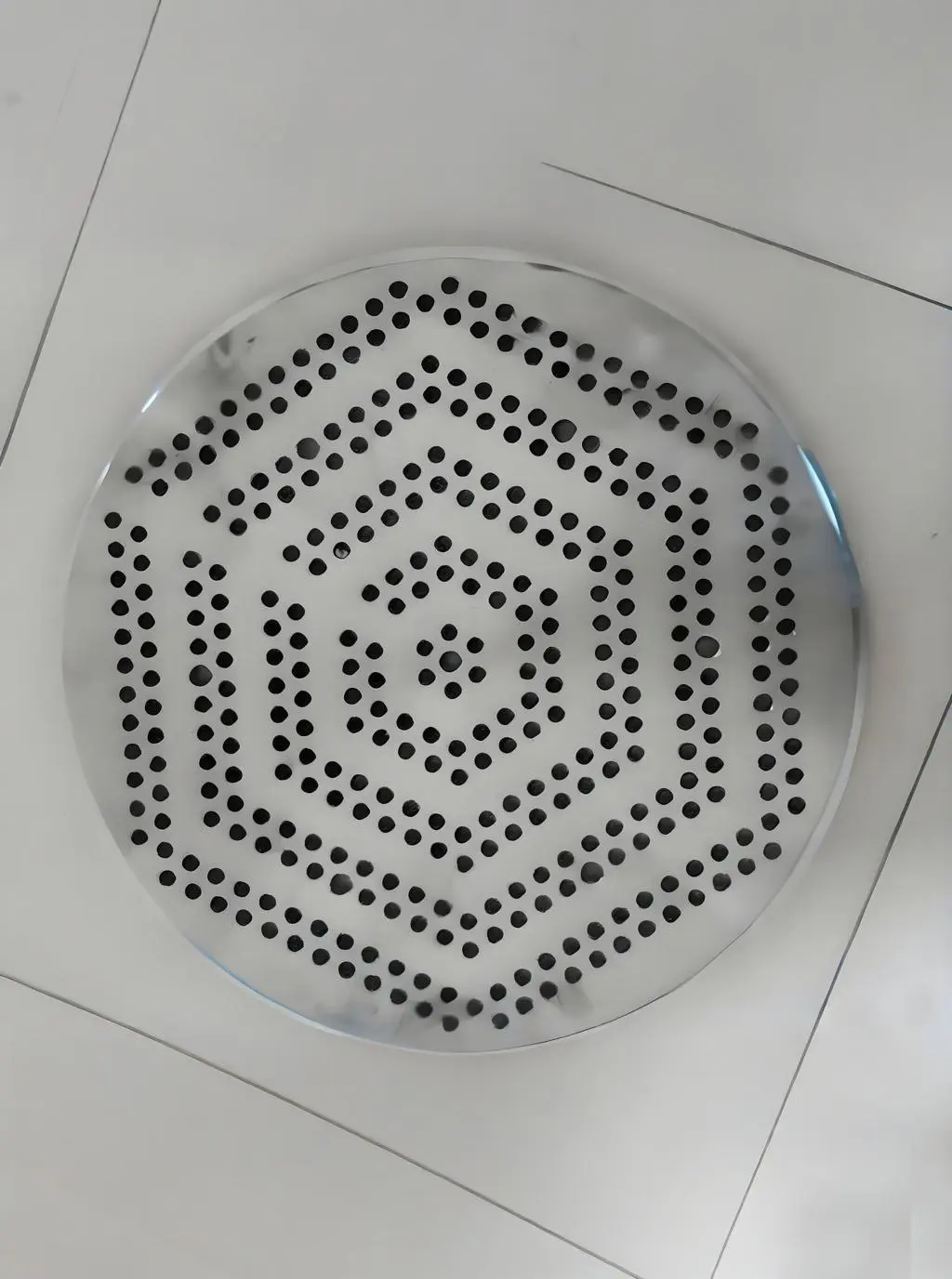
A starch washing cyclone offers high separation efficiency, automation, and superior product quality, while also featuring a simple structure, reliable operation, and convenient maintenance compared to a disc separator. It can separate granules as fine as 4 microns under a specific pressure differential. The separation is achieved through centrifugal force: material enters the columnar cylinder tangentially under pressure, creating a rapid rotation. This generates strong centrifugal action, causing heavier granules in the slurry to move toward the wall and spiral downward as a concentrated underflow. Lighter granules migrate upward near the central axis, forming a less concentrated overflow.
Key Advantage: High precision separation down to 4 microns utilizing advanced centrifugal dynamics.
Starch washing cyclones are poised to play an increasingly vital role in modern starch processing. Their energy-efficient design and consistent performance make them a sustainable choice for large-scale production. Future developments may focus on smart monitoring systems to further enhance automation and real-time adjustment of operational parameters. By integrating advanced materials and optimized flow dynamics, these systems will continue to improve separation precision and reduce maintenance downtime. As the industry moves toward greater efficiency and sustainability, the starch washing cyclone stands as a reliable and adaptable solution, capable of meeting evolving demands for purity, yield, and operational economy in starch refining worldwide.
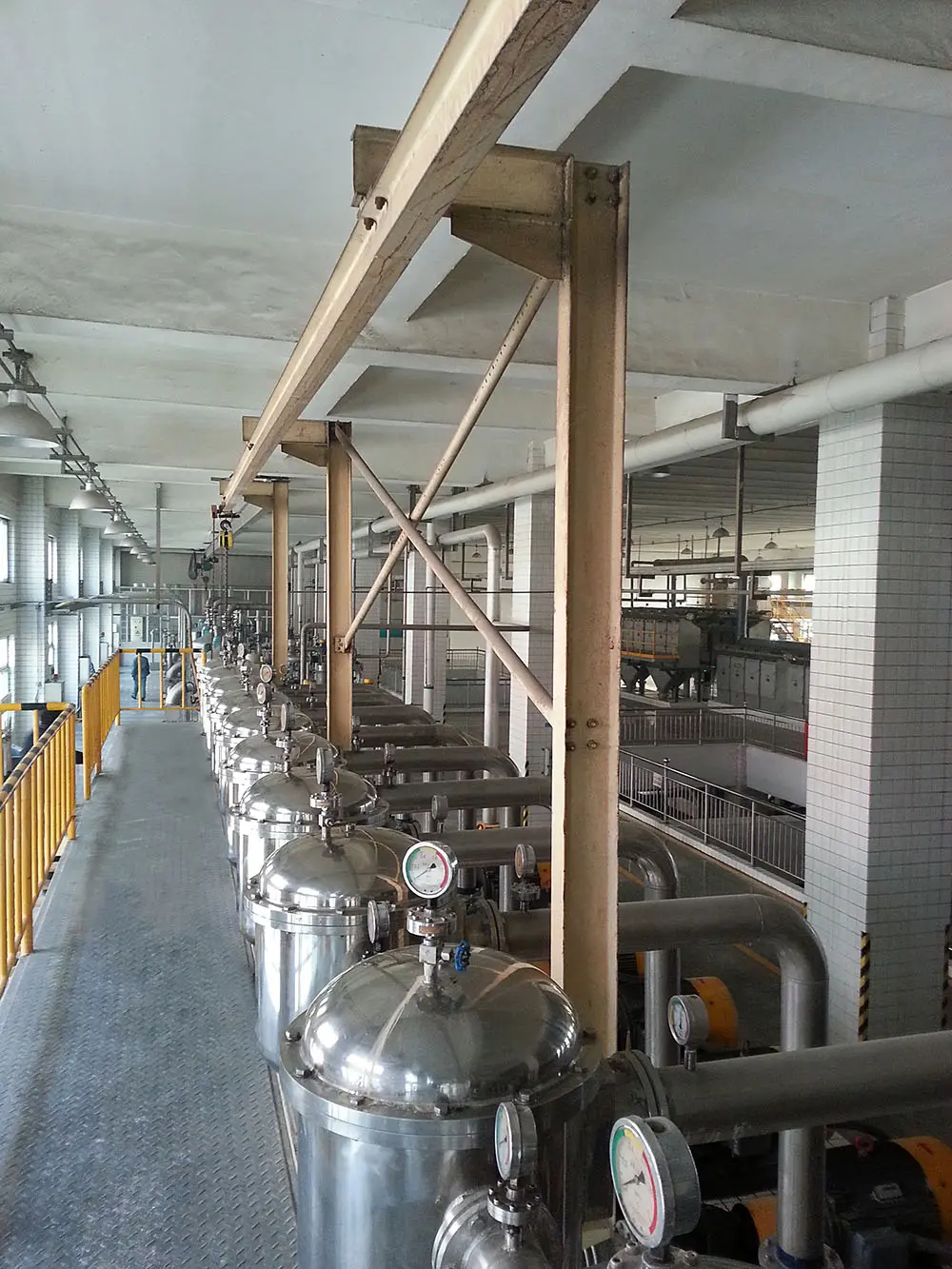
Starch washing cyclones deliver stable separation performance, enabling continuous processing of high-concentration starch slurries while ensuring high starch recovery and purity with minimal energy consumption. The modular design allows flexible adaptation to various production scales, and the intuitive interface reduces manual intervention. As starch processing moves toward refinement and sustainability, the system's flexible configuration and low water consumption enhance its environmental benefits. Through intelligent parameter linkage and data tracking, it not only boosts the market competitiveness of starch products but also provides critical support for industry-wide technological advancement, achieving a dual optimization of economic and environmental benefits.
| Type | YDX-275-I | YDX-350-I | YDX-350-II | YDX-405-I | YDX-405-II | YDX-500-I | YDX-600-I |
|---|---|---|---|---|---|---|---|
| Capacity (t/year) | 8000-15000 | 20000-30000 | 60000 | 50000 | 100000 | 80000 | 120000 |
| Cyclone Pipe Type | 10 | 10 | 10 | 10 | 10 | 10 | 10 |
| Work Pressure (MPa) | >0.6 | >0.6 | >0.6 | >0.6 | >0.6 | >0.6 | >0.6 |
| Work Flux (m³/h) | 15-30 | 30-40 | 55-65 | 45-55 | 100-110 | 60-80 | 100-120 |
| Stage | 9-12 | 9-12 | 12-15 | 12-15 | 12-15 | 12-15 | 12-15 |
| Power (kW/stage) | 11 | 15-22 | 37 | 30 | 55 | 37-45 | 55 |
| Type | YDX-275-I | YDX-350-I | YDX-350-II | YDX-405-I | YDX-405-II | YDX-500-I | YDX-600-I |
|---|---|---|---|---|---|---|---|
| Length (mm) | 600 × n + 100 | 700 × n + 100 | 700 × n + 100 | 800 × n + 100 | 800 × n + 100 | 900 × n + 120 | 1000 × n + 150 |
| Height (mm) | 1550 | 1700 | 1700 | 1900 | 1900 | 2050 | 2200 |
| Width (mm) | 1900 | 2050 | 2050 | 2100 | 2100 | 2300 | 2600 |
The separation is achieved through centrifugal force. Under specific pressure, the starch slurry enters the columnar cylinder tangentially, generating rapid rotation. Heavier granules in the slurry move toward the wall and spiral downward as a concentrated underflow, while lighter granules migrate upward near the central axis to form the overflow.
It can separate starch granules as fine as 4 microns under a specific operational pressure differential, ensuring extremely high separation precision.
Compared to traditional disc separators, the starch washing cyclone features a simpler structure, higher separation efficiency, stable automation, and more convenient maintenance, while reducing operational downtime and energy consumption.
Yes, its modular design allows flexible adaptation and configuration to fit varying production requirements, from small plants with 8,000 t/year capacity up to large-scale operations producing 120,000 t/year.
The cyclone system features an energy-efficient design, stable high-concentration processing, and low water consumption, providing an eco-friendly refining solution that aligns with modern industrial sustainability goals.