
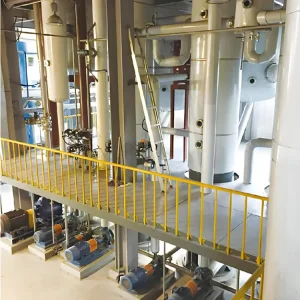
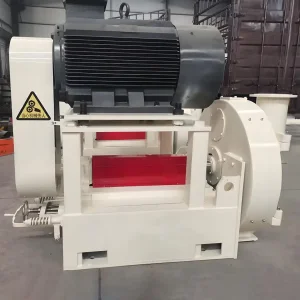
In the matrix of modern chemical, pharmaceutical, starch, and environmental processing, the selection of thermal concentration equipment dictates long-term fiscal viability and system resilience. At its baseline, a single-effect evaporator utilizes thermal energy from steam to vaporize liquid solvents from solutions under a controlled pressure regime. Unlike multi-effect systems, it operates with a single heat exchanger (or calandria) where fresh live steam is used to boil off the solvent in one distinct thermal pass.
While multi-effect setups yield superior cumulative steam economies, the single-effect configuration remains the gold standard for specific high-density, highly viscous, heat-sensitive, or fouling-prone fluids. The simplicity of control, reduced residence time, lower initial capital investment, and ability to handle crystallizing elements make it indispensable. For processes requiring precise thermal separation without complex system interaction, a finely engineered single-effect evaporator, combined with appropriate vacuum and heat reclamation infrastructure, provides unmatched operational transparency and uptime.
By leveraging precisely calculated shell-and-tube designs, our evaporators minimize localized heat spots. This ensures the physical and chemical properties of heat-sensitive materials remain undamaged during concentration.
Utilizing optional forced circulation loops and high liquid velocities in the tubes, the shear rate at the tube wall is optimized, significantly delaying crystal deposits and chemical scaling.
Designed and built under stringent ASME Section VIII Div 1 rules, each vessel is fabricated to withstand heavy industrial vacuum loads and high-pressure steam regimes over decades of service.
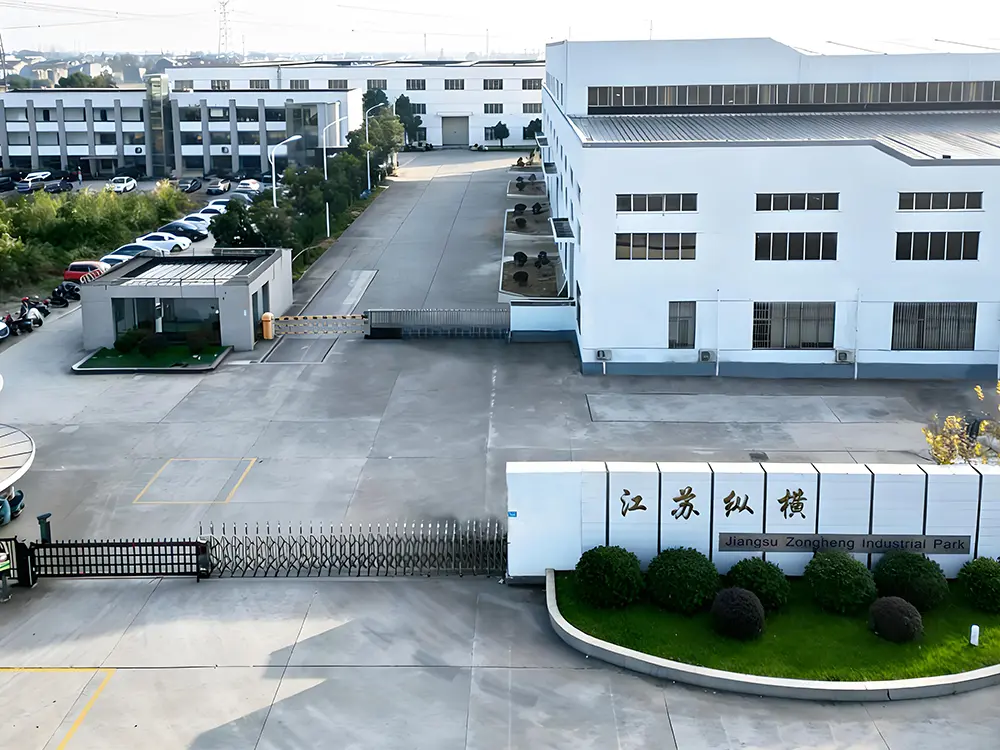
Jiangsu Zongheng Concentrating and Drying Equipment Co., Ltd (formerly Yixing Yangxi Light Industry Machinery Factory) has stood at the forefront of China's heavy chemical machinery sector. Over the span of 30+ years, we have transitioned from a localized machinery shop to an elite, modern high-tech enterprise occupying over 54,000 square meters of specialized development area, including a 22,000 square meter state-of-the-art production workshop.
As an active member of the China Starch and Alcohol Association, we specialize in the design, engineering, and commissioning of heavy industrial concentrators, industrial drying equipment, starch wash systems, DDGS lines, and Category III medium and low-pressure pressure vessels. We blend classical mechanical robustness with modernized automation, catering globally to the food, bio-fermentation, petrochemical, environmental, and pharmaceutical sectors.
Learn MoreThe paradigm of evaporation technology is experiencing rapid shifts due to global carbon constraints and the need for localized environmental circularity. The engineering team at Jiangsu Zongheng is actively steering the technological development of single-effect systems along three core axes: thermal integration, metallurgic advancement, and artificial intelligence-driven control loops.
Integrating mechanical vapor recompression (MVR) or thermal vapor recompression (TVR) setups directly into single-effect units to recycle the latent heat of overhead vapors. This slashes primary steam usage by up to 70%.
To process highly saline or corrosive waste matrices, we specialize in fabricating structures utilizing titanium (Grades 1 and 2), Hastelloy C-276, and duplex stainless steels (such as SAF 2205 and 2507) to extend equipment lifespans.
By fitting our systems with real-time temperature, pressure, and flow arrays, our software continuously plots the heat transfer coefficient (U-value). It alerts operations teams to cleaning cycles before severe fouling occurs.
A single-effect evaporator does not exist in a vacuum; it acts as a crucial node in complex process pathways. Depending on the target industry, the mechanical design changes drastically. We design tailored solutions that balance capital cost and processing demands.
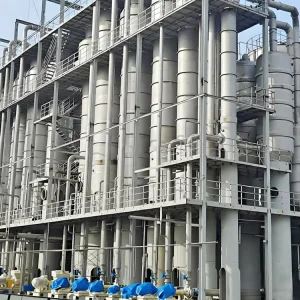
In bio-ethanol and Distillers Wet Grains (DDG) processing, the wastewater contains suspended solubles that foul standard calandrias. Our single-effect forced circulation plants handle these high viscosities easily, preparing thin stillage for dry processing without blockage.
Integrating starch wash cyclone residues and processing corn steep liquor requires careful thermal profiles to prevent starch caramelization. We engineer falling film systems that maintain thin layers and brief exposure times, yielding pristine syrup qualities.
For chemical and pharmaceutical plants processing brine waste, our evaporators act as crystallizers. They isolate mineral salts from the water stream, allowing clean water recovery and helping plants meet modern environmental requirements.
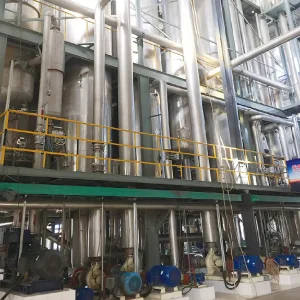
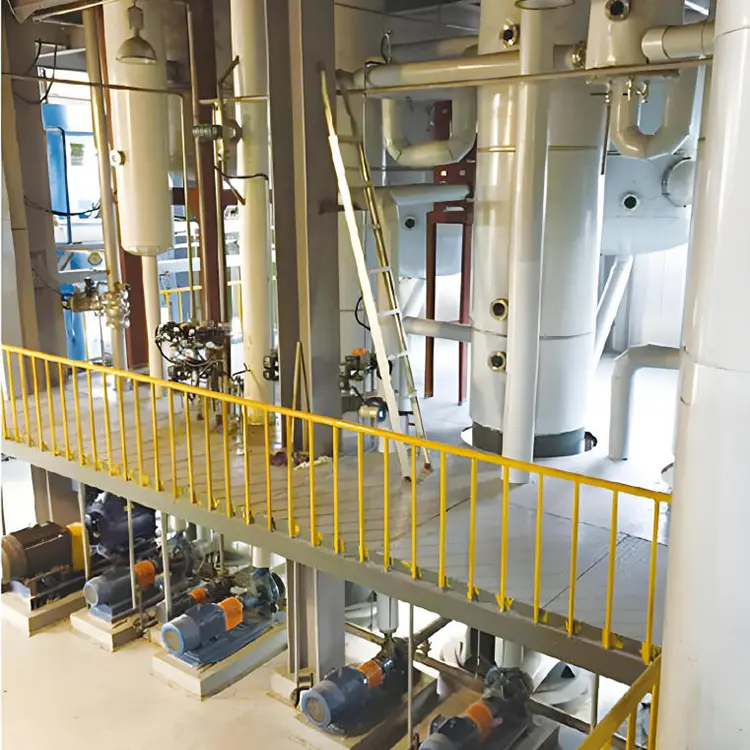
A falling film evaporator efficiently concentrates heat-sensitive liquids. The feed liquid forms a thin film flowing down heated vertical tubes, where it partially evaporates. Vapor generated flows parallel to the liquid, enhancing the process. It ensures a short residence time and low operating temperature, preserving product quality. The system requires proper liquid distribution and complete surface wetting to prevent fouling and maintain high thermal efficiency and operational stability.
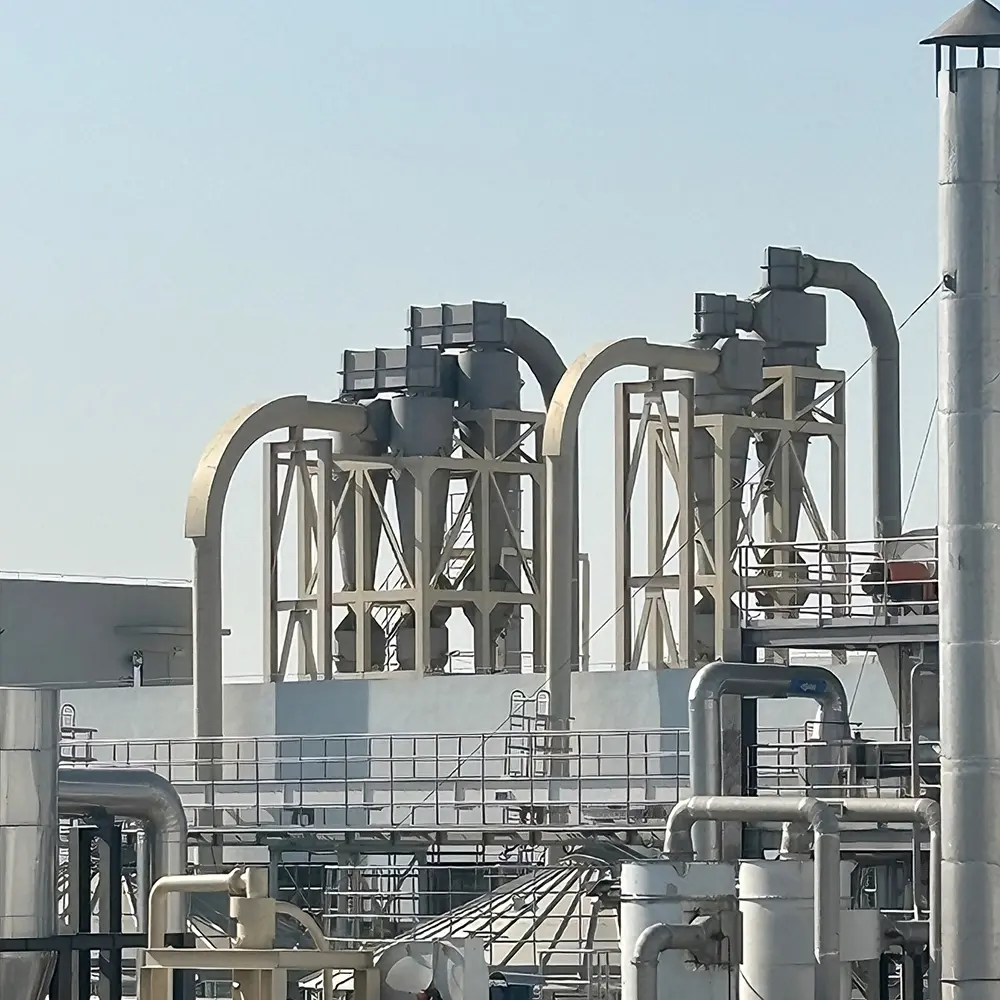
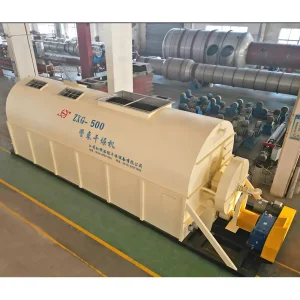
Jiangsu Zongheng's MQG Airflow Dryer employs high-speed hot air to suspend and fluidize the material. By utilizing impulse airflow generated from precisely varied tube diameters, it continuously tumbles the particles while conveying them. This design ensures rapid, uniform, and efficient drying throughout the entire transportation process within the system.
Jiangsu Zongheng operates at the epicenter of China's premier chemical equipment manufacturing cluster in Yixing. This concentration allows us to maintain exceptional supply chain control. We procure raw plate materials directly from domestic tier-1 steel mills, reducing intermediate margins. Our automated tube-sheet orbital welding stations and large-scale plate bending facilities ensure consistent fabrication quality.
Our localized supply chain extends beyond raw metals to advanced instrumentation. Each control panel, pneumatic valve, and monitoring array is source-validated. This domestic supplier network ensures we meet project delivery times far faster than international competitors while maintaining strict quality control.
Large-scale hydraulic forming equipment ensures uniform dished heads without thin spots.
Automated gas tungsten arc welding (GTAW) delivers defect-free tube-to-tubesheet joints.
In-house radiography, ultrasonic, and magnetic dye penetrant inspections verify all welds.
Modular frames speed up onsite installation and minimize field wiring.
Our operations now span over 54,000 square meters, housing 3 senior thermodynamic specialists, 20+ design engineers, and a dedicated fabrication team of 120 specialists.
Successfully secured our comprehensive ISO international quality system certification (Certificate No.: 45021), establishing a complete quality assurance system.
Obtained our ASME authorization stamp, validating our pressure vessel design, engineering, and manufacturing process for the global market.
Obtained the Special Equipment Manufacturing License of the People's Republic of China (License No.: TS2232C42) for Category III vessels.
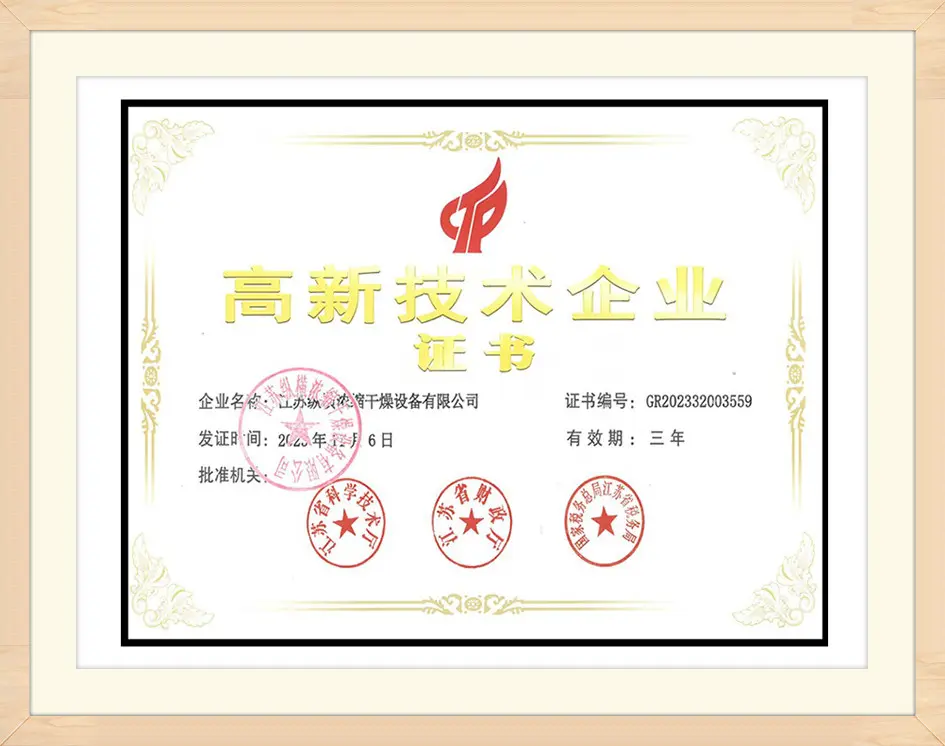
Recognized as a Jiangsu Provincial High-Tech Enterprise, honoring our investments in thermodynamic research and development.
Integrated ISO 9001 quality management procedures across all production stages, from steel plate cutting to final system commissioning.
Established as Yixing Yangxi Light Industry Machinery Factory. Our initial facility covered 15 mu with 45 dedicated staff members.
Purchasing large-scale concentration equipment requires a clear alignment on operational requirements. Sourcing teams should outline specific process conditions to ensure correct thermal calculations and configuration. Consider these key variables when requesting a technical quote:
Detail the chemical makeup, salt concentration, dynamic viscosity profile at different temperatures, and solid particle size distribution of the inlet feed.
Specify the available steam pressure and flow rate, cooling water temperature limits, and electrical power parameters at the installation site.
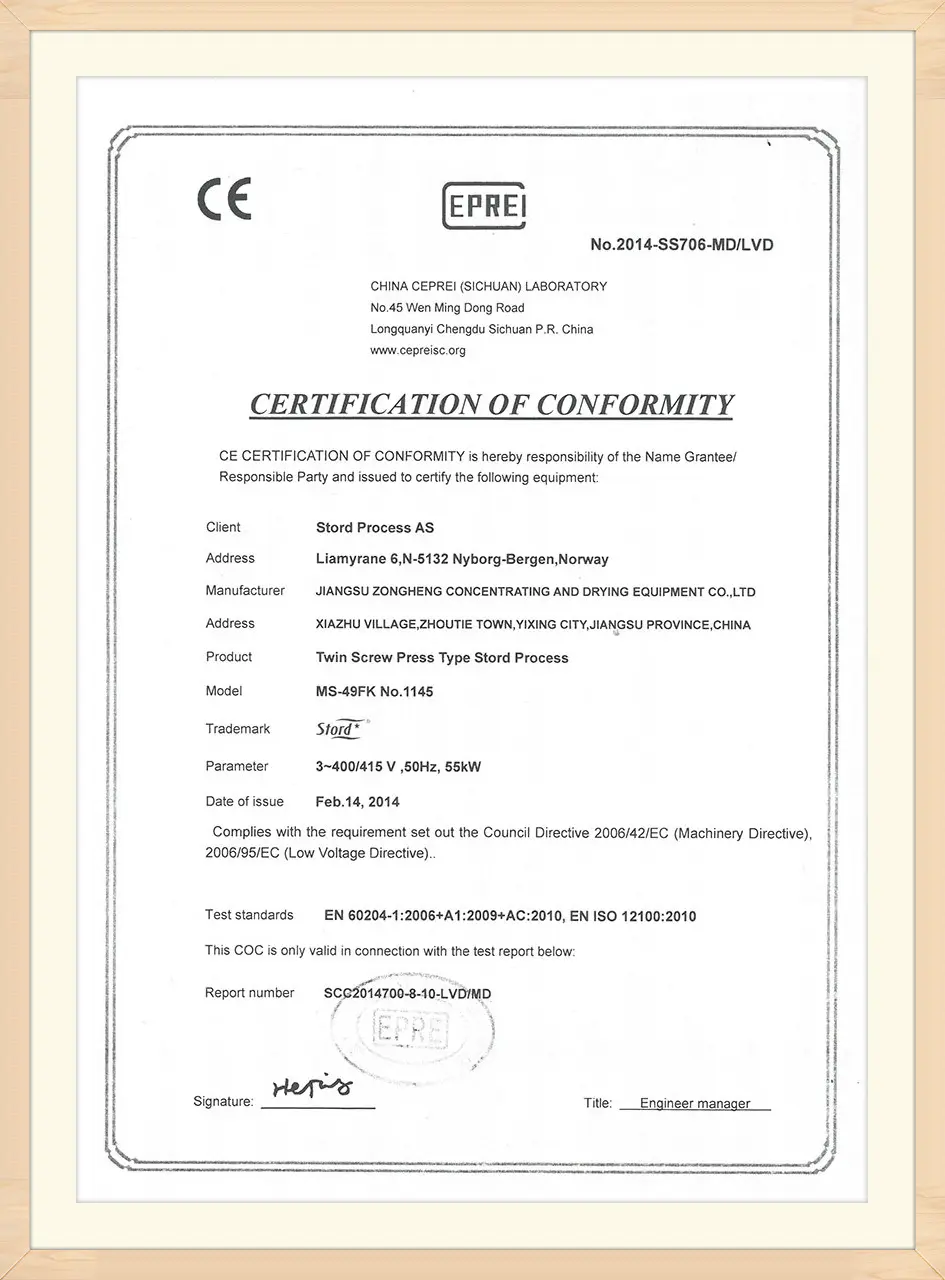
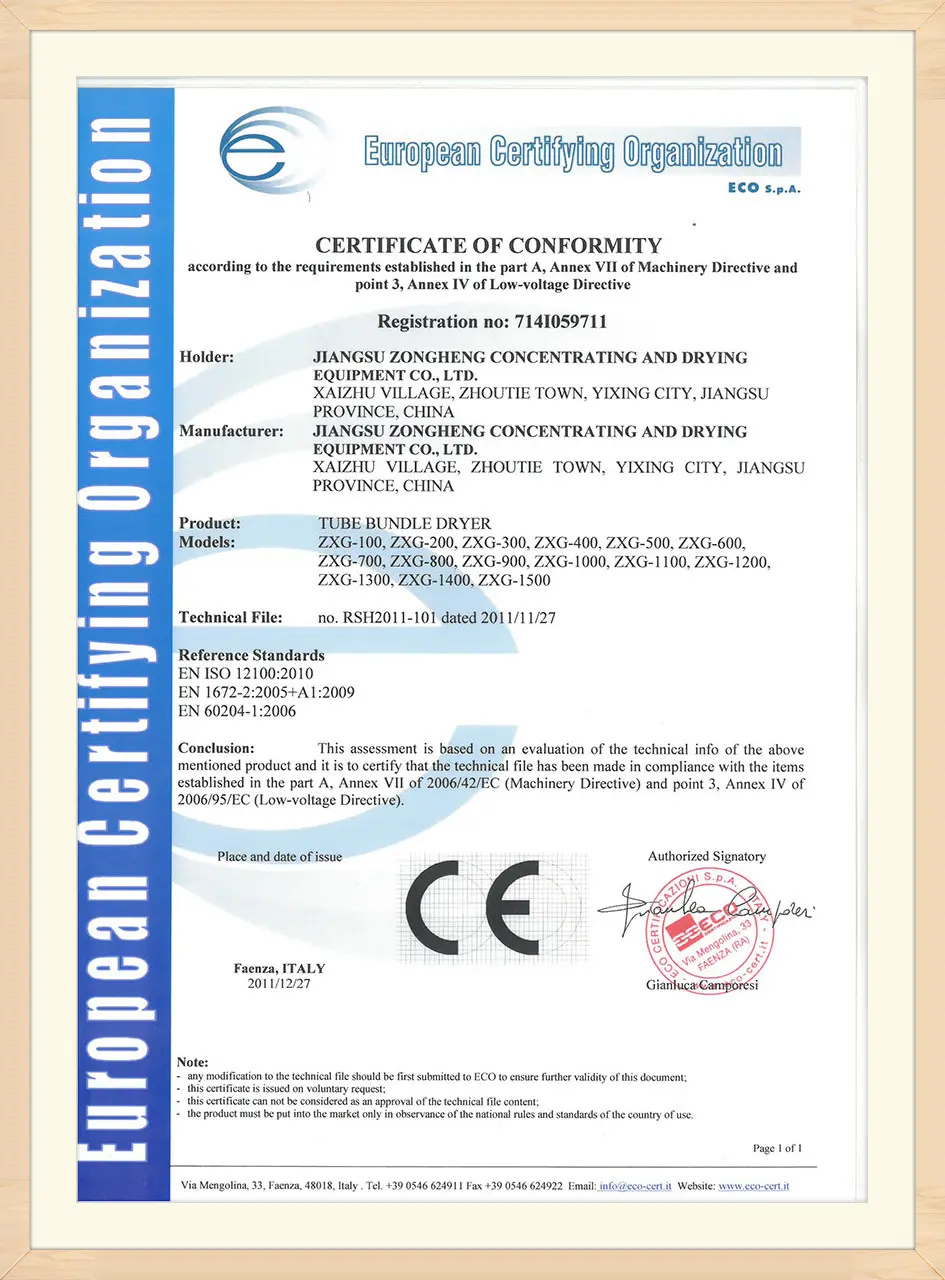
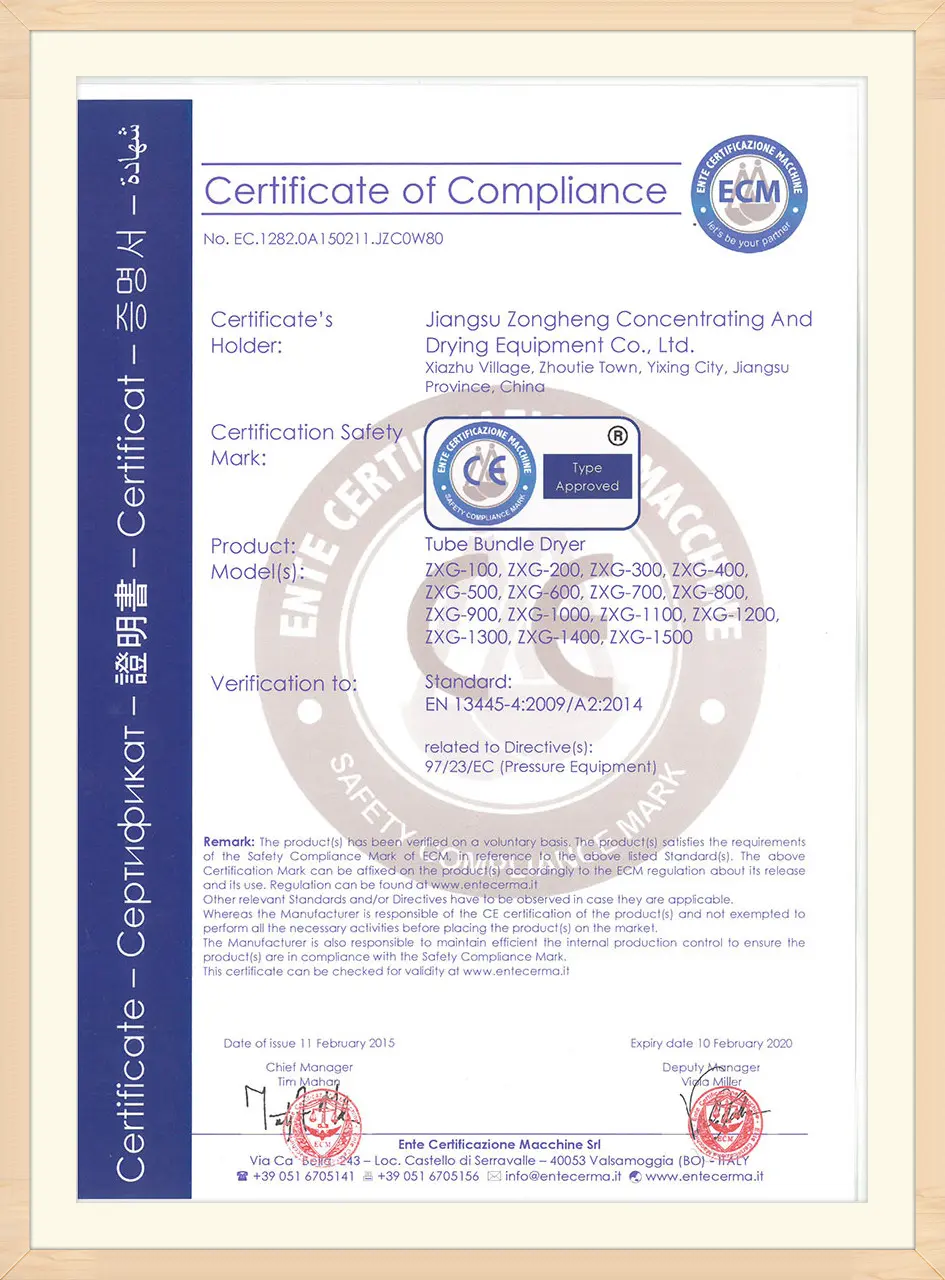
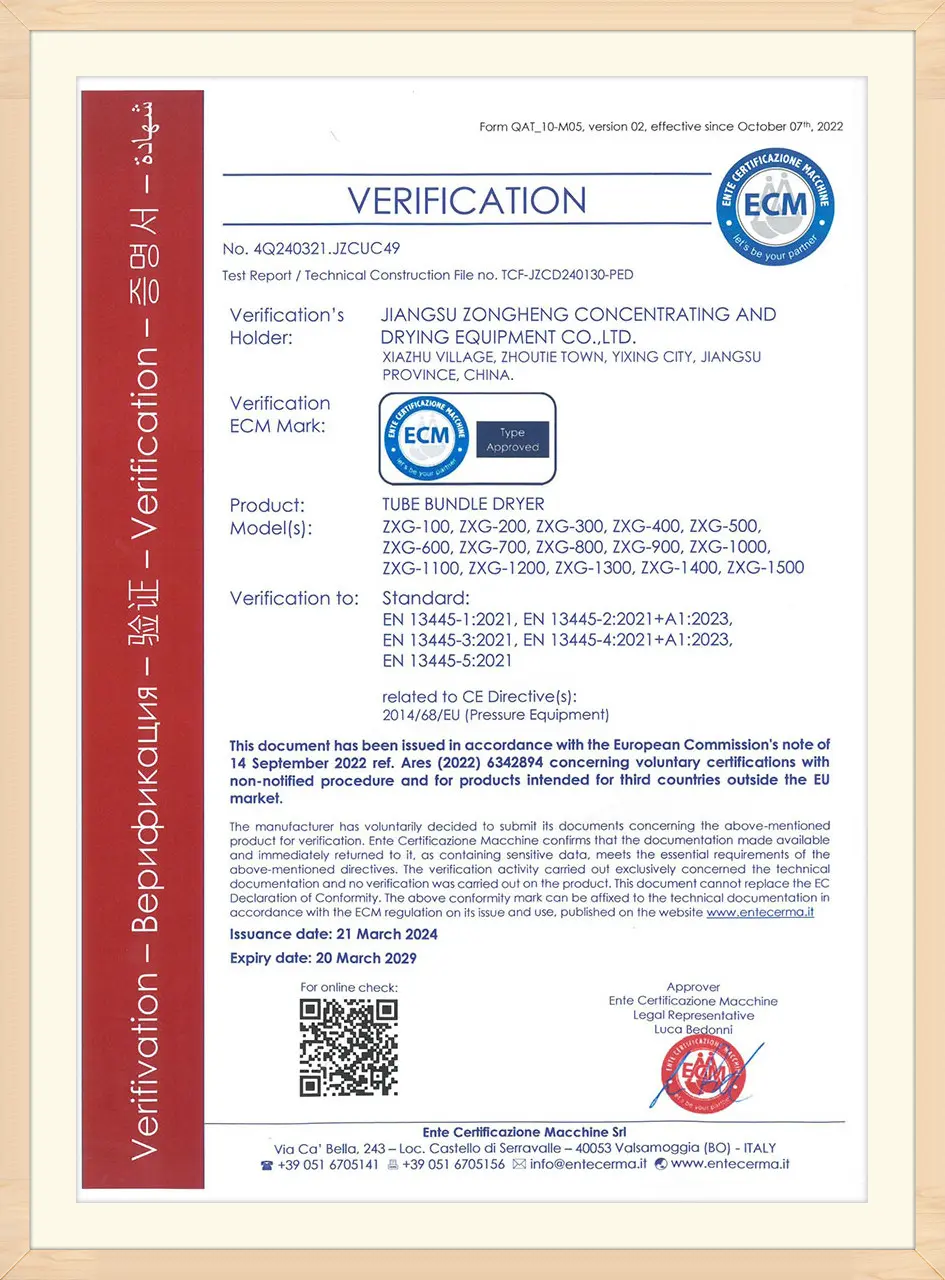
Confirm the required compliance codes (ASME, PED, CE, or GB standards) to ensure structural safety and smooth local regulatory approval.

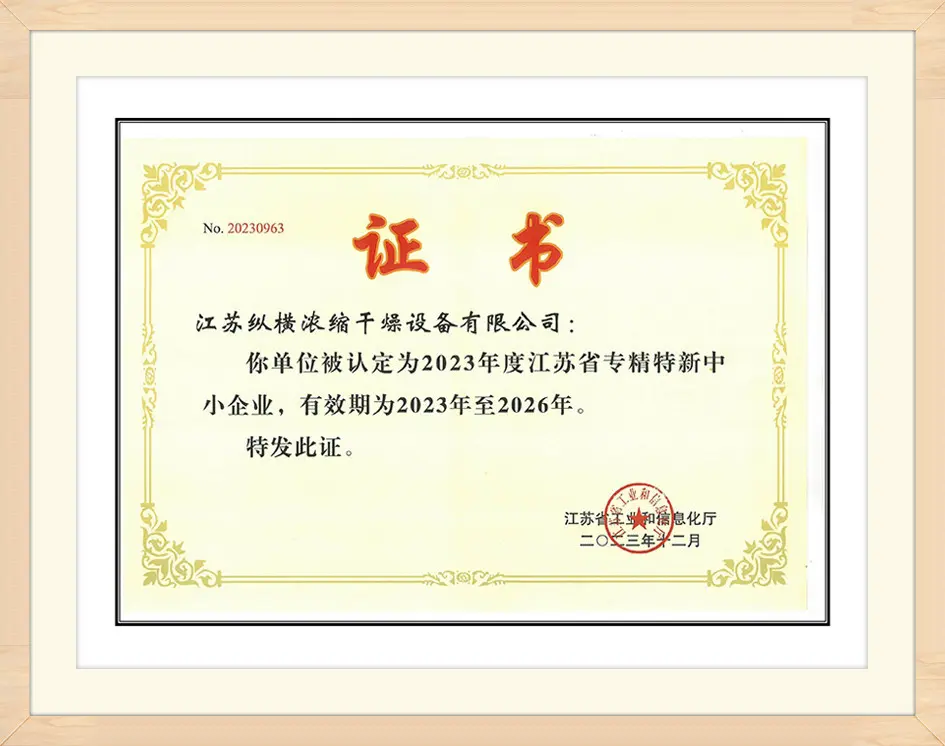
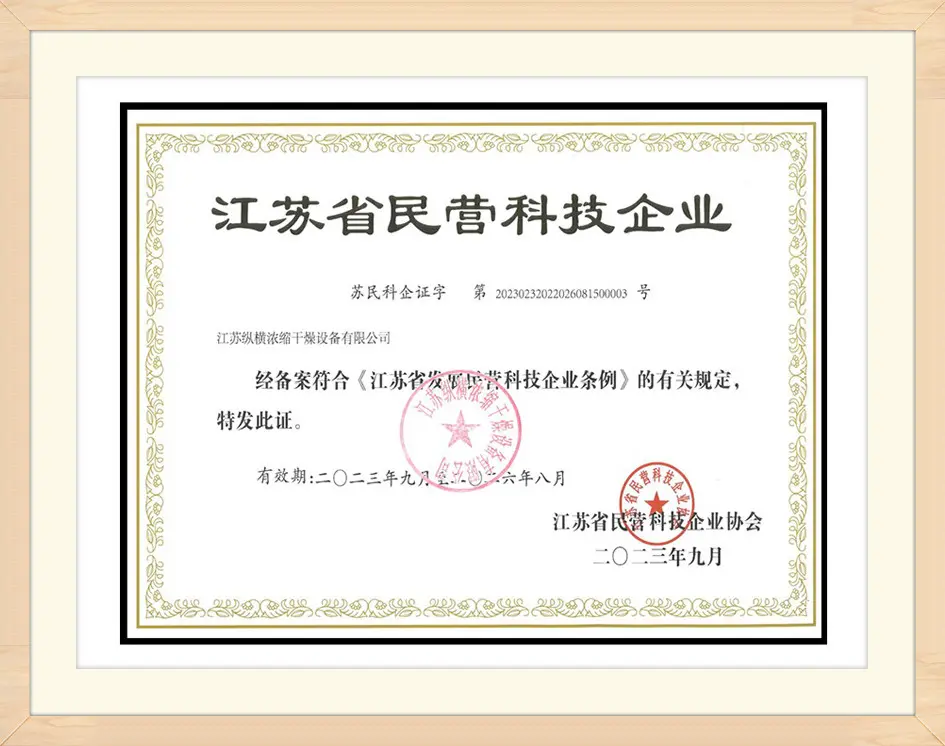
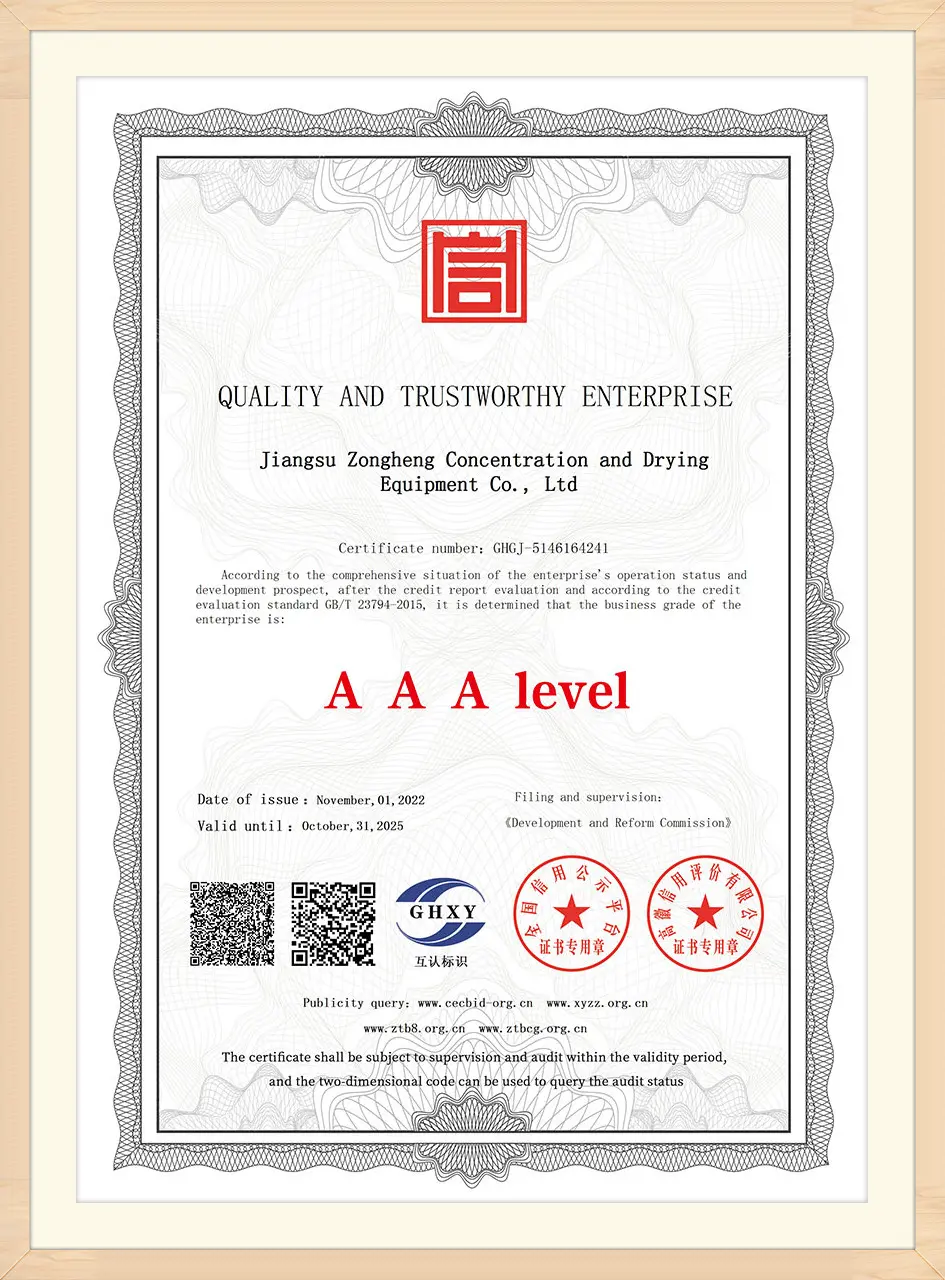
Purchasing heavy machinery requires reliable vendor support after delivery. Jiangsu Zongheng provides complete engineering services from initial calculation validation to on-site assembly and commissioning. Our field service engineers travel to global sites to oversee installation, calibrate instruments, and optimize thermal performance.
We provide comprehensive operations manuals and documentation for local safety inspections. In addition, we maintain an inventory of key wear parts—such as gaskets, mechanical seals, and heat exchanger tubes—ensuring fast replacement shipment to minimize facility downtime.
We invite engineering, operations, and procurement teams to connect with our technical specialists. We will evaluate your feedstock parameters and thermodynamic targets to design a system optimized for your facility.
Request a Custom QuoteSpeak directly with our technical team. We provide thermodynamic estimates and initial equipment dimensions to assist with project planning.
View DetailsA single-effect evaporator uses a single heat exchanger loop and consumes steam directly to evaporate the solvent in one pass. A multi-effect evaporator connects several effects in series, using the vapor generated in one effect to heat the next. While multi-effect systems offer better steam efficiency, single-effect systems are more cost-effective for smaller processing volumes, highly viscous materials, and scaling-prone operations.
We work with a wide range of materials depending on the feedstock. Options include premium stainless steels (SS304, SS316L), duplex alloys (SAF 2205, SAF 2507) for high-chloride applications, titanium (Grades 1 & 2) for oxidizers, and Hastelloy C-276 for highly acidic feeds.
Without thermal heat reclamation, a standard single-effect system has a steam-to-evaporation ratio of approximately 1.1 to 1.2 (meaning 1.1 to 1.2 tons of steam are required to evaporate 1 ton of water). Integrating a Thermal Vapor Recompressor (TVR) or using waste heat can optimize this ratio down to 0.6 to 0.7.
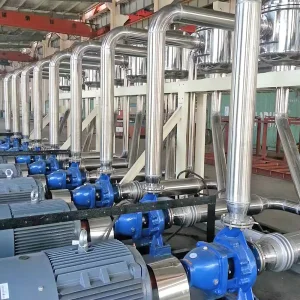
For crystallization applications, we employ a forced circulation design. By using high-flow pumps to maintain high liquid velocities within the tubes, we generate high shear rates that sweep particles off the tube walls. We also suppress boiling inside the tubes by maintaining hydrostatic head, forcing boiling to occur only within the separator vessel.
 Zongheng