Engineered for high thermal efficiency, durability, and strict environmental compliance.
Industrial wastewater management has evolved from simple compliance to a critical driver of operational efficiency and resource circularity. In today's regulatory landscape, achieving Zero Liquid Discharge (ZLD) is no longer a luxury but an operational necessity. China wastewater evaporator manufacturers have spearheaded this transition by combining world-class thermal design engineering with cost-efficient fabrication processes.
At Jiangsu Zongheng, we build systems designed to handle the most challenging effluents—from high-salinity organic streams to heat-sensitive pharmaceutical liquids. By deploying advanced technologies like Mechanical Vapor Recompression (MVR) and multi-effect falling film evaporation, we drastically lower the thermal energy barrier, enabling heavy industries to reclaim pure water while isolating dry, manageable salts.
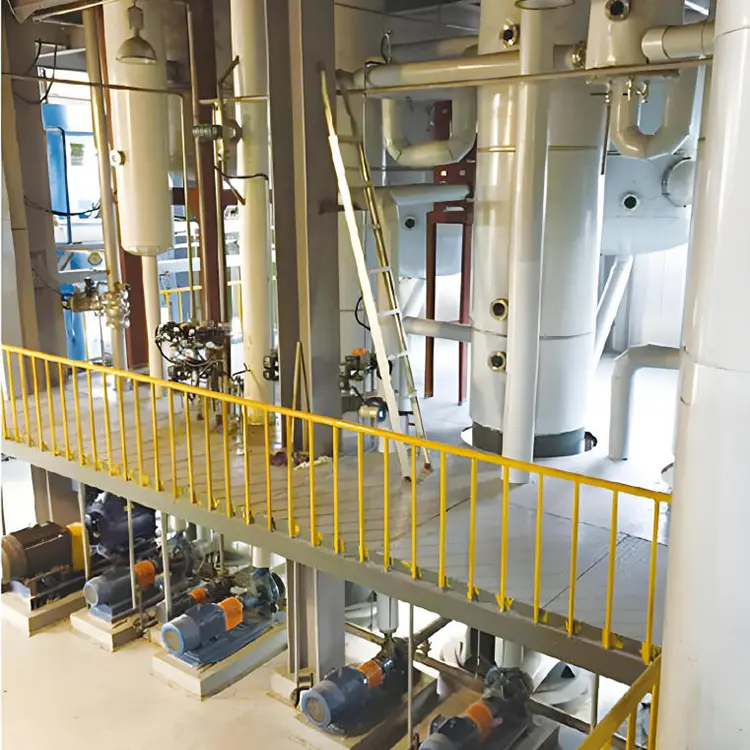
Unlike traditional multi-effect thermal systems that consume vast amounts of fresh live steam, Mechanical Vapor Recompression (MVR) utilizes a centrifugal fan or high-pressure compressor to mechanically raise the pressure—and consequently the temperature—of the secondary vapor generated within the system. By recycling this latent heat of vaporization back into the heating side of the exchanger, MVR systems can operate with an electricity consumption as low as 15 to 25 kWh per ton of water evaporated, translating to a reduction of up to 90% in operating costs compared to single-effect steam evaporation.
Addressing the pain points of engineering firms, procurement officers, and plant operators globally.
Treating industrial wastewater involves handling highly concentrated chlorides, sulfates, and acidic/alkaline streams. Procurement decisions are governed by materials science. Systems must be engineered from Duplex stainless steels (2205/2507), Titanium (Gr. 2), or high-nickel alloys (Hastelloy C276) to prevent pitting and stress corrosion cracking.
While MVR systems carry a higher upfront capital expenditure due to precision steam compressors, their minimal operational costs deliver payback periods often under 18 months. For plants with abundant low-grade waste steam, multi-effect vacuum thermal systems present a balanced CAPEX solution.
Organic solids and scaling salts (like calcium sulfate and silica) degrade thermal performance rapidly. Global buyers demand integrated Clean-in-Place (CIP) loops, turbulence-inducing forced circulation designs, and automatic chemical feed lines that mitigate scale build-up without requiring physical shutdown.
Every vessel operating under vacuum or pressure must comply with regional regulatory standards. Manufacturers must offer certified compliance certifications such as ASME "U" Stamp (USA), CE Marking (EU), and ISO 9001 quality management pathways to operate legally and safely in global jurisdictions.
A comprehensive analysis of evaporation setups based on feedstock attributes and treatment targets.
| Technology Type | Optimal Feedstock Characteristics | Energy Source | Key Operational Advantages |
|---|---|---|---|
| Falling Film Evaporators | Low-viscosity, low-scaling, heat-sensitive solutions. | Steam or MVR Compressor | Short residence time, high heat transfer coefficient, minimal footprint. |
| Forced Circulation Evaporators | High salinity, high viscosity, crystallizing/scaling liquids. | Thermal steam or hybrid MVR | High velocity prevents tube deposition, ideal for crystallization steps. |
| Waste Heat Recovery Evaporators | Low-concentration process streams, proximity to hot flue gases/dryer vapors. | Flue gas, steam condensate, dryer exhaust | Virtually zero incremental operating cost; maximizes factory thermal efficiency. |
| MVR Steam Recompression | Continuous chemical/food processing, high-volume wastewater streams. | Electricity (minimal start-up steam) | Eliminates high cooling water demands and relies on eco-friendly power. |
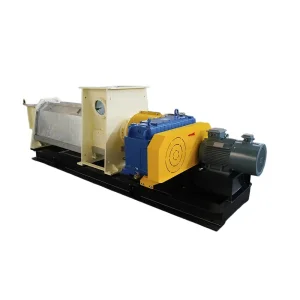
A typical ZLD system is not built on a single piece of equipment. It is a multi-stage thermal and separation flowheet. It begins with pre-concentration (often membrane-based or via high-efficiency Falling Film Evaporators), continues through high-concentration stages where the boiling point increases, and finishes inside a Forced Circulation Crystallizer. The resulting slurry is then pushed through a Single Screw Press or centrifuge to isolate solid dry cakes ready for landfill disposal or byproduct recovery.
Jiangsu Zongheng Concentrating and Drying Equipment Co., Ltd (formerly Yixing Yangxi Light Industry Machinery Factory), founded in 1992, is situated in Zhoutie Town, Yixing City, along the shores of Taihu Lake. As a modern high-tech enterprise, Zongheng specializes in concentration, drying, starch processing, alcohol DDGS systems, and Category III medium & low-pressure vessel engineering.
Our enterprise is a member of the China Starch and Alcohol Association, with systems deployed worldwide across pharmaceutical, environmental protection, chemical, fermentation, and food processing plants. Our engineering division features 3 senior engineers and over 20 specialized design and installation technicians, ensuring custom-tailored projects from inception to commission.
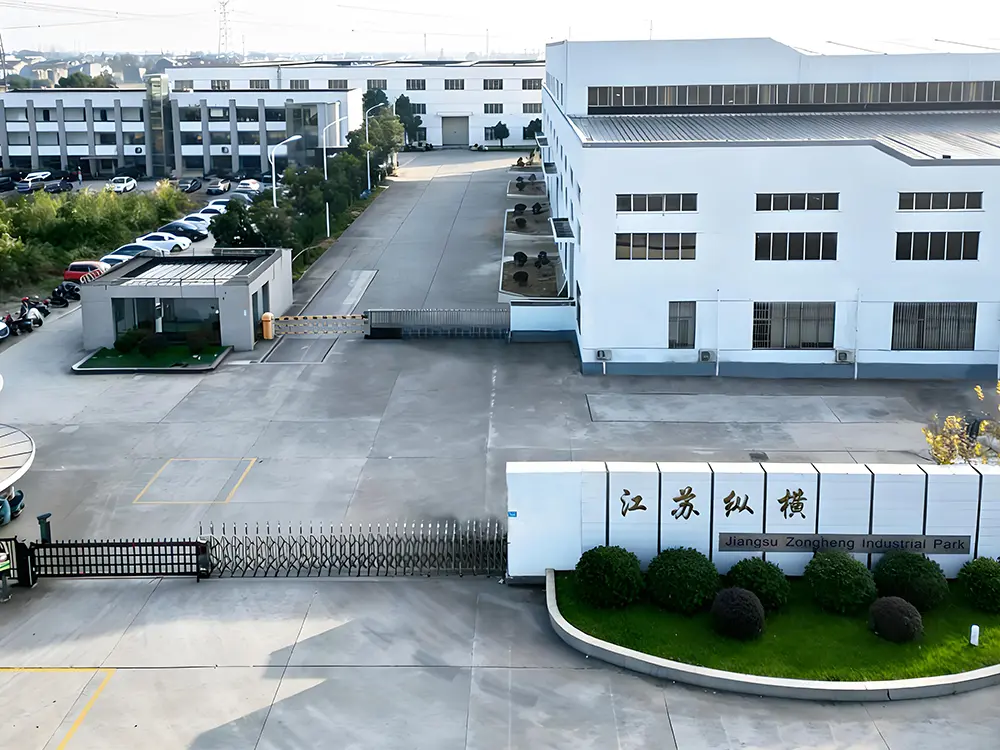
Our facilities encompass over 54,000 square meters, with workshop areas exceeding 22,000 square meters. The staff includes 120 dedicated specialists, including 3 senior engineers and 20+ engineering personnel.
Obtained international quality system certification (Certificate No.: 45021), establishing a complete quality assurance workflow aligned with worldwide industrial norms.
Acquired the prestigious ASME "U" Stamp authorization, validating our thermal calculation models and high-pressure vessel welding processes for global markets.
Granted the Special Equipment Manufacturing License of the People's Republic of China (License No.: TS2232C42), authorizing the production of Category III pressure vessels.
Officially recognized as a Jiangsu Provincial High-Tech Enterprise for our technical breakthroughs in falling film liquid distribution and energy-saving vacuum drying systems.
Established as Yixing Yangxi Light Industrial Machinery Factory, launching with a crew of 45 workers specialized in starch and alcohol concentration machinery.
How next-generation innovations are redefining the boundaries of thermal separation efficiency.
Modern plants are integrating sensor arrays that measure temperature elevations, flow variations, and vapor pressure in real-time. Our research focuses on utilizing machine learning algorithms to predict scale formation and automatically adjust circulation velocities to preserve the heat transfer coefficient (U-value) during high-concentration phases.
To meet net-zero carbon mandates, future wastewater evaporators will increasingly run on hybrid systems powered by solar thermal arrays and high-pressure electric steam compressors. This reduces standard industrial carbon footprints to near-zero levels, making ZLD a highly sustainable reality.
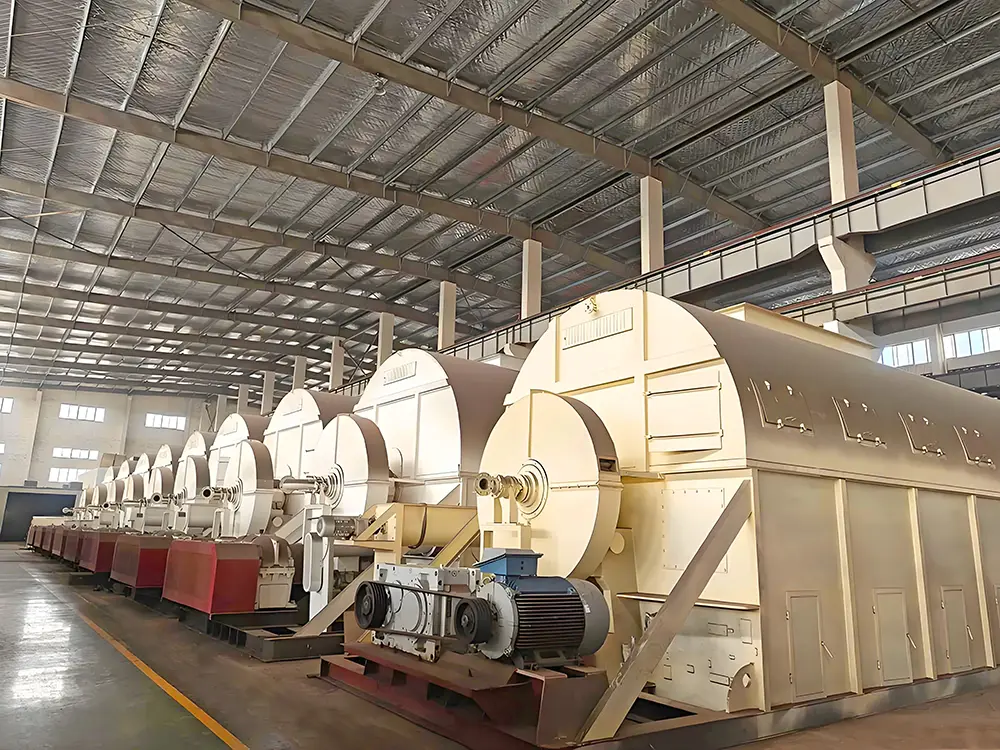
Shipping large-scale evaporation skids globally requires absolute compliance with local regulations. Jiangsu Zongheng ensures that every system exported is accompanied by complete structural engineering calculations, pressure test certifications, electrical wiring schemes matching local grid frequencies (e.g., 480V 60Hz for NA, 400V 50Hz for EU), and structural compliance certifications.
Through local agent partnerships and remote digital twin commissioning, we guarantee that start-up operations run smoothly, and local environmental authorities receive verified compliance reports for zero liquid discharge installations.
Addressing core technical questions from plant engineers and industrial buyers.
The primary difference lies in the energy source. Multi-Effect Evaporators reuse the vapor generated from the previous effect by condensing it in the next effect at a lower boiling pressure, requiring continuous live steam supply. An MVR Evaporator uses a mechanical compressor to compress the generated vapor, raising its temperature and returning it to the heating side of the same effect. MVR systems run on electricity, saving up to 90% in thermal energy costs compared to simple direct steam models.
We deploy high-speed Forced Circulation configurations where fluid velocities inside the heat exchanger tubes exceed 2 meters per second. This generates high shear stress that prevents salt deposition. Additionally, we integrate automatic Clean-in-Place (CIP) systems that use target chemical formulations to wash the tubes without dismantle requirements, maintaining the overall heat transfer coefficient over prolonged operating cycles.
For chloride levels exceeding 10,000 ppm under typical boiling temperatures, standard 304 or 316L stainless steel faces serious threat of stress corrosion cracking. We recommend Duplex Stainless Steel 2205 (for moderate concentrations) and Titanium Grade 2 (for extremely acidic, high-salinity brines) to guarantee a design lifespan exceeding 15 years.
Yes. Our Falling Film Evaporators work under vacuum conditions. The vacuum reduces the boiling point of the liquid, protecting heat-sensitive products (like proteins, starches, and active pharmaceuticals) from thermal degradation while ensuring stable water evaporation.
Complete the process cycle with our solid separation, drying, and refinement equipment.
Our engineering department provides free process evaluation, material selection consulting, and thermal dynamic sizing for your wastewater concentration project.
 Zongheng