Engineered for high-throughput efficiency, extreme durability, and minimal utility consumption.
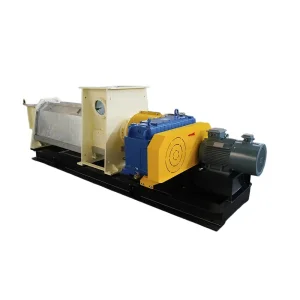
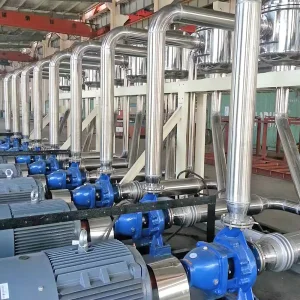
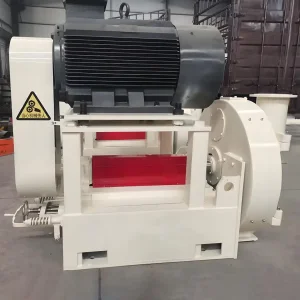
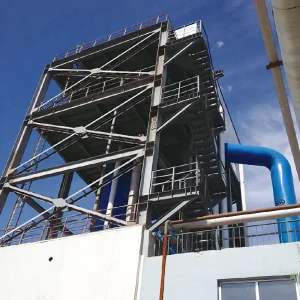
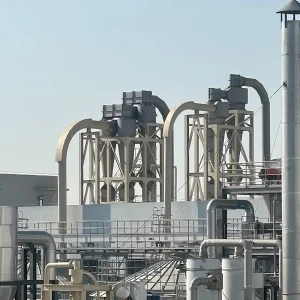
In modern industrial process engineering, the separation of liquids from solid matrices is a fundamental step that directly determines energy efficiency, product quality, and operational cost structures. While thermal drying systems like airflow and bundle dryers are highly effective at removing bound moisture, they are inherently energy-intensive. A highly optimized process begins with mechanical dewatering using specialized single screw presses to express bulk surface moisture, dramatically reducing the thermal load downstream. This dual-stage design (mechanical-to-thermal separation) forms the cornerstone of zero-liquid-discharge (ZLD) protocols, starch refining plants, and bio-ethanol DDGS recovery schemes globally.
A high-performance fiber dewatering machine relies on continuous volumetric compression to force interstitial water out of organic or inorganic fibrous matrices. Structurally, this is executed within the screen basket, where a helically flights screw shaft operates under varying pitch and depth parameters. The technical roadmap of modern dewatering systems revolves around three main vectors: screw geometry customization, screen slot engineering, and wear-resistant metallurgy.
Adjusting the pitch of the screw ensures that the physical volume diminishes systematically as the material approaches the discharge gate. This creates a highly uniform, dense filter cake.
Replacing traditional perforated sheets with specialized wedge-wire designs minimizes blind spots and simplifies backwashing. Precision laser-cut clearances range from 0.1mm to 1.5mm.
High abrasive forces in agricultural starch refining and municipal sludge treatment cause accelerated wear. Hardfacing screw flight tips with Tungsten Carbide increases lifespan by up to 300%.
Looking to the future, next-generation fiber dewatering presses will integrate IoT sensors linked to variable-frequency drives (VFDs). By monitoring torque load and back-pressure continuously, the system automatically adjusts rotation speed and discharge pressure, avoiding plugging events while ensuring a steady output moisture level regardless of feed variance.
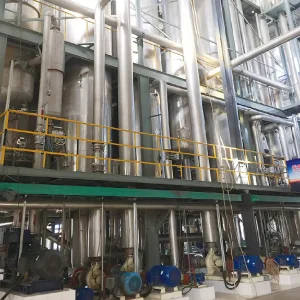
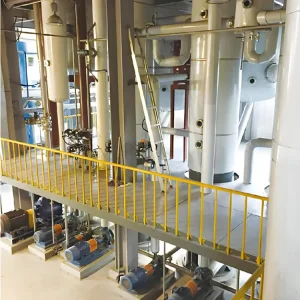
Dewatering never exists in isolation. Standard plant flows require a holistic view of water and thermal energy balance. As shown in the configuration of modern wet milling or bio-refinery plants, the extracted liquid contains dissolved solids and organic compounds that must be concentrated. Our evaporation plants (comprising Falling Film, Forced Circulation, and MVR layouts) act as the sister loop to dewatering.
Combining mechanical compression and thermal drying to construct ultra-efficient processing lines.
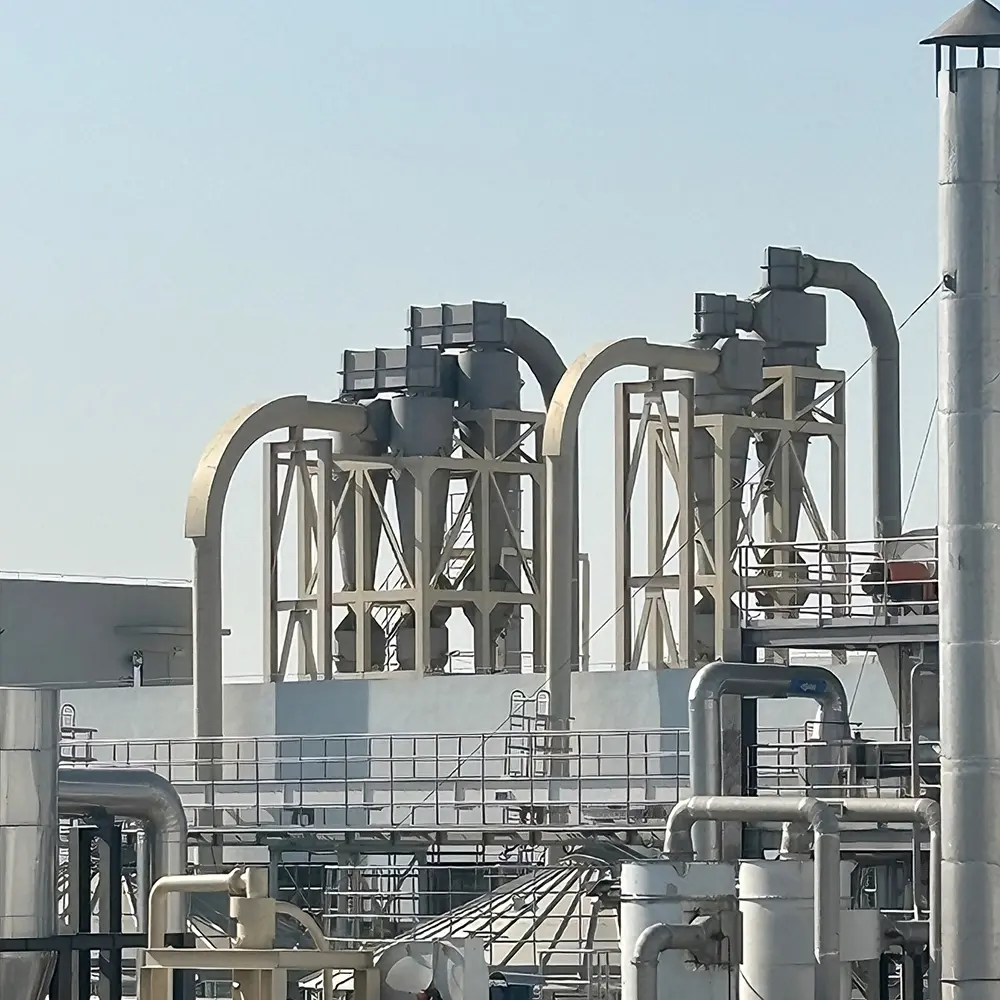
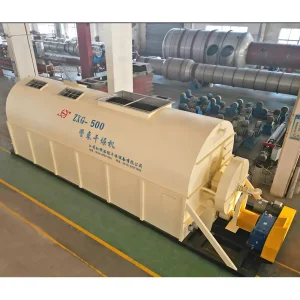
Jiangsu Zongheng's MQG Airflow Dryer employs high-speed hot air to suspend and fluidize the material. By utilizing impulse airflow generated from precisely varied tube diameters, it continuously tumbles the particles while conveying them. This design ensures rapid, uniform, and efficient drying throughout the entire transportation process within the system.
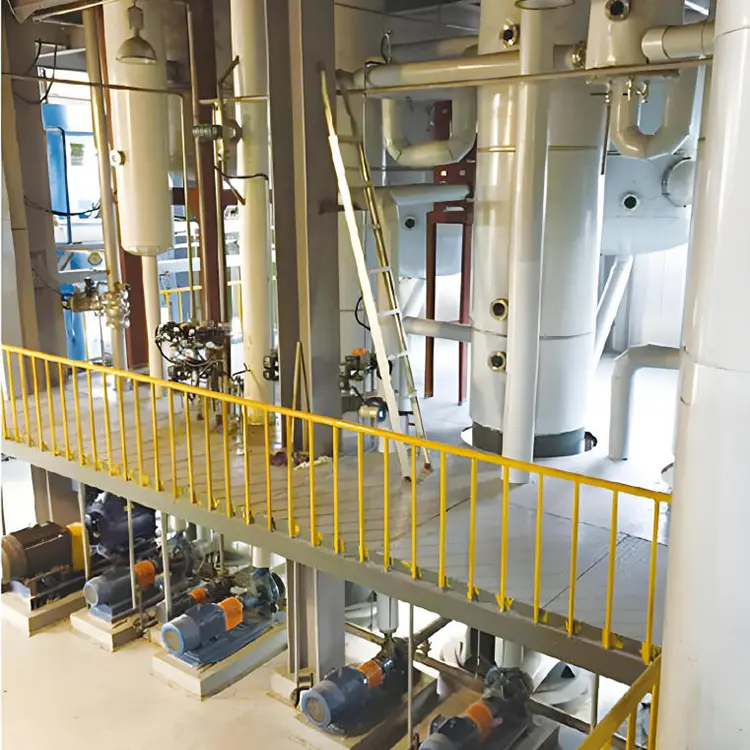
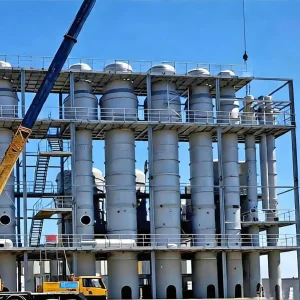
A falling film evaporator efficiently concentrates heat-sensitive liquids. The feed liquid forms a thin film flowing down heated vertical tubes, where it partially evaporates. Vapor generated flows parallel to the liquid, enhancing the process. It ensures a short residence time and low operating temperature, preserving product quality. The system requires proper liquid distribution and complete surface wetting to prevent fouling and maintain high thermal efficiency and operational stability.
Located in the heart of the Yangtze River Delta at Zhoutie Town, Yixing City, Jiangsu Zongheng operates out of a state-of-the-art facility spanning 54,000 square meters. Leveraging localized heavy manufacturing clusters, we ensure robust raw material sourcing (such as certified Duplex 2205, SS316L, and carbon steels) and complete oversight of the manufacturing cycle. From initial plate cutting using dynamic CNC fiber lasers to high-precision robotic welding, non-destructive testing (NDT), and hydraulic validation, all processes occur within our 22,000 square meter production workshop.
This localized supply chain model yields considerable advantages for global buyers: shorter production lead times, immediate sourcing of high-grade metallurgical alloys, and direct integration of auxiliary systems (such as ABB motors, Siemens PLCs, and SEW gearboxes) at highly competitive baseline pricing.
Since our inception in 1992 as the Yixing Yangxi Light Industry Machinery Factory, our operations have scaled into a modern technology enterprise. Below is the historical timeline detailing our commitment to quality standards and international code compliance:
Established as Yixing Yangxi Light Industrial Machinery Factory, covering approximately 15 mu of land with 45 dedicated staff members focused on early industrial light machinery.
Adopted international quality standards by obtaining ISO9001 certification, standardizing internal production routines and design workflows.
Formally designated as a High-Tech Enterprise by the Jiangsu Provincial Department of Science and Technology, driving higher investments in custom engineering.
Secured the Special Equipment Manufacturing License of the People's Republic of China (License No.: TS2232C42) for regulated pressure vessels.
Successfully passed the audit for the American Society of Mechanical Engineers (ASME) U Stamp certification, qualifying the factory to supply code-stamped vessels globally.
Obtained international quality system certification (Certificate No.: 45021), establishing a complete quality assurance network optimized for large-scale export orders.
Our footprint features a 54,000+ sqm manufacturing campus, employing over 120 specialists including 3 senior engineers and 20+ specialized application engineers, delivering highly integrated dewatering and concentration loops worldwide.
Sourcing an industrial-grade fiber dewatering machine or single screw press requires matching physical material traits with precise mechanical capabilities. The chart below lists the fundamental baseline configurations for our dewatering units:
| Model Series | Screw Diameter (mm) | Processing Capacity (t/h) | Drive Power (kW) | Discharge Cake Moisture (%) | Primary Applications |
|---|---|---|---|---|---|
| ZSP-300 | 300 | 1.5 – 3.0 | 5.5 – 11 | 40% – 55% | Starch Fiber, Potato Pulp, Spent Grain |
| ZSP-450 | 450 | 4.0 – 8.0 | 15 – 22 | 38% – 52% | Cassava Residue, Corn Fiber, DDGS Vinasse |
| ZSP-600 | 600 | 10.0 – 18.0 | 30 – 45 | 42% – 55% | Paper Pulp, Beet Pulp, High-Throughput Biomass |
| ZSP-800 | 800 | 20.0 – 35.0 | 55 – 75 | 45% – 58% | Municipal Sludge, Citrus Waste, Large Agro-Refineries |
For international projects, conforming to regional regulations is non-negotiable. At Jiangsu Zongheng, we integrate international codes directly into our product development cycle:
Partner with a certified manufacturer of continuous processing systems. Get an engineered proposal tailored to your specific fluid and solid profiles.
Provide us with your material flow parameters, feed moisture, and targeted dry-solids rate, and our engineers will calculate your sizing.
Request a QuoteReview our ASME U Stamp registry, ISO certifications, and schedule a physical or remote audit of our facility in Jiangsu.
View Factory DetailsDetailed technical answers to common questions about fiber dewatering equipment and concentration plants.
A: Performance is primarily governed by the volumetric compression ratio, screw rotational speed, wedge-wire screen sizing, and the adjustable back-pressure regulator at the discharge outlet. Selecting the right combination allows for optimal moisture extraction while avoiding screen plugging.
A: We use high-precision wedge-wire screens with a continuous slot layout. The V-shape profile of the slot creates a single point of contact for particles, preventing blockages. Integrated self-cleaning spray bars and continuous screw scrapers keep the screen clear.
A: Thermal drying is energy-intensive. Concentrating liquid streams from 5% to 50% solids with an MVR or falling film evaporator is much more efficient than using direct heat. Pre-concentration saves significant amounts of steam and electricity.
A: Yes. We hold the ASME "U" Stamp authorization for ASME Code-compliant pressure vessels and have CE certifications to meet European Pressure Equipment Directives (PED).
A: With standard non-abrasive organic fiber (like starch or wood pulp), the screw shaft lasts several years. For high-abrasive slurries, we apply a tungsten carbide hardfacing coat. The screw flight tips can also be re-welded and ground back to original specs during routine maintenance.
Complete your processing lines with our industrial dryers, mills, and washing equipment.
 Zongheng