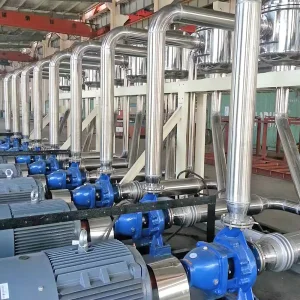
In modern industrial food and beverage processing, concentration is a vital link. The primary mission of a high-quality juice evaporator is to extract excess moisture from raw juices under vacuum, preserving the natural color, nutrients, organoleptic properties, and flavor volatile profiles. This process significantly reduces packaging, storage, and logistical costs, turning fresh, seasonal harvests into shelf-stable concentrates distributed globally.
The global trade of fruit and vegetable juices—ranging from acidic citrus profiles to high-pectin apple and grape musts—requires highly specialized thermal separation techniques. Process engineers must balance two contradictory forces: the thermodynamic necessity to drive off water vapor through heat input, and the chemical imperative to protect delicate vitamins, proteins, and volatile flavor compounds from heat-induced degradation. Conventional evaporation methods often struggle with scaling, localized overheating, and extreme energy costs. As carbon taxes and energy prices rise worldwide, the focus has shifted toward energy-recovery systems like Mechanical Vapor Recompression (MVR) and Multiple-Effect Falling Film plants.
Traditional single-effect steam evaporators consume approximately 1.0 to 1.2 tons of fresh steam per ton of water evaporated. Modern MVR systems, however, reduce this consumption by compressing waste steam and recycling its latent heat of vaporization. This drops electrical consumption to just 15-25 kWh per ton of water removed, representing over a 90% drop in primary thermal energy costs.
Industrial processors in North America, Europe, and Latin America are facing stricter hygiene regulations (FDA, EHEDG) alongside aggressive net-zero emissions targets. Under these pressures, selecting a juice evaporator supplier is no longer just a capital expense (CAPEX) decision. It is an operational cost (OPEX) strategy. Processing lines must run continuously during peak harvest seasons, sometimes 24/7 for several months straight, without unplanned shutdowns. A single day of fouling-related downtime during the apple or citrus harvest can cost a facility hundreds of thousands of dollars in spoiled raw materials.
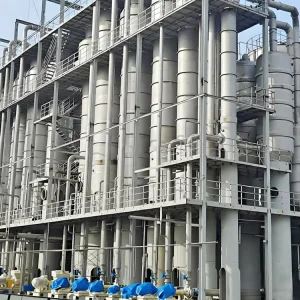
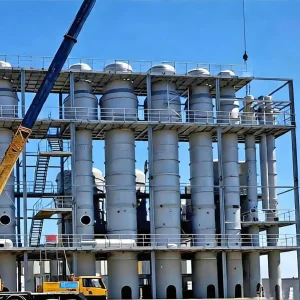
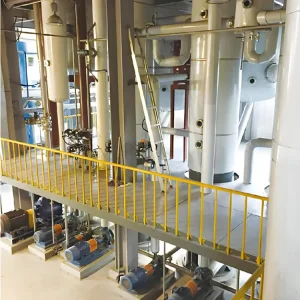
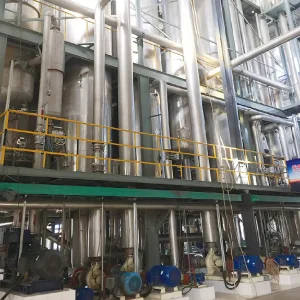
Optimized for low-viscosity, heat-sensitive juices. Liquid is fed into the top of vertical tubes, forming a uniform, falling thin film under gravity. The rapid descent ensures a short residence time, preventing thermal degradation and caramelization of sugars. Requires precise liquid distribution to prevent dry tubes and scale build-up.
Engineered for high-viscosity products, crystallization processes, or fluids with high scaling potential. An energetic recirculating pump forces the liquid through heat exchanger tubes at high velocity. Boiling is prevented inside the tubes by maintaining static head pressure, preventing scaling and fouling on heat transfer surfaces.
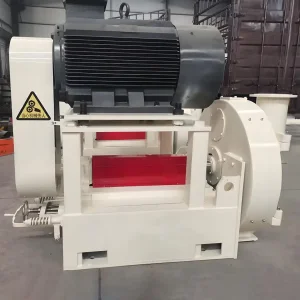
The pinnacle of thermodynamic design. Waste vapor from the evaporator is compressed using a centrifugal fan or turbo-compressor, raising its pressure, temperature, and enthalpy. This compressed vapor is then returned to the heating side of the system to heat the product, eliminating the need for fresh boiler steam during steady-state operation.
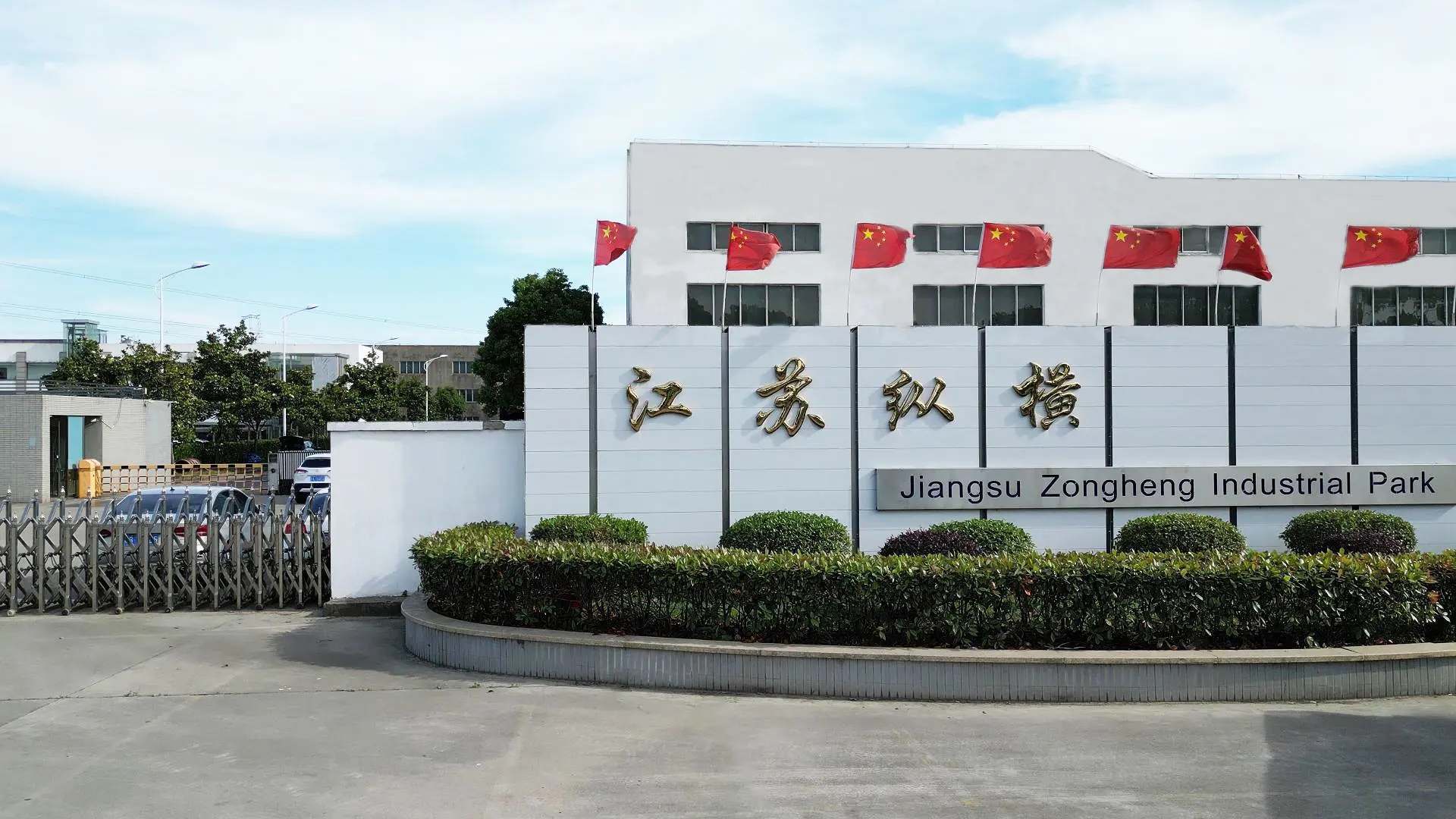
Purchasing capital equipment from China has evolved from a simple low-cost alternative to a choice for state-of-the-art engineering. At Jiangsu Zongheng Concentrating and Drying Equipment Co., Ltd. (formerly Yixing Yangxi Light Industry Machinery Factory), based in Zhoutie Town, Yixing City, on the shores of Taihu Lake, we combine advanced manufacturing processes with significant cost advantages.
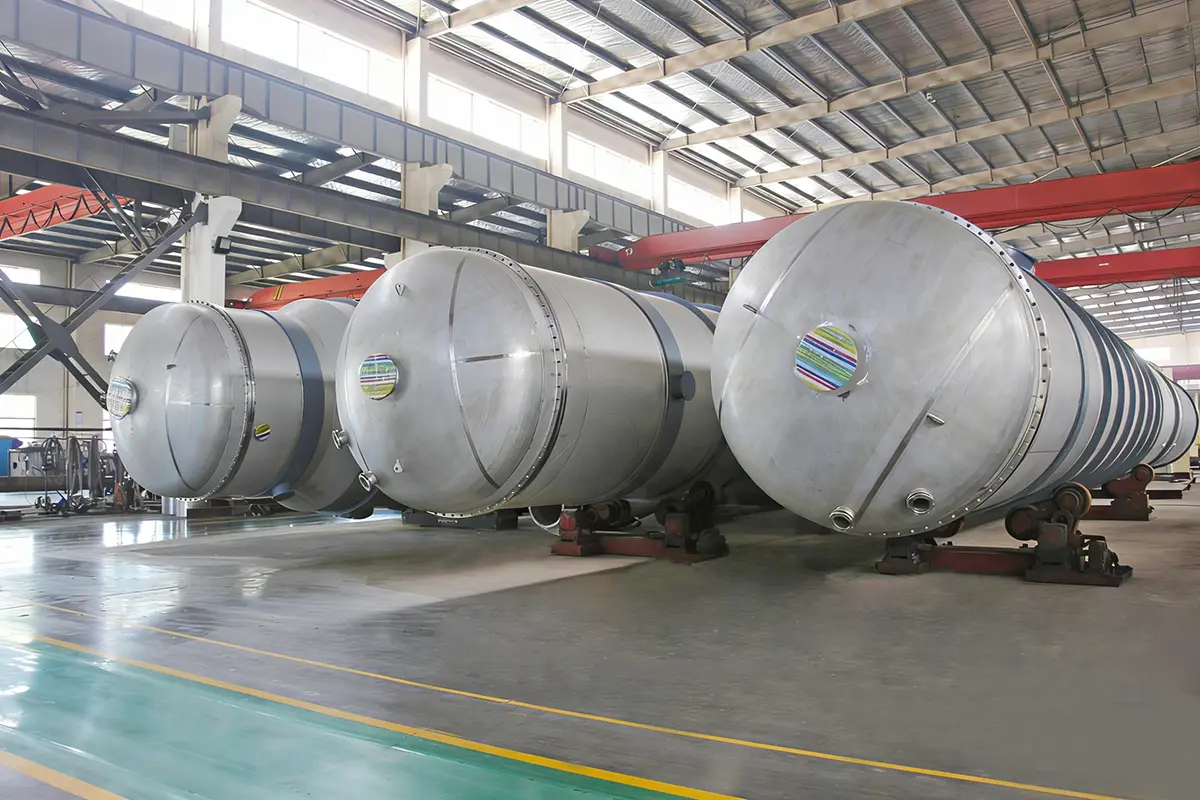
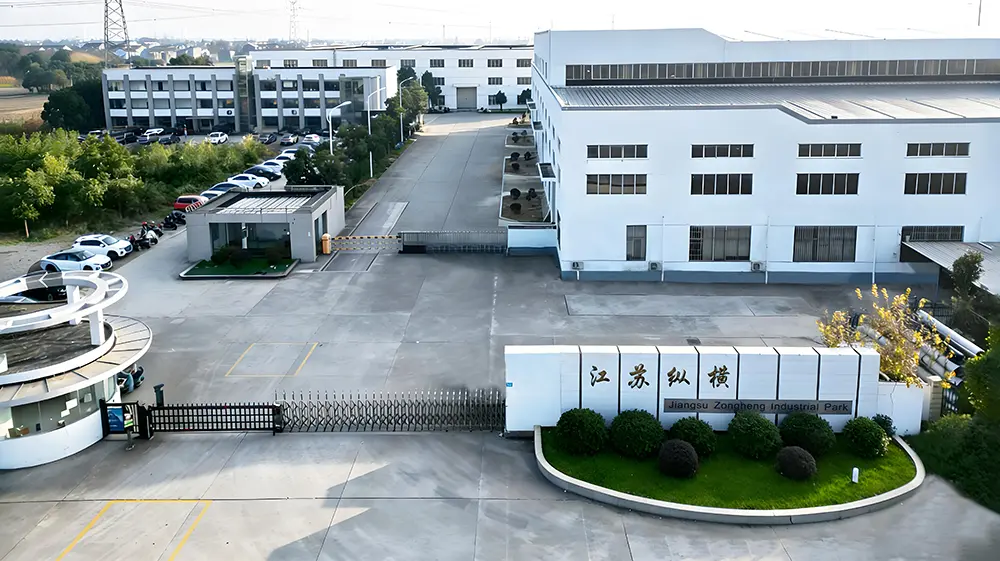
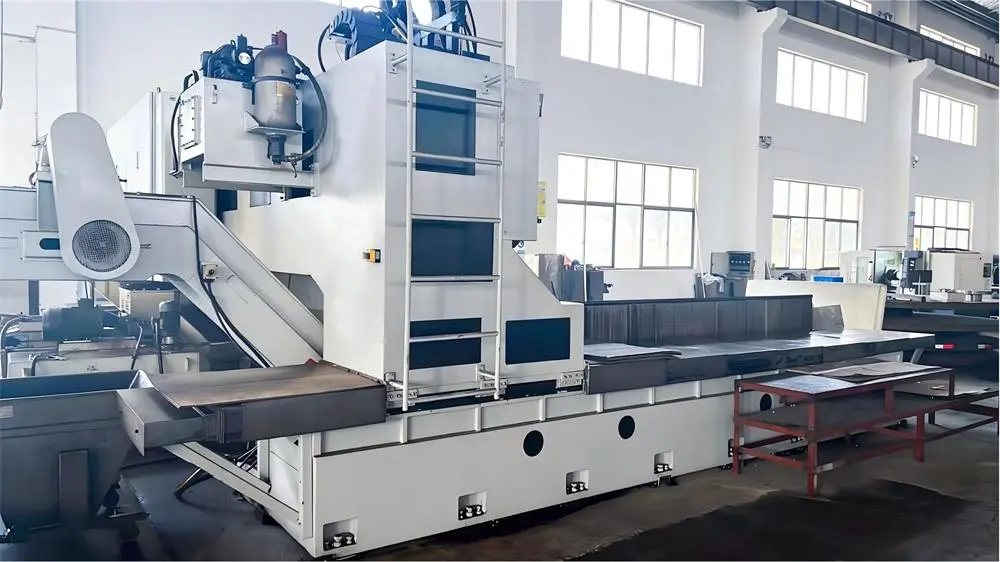
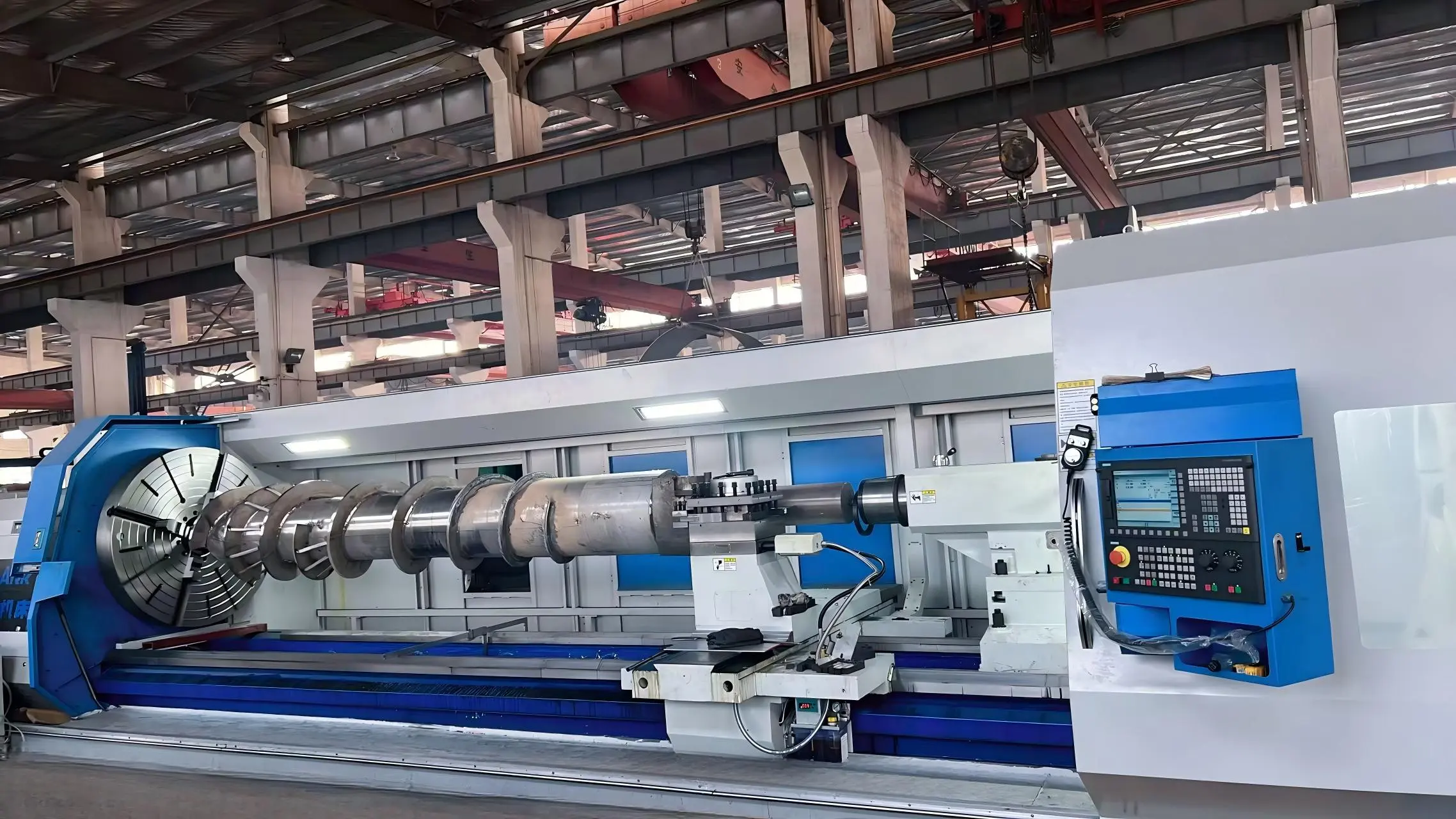
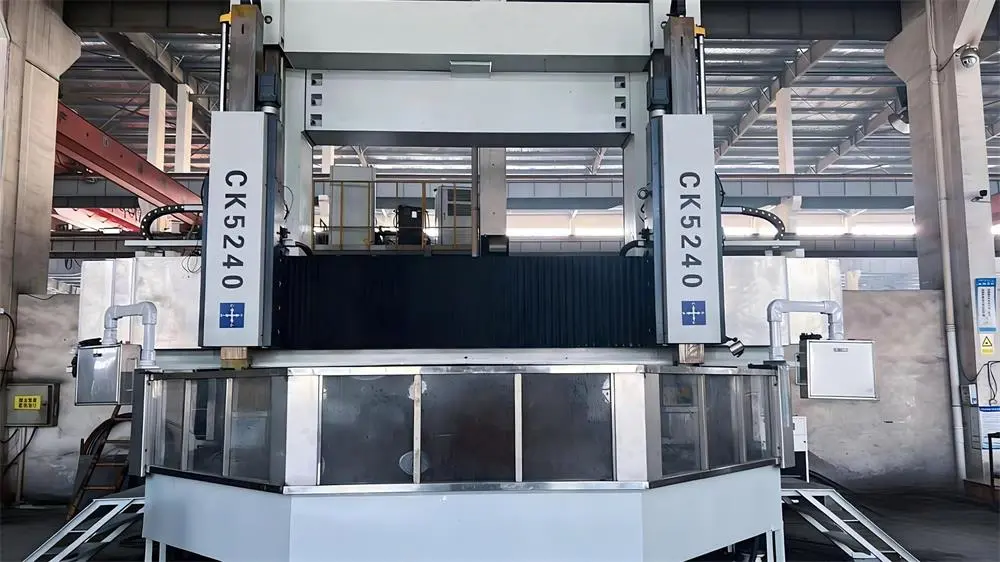
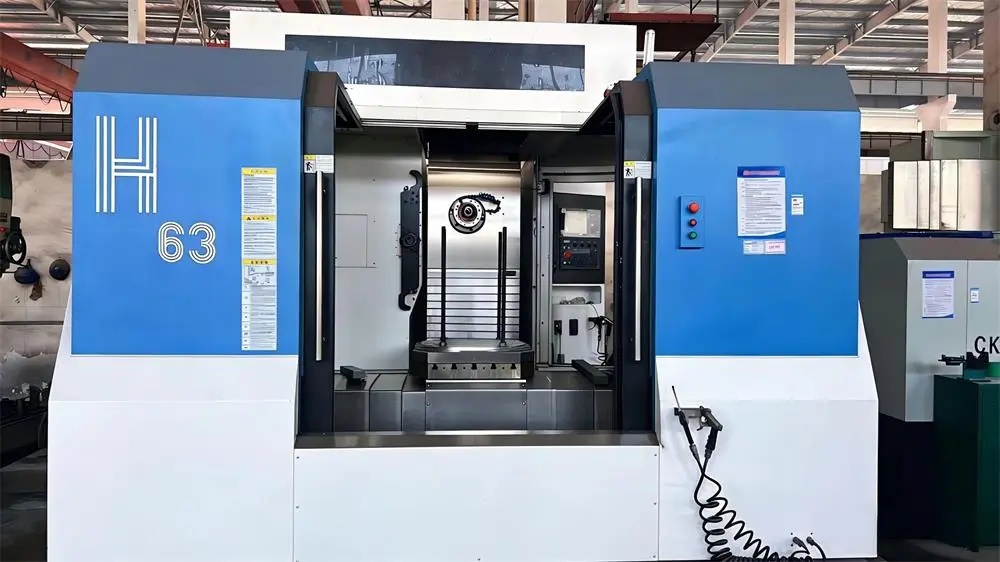
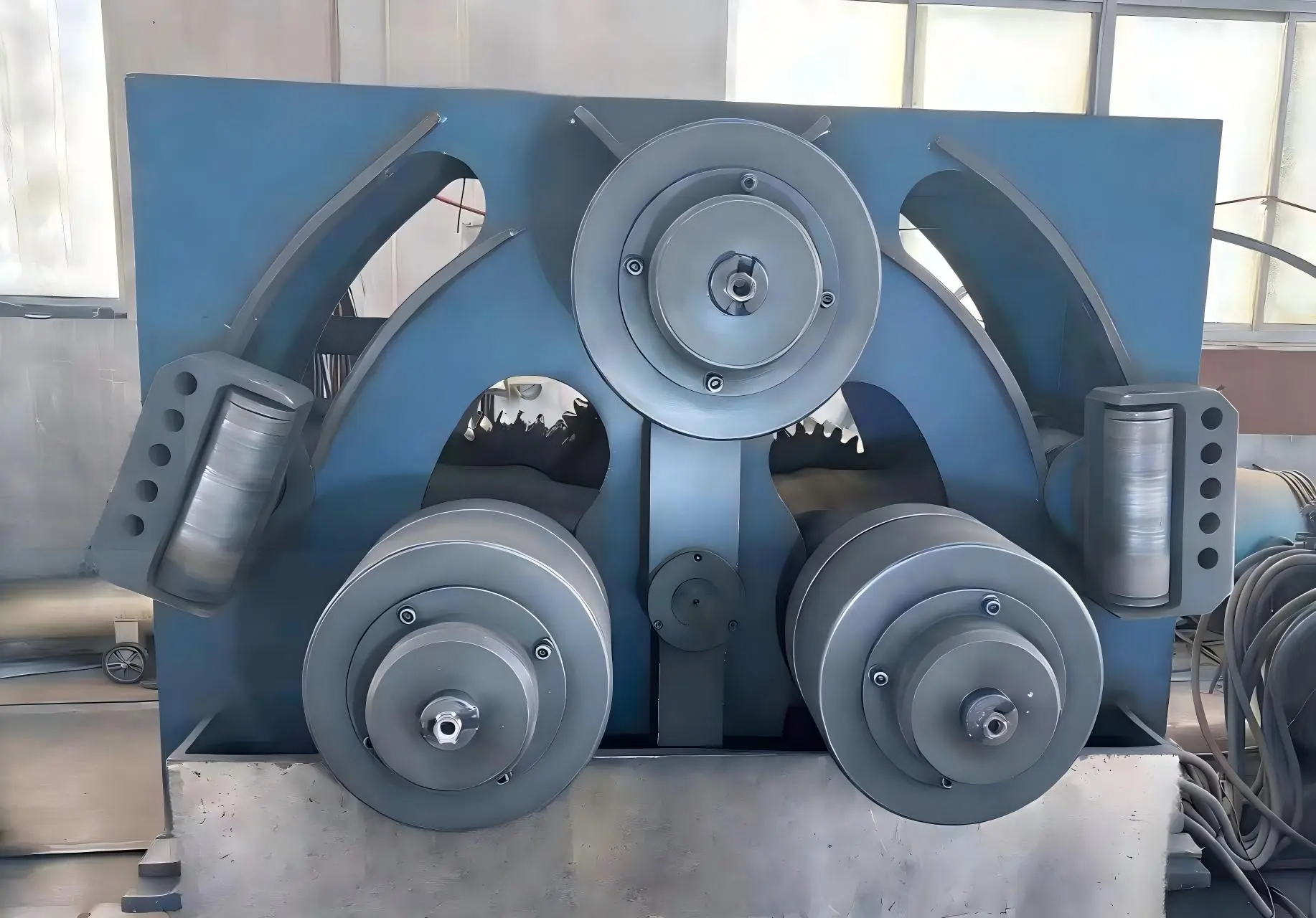
Our facility covers over 54,000 square meters, with a specialized production area of over 22,000 square meters. We leverage advanced manufacturing infrastructure, including automated orbital welding, large-scale CNC rolling machines, plasma cutting beds, and cleanroom assembly zones for sanitary piping. This domestic supply chain optimization in Jiangsu's industrial belt allows us to source raw materials, like premium 304, 316L, Duplex 2205, and titanium alloys, quickly and cost-effectively.
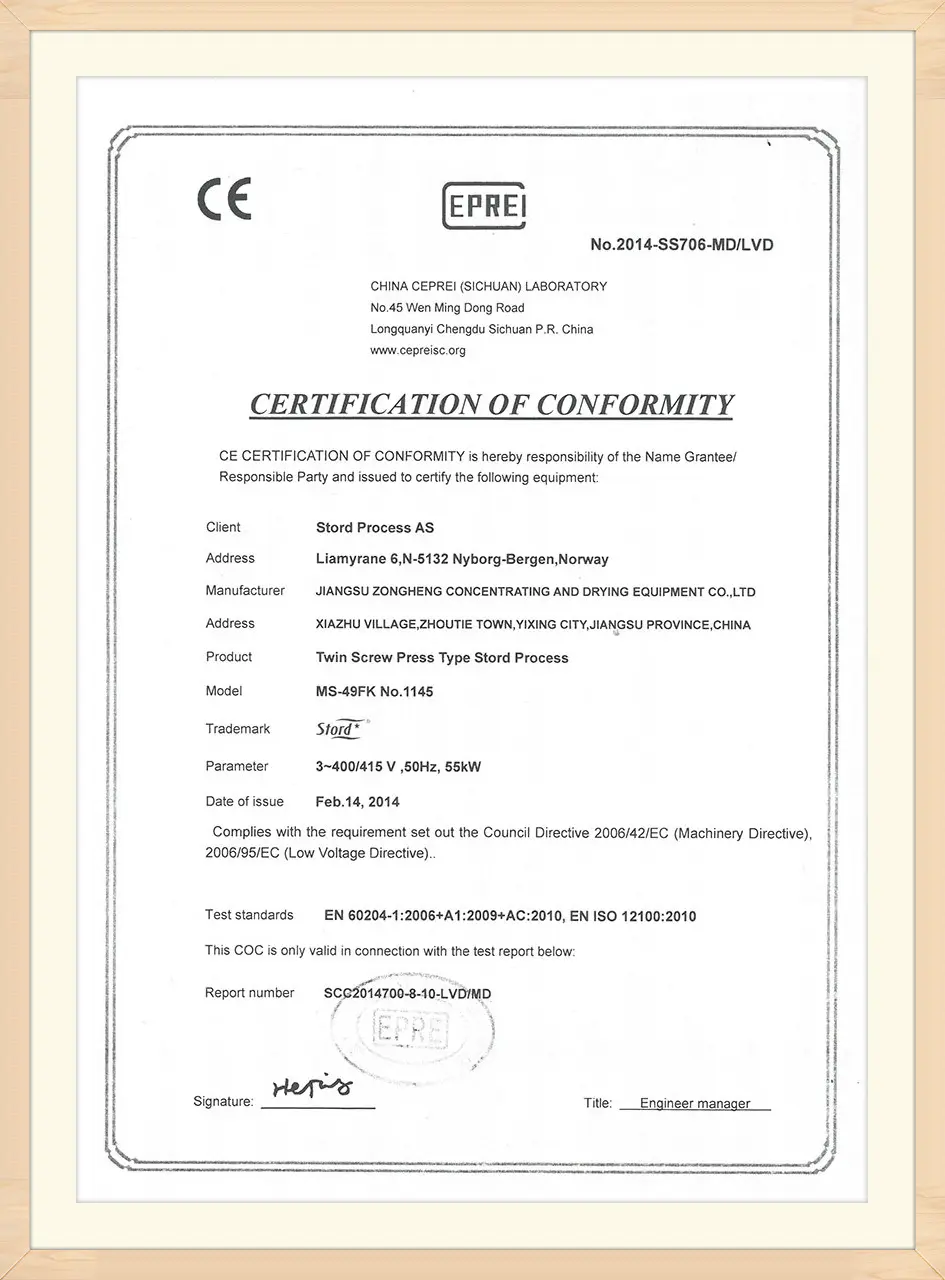
Crucially, our engineering team holds international quality qualifications: the ASME "U" Stamp authorization, CE Certification, and ISO9001 International Quality System Certification. Every pressure vessel, vapor separator, and heat exchanger undergoes Non-Destructive Testing (NDT), hydrostatic pressure testing, and surface roughness verification (Ra < 0.4 μm for sanitary grade) before shipping to international clients.
Our pressure vessel fabrications meet strict American and European standards, ensuring trouble-free local inspections and site installations.
View Forced Circulation PlantWe handle everything under one roof—from thermal calculation and process design to heavy rolling, welding, and control integration.
View Falling Film PlantNo two juices behave the same under vacuum and temperature. High-quality juice concentration requires custom designs for each product's specific characteristics:
Citrus juice contains delicate essential oils, high vitamin C content, and complex pectin structures. Thermal concentration must run at low temperatures (typically 45-60°C) with a very short residence time in the heat exchanger. This prevents browning and off-flavors (cooked taste). We utilize multiple-effect falling film evaporators integrated with essence recovery systems to capture volatile aromatic fractions, which are blended back into the final concentrate.
Apple juices are prone to polyphenol oxidation. They require fast processing and pre-concentration filtration. Our falling film evaporators use highly polished internal surfaces and precise liquid distribution plates. This prevents localized stagnation, keeping the juice moving and preserving its natural golden color.
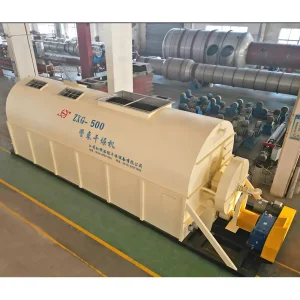
Beyond traditional fruit juices, industrial food processing produces highly viscous streams with high solids content, like corn steep liquor (CSL), starch slurry, and distillery spent wash (DDGS). These operations use our forced circulation evaporators and waste heat evaporators. They concentrate these byproducts into valuable feeds or fertilizers while minimizing steam use by recycling plant waste heat.
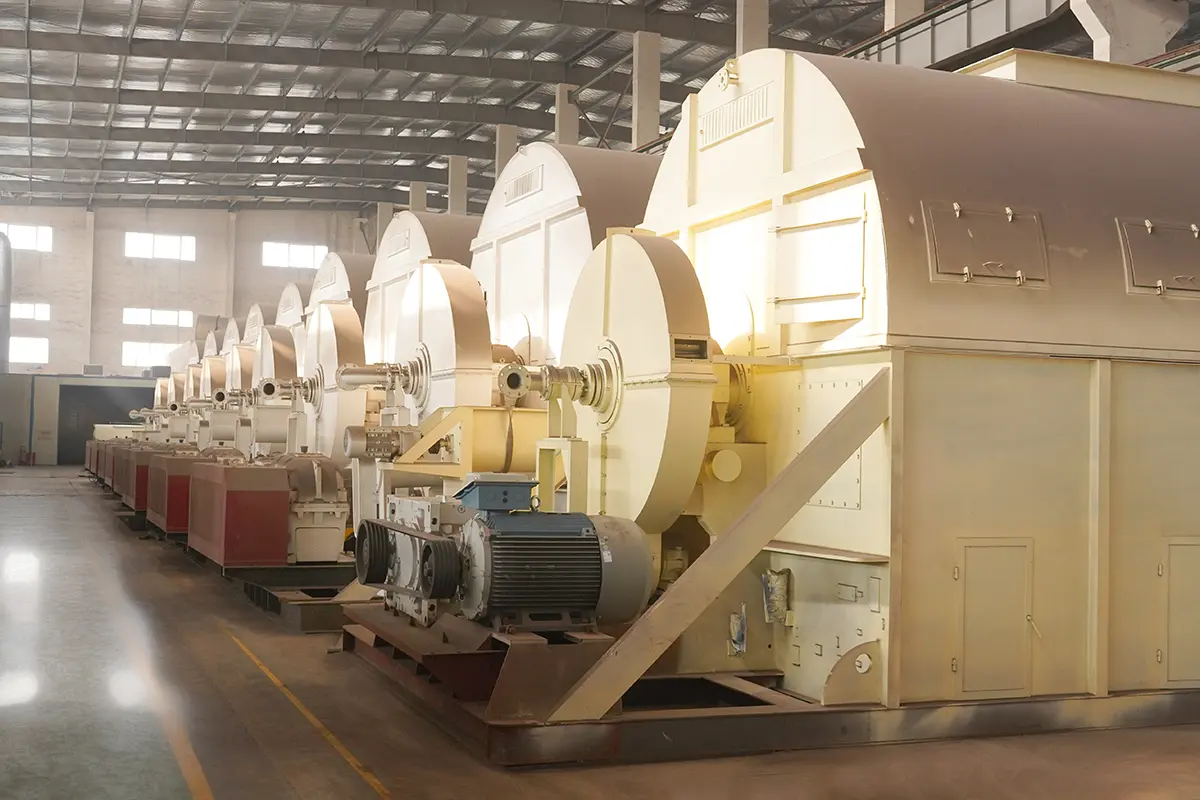
Three main trends are shaping the future of industrial evaporation: Electrification, Zero Liquid Discharge (ZLD), and Smart Automation. As plants move away from coal and gas boilers, electrified MVR systems are becoming the standard. At the same time, water conservation regulations are driving the adoption of ZLD, turning evaporator condensate into clean water that can be reused within the plant. Finally, incorporating PLC/SCADA systems with predictive analytics helps prevent fouling by dynamically adjusting feed rates and vacuum levels in real time.
Today, the company covers a total area of over 54,000 square meters, with production workshop space exceeding 22,000 square meters. It currently employs 3 senior engineers and over 20 engineers and assistant engineers, with a total staff of 120 people.
International quality system certification (Certificate No.: 45021), establishing a complete quality assurance system aligned with international standards.
Acquired the ASME "U" Stamp authorization, marking the company's entry into a new phase of development.
The company obtained the Special Equipment Manufacturing License of the People's Republic of China (License No.: TS2232C42).
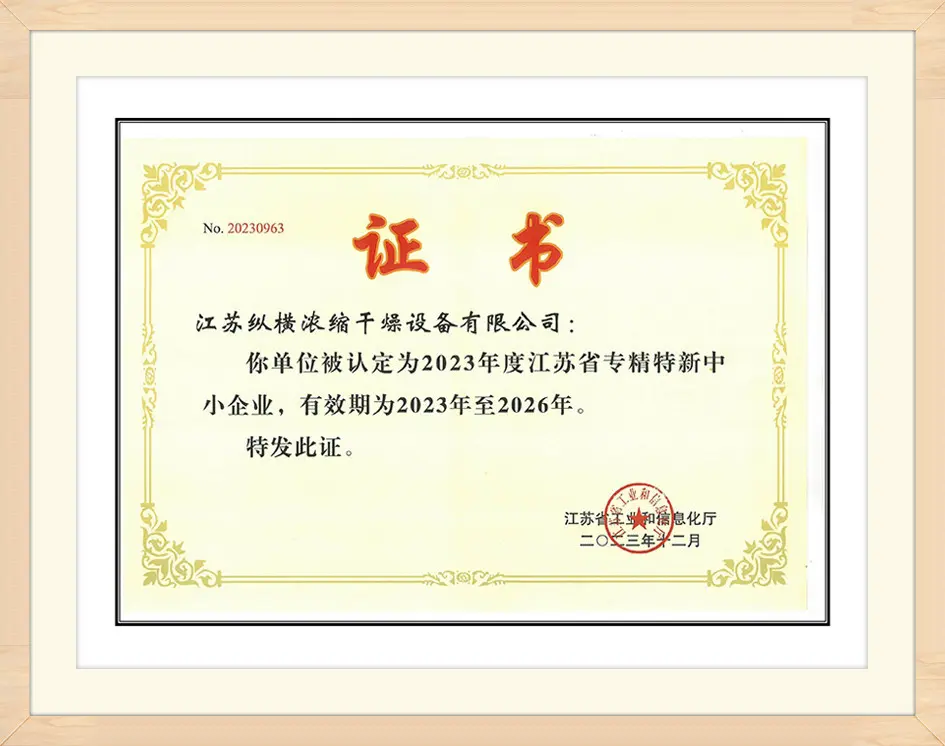
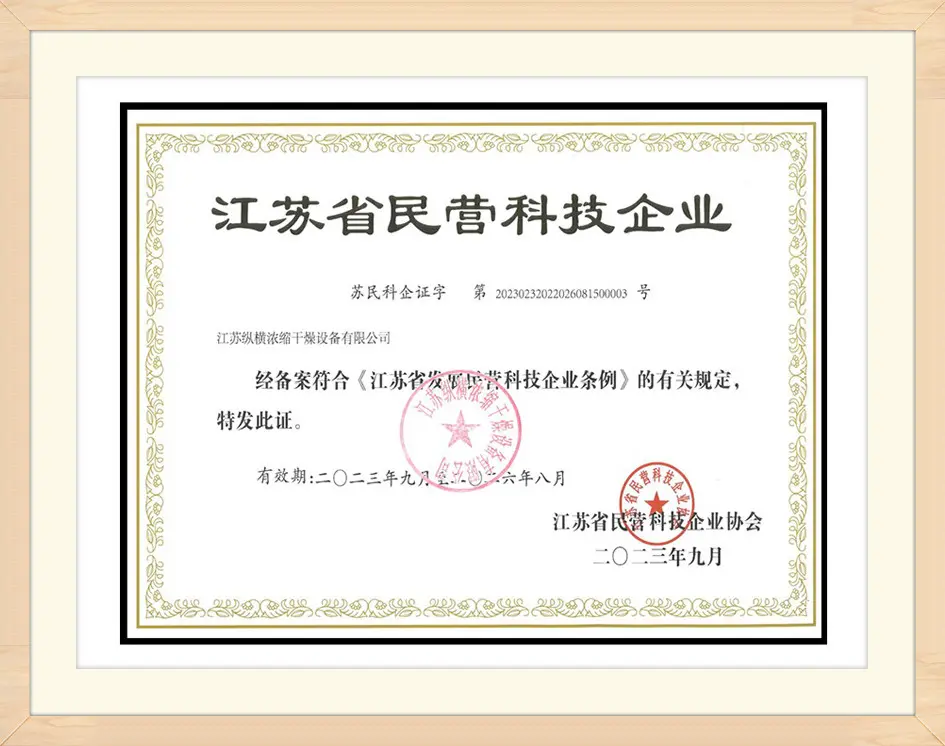
We became a Jiangsu Provincial High-Tech Enterprise.
The company took the lead in obtaining ISO9001 certification.
Jiangsu Zongheng Concentrating and Drying Equipment Co., Ltd, formerly known as Yixing Yangxi Light Industrial Machinery Factory, was established. The company covered a total area of approximately 15 mu and had a total of 45 employees.

Whether you are designing a new processing line or upgrading your existing evaporation system, our engineering team can help. Contact us to discuss your thermal processing needs.
 Zongheng