High-Quality Short Path Evaporator Manufacturer & Factory

Advanced Industrial Thermal Concentration, Distillation, and Drying Solutions Built for Global Operations

Technical White Paper: Short Path Evaporator (SPE) Technology Development and Global Procurement Strategy

Author: Jiangsu Zongheng Engineering Department Standards: ASME U-Stamp, CE, ISO9001 Market: Global Distribution & Service

1. The Evolution of Short Path Evaporation in Modern Separation Technology

Short Path Evaporation (SPE), also commonly known as molecular distillation, has emerged as a cornerstone technology for the processing and purification of heat-sensitive, high-boiling-point, and high-viscosity products. Unlike traditional column distillation or falling film systems, a short path evaporator operates under extremely high vacuum conditions (often down to 0.001 mbar). The distance between the heating surface and the internal condenser is engineered to be shorter than the mean free path of the vapor molecules. This structural advantage ensures that molecules escaping the heating surface condense instantly without experiencing pressure drop or vapor back-pressure.

Over the past three decades, the transition from simple laboratory-scale glass setups to multi-ton continuous industrial operations has been driven by industries like bio-pharmaceuticals, food refining, petrochemicals, and environmental reclamation. Advanced thermal processing requires units that minimize heat exposure duration. With a residence time measured in seconds, the thermal degradation of delicate target substances is completely eliminated, allowing companies to secure high yields of pure concentrates.

2. Key Engineering Principles and Core Configuration

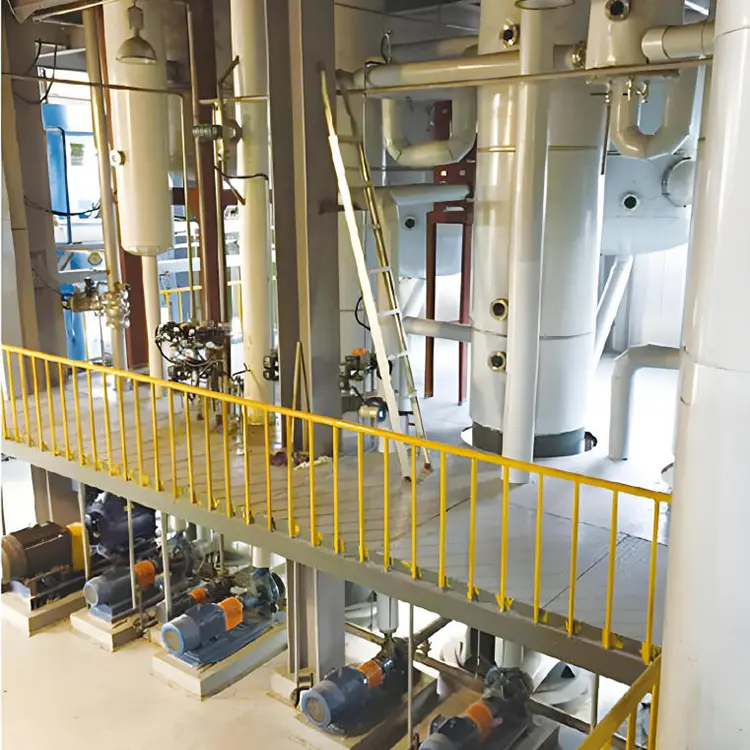
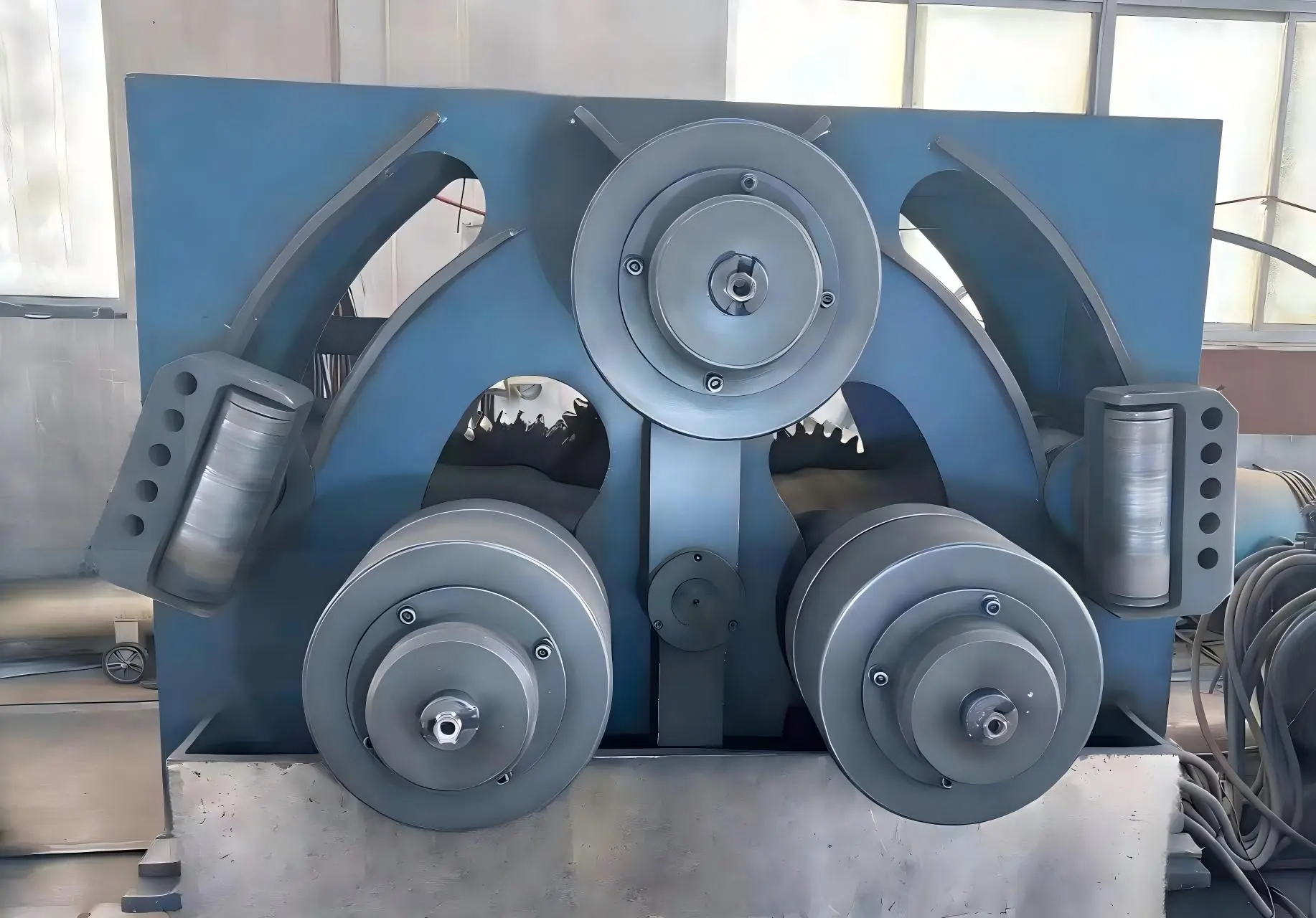
At the center of our short path evaporator is a vertical, jacketed heating cylinder containing a highly engineered rotor equipped with wiper blades. The feed liquid enters the top of the vessel and is immediately distributed into a thin, highly turbulent film along the heated inner wall. This uniform film generation is vital; it guarantees maximum heat transfer efficiency and prevents hot-spot formation.

Directly across from the heating wall, positioned centrally within the vessel, is the internal condenser. This architectural layout minimizes the physical path traveled by the vaporized phase. The wiper systems are optimized for specific media profiles: roller wiper systems are deployed for low-to-medium viscosities, while scraping blade configurations are custom-machined for highly viscous materials or products prone to crystallization. This dynamic operational capability is why major global buyers specify short path systems for complex distillations.
Jiangsu Zongheng Industrial Evaporation Technology

3. Macro-Industry Solutions: Applications of Evaporator & Dryer Systems

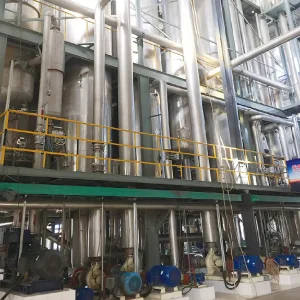
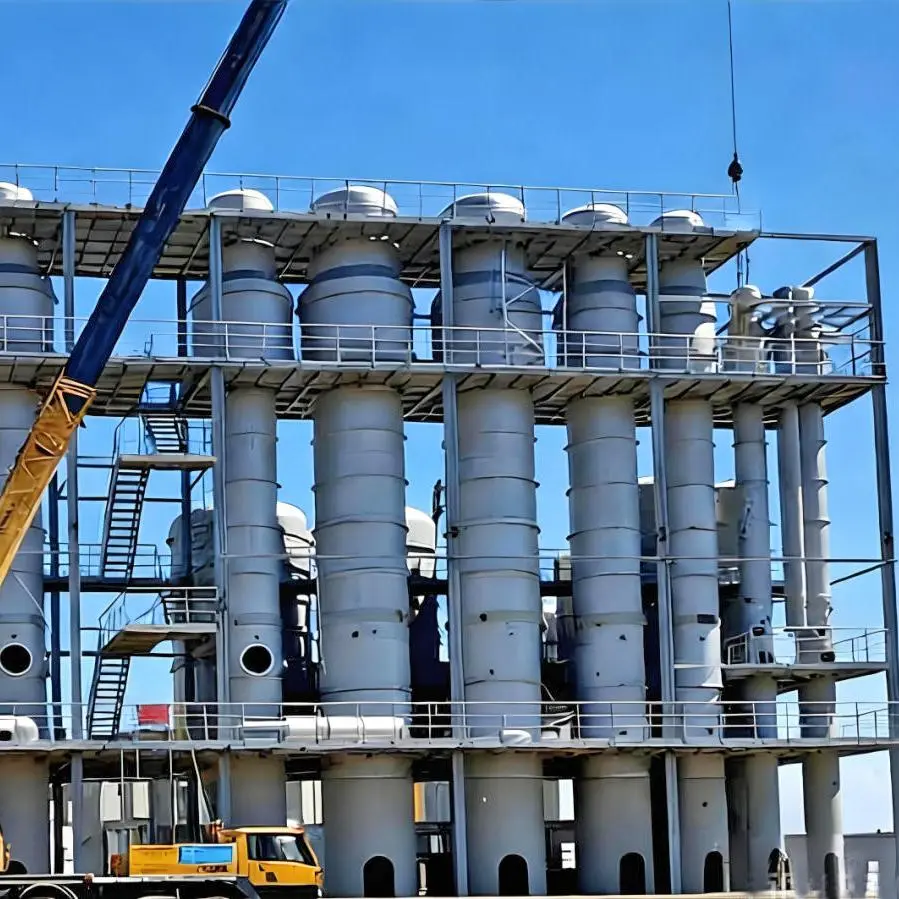
Jiangsu Zongheng Concentrating and Drying Equipment Co., Ltd. designs integrated setups that solve broad chemical engineering challenges. By combining falling film evaporation, mechanical vapor recompression (MVR), and short-path setups, we provide turnkey systems for the following industries:

Bio-Chemicals & Fermentation

Concentrating organic acids, amino acids, and complex yeast extracts. Maintaining biological activity while removing volatile water content efficiently.

Starch & Sweetener Refining

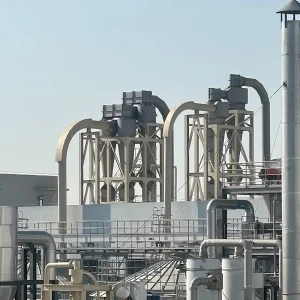
Utilizing high-speed cyclone separation and MVR systems to achieve ultra-pure starch washing and concentration, driving down cost-per-ton metrics.

Environmental Water Treatment

Zero Liquid Discharge (ZLD) applications using forced circulation evaporators and falling film evaporators to handle high-salinity industrial wastewater.

4. Global Procurement & Supply Chain Compliance Metrics

For international procurement directors sourcing heavy industrial equipment from China, verification of manufacturing quality, material traceability, and safety certifications is non-negotiable. At Jiangsu Zongheng, we satisfy these requirements through rigorous adherence to structural codes. We utilize advanced alloys including SS316L, Duplex Stainless Steel, and Hastelloy to resist chemical corrosion.

Our quality system is verified under the ASME "U" Stamp authorization and the Special Equipment Manufacturing License of China (Category III medium & low-pressure vessels). This ensures that every weld, structural calculation, and pressure test meets the safety regulations required by American, European, and Asian target sites. By integrating international quality certification (ISO9001), we guarantee long-term operational durability and mechanical stability.
30+
Years of Industry Experience
20+
Professional Design Engineers
54k+
Total Factory Area (m²)
22k+
Modern Production Workshop (m²)

Establishment & Solid Historical Development

Our progression from a localized machinery factory to an internationally recognized heavy chemical-equipment manufacturer.

1992 - Foundation

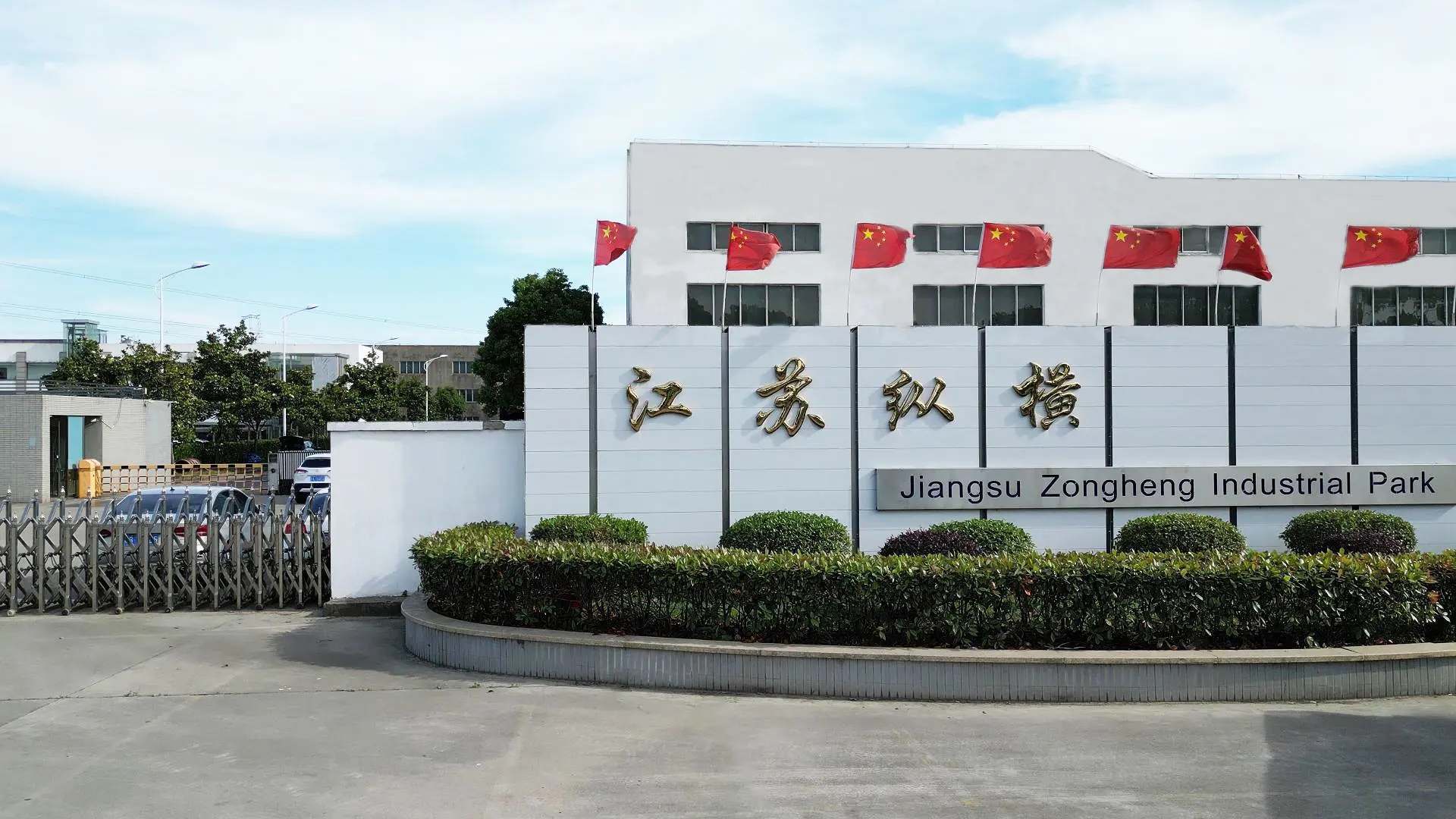
Established as Yixing Yangxi Light Industrial Machinery Factory in Zhoutie Town, Yixing City, on the shores of Taihu Lake. Initial workforce stood at 45 employees over 15 mu of land.

Establishment 1992

2002 - ISO9001 Certification

Secured ISO9001 Quality Management standards early, standardizing key machining, assembly, testing, and pressure-vessel welding processes.

ISO Certification 2002

2007 - Provincial Recognition

Awarded the prestigious status of Jiangsu Provincial High-Tech Enterprise, acknowledging our innovations in evaporation heat transfer.

Jiangsu High Tech 2007

2009 - Special Pressure Vessel License

Successfully qualified for the Special Equipment Manufacturing License of the People's Republic of China (License No.: TS2232C42) for pressure vessel construction.

Special License 2009

2012 - ASME "U" Stamp Authorization

Acquired official ASME "U" Stamp credentials, enabling the company to manufacture high-pressure chemical equipment for Western and international regulatory regions.

ASME U Stamp 2012

2015 - Complete International QA System

Obtained updated International Quality System Certification (Certificate No.: 45021), refining and aligning our supply line with international delivery metrics.

QA Integration 2015

2026 - Scale Expansion & Enterprise Growth

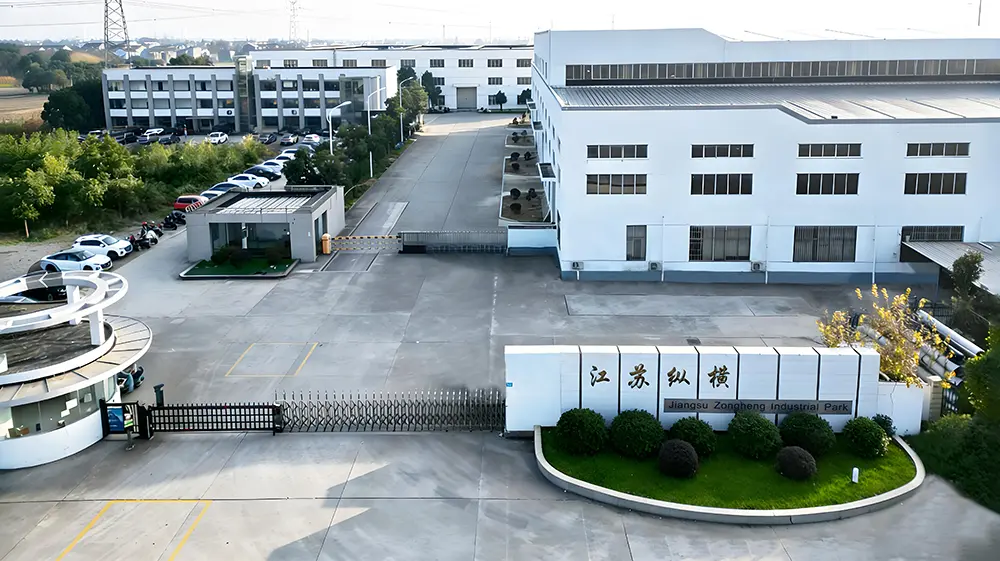
Currently covering over 54,000 square meters with workshop space exceeding 22,000 square meters. The company employs 120 dedicated staff including 3 senior engineers and 20+ technical engineers.

Current Scale 2026

Technical Roadmap: Energy Conservation & Automated Integration

As energy costs rise globally, industrial plant operators require separation systems that optimize heat recovery. Jiangsu Zongheng focuses heavily on the design and integration of Mechanical Vapor Recompression (MVR) technology. By compressing the secondary steam generated during evaporation and recirculating it back into the heating system, thermal efficiency is increased by up to 60% compared to traditional multi-effect setups.

Furthermore, our engineering team integrates PLC automated controls with remote sensor tracking. This allows real-time diagnostics of film thickness, vacuum levels, rotation speed, and input temperatures, ensuring that the system operates continuously without manual monitoring, reducing down-time, and keeping operating costs under control.

View Evaporation Technology Details
Falling Film Evaporation Technology Details

Expert Q&A: Short Path Evaporators and Concentration Systems

Authoritative technical answers to common industrial design and procurement queries.

What is the primary technical difference between a falling film evaporator and a short path evaporator?

The main difference lies in operating pressure, boiling point reduction, and residence time. A falling film evaporator is typically used for higher volumes with mild vacuum levels, where the liquid film flows down vertical tubes. In contrast, a short path evaporator (SPE) operates under high vacuum (down to 0.001 mbar), with the condenser placed inside the evaporation chamber itself. This minimizes vapor path resistance, reduces processing temperature, and keeps residence time to a few seconds, making SPE ideal for extremely heat-sensitive and viscous materials.

How does mechanical vapor recompression (MVR) reduce plant energy costs?

MVR systems recover the latent heat of secondary steam produced during the evaporation cycle. By using a mechanical compressor, the pressure and temperature of this steam are elevated, allowing it to be recycled as the heating source for the same evaporator. This loop eliminates the need for external boiler steam during steady-state operations, saving up to 60-80% in energy compared to typical single-effect evaporative systems.

Which certifications are required for exporting high-pressure concentration vessels internationally?

For entry into the North American market, the ASME "U" Stamp authorization is the industry standard. In the European Union, compliance with the Pressure Equipment Directive (PED) and CE certification is mandatory. In China, manufacturing requires a Special Equipment Manufacturing License (Class D1/D2 or Category III Pressure Vessels). Jiangsu Zongheng holds these certifications, guaranteeing that our designs, metallurgy, welding, and pressure testing satisfy all regional safety codes.

How do you prevent fouling or material baking on the heating wall of thin film systems?

Fouling is prevented through the dynamic action of the wiper system. The rotor inside the evaporator constantly sweeps the inner wall, keeping the liquid film in a turbulent state and preventing stagnation. We select the wiper style (e.g., PTFE roller elements, metal scrapers, or flexible blades) based on viscosity, chemical compatibility, and thermal behavior of the feed material. This design maintains high heat transfer rates and prevents local overheating.

Can we integrate starch washing cyclones and tube dryers into a single line?

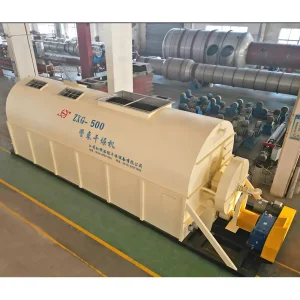
Yes. Our YDX Starch Washing Cyclones refine starch slurries by systematically removing impurities. Once washed, the concentrated solids are routed through our ZXG Tube Bundle Dryer or MQG Airflow Dryer for uniform, low-oxygen drying. This integration provides a complete production line, minimizing material losses and lowering operational handling costs.

Start Your Advanced Separation Project With Us

Partner with Jiangsu Zongheng for custom ASME, CE, or ISO9001 pressure vessel engineering. We warmly welcome chemical, starch, DDGS, food fermentation, and pharmaceutical companies globally to coordinate for system integration.

Request A Custom Proposal View Technical Catalog