Engineered for maximum thermal efficiency, regulatory compliance, and seamless operational integration in the Netherlands.
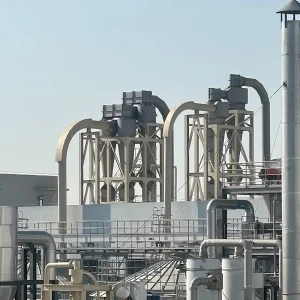
High-efficiency flash drying technology designed for starch, gluten, and biomass processing. Features instant heat transfer and precision controls.
Read More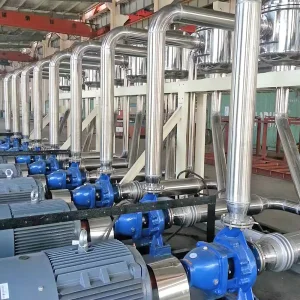
High-performance multicyclone plants optimized for starch extraction, refining, and washing. Engineered for high purity and minimized fiber loss.
Read More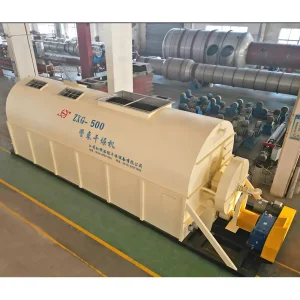
Robust, indirect-steam drying solution with complete CE and ASME compliance. Delivers exceptionally low energy consumption for bulk processing.
Read More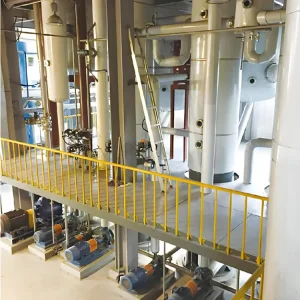
Engineered for heat-sensitive liquids. Forms a uniform thin falling film to ensure rapid evaporation, low retention times, and superior concentrate quality.
Read MoreThe industrial landscape in the Netherlands is undergoing a historic transformation driven by the Dutch Climate Agreement (Klimaatakkoord) and stringent European Green Deal mandates. Companies operating within the classic agro-industrial complexes of Groningen, Zeeland, and Brabant, as well as the chemical clusters of Rotterdam and Chemelot, face massive pressure to decarbonize high-temperature processes. Processing starch, food ingredients, bioplastics, and industrial wastewater demands high-efficiency drying systems that minimize carbon footprints while satisfying strict safety and emission criteria.
Thermal drying is historically one of the most energy-intensive processes in chemical manufacturing and agribusiness. Traditional natural gas-fired systems are no longer viable under current EU Emissions Trading System (EU ETS) regulations and volatile energy pricing. Therefore, Dutch manufacturers are shifting toward state-of-the-art **impulse airflow dryers**, **steam tube bundle dryers**, and **MVR (Mechanical Vapor Recompression)** systems. These modern technologies utilize waste heat recovery, closed-loop steam integrations, and high-velocity fluid dynamics to deliver the lowest possible Energy per Kilogram of evaporated water (kJ/kg H2O).
Designed to leverage waste heat and integrated MVR cycles, reducing overall thermal consumption by up to 35% compared to conventional direct gas-fired systems.
Starch and organic solids present massive dust explosion risks. Our drying systems feature explosion vents, suppression integration, and inert loop options.
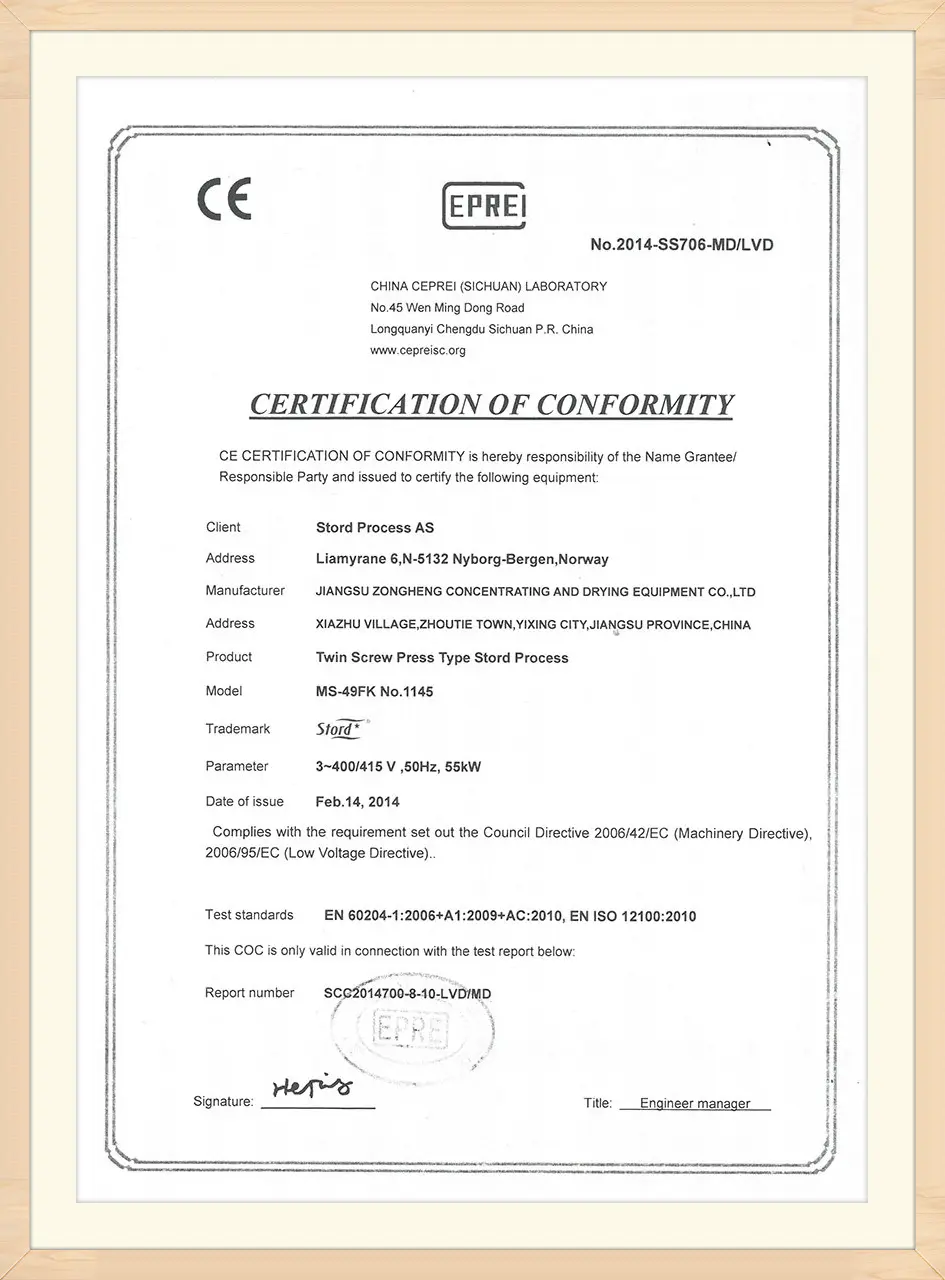
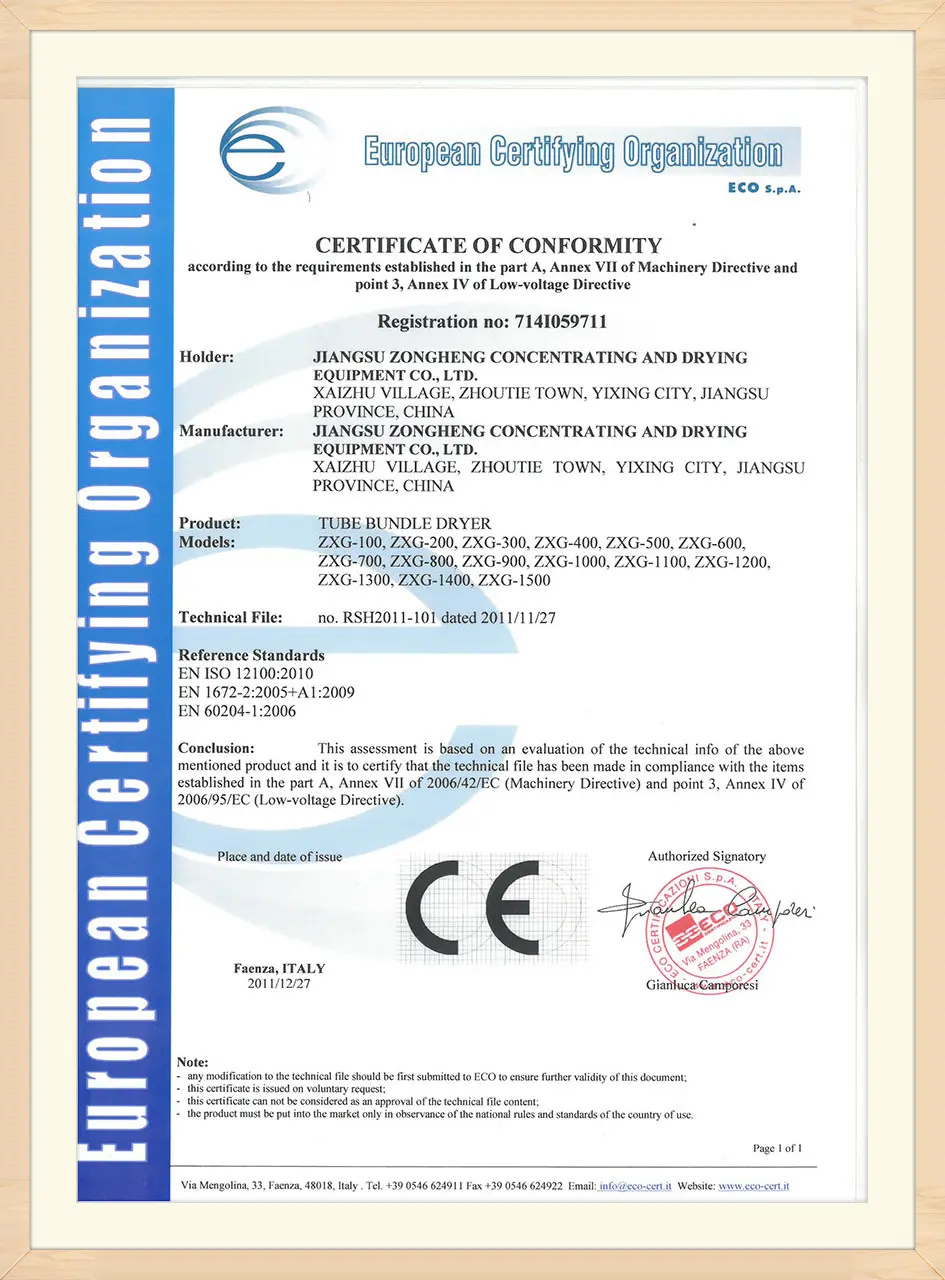
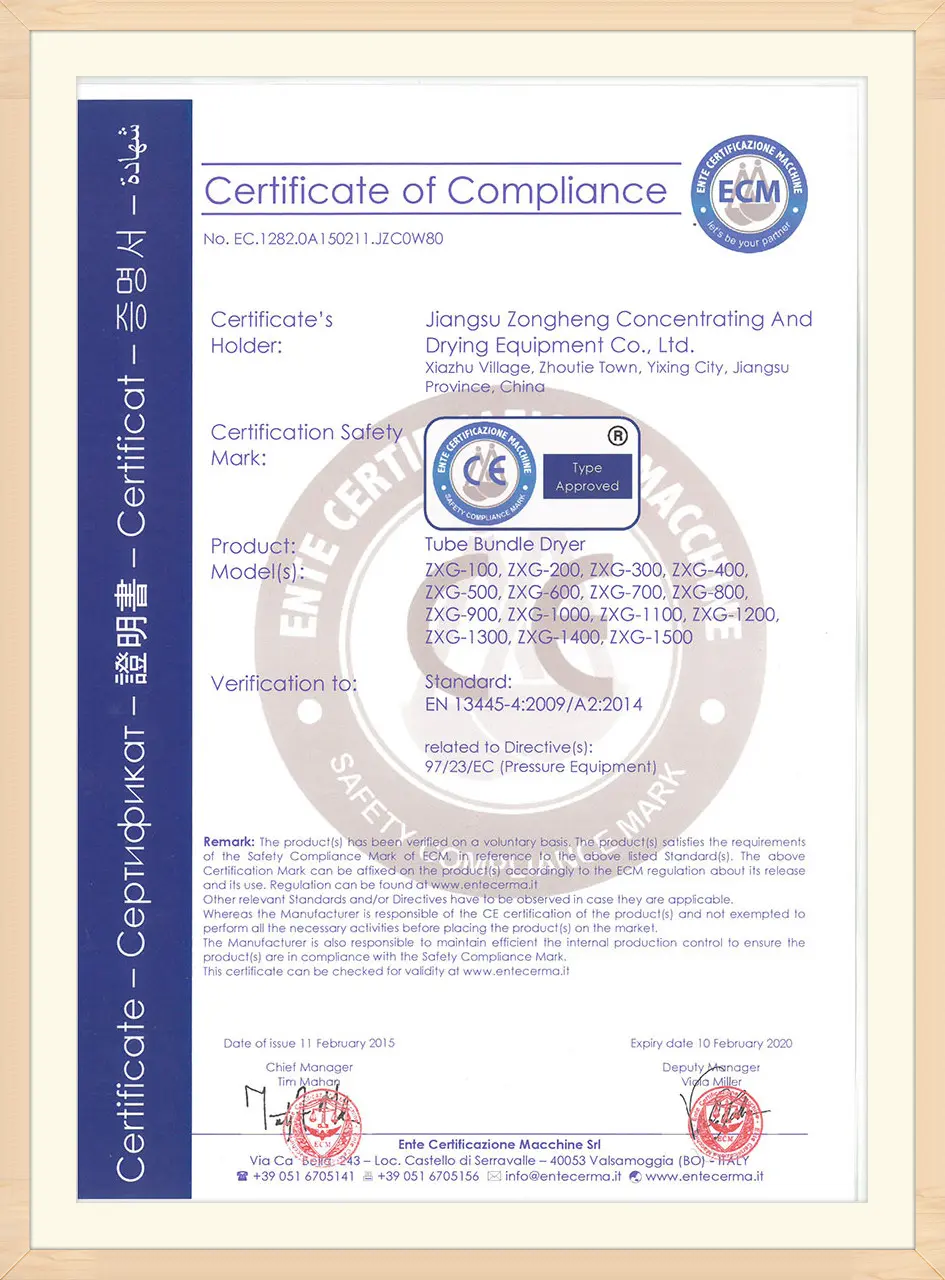
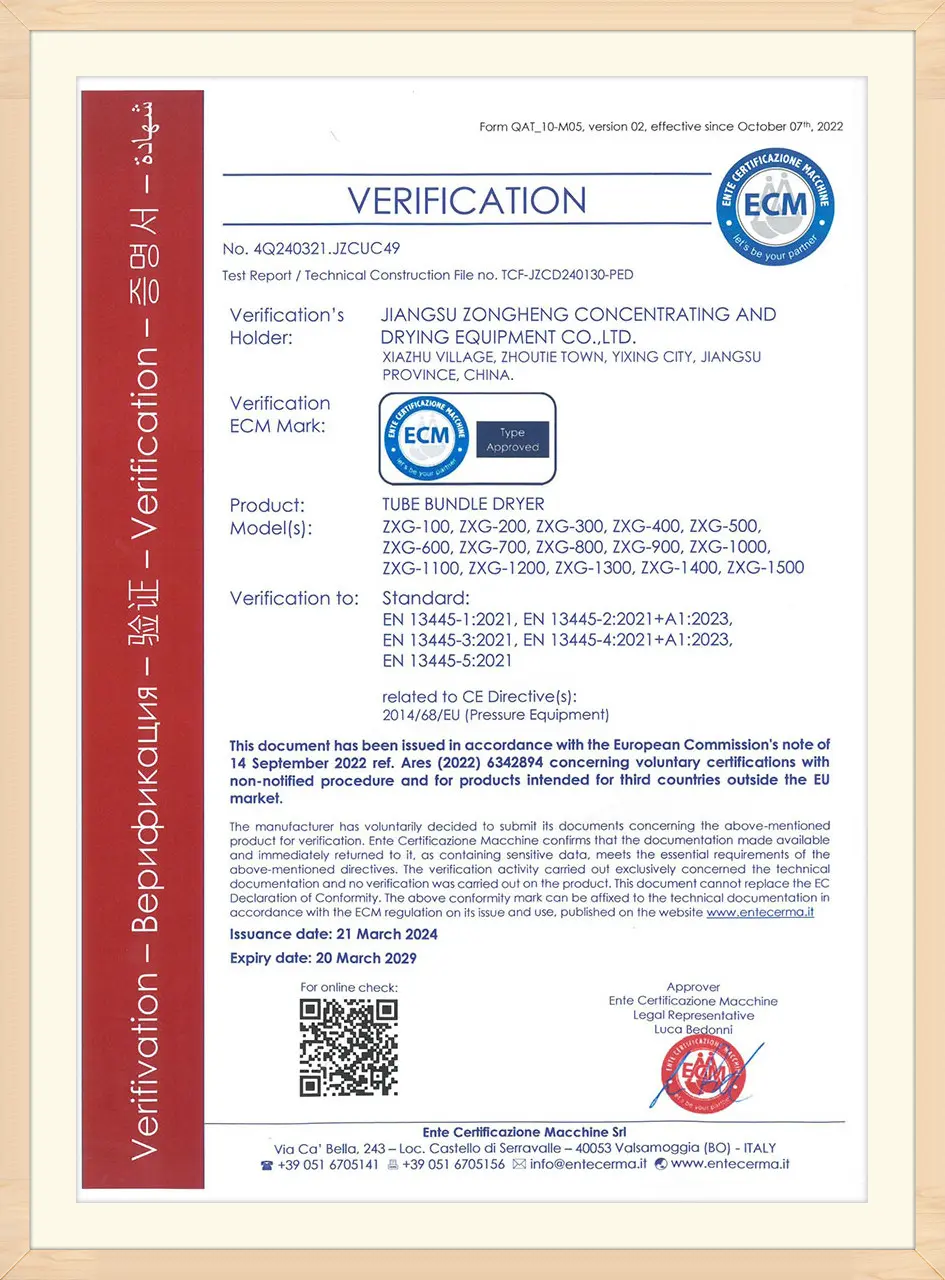
Full compliance with European Pressure Equipment Directive (PED 2014/68/EU) and CE marking, backed by rigorous third-party inspection reports.
The MQG series industrial airflow dryer (often termed a flash dryer) works on the principle of co-current heat and mass transfer. High-moisture solids are fed into a high-velocity stream of hot gas, causing instant moisture evaporation during transport. The process operates under micro-negative pressure, eliminating dust leaks into the surrounding workspace. Let's analyze the exact thermodynamic variables that define this high-speed drying system:
Our engineered systems for the Netherlands integrate **cyclone separators** and **bag filters** to achieve particulate emission levels well below 10 mg/Nm³, exceeding current Dutch Environmental Protection Agency (Omgevingsdienst) standards.
| Parameter Name | MQG Airflow Dryer Specs | Tube Bundle Dryer Specs | Evaporation Plant (MVR/Falling Film) |
|---|---|---|---|
| Optimal Feed Form | Wet cake, powder, centrifuge cake | Granular materials, bulk solid sludge | Liquid feed, thin slurries, wastewater |
| Material Residence Time | 1 to 3 seconds (Flash drying) | 30 to 90 minutes (Indirect steam heat) | Continuous film circulation / flash evaporation |
| Thermal Energy Source | Direct hot air, steam air heater, waste flue gas | Saturated steam (Indirect contact) | Recompressed vapor / Low pressure steam |
| Evaporation Capacity Range | 500 kg/h to 15,000 kg/h | 1,000 kg/h to 20,000 kg/h | 2,000 kg/h to 100,000 kg/h |
| Safety Standards | ATEX Zone 20/21/22 options | ASME U-Stamp, CE, PED | CE, vacuum operation safety |
For more than three decades, we have pushed the boundaries of industrial drying and evaporation engineering.
Industrial processing rarely relies on a single drying unit. To achieve optimal efficiency, plants in the food, feed, starch, and waste treatment sectors implement a fully integrated process train. At Jiangsu Zongheng, we design, manufacture, and optimize these end-to-end lines:
Step 1: Mechanical Dewatering: Liquid suspensions are pre-filtered. A **Single Screw Press** reduces water content mechanically. Mechanical dewatering requires only a fraction of the energy of thermal drying, making high-efficiency screw presses the foundational step for sustainable operations.
Step 2: Concentration & Liquid Recovery: Liquid fractions are concentrated using **MVR Evaporation Plants** or **Falling Film Evaporators**. These systems concentrate dilute feed streams up to 70% solids before they go to thermal dryers, utilizing recycled vapor heat to achieve unparalleled thermal efficiency.
Step 3: Thermal Drying & Powder Production: The concentrated slurry or wet cake is fed into the **MQG Airflow Dryer** or the **ZXG Steam Tube Bundle Dryer** to yield a uniform, free-flowing dry powder. In starch refining, the dry product is processed through a **Starch Washing Cyclone** system to ensure ultra-low fiber content and peak starch quality.
"By combining Mechanical Dewatering, Multi-Effect/MVR Evaporation, and Impulse Airflow Drying, Dutch processing plants can achieve up to a 50% reduction in net energy expenditures, securing a fast return on investment while meeting European carbon reduction mandates."
Drying combustible organic powders like starch, gluten, or municipal sludge presents a significant dust explosion hazard. In the Netherlands, all industrial equipment installed in potentially explosive atmospheres must conform strictly to the **ATEX 114 (Directive 2014/34/EU)** for manufacturers and **ATEX 153 (Directive 1999/92/EC)** for operators.
Jiangsu Zongheng integrates state-of-the-art protection concepts directly into the design of our MQG Airflow Dryers. These include: certified burst panels (explosion venting) designed to release pressure away from personnel, explosion isolation valves to prevent flame propagation to upstream processing equipment, and carbon dioxide or nitrogen inerting loops for closed-circuit operations. Furthermore, all pressure vessels and heat exchangers are constructed, tested, and stamped in strict alignment with the **Pressure Equipment Directive (PED 2014/68/EU)** and **ASME Section VIII Division 1 (ASME U-Stamp)** regulations, providing our European clients with ultimate peace of mind and hassle-free local inspections.
Procuring heavy process machinery from global manufacturers requires a careful analysis of the **Total Cost of Ownership (TCO)**, shipping logistics, and long-term service agreements. At Jiangsu Zongheng, we simplify the path from fabrication to commissioning:
The next decade of process engineering belongs to zero-carbon systems and smart automation. Jiangsu Zongheng is actively developing and deploying the next generation of drying technologies:
1. Industrial Heat Pump Integration: We are designing systems that utilize high-temperature industrial heat pumps to capture low-grade exhaust energy and upgrade it to high-temperature process drying air, reducing the reliance on external steam or gas.
2. Superheated Steam Drying (SSD): In closed-loop configuration, superheated steam replaces air as the drying medium. Because steam has a higher heat capacity than air, and evaporated moisture can be recovered as pressurized steam, this setup offers exceptional energy savings potential.
3. AI-Driven Process Control: Utilizing real-time input moisture sensors and predictive neural network algorithms, our control systems dynamically adjust the feed rate and heating valve output to maintain final product moisture within +/- 0.2%, even with varying inlet moisture profiles.
Established as Yixing Yangxi Light Industrial Machinery Factory, covering 15 mu of land with 45 dedicated employees.
Achieved ISO9001 quality management system certification, laying the groundwork for standardized international QA workflows.
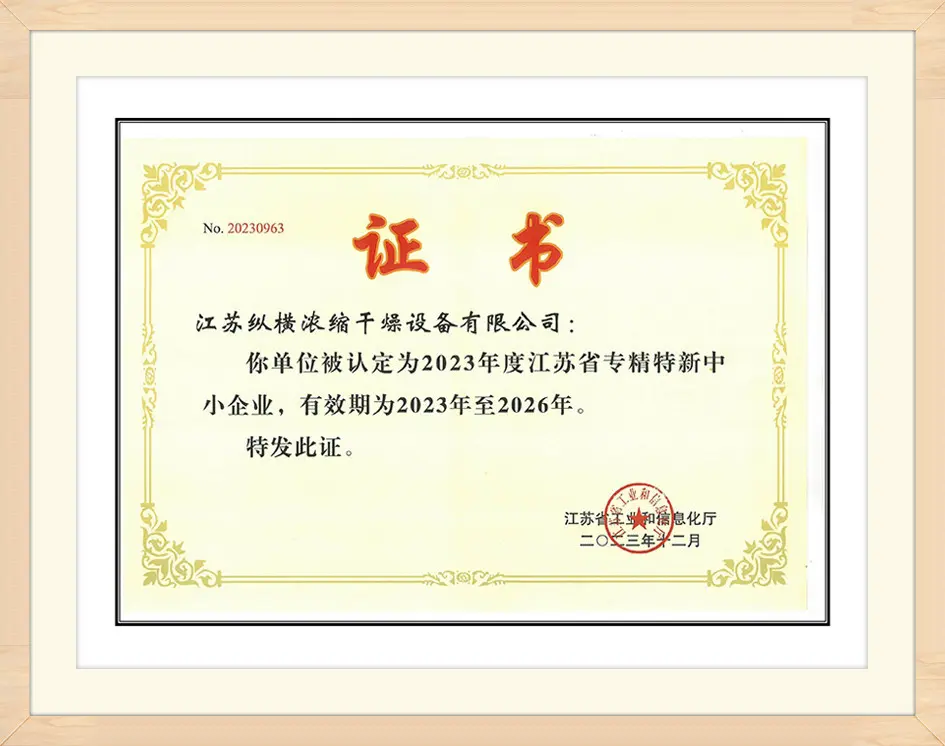
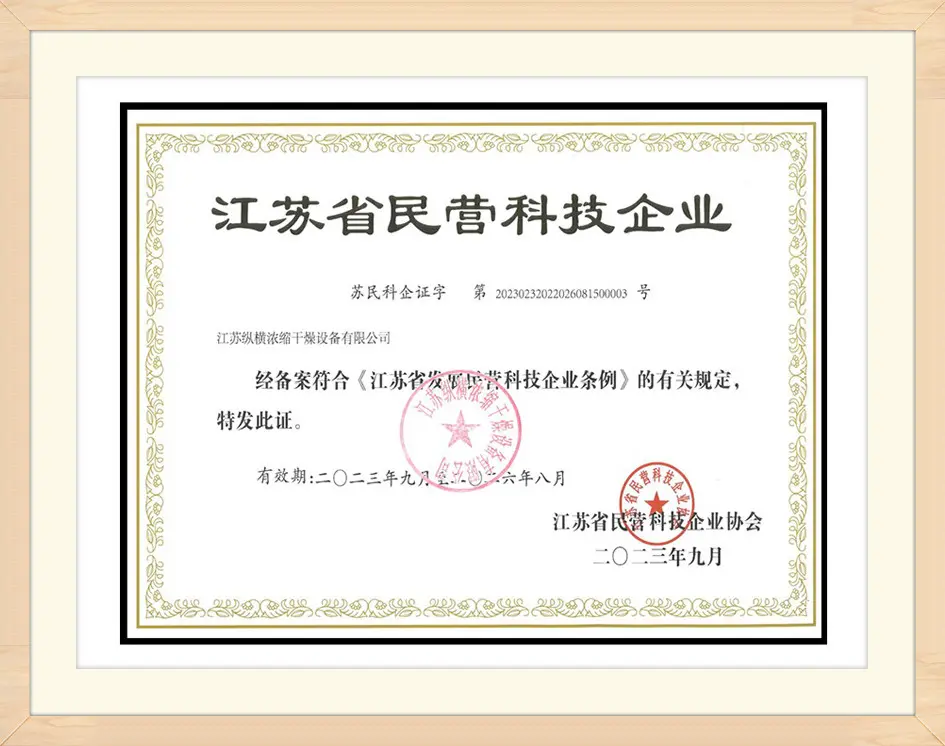
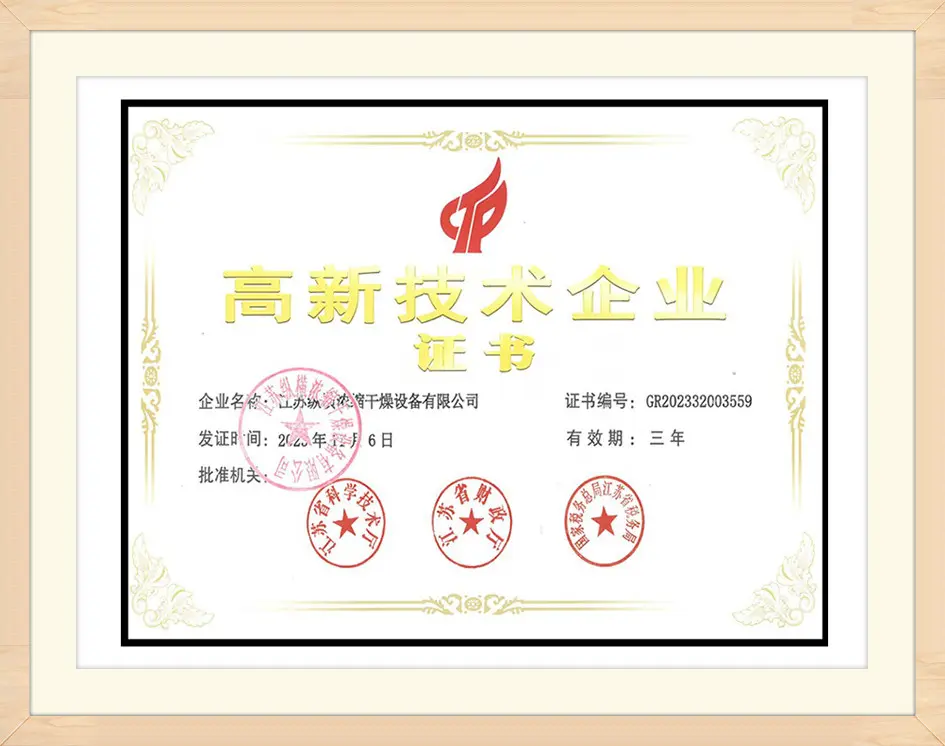
Officially recognized as a High-Tech Enterprise of Jiangsu Province, accelerating R&D in energy-efficient evaporator technologies.
Obtained the Class I & II Special Equipment Manufacturing License of the People's Republic of China (TS2232C42).
Authorized to apply the ASME "U" Stamp to pressure vessels, opening doors to major global procurement projects.
Obtained international quality system certification (Certificate No.: 45021) to expand exports to Western European markets.
Now operating across a massive 54,000 m² footprint with a team of 120+, including 3 senior engineers and over 20 structural/process engineers.
From pre-drying dewatering to ultimate-stage powder refining and liquid concentration systems.
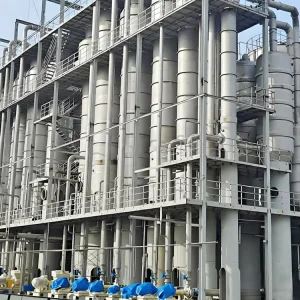
Leverages waste heat from dryer exhausts and flue gases to concentrate wastewater, drastically lowering energy expenses.
Read More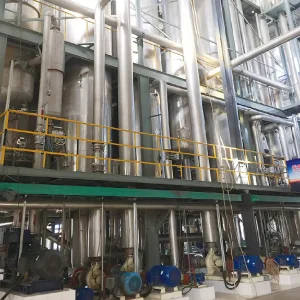
Perfect for viscous liquid concentration, crystallizing processes, and fouling-prone streams. Heavy-duty design with high heat transfer efficiency.
Read More
Pneumatic high-velocity flash drying for bulk organic materials. Achieves consistent dry powders within seconds using automatic heat controls.
Read More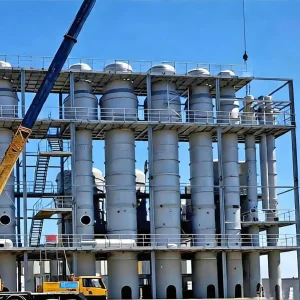
Energy-optimized evaporation configurations designed for maximum water recovery and solute extraction in bio-refining processes.
Read More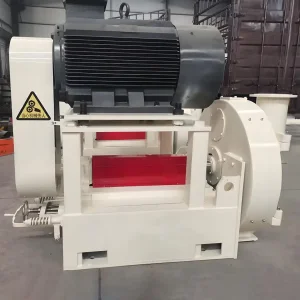
Ensures high-efficiency germ separation and maximum starch yields in maize processing lines. Designed for durability and low noise.
Read More
Ideal for drying materials with high moisture levels. Employs indirect steam heat through rotating tube bundles to optimize thermal economy.
Read More
Multistage cyclone design specifically configured for starch washing, concentration, and refining to achieve international food standards.
Read More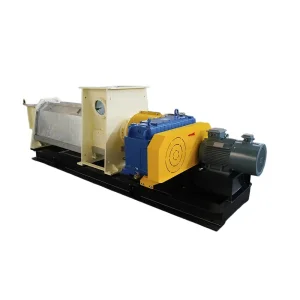
High-torque screw press for efficient dewatering of fibrous pulps, sludge, and grains prior to thermal drying. Extremely low utility costs.
Read More Zongheng