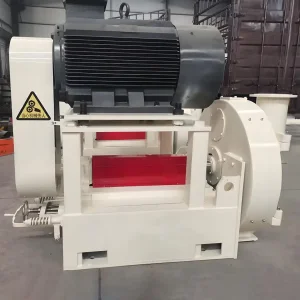
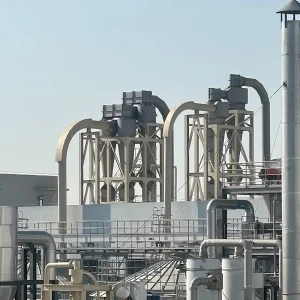
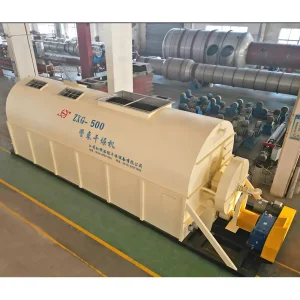
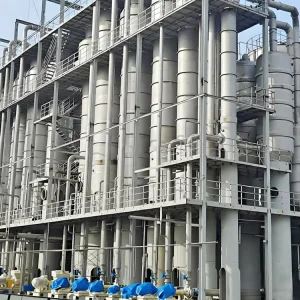
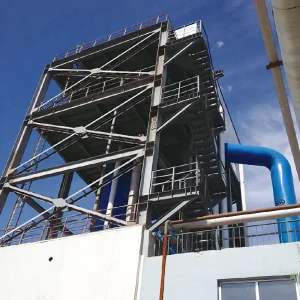
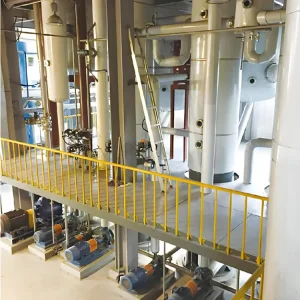
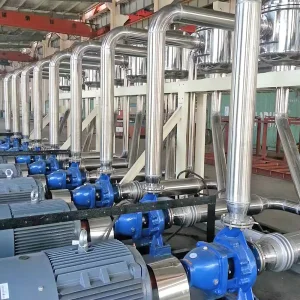
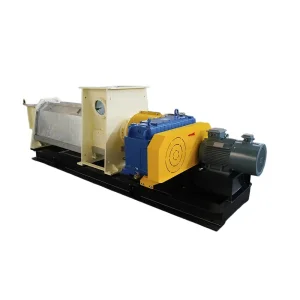
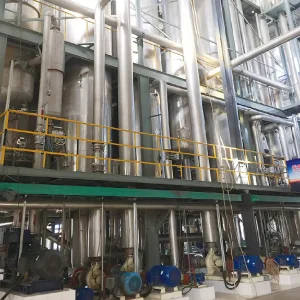
Explore our highly customized machinery built specifically for Melbourne's industrial starch and milling plants.
Victoria is widely recognized as the agricultural powerhouse of Australia, accounting for a massive share of the nation's grain exports and food processing output. Within this region, Melbourne serves as the primary logistical, technological, and manufacturing hub. Modern food factories, bio-refineries, and large-scale starch processors concentrated in Melbourne's industrial zones (such as Campbellfield, Dandenong, and Altona) require high-capacity, dependable milling technology to process local crops like wheat, barley, and maize.
The industrial demand has shifted strongly toward sustainability, high germ recovery rates, and low energy inputs. Traditional dry-milling systems are no longer sufficient to meet modern purity standards required by global starch, sweetener, and plant-based protein markets. Consequently, local processors are increasingly turning to advanced wet-milling systems. Implementing an optimized degerming mill is crucial to ensure clean separation of starch, gluten, and germ, paving the way for high-value downstream products such as corn oil, glucose syrups, and premium animal feed (DDGS).
By upgrading to modern processing machinery, Melbourne factories can minimize waste, lower carbon footprints, and maximize raw grain utilization, aligning perfectly with Victoria's strict environmental regulations and high labor efficiency requirements.
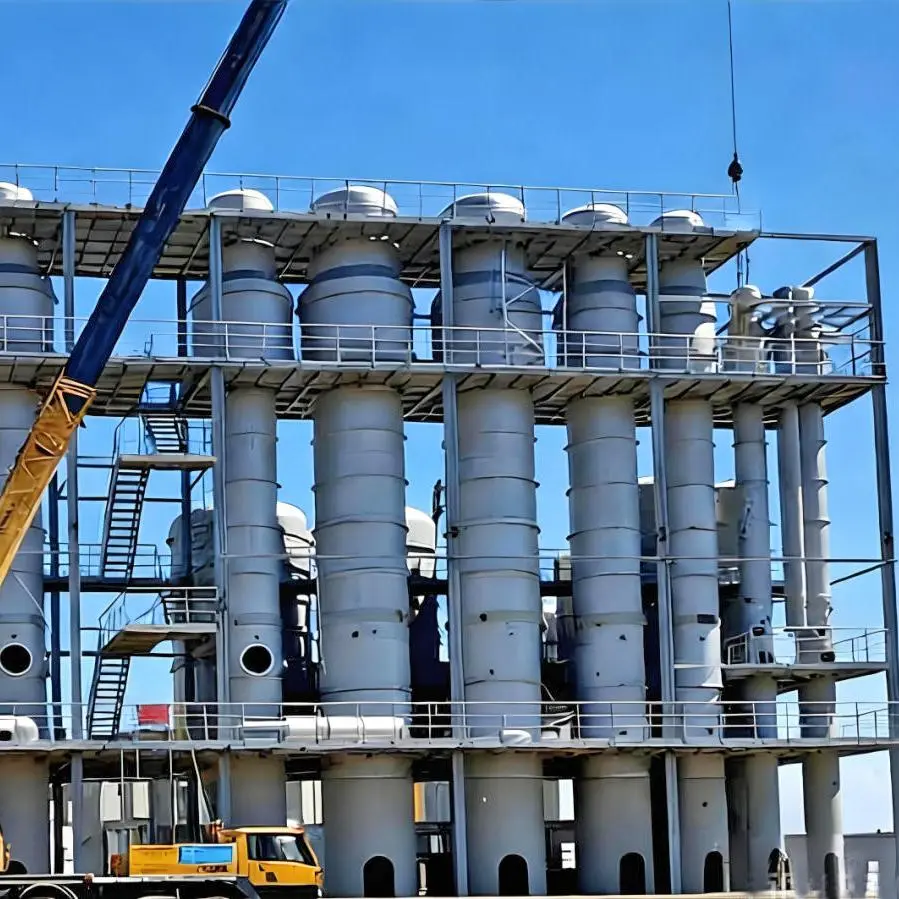
How Jiangsu Zongheng delivers end-to-end efficiency across the entire grain wet-milling process.
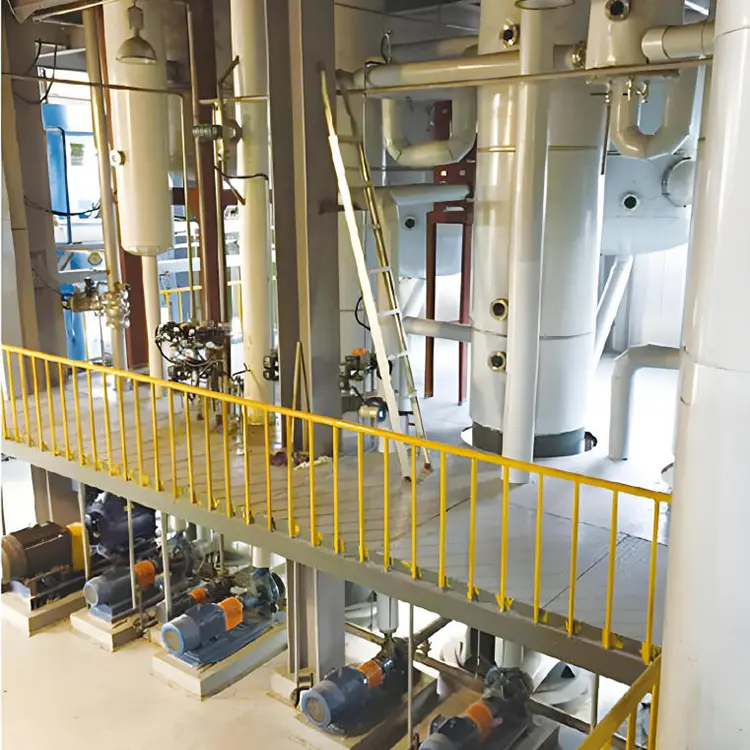
Industrial processing is a complex web of interconnected unit operations. A degerming mill is rarely operated in isolation. To achieve maximum productivity, it must be carefully integrated with upstream steeping facilities and downstream separation systems. At Jiangsu Zongheng, we provide comprehensive engineering solutions that optimize the entire grain refining loop:
By looking at the factory as a unified thermal and mass-balance ecosystem, our engineers design systems that reduce water and steam consumption by up to 30% compared to legacy plants, saving hundreds of thousands of dollars in operating costs annually.
In wet-milling, the primary engineering challenge is to separate the germ from the kernel without squeezing oil out of the cell walls. Liquid shear force combined with variable rotor-stator spacing allows our degerming mills to exert controlled shear. Under centrifugal acceleration, the starch-rich endosperm is stripped away. The lighter, intact germ is floated off in hydrocyclones. If the mill applies too much impact force, the germ disintegrates, contaminating the starch and lowering oil yields. If too little force is applied, starch remains bound to the germ, lowering overall starch recovery. Our specialized design achieves an optimal balance, yielding a germ purity rate of over 92%.
Our trajectory toward predictive maintenance, smart-automation, and next-generation metallurgy.
As industry standards progress toward Industry 4.0, Jiangsu Zongheng is leading the development of smart milling equipment. Our engineering team is currently implementing digital twin technology and IoT sensors to monitor performance in real-time. The technology roadmap for our degerming mills centers on three primary pillars:
By modernizing the physical metallurgy and combining it with cloud diagnostics, we aim to offer Melbourne processors a zero-planned-downtime wet milling solution that maximizes operating windows during intensive post-harvest processing seasons.
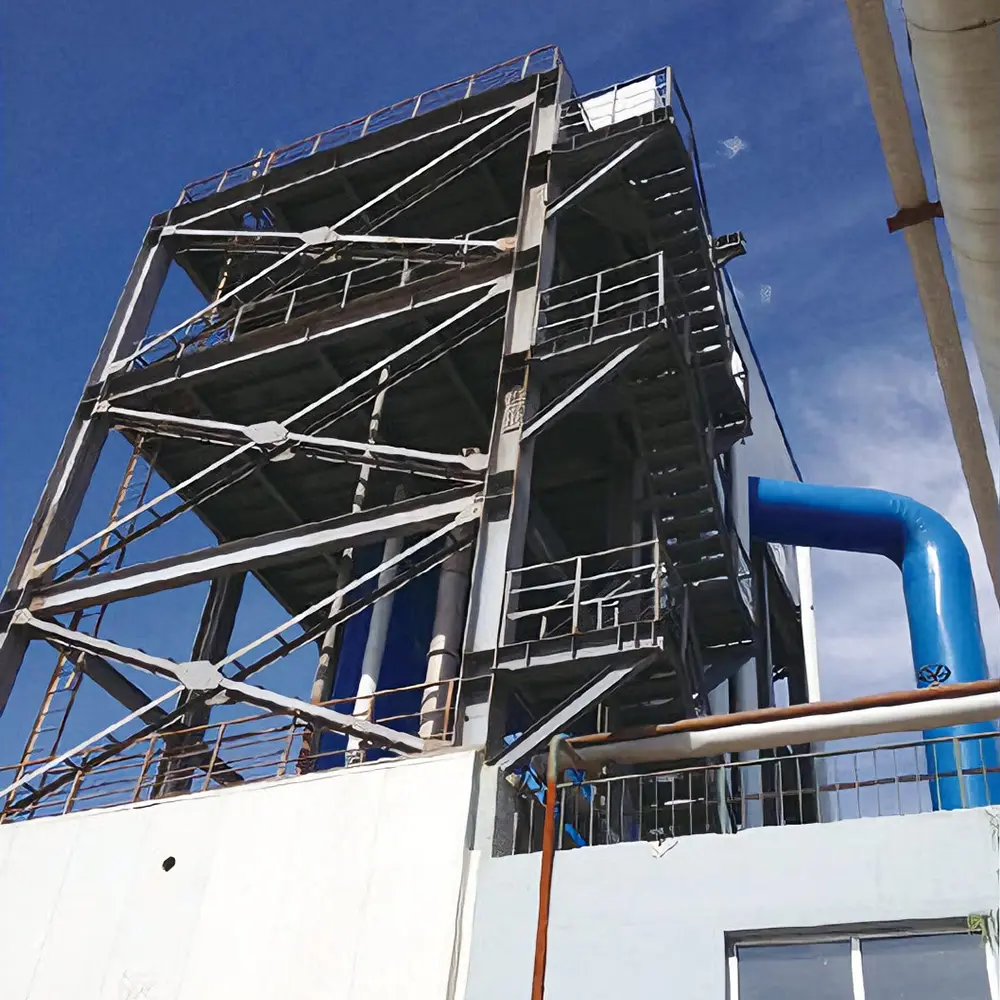
Leveraging our massive manufacturing base in Yixing, China to deliver unmatched value to Australia.
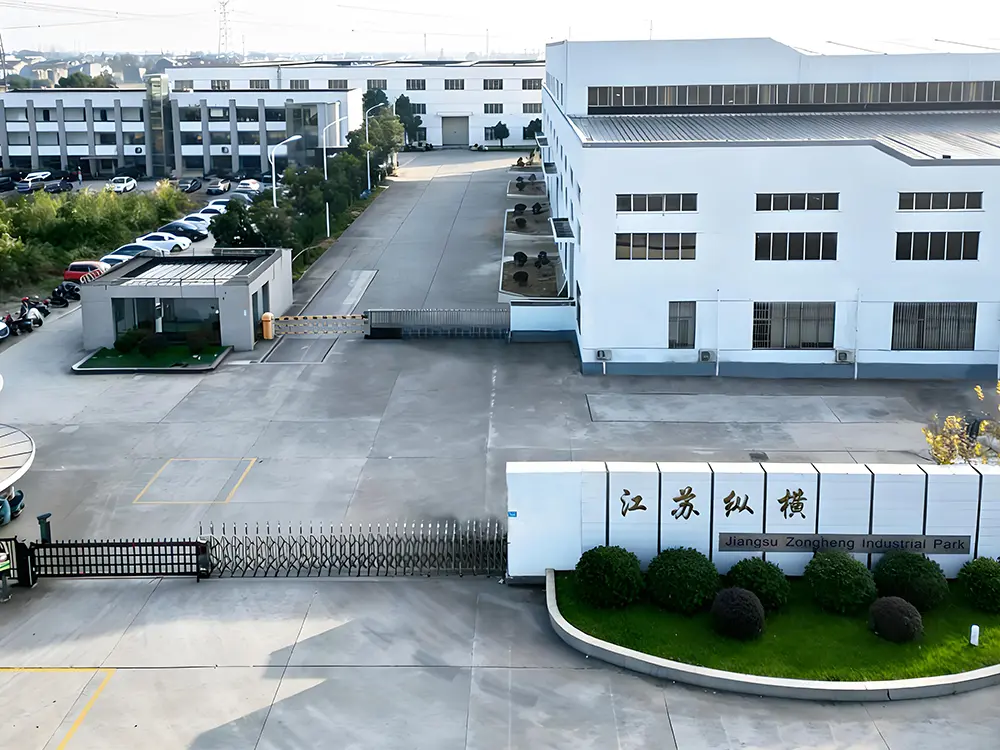
Founded in 1992, Jiangsu Zongheng has grown from a specialized machinery supplier into a modern, high-tech industrial manufacturing enterprise. Located in Zhoutie Town, Yixing City on the shores of Taihu Lake, our integrated production infrastructure allows us to control every step of the fabrication process. This localized integration ensures that we avoid supply chain vulnerabilities that plague smaller fabricators.
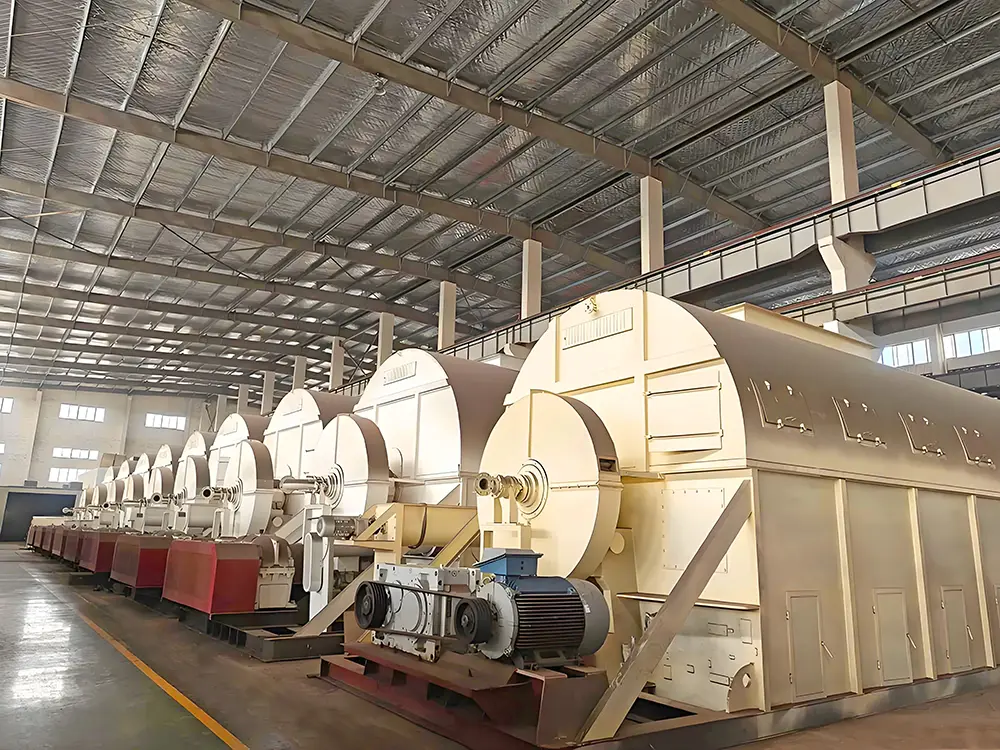
Our workshops are equipped with heavy-duty CNC vertical lathes, automated plate rolling machines, submerged arc welding robots, and non-destructive testing (NDT) labs. This scale of production guarantees that we can deliver high-capacity industrial equipment at a highly competitive price point without compromising on tolerances, material quality, or structural integrity.
With global supply chains facing uncertainty, our strong supplier network for high-grade raw metals and electronics ensures stable production timelines, letting us deliver tailored processing machinery to Melbourne on schedule.
Engineering equipment that adheres to the strictest Australian regulatory frameworks and standards.
Deploying heavy industrial machinery in Australia requires strict adherence to safety, environmental, and electrical codes. Jiangsu Zongheng ensures that all equipment bound for Melbourne is engineered for compliance with local regulatory frameworks:
In addition to strict compliance, we provide comprehensive documentation package including material test reports, welding certifications, and localized operations manuals to facilitate seamless approval and inspection by local municipal bodies.
Over 30 years of commitment to international engineering excellence and global logistics.
Expert technical insights regarding our machinery operation, customization, and deployment in Melbourne.
Under continuous operations with high-quality pre-steeped corn, our proprietary tungsten-carbide coated rotor plates last between 8,000 to 12,000 operating hours. Lifespan is highly dependent on the efficiency of the upstream destoner to eliminate abrasive sands and foreign metal debris from the grain slurry feed.
Yes, absolutely. All our machines exported to Melbourne and the wider Australian market are configured with high-efficiency motors that strictly meet the Australian Minimum Energy Performance Standards (MEPS) / Greenhouse and Energy Minimum Standards (GEMS) regulations, typically using WEG or Siemens motors rated for IP66 service.
Standard fabrication lead time is between 60 to 90 days depending on the customization scope. Ocean freight from Shanghai port to the Port of Melbourne typically takes 18 to 22 days. We provide complete layout diagrams, dynamic loading data, and remote engineering supervision to ensure smooth installation by local mechanical contractors.
Yes. Our electrical and automation control cabinets support standard industrial communication protocols including Profinet, Modbus TCP, and Ethernet/IP. This allows our machinery to be easily mapped to your plant's existing central control room running Emerson DeltaV, Siemens PCS7, or Rockwell Automation systems.
Browse our complete range of certified components for starch concentration, thermal drying, and refining plants.
 Zongheng