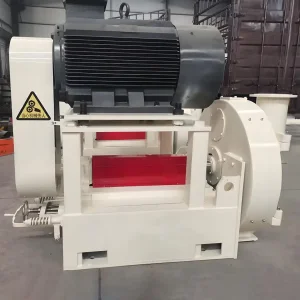
Kuala Lumpur, as the central economic engine of Malaysia and a core logistics gateway in Southeast Asia, occupies a pivotal role in the regional bio-processing and agricultural refining trade routes. Although Peninsular Malaysia is traditionally known for palm oil processing, the country's strategic proximity to major corn-producing nations (such as Thailand, Indonesia, and Vietnam) and its extensive imports of grain feedstocks have turned the Klang Valley into a vital development center for starch extraction, corn wet milling, and industrial animal feed formulation. High-performance degerming mills are central to these facilities, allowing processors to separate corn germ from starch-rich endosperm with minimal loss. Local manufacturers in Kuala Lumpur rely heavily on these high-capacity industrial machines to maximize starch purity while capturing high-value corn oil as a secondary revenue stream.
From an infrastructural perspective, procuring heavy-duty processing machinery in Kuala Lumpur presents unique operational advantages. Proximity to Port Klang, the primary shipping gateway, guarantees rapid transit times for large-scale equipment, replacement parts, and technical engineers. As manufacturing operations scale up throughout Southeast Asia, the requirement for robust machinery capable of continuous 24/7 runtimes becomes critical. Industrial engineering companies in Malaysia are increasingly looking to establish long-term partnerships with certified Chinese manufacturers who can supply systems that meet both local regulatory frameworks and strict ASME/CE certification parameters.
Degerming is the foundational processing step in corn wet milling. The fundamental process goal is to split the steeped corn kernel cleanly to release the germ intact without grinding it. If the germ is crushed or pulverized during this phase, oil escapes into the starch slurry, reducing starch quality and complicating downstream purification. Furthermore, damaged germ particles are difficult to extract in subsequent washing hydrocyclones, which leads to direct product yield losses.
Modern degerming mills utilize a specialized mechanical design comprising a stationary disk and a rapidly rotating disk, both equipped with rows of interlocking teeth (often referred to as pin plates). As the corn slurry is fed into the center of the mill, centrifugal force pushes it outward through the shearing gap. The mechanical impact and shear forces break the kernel open. In a premium system, the gap between the plates can be finely calibrated online or via manual control. This allows operators to adapt dynamically to variations in corn kernel size, moisture content, and steeping quality. The integration of high-grade alloy components prevents premature plate wear caused by the abrasive nature of grain slurries, resulting in long service lifespans and minimal maintenance shutdowns.
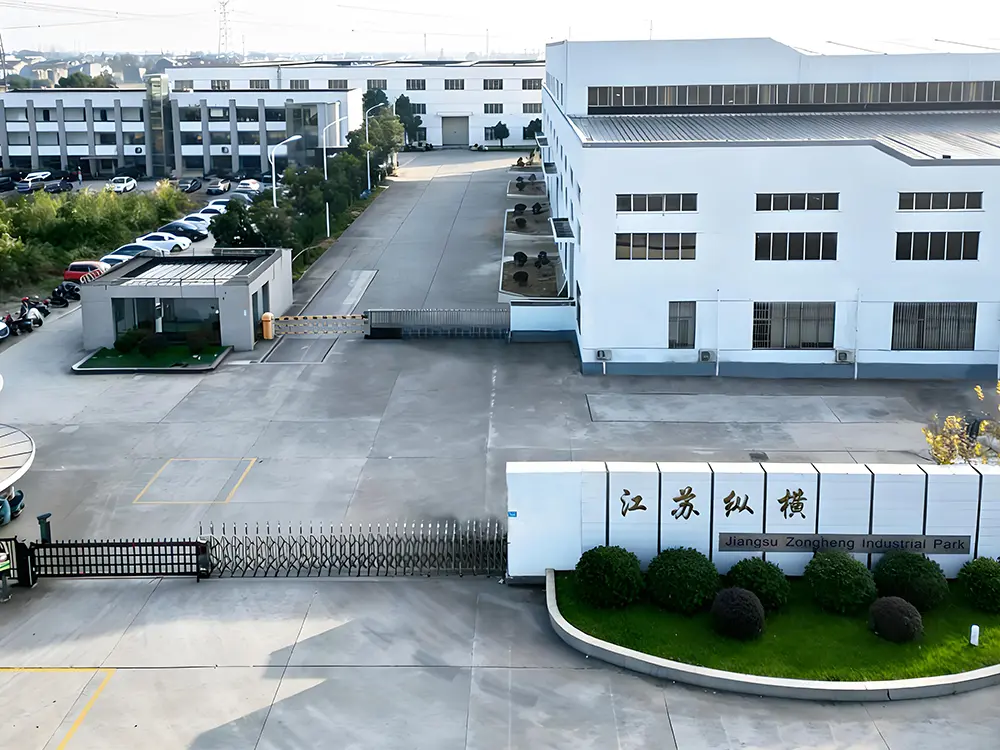
As global manufacturing shifts toward high-precision and integrated automation, China's Industry 4.0 initiatives have redefined the cost-to-performance ratio for heavy machinery. Companies like Jiangsu Zongheng Concentrating and Drying Equipment Co., Ltd. lead this shift by incorporating automated quality assurance and robotics into their production plants. Our 54,000-square-meter manufacturing base utilizes automated multi-axis milling, precise dynamic rotor balancing, and advanced non-destructive testing (NDT) to ensure that every degerming mill and evaporator meets global performance indicators.
This integration directly translates to supply chain resilience for customers based in Malaysia and the wider ASEAN region. While Western manufacturers face prolonged lead times due to component backlogs and domestic labor issues, China’s complete industrial supply chain ensures prompt fabrication and shipment of pressure vessels, bundle dryers, and milling lines. By standardizing high-end components—such as specialized SKF/FAG bearings, variable frequency drives, and wear-resistant duplex stainless steel—Jiangsu Zongheng guarantees that buyers receive machinery designed for harsh industrial environments, backed by comprehensive engineering documentation and quality control systems.
In the current global economic landscape, raw material inflation and fluctuating energy prices have forced processors to prioritize resource conservation. High-volume buyers are no longer evaluating processing machinery solely on initial capital expenditure (CAPEX); they are focusing on total lifecycle operating expenses (OPEX). Every kilowatt of power saved, and every cubic meter of steam recovered represents direct profitability. Consequently, the selection of downstream starch washing cyclones, airflow dryers, and evaporators must align with the energy profile of the primary milling equipment.
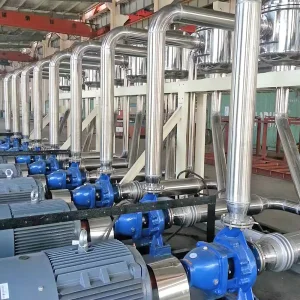
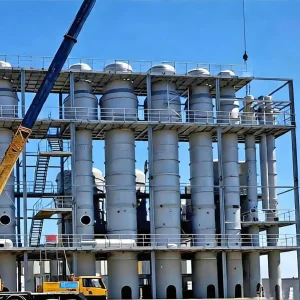
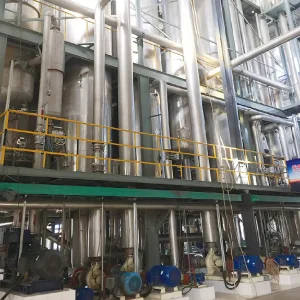
This trend has catalyzed the adoption of technologies like Mechanical Vapor Recompression (MVR) and waste heat evaporators. In a corn wet milling plant, the starch extraction process produces significant volumes of wastewater (such as light steep water). Concentrating these liquids using traditional multi-effect steam evaporators is highly energy-intensive. Modern MVR systems recycle the latent heat of evaporation by compressively upgrading the exhaust vapor, lowering steam consumption to near zero. Implementing an integrated system where waste heat from the bundle dryers is captured and routed back to the concentration loop is the hallmark of modern, sustainable plant design.
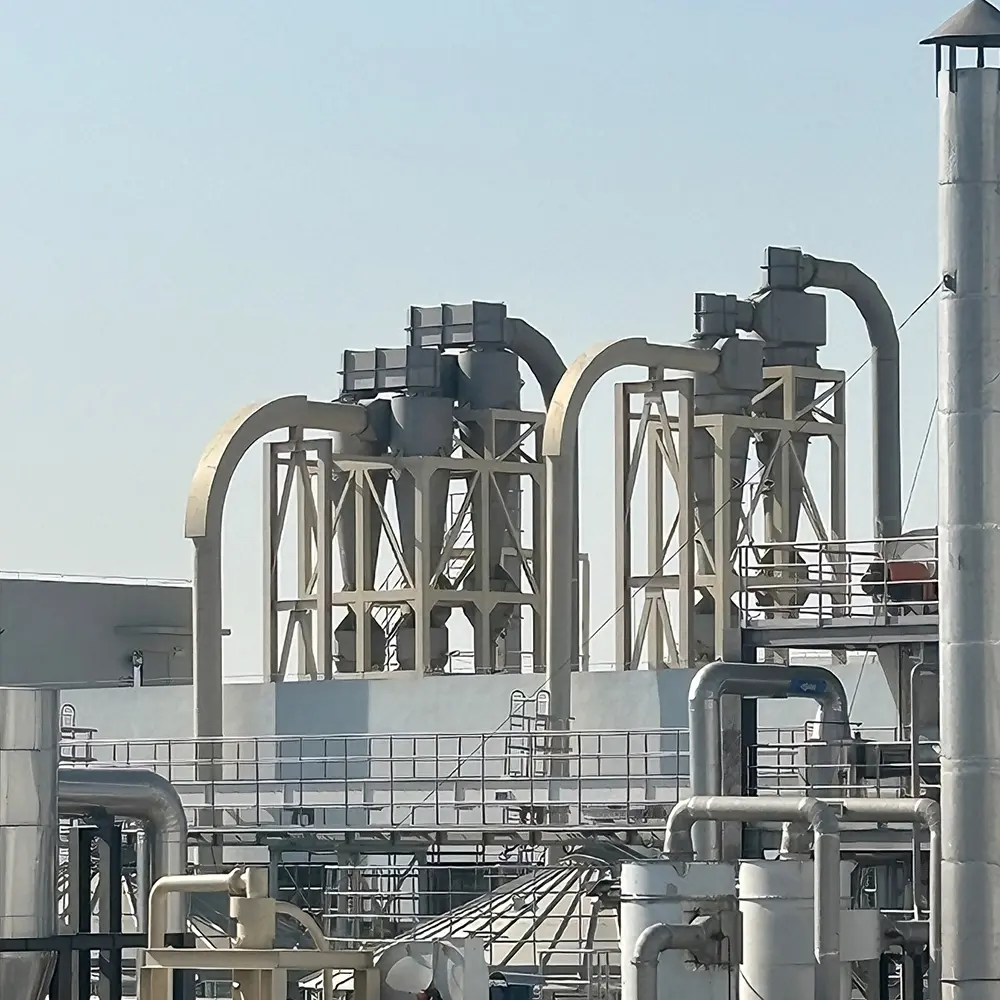
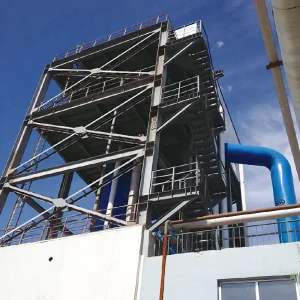
Our MQG Airflow Dryer utilizes high-velocity, heated air streams to fluidize and dry wet starch cakes instantly. By introducing varying tube diameters, the system generates pressure drops that break up agglomerated particles, ensuring uniform drying during vertical transport. It is the optimal drying system to pair with our high-yield degerming mills for an integrated starch manufacturing pipeline.
Learn More About Airflow DryersEstablished in 1992, Jiangsu Zongheng Concentrating and Drying Equipment Co., Ltd. (formerly Yixing Yangxi Light Industry Machinery Factory) is a modern, high-tech enterprise specializing in the design, engineering, and manufacturing of high-capacity evaporation systems, industrial drying equipment, starch cyclones, and Category III medium-to-low pressure vessels.
Located on the shores of Taihu Lake in Yixing City, China, our manufacturing facilities span over 54,000 square meters, with more than 22,000 square meters dedicated to heavy fabrication workshops. As an active member of the China Starch and Alcohol Association, we have delivered process solutions to food fermentation, alcohol, chemical, waste recovery, and pharmaceutical plants worldwide.
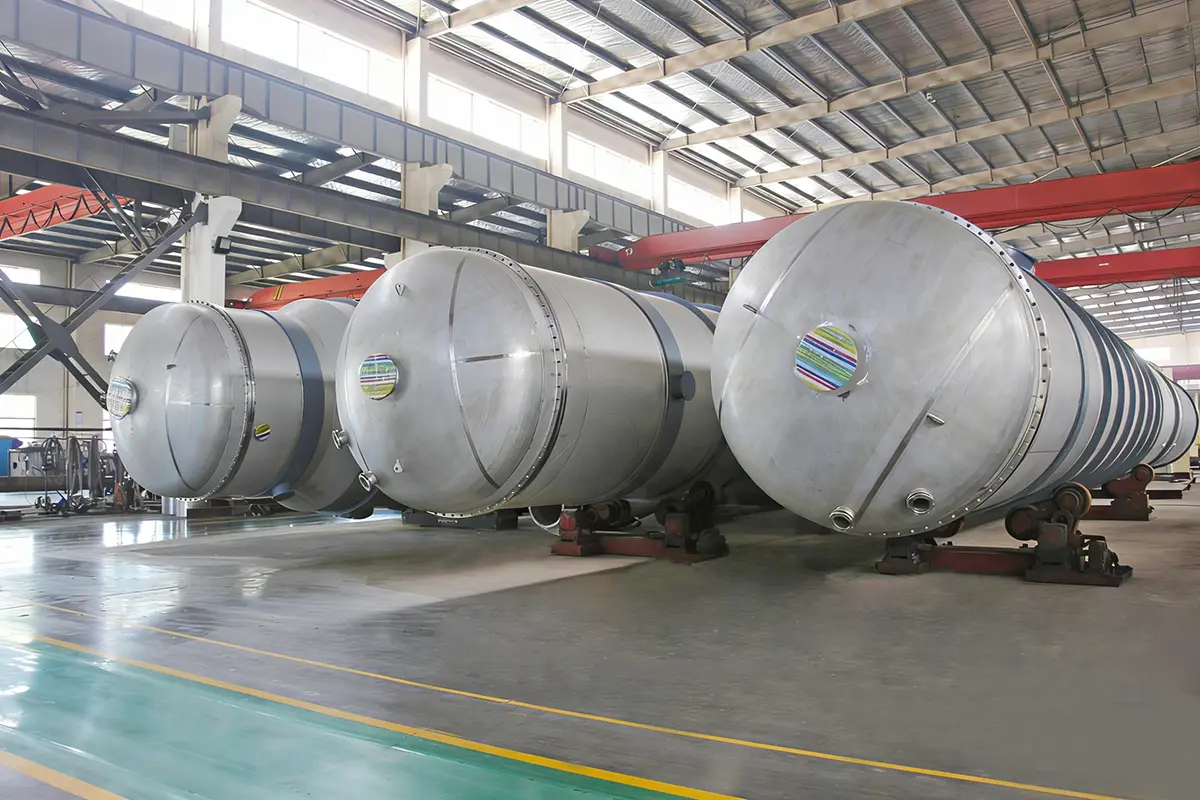
Used for steeping water concentration and wastewater treatment in wet milling plants.
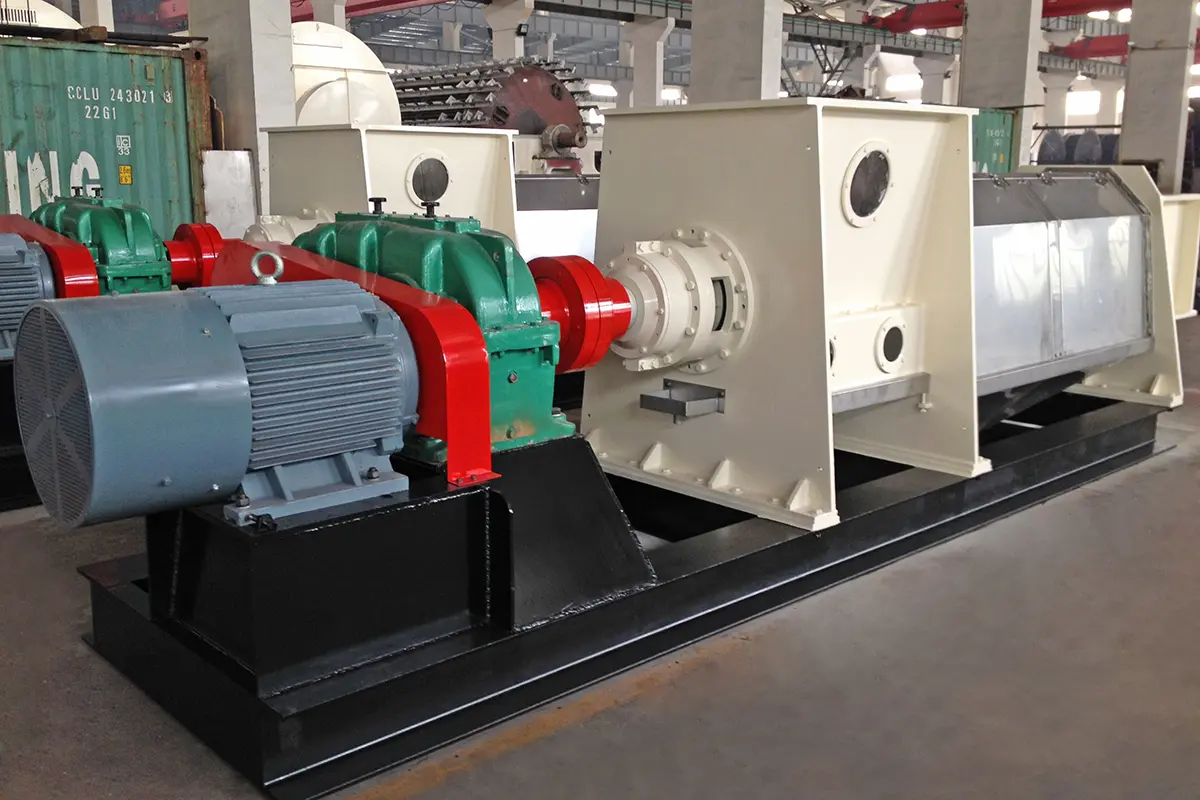
Optimal mechanical dewatering for fiber fractions and spent germ cake recovery.
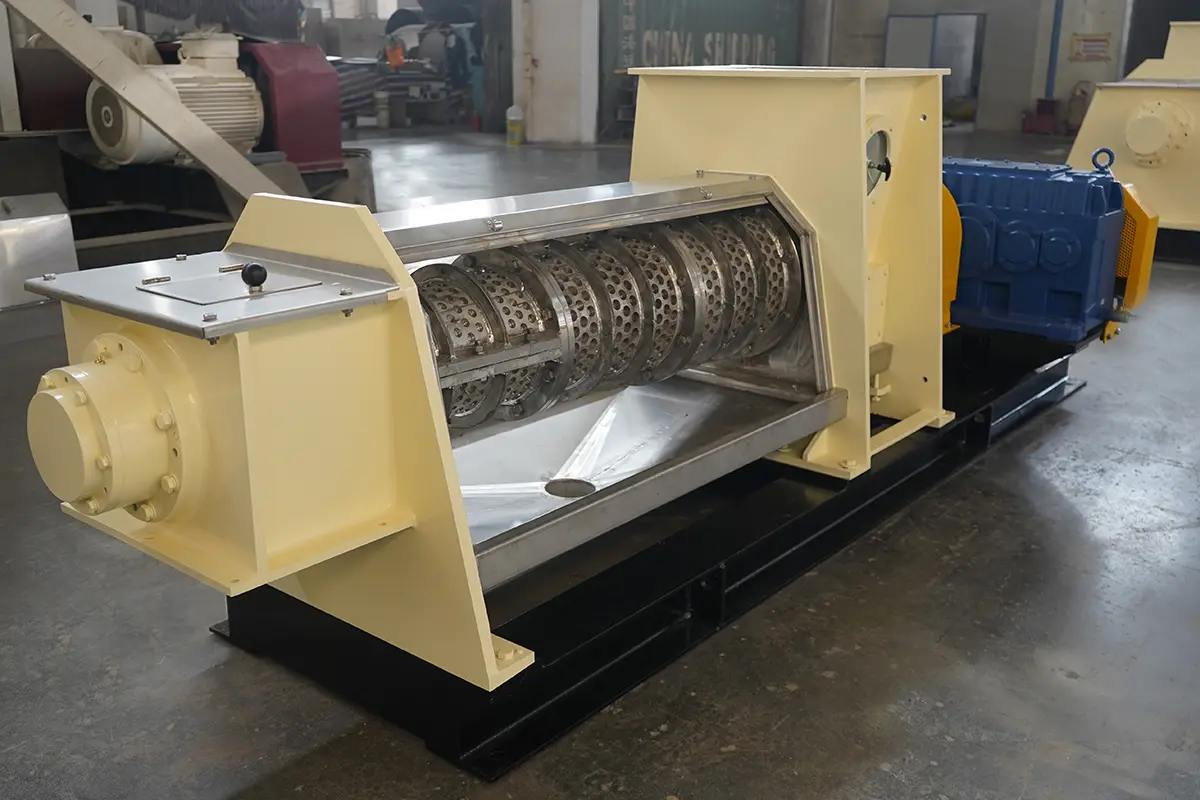
Rapid centrifugal drying systems designed for high starch slurry yields.
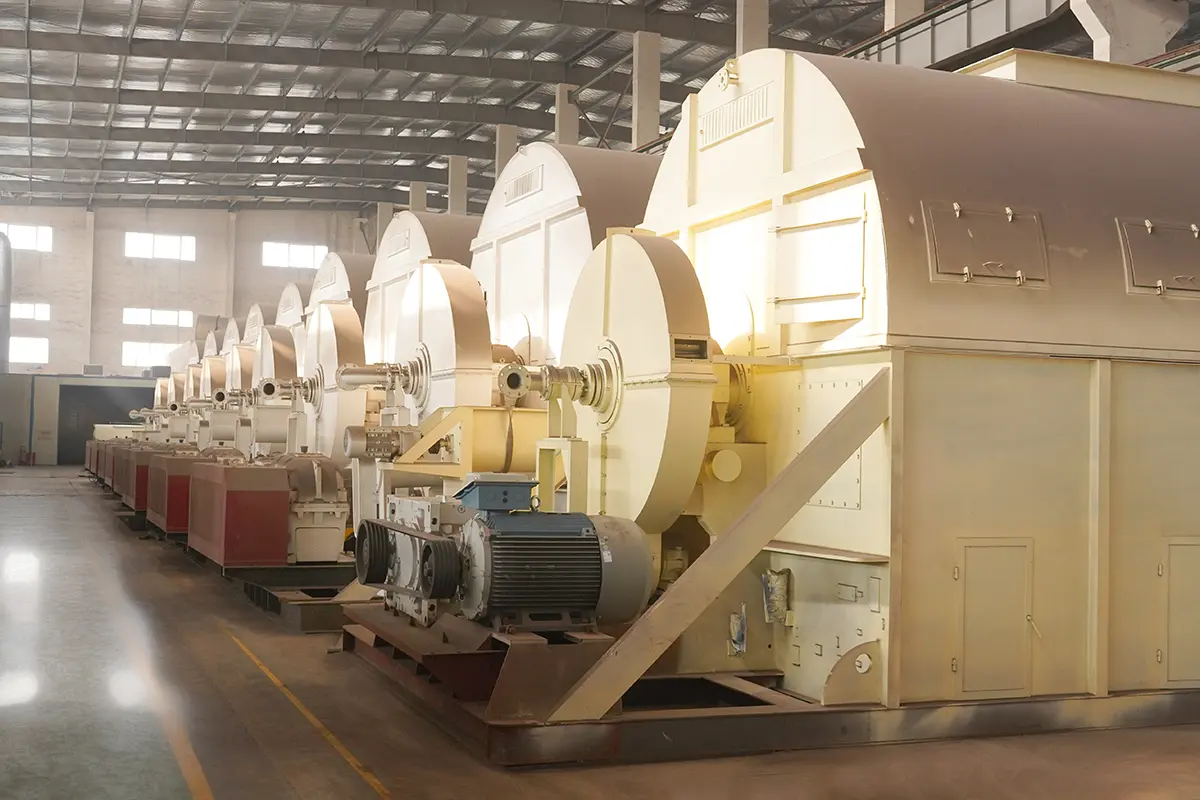
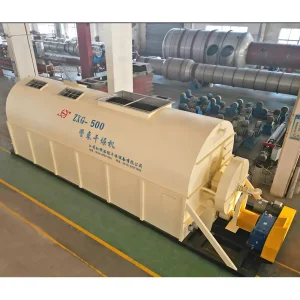
Continuous contact drying for germ and fiber, incorporating waste heat reuse loops.
Connect with our expert engineering team to receive customized layout configurations, technical support, and competitive quotes for your plant upgrade in Kuala Lumpur and the wider ASEAN region.
Send Inquiry Now Zongheng