High-capacity processing systems engineered for maximum starch yield, low energy consumption, and robust continuous operation.
Houston, Texas, is globally recognized as an energy and logistics powerhouse. However, its strategic position as a primary gateway for agricultural exports and industrial processing is equally vital. The Port of Houston, combined with extensive Class I rail networks, connects the massive agricultural yields of the US Midwest Corn Belt to international markets. This unique infrastructure has catalyzed the growth of large-scale bio-refineries, wet milling plants, and animal feed processing facilities along the Gulf Coast.
In these high-throughput environments, processing efficiency is directly tied to profitability. Corn wet milling, starch extraction, and ethanol production require heavy-duty machinery capable of continuous, 24/7 operation. The demand for robust, high-precision degerming mills in the Houston industrial corridor has grown exponentially as plants seek to optimize starch recovery rates while minimizing energy consumption. As a leading supplier, we provide the critical engineering expertise and machinery required to keep these facilities operating at peak thermodynamic and mechanical efficiency.
Strategic Advantage: Integrating advanced degerming technology within Gulf Coast processing facilities reduces operational downtime, maximizes oil-rich germ recovery, and lowers the carbon footprint of downstream drying and evaporation processes.
Engineered to cleanly liberate the corn germ from the endosperm without damage, maximizing premium corn oil yields.
All pressure vessels, evaporators, and mills conform to strict ASME Section VIII and CE safety standards for industrial deployment.
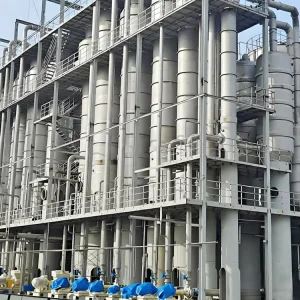
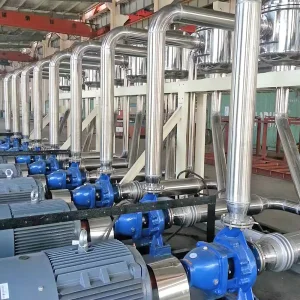
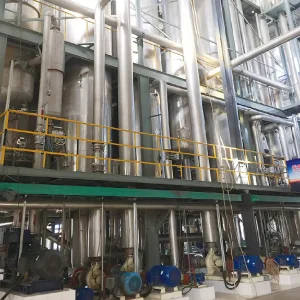
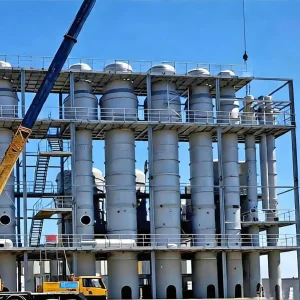
Integrating MVR and waste heat evaporation systems to recycle latent heat, cutting plant utility costs by up to 45%.
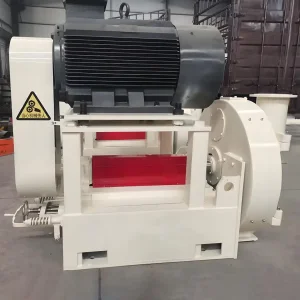
The primary objective of a degerming mill in a wet milling process is to tear the steeped corn kernels apart, releasing the germ while keeping it intact. If the germ is crushed or broken, oil escapes into the starch slurry, reducing the value of both the oil and the starch. Our degerming mills utilize a combination of impact and shearing forces, achieved through precisely engineered rotor and stator disc configurations.
The machine features a dynamically balanced rotor assembly operating at high speeds within a rugged, corrosion-resistant housing. The steeping process softens the corn kernel, allowing the mill to gently strip the hull and endosperm away from the germ. The clearance between the milling plates is adjustable, enabling operators to fine-tune the process based on kernel size, moisture content, and specific processing requirements. This level of control ensures a clean separation, resulting in a high-purity germ stream and a well-prepared starch-gluten fraction for downstream processing.
Years of Engineering Experience
Total Square Meters Factory Area
Senior R&D Engineers
U-Stamp & CE Certified
Global procurement teams in the agricultural processing sector face a complex matrix of challenges: rising energy costs, strict environmental regulations regarding wastewater discharge, and the need for high-reliability machinery to prevent costly unscheduled shutdowns. Our comprehensive product portfolio addresses these challenges by offering integrated, energy-efficient solutions that span the entire wet milling and concentration process.
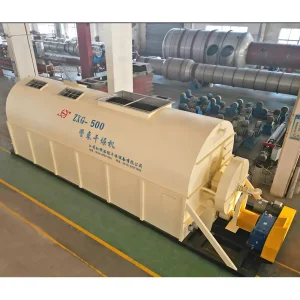
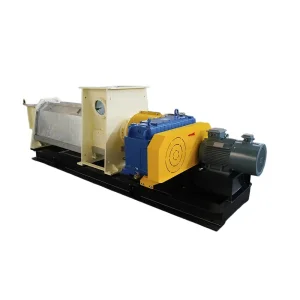
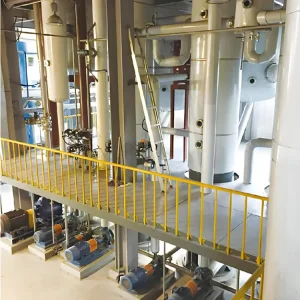
For instance, the liquid concentration phase of wet milling is highly energy-intensive. By pairing our high-efficiency Degerming Mills with our Mechanical Vapor Recompression (MVR) Evaporation Plants and Falling Film Evaporators, plants can concentrate corn steep liquor and process wastewater using a fraction of the steam required by traditional multi-effect evaporators. Furthermore, our Single Screw Presses and Tube Bundle Dryers provide highly efficient dewatering and drying of the fiber and gluten fractions, ensuring that final products are processed with minimal thermal energy input.
Integrated Process Optimization: By sourcing your milling, dewatering, evaporation, and drying equipment from a single, vertically integrated manufacturer, you eliminate compatibility bottlenecks and optimize the overall thermal efficiency of your plant.
As the industrial processing sector moves toward Industry 4.0, the integration of smart technologies into heavy machinery is no longer optional. Our technical roadmap for the next generation of wet milling and concentration equipment focuses on three primary pillars: automation, advanced materials, and circular economy integration.
We are actively developing and deploying IoT-enabled sensors for our degerming mills and evaporators. These sensors monitor real-time parameters such as bearing temperature, vibration frequency, and plate wear, feeding data into predictive maintenance algorithms. This allows plant operators to schedule maintenance before a component fails, virtually eliminating unplanned downtime. Additionally, we are researching advanced, wear-resistant coatings for our milling plates to extend their operational lifespan in abrasive wet milling environments.
In terms of thermal systems, our focus is on maximizing waste heat recovery. By capturing low-grade heat from dryers and evaporators and recycling it back into the pre-heating stages of the wet milling process, we aim to help processing plants achieve near-zero thermal waste. This not only reduces operating costs but also aligns with global corporate sustainability goals and carbon reduction mandates.
Explore our full range of heavy-duty industrial equipment, designed to integrate seamlessly into your production line.
Get authoritative answers to common technical queries regarding our wet milling and concentration systems.
 Zongheng