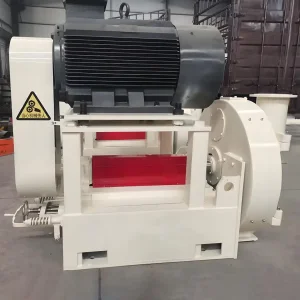
Engineered for precise germ separation in wet milling, maximizing starch yield and oil recovery.
Read More →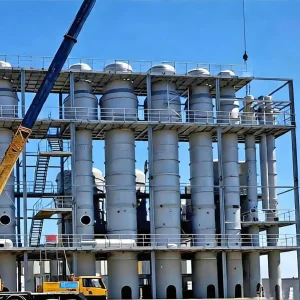
Advanced concentration technology designed to lower utility consumption in starch and alcohol plants.
Read More →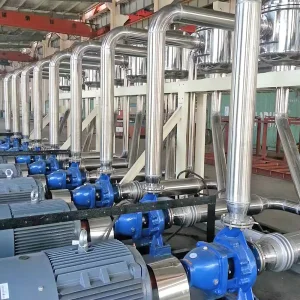
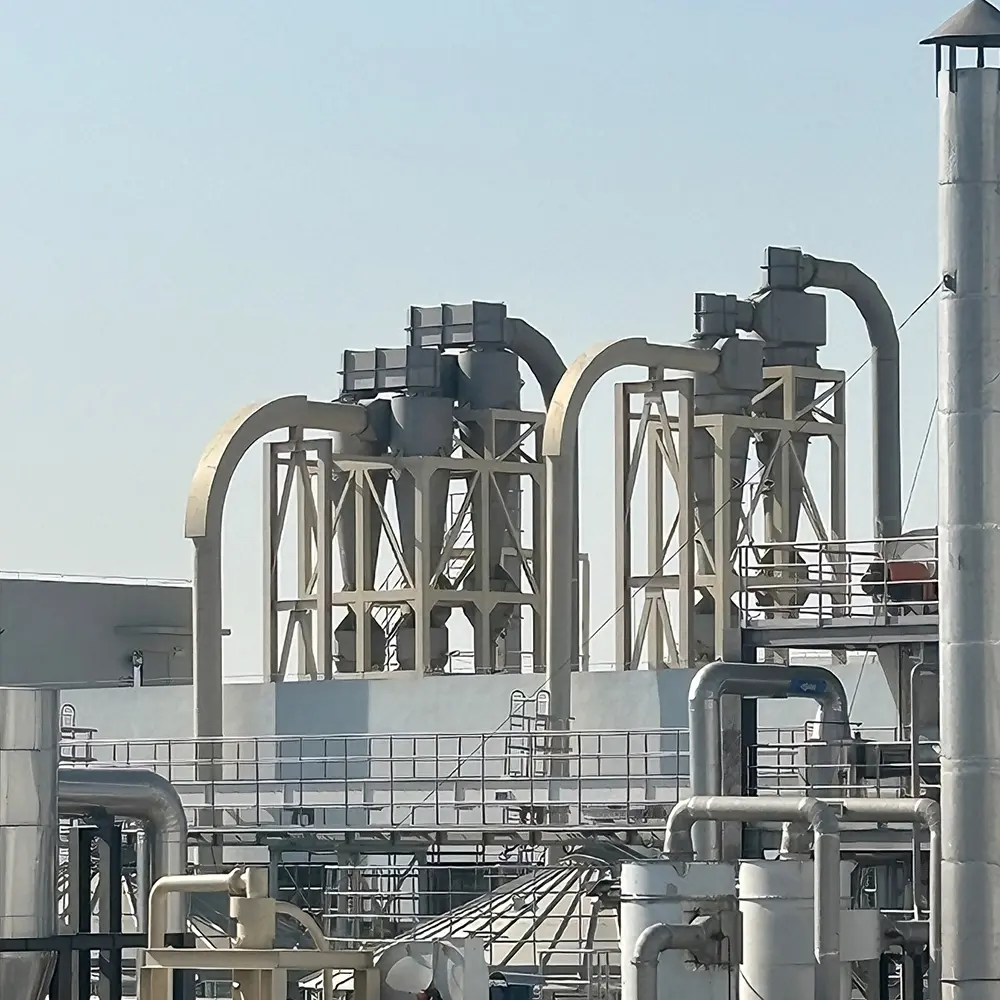
Multi-stage cyclone systems ensuring maximum starch purity and efficient protein separation.
Read More →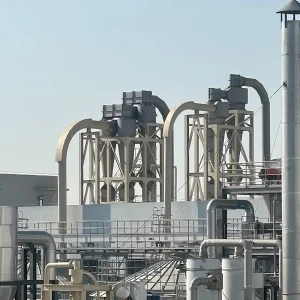
High-speed hot air technology for uniform, rapid drying of starch and gluten products.
Read More →Mexico City and its surrounding industrial corridors (including Estado de México, Hidalgo, and Querétaro) represent a major hub for agricultural processing and food production in Latin America. Maize, deeply rooted in the region's history, remains the cornerstone of both food security and industrial manufacturing. While traditional dry milling and nixtamalization dominate the direct food supply, the demand for industrial starch, high-fructose corn syrup (HFCS), corn oil, and animal feed (DDGS) has driven rapid growth in the wet milling sector.
Within this industrial ecosystem, the Degerming Mill is critical. Its primary function is to break down the corn kernel and cleanly separate the germ from the endosperm and fiber. Because the germ contains the highest concentration of oil, clean separation is vital. Any germ damage or incomplete separation directly reduces corn oil yields and contaminates the starch stream with unwanted lipids, lowering the quality of the final starch products.
Our degerming mills utilize adjustable rotor-stator plate configurations. By controlling the impact speed and plate gap, the mill applies precise shear forces that strip the endosperm away from the germ without crushing the oil-rich embryo.
Processing steeped corn requires equipment that can withstand acidic environments (pH 3.8 to 4.2) and abrasive fiber. We use premium stainless steel and specialized wear-resistant alloy plates to extend operational life and reduce downtime.
Operators can adjust plate clearances on the fly to accommodate variations in corn kernel size, moisture levels, and steeping quality. This flexibility ensures consistent germ recovery rates even when raw material quality fluctuates.
Before entering the degerming mill, corn is steeped in a sulfur dioxide (SO2) and warm water solution for 24 to 48 hours. This softens the kernels and breaks down the gluten matrix. The steeped corn is then fed into the first-pass degerming mill, which releases the bulk of the germ. The slurry is pumped through germ cyclones to separate the freed germ. The remaining underflow goes to a second-pass degerming mill to release any bound germ, ensuring maximum recovery before the fiber and starch separation stages.
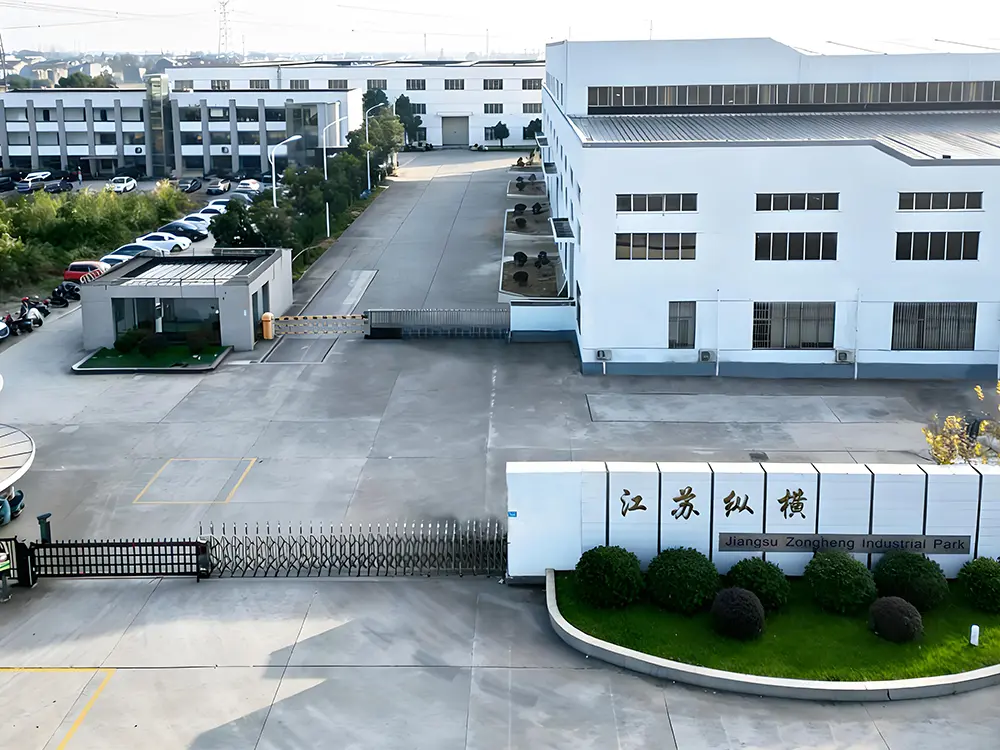
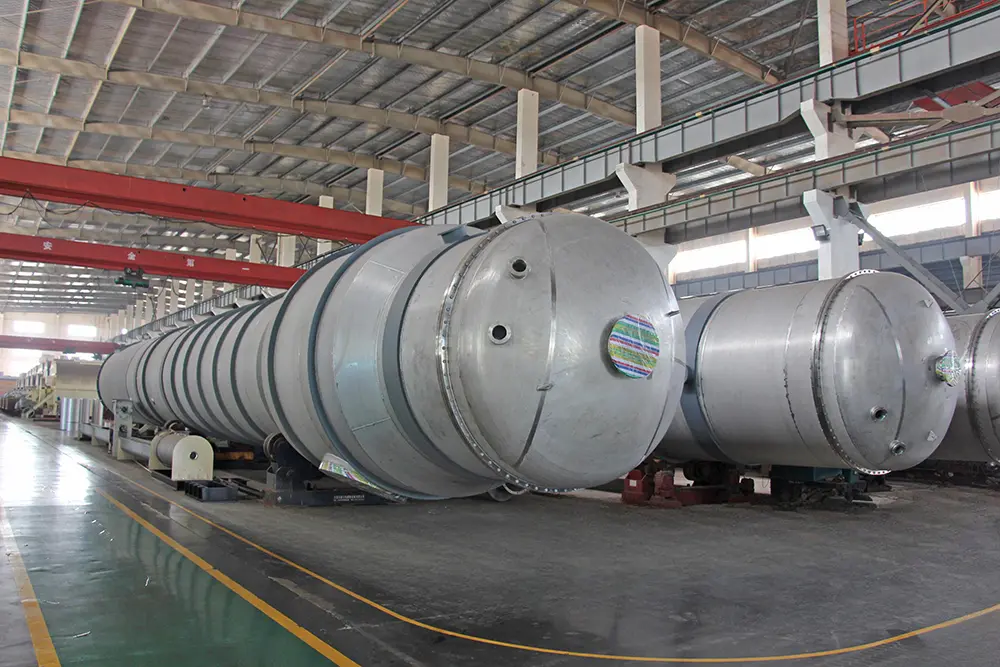
As a leading Chinese manufacturer, Jiangsu Zongheng Concentrating and Drying Equipment Co., Ltd. offers a robust supply chain that combines cost efficiency with high-end engineering. Our 54,000+ square meter facility features advanced CNC machining centers, automated welding stations, and rigorous non-destructive testing (NDT) labs.
By sourcing from our factory, Mexico City processors benefit from:
Operating industrial machinery in Mexico City requires compliance with local regulations and adjustments for the city's unique geography. Located at an elevation of 2,240 meters (7,350 feet) above sea level, Mexico City's lower atmospheric pressure and air density affect motor cooling, drying system airflow, and steam dynamics.
Our equipment is designed and manufactured to meet international standards, including ASME Section VIII Div 1 for pressure vessels and CE certification. We ensure all electrical components, control panels, and motors comply with Mexican NOM (Normas Oficiales Mexicanas) standards for electrical safety and energy efficiency.
To prevent motor overheating in Mexico City's thin air, we supply degerming mills with derated motors or upgraded insulation classes (Class F/H). This ensures continuous, reliable operation under heavy loads without premature insulation breakdown.
We provide comprehensive technical support for Mexican processors, including installation supervision, commissioning, and operator training. We also maintain a local inventory of critical wear parts, such as grinding plates and seals, to minimize lead times.
Modern wet milling operations face pressure to reduce energy consumption, minimize water use, and maximize yield. To address these challenges, the industry is adopting several key technological trends:
Founded in 1992, Jiangsu Zongheng (formerly Yixing Yangxi Light Industry Machinery Factory) is located in Zhoutie Town, Yixing City, near Taihu Lake. Over the past three decades, we have grown into a modern high-tech enterprise specializing in concentration, drying, starch processing, and pressure vessel manufacturing.
As a member of the China Starch and Alcohol Association, our equipment is widely used in the food fermentation, starch, chemical, pharmaceutical, and environmental protection industries worldwide. We are committed to delivering high-performance, energy-efficient solutions that help our customers optimize their processes and reduce operating costs.
Established as Yixing Yangxi Light Industrial Machinery Factory, starting with a team of 45 employees and a focus on local light industry equipment.
Obtained ISO9001 quality management system certification, standardizing our manufacturing and quality control processes.
Recognized as a Jiangsu Provincial High-Tech Enterprise, reflecting our commitment to technical innovation and R&D.
Obtained the Special Equipment Manufacturing License of the People's Republic of China for pressure vessel fabrication.
Acquired the ASME "U" Stamp authorization, allowing us to manufacture pressure vessels for the global market.
Achieved international quality system certification (Certificate No.: 45021), aligning our operations with global standards.
Expanded our facility to 54,000+ square meters, employing over 120 staff members, including 3 senior engineers and 20+ engineers.
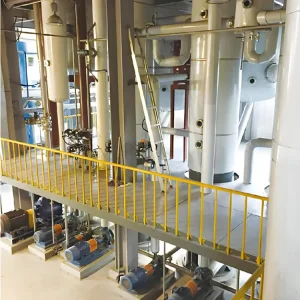
High-efficiency evaporation plants designed for heat-sensitive liquid concentration.
Read More →
Precision-engineered mills for high-yield germ separation in industrial starch plants.
Read More →
Multi-stage cyclone systems optimized for starch washing and concentration.
Read More →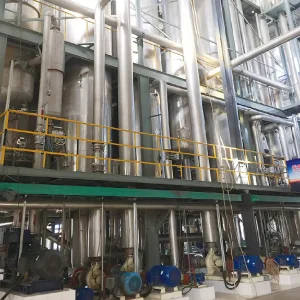
Forced circulation evaporators designed for high-fouling liquids and crystallization.
Read More →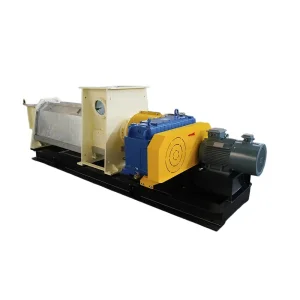
High-efficiency dewatering presses for corn fiber, germ, and gluten slurry.
Read More →
Robust evaporation systems designed for continuous operation in demanding processes.
Read More →
Energy-saving falling film systems designed for optimal thermal efficiency.
Read More →
Industrial cyclone systems engineered for starch washing, concentration, and refining.
Read More →Contact our engineering team to discuss your production requirements, request a quote, or schedule a technical consultation for your plant in Mexico City.
Send Inquiry Now Zongheng