Q
What types of waste heat sources can be used in the waste heat evaporation system?
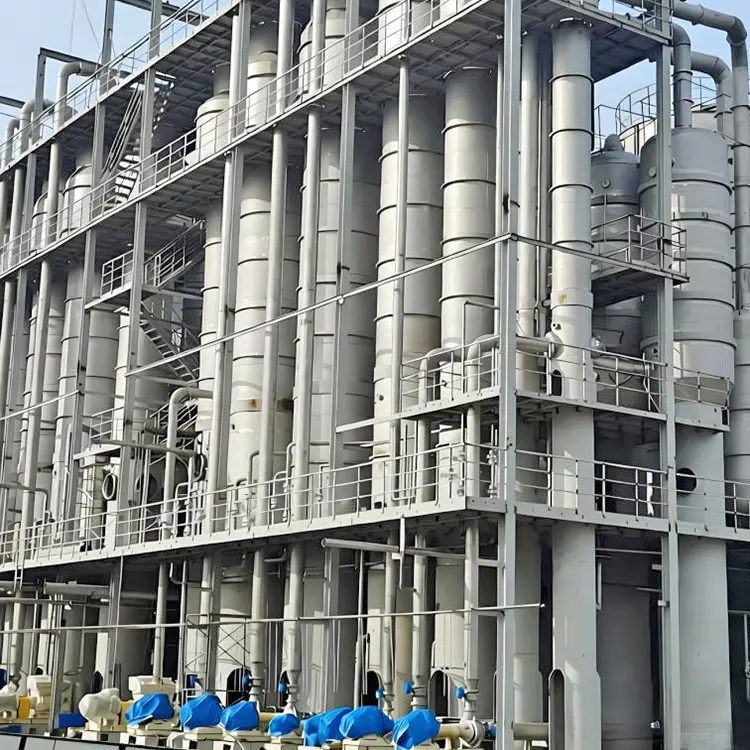
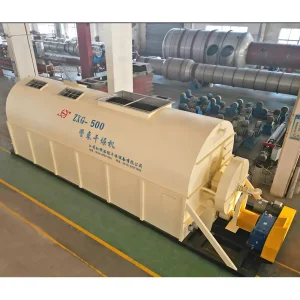
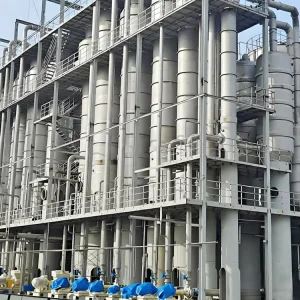
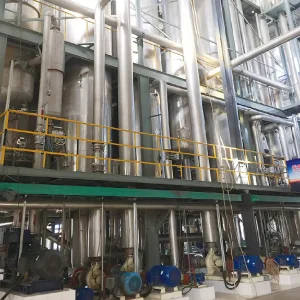
The system can utilize various waste heat sources, including waste vapor and condensate from drying starch by-products (such as fiber, germ, gluten, and fiber+CSL), waste vapor and condensate from DDGS drying, and liquefaction vapor from the sugar factory liquefaction process.
Q
How does the waste heat evaporation plant help reduce dust emissions and environmental pollution?
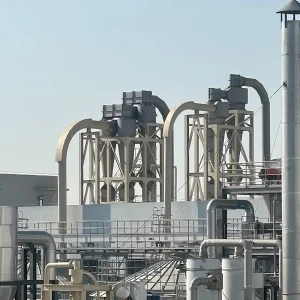
The system is designed to completely remove dust carried by waste vapor before it enters the evaporator. This prevents dust from adhering to heater tube surfaces and ensures stable evaporating efficiency, while also greatly reducing dust emissions into the environment.
Q
What industries and liquid types is the waste heat evaporation plant best suited for?
The plant is particularly suited for processing corn steep liquid, alcoholic wastewater, and glucose liquid. More broadly, it is applicable in the chemical, metallurgy, food, pharmaceutical, and wastewater treatment sectors.
Q
Can the evaporation system still operate if the dryers are shut down?
Yes. If the dryers are stopped and waste vapor is no longer available, the system can seamlessly switch to using fresh steam as the energy input, ensuring continuous and uninterrupted operation of the evaporation process.
Q
What advanced technologies are integrated to optimize evaporation performance?
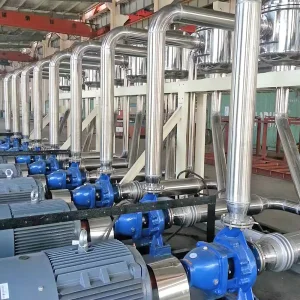
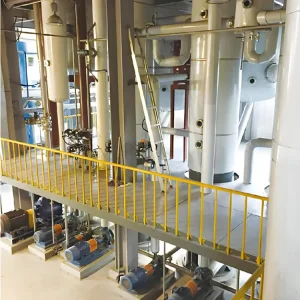
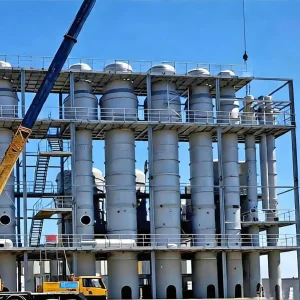
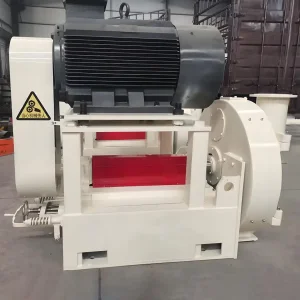
Our systems integrate multi-effect evaporation, MVR (Mechanical Vapor Recompression), and forced circulation evaporation technologies. These systems work together to maximize energy efficiency, minimize operational costs, and ensure stable, high-performance evaporation.
Q
What quality standards and after-sales support are provided?
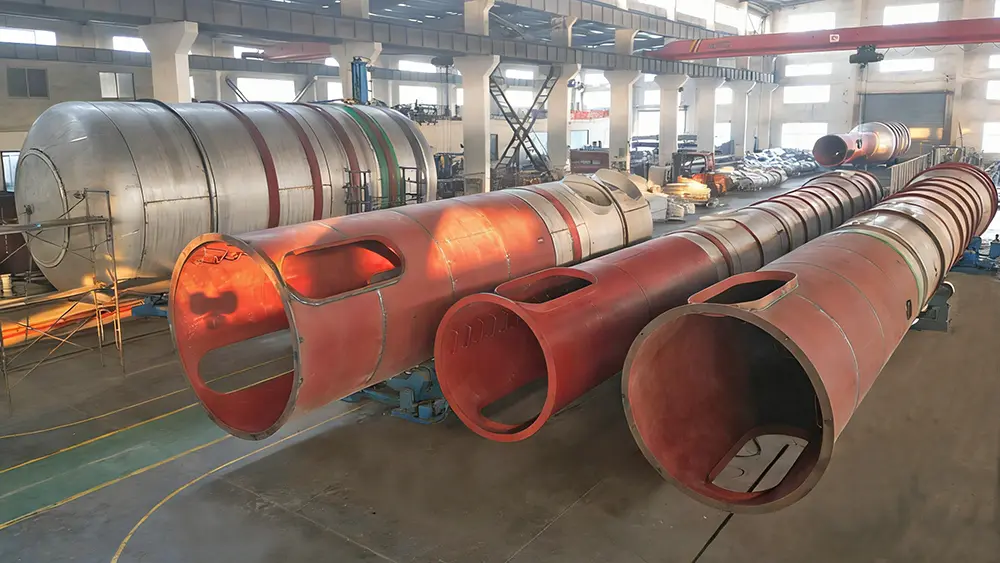
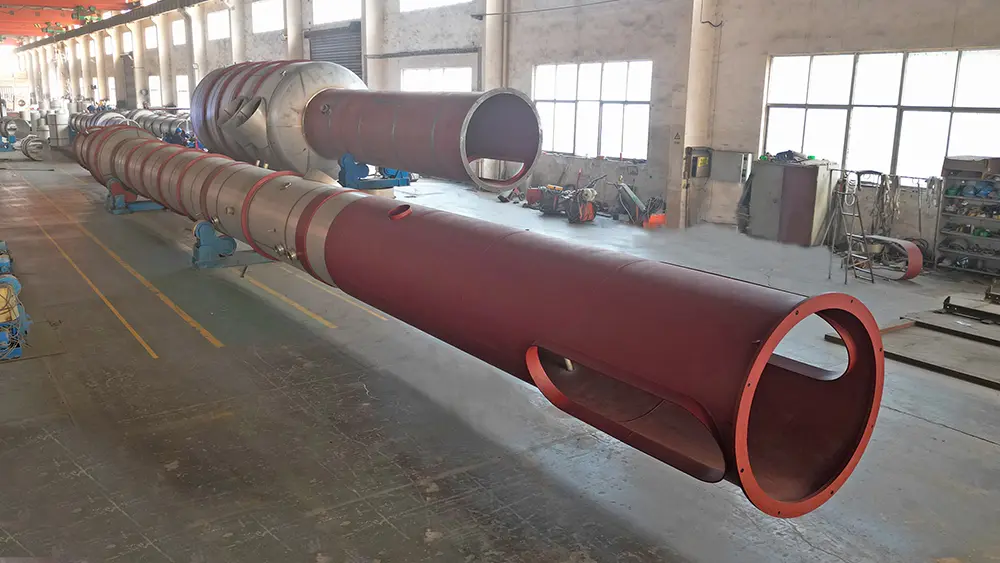
The manufacturing process adheres to international standards including ISO 9001 and CE certification, and maintains rigorous quality control throughout manufacturing. Comprehensive after-sales support is provided, covering installation guidance, operator training, and ongoing maintenance services to ensure long-term reliability.
 Zongheng