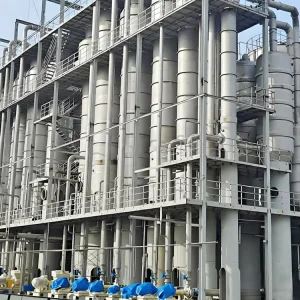
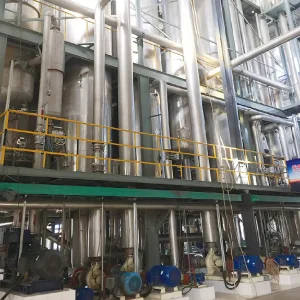
Mechanical Vapor Recompression (MVR) represents the zenith of contemporary thermal concentration technology. Unlike traditional multi-effect evaporation systems that consume enormous amounts of prime steam, MVR evaporator plants reuse the latent heat of secondary vapor produced during the boiling process. By utilizing high-efficiency mechanical compressors—either Centrifugal Turbo Blowers or Roots Compressors—the thermal energy of the vapor is elevated. This compressed steam is then recycled back into the shell side of the heat exchanger to serve as the heating medium for the process fluid. The resulting thermodynamic loop slashes energy consumption, dramatically lowering operational expenditures (OPEX) and shrinking carbon footprints across processing industries.
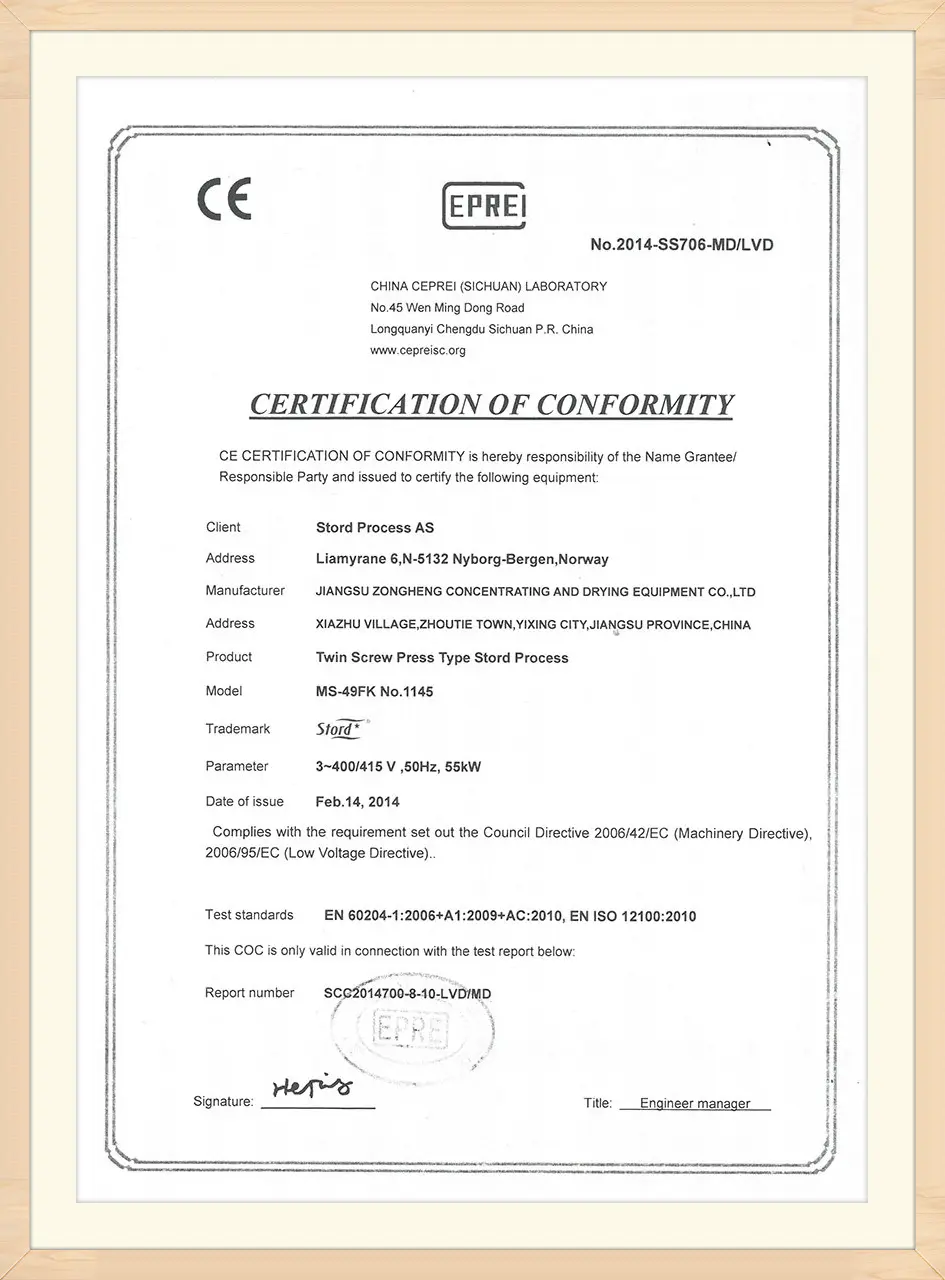
Compliance with European Union (EU) standards is mandatory for systems operating under high-temperature and pressurized environments. Holding a valid CE Certification is not merely a regulatory checkpoint; it is validation of rigorous mechanical safety engineering, structural integrity, and electrical compliance with Directives such as the Pressure Equipment Directive (PED) 2014/68/EU and the Machinery Directive 2006/42/EC. In the global landscape of MVR evaporator technology, leading Chinese manufacturers, such as Jiangsu Zongheng Concentrating and Drying Equipment Co., Ltd., are integrating advanced automation, material sciences, and digital twins under Industry 4.0 paradigms to deliver systems that consistently exceed global compliance metrics.
“An MVR evaporator plant operates on the principle of open heat pump cycles, where electrical power replaces thermal energy as the primary driving force. In modern industrial operations, this conversion translates to energy savings of up to 75% compared to conventional multiple-effect evaporators.”
MVR systems achieve a Coefficient of Performance (COP) values between 10 to 30. The primary energy source shifts from high-pressure boiler steam to mechanical compression, allowing 1 kW of electrical power to generate heat equivalent to 10-30 kW of steam energy.
Through embedded PLC systems, modern MVR configurations adapt instantly to fluctuating feed concentrations, maintaining precise pressure differentials across the compressor while eliminating localized overheating of heat-sensitive materials.
Structural integrity verified via Non-Destructive Testing (NDT), finite element analysis (FEA) for pressure boundaries, and compliance validation. Ensures long operational lifespans under continuous 24/7 heavy industrial stress.
Modern engineering demands absolute clarity concerning cost, energy, and process efficiency. For projects with high flow rates and continuous concentration demands, mechanical vapor recompression outperforms traditional configurations in long-term financial modeling. When concentrating starch wastewater, chemical residues, or dairy elements, selecting the appropriate evaporation design shapes plant operating expenses for decades.
| Parameter | MVR (Mechanical Vapor Recompression) | MEE (Multiple Effect Evaporators - 4 Effect) | TVR (Thermal Vapor Recompression) |
|---|---|---|---|
| Primary Energy Source | Electricity (Compressor Drive) | Live Boiler Steam | Motive High-Pressure Steam |
| Steam Consumption per Ton H2O | 0 to 0.05 Tons (Startup only) | 0.25 to 0.35 Tons | 0.15 to 0.20 Tons |
| Electricity Consumption per Ton H2O | 15 - 30 kWh | 2 - 4 kWh | 3 - 5 kWh |
| Cooling Water Requirement | Minimal (none required at steady-state) | High (requires large cooling towers) | Moderate to High |
| Boiling Point Elevation (BPE) Limits | Suitable for low-to-medium BPE fluids | High BPE tolerance across stages | Moderate BPE tolerance |
| Relative Capital Cost (CAPEX) | High (due to compressor system) | Medium | Medium-Low |
| Carbon Footprint (CO2 Equivalent) | Lowest (highly reduced fossil fuel use) | High (reliant on fossil boiler steam) | Medium-High |
While the initial capital expenditure (CAPEX) of MVR evaporator plants is higher due to the precision-engineered compressor, the operational expenditure (OPEX) savings pay back the investment within 12 to 24 months of continuous operation. This makes CE Certified MVR technology the preferred alternative for processing industries working toward carbon neutrality, zero liquid discharge (ZLD), and green manufacturing targets.
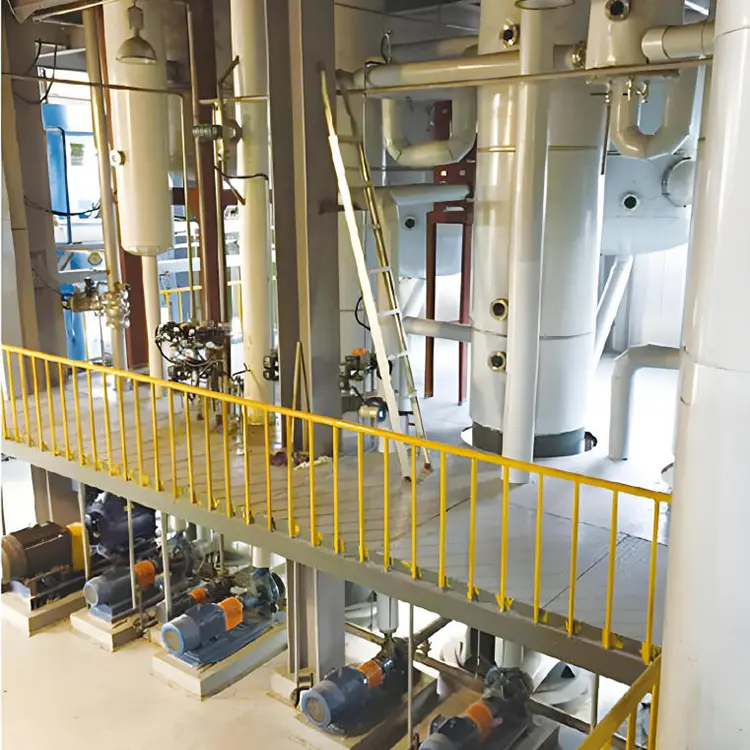
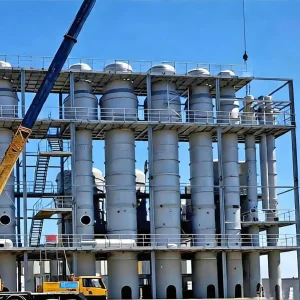
A falling film evaporator efficiently concentrates heat-sensitive liquids. The feed liquid forms a thin film flowing down heated vertical tubes, where it partially evaporates. Vapor generated flows parallel to the liquid, enhancing the process. It ensures a short residence time and low operating temperature, preserving product quality. The system requires proper liquid distribution and complete surface wetting to prevent fouling and maintain high thermal efficiency and operational stability.
View Evaporation Solutions →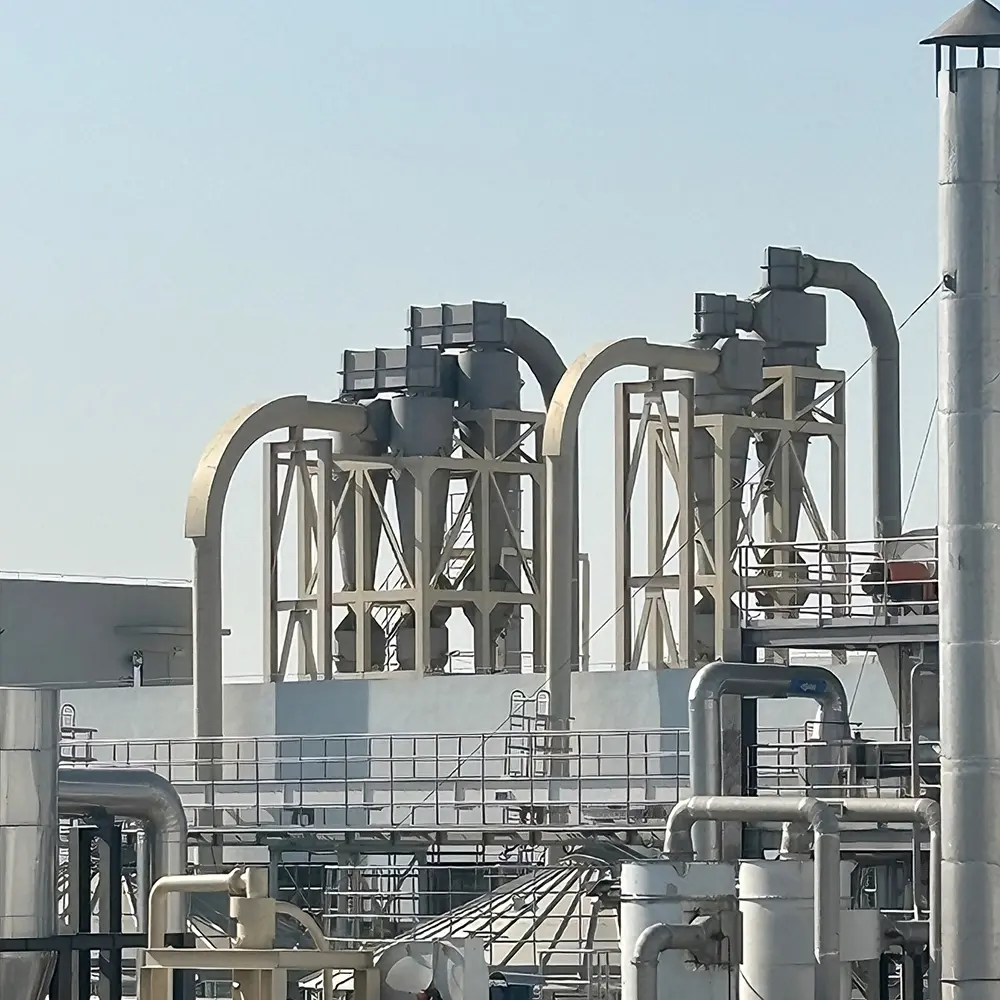
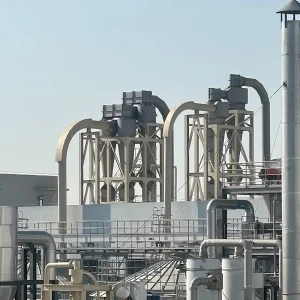
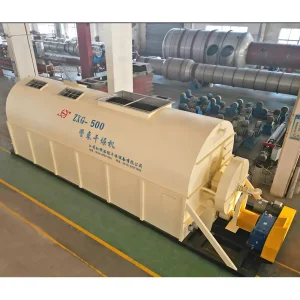
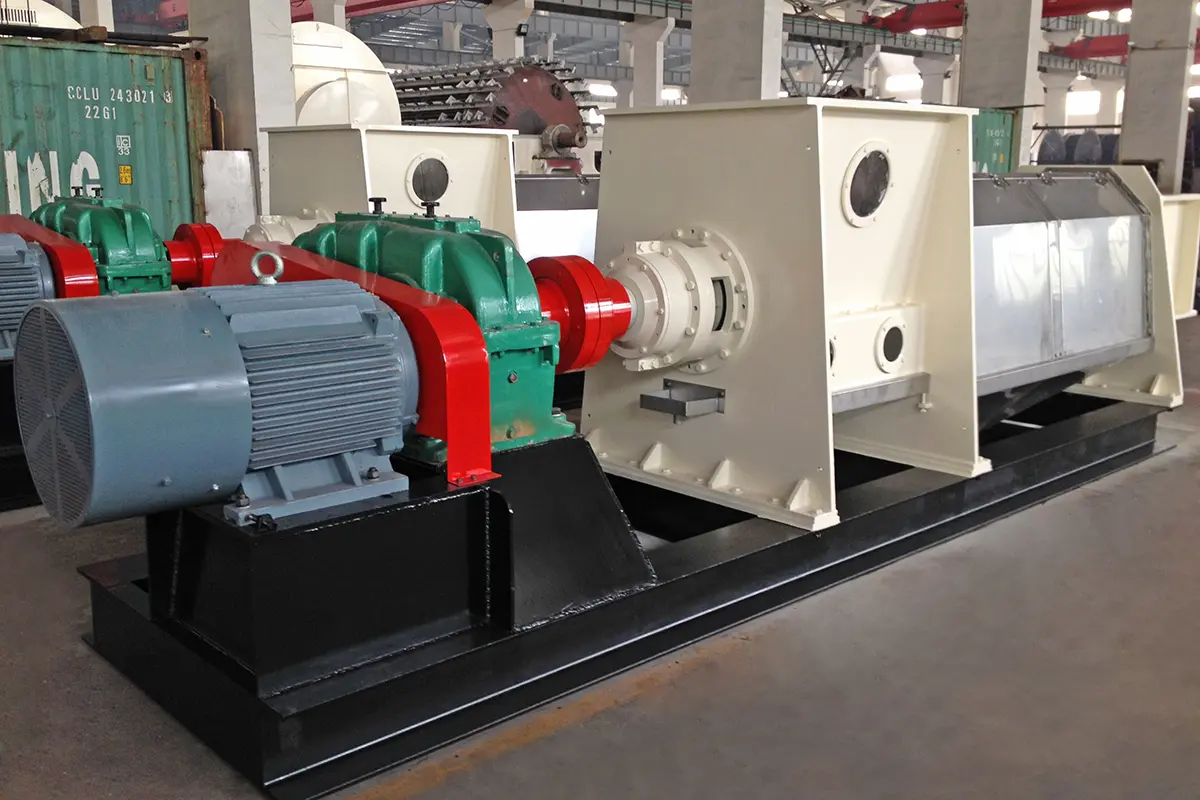
Jiangsu Zongheng's MQG Airflow Dryer employs high-speed hot air to suspend and fluidize the material. By utilizing impulse airflow generated from precisely varied tube diameters, it continuously tumbles the particles while conveying them. This design ensures rapid, uniform, and efficient drying throughout the entire transportation process within the system, making it ideal for starch, food fibers, and chemical powder processing.
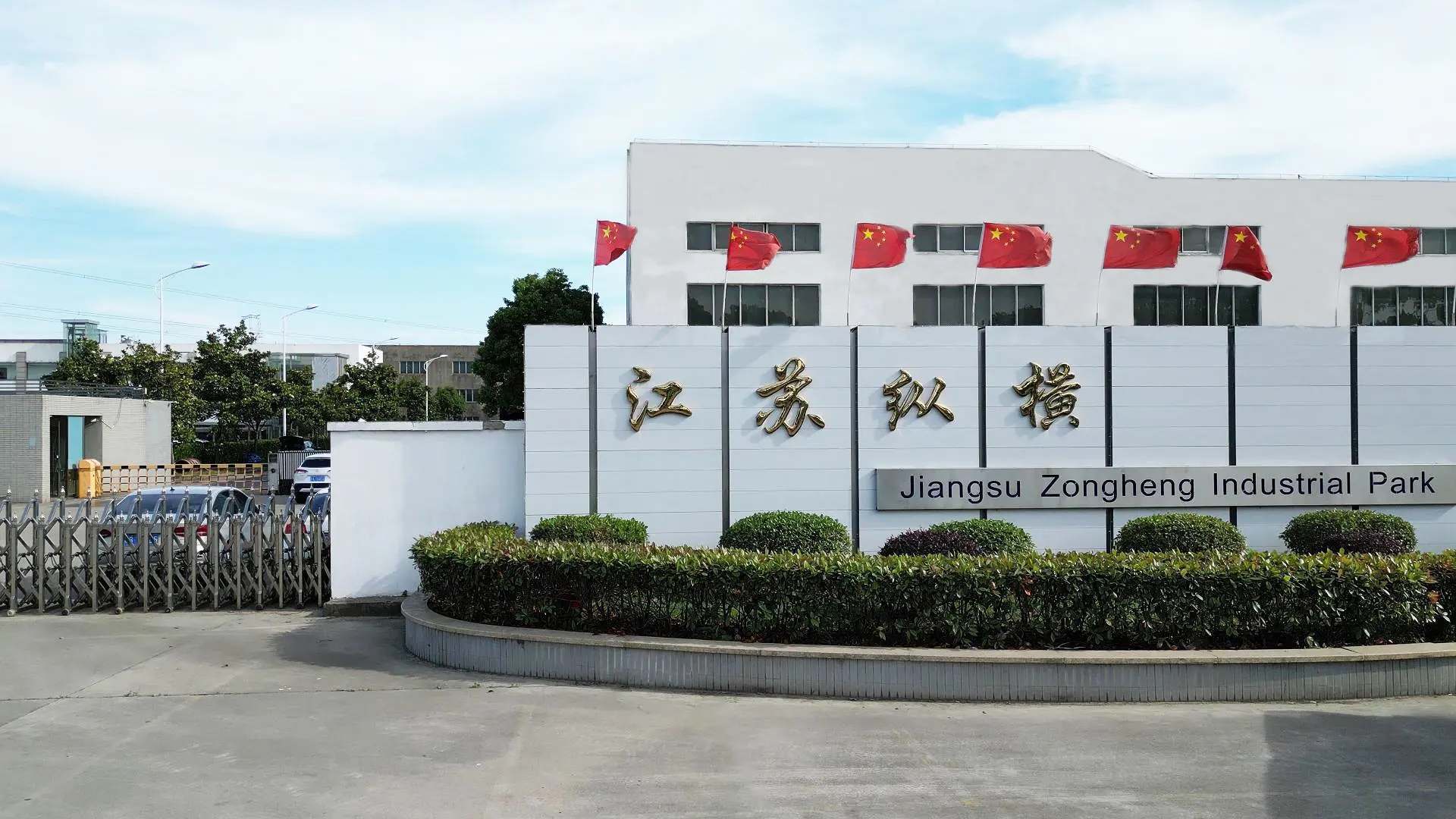
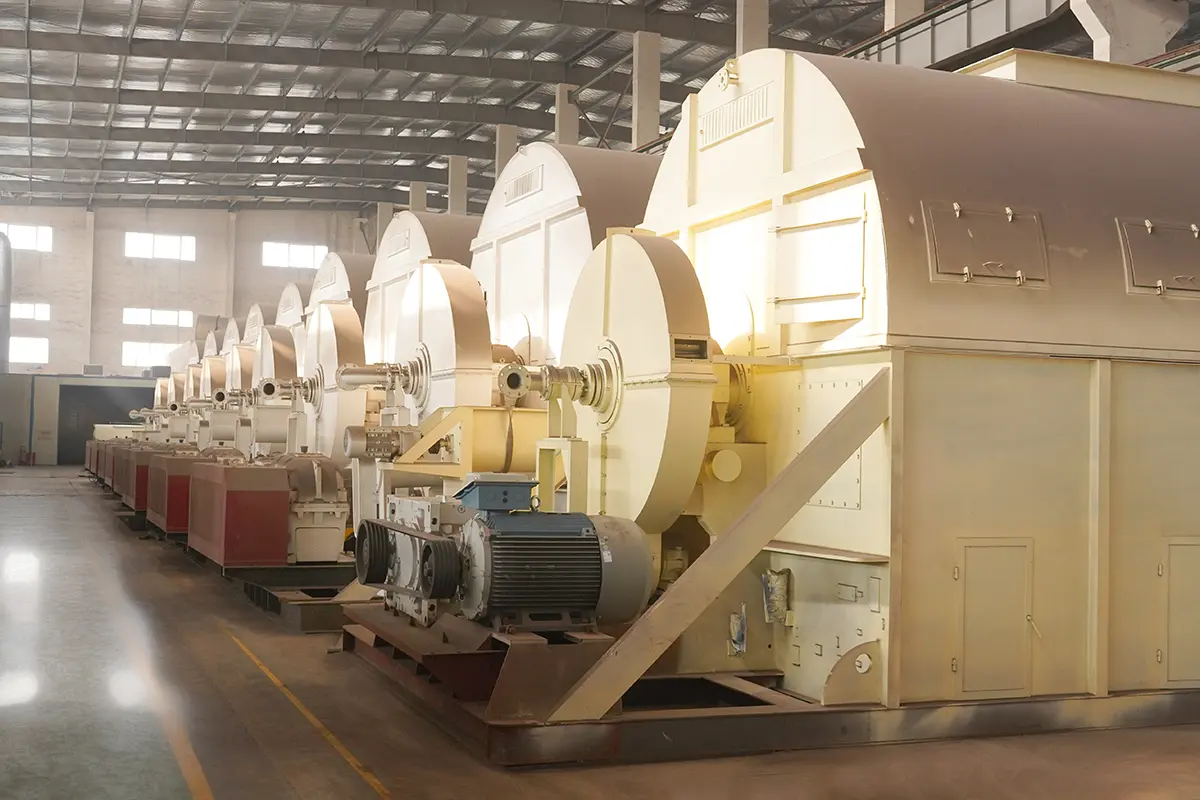
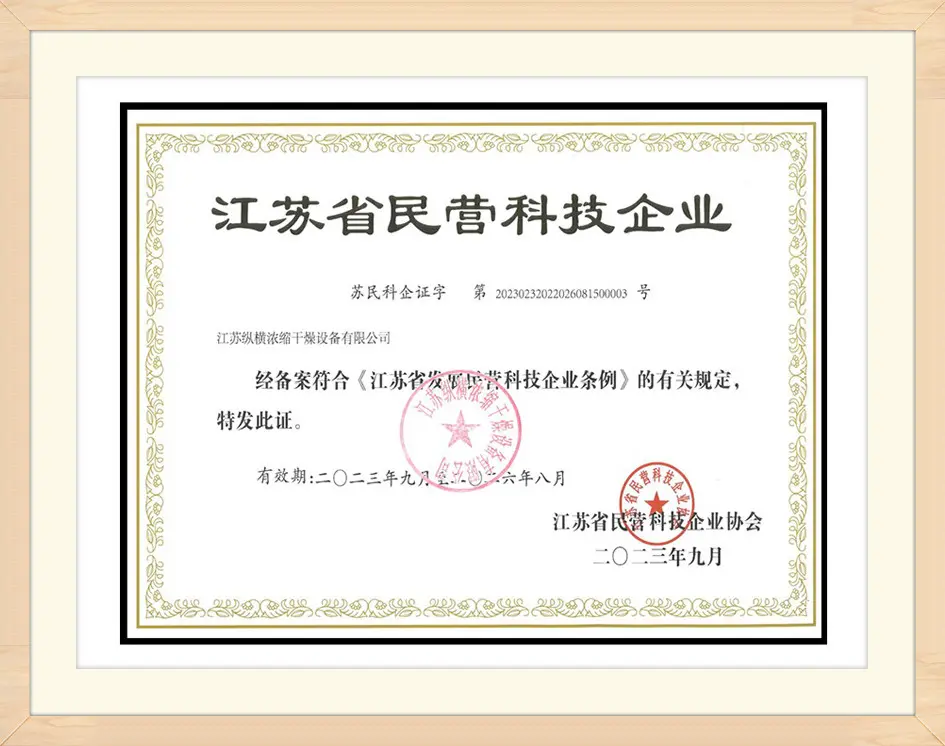
Explore Airflow Dryers →Jiangsu Zongheng Concentrating and Drying Equipment Co., Ltd (formerly Yixing Yangxi Light Industry Machinery Factory), founded in 1992, is located in Zhoutie Town, Yixing City, on the shores of the beautiful Taihu Lake. The company covers an area of over 54,000 square meters, with a production workshop area of over 22,000 square meters.
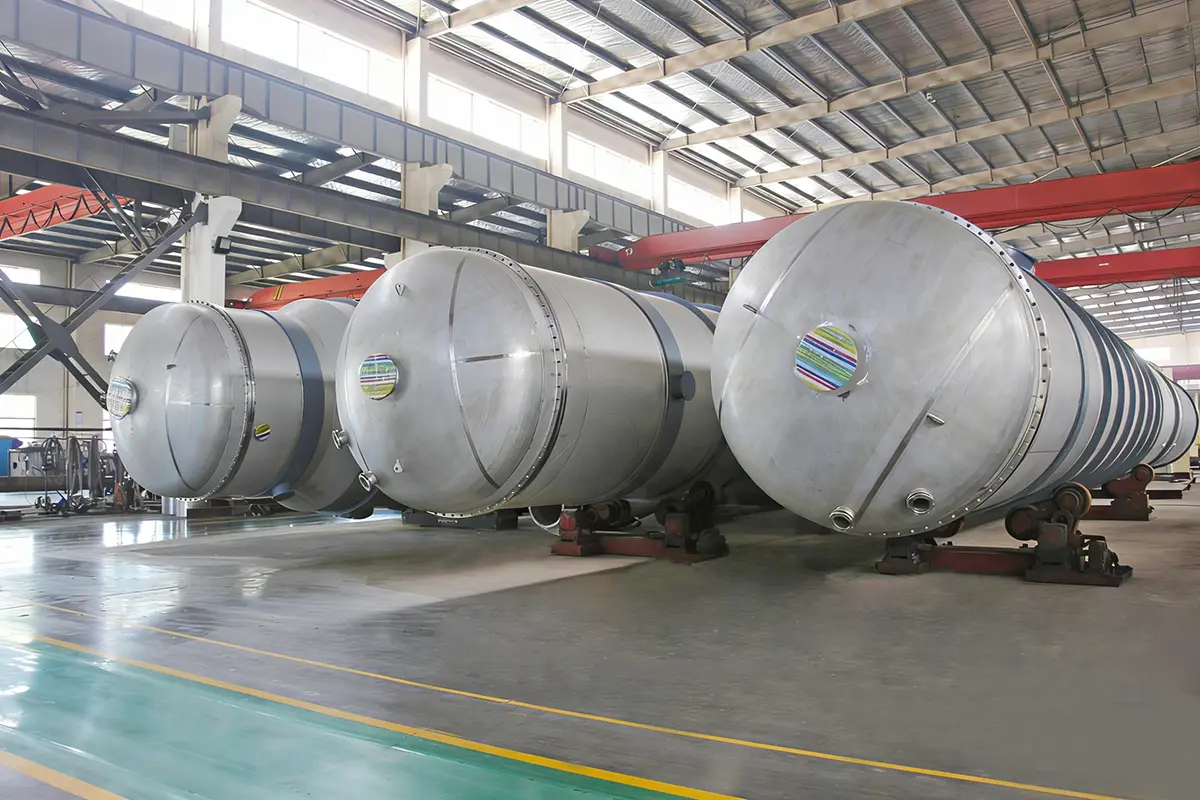
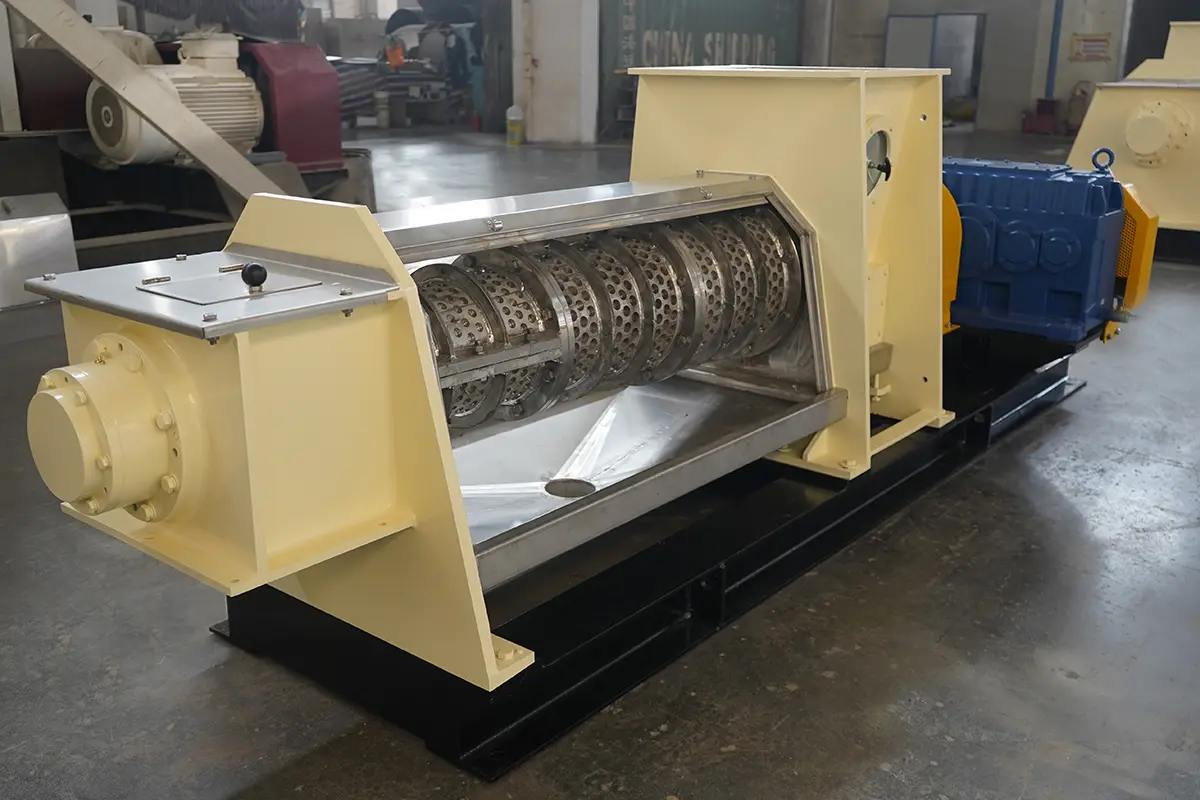
Jiangsu Zongheng is a modern high-tech enterprise specializing in the manufacturing of concentration, drying, starch industry, alcohol DDGS, and Category III medium & low-pressure vessel equipment. It is currently a member enterprise of the China Starch and Alcohol Association. Its products are widely used in industries such as food fermentation, alcohol, chemical, pharmaceutical, environmental protection, and petrochemical.
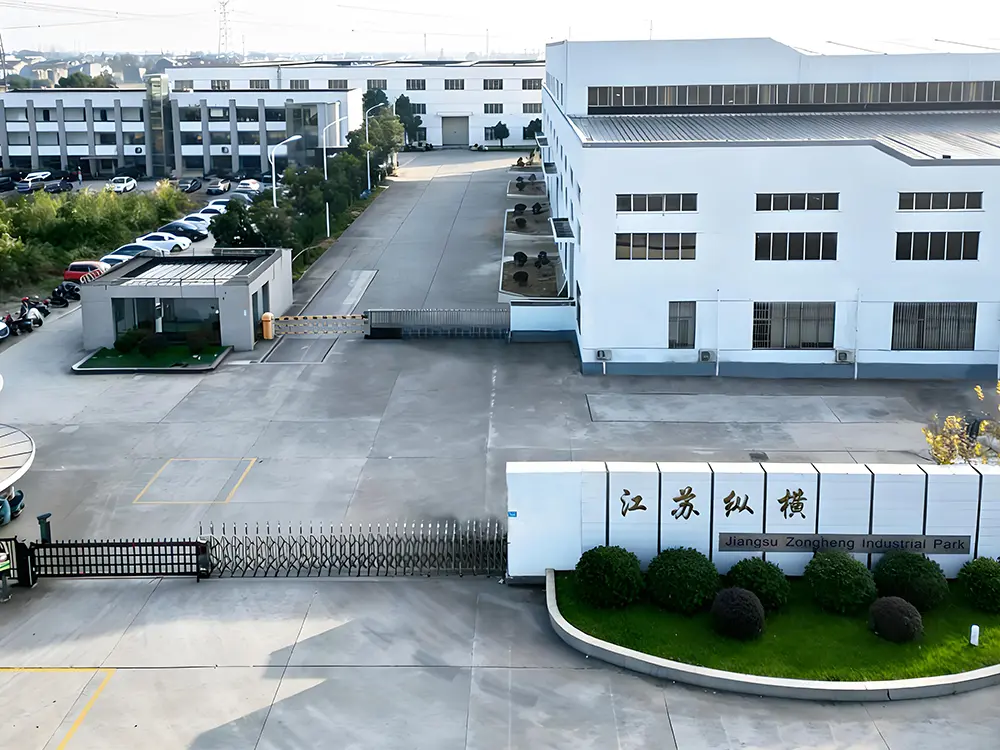
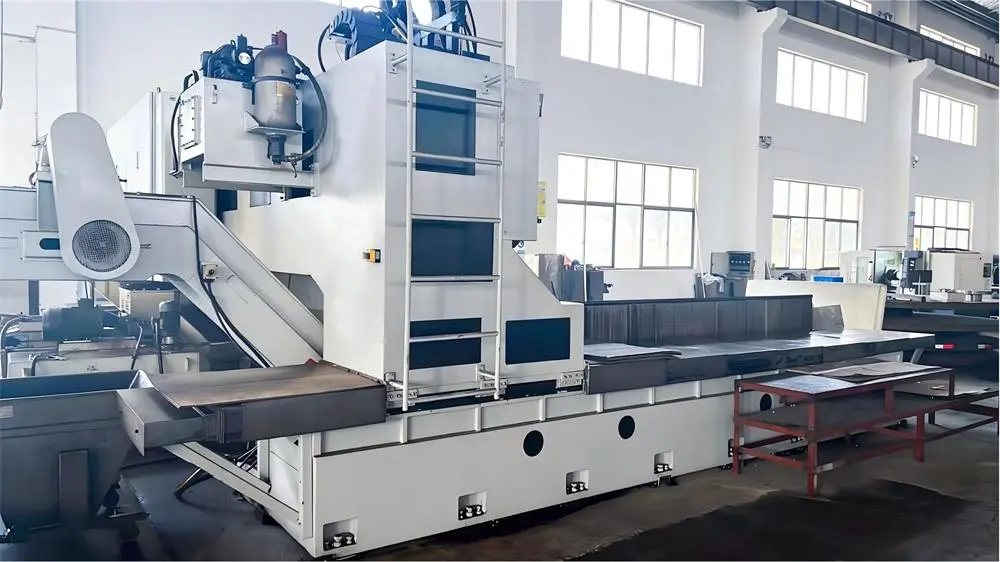
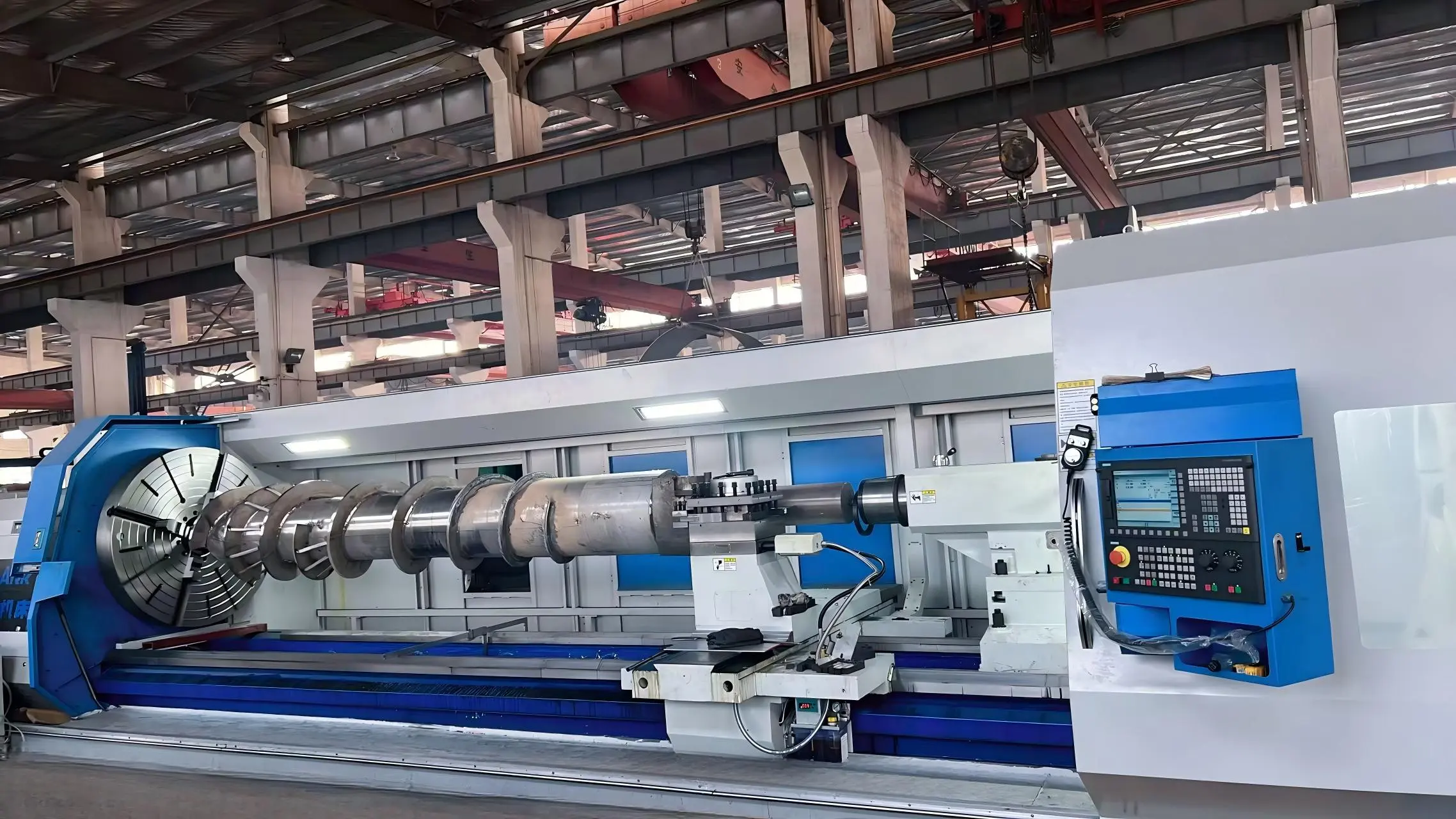
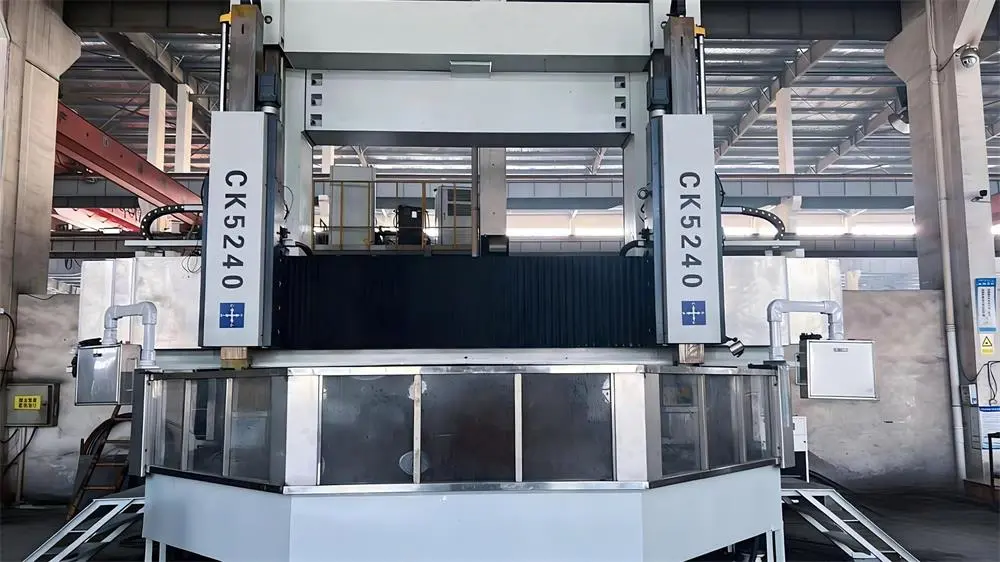
Global industrial supply chains require manufacturers to balance cost structures with technical precision. Operating out of Yixing City, the engineering heartland of thermal and environmental protection equipment in China, Jiangsu Zongheng leverages a highly integrated local industrial cluster. From high-grade raw steel processing to sophisticated numerical control (NC) machining and robotic automated welding, our factory ensures component control at every step of fabrication.
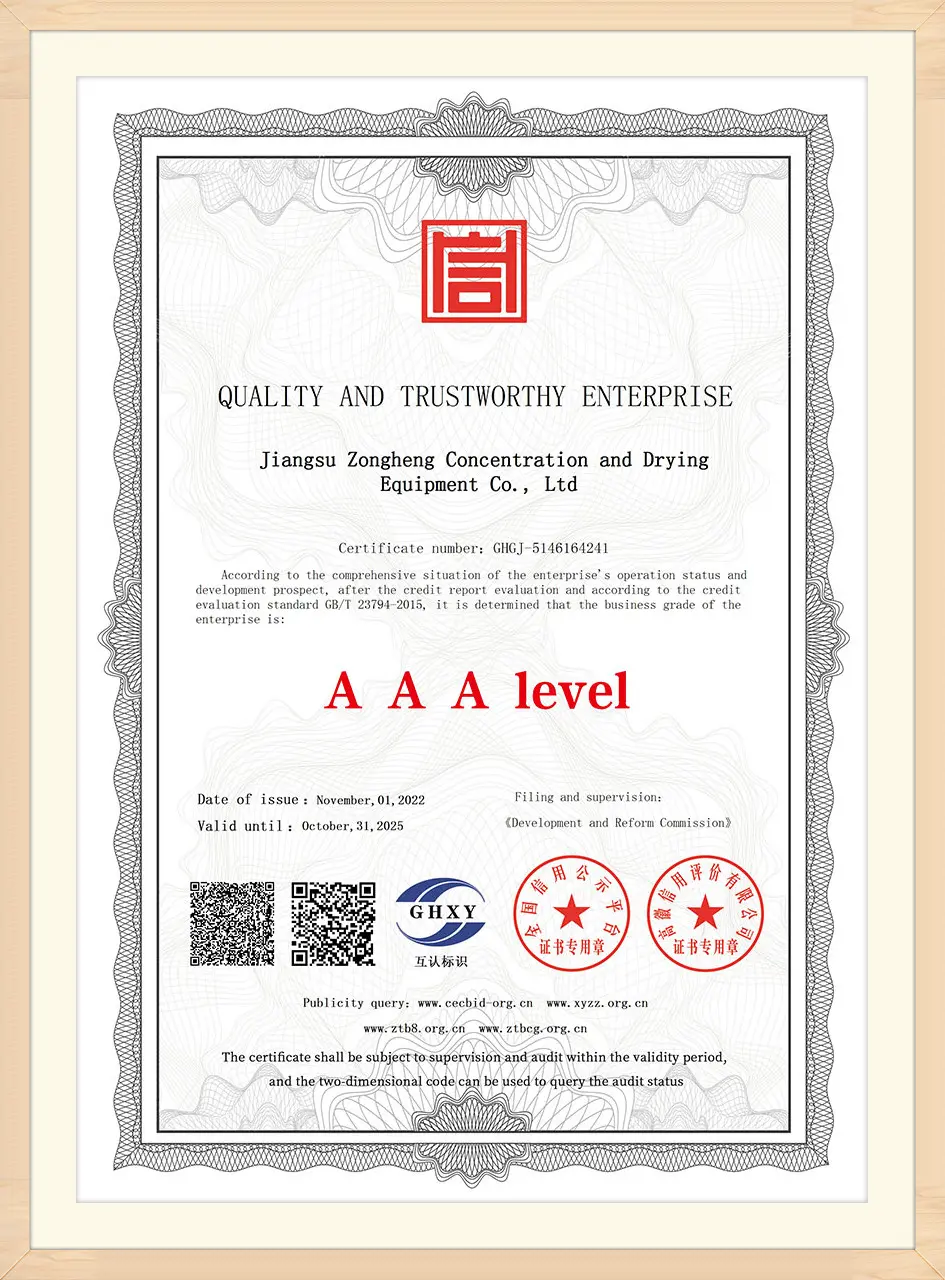
Our commitment to quality is reinforced by our extensive engineering resources, including senior designers, material scientists, and thermal analysts. We maintain comprehensive domestic and international design authorizations, including the ASME "U" Stamp for pressure vessels and European CE certifications. By blending localized cost advantages with international engineering standards, we offer global procurement teams durable equipment with minimized delivery times, resilient material procurement structures, and absolute quality assurance.
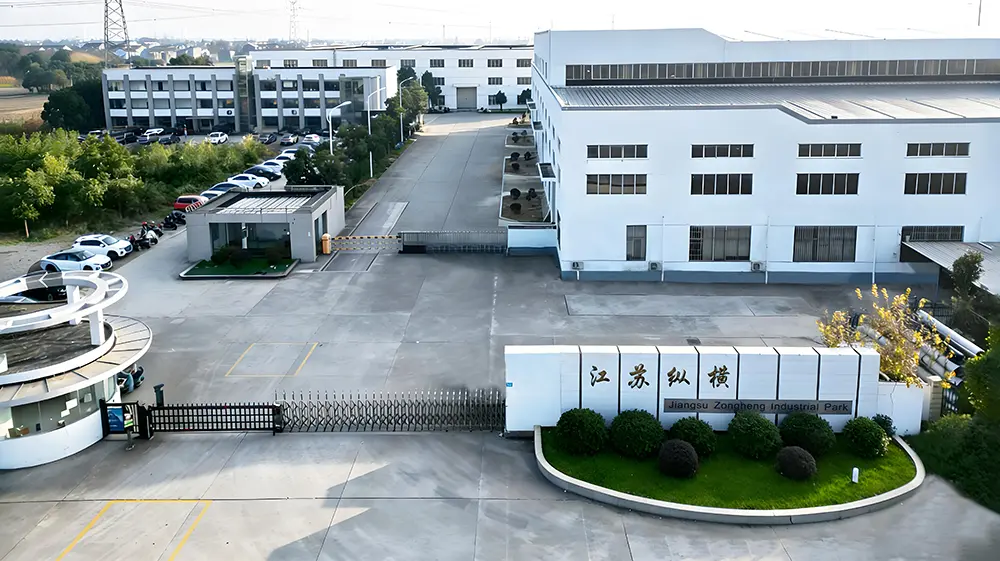
The company covers an area of 54,000+ sqm with 22,000+ sqm modern production facility. Employs 3 senior engineers, 20+ engineers/assistant engineers, and a total staff of 120 experts.
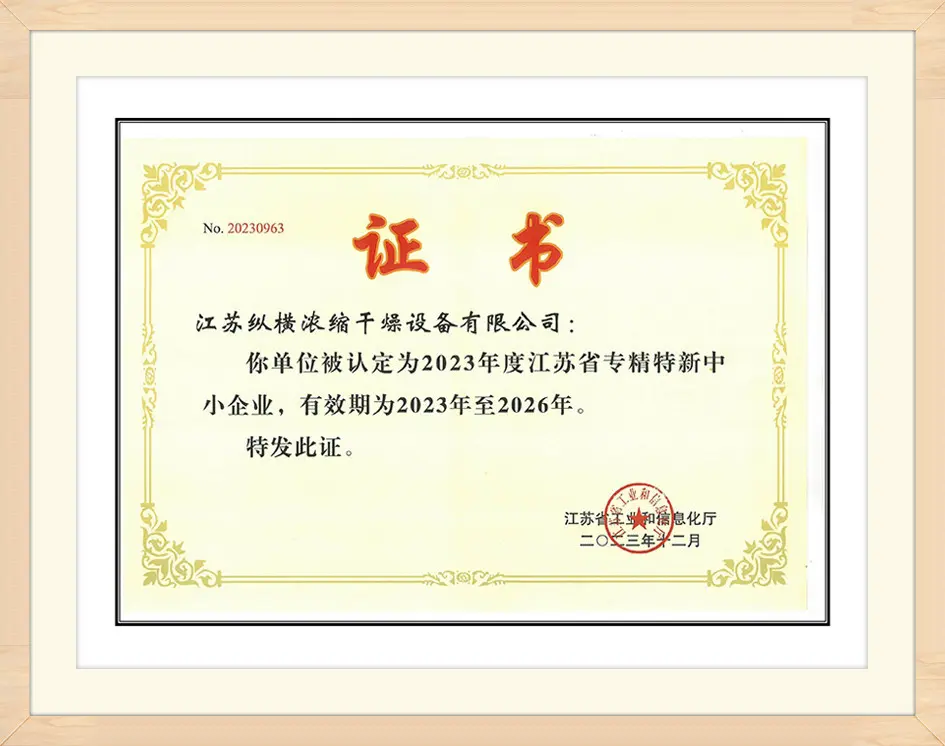
Obtained international quality system certification (Certificate No.: 45021), establishing a complete quality assurance system aligned with international standards.
Acquired the ASME "U" Stamp authorization, marking the company's entry into a new phase of high-end international vessel design and manufacturing.
Obtained the Special Equipment Manufacturing License of the People's Republic of China (License No.: TS2232C42) for pressurized vessels.
Established as Yixing Yangxi Light Industrial Machinery Factory on an area of 15 mu, employing 45 skilled workers.
Our systems are integrated globally across petrochemical facilities, food processing plants, starch extraction lines, bio-ethanol distilleries, and zero liquid discharge (ZLD) wastewater operations.
The core difference lies in the primary utility source and heat cycle configuration. MEE systems require fresh thermal energy (live boiler steam) for the first effect, which then flows sequentially through subsequent effects under vacuum. MVR systems, conversely, recompress the secondary vapor using an electrical compressor, raising its enthalpy to feed it back into the heating side of the same evaporator. This loop eliminates the need for fresh steam under steady-state operation, saving up to 75% in energy expenses and reducing cooling tower water demands.
CE Certification signifies compliance with the EU's strict safety, health, and environmental standards. Since MVR evaporators process pressurized and high-temperature steam, they fall under the Pressure Equipment Directive (PED) 2014/68/EU. Without this certification, equipment cannot be legally imported, installed, or insured inside the European Economic Area. It also provides verification of high-quality welding processes, structural calculations, and electrical protection.
We mitigate fouling and corrosion through precise metallurgy and mechanical design. Depending on the process fluid (e.g., acidic corn steep liquor, salty pharmaceutical wastewater), we construct our evaporators using high-performance alloys like Duplex Stainless Steel (S32205), Titanium (Gr. 2), or Hastelloy. Additionally, falling film designs utilize precise liquid distributors to ensure uniform wetting, preventing hot spots and scaling, while forced circulation designs maintain high turbulence velocities inside tubes to scour surfaces.
Compressor selection depends on the boiling point elevation (BPE) and design capacity. Centrifugal Turbo Blowers are ideal for large vapor flow rates with low-to-medium BPE (temperature rise of 8-12°C per stage). For high BPE liquids or smaller scale systems requiring a high temperature rise (up to 20°C per stage), Roots Compressors are selected due to their positive displacement characteristics. Multi-stage compression configurations can be deployed for highly concentrated feeds.
Yes. Jiangsu Zongheng has held the ASME "U" Stamp authorization since 2012. This qualification validates our manufacturing processes for pressurized vessels according to the American Society of Mechanical Engineers standards. It is accepted across North America and widely respected globally, ensuring compliance for international clients.
When properly maintained, our MVR systems are designed to operate for 20 years or more. We utilize high-grade materials, precision structural designs, and components from trusted global suppliers for the instrumentation and compressor core. Regular maintenance of mechanical seals, clean-in-place (CIP) washings, and preventive oil analysis for the compressor ensure continuous operation.
Absolutely. Falling film MVR evaporators are highly suited for heat-sensitive liquids. By operating under vacuum conditions, the boiling temperature of the liquid is lowered (often between 45°C to 70°C). Combined with a single-pass residence time measured in seconds rather than hours, thermal degradation of proteins, vitamins, and sensitive pharmaceutical active ingredients is minimized.
Partner with China's leading ASME and CE certified manufacturer of MVR Evaporators, Dryers, and Industrial Separation systems. Our technical engineering team is ready to analyze your raw feed and provide custom system sizing calculations.
 Zongheng