Engineered to meet rigorous global standards, delivering unmatched processing efficiency and energy recovery.
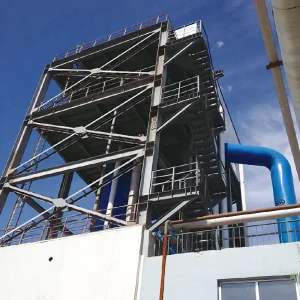
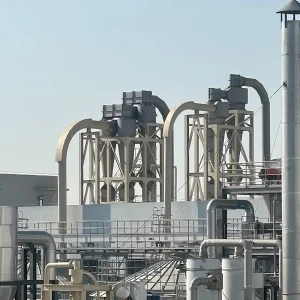
Explore our foundational engineering categories designed for starch extraction, chemical concentration, and environmental dewatering.
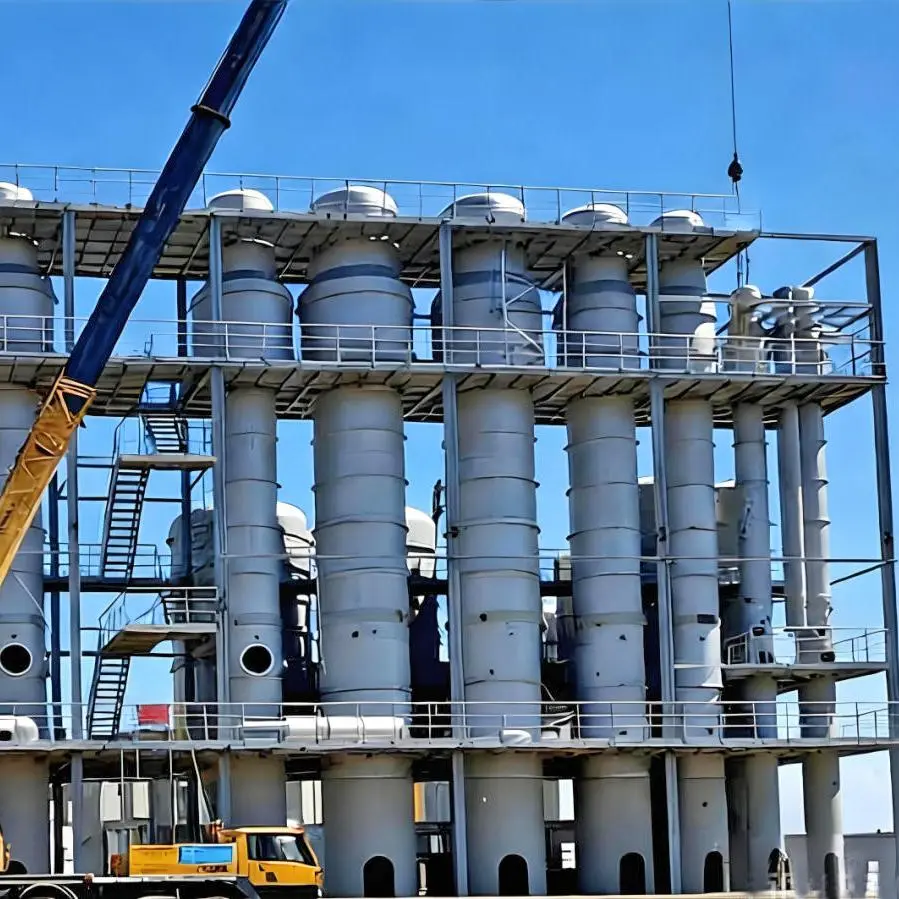
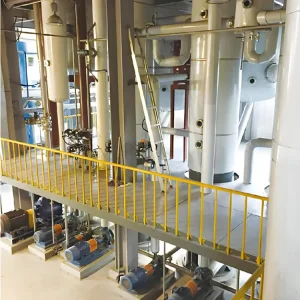
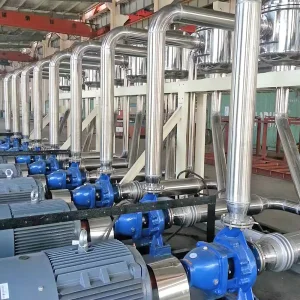
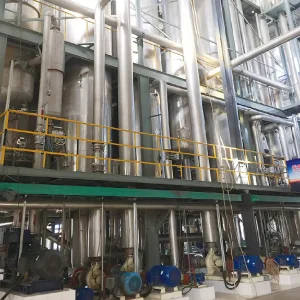
Our concentration systems are designed with thermodynamics at the forefront. By using multiple effects or Mechanical Vapor Recompression (MVR), we drastically lower the consumption of primary steam. The falling film and forced circulation designs are engineered to handle high-fouling process liquids and sensitive organic materials, guaranteeing maximum heat transfer rates even during prolonged operational runs.
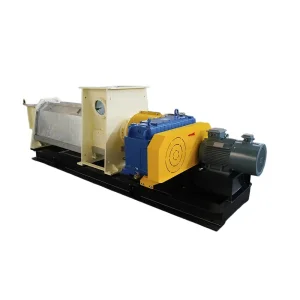
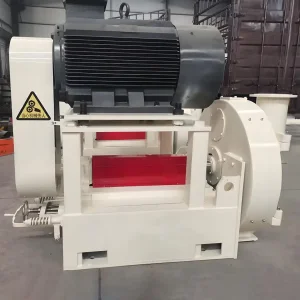
Screw dewatering, powered by devices such as the Zongheng Single Screw Press, operates on the foundational principles of mechanical volumetric compression and shear-induced liquid filtration. Unlike dynamic centrifugal separation systems that rely on high-speed rotational forces (and consequently consume vast amounts of electrical energy), a screw press forces raw, high-moisture slurry through a progressively constricting chamber. The decreasing pitch of the screw flight coupled with the increasing diameter of the shaft creates a high-pressure compression zone. As the slurry is pushed forward, water escapes through surrounding screen cylindrical baskets, leaving behind a highly concentrated solid cake.
Thermodynamic Reality: Pre-dewatering solids mechanically from 95% moisture down to 60% moisture reduces subsequent thermal drying energy requirements by over 75%, making screw presses an indispensable asset for energy-conscious processors.
To optimize dewatering performance for variable feed compositions (such as organic sludge, agricultural pulp, or industrial starches), precise control over the physical screw dynamics is necessary. Our engineers have spent decades optimizing the clearance between the screw flights and the wedge-wire or perforated plate screens. By keeping this clearance within sub-millimeter tolerances, we prevent internal cake slippage and maximize pressure build-up. The resulting self-cleaning action ensures continuous operation without the screen blinding typical of traditional filtration systems.
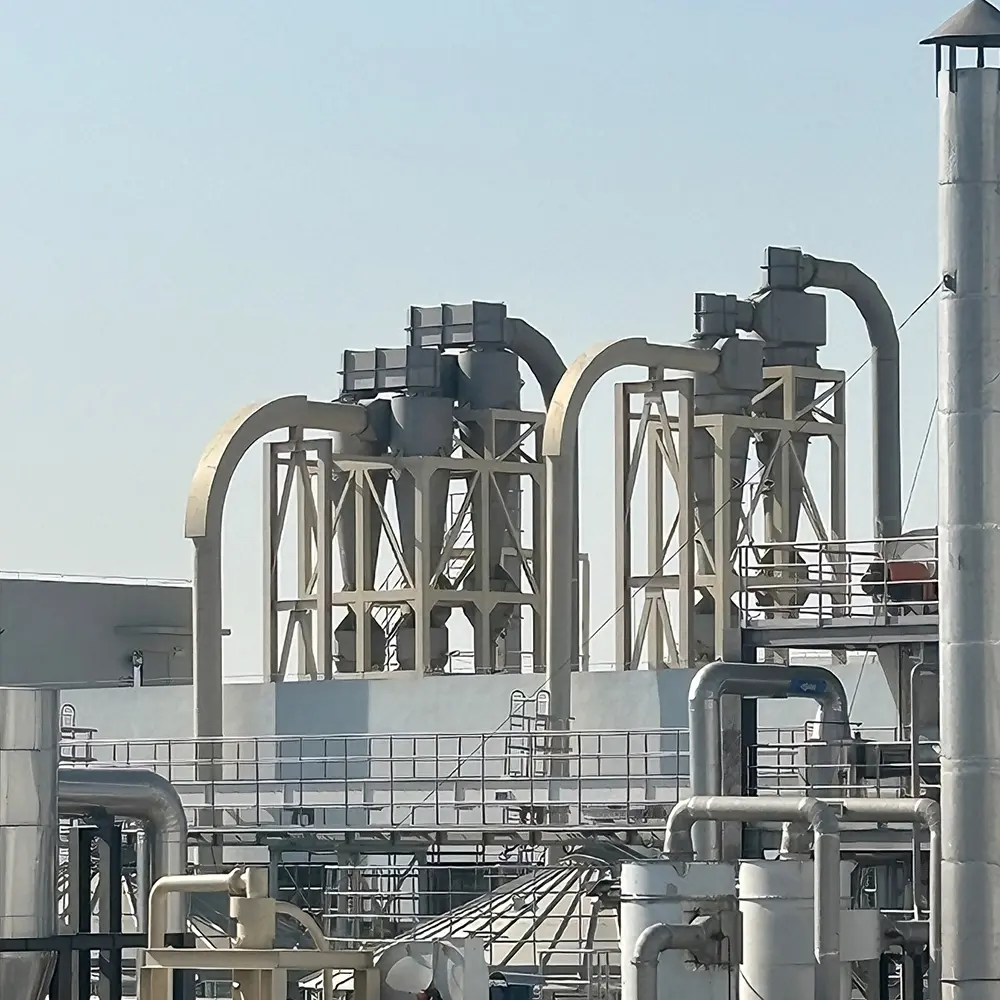
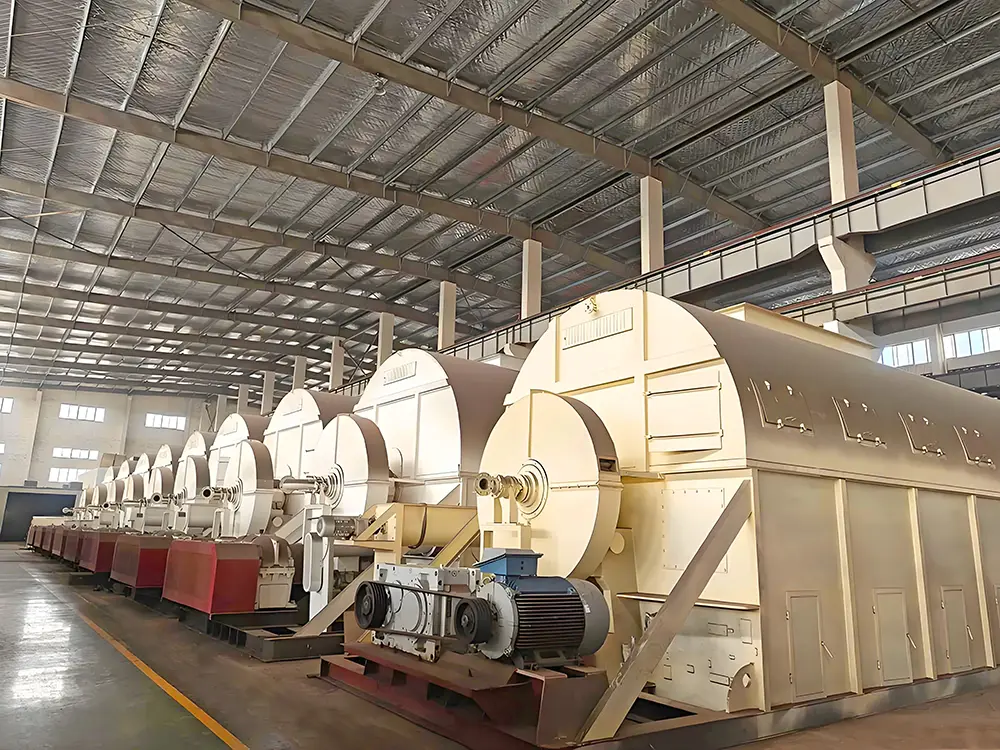
In modern macro-industrial processing, screw dewatering is rarely an isolated step. Standard practice routes the liquid filtrate back to Falling Film Evaporators or MVR Systems for concentration, while the dewatered solid cake is fed into high-volume MQG Airflow Dryers or ZXG Tube Bundle Dryers. This integration creates a closed-loop system where nothing is wasted. Thermal waste heat from evaporation can preheat incoming slurries, while the mechanical stage removes the bulk water without phase change, driving down operational expenditures (OpEx) for companies globally.
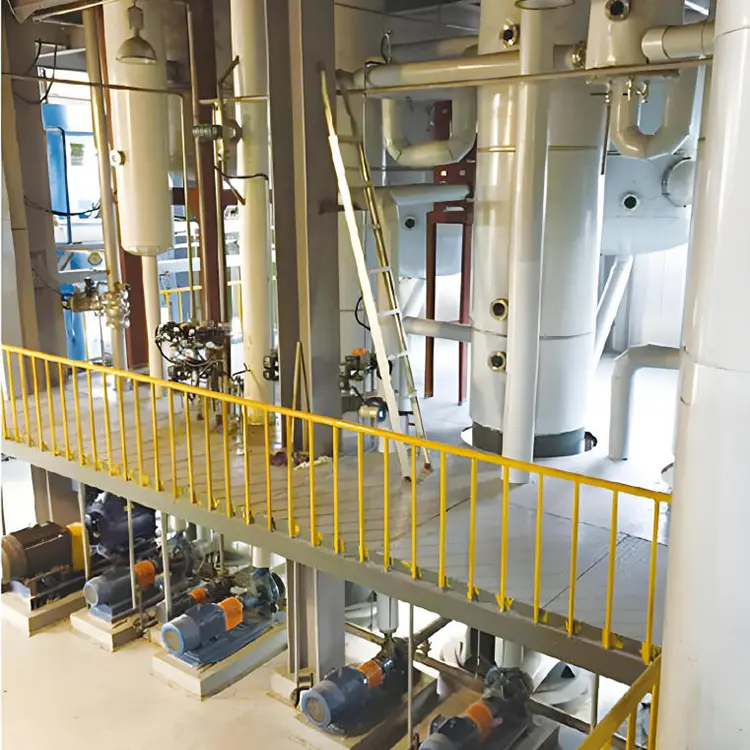
Unlocking value through vertical integration, precision metallurgy, and world-class testing infrastructure.
Located in Zhoutie Town, Yixing City—often recognized as the industrial heartland for light industry machinery and environmental protection technology in China—Jiangsu Zongheng Concentrating and Drying Equipment Co., Ltd benefits from an unparalleled regional supply chain. We procure premium raw materials, such as Duplex Stainless Steels (2205/2507) and specialized wear-resistant tungsten carbide powders, at highly competitive rates. This enables us to configure screw flights that withstand abrasive starches and highly corrosive chemical residues without pricing our systems out of the global market.
Furthermore, our facility houses specialized heavy-duty machinery, including CNC plate rolling machines, automatic tube-to-tubesheet orbital welding stations, and an advanced testing facility for static and dynamic pressure vessel verification. Key advantages of our factory-level services include:
Adapting physical machinery properties to distinct municipal, agricultural, and biochemical feeds.
No two materials dewater in the exact same manner. For example, starch washing residues contain highly abrasive sand particles and sticky gluten proteins, while municipal wastewater sludge is highly compressible and requires precise polymer flocculation to build structure before entering the screw press. Our factory designs specialized feed zones, screen configurations, and rotational speed parameters for each distinct scenario:
| Equipment Type | Standard Capacity Range | Primary Material Construction | Typical Application Field | Key Energy Recovery Method |
|---|---|---|---|---|
| Single Screw Press | 2 - 50 tons/hour (wet feed) | SUS304 / SUS316L / Duplex 2205 | Starch fiber, DDGS, Pulp, Food waste | Direct mechanical liquid expression |
| Falling Film Evaporator | 1 - 100 tons/hour (evaporation) | SUS316L / Titanium / Super Duplex | Heat-sensitive organic liquid concentration | Multi-effect vapor reuse / MVR integration |
| Forced Circulation Plant | 5 - 150 tons/hour (evaporation) | SUS304 / SUS316L | High-viscosity, crystallizing wastewater | High-velocity forced heat exchangers |
| MQG Airflow Dryer | 500 - 15000 kg/hour (dried product) | Carbon Steel / Stainless Steel | Starch drying, light chemical particulates | Pneumatic pulse waste heat recirculation |
At the highest tier of process engineering, facilities are designed as integrated networks rather than isolated machines. Our growth as a technological pioneer since 1992 has taught us that absolute efficiency is only achieved when the dewatering, concentration, and drying phases function as a single thermodynamic entity. For instance, in a starch production facility, raw corn slurry undergoes degerming using our precision Degerming Mill Machine to preserve kernel integrity before starch extraction. The resulting fiber residue, containing up to 90% water, is routed directly to a Zongheng Single Screw Press, mechanically bringing the moisture down to 55%.
The liquid filtrate, rich in dissolved starch particles and organic proteins, is concentrated in a highly efficient MVR Evaporation Plant. Simultaneously, the compressed fiber cake enters the ZXG Tube Bundle Dryer, heated indirectly by low-pressure steam. By using the condensate heat and flash steam from the tube bundle dryer to preheat the feed liquid inside the MVR evaporator, we achieve a closed loop. The result is a process footprint that uses up to 40% less thermal energy than traditional configurations.
Operational Insight: Transitioning from direct heating dryers to closed-loop indirect tube bundle dryers reduces air emission volumes by 80%, simplifying compliance with environmental dust and VOC regulations.
Navigating international machinery directives, hazardous area classifications, and logistics protocols.
Procuring capital equipment from overseas requires comprehensive validation to prevent onsite installation delays. For European Union operations, CE certification is mandatory. Under the EU Machinery Directive 2006/42/EC and Pressure Equipment Directive (PED) 2014/68/EU, all pressure-containing components, electrical panels, and rotating elements must be designed and stamped to guarantee structural stability, acoustic limits, and electromagnetic safety.
At Jiangsu Zongheng, we incorporate international certifications directly into our production processes. From certified raw materials to non-destructive testing (NDT) such as radiographic and ultrasonic weld inspection, our equipment is built to meet local requirements anywhere in the world. Whether shipping to North America under ASME standards, Europe under CE, or standard ISO destinations, our equipment arrives fully certified and ready for integration.
Technical answers to common queries regarding solid-liquid separation, evaporation, and equipment configuration.
From starch washing systems to advanced tube dryers, we engineer comprehensive process solutions.
Get in touch with our design engineers for customized machinery specifications, thermal balance calculations, and project estimates.
 Zongheng