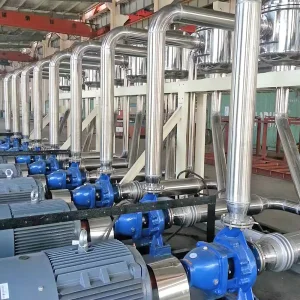
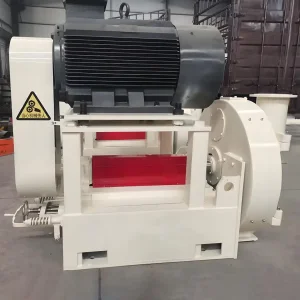
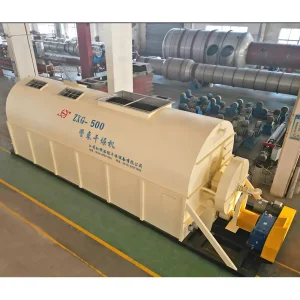
In modern process industries, solid-liquid separation and thermal drying represent crucial operational stages with significant energy dependencies. The global industrial dryer market has shifted focus from direct combustion rotary dryers to highly optimized indirect heat-transfer models. Underpinning this trend is the demand for tube bundle dryers (such as the ZXG series) and specialized dryer machine tubes. These tubes act as the structural and thermodynamic interface for indirect steam drying.
Industrial processing facilities in sectors like agriculture, chemical processing, starch refining, and bio-ethanol manufacturing demand drying tubes that withstand intense thermo-mechanical stress, high operating pressures, and corrosive process vapors. The configuration of a tube bundle—which typically rotates slowly inside a stationary casing—requires tubes of exceptional metallurgical uniformity, wall-thickness consistency, and heat transfer efficiency. Inadequate tube welding or structural flaws can cause costly unplanned shutdowns, emphasizing the importance of sourcing from qualified pressure vessel manufacturers.
As sustainability regulations tighten, operators prioritize drying technologies with high latent heat recovery and low oxygen concentrations. Indirect steam drying via high-performance steel tube bundles enables closed-loop processing, capturing steam condensate for recycling and mitigating emissions of Volatile Organic Compounds (VOCs) that occur in direct-flame options.
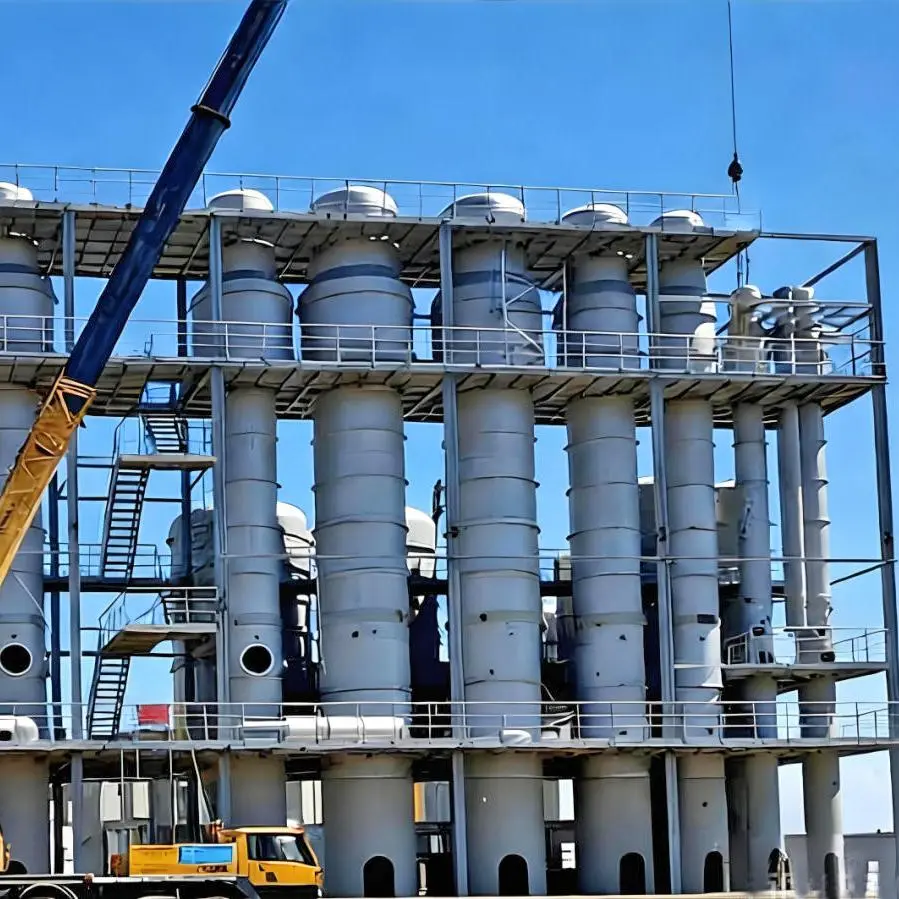
Standard builds utilize Carbon Steel (Q235B/Q345R), Stainless Steel (SUS304, SUS316L), and Duplex Alloys (S32205) to balance structural integrity with chemical corrosion resistance against acid/chlorides.
Design and manufacture must strictly comply with Section VIII Division 1 of the ASME Boiler and Pressure Vessel Code to support extreme continuous steam operating conditions.
Tubesheets are machined using multi-spindle CNC drilling units to ensure precise tolerances for tube expansion and automatic orbital GTAW/TIG welding processes.
The Yangtze River Delta region, particularly Yixing in Jiangsu Province, is a globally recognized manufacturing cluster for environmental and pressure vessel machinery. Over decades, this region has cultivated a complete raw material and component supply ecosystem, spanning specialized steel mills, testing agencies, and logistical providers.
Jiangsu Zongheng Concentrating and Drying Equipment Co., Ltd (originally founded in 1992 as the Yixing Yangxi Light Industry Machinery Factory) serves as a key exporter within this ecosystem. With a production footprint of 54,000 square meters—including 22,000 square meters of modern heavy machining workshops—the company manufactures drying and concentration systems that align with global expectations for high efficiency, quality, and low carbon footprints.
By using localized engineering services, state-of-the-art testing equipment, and large-scale manufacturing structures, Chinese manufacturers offer short production cycles and competitive pricing. Additionally, continuous investments in automated welding and quality testing assure that complex equipment, such as multi-pass tube bundle assemblies, meets rigorous global standards.
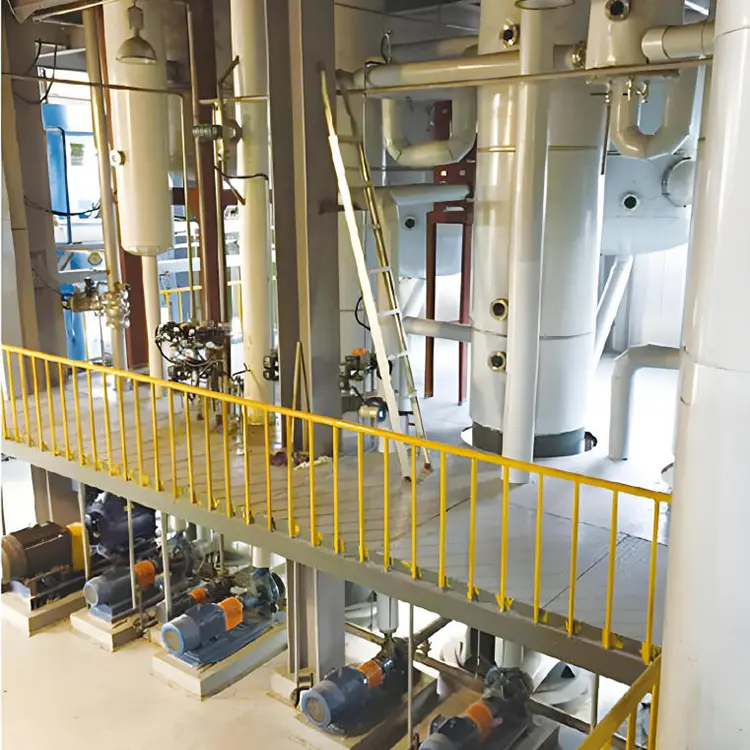
Selecting appropriate dewatering and thermal concentration systems depends on physical characteristics like slurry viscosity, particle size, and thermal sensitivity. Below is an engineering overview comparing four key processes used in modern process plants.
Primary Function: Indirect steam drying for bulk particulate solids like corn gluten, starch, fiber, DDGS, and chemical powders.
Process Mechanism: Heating steam enters the central distribution header and flows inside a concentric bundle of seamless tubes. The product tumbles over these rotating tubes, absorbing heat through conduction.
Performance Factors: Closed-loop steam recycling, minimal sweeping gas requirements, low oxygen operation for high safety, and low mechanical wear.
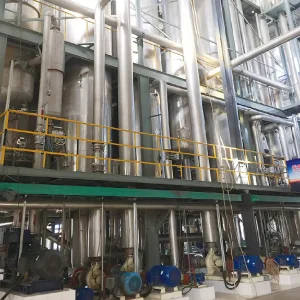
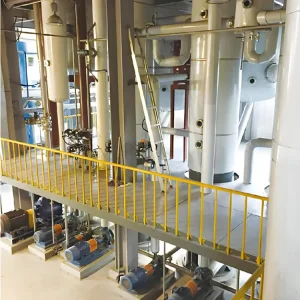
Primary Function: Pre-concentration of dilute liquids and heat-sensitive waste streams prior to drying.
Process Mechanism: Feed liquid forms a thin film flowing down the inner walls of vertical heat-exchanger tubes, creating co-current vapor-liquid flow with high heat transfer coefficients.
Performance Factors: Very short residence times, minimal temperature gradients, high energy efficiency when coupled with MVR, and high reliance on liquid distribution plates.
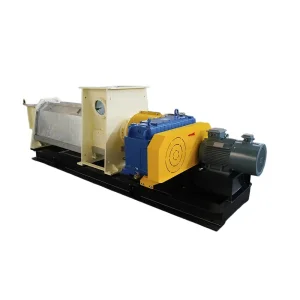
Primary Function: Mechanical dewatering of high-moisture organic and inorganic solids.
Process Mechanism: A variable-pitch screw inside a cylindrical screen cage rotates slowly, continuously compressing the material and squeezing out free water.
Performance Factors: Drastically reduces thermal drying energy loads, features robust wear-resistant flight coatings, and offers continuous throughput capability.
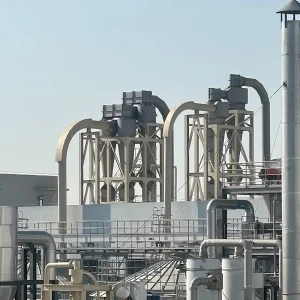
Primary Function: Flash drying of cohesive powders and starches.
Process Mechanism: High-velocity hot air suspends and pneumatic-conveys material through a loop of variable diameter tubes. The resulting impulse pressure drops enhance mass transfer.
Performance Factors: Drying occurs in milliseconds, ensuring heat-sensitive particles do not overheat, and provides high uniform product consistency.
Optimizing plant efficiency requires selecting the correct dryer configuration for specific industrial inputs:
Established as Yixing Yangxi Light Industrial Machinery Factory in Zhoutie Town, Yixing, operating with 45 employees across a 15-mu footprint.
Obtained ISO9001 Quality Management Certification, establishing standardized workflows from engineering design through to manufacturing.
Accredited as a Jiangsu Provincial High-Tech Enterprise, reflecting investment in thermodynamic and metallurgical design research.
Granted the Special Equipment Manufacturing License of the People's Republic of China (License No.: TS2232C42) for manufacturing Class I, II, and III pressure vessels.
Earned the American Society of Mechanical Engineers (ASME) "U" Stamp authorization, permitting manufacture for international project sites.
Acquired international quality system certification (Certificate No.: 45021), confirming global quality assurance practices.
Grown to a modern high-tech enterprise covering 54,000+ sqm, employing 120 staff including 3 senior engineers and 20+ specialized engineers, supplying equipment worldwide.
All our designs comply with ASME Section VIII Division 1 (bearing the "U" Stamp) and China's GB150 standards. We also offer CE certified options for European clients, and have maintained ISO9001 quality system certification since 2002.
We use automatic orbital TIG/GTAW tube-to-tubesheet welding under inert gas protection. All pressure boundaries undergo Non-Destructive Testing (NDT), including radiographic (RT) and ultrasonic (UT) inspections, followed by hydrostatic testing under ASME inspector supervision.
For abrasive or corrosive conditions, we offer high-grade Stainless Steels (SUS316L, SUS317L) and Duplex Alloys (S32205/S31803). For high wear areas, like the feed inlet of tube dryers or screw press flights, we apply tungsten carbide or hard-facing alloy overlays.
Yes, our engineering team uses 3D CAD modeling to customize system layout, piping runs, and structural support frames, ensuring new equipment integrates smoothly with your existing layout.
We welcome friends from all industries, both domestic and international, to visit our production facilities for cooperation and mutual development.
Request a Detailed Technical Quote Zongheng