In contemporary chemical engineering, environmental stewardship, and resource recovery, the demand for high-performance evaporation machine factory systems has reached unprecedented peaks. Historically viewed simply as utilities to separate solvents from solute phase volumes, modern industrial evaporators are now integrated directly into carbon mitigation pipelines and Zero Liquid Discharge (ZLD) schemes. The thermodynamic balance of these networks defines a processing plant's operational cost margins (OPEX) and long-term viability.
As processing industries migrate away from direct fossil-fueled thermal sources, modern manufacturers must combine structural mechanical integrity with efficient steam path engineering. The focus is to design evaporation loops that reuse latent heat. This shifts modern facilities away from single-effect frameworks towards multi-effect or Mechanical Vapor Recompression (MVR) systems.
"The thermodynamic benchmark of modern separation relies on minimal delta-T driving forces. By utilizing Mechanical Vapor Recompression, the energy demand of vaporizing water can be reduced from approximately 600 kcal/kg down to less than 15-20 kcal/kg equivalent electric power."
A successful evaporation machine installation requires aligning the plant design with the feed material's characteristics. Different applications require specific flow dynamics, heat transfer rates, and residence times. Below, we break down our primary equipment configurations.
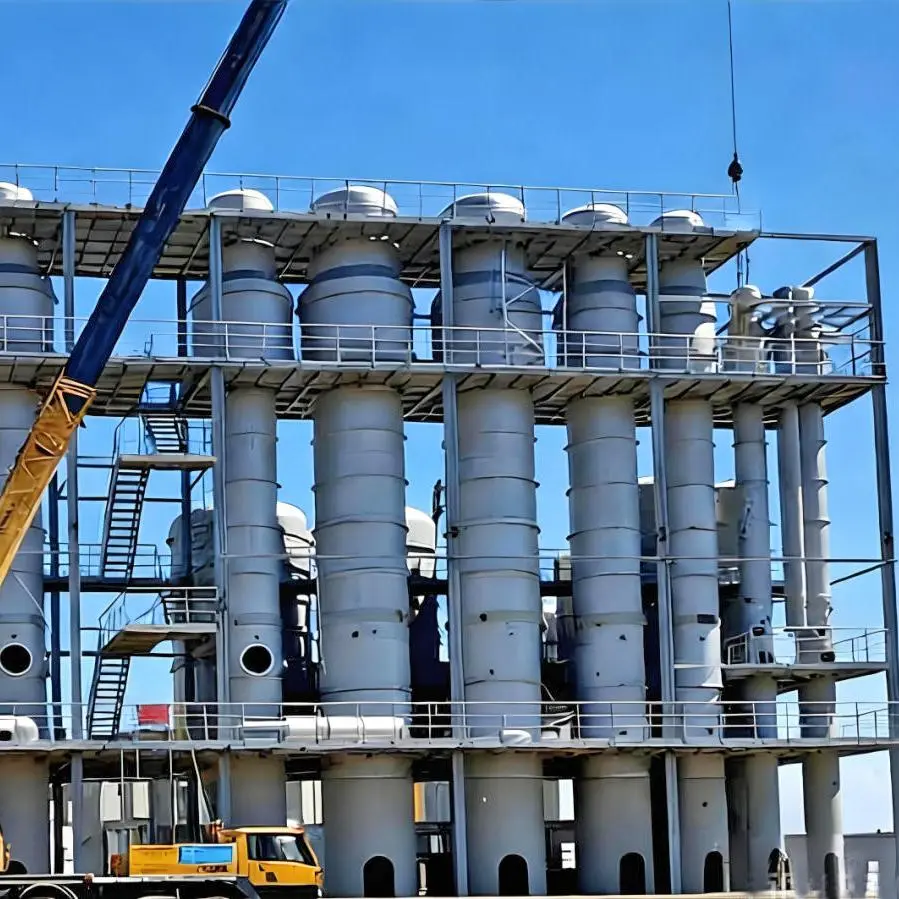
Zongheng provides energy-efficient, high-performance evaporation solutions configured for chemical, starch, and pharmaceutical plants looking to optimize capital output.
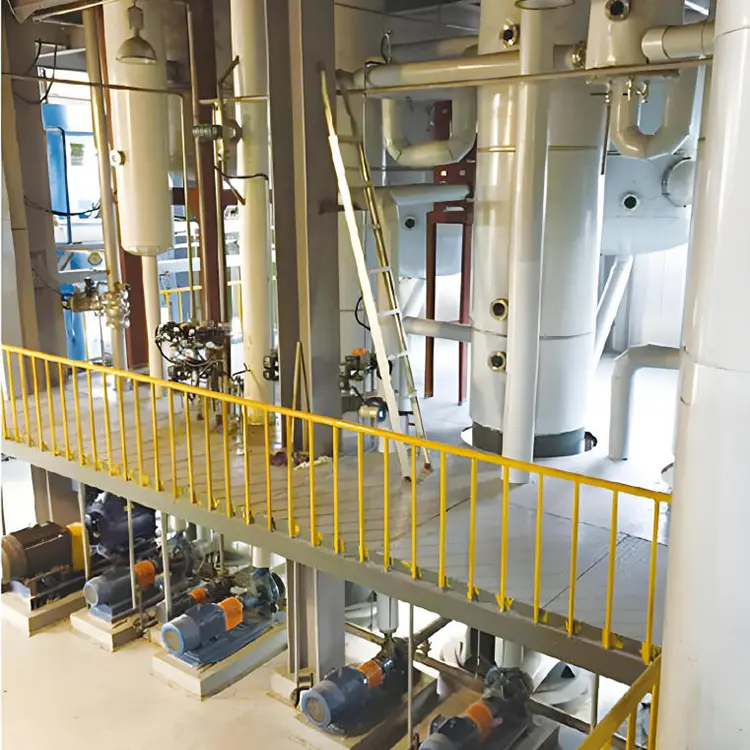
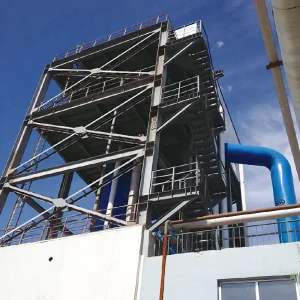
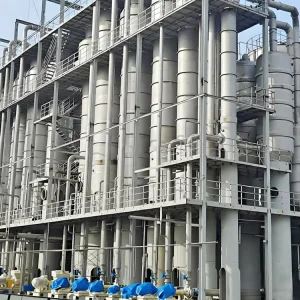
A falling film evaporator efficiently concentrates heat-sensitive liquids. The feed liquid forms a thin film flowing down heated vertical tubes, where it partially evaporates. Vapor generated flows parallel to the liquid, enhancing the process. It ensures a short residence time and low operating temperature, preserving product quality.
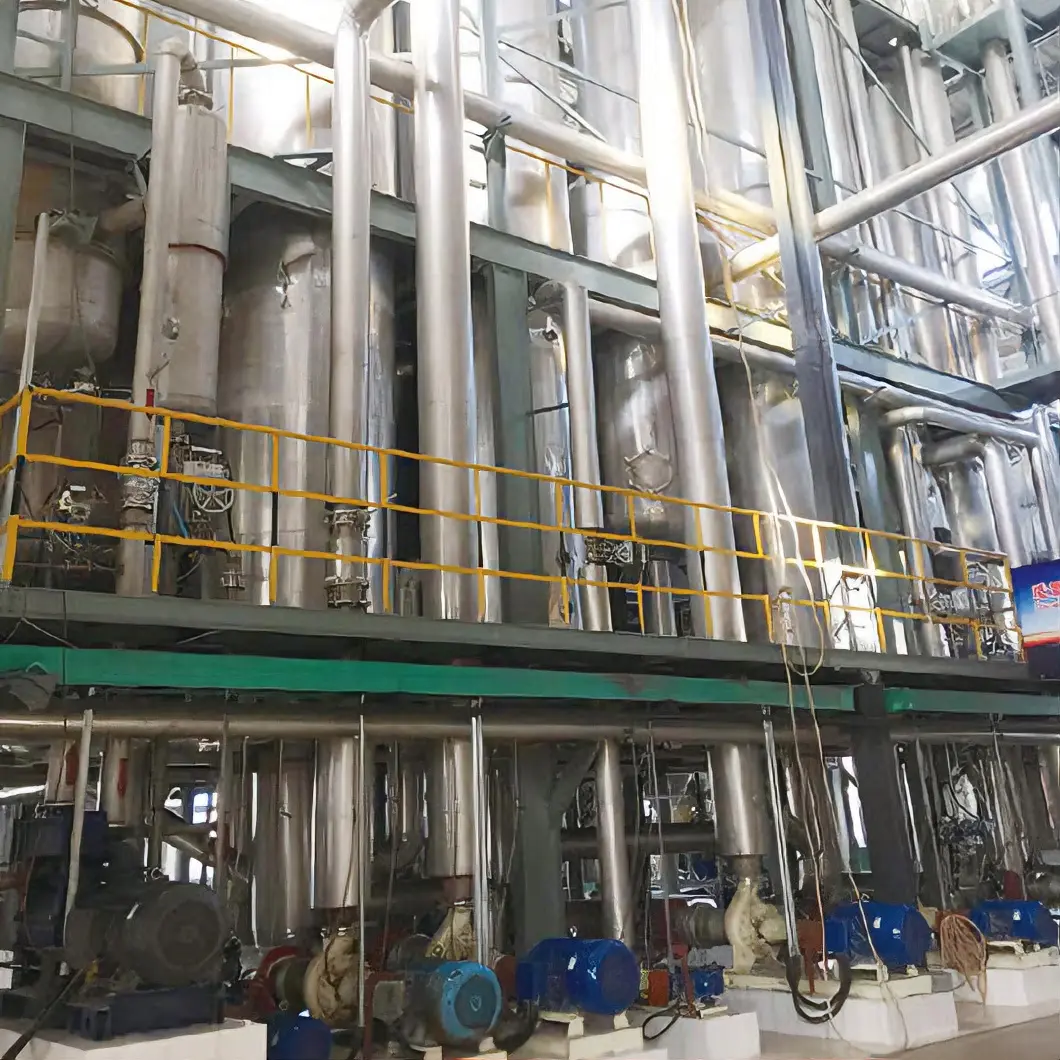
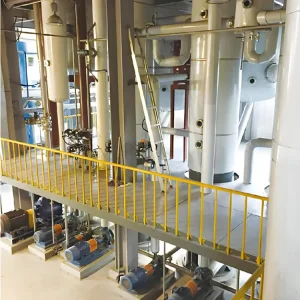
Zongheng is a premier Chinese manufacturer specializing in forced circulation evaporator designs. These systems utilize external recirculation loops driven by high-flow pumps to prevent scaling on tube walls when processing high-solids or crystallization-prone slurries.
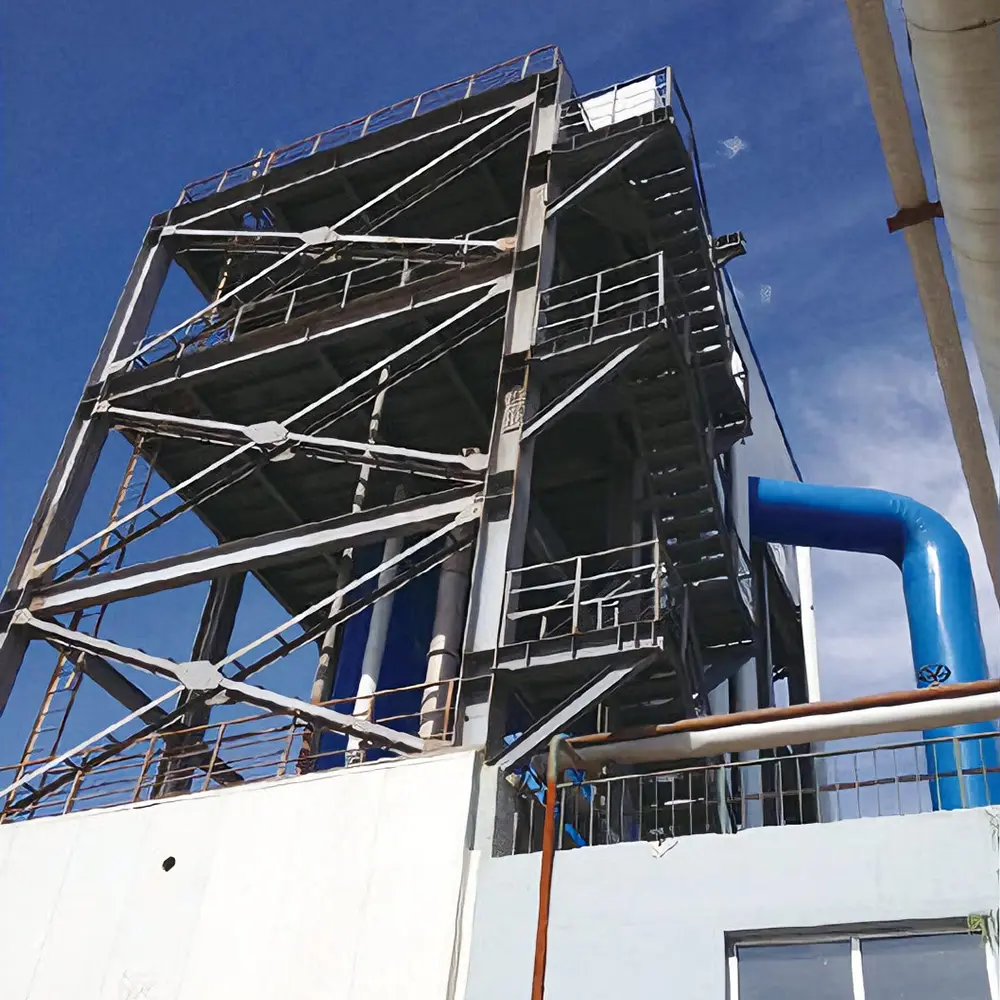
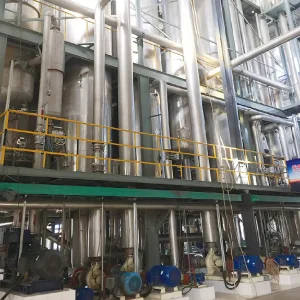
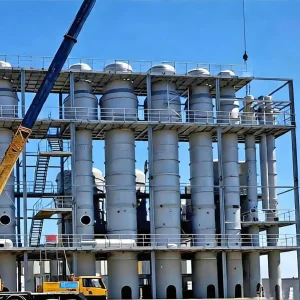
Mechanical Vapor Recompression (MVR) plants offer significant operational savings. Instead of venting steam, mechanical compressors raise its temperature and pressure to reuse it as the primary heating medium in the shell side of the tube bundle.
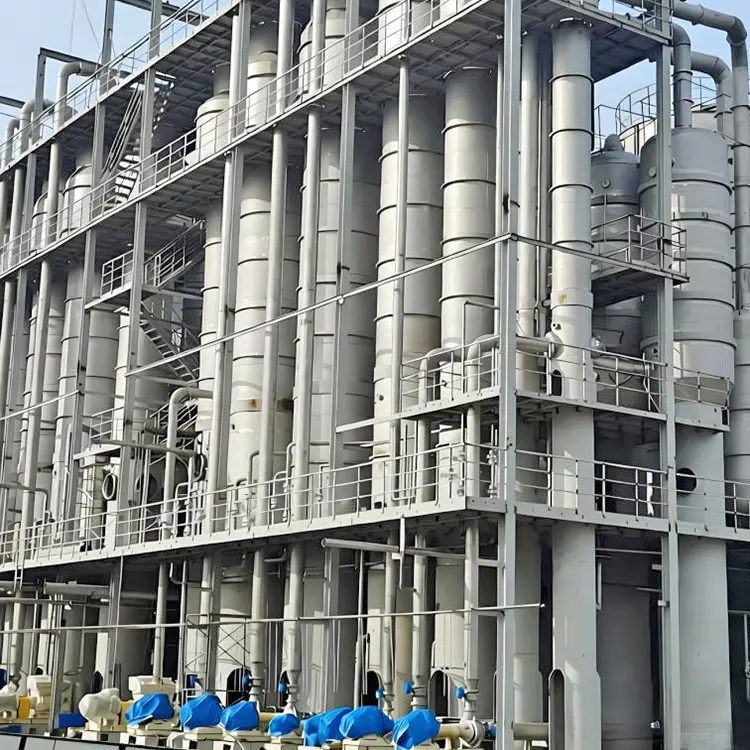
This design integrates multiple waste heat sources—including drying vapors, plant condensate, and thermal engine exhaust gas. It recovers low-grade BTU flows to concentrate plant waste liquids without increasing the site's steam boiler load.
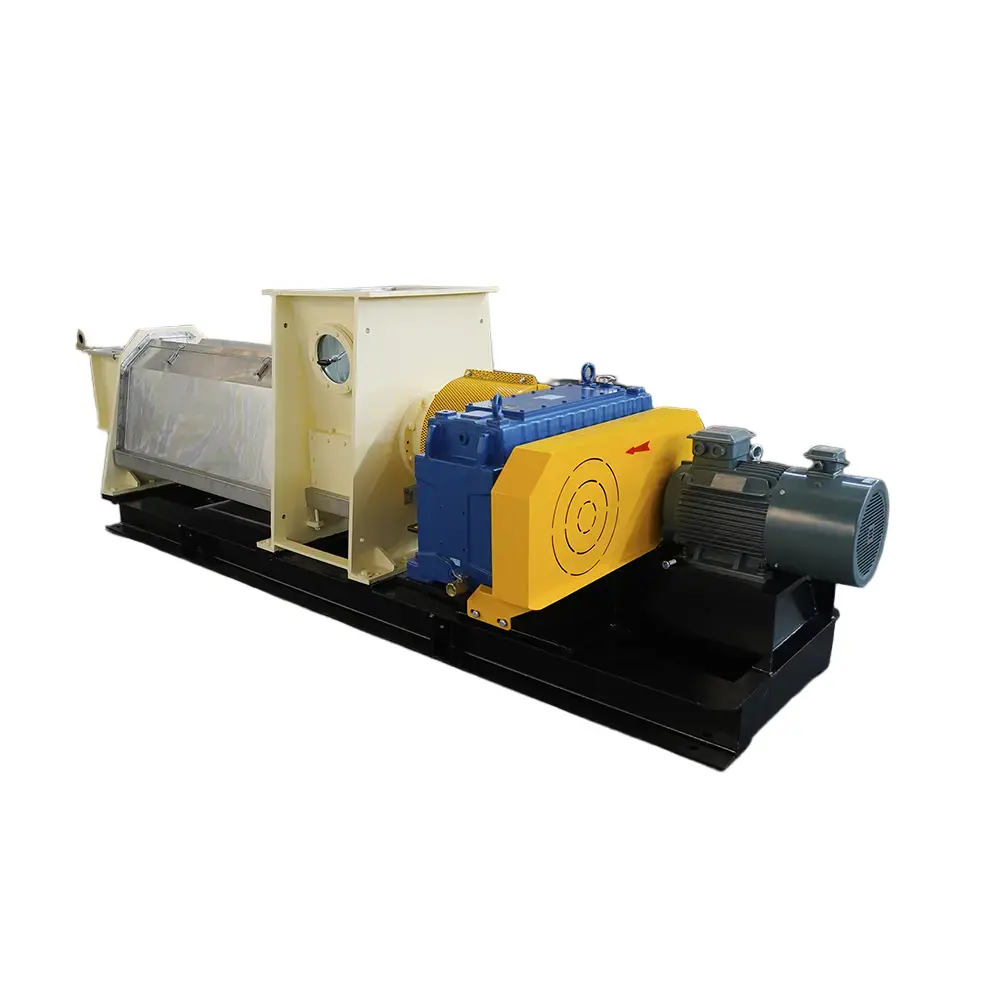
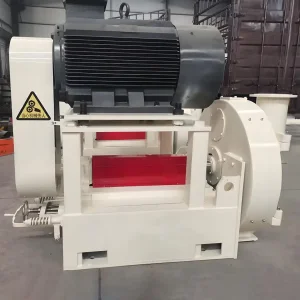
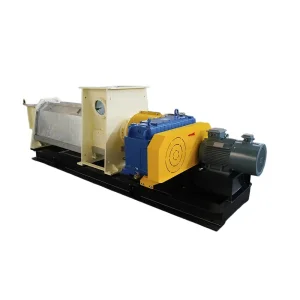
Jiangsu Zongheng's single screw press efficiently dewaters solid-containing sludges and fibrous materials, pre-concentrating process feedstocks ahead of thermal evaporation loops to minimize overall energy demands.
Procurement teams face complex technical challenges when sourcing evaporation plants. To optimize Total Cost of Ownership (TCO), buying strategies must evaluate key thermodynamic and engineering trade-offs:
High-chloride waste streams require corrosion-resistant metallurgy. Factories must supply products utilizing Grade 2 Titanium, SAF 2205/2507 Duplex Stainless Steels, or Hastelloy alloys, using certified, clean weld methods.
High-viscosity feedstocks create boundary layer resistance. Heat exchangers require targeted fluid dynamics, specifying velocities above 2.0 m/s in forced circulation systems to keep solids in suspension and prevent scaling.
To minimize field welding costs and site disruptions, global buyers prioritize pre-assembled, modular skids. Structural frameworks, piping, instrumentation, and control wiring should be fully tested before dispatch.
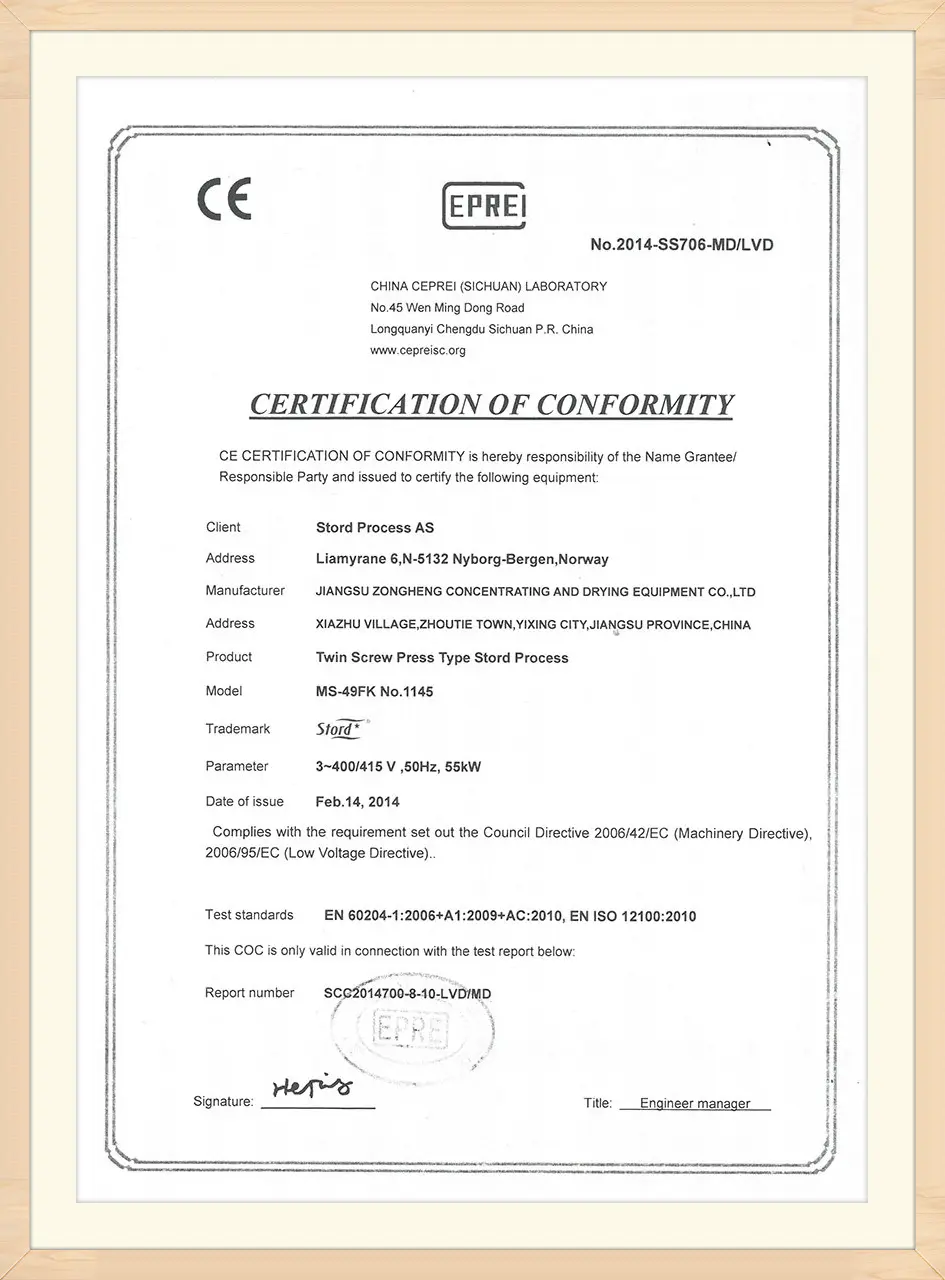
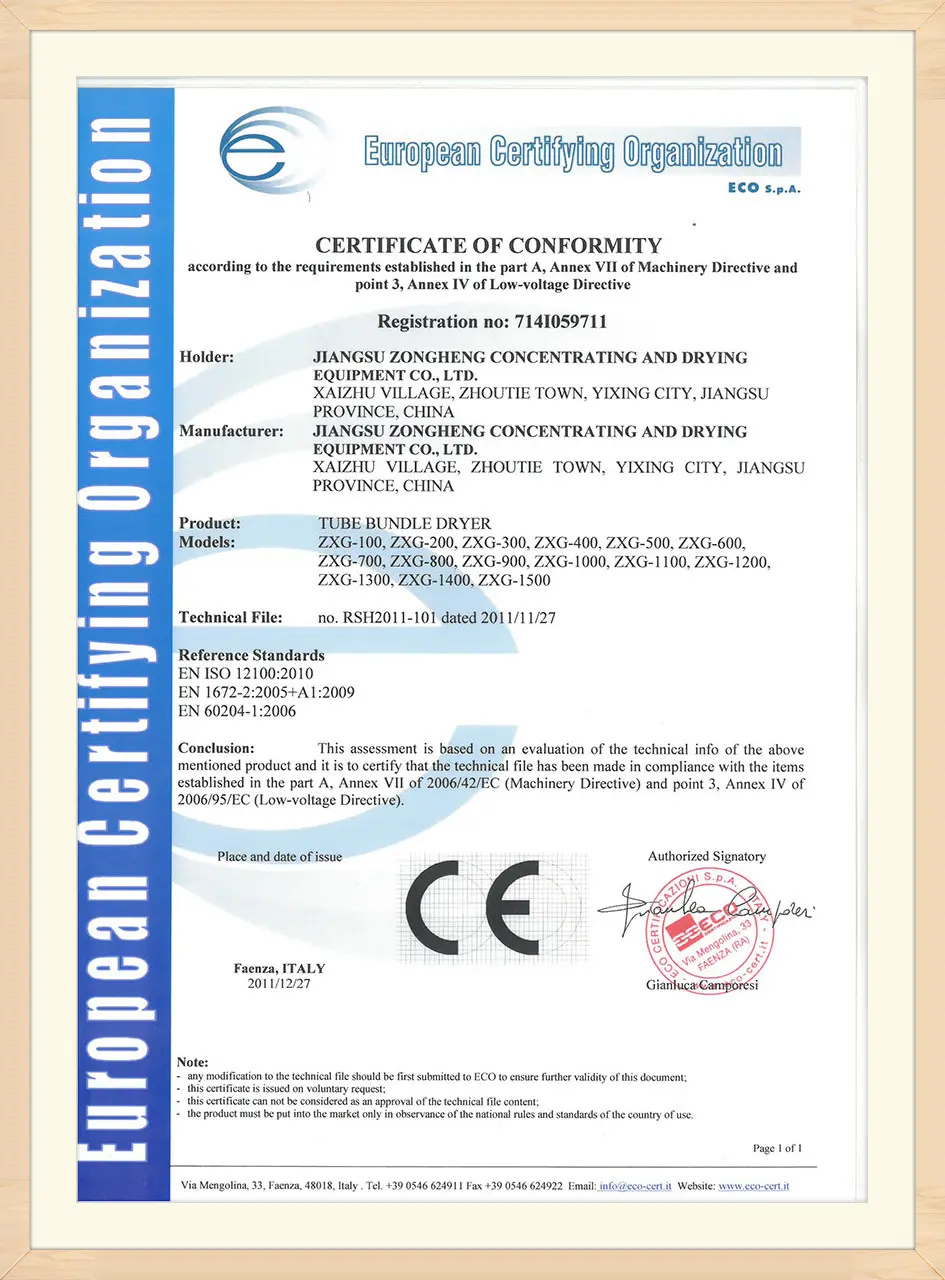
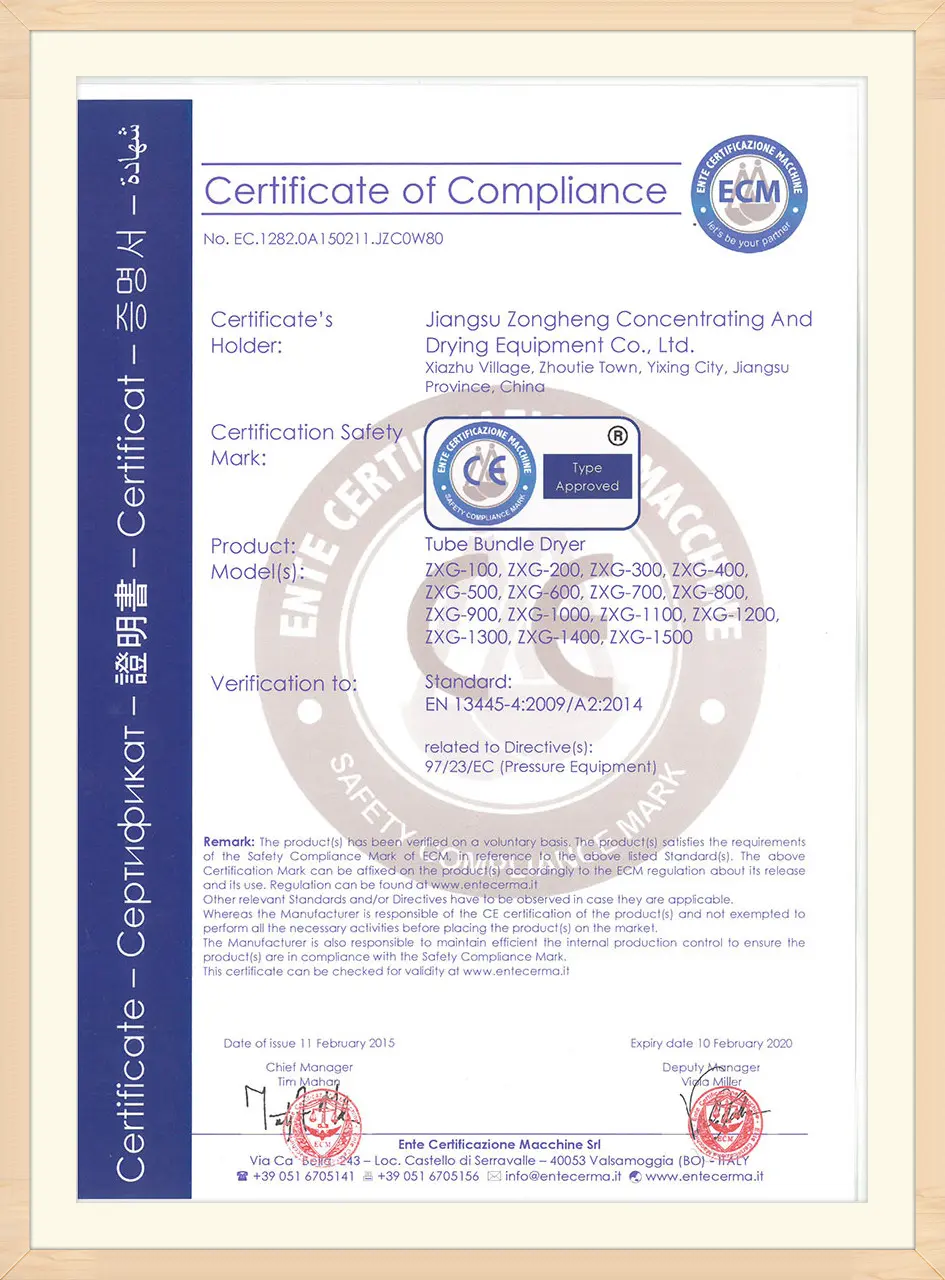
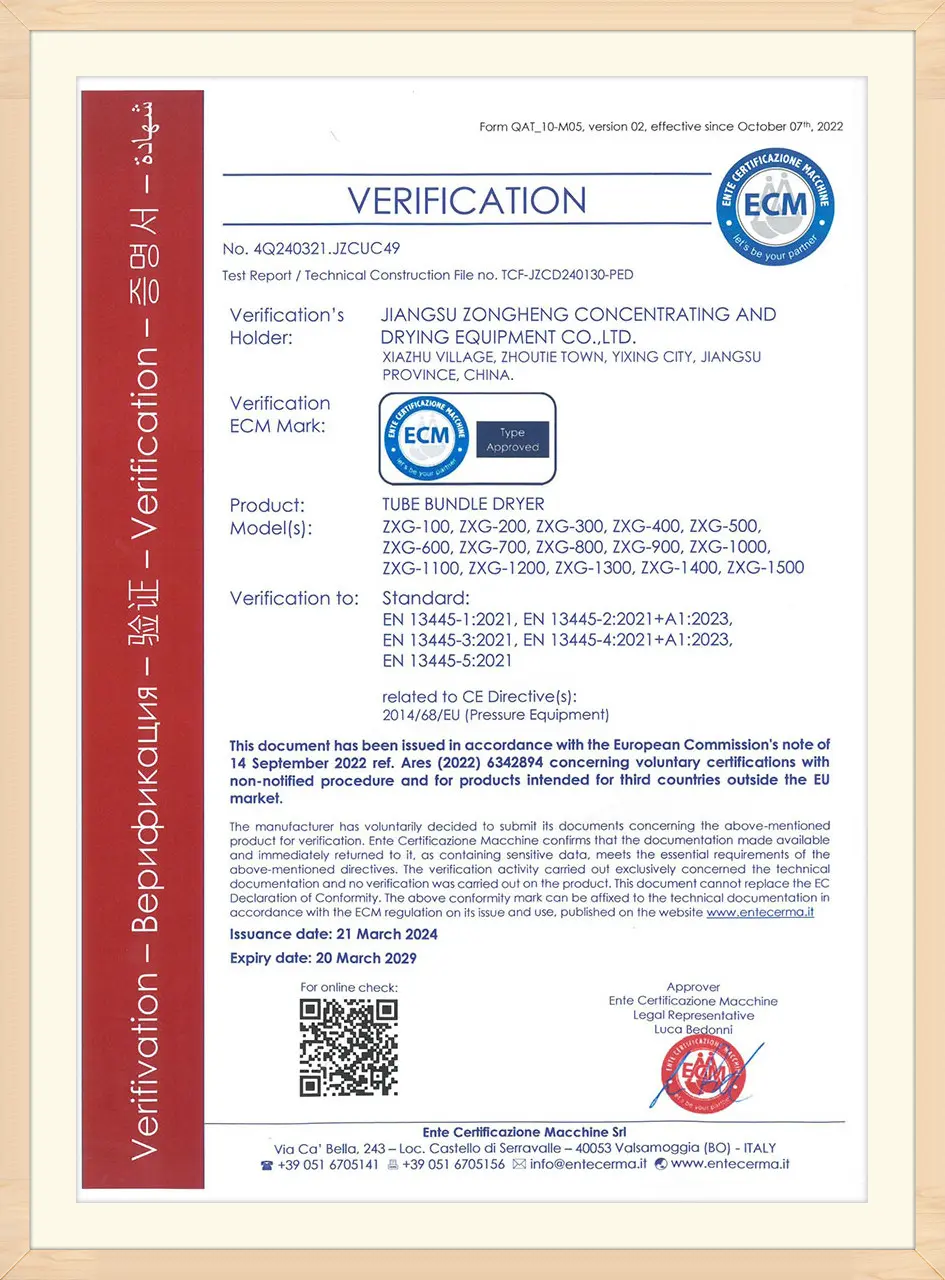
Sourcing heavy thermal processing machinery requires strict adherence to international safety and pressure regulations. To operate in highly regulated chemical processing sectors, fabricators must maintain active certifications:
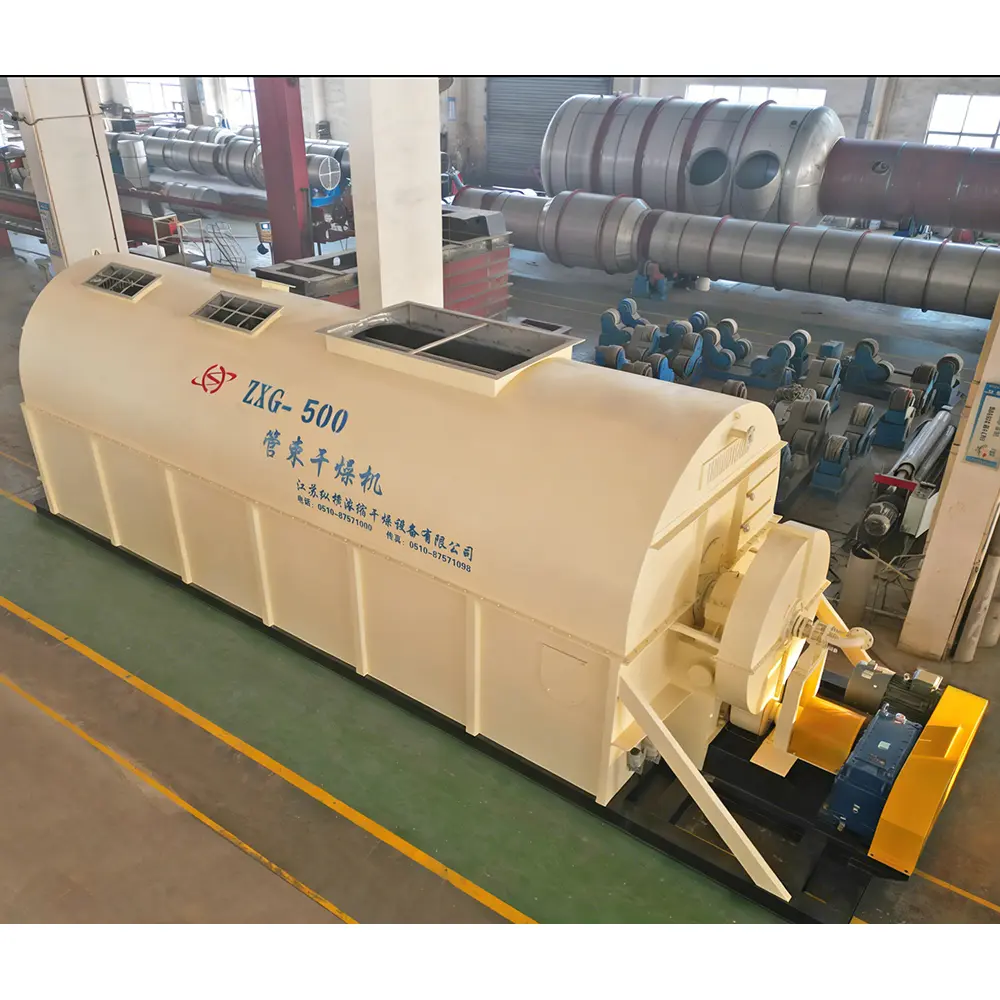
Ensures safe, low-oxygen drying via steam-heated tube bundles, ideal for bulk organic materials like corn starch, germ, and fiber feedstocks.
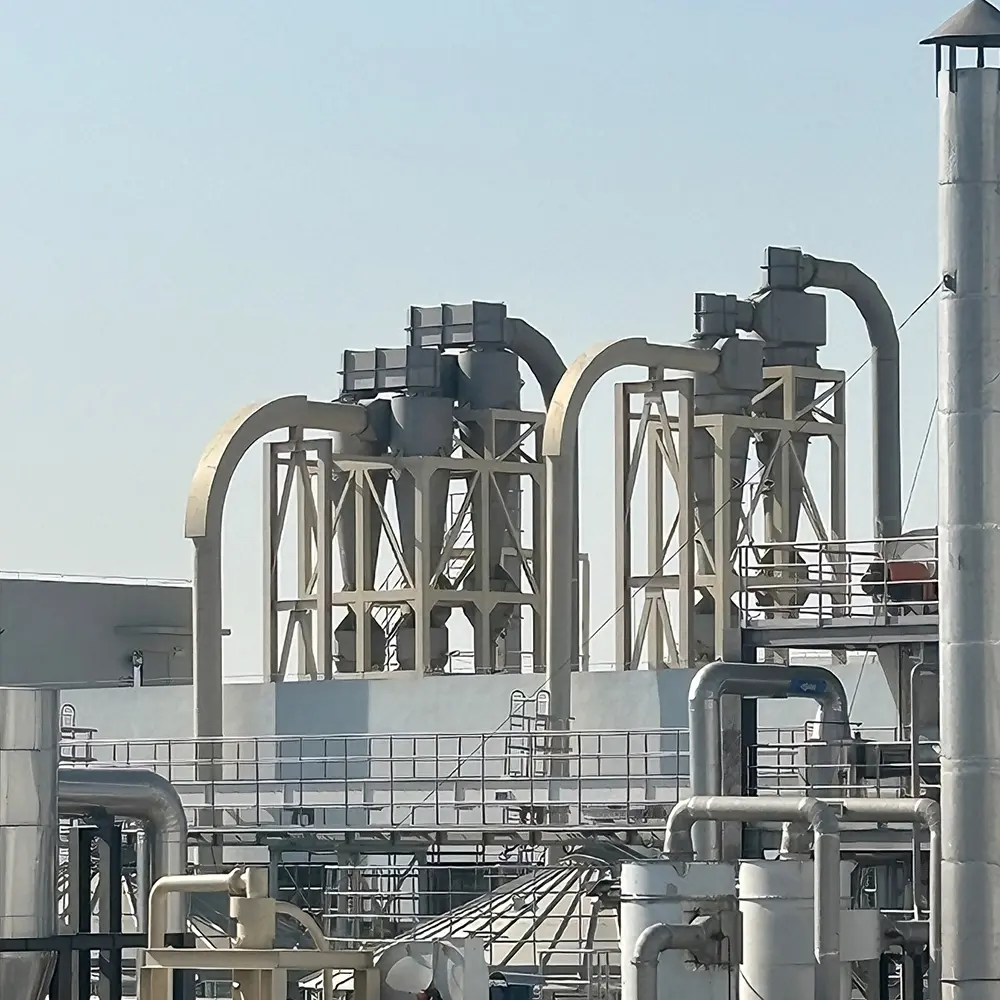
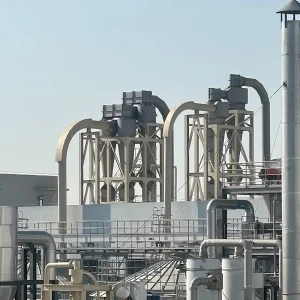
Employs high-speed hot air to suspend and fluidize materials. Uses varying tube diameters to create impulse airflow, continuously tumbling particles during conveyance.
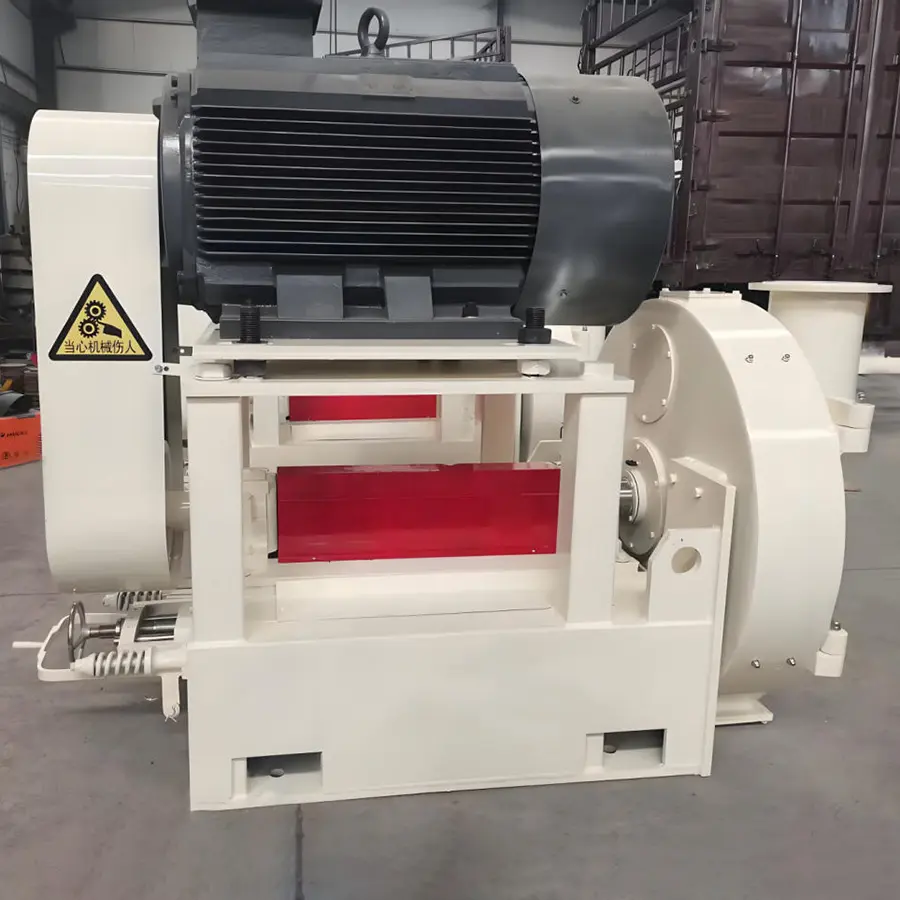
Engineered for maize processing to deliver precise germ removal, preserving kernel structure and maximizing oil yield during downstream extraction.
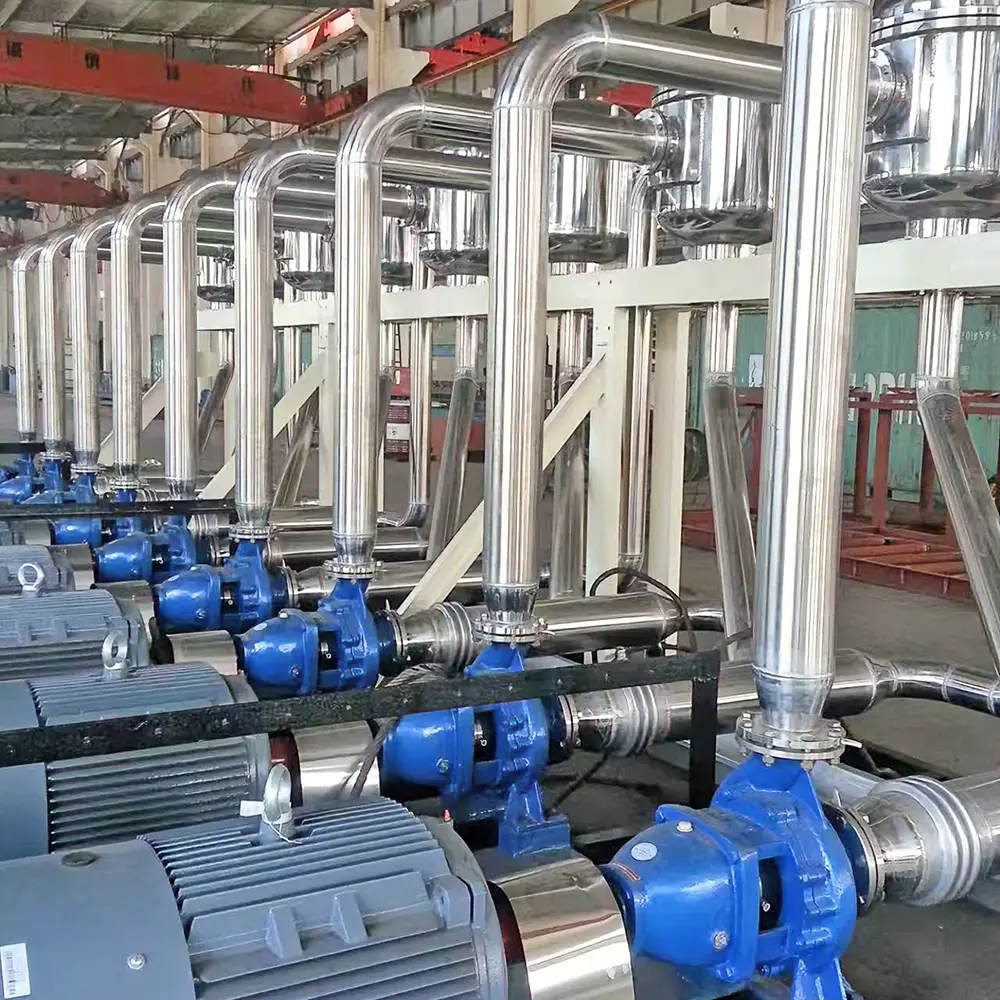
Specifically engineered for multi-stage washing and classification of starch slurries. Minimizes protein impurities and improves final product quality.
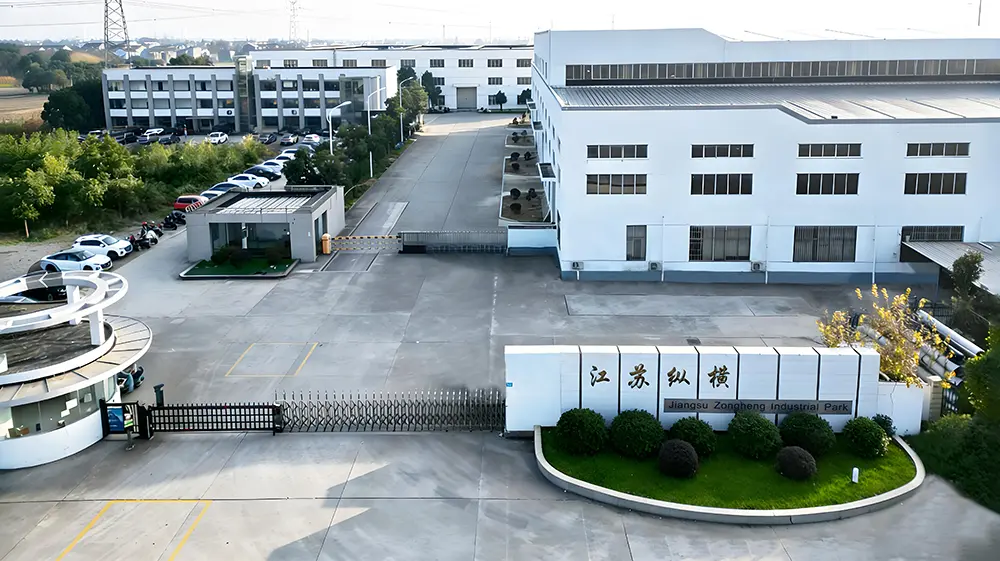
Operations span a total area of over 54,000 square meters, with workshop spaces exceeding 22,000 square meters. The plant employs 3 senior engineers, over 20 engineers, and a total staff of 120 people.
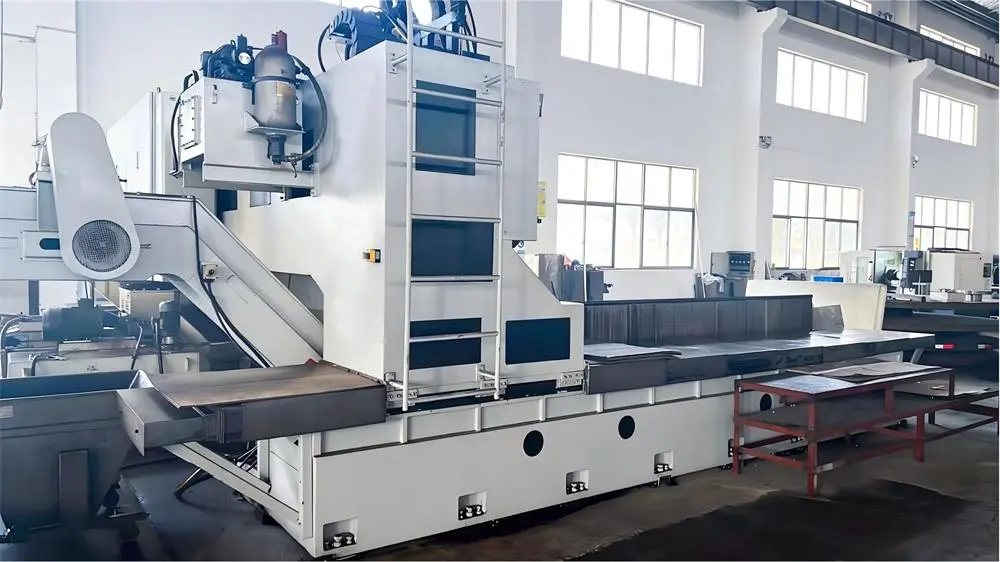
Achieved international quality system certification (Certificate No.: 45021), establishing a complete quality assurance system aligned with modern global parameters.
Acquired the ASME "U" Stamp authorization, marking our entry into designing and fabricating high-pressure vessels for international projects.
Obtained the Special Equipment Manufacturing License of the People's Republic of China (License No.: TS2232C42) for regulated pressure vessel construction.
Officially recognized as a Jiangsu Provincial High-Tech Enterprise, increasing our investment in R&D for low-temperature vaporization tech.
Successfully obtained our initial ISO9001 Quality System Certificate, standardizing internal fabrication and testing procedures.
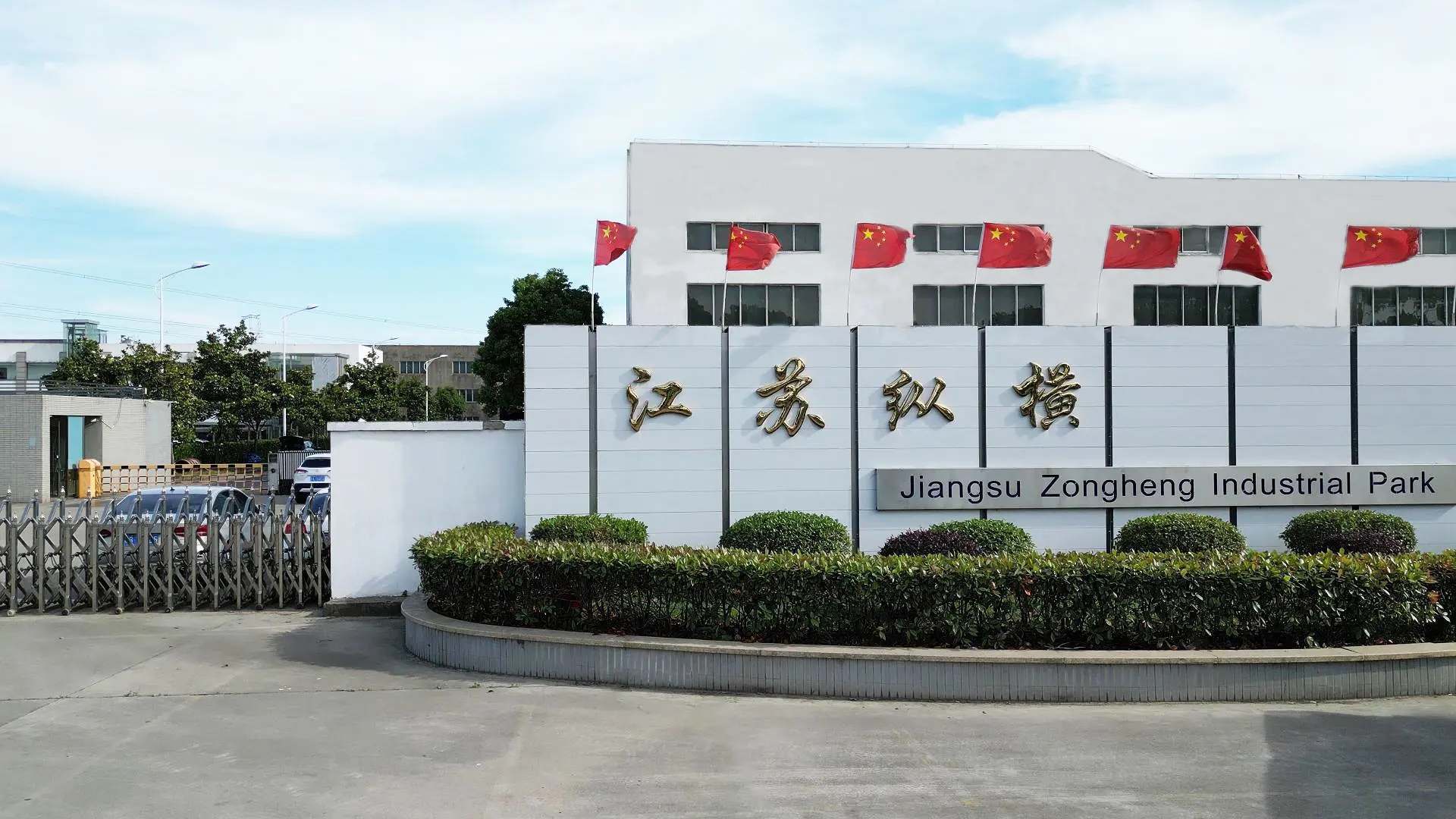
Established in Zhoutie Town, Yixing City, on the shores of Taihu Lake as the Yixing Yangxi Light Industry Machinery Factory, covering an area of 15 mu with 45 employees.
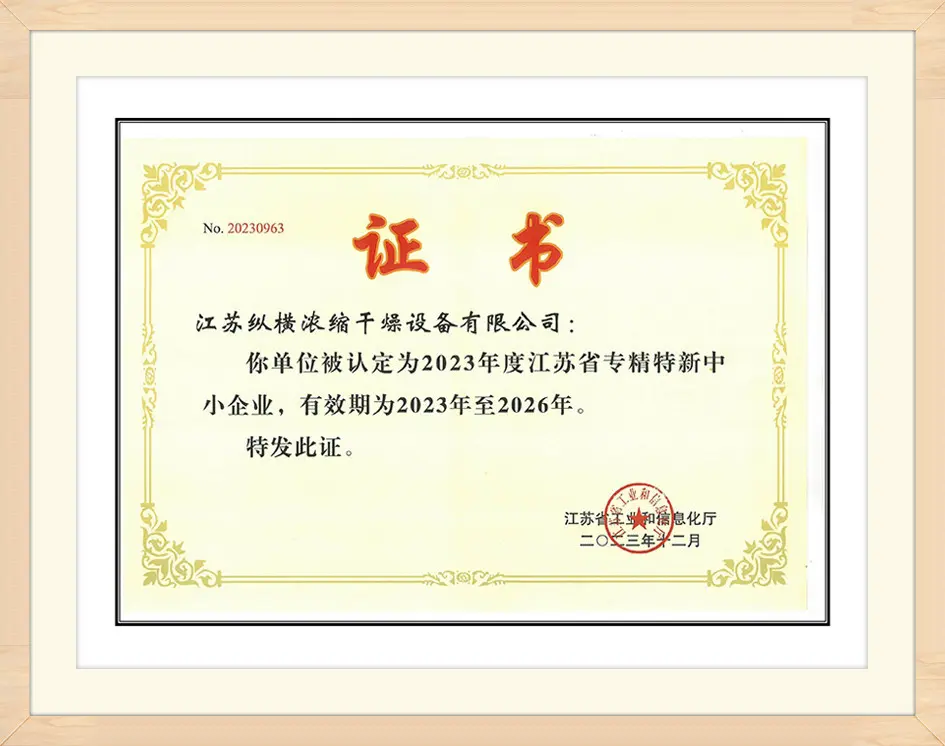
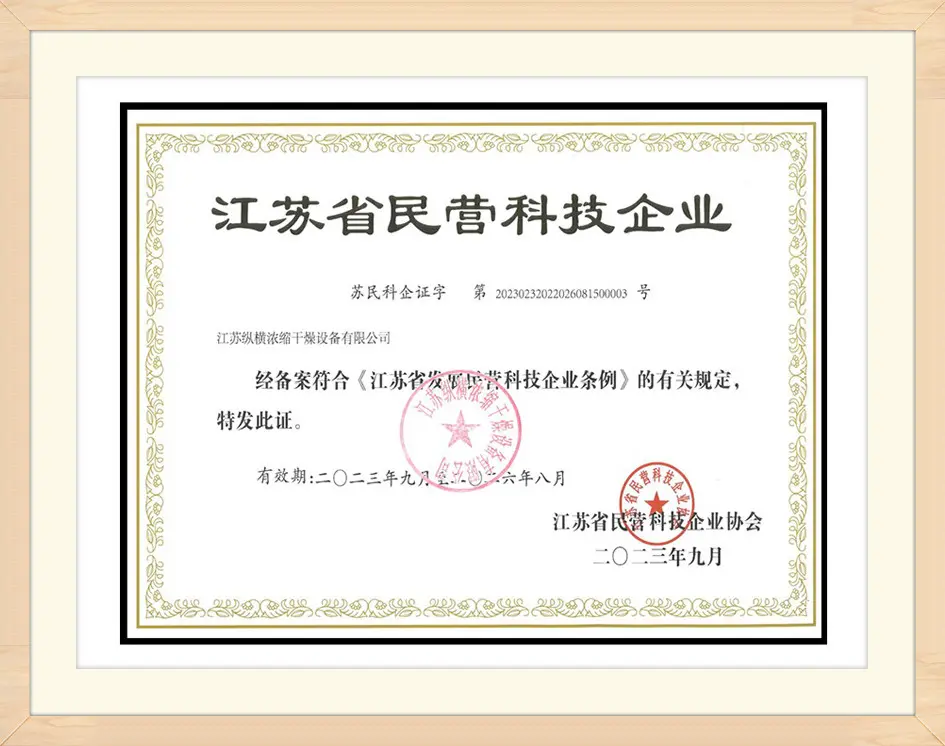
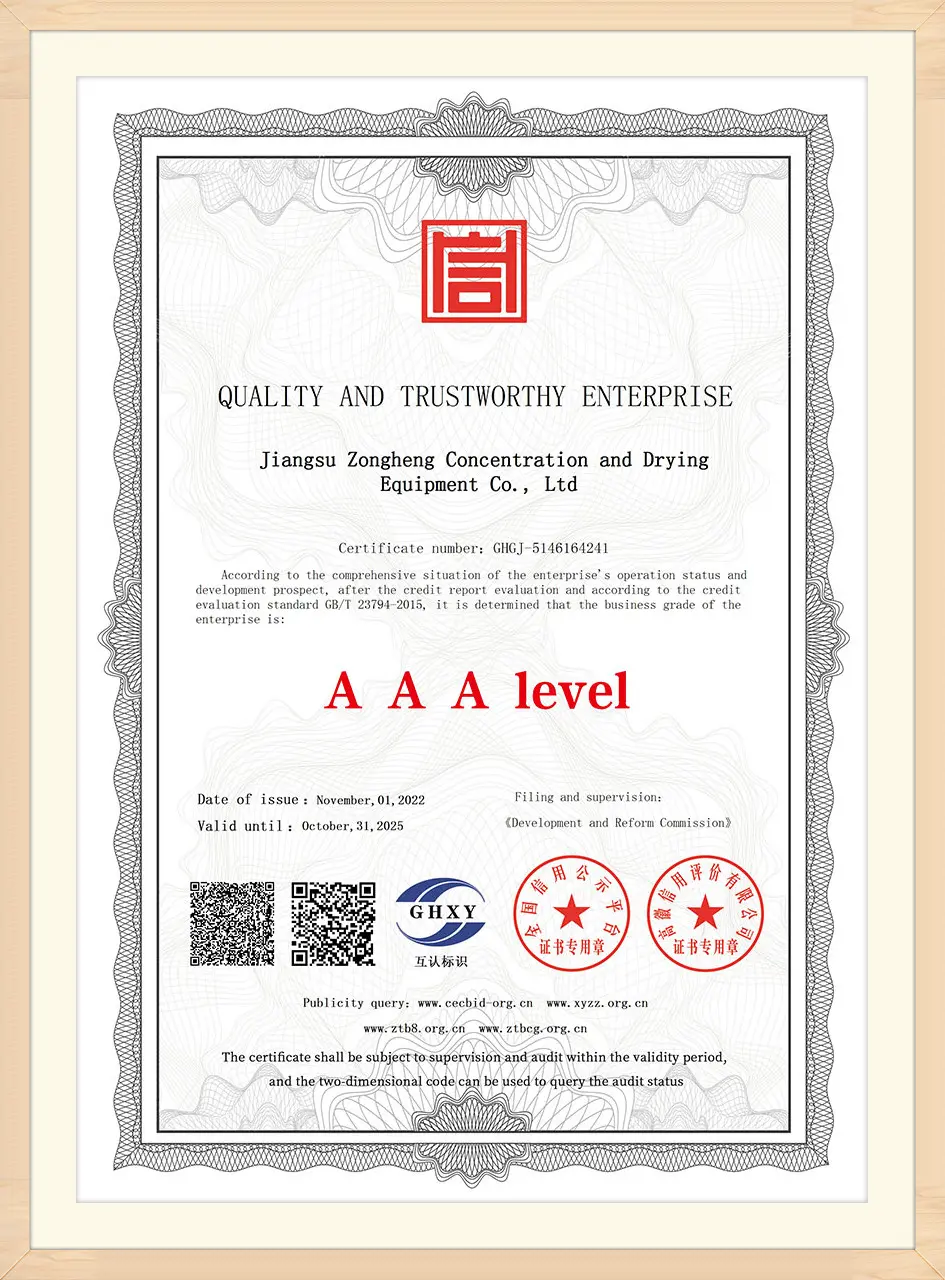
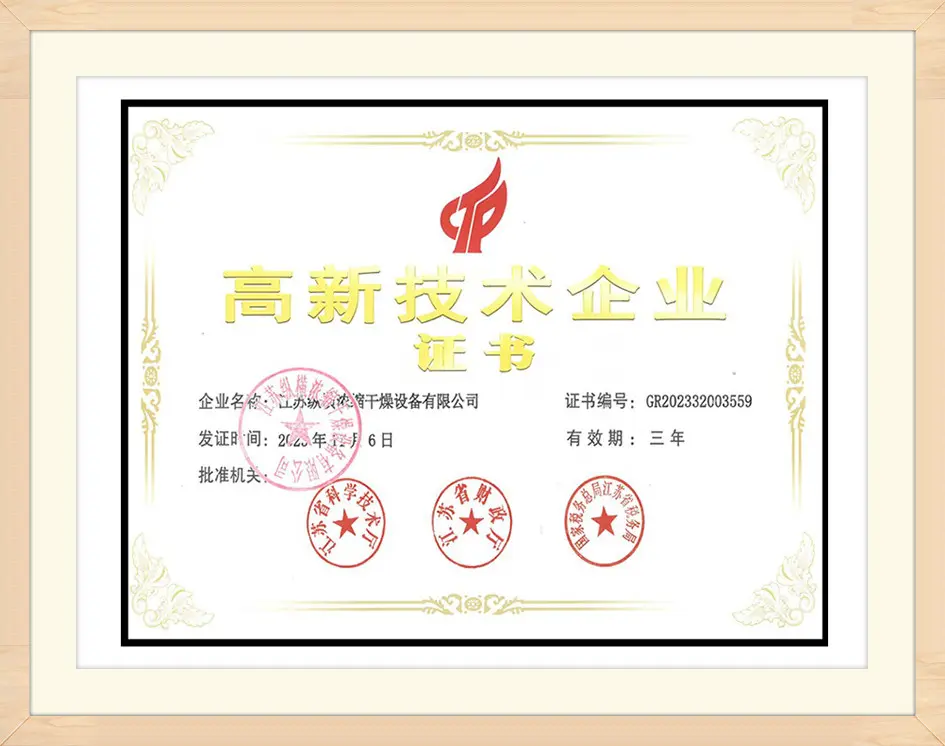
Our concentration, dewatering, and drying solutions are utilized across diverse global industries, including food fermentation, starch derivatives, bio-ethanol, waste treatment, and petrochemical processing.
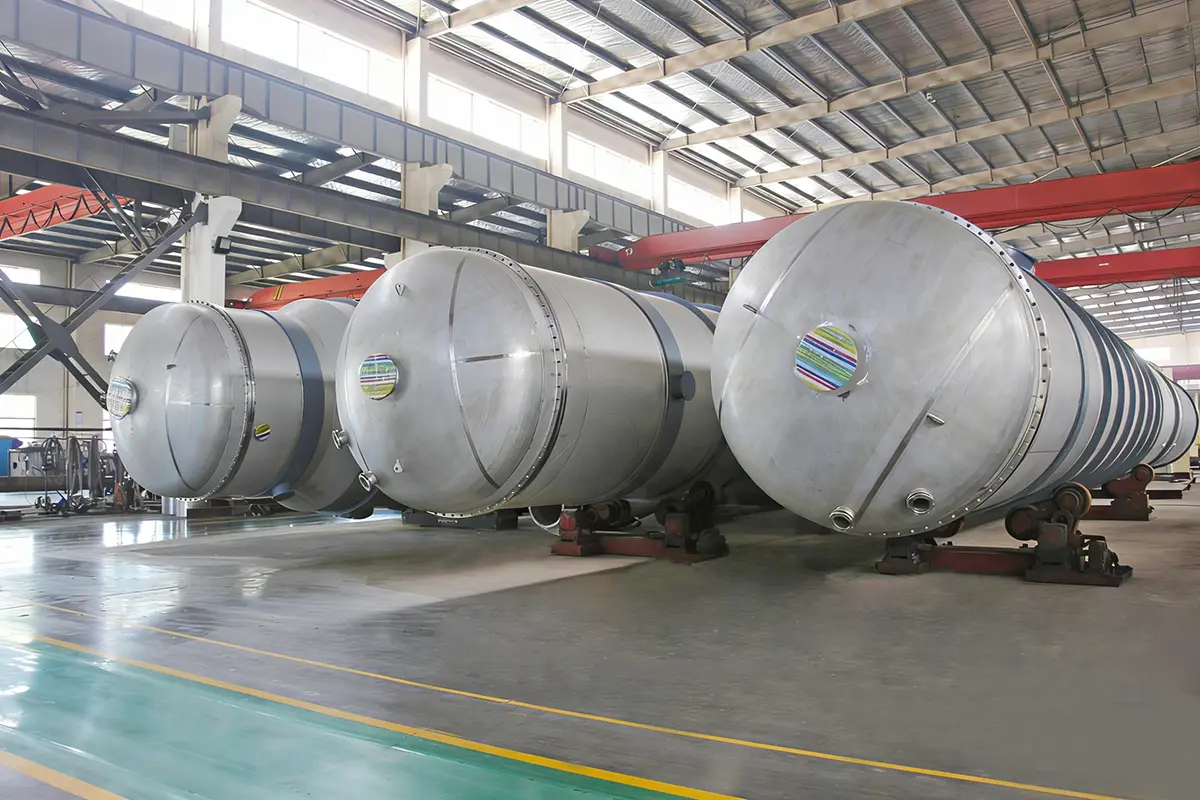
Used to concentrate corn steep liquor, amino acids, wastewater streams, and pharmaceutical intermediates.
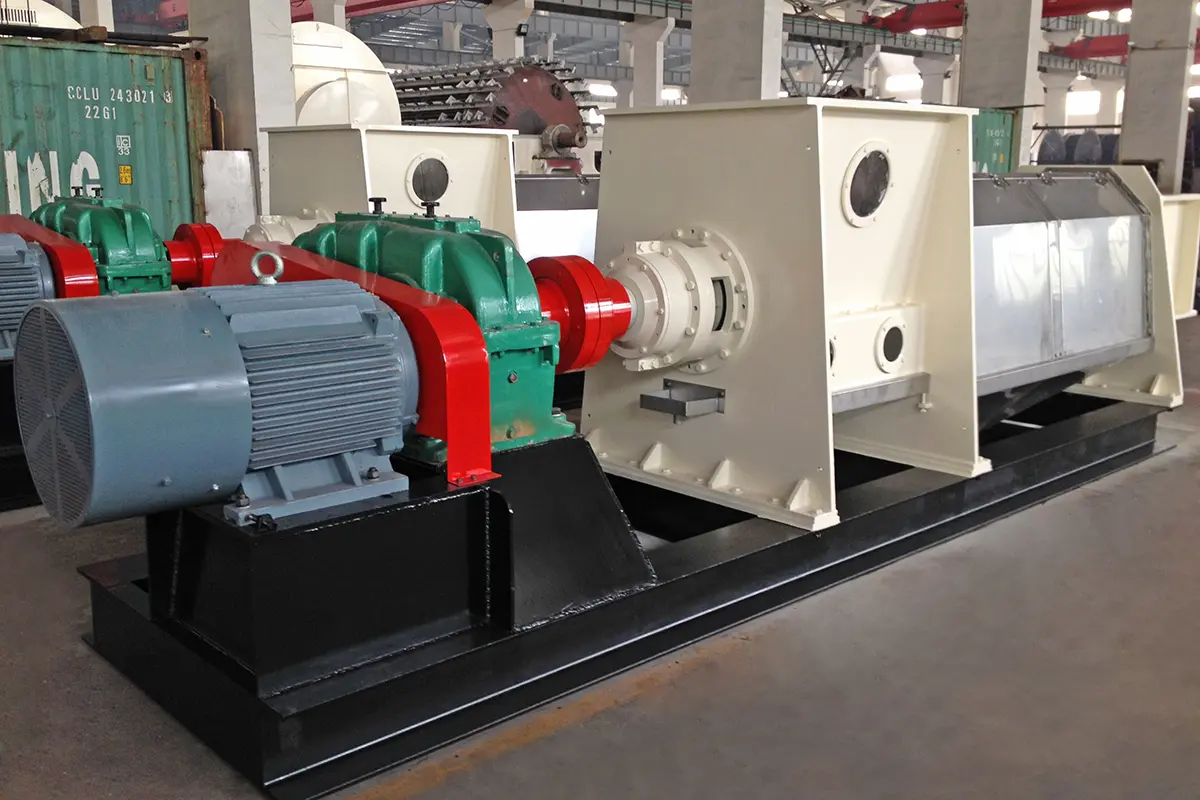
Provides mechanical dewatering for fiber, spent grains, pulp, and industrial sludges prior to thermal drying.
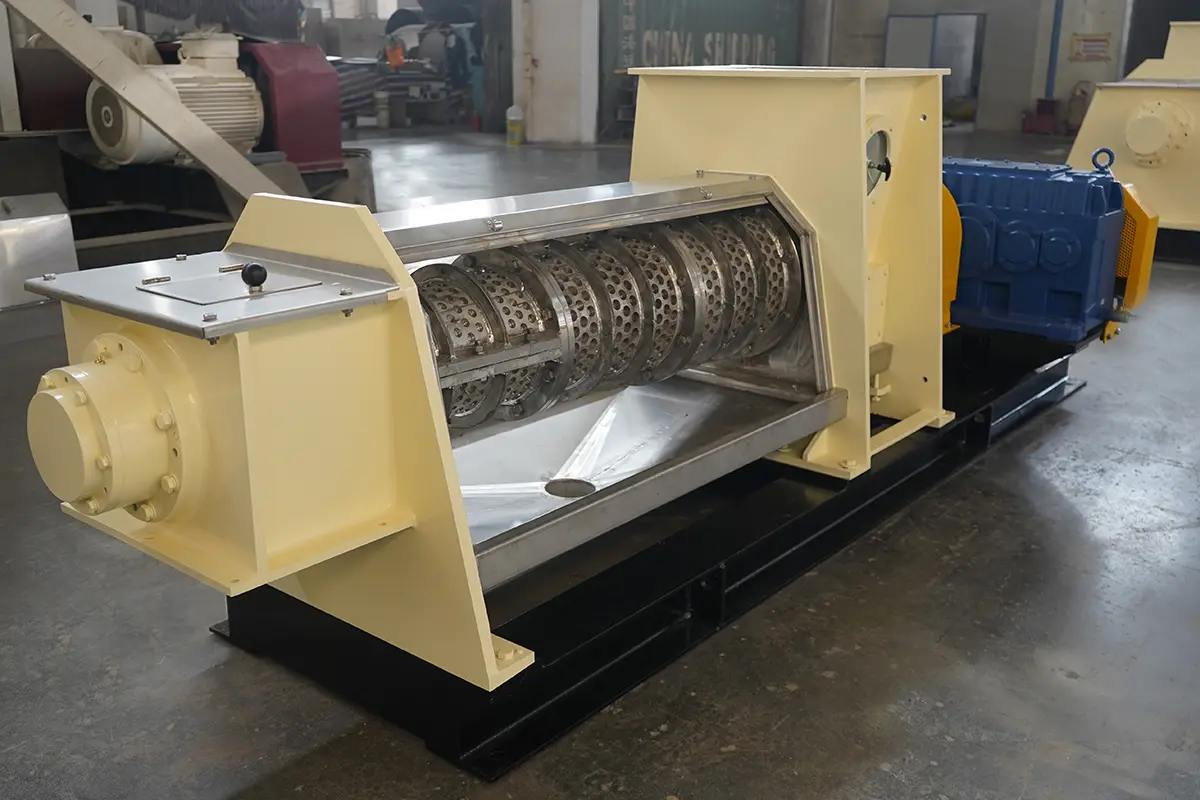
Ensures moisture removal for fine organic powders, starch cake feedstocks, and mineral particulates.
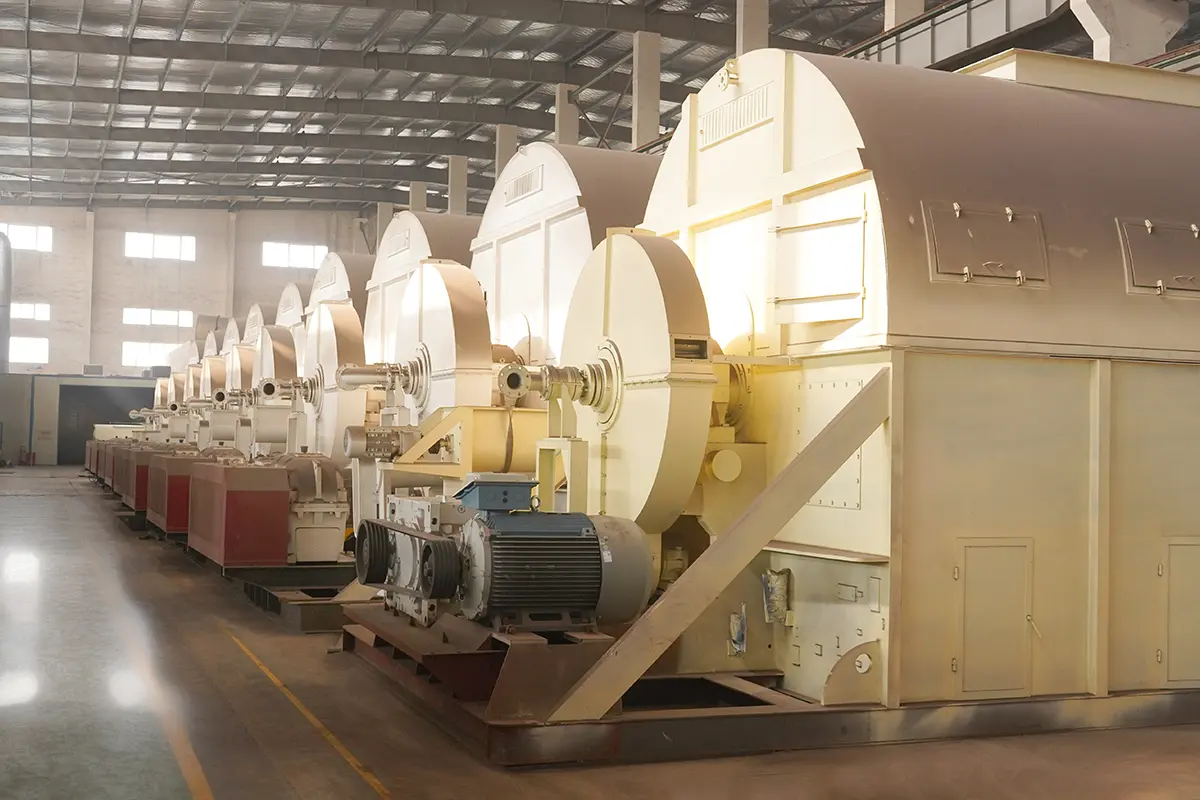
Continuous contact drying for high-volume agricultural products, utilizing internal steam-tube rotation.
We welcome friends from all industries worldwide to collaborate with us for mutual development in separation and drying technology.
 Zongheng