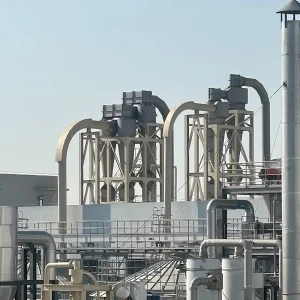
Spin flash drying represents a breakthrough in the continuous processing of highly cohesive, visco-elastic, and temperature-sensitive materials. By integrating mechanical agitation, size reduction, pneumatic transport, and convective heat transfer in a single compact system, it overcomes the conventional limitations of rotary and drum dryers. In industrial applications, the thermal efficiency and dry product quality are heavily determined by the fluid dynamics within the drying chamber.
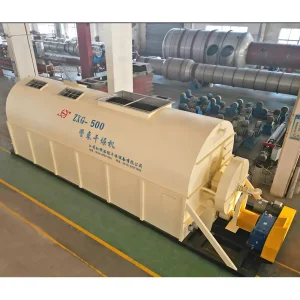
The core operating mechanism of a spin flash dryer depends on the generation of high-velocity hot air entering the drying chamber tangentially. This creates a rotating, helical gas stream. Wet paste, filter cakes, or slurries are continuously fed into the bottom of the chamber by a variable speed screw. Here, a high-speed agitator mechanically disintegrates the feed into highly dispersed, micro-sized particles.
This rapid mechanical shearing dramatically increases the specific surface area of the wet solid exposed to the thermal boundary layer. Because the surface area increases by orders of magnitude, moisture is flashed instantly. The residence time of the material in the high-heat zone is extremely short (usually only 0.5 to 2 seconds), protecting heat-sensitive compounds from thermal degradation. Smaller particles are pneumatically carried upward by the high-velocity air, while heavier, un-dried agglomerates fall back to the bottom for further milling.
A classifier ring located at the top of the drying chamber controls the particle size of the final product. Only particles with a sufficiently low moisture content and density can escape the classifier's centrifugal field to be collected by the downstream cyclone separators and bag filters. Larger, heavier particles containing bound moisture are rejected by the classifier, falling back into the hot vortex to undergo further drying and shearing.
"By balancing the velocity of the tangential gas flow and the rotational speed of the classifier, operators can fine-tune the final moisture levels down to less than 0.5% and maintain a highly uniform particle size distribution without requiring secondary grinding."
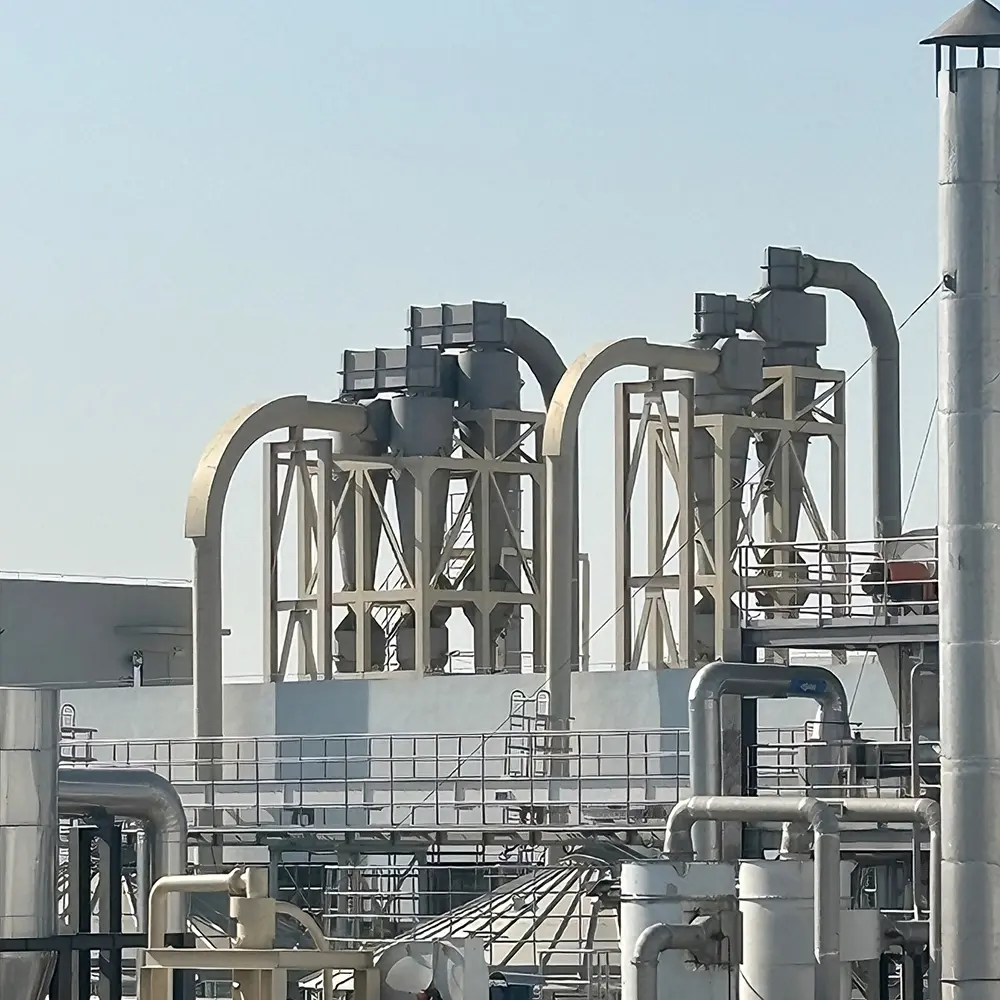
Jiangsu Zongheng's MQG Airflow Dryer represents the peak of pneumatic convective drying, designed specifically for non-sticky, free-flowing bulk solids. By introducing high-velocity hot air stream into the vertical column, the material is instantly fluidized and transported upward.
The variable diameter design of the air tubes creates continuous pressure differentials and velocity changes. This induces intensive micro-turbulences and high-frequency boundary layer stripping, achieving rapid heat and mass transfer. With a retention time of only milliseconds, it is highly suited for starch, feed additives, and organic chemicals where surface moisture must be removed rapidly.
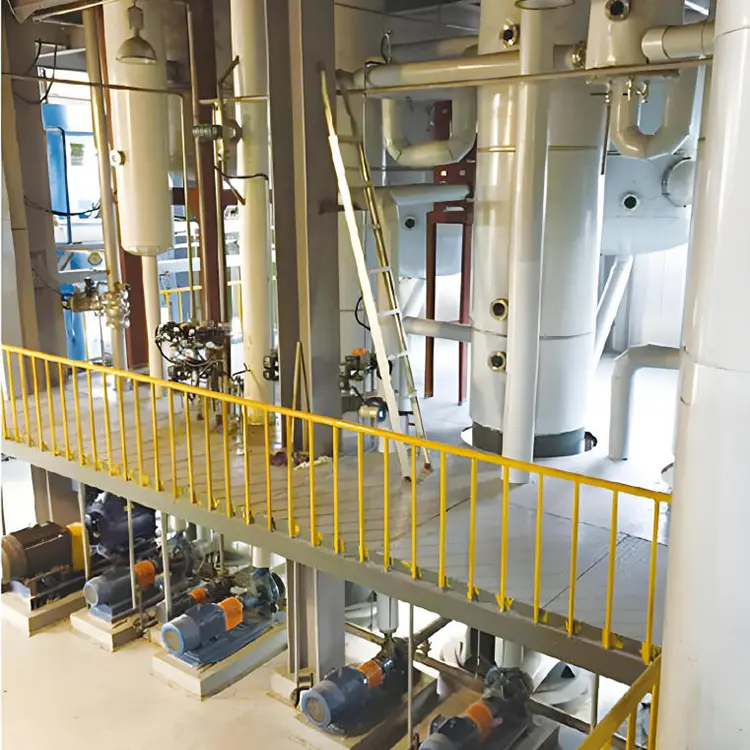
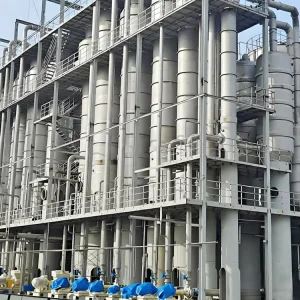
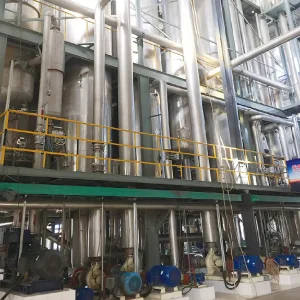
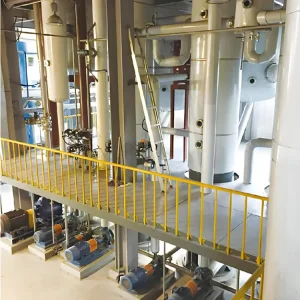
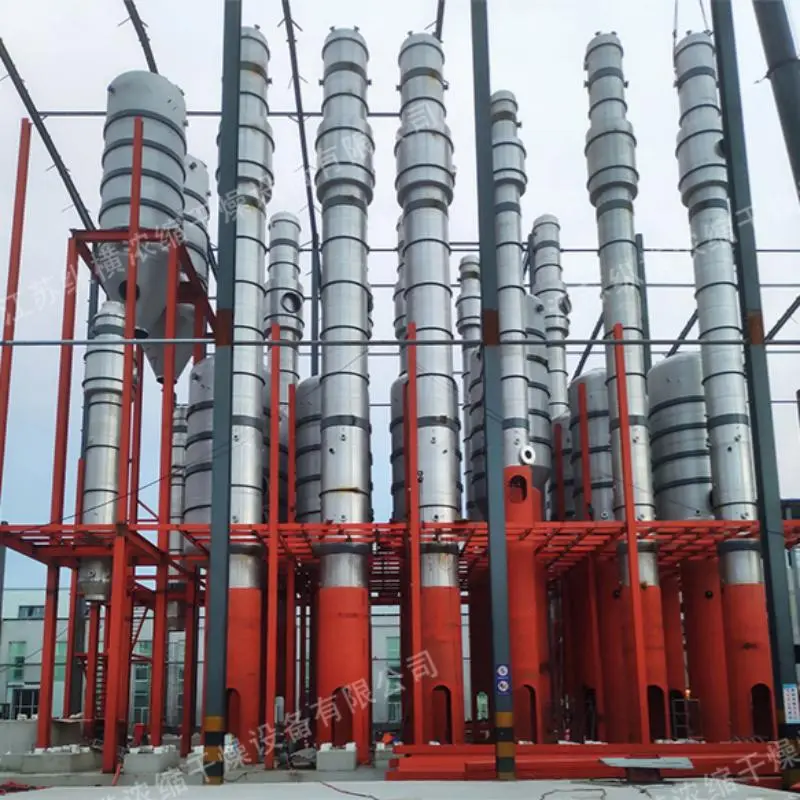
A falling film evaporator efficiently concentrates heat-sensitive liquids by distributing the feed liquid as a thin film flowing down the inner walls of heated vertical tubes. Under gravity, the film boils and partially vaporizes. The co-current vapor flow forces the liquid downward, minimizing residence time and avoiding scaling.
Critical to this process is the liquid distribution system. Ensuring uniform wetting across all tube surfaces prevents local dry spots and fouling, which can cause thermal degradation and lower capacity. The system provides highly consistent heat transfer coefficients, making it suitable for dairy, bio-fermentation, and pharmaceutical operations.
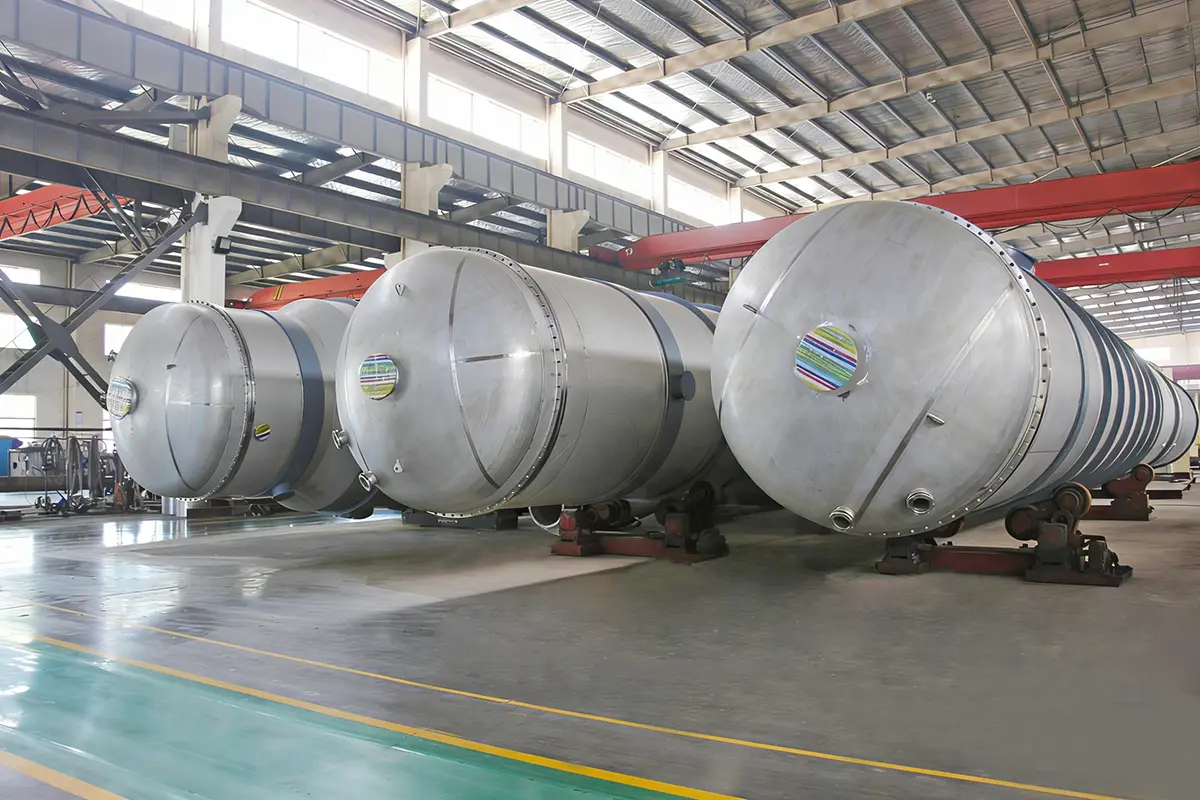
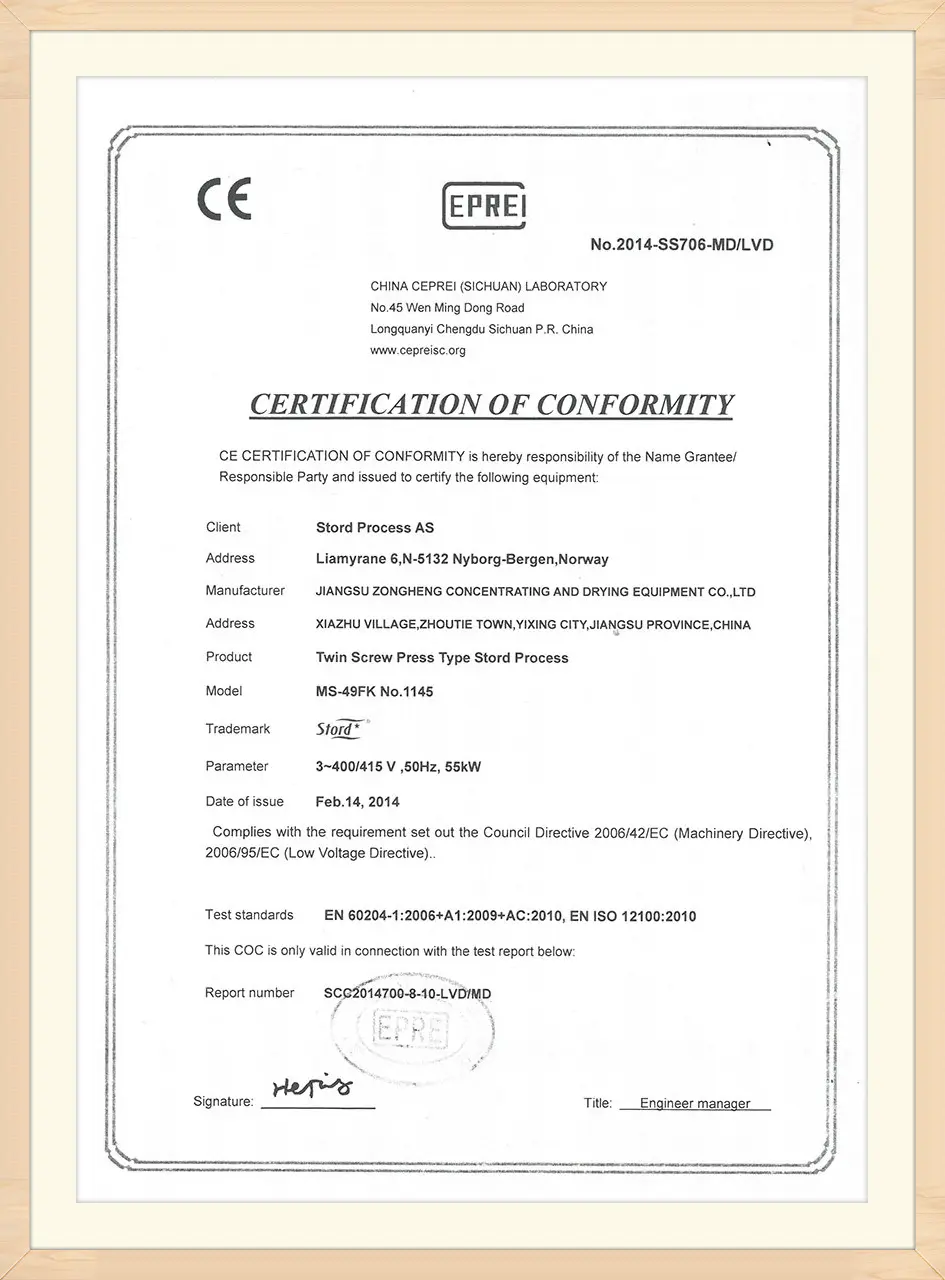
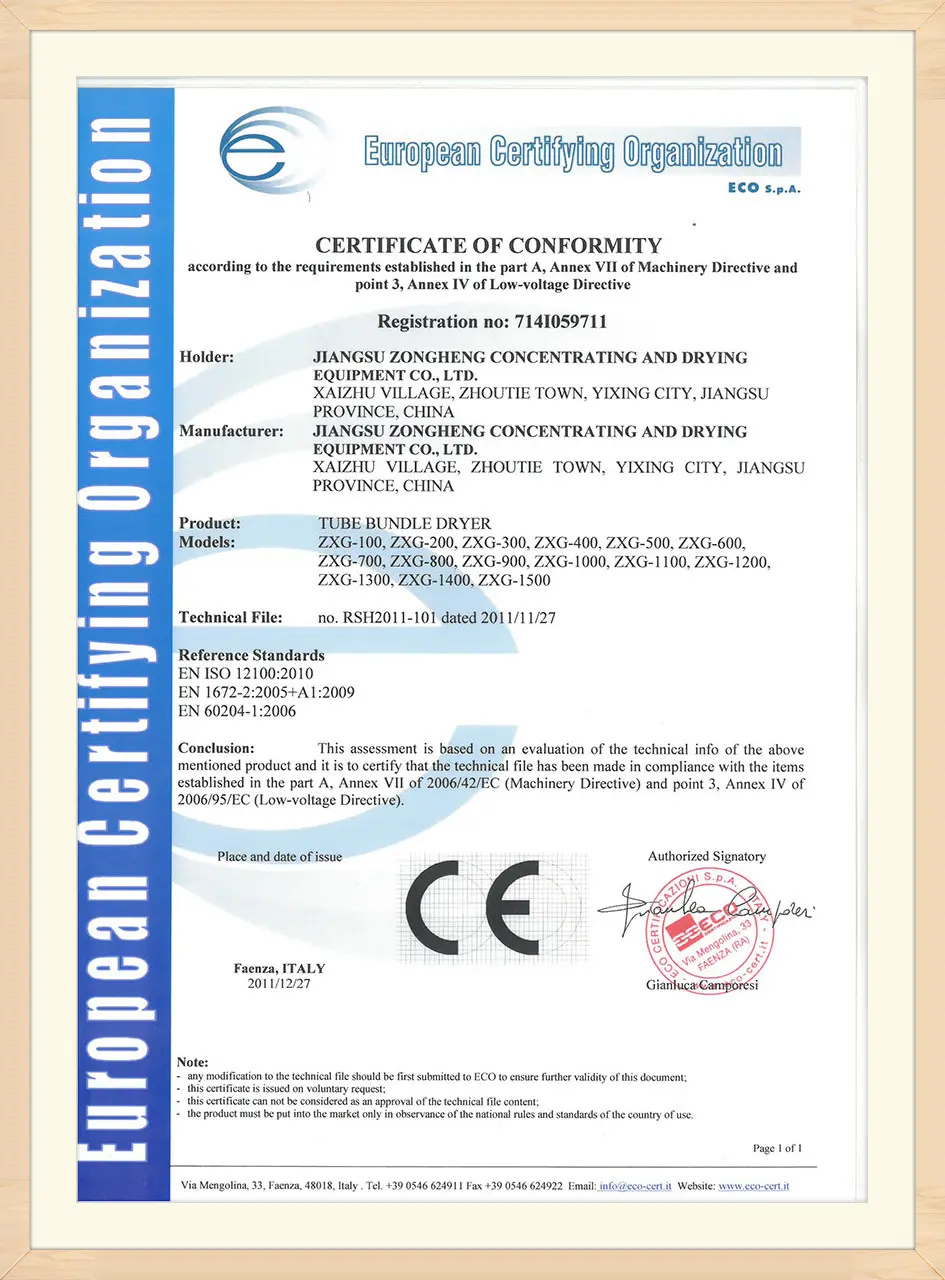
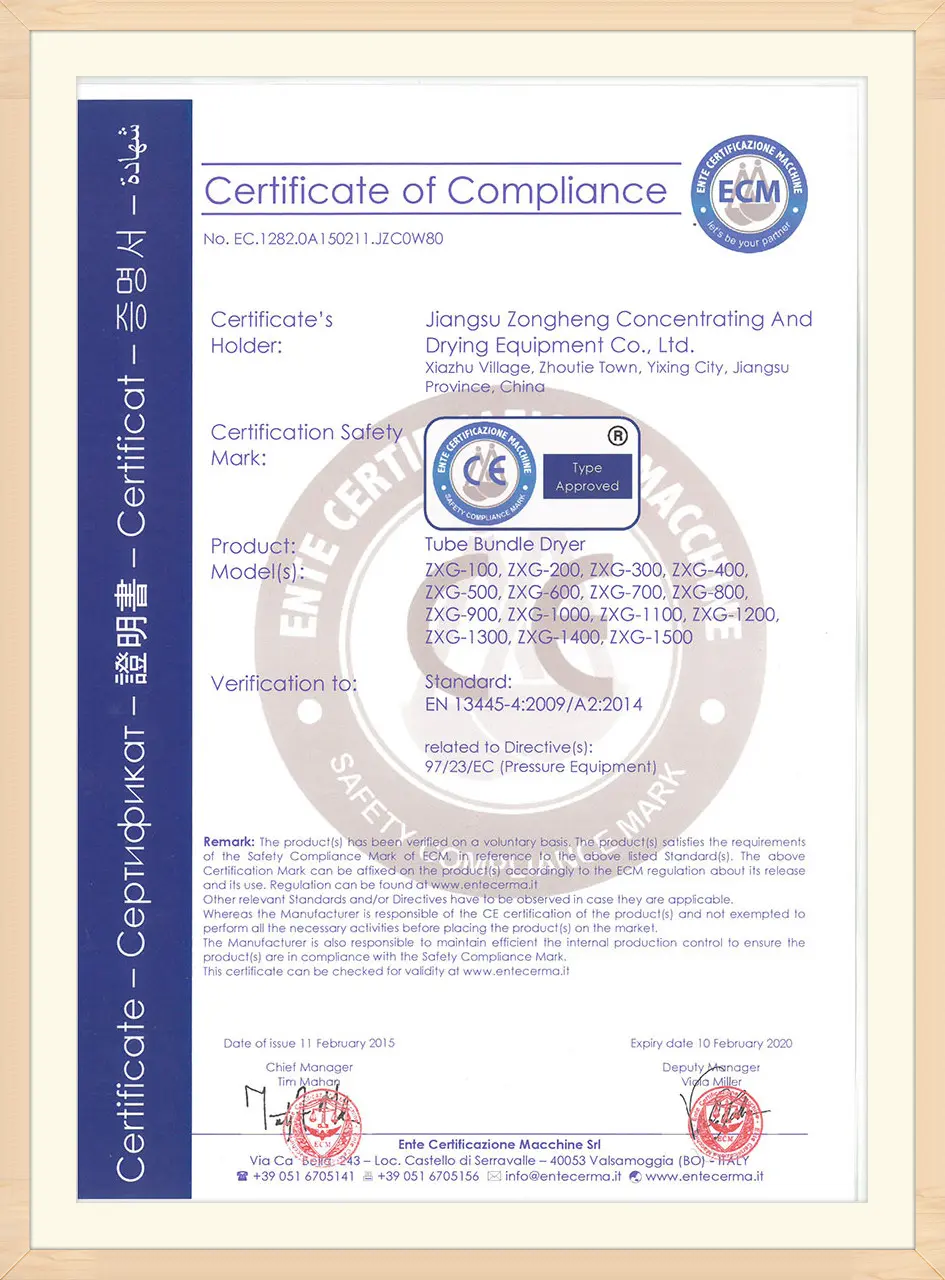
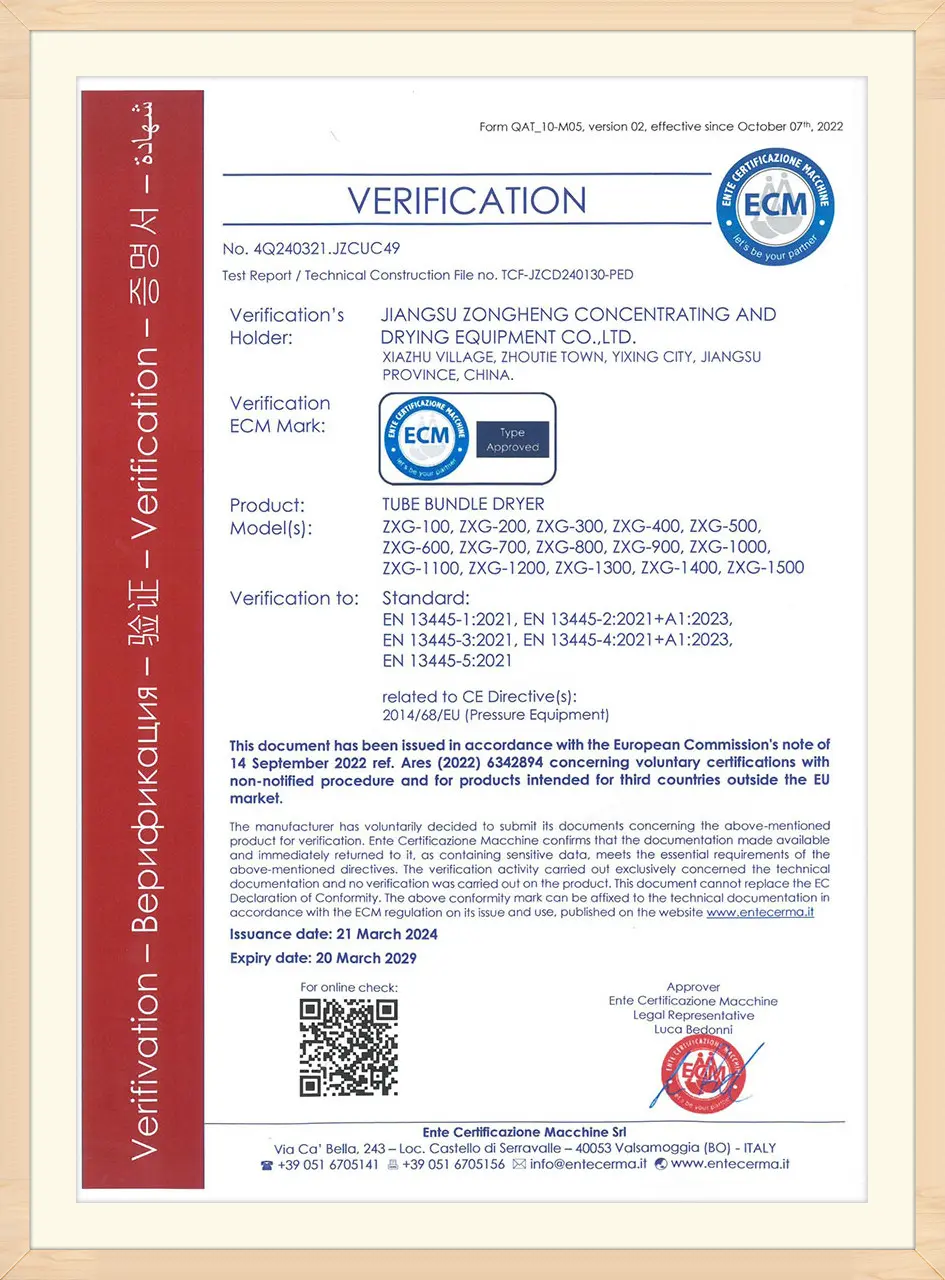
Modern Chinese manufacturers have upgraded their capabilities, transition from basic metal fabrication to advanced material engineering. High-quality spin flash dryers manufactured by Jiangsu Zongheng utilize high-alloy stainless steel, including SUS314, SUS316L, and Duplex Alloys like SAF 2205. The entire manufacturing process adheres to strict QA/QC procedures mandated by international authorization codes, such as the ASME "U" Stamp and European CE markings.
These standards ensure that the pressure containment sections, combustion systems, and rotating parts operate safely under critical pressures and thermal loads. Specialized surface treatments like electrolytic polishing, pickling, and passivation are standard procedures to resist corrosion from aggressive chemical pastes and feed compounds.
Jiangsu Zongheng is located in Zhoutie Town, Yixing City, on the shores of Taihu Lake. This region is a major industrial hub for thermal drying and environmental protection equipment in China. Sourcing from this cluster offers significant logistics and supply chain advantages.
Within a short radius, there is a deep network of certified suppliers for heat exchangers, high-efficiency blowers, process instruments (such as Yokogawa and Siemens sensors), and advanced control panels. This dense supply network reduces production lead times and lowers manufacturing overhead. These cost savings are directly passed on to global buyers in the form of competitive pricing for premium-tier systems.
Unlike Western equipment manufacturers that charge high fees for custom engineering, Chinese factories offer highly tailored designs to fit specific site constraints and process layouts. Engineering teams utilize advanced CAD/CAM modeling, Finite Element Analysis (FEA), and Computational Fluid Dynamics (CFD) to design each dryer's internal profiles.
Whether integrating a waste heat recovery loop, choosing direct gas firing or steam radiators, or designing dust explosion venting according to ATEX standards, the system is fully customized to the buyer's process. The plant is pre-assembled and tested to verify dynamic balance, thermal stability, and control loop logic before dispatch.
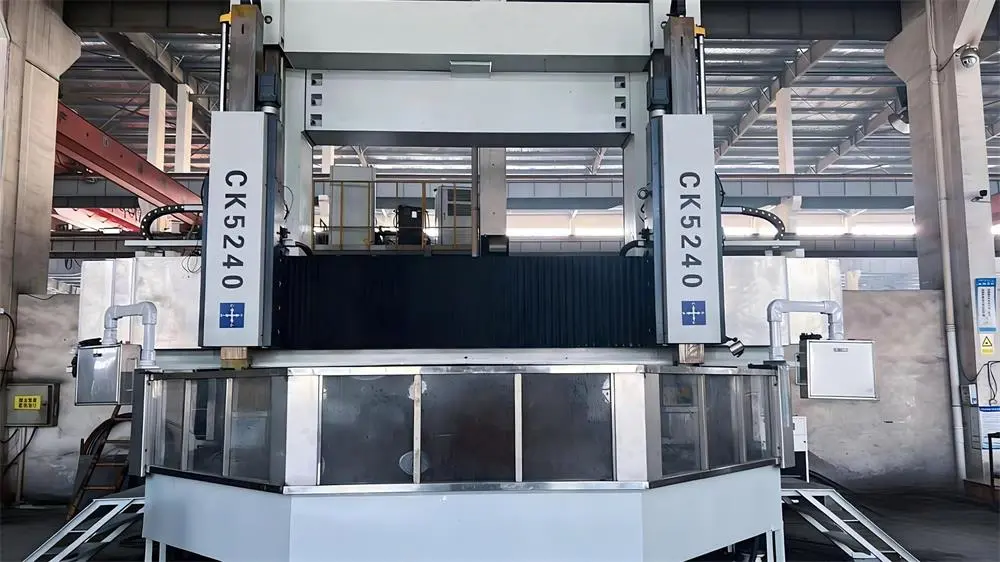
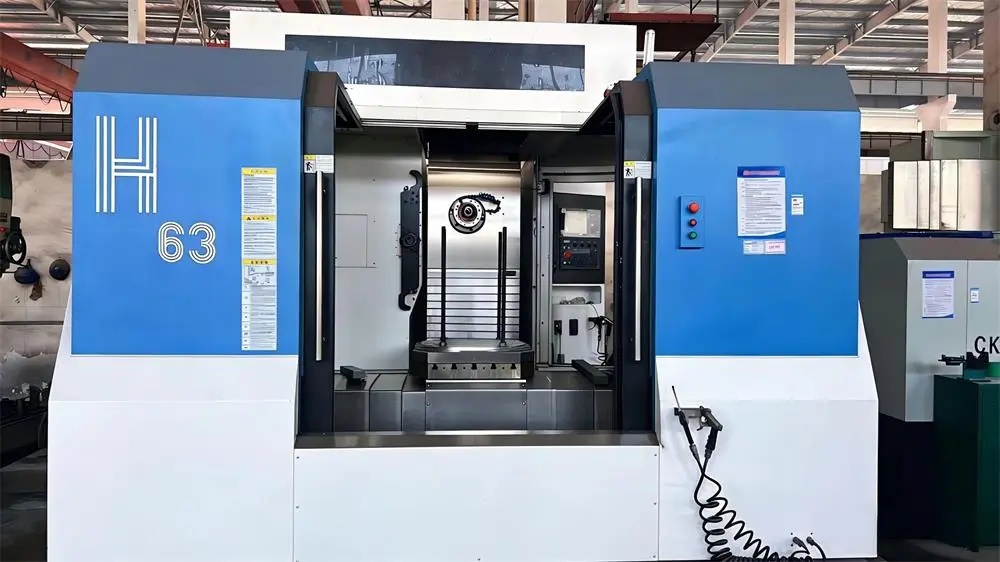
Jiangsu Zongheng Concentrating and Drying Equipment Co., Ltd (formerly Yixing Yangxi Light Industry Machinery Factory), founded in 1992, is located in Zhoutie Town, Yixing City, on the shores of the beautiful Taihu Lake. The company covers an area of over 54,000 square meters, with a production workshop area of over 22,000 square meters.
Jiangsu Zongheng is a modern high-tech enterprise specializing in the manufacturing of concentration, drying, starch industry, alcohol DDGS, and Category III medium & low-pressure vessel equipment. It is currently a member enterprise of the China Starch and Alcohol Association. Its products are widely used in industries such as food fermentation, alcohol, chemical, pharmaceutical, environmental protection, and petrochemical.
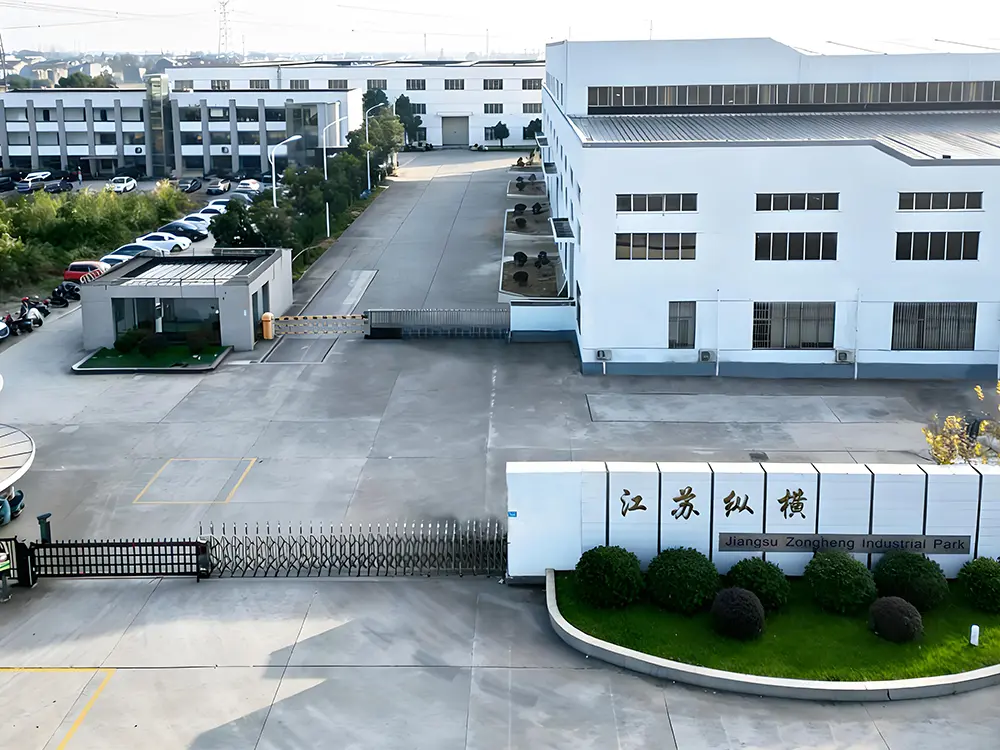
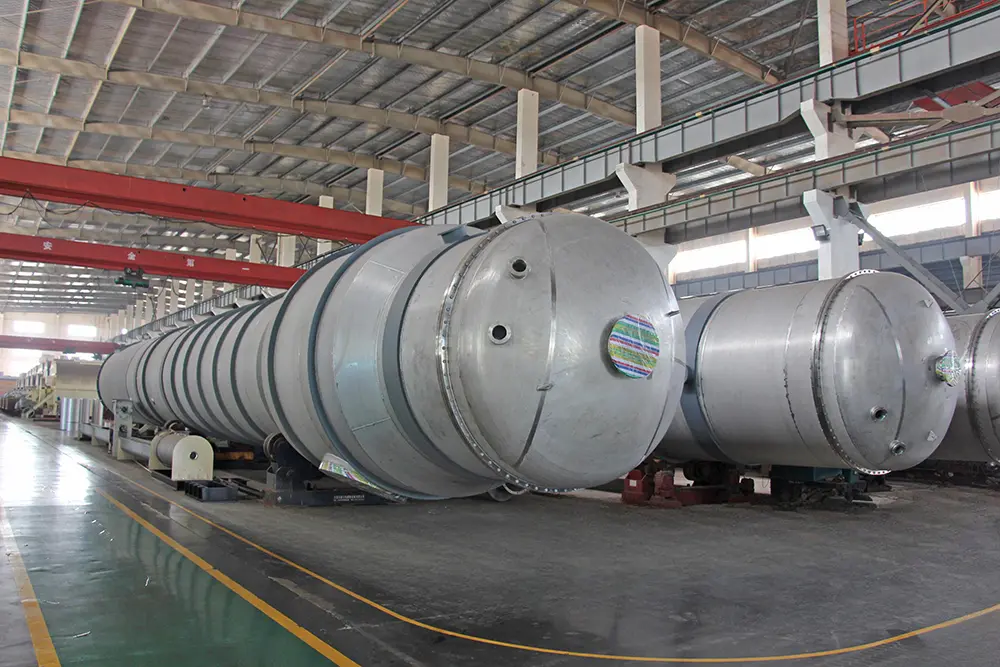
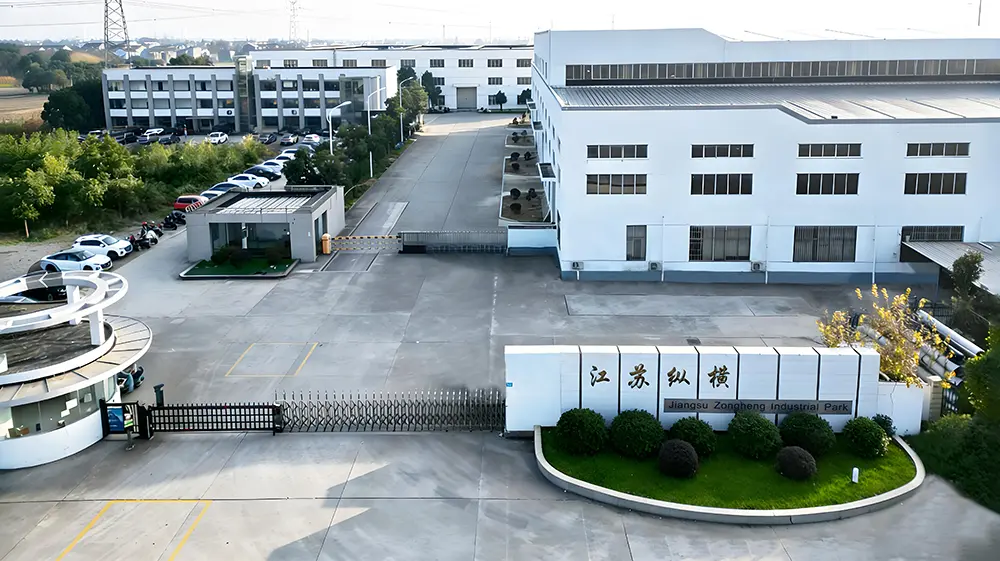
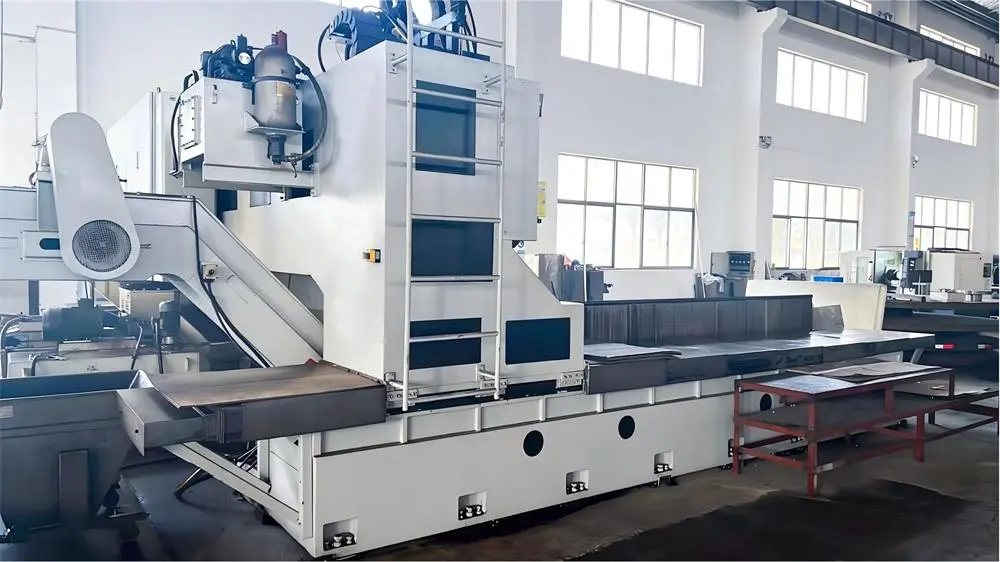
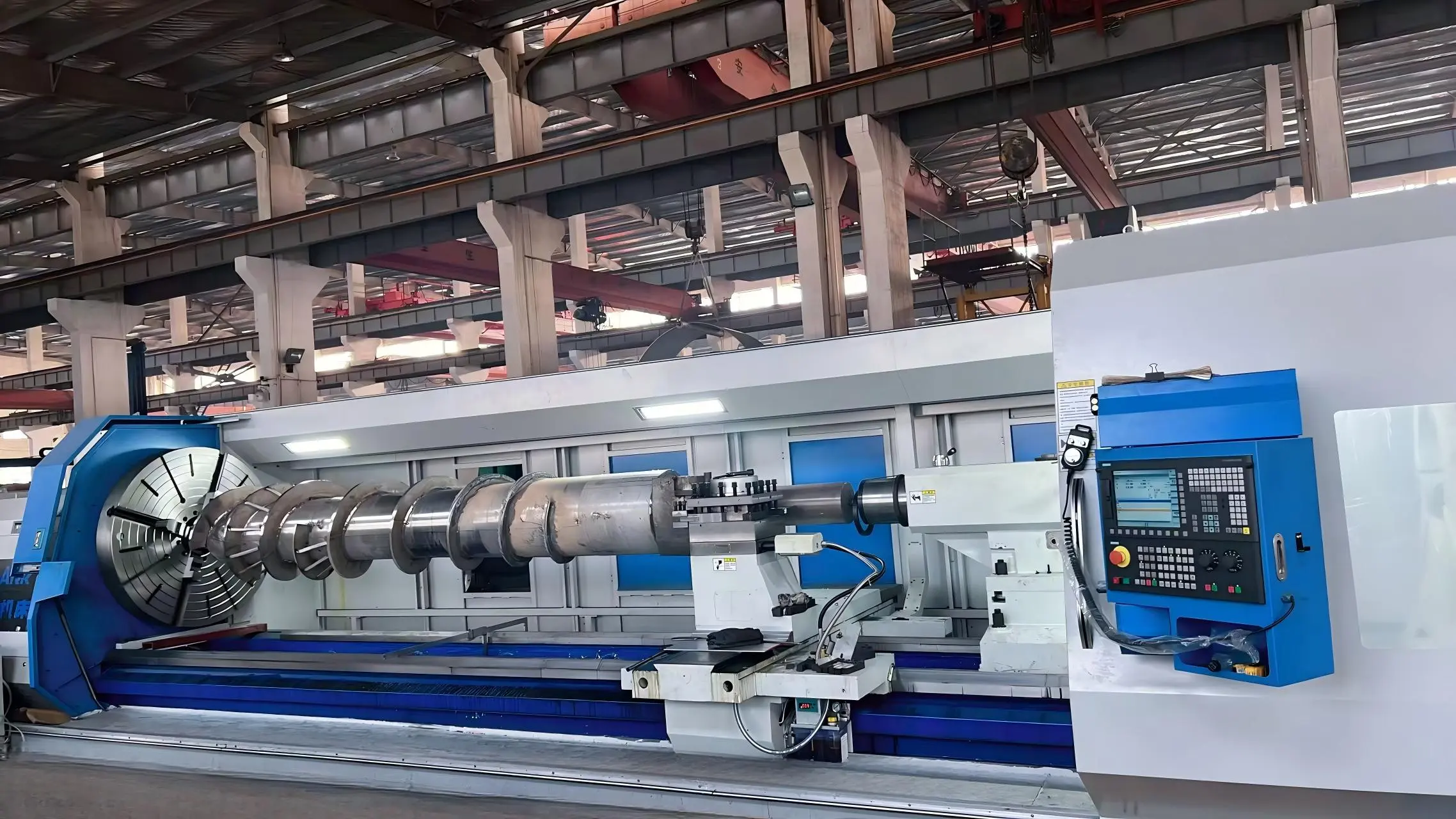
The company covers an area over 54,000 m² with 22,000 m² production workshops, employing 3 senior engineers, 20+ engineers, and a total staff of 120 people.
Obtained international quality system certification (Certificate No.: 45021), establishing a complete quality assurance framework.
Acquired ASME "U" Stamp authorization, marking a major milestone in global export capability and pressure vessel manufacturing.
Obtained the Special Equipment Manufacturing License of the People's Republic of China (License No.: TS2232C42).
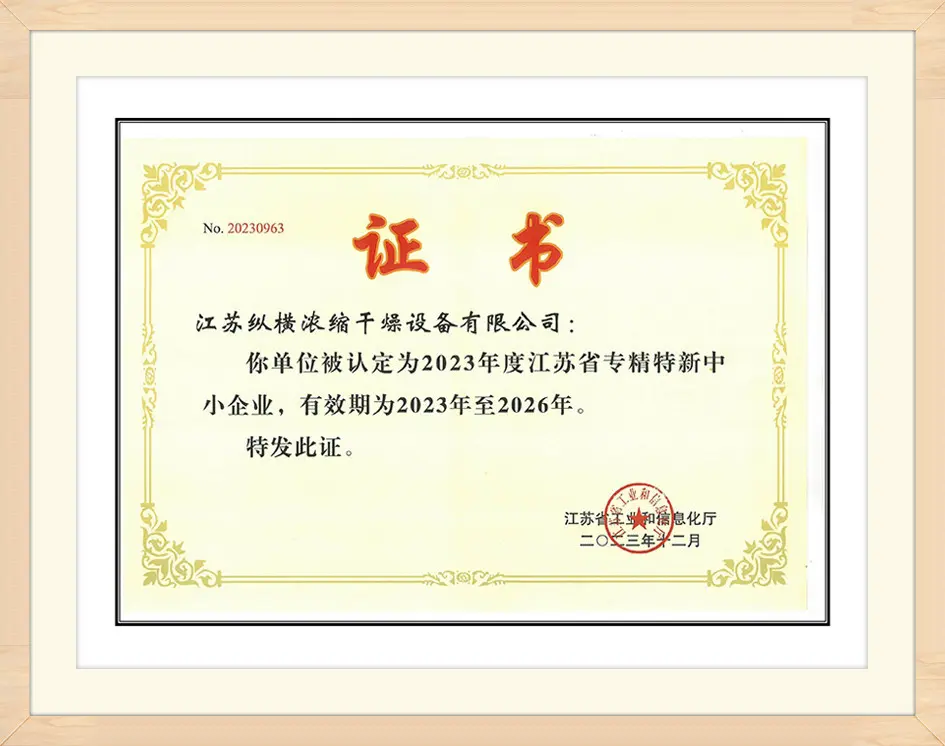
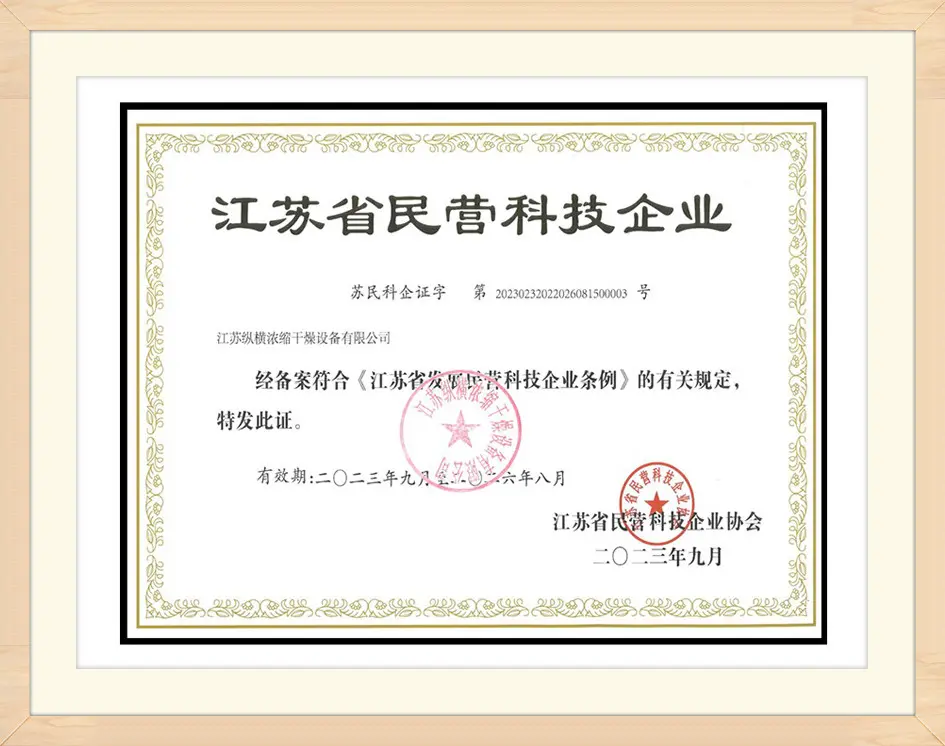
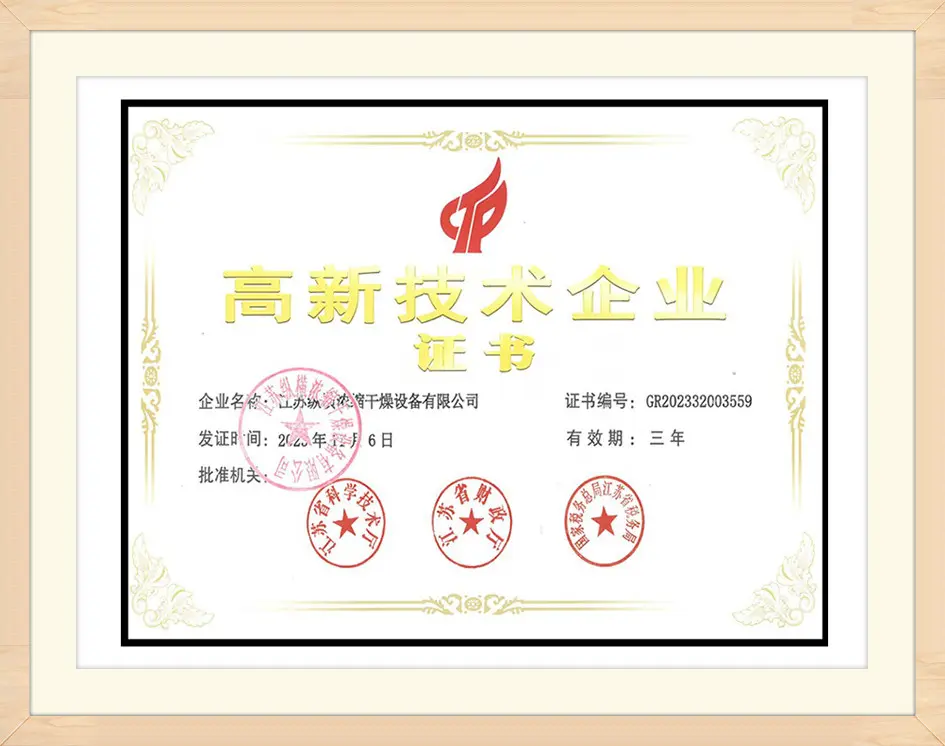
Recognized officially as a Jiangsu Provincial High-Tech Enterprise, acknowledging the company's innovation in thermal engineering.
The company obtained the ISO9001 certification, standardizing manufacturing quality control across all drying and evaporation equipment.
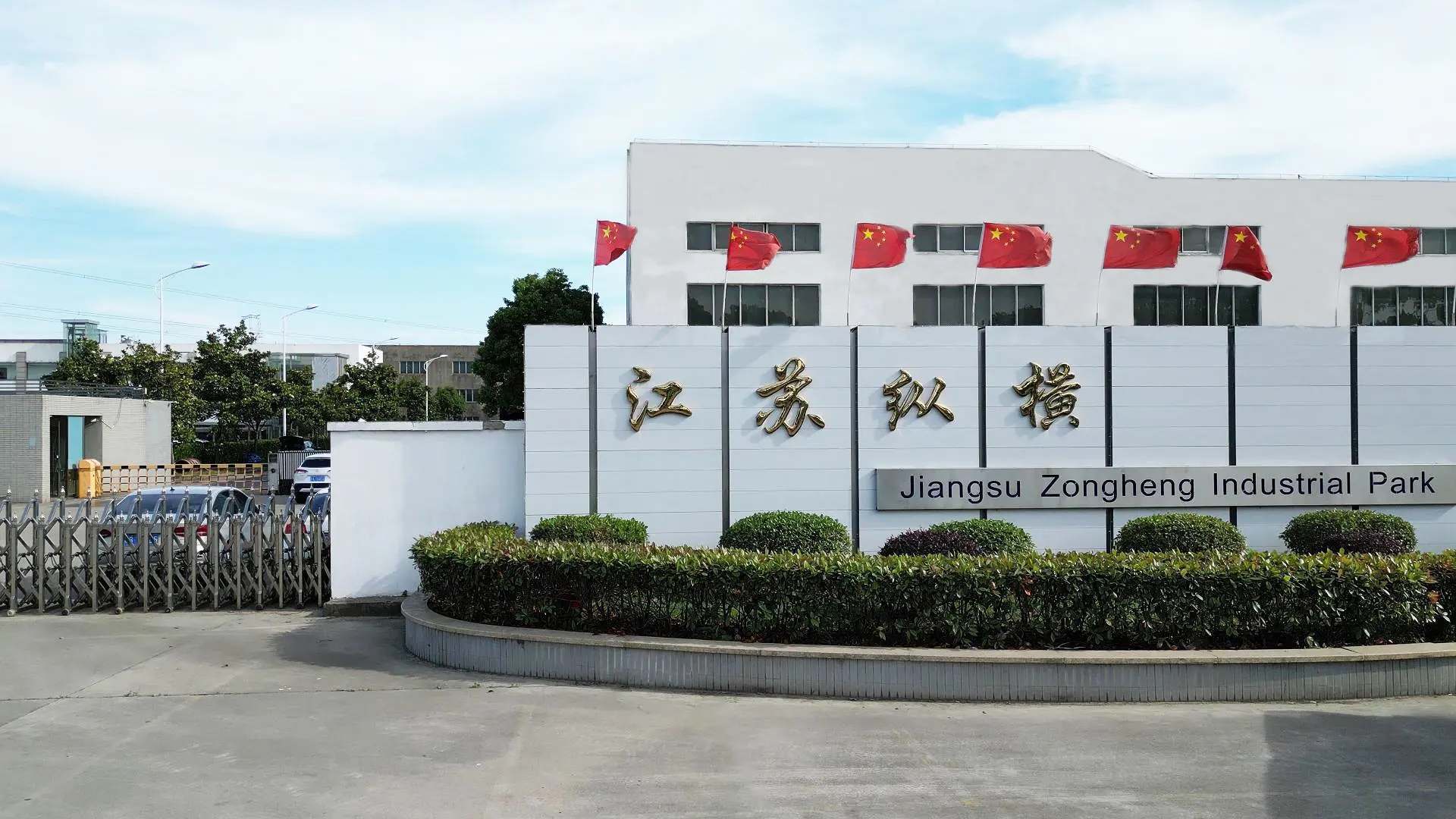
Founded as Yixing Yangxi Light Industrial Machinery Factory, covering approximately 15 mu and employing 45 staff members.
Modern industrial processing demands more than individual drying components. High thermal efficiency and regulatory compliance are achieved only by viewing flash drying as part of an integrated, plant-wide thermal process. For highly viscous or moisture-laden feeds, pre-concentration is necessary before introducing materials into the dry phase. Integrating evaporation systems with flash dryers represents a major advance in thermal design.
For processing streams like waste starch liquors, bio-fermentation broths, or chemical suspensions, feeding raw slurry directly into a spin flash dryer is thermally inefficient. It demands high hot air volumes and fuel consumption. An optimized process layout concentrates the liquid using a multi-effect falling film evaporator or an MVR (Mechanical Vapor Recompression) system.
The evaporation stage raises the feed solid concentration from 10% up to 55-60%, extracting bulk water at a lower energy cost per kilogram of water evaporated. The concentrated slurry is then blended with recycled dry powder if necessary to create a crumbly cake, which is fed into the spin flash dryer for final moisture removal. This combined process layout can reduce overall utility costs by 35% compared to direct convective drying.
To meet zero-emission and carbon reduction mandates, modern flash dryers can operate in a closed-loop configuration under an inert nitrogen atmosphere or superheated steam. Instead of venting exhaust gas to the atmosphere, the clean vapor is routed back through a secondary heat exchanger or compressor.
By extracting latent heat from the exhaust air, the incoming primary process air is preheated, reducing fuel consumption. This closed-loop configuration prevents odor emissions, volatile organic compound (VOC) releases, and dust exposure, making the system ideal for hazardous chemical installations and food-grade operations.
 Jun 18, 2026
We warmly welcome friends from various industries, both domestic and international, to visit us for cooperation and mutual development!
 Zongheng