Engineered to meet strict Korean environmental regulations and energy efficiency standards
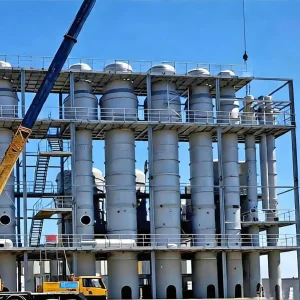
Advanced thermal separation systems designed for high-volume concentration with optimized heat integration and minimal footprint.
Explore Technology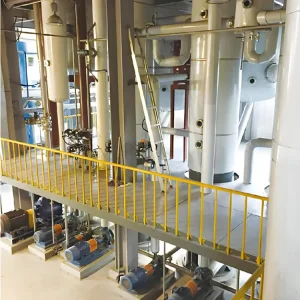
Ideal for processing heat-sensitive liquids. Features uniform liquid distribution and short residence times to preserve product integrity.
View Specifications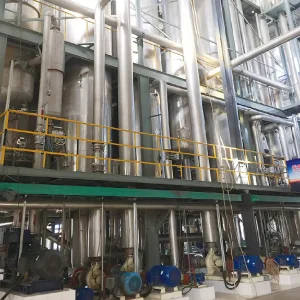
Robust design engineered to handle high-fouling, high-viscosity fluids and crystallization processes in demanding industrial environments.
Technical Details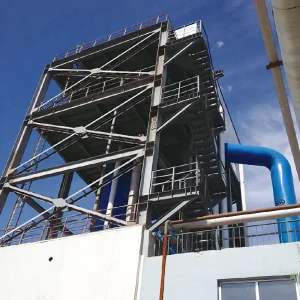
Mechanical Vapor Recompression technology that recycles latent heat, drastically reducing operational costs and carbon emissions.
Analyze EfficiencySouth Korea stands as a global powerhouse for high-tech manufacturing, chemical synthesis, and green energy technologies. As Korean conglomerates (Chaebols) and medium-sized enterprises align their operations with the nation's ambitious 2050 Carbon Neutrality Goal and stringent environmental frameworks—such as the Act on Registration and Evaluation of Chemical Substances (K-REACH) and the Water Quality and Ecosystem Conservation Act—the demand for highly efficient thermal separation systems has reached unprecedented heights.
Industrial evaporators are no longer viewed merely as utility equipment; they are critical components in process optimization, resource recovery, and environmental compliance. Whether it is recovering valuable solvents in battery recycling plants in Ulsan, concentrating chemical intermediates in Yeosu, or implementing Zero Liquid Discharge (ZLD) systems in the semiconductor hubs of Gyeonggi-do, selecting the right evaporator supplier is a decision that directly impacts capital expenditure (CAPEX), operational expenditure (OPEX), and corporate sustainability metrics.
"Modern industrial processes in South Korea require thermal separation systems that offer not only exceptional heat transfer coefficients but also seamless integration with automated smart-factory architectures and compliance with local safety standards."
1. Semiconductor and Electronics Manufacturing: The production of microchips and display panels generates complex wastewater streams containing fluorides, ammonium, and organic solvents. Evaporation technology, particularly Mechanical Vapor Recompression (MVR), is utilized to concentrate these streams, allowing for water reuse and minimizing hazardous waste disposal costs.
2. Secondary Battery (EV) Recycling and Material Production: As South Korea leads the global electric vehicle battery market, local plants processing cathode materials require evaporators and crystallizers to refine lithium, nickel, cobalt, and manganese sulfates. The purity of these chemical concentrates directly influences battery cell performance.
3. Chemical and Petrochemical Sectors: The concentration of inorganic salts, organic acids, and wastewater treatment in large-scale petrochemical complexes requires heavy-duty evaporators constructed from corrosion-resistant alloys such as Titanium, Duplex Stainless Steel, and Hastelloy.
4. Food, Starch, and Fermentation Industries: Processing agricultural derivatives, corn steep liquor, and amino acids requires low-temperature, short-residence-time evaporation (such as falling film systems) to prevent thermal degradation of organic compounds.
Choosing the optimal thermal separation technology requires a deep understanding of fluid dynamics, boiling point elevation (BPE), fouling tendencies, and energy availability. Below is a comparative analysis of the primary technical routes deployed by Jiangsu Zongheng for industrial clients in South Korea and globally:
| Technology | Key Operating Principle | Energy Source | Best Suited For | Relative OPEX |
|---|---|---|---|---|
| MVR (Mechanical Vapor Recompression) | Mechanical compressor recycles secondary steam, raising its temperature and pressure to reuse as heating steam. | Electricity (High COP) | Continuous operation, low boiling point elevation, high volume water recovery. | Very Low |
| Falling Film Evaporator | Liquid flows down the inside of vertical tubes as a thin film, evaporating rapidly under vacuum. | Steam or MVR vapor | Heat-sensitive liquids, low viscosity fluids, concentration of juices, starch, and chemicals. | Low to Medium |
| Forced Circulation Evaporator | High-velocity circulation pump prevents boiling on heat transfer surfaces, moving boiling to the flash vessel. | Steam or MVR vapor | High-fouling liquids, crystallizing solutions, wastewater with high TDS (Total Dissolved Solids). | Medium to High |
| Waste Heat Evaporator | Utilizes low-grade thermal energy from flash steam, flue gas, or hot process streams. | Industrial waste heat | Plants with abundant waste steam (e.g., DDGS plants, chemical refineries). | Extremely Low |
For Korean industrial applications, reliability is paramount. A single day of unplanned downtime in a semiconductor or chemical plant can result in millions of dollars in lost productivity. Therefore, our engineering team focuses on advanced computational fluid dynamics (CFD) modeling to optimize velocity profiles within the heat exchanger tubes, minimizing localized dry spots and scaling.
Furthermore, our systems incorporate state-of-the-art automation. Integrated PLC systems monitor parameters such as vapor velocity, temperature differences, feed concentration, and compressor vibration in real-time. This ensures that the evaporator operates within its optimal thermodynamic window, preventing compressor surge in MVR systems and maintaining stable output concentrations.
Procuring industrial evaporators for South Korean projects involves navigating complex supply chain requirements. Global engineering, procurement, and construction (EPC) companies, alongside Korean industrial leaders, demand transparency, traceability, and strict adherence to manufacturing timelines.
Jiangsu Zongheng addresses these requirements through a robust quality management system certified under ISO9001 and authorized to apply the ASME "U" Stamp. Our raw material procurement is limited to tier-one steel mills, with complete material test reports (MTRs) provided for every pressure-retaining component. Whether the specification calls for SA240-304L, SA240-316L, Duplex 2205, or Titanium Gr. 2, our welding procedures (WPS) and welder qualifications (WPQ) are fully documented and verified by third-party inspectors.
To facilitate smooth customs clearance and installation in South Korea, we provide comprehensive documentation packages, including detailed general arrangement drawings, P&ID diagrams, electrical schematics, and operation manuals in English (with Korean translation support available). Our logistics team is experienced in handling oversized cargo, ensuring safe transport from our factory in Yixing, Jiangsu, directly to major Korean ports such as Busan, Incheon, and Gwangyang.
Operating industrial equipment in South Korea requires strict compliance with local safety and environmental regulations. Pressure vessels and thermal systems must meet the standards set by the Korea Occupational Safety and Health Agency (KOSHA) and the Korea Gas Safety Corporation (KGS), depending on the operating pressure and fluid medium.
Jiangsu Zongheng works closely with local Korean engineering consultants and inspection agencies to ensure that all delivered systems pass local import inspections and safety certifications. Our design engineers are proficient in international codes (ASME Section VIII Div. 1, EN 13445, AD 2000) and adapt these designs to satisfy local Korean high-pressure gas safety regulations.
Our commitment to the Korean market extends beyond delivery. We offer remote diagnostic support for automated systems, rapid spare parts dispatch, and on-site commissioning assistance by experienced technicians. By bridging the gap between high-quality Chinese manufacturing efficiency and strict Korean engineering expectations, we provide a reliable partnership for long-term operational success.
A Legacy of Precision Engineering and Thermal Separation Innovation Since 1992
Jiangsu Zongheng Concentrating and Drying Equipment Co., Ltd. (formerly Yixing Yangxi Light Industry Machinery Factory), founded in 1992, is located in Zhoutie Town, Yixing City, on the shores of Taihu Lake. The company covers an area of over 54,000 square meters, with a modern production workshop area exceeding 22,000 square meters.
As a modern high-tech enterprise, we specialize in the design, manufacturing, and optimization of concentration, drying, starch processing, alcohol DDGS, and Category III medium & low-pressure vessel equipment. Our systems are widely utilized in food fermentation, chemical processing, pharmaceuticals, environmental protection, and petrochemical industries worldwide.
Established as Yixing Yangxi Light Industrial Machinery Factory, focusing on local industrial components with 45 employees.
Obtained ISO9001 International Quality Management System certification, standardizing manufacturing processes.
Recognized as a Jiangsu Provincial High-Tech Enterprise, expanding R&D in thermal separation.
Obtained the Special Equipment Manufacturing License of the People's Republic of China for pressure vessels.
Acquired the ASME "U" Stamp authorization, enabling entry into high-end global procurement markets.
Operating a 54,000m² facility with over 20 senior engineers, delivering advanced MVR and ZLD systems globally.
Explore our complete range of evaporators, industrial dryers, and processing equipment
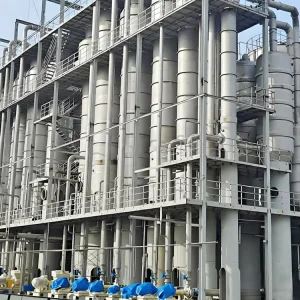
Integrates multiple waste heat sources, including drying vapors and hot process streams, to minimize energy consumption.
Learn More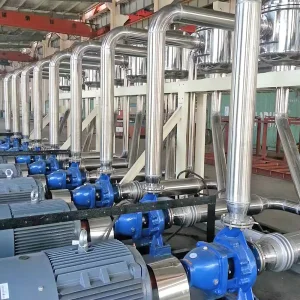
Engineered for high-efficiency starch refining, concentration, and purity improvement in modern food processing plants.
Learn More
Custom-designed multi-effect and MVR evaporation systems optimized for high concentration ratios and low steam consumption.
Learn More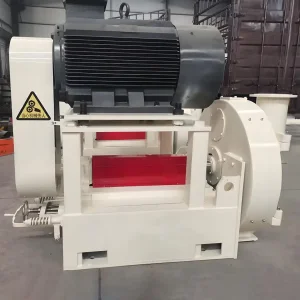
Ensures precise germ separation and milling efficiency, preserving kernel quality and maximizing starch yield.
Learn More
Multi-stage cyclone systems designed for optimal washing, separation, and concentration of starch slurries.
Learn More
Maintains product quality through low operating temperatures and minimal thermal exposure times.
Learn More
High-purity design meeting stringent sanitary requirements, complete with CIP (Clean-in-Place) integration.
Learn More
Optimized hydrocyclone configurations ensuring maximum separation efficiency and reliable continuous operation.
Learn More
Efficient concentration of corn steep liquor and alcoholic wastewater utilizing low-grade industrial waste heat.
Learn More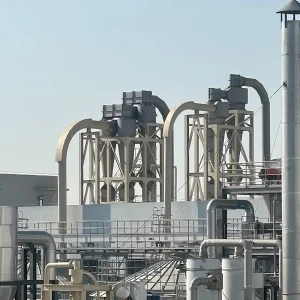
Utilizes high-speed hot air to suspend and dry wet materials rapidly during pneumatic conveying.
Learn More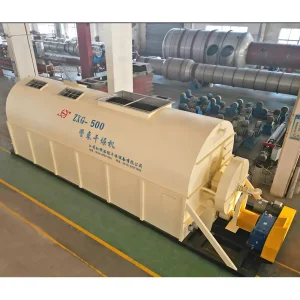
Indirect steam contact drying system offering safe, low-oxygen operation and high thermal efficiency.
Learn More
High-performance thermal concentration systems designed to optimize operating costs and reduce water consumption.
Learn MoreTechnical insights and procurement guidance for industrial evaporators in South Korea
Mechanical Vapor Recompression (MVR) systems utilize a mechanical compressor to compress the secondary vapor generated during evaporation. This compression raises the vapor's temperature and pressure, allowing it to be reused as the heating medium for the same system. Consequently, MVR systems consume electricity rather than large volumes of fresh steam, reducing energy consumption by up to 70-80% compared to traditional multi-effect evaporators.
We design and manufacture our pressure vessels in accordance with international standards, including ASME Section VIII Div. 1 and ISO9001. For the South Korean market, we coordinate with local inspection agencies and engineering partners to ensure compliance with KOSHA (Korea Occupational Safety and Health Agency) and KGS (Korea Gas Safety Corporation) requirements, providing all necessary design calculations, material certifications, and NDT (Non-Destructive Testing) reports.
For wastewater containing high concentrations of chlorides, organic acids, or heavy metals, we recommend corrosion-resistant alloys. Depending on the specific chemical composition and operating temperature, we utilize Duplex Stainless Steel (2205/2507), Titanium (Grade 2/Grade 12), or Hastelloy alloys to ensure long-term durability and prevent stress corrosion cracking.
The lead time for a custom evaporator system typically ranges from 4 to 8 months, depending on the system's capacity, material requirements, and complexity. This timeline includes process design, detailed engineering, raw material procurement, fabrication, assembly, pressure testing, and preparation for shipment.
Yes. For high-viscosity, high-fouling, or crystallizing applications, we design Forced Circulation Evaporators. These systems use a high-capacity circulation pump to maintain high velocities inside the heat exchanger tubes, preventing boiling on the tube surfaces and shifting the evaporation process to the flash separator, which minimizes scaling and fouling.
Liquid distribution is critical in falling film evaporators to prevent dry spots and tube fouling. We utilize precision-engineered distribution plates and spray nozzle systems at the top of the tube bundle to ensure that the feed liquid forms a uniform, continuous thin film flowing down the inner walls of all tubes.
Yes, all our modern evaporator systems are equipped with fully automated PLC-based control systems (typically utilizing Siemens or Allen-Bradley hardware). These systems feature real-time monitoring of temperature, pressure, flow rates, and motor vibrations, and can be integrated with your plant's central SCADA system for remote monitoring and diagnostics.
We provide comprehensive installation supervision, commissioning assistance, and operator training. Our experienced engineers can be dispatched to your site in South Korea to oversee the mechanical installation, electrical integration, and startup phases, ensuring the system achieves its designed performance parameters.
Contact our engineering team today to discuss your specific concentration, crystallization, or wastewater treatment requirements. We will provide a detailed technical proposal and energy-saving analysis tailored to your plant's operational parameters.
Request a Technical Quote Zongheng