In modern industrial environments, compressed air is often referred to as the fourth utility. However, ambient air drawn into industrial compressors naturally contains high quantities of water vapor. If this moisture is not systematically extracted, it will condense in downstream piping systems, leading to severe corrosion, pneumatic valve failures, product contamination, and unexpected process downtime. For industries requiring ultra-dry compressed air—such as pharmaceuticals, food and beverage processing, petrochemicals, and electronics fabrication—standard refrigerated air dryers are insufficient.
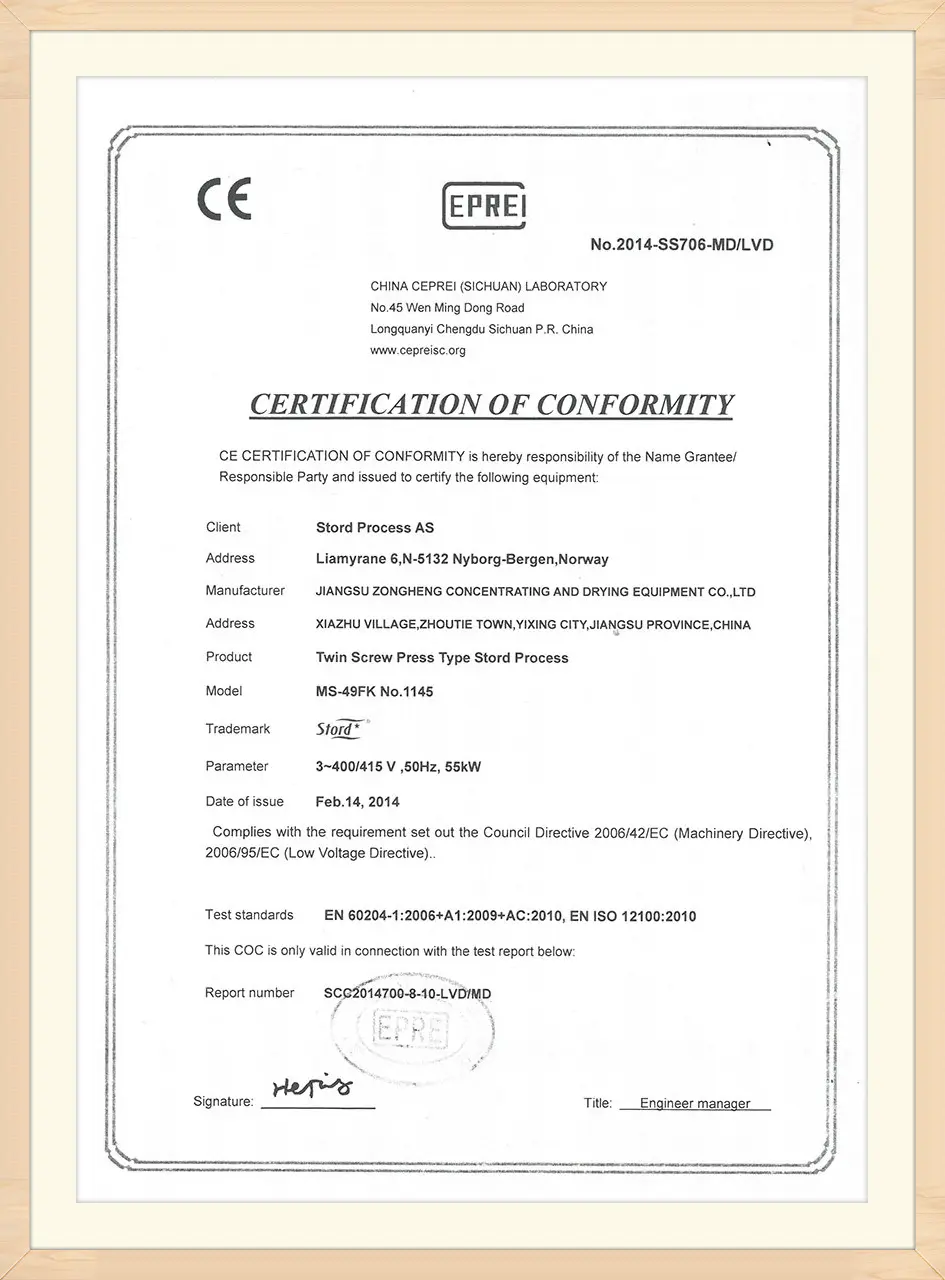
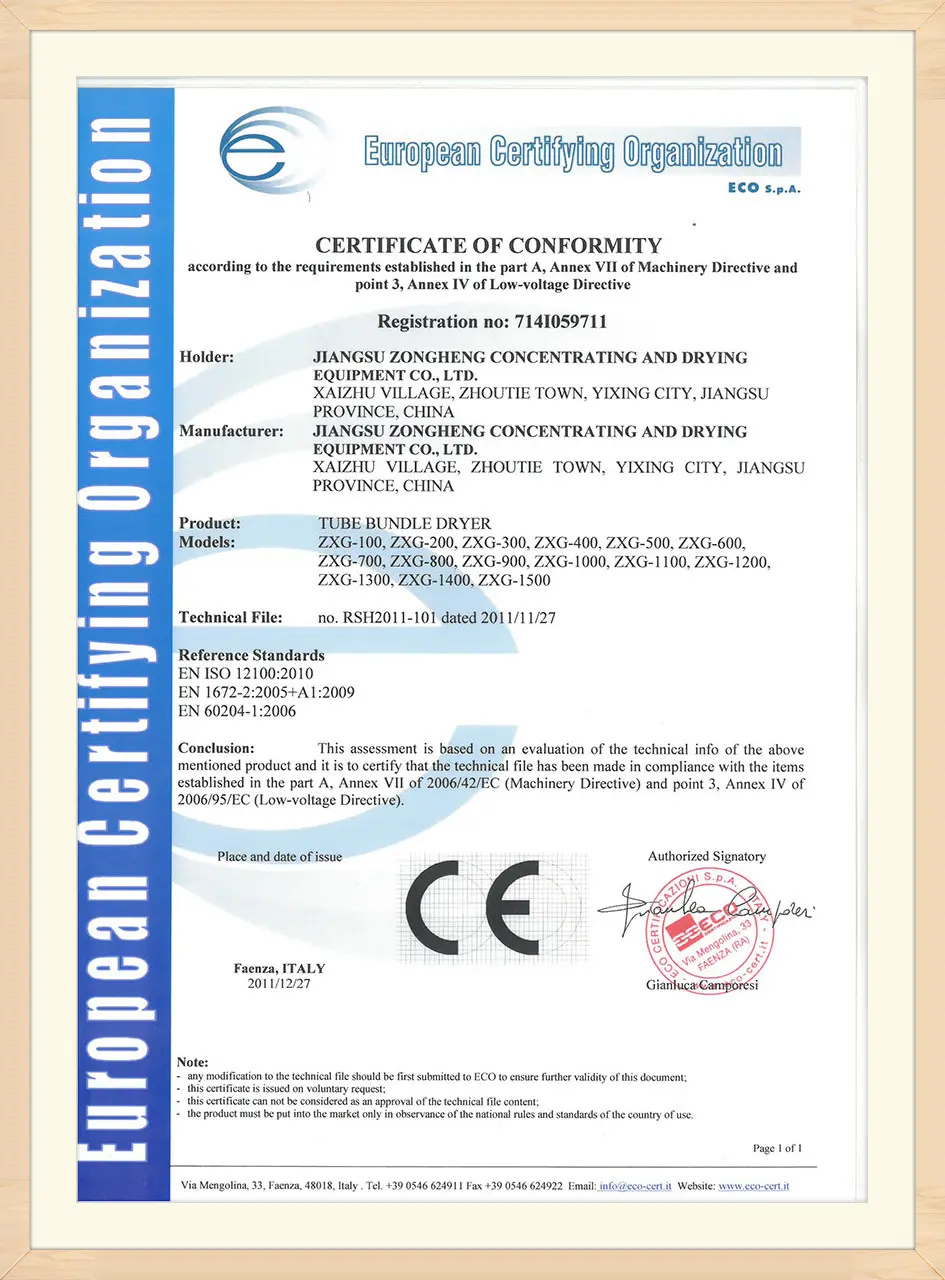
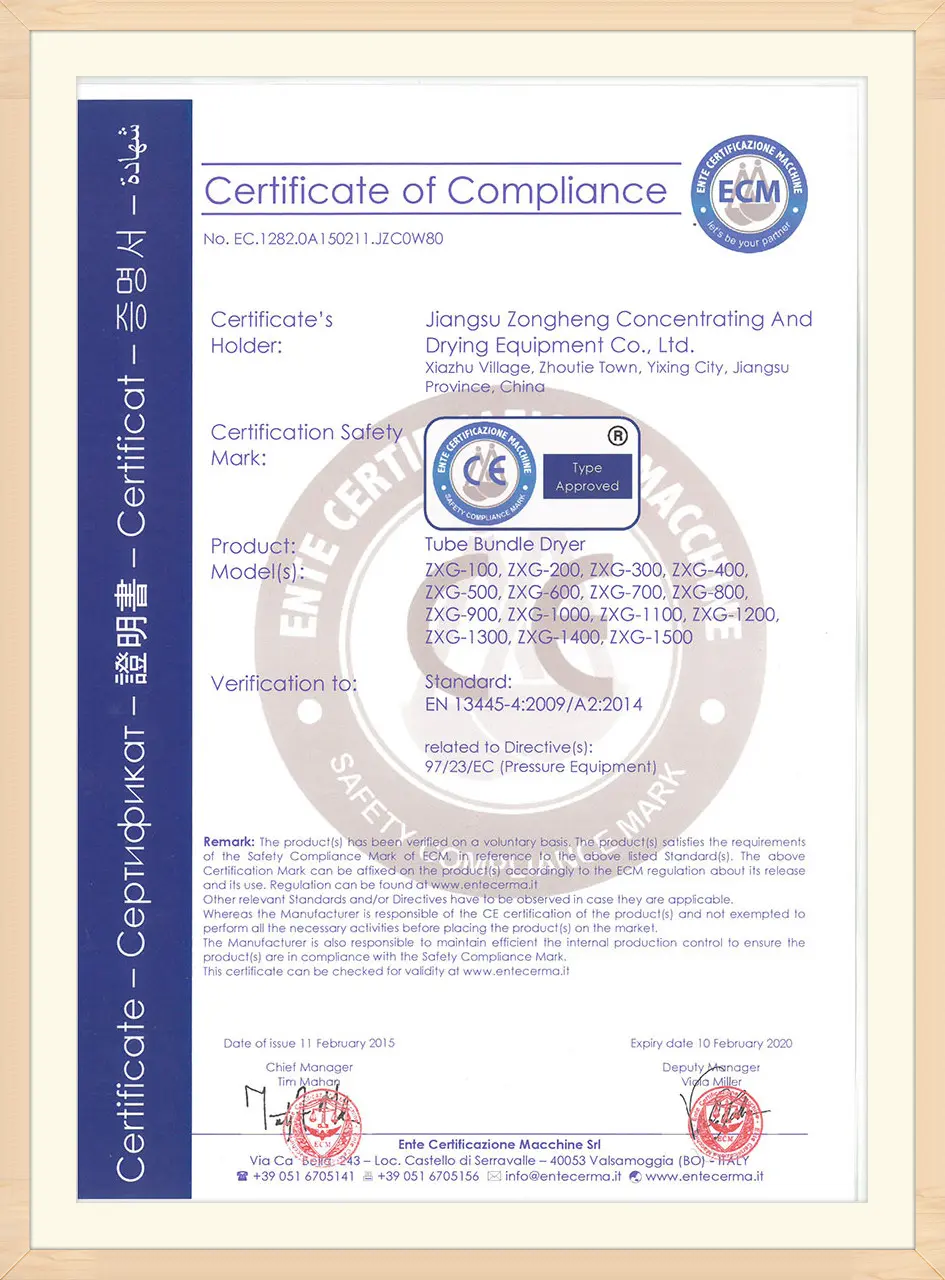
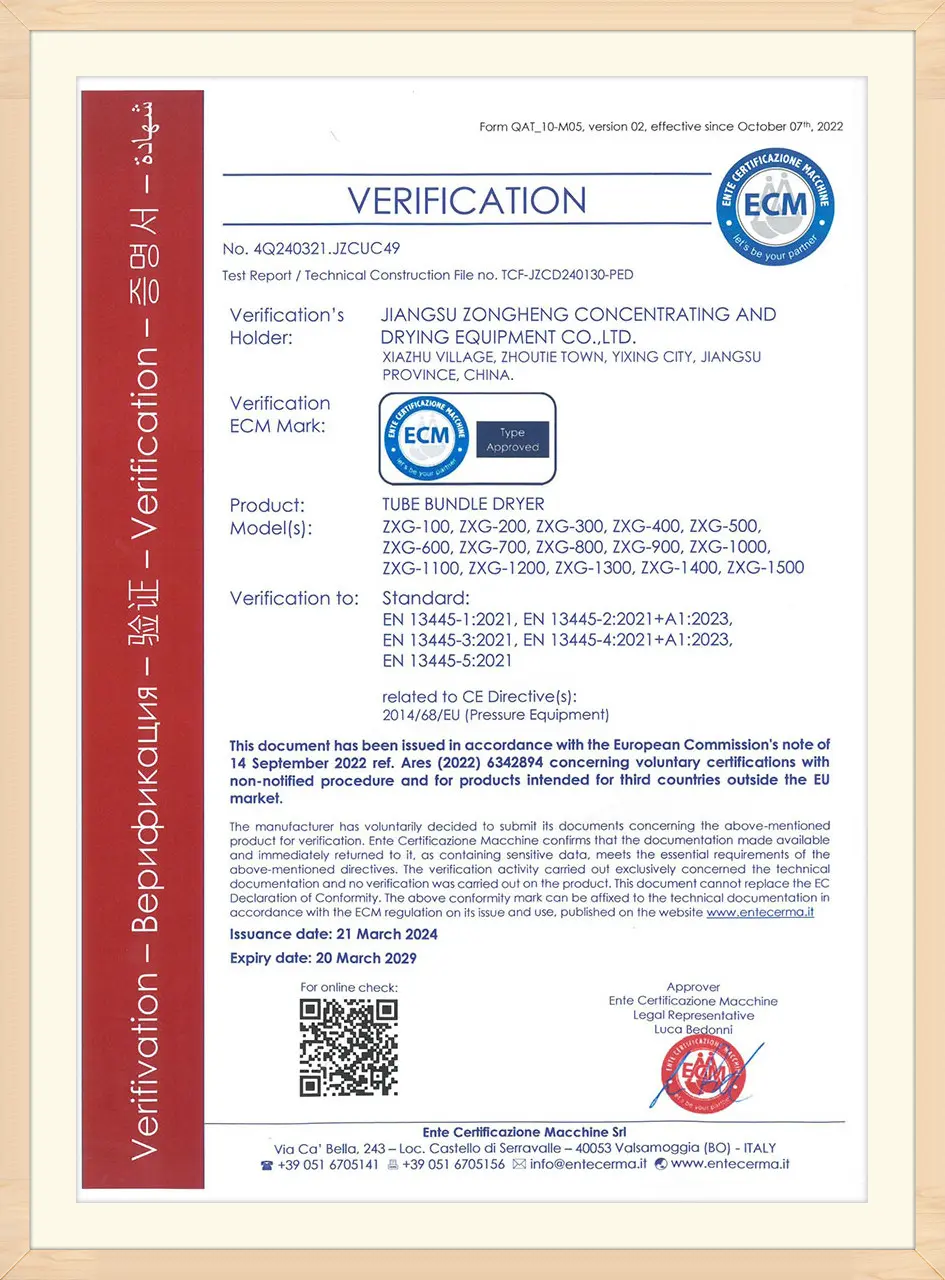
This is where the Regenerative Desiccant Dryer becomes indispensable. By employing high-affinity porous materials (such as activated alumina, silica gel, or molecular sieves), desiccant dryers can capture moisture down to a Pressure Dew Point (PDP) of -40°C or even -70°C. Meeting rigorous international quality standards like the CE Certification is a baseline requirement for safety, structural integrity, and regulatory compliance across European and global markets.
On a global scale, industrial facilities are aggressively shifting toward zero-emission and low-carbon operation footprints. Since compressed air generation consumes up to 10% of total industrial electricity, optimizing the operational cycle of desiccant dryers is a key focus. Historically, traditional heatless desiccant dryers required up to 15% of the dried air to purge and regenerate the saturated desiccant bed, resulting in a substantial waste of compressed energy.
Modern commercial requirements dictate the usage of advanced heated purge, blower purge, or heat of compression (HOC) systems to minimize purge losses down to less than 2%, or even 0% in closed-loop systems. Consequently, major industrial clusters across the EU, North America, and the Asia-Pacific region are standardizing procurement specifications to demand CE, ASME, and ISO 8573-1 Class 1 moisture ratings.
The future of desiccant dehydration is defined by two primary trends: smart control adaptation and advanced, wear-resistant desiccant matrices.
Rather than switching towers on a fixed, time-based interval, smart sensors monitor real-time exit humidity. The system only regenerates the active desiccant tower when it reaches full saturation capacity, slashing energy costs and increasing service life.
Blending high-capacity activated alumina with micro-porous molecular sieves allows dryers to handle variable inlet fluid temperatures and achieve stable, deep-vacuum dew points under extreme environmental swings.
By utilizing ambient air drawn through a high-capacity blower for the desiccant heating cycle, these systems completely bypass the use of costly compressed air for regeneration, yielding high return on investment (ROI).
When multinational procurement organizations evaluate a regenerative desiccant dryer manufacturer, they look beyond the baseline purchase price. The evaluation matrix includes:
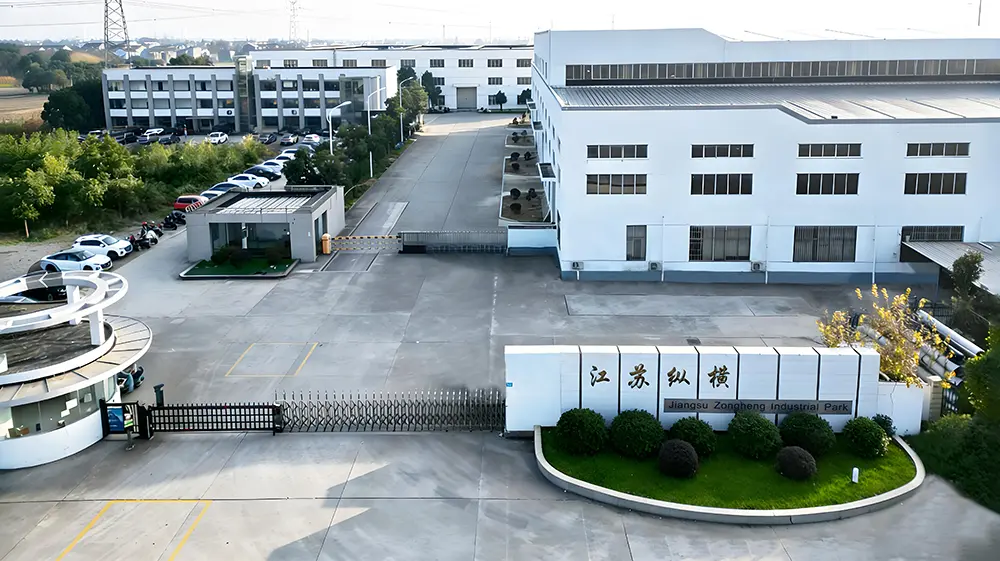
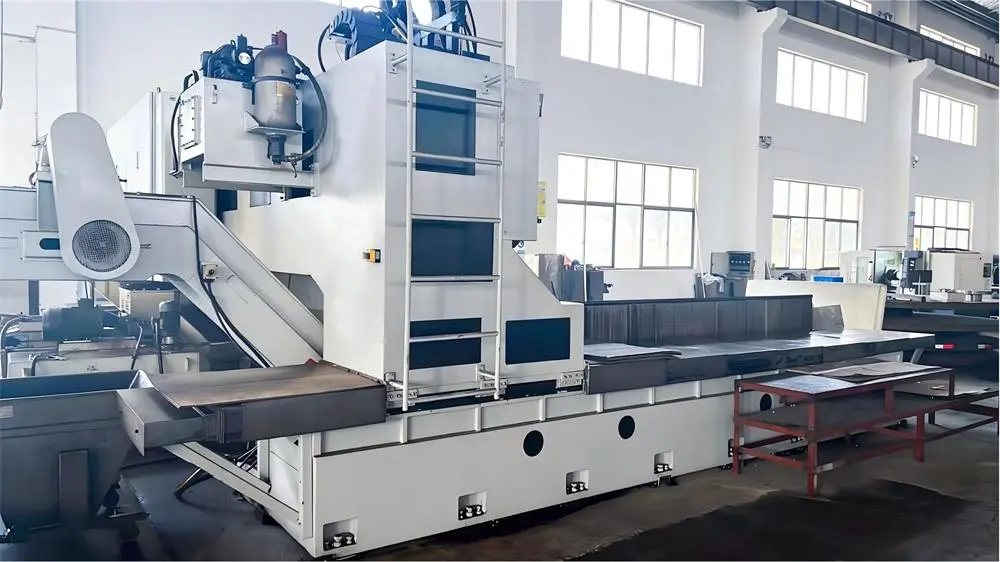
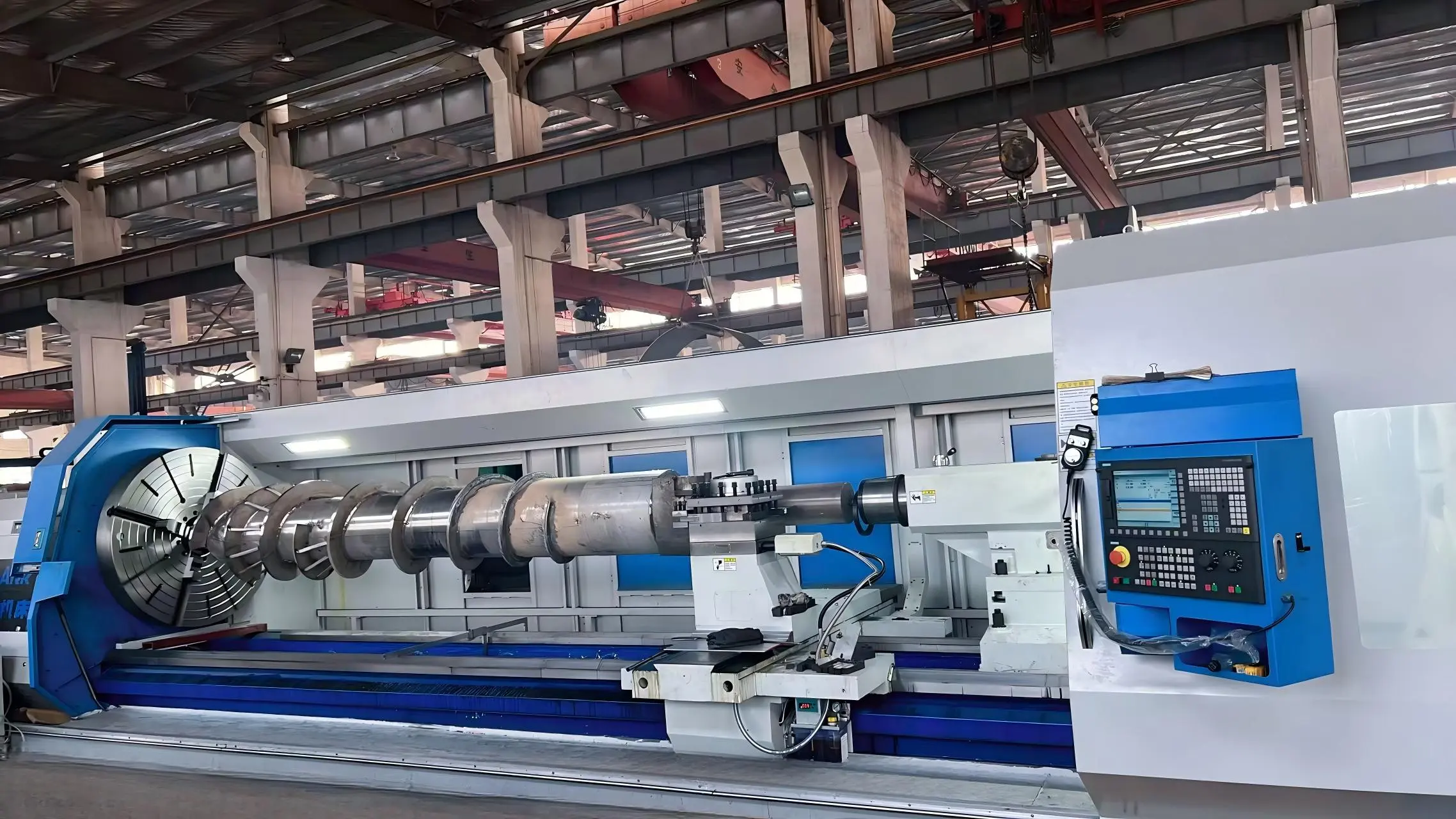
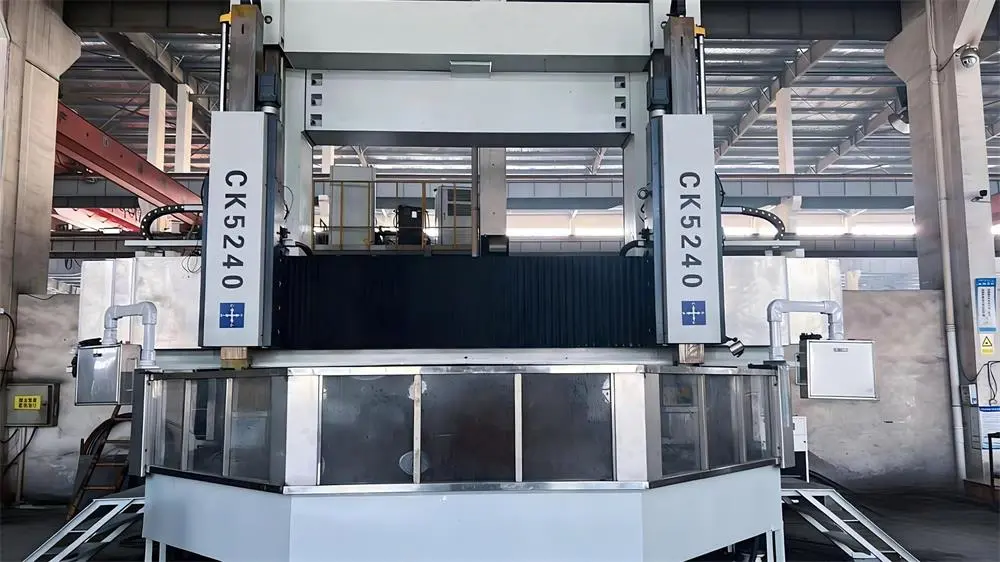
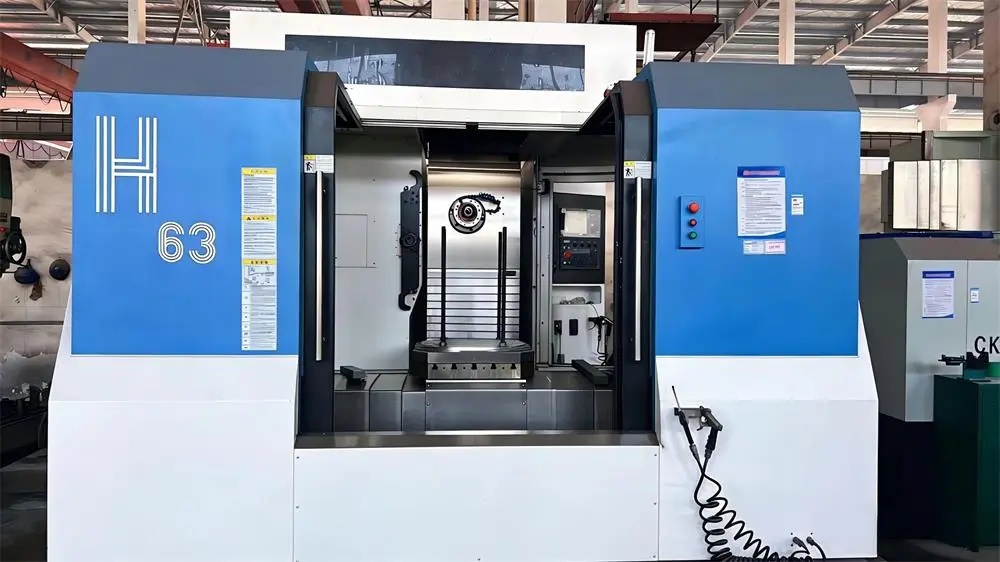
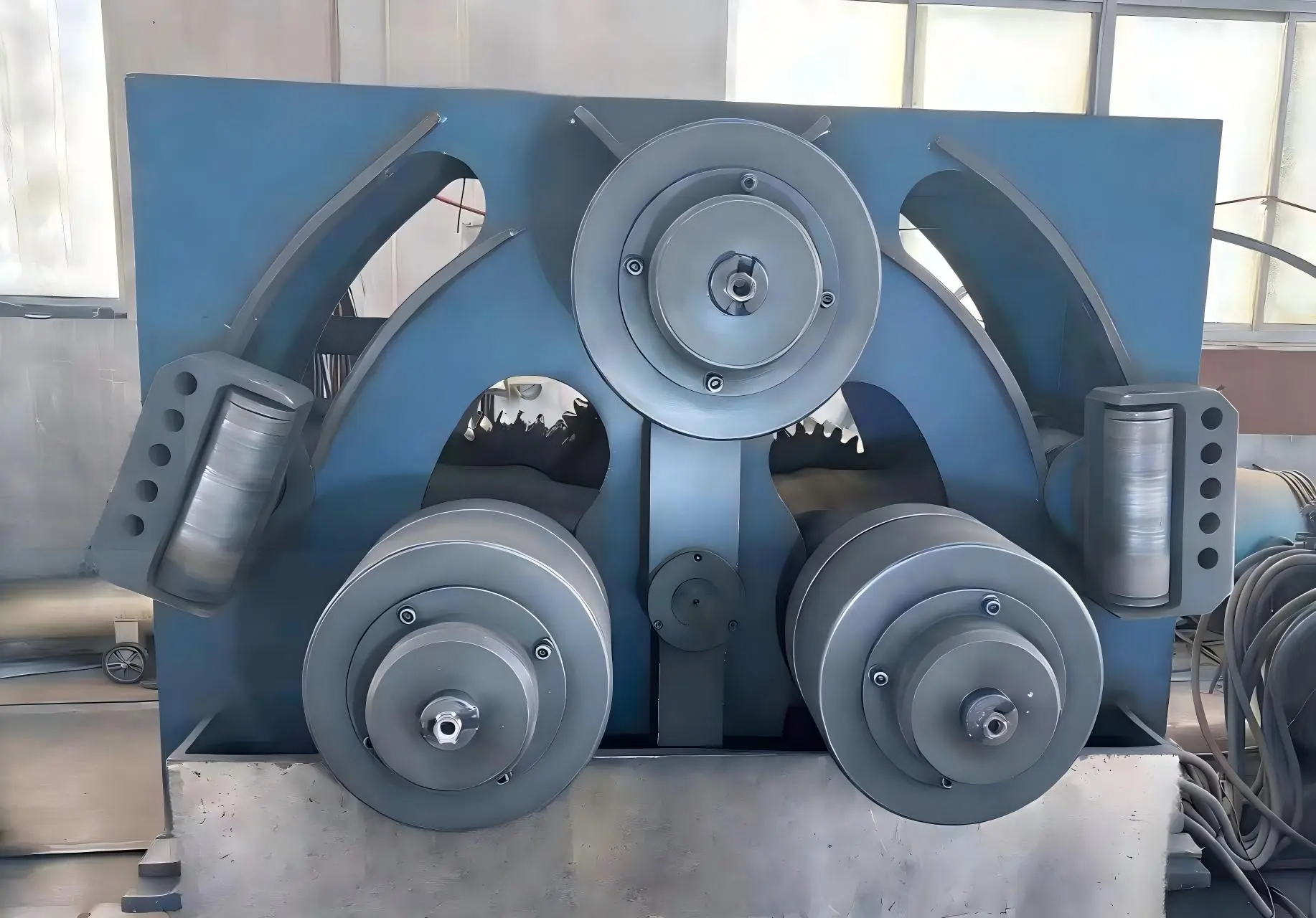
As a leading modern high-tech enterprise, Jiangsu Zongheng Concentrating and Drying Equipment Co., Ltd represents the peak of Chinese Factory 4.0 integration. Spanning a vast 54,000 square meter facility (with over 22,000 square meters of specialized heavy fabrication workshops), we utilize precision automation, robot welding arrays, and integrated digital quality management.
Our geographical location in Yixing City, on the shores of Taihu Lake, places us at the heart of China’s advanced machinery supply chain. This proximity ensures immediate access to premium steel mills, international valve suppliers, and advanced controller manufacturers. By maintaining centralized control over processing, pressure vessel testing, and painting, we guarantee stable production schedules, rapid global delivery times, and robust cost competitiveness without sacrificing quality.
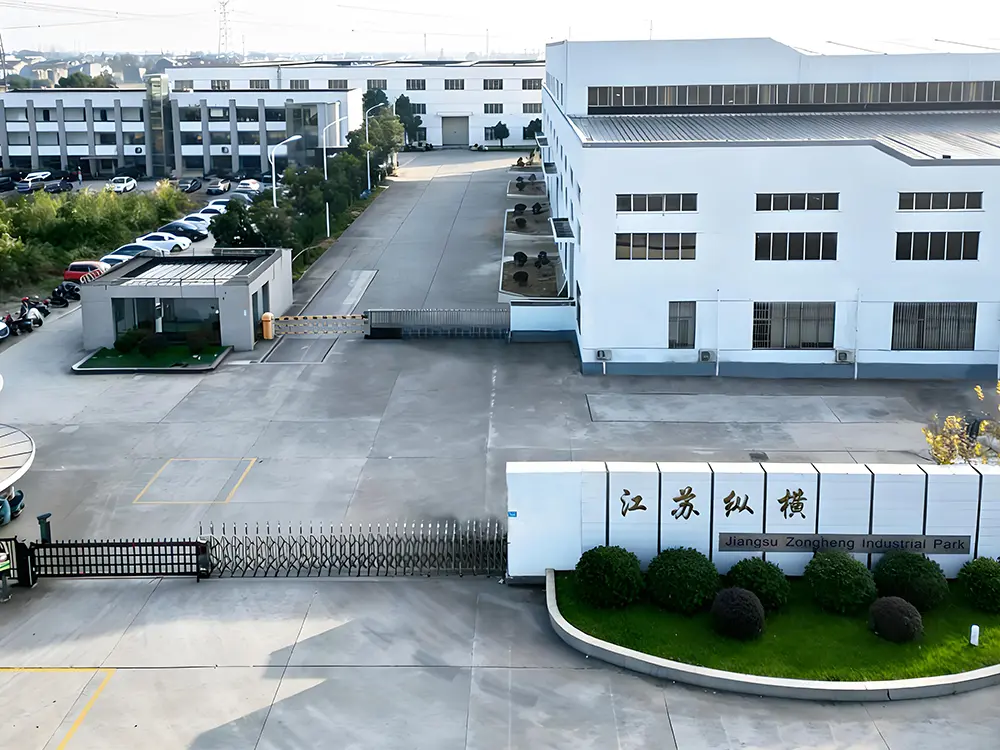
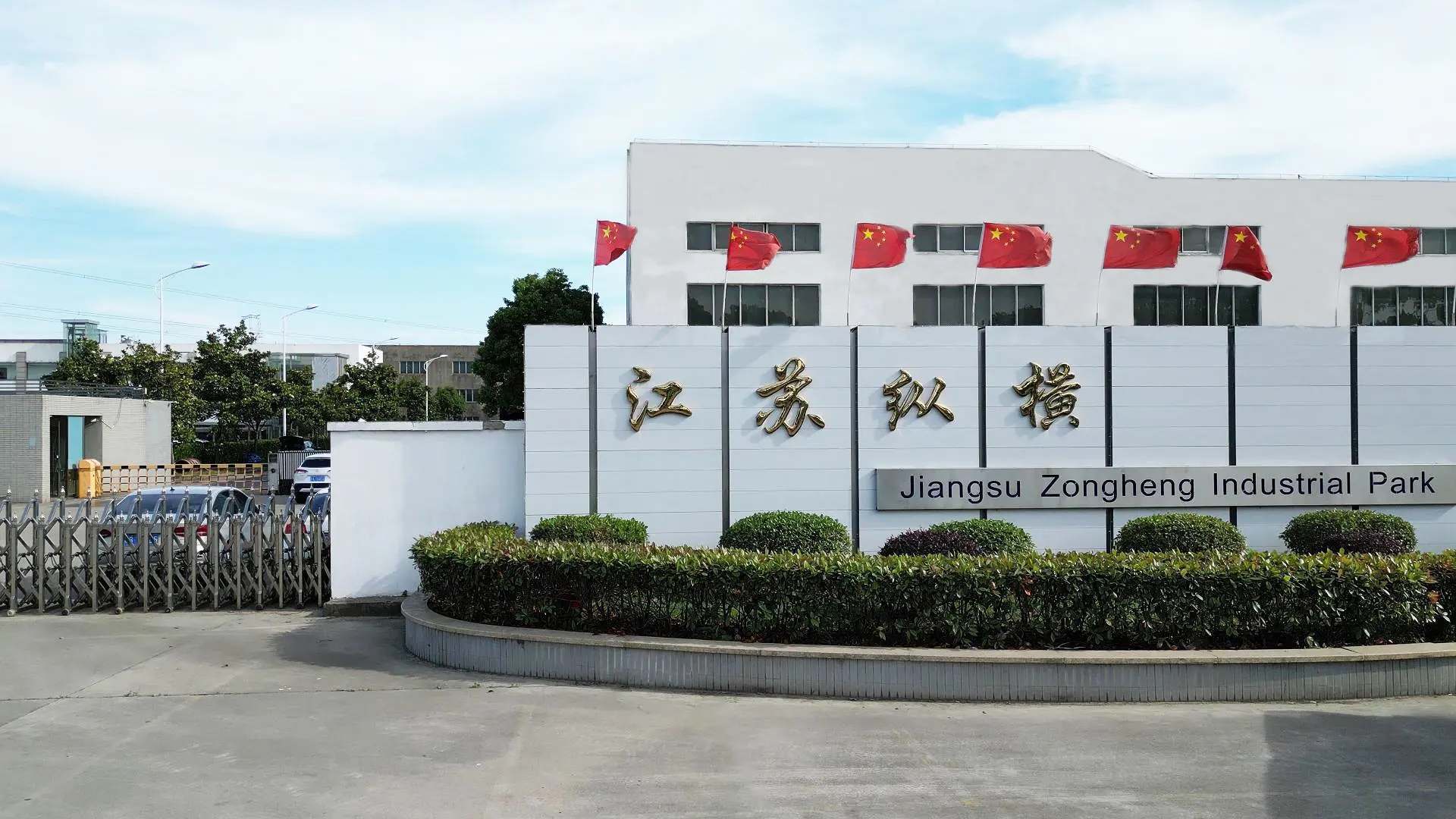
Jiangsu Zongheng Concentrating and Drying Equipment Co., Ltd (formerly Yixing Yangxi Light Industry Machinery Factory), founded in 1992, is located in Zhoutie Town, Yixing City, on the shores of the beautiful Taihu Lake. The company covers an area of over 54,000 square meters, with a production workshop area of over 22,000 square meters.
Jiangsu Zongheng is a modern high-tech enterprise specializing in the manufacturing of concentration, drying, starch industry, alcohol DDGS, and Category III medium & low-pressure vessel equipment. It is currently a member enterprise of the China Starch and Alcohol Association. Its products are widely used in industries such as food fermentation, alcohol, chemical, pharmaceutical, environmental protection, and petrochemical.
Read More About UsThe company covers over 54,000 square meters with workshop space exceeding 22,000 square meters. Employs 3 senior engineers, over 20 engineers, and a total staff of 120 people.
Acquired international quality system certification (Certificate No.: 45021), establishing a complete quality assurance system aligned with international standards.
Acquired the ASME "U" Stamp authorization, marking the company's entry into a new phase of high-end international project manufacturing.
The company obtained the Special Equipment Manufacturing License of the People's Republic of China (License No.: TS2232C42).
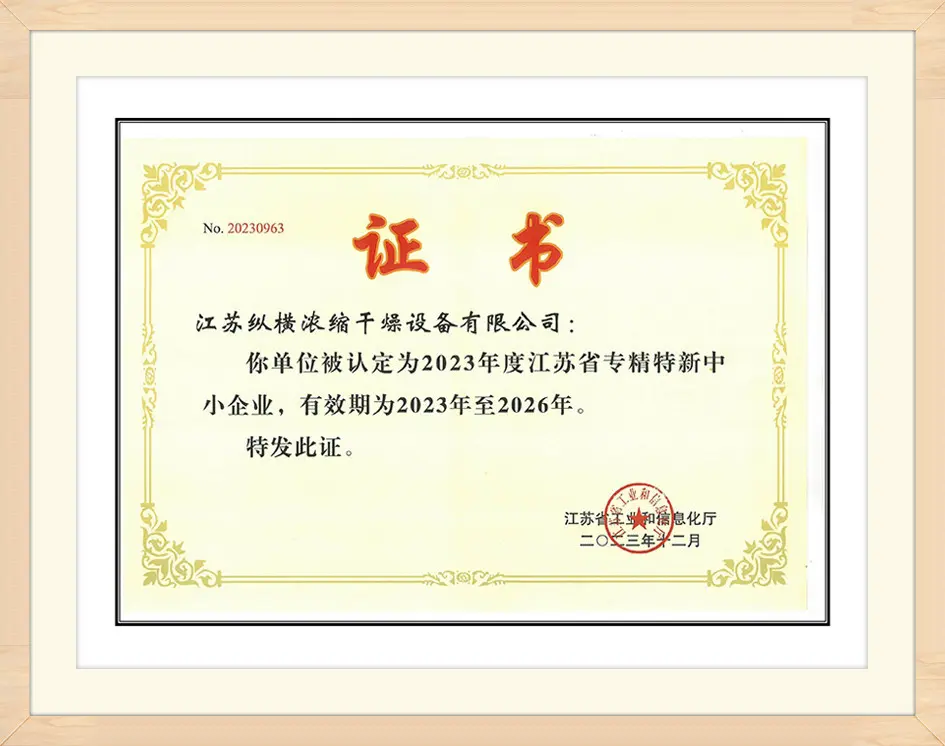
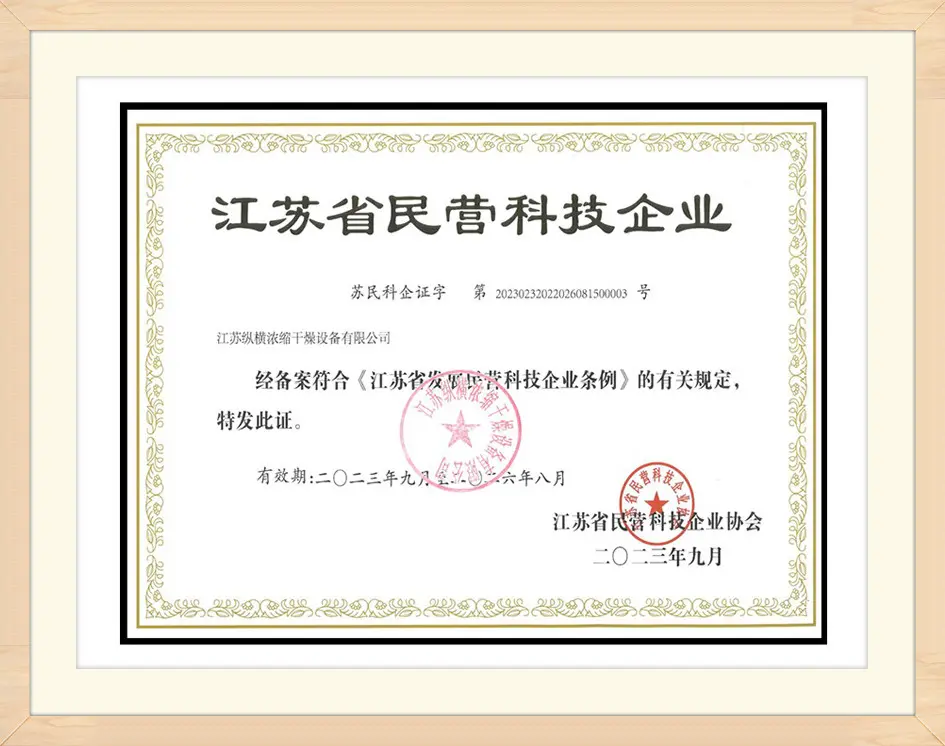
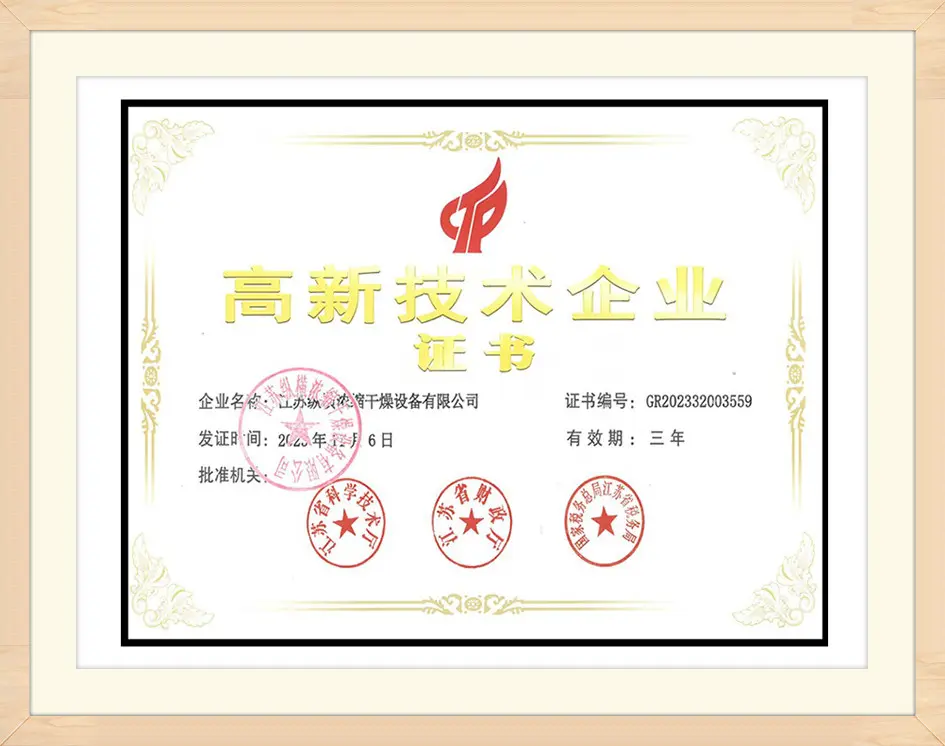
We officially became recognized as a Jiangsu Provincial High-Tech Enterprise, cementing our focus on technological innovation.
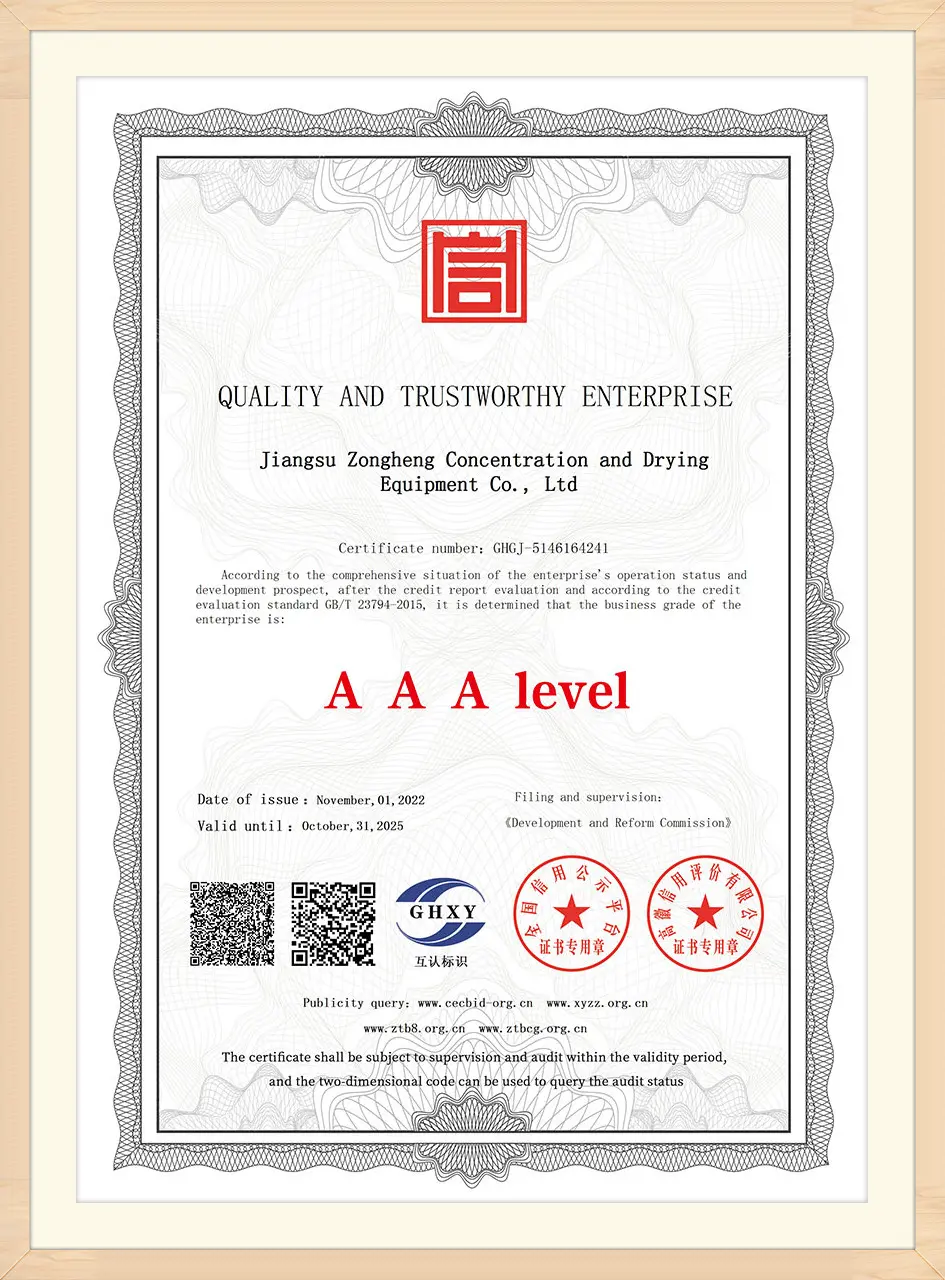
The company took the lead in obtaining ISO9001 quality management system certification, guaranteeing structural process reproducibility.
Jiangsu Zongheng, formerly known as Yixing Yangxi Light Industrial Machinery Factory, was established. It started with 45 employees and an area of 15 mu.
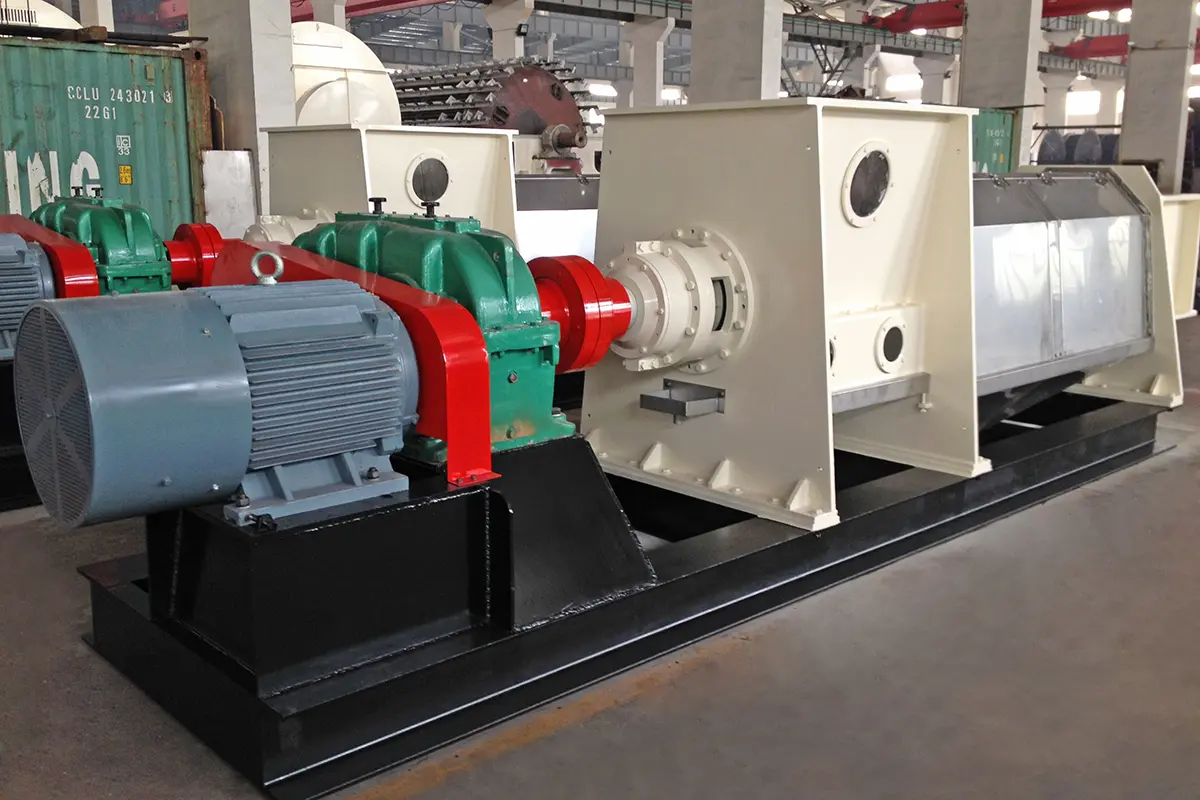
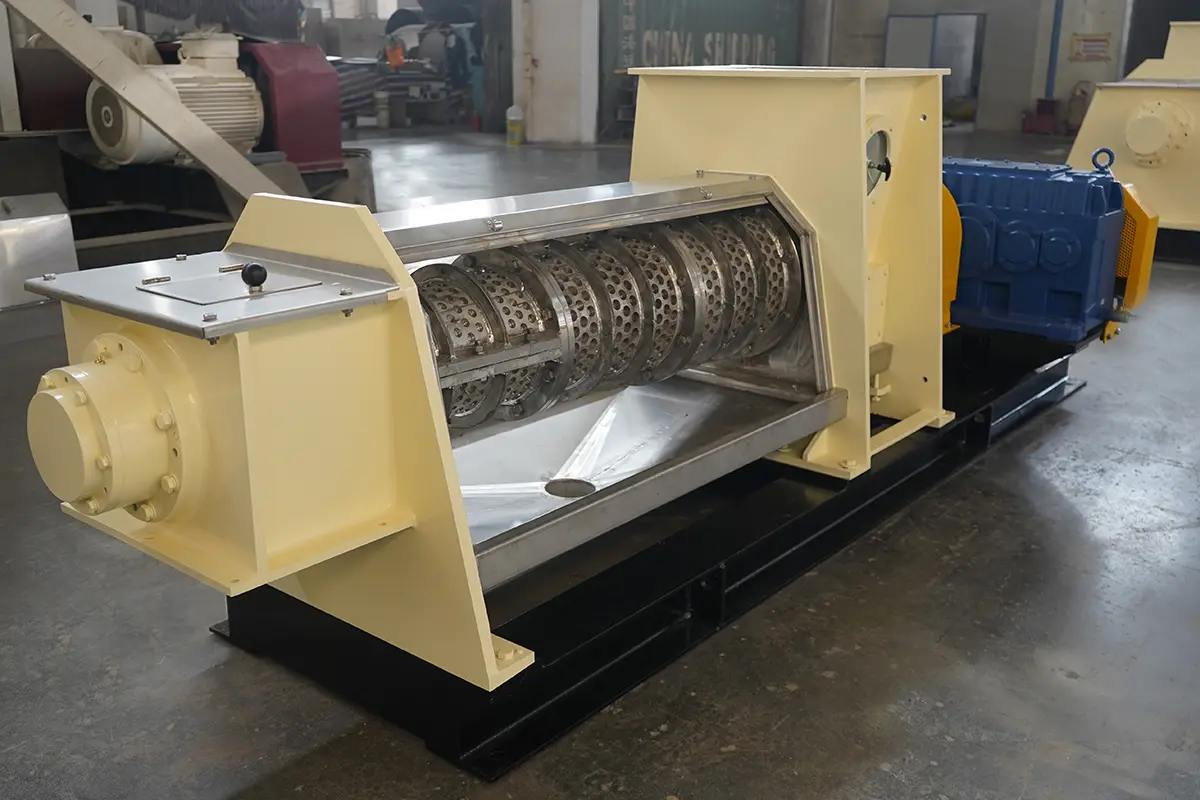
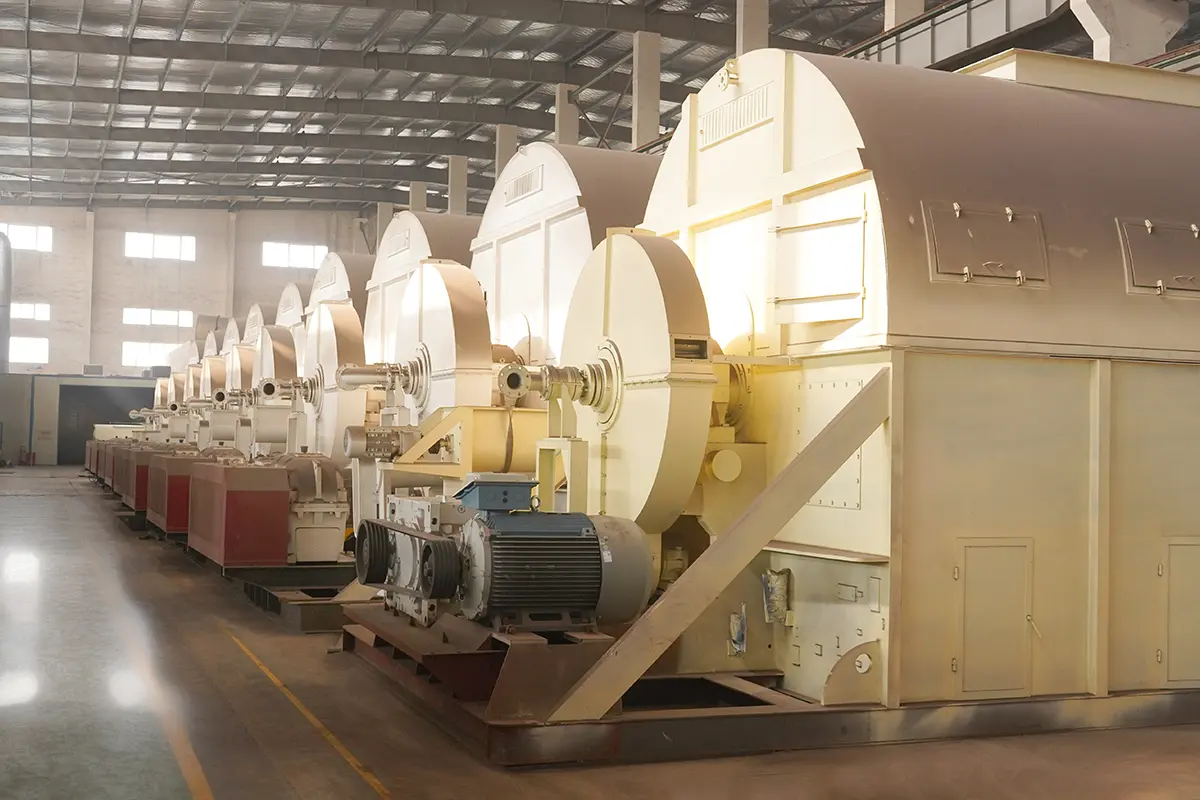
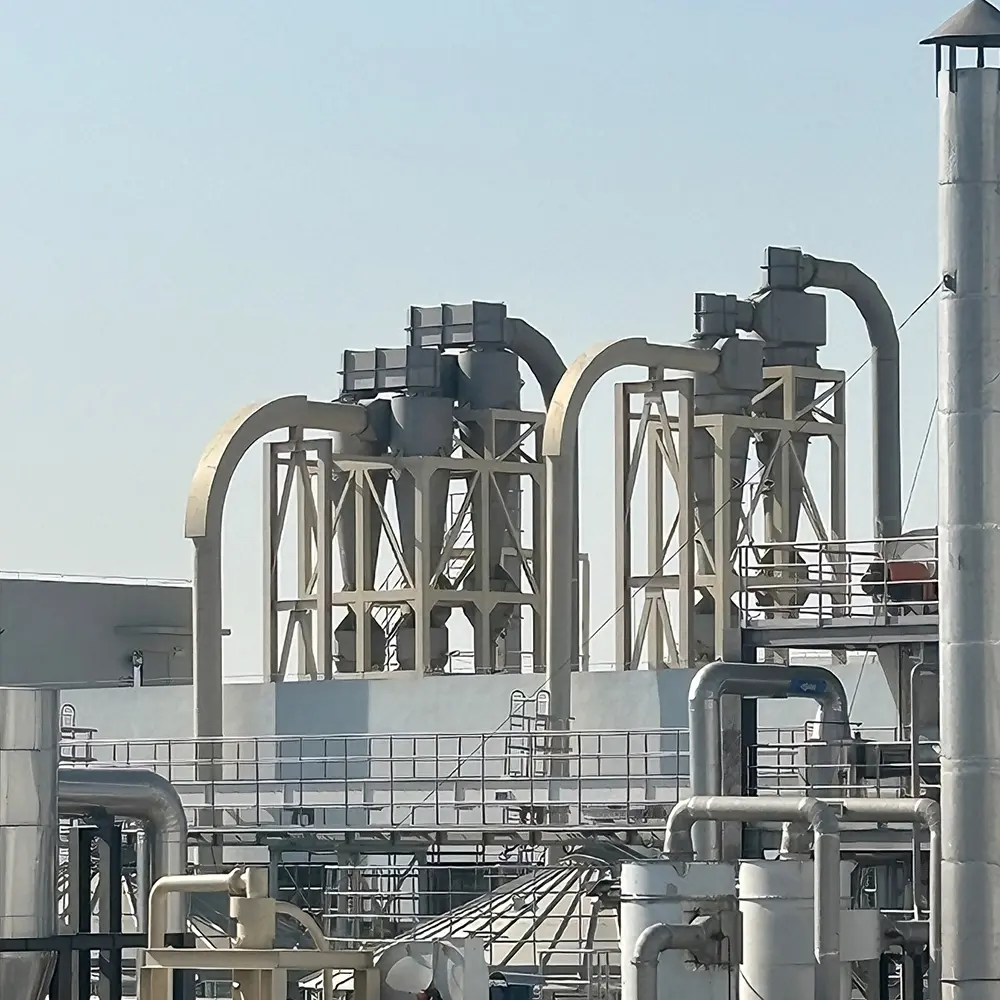
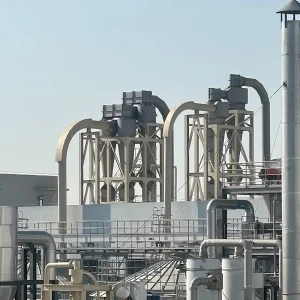
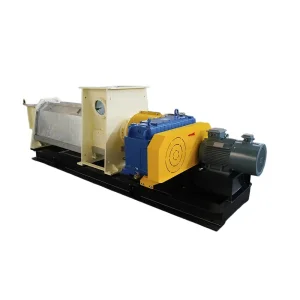
Jiangsu Zongheng's MQG Airflow Dryer employs high-speed hot air to suspend and fluidize the material. By utilizing impulse airflow generated from precisely varied tube diameters, it continuously tumbles the particles while conveying them. This design ensures rapid, uniform, and efficient drying throughout the entire transportation process within the system.
view more →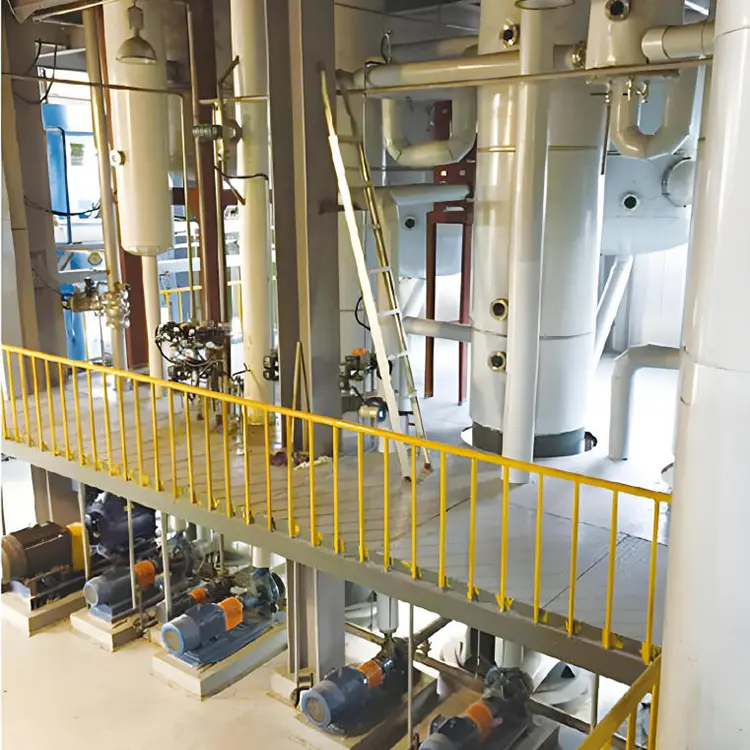
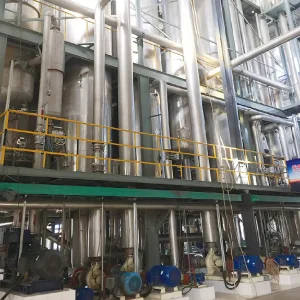
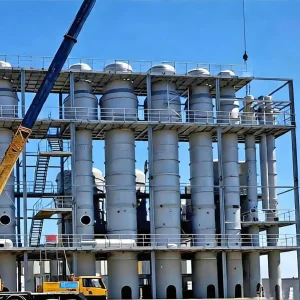
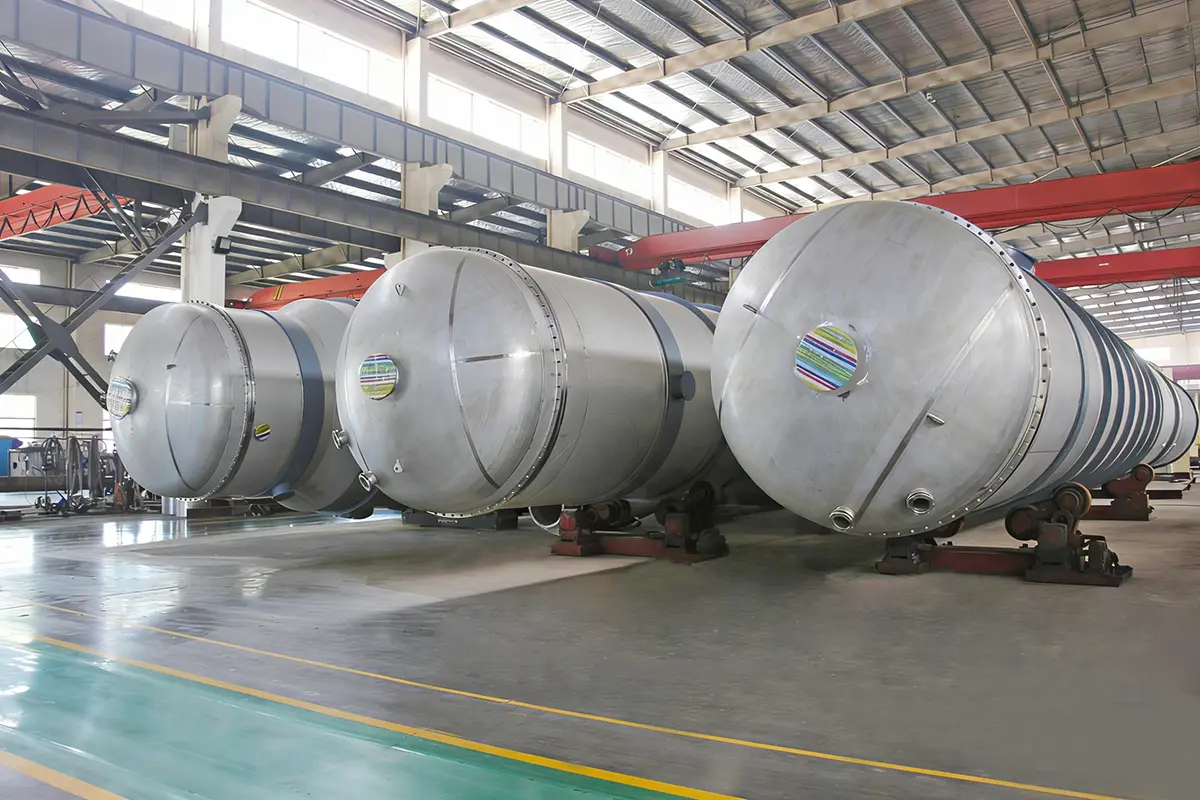
A falling film evaporator efficiently concentrates heat-sensitive liquids. The feed liquid forms a thin film flowing down heated vertical tubes, where it partially evaporates. Vapor generated flows parallel to the liquid, enhancing the process. It ensures a short residence time and low operating temperature, preserving product quality. The system requires proper liquid distribution and complete surface wetting to prevent fouling and maintain high thermal efficiency and operational stability.
view more →
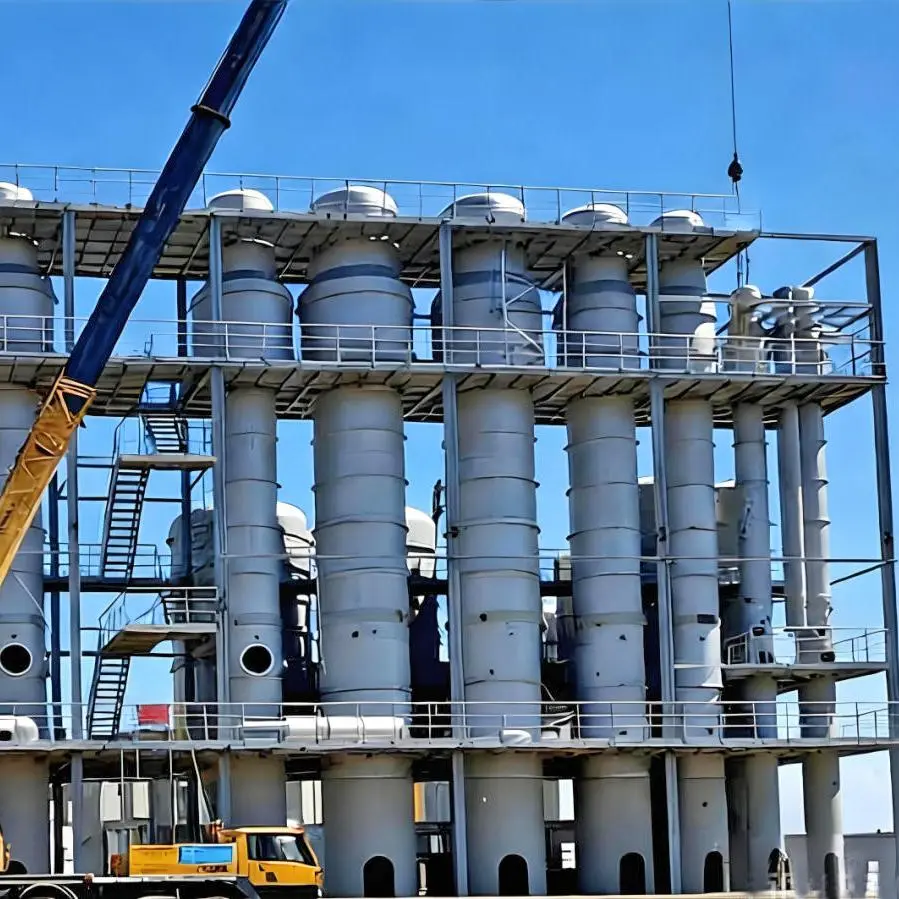
Zongheng provides energy-efficient, high-performance evaporation solutions suitable for waste heat recycling and high concentration setups.
A falling film evaporator efficiently concentrates heat-sensitive liquids down to target densities with minimal residence times.
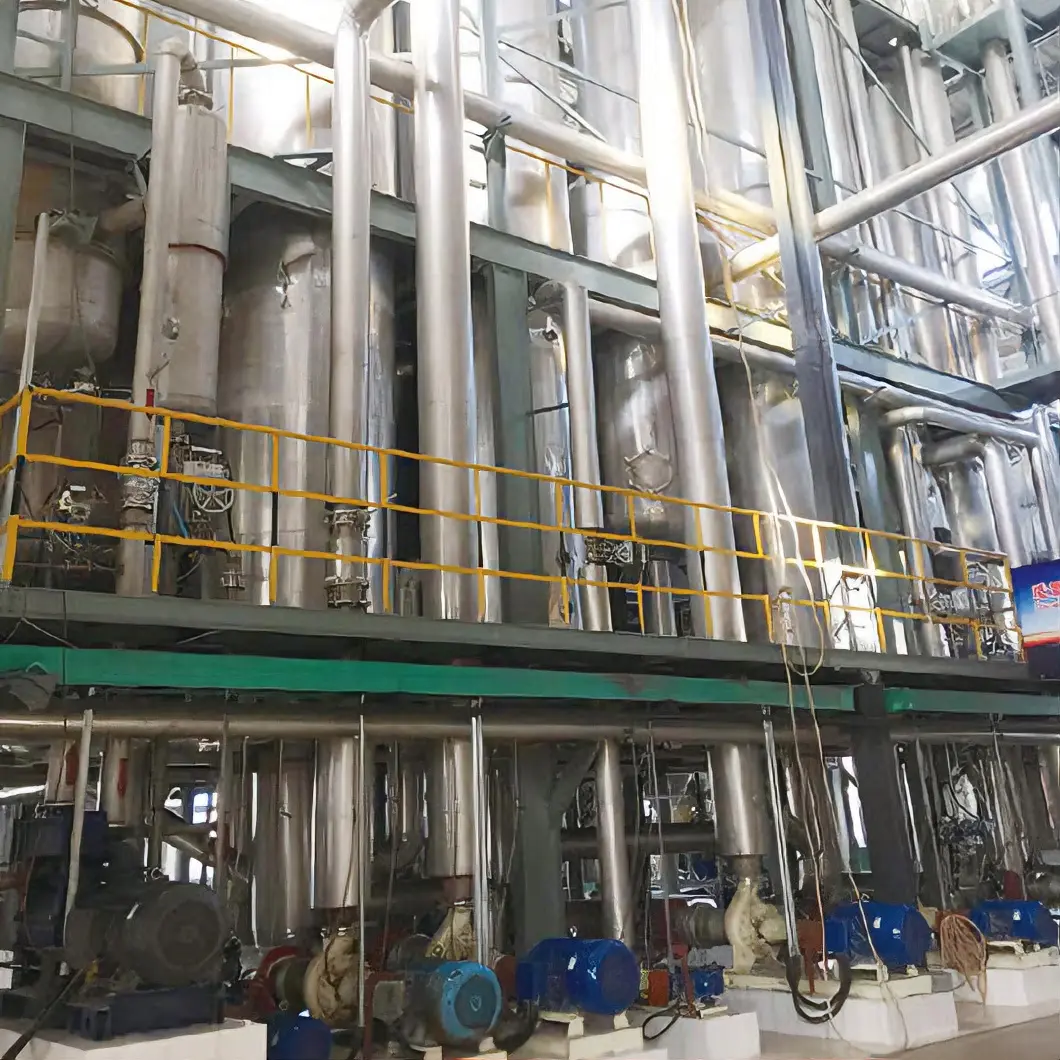
Zongheng is a premier Chinese manufacturer specializing in forced circulation evaporators for crystallizing and high-fouling solutions.
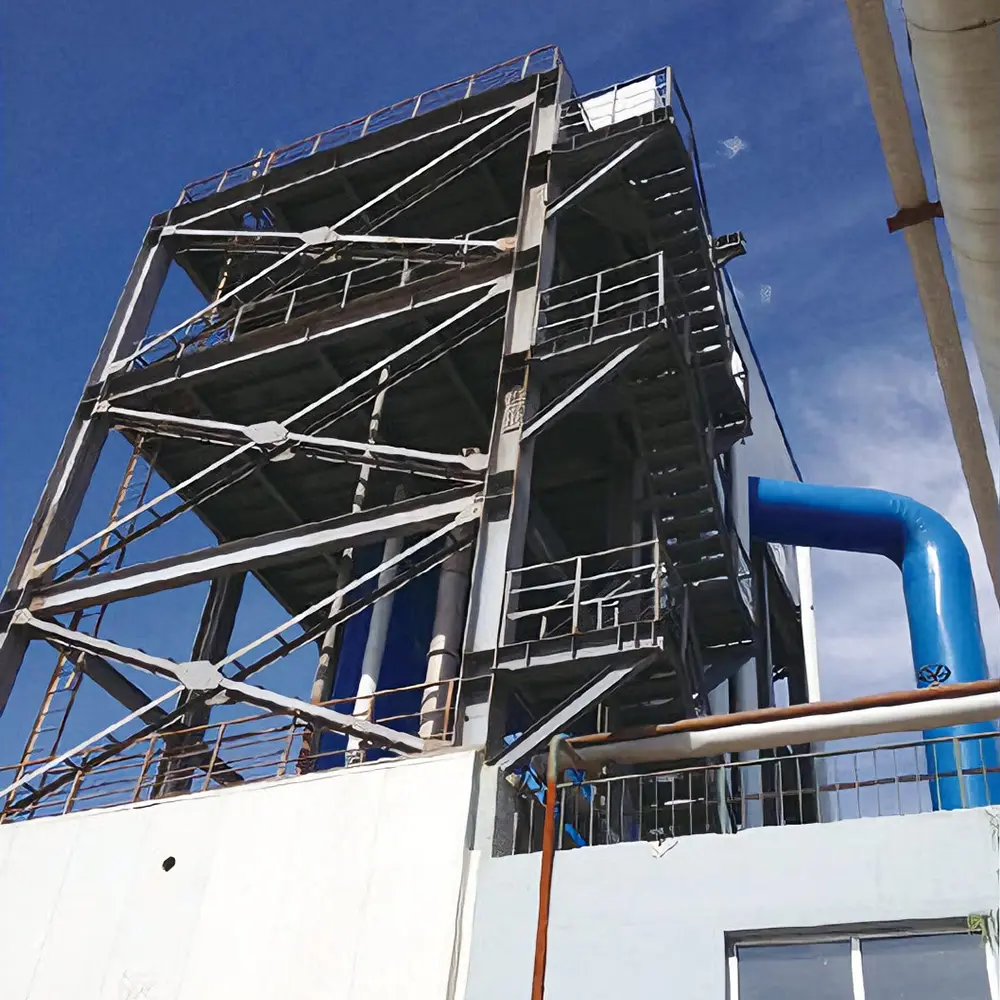
Mechanical Vapor Recompression (MVR) plants offer significant operational savings by recompressing secondary vapor to replace steam.
Our standard heatless desiccant dryers operate at approximately 12-15% purge air consumption. However, our high-performance heated purge and blower purge options reduce this penalty to under 2-4%, yielding substantial annual energy savings for high-volume compressed air applications.
Regenerative desiccant dryers function as high-pressure vessels. CE Certification ensures the dryer is compliant with European safety standards, specifically the Pressure Equipment Directive (PED). It certifies that our vessels are designed, welded, and pressure-tested to eliminate any catastrophic failure risk.
By avoiding timed-cycle operations that switch towers prematurely, the DDS (Dew Point Dependent Switching) system runs the desiccant tower only to its active limit. This reduces the total thermal cycle count, limits desiccant degradation (dusting), and preserves structural performance over years of operation.
Yes. As a factory direct manufacturer with over 20 in-house engineers, we design systems according to specific site requirements. This includes ambient temperature, pressure drop limitations, explosive-proof environments (ATEX), and special PLC integration options.
We warmly welcome friends from various industries, both domestic and international, to visit us for cooperation and mutual development!
Request a quoteGet to know our detailed contact information and schedule a direct factory tour with our technical engineering division.
View Details Jun 18, 2026
The evaporator absorbs heat to vaporize media, while the condenser releases heat to liquefy vapor; the two perform opposite cooling and heating functions. Operating under low pressure, the evaporator generates cold energy and concentrates source fluid assets with minimal input power.
 Zongheng