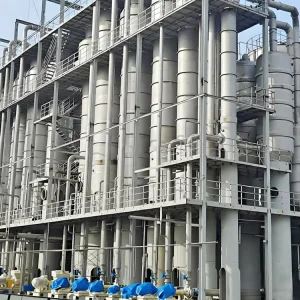
Optimized design to reduce steam consumption and lower carbon emissions in industrial processes.
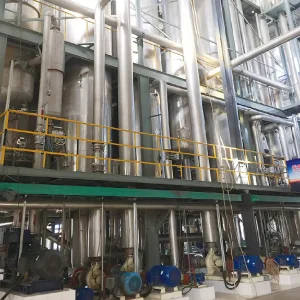
Specialized forced circulation mechanisms configured by leading industrial specialists in China.
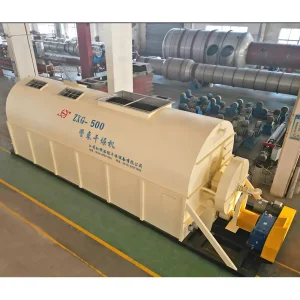
Providing high-safety, low-oxygen thermal processing for indirect steam drying requirements.
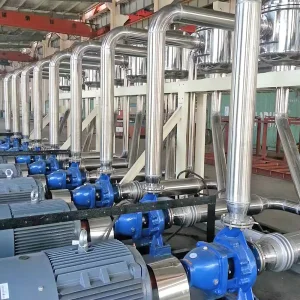
Engineered for high starch yield and efficient separation of proteinous impurities.
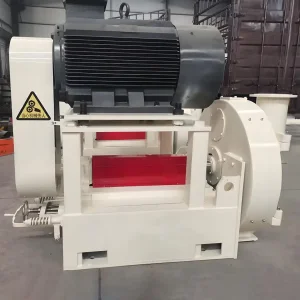
Delivers high starch extraction performance via precision corn germ crushing and liberation.
Specifically developed for corn steep liquor concentration and high-salinity industrial wastewater.
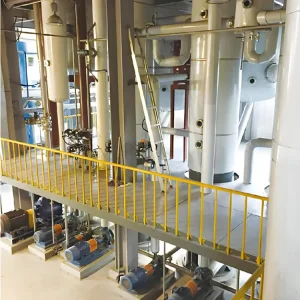
Provides brief residence time and thermal efficiency for concentrating heat-sensitive fluids.
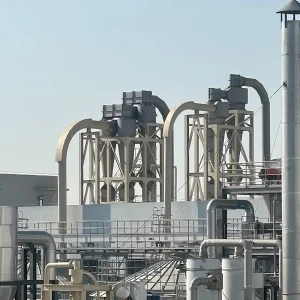
Suspends solid particles in high-velocity thermal air currents to facilitate instant drying.
Across modern industrial operations, solid-liquid separation represents a vital stage in both production efficiency and regulatory environmental compliance. The global market for dewatering screw conveyors and single screw presses is experiencing structural growth, propelled by the demand for energy-efficient dewatering technologies. As thermal drying processes become increasingly expensive due to rising carbon taxes and energy costs, mechanical dewatering has transitioned from an optional process step to a primary economic necessity.
Traditionally, industries relied on vacuum filters, belt presses, or high-speed decanting centrifuges for processing sludges and fibrous materials. While functional, these options demand significant utility inputs and exhibit high wear-and-tear profiles. By comparison, dewatering screw conveyors work via continuous volumetric compression. This design uses a screw with a progressive pitch to generate steady mechanical pressure, forcing free and bound liquid phases out through a calibrated wedge wire screen. This provides a low-speed, high-torque mechanism that reduces electricity consumption by up to 75% compared to high-speed decanter centrifuges, while achieving comparable dry-cake targets.
From a global macroeconomic perspective, China is now a leading manufacturer of this equipment. Leveraging supply chains, localized metallurgical expertise, and manufacturing systems, suppliers like Jiangsu Zongheng Concentrating and Drying Equipment Co., Ltd. design and fabricate separation machinery that complies with international standards, such as the ASME "U" Stamp and European CE certifications. This ensures that processing facilities in North America, Europe, and Southeast Asia can easily integrate Chinese-manufactured mechanical dewatering systems into their production lines.
The operational logic of a dewatering screw conveyor relies on pressure differential and volumetric displacement. Unlike standard transport conveyors, a dewatering screw utilizes a shaft with a variable pitch and a tapered core. As the raw slurry travels from the feed inlet to the discharge gate, the volume between the screw flights decreases. This decrease generates high mechanical pressure, which pushes free moisture through the surrounding cylindrical screen basket.
The performance of the press is governed by its compression ratio, defined as the inlet volume of the screw flight chamber divided by the outlet volume of the final discharge flight chamber:
For high-fiber applications, such as corn wet milling or pulp dewatering, compression ratios are configured between 4:1 and 6:1. For sticky, compressible biological sludges, lower compression ratios are combined with pneumatic or hydraulic back-pressure cones at the discharge outlet. This dual-pressure design creates a dynamic plug of material that acts as a resistance barrier, optimizing liquid extraction and stability.
| Parameter | Screw Press Separator | Decanter Centrifuge | Rotary Vacuum Belt Filter |
|---|---|---|---|
| Operating Principle | Volumetric Mechanical Compression | High-speed Centrifugal Gravity (G-Force) | Vacuum Pressure Differential |
| Power Consumption | Low (1.5 kW – 15 kW) | High (22 kW – 110 kW) | Medium (11 kW – 45 kW) |
| Wear Profile | Very Low (Slow rotation: 5-25 RPM) | High (High rotation: 2500-4500 RPM) | Medium (Continuous abrasive friction) |
| Maintenance Cycle | 12,000+ Operational Hours | 3,000 – 5,000 Hours (Bearing replacement) | 4,000 Hours (Belt/Mesh fabric wear) |
To reduce downtime, the screw flight tips are built with wear-resistant finishes, such as tungsten carbide thermal spraying or Stellite overlays. These hard coatings protect the screw flights from wear caused by abrasive sands, grains, and inorganic particulates, extending the operational life of the system.
Jiangsu Zongheng designs dewatering screw presses for specific industrial setups, ensuring they meet the unique material demands of different sectors:
Separates wash water from corn germ and fiber. Reduces wet-cake moisture content to under 50% prior to entering the Tube Bundle Dryer, minimizing steam consumption.
Processes spent brewer's grain and stillage. The press extracts soluble proteins and fibers from thin stillage, creating high-value feed products and conserving energy.
Concentrates biological sludge, reducing total sludge volume for disposal. Provides a compact and energy-efficient alternative to traditional dewatering systems.
Integrating a mechanical screw press directly upstream of thermal processing machinery offers major operational benefits. In starch production, feeding wet corn fiber into a tube bundle dryer at 70% moisture requires significant steam energy. However, pre-conditioning this material with a Jiangsu Zongheng Single Screw Press lowers the inlet moisture to 50% or less. This reduction in water content dramatically cuts the energy required for thermal evaporation, allowing plant operators to lower their operational costs.
Established in 1992 as the Yixing Yangxi Light Industry Machinery Factory, Jiangsu Zongheng Concentrating and Drying Equipment Co., Ltd. has developed into a modern high-tech enterprise. Specializing in concentration, drying, starch processing, and pressure vessel manufacturing, the company covers over 54,000 square meters, featuring a dedicated 22,000 square meter production workshop in Zhoutie Town, Yixing City.
As a long-standing member of the China Starch and Alcohol Association, Jiangsu Zongheng maintains advanced quality management systems. Supported by a specialized engineering team and certified to international standards like ISO9001 and ASME, the company delivers high-quality equipment designed for the chemical, food fermentation, pharmaceutical, and environmental protection sectors.
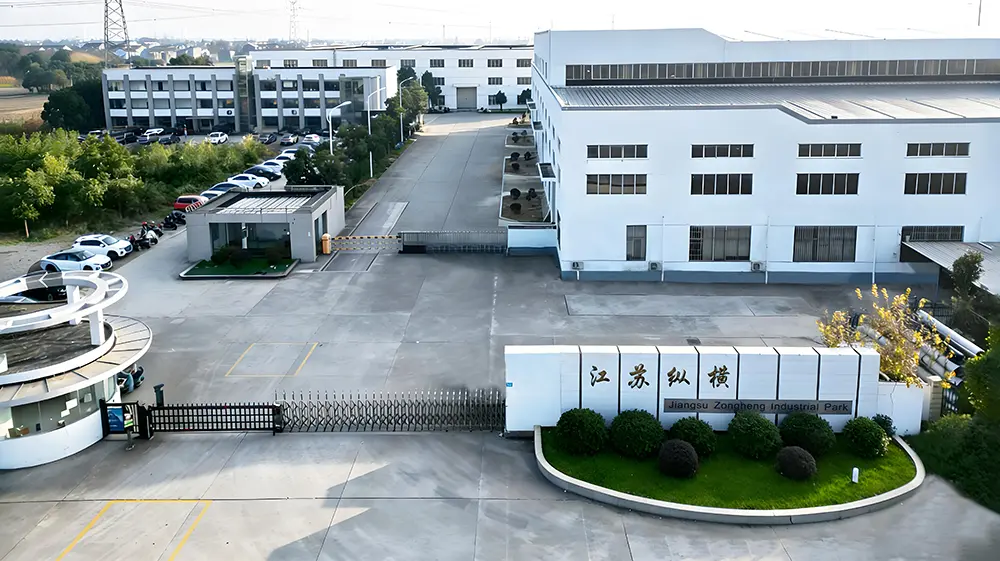
Operating across 54,000 square meters with over 120 skilled staff members, including 3 senior engineers and 20+ assistant engineers, optimizing global logistics and equipment delivery.
Obtained international quality system certification (Certificate No.: 45021), establishing a complete quality assurance system aligned with international standards.
Acquired the ASME "U" Stamp authorization, marking the company's entry into a new phase of international high-pressure vessel manufacturing.
Obtained the Special Equipment Manufacturing License of the People's Republic of China (License No.: TS2232C42) for low and medium-pressure vessels.
Officially recognized as a Jiangsu Provincial High-Tech Enterprise, acknowledging our investments in research and development.
Led the regional industry by successfully securing the ISO9001 Quality Management Certification, standardizing internal production lines.
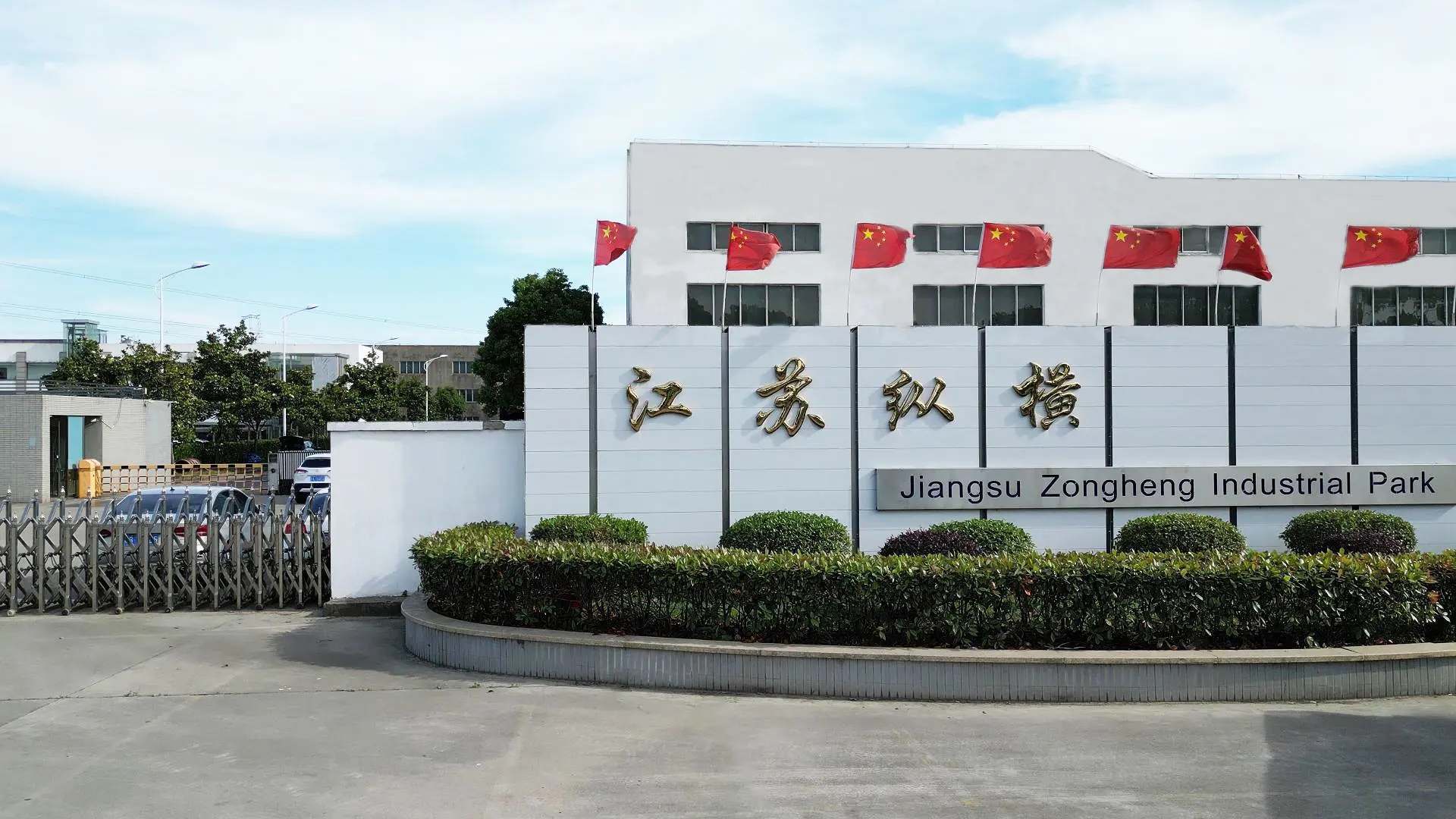
Established as Yixing Yangxi Light Industrial Machinery Factory, covering 15 mu of land with 45 employees, laying the foundation for our mechanical design capabilities.
Our process equipment range includes solutions for evaporation, drying, milling, and solid-liquid separation. Rather than providing standalone units, we design complete, integrated systems where each stage supports the next to optimize overall thermal efficiency.
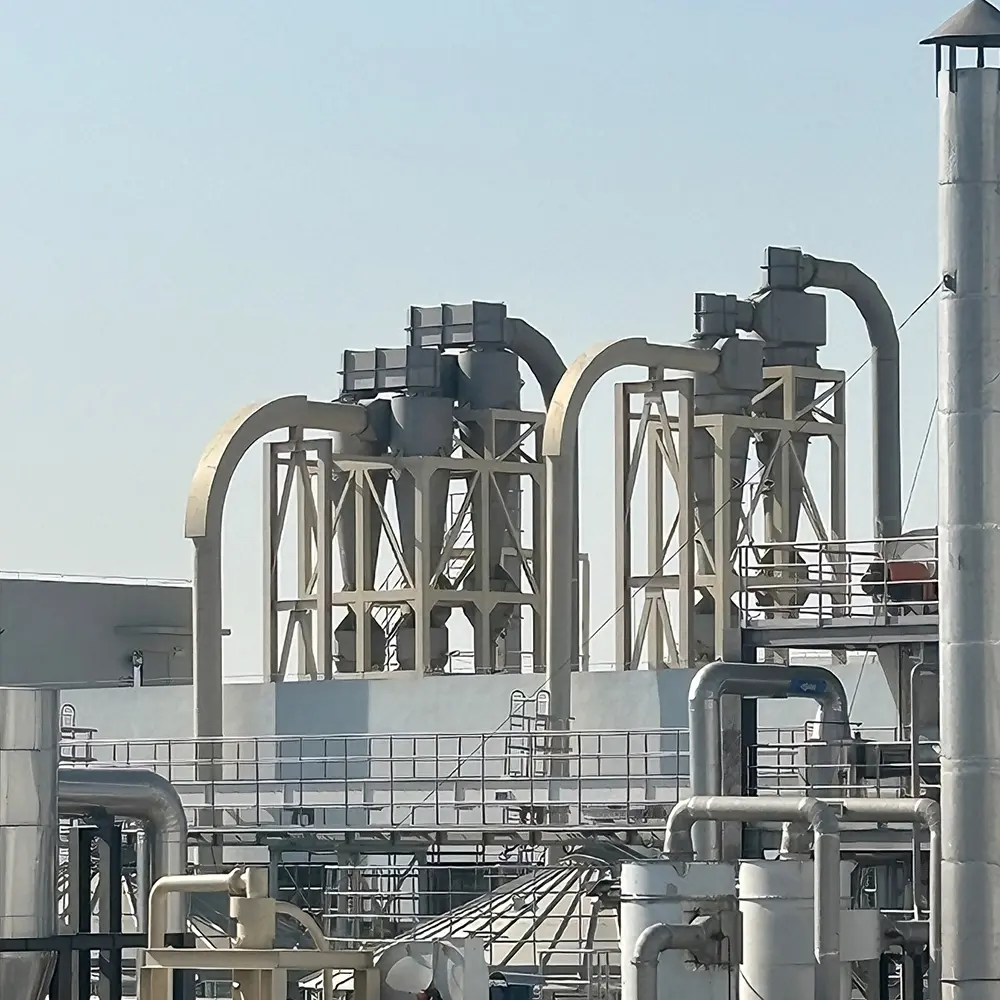
Jiangsu Zongheng's MQG Airflow Dryer employs high-speed hot air to suspend and fluidize the material. By utilizing impulse airflow generated from precisely varied tube diameters, it continuously tumbles the particles while conveying them. This design ensures rapid, uniform, and efficient drying throughout the entire transportation process within the system.
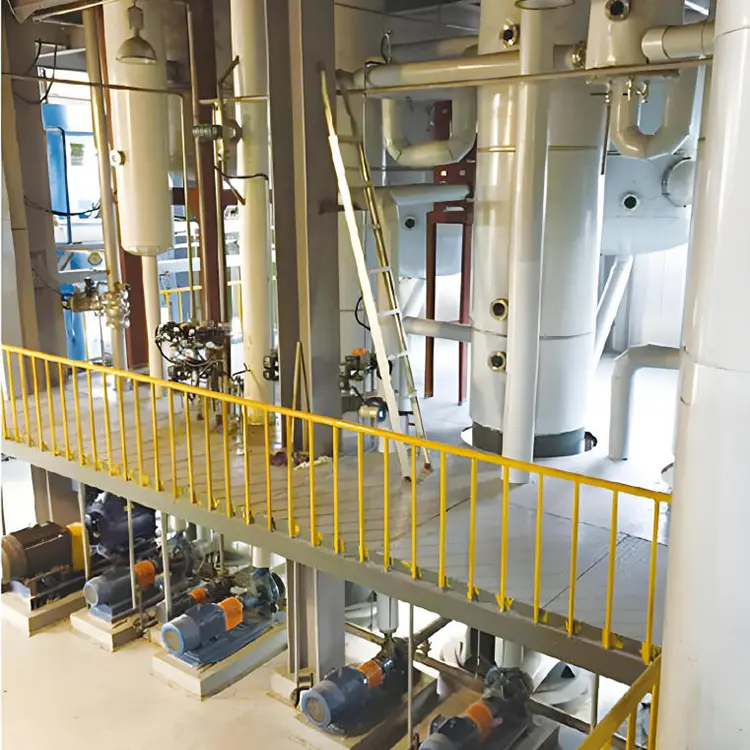
A falling film evaporator efficiently concentrates heat-sensitive liquids. The feed liquid forms a thin film flowing down heated vertical tubes, where it partially evaporates. Vapor generated flows parallel to the liquid, enhancing the process. It ensures a short residence time and low operating temperature, preserving product quality. The system requires proper liquid distribution and complete surface wetting to prevent fouling and maintain high thermal efficiency and operational stability.
Looking ahead, the development of solid-liquid separation systems focuses on automation, wear life extension, and smart process monitoring. Jiangsu Zongheng is integrating variable-frequency drive controls linked with real-time moisture sensors. By continually adjusting screw rotation speed and torque in response to fluctuations in slurry feed consistency, the system maintains a stable dry-cake output, protecting the mechanical drive components from overload.
Additionally, we are upgrading screen metallurgy to duplex stainless steels, such as SAF 2205. These materials offer improved resistance to chloride-induced corrosion and mechanical erosion, allowing our systems to process highly acidic or saline organic wastewater for extended periods with minimal maintenance requirements.
High-efficiency multi-cyclone systems designed for starch extraction, purification, and washing.
Evaporator systems certified for processing heat-sensitive liquids in compliance with EU safety standards.
High-efficiency indirect steam drying systems designed to process moisture-rich bulk materials.
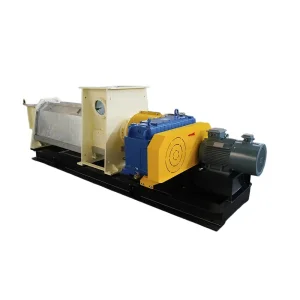
Specialized dewatering press designed to handle abrasive corn fiber and germ sludges.
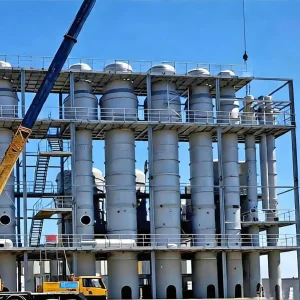
Custom-engineered thermal evaporation systems designed to optimize energy efficiency and lower utility costs.
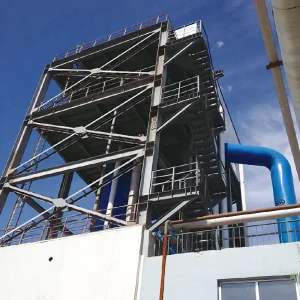
Mechanical Vapor Recompression (MVR) systems designed to recycle waste steam and reduce operating costs.
High-quality evaporation systems designed for concentrating organic fluids and heat-sensitive liquids.
Industrial screw presses designed for continuous, high-performance dewatering across various industries.
Contact our engineering specialists to discuss your application parameters and receive a custom solution proposal.
 Zongheng